Quick take: Phone free parenting tips start with small, intentional steps—swap a screen for a soft toy at night, set a “no‑phone” zone in the nursery, and involve the whole family. Consistency, simple activities, and clear communication make a screen‑free environment realistic, even for busy, working moms.
It’s 2 a.m., you’re in the dim glow of the night‑light, and the baby’s soft sighs mingle with the faint buzz of a notification on your phone. You glance at the screen, feel the tug of an incoming message, then remember the promise you made to yourself: more presence, less scrolling. You’re not alone. Many modern moms wrestle with the same tug‑of‑war, wondering how to protect their children’s early years while staying connected to work, friends, and the endless stream of parenting advice.
Phone free parenting tips aren’t about outlawing technology; they’re about carving out intentional, screen‑free moments that nurture bonding, language development, and emotional health—for your child and for you. In this guide we’ll walk through practical steps from the first newborn snuggles to toddler adventures, share strategies for pregnant moms, and help you talk the plan through grandparents, partners, and the whole family. By the end you’ll have a toolbox of activities, boundaries, and resources that feel doable, even on the busiest days.
How to start phone free parenting with a newborn
When a newborn arrives, the world contracts to the size of a tiny hand. The first weeks are a whirlwind of feeding, diaper changes, and sleepless nights—times when your phone can feel like a lifeline. Yet, those moments are also the most precious for bonding. Here’s how to lay a foundation of phone free parenting tips right from the start:
Create a “no‑phone” zone in the nursery
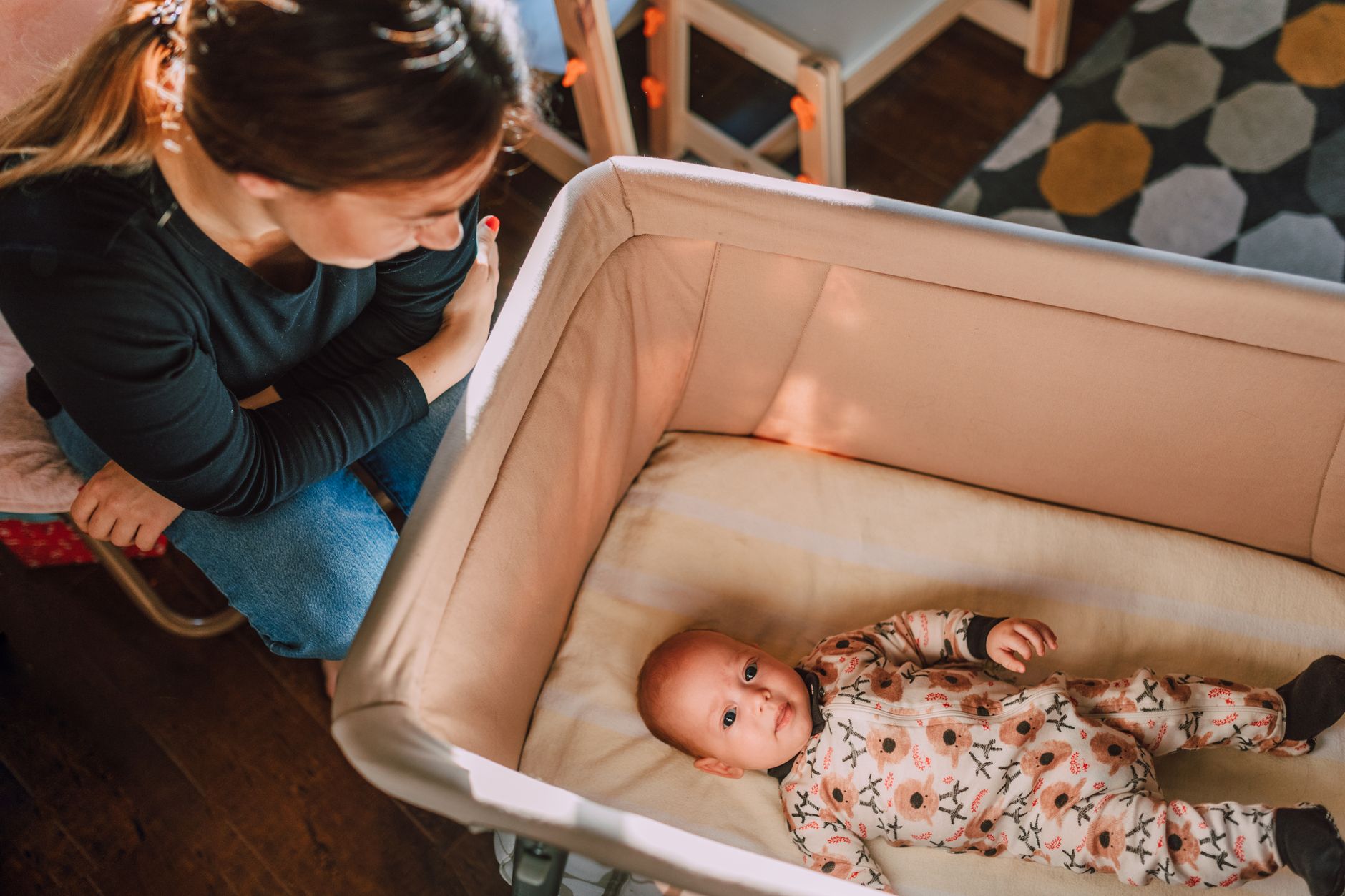
Designate the crib and feeding area as screen‑free zones. Keep your phone in another room or on a low‑vibration mode. A simple cue—like a small “phone‑free” sign on the nightstand—reminds you to stay present.
Instead of scrolling, use your device to play soothing lullabies, track feeding schedules, or video‑chat with a supportive friend. Set a timer for each task; when it rings, put the phone away and focus on the baby.
Practice mindful pauses
Take three deep breaths before each diaper change. Ask yourself, “What does my baby need right now?” This short pause helps you shift attention from the screen to the infant’s cues.
Many new moms tell us that the first week feels like a “digital detox” without even trying—just the sheer demand of infant care. By turning those demands into intentional, phone free parenting moments, you set a calm rhythm that will echo through later toddler years.

Phone free activities for toddlers that keep them engaged
Toddlers have boundless energy and curiosity. Replacing a tablet with a hands‑on activity can feel daunting, but the right options keep them busy and boost development. Below are age‑appropriate, screen‑free ideas that transform ordinary moments into learning adventures.
Sensory bins
Fill a shallow container with rice, pasta, or water beads. Add scoops, spoons, and small toys. Sensory play nurtures fine motor skills and encourages language as you describe textures (“soft,” “crunchy”).
Storytime with puppets
Choose a short picture book and use a hand puppet to act out characters. Toddlers love the interactive element, and the back‑and‑forth dialogue supports vocabulary growth.
Nature walks
Take a brief stroll around the block—collect leaves, point out birds, and ask “What sound does that bird make?” The outdoors provides endless stimulation without a screen.
Simple cooking projects
Let your toddler help wash fruit, stir batter, or sprinkle cheese. Even a five‑minute activity builds confidence and introduces basic math concepts (“one more,” “two less”).
One parent shared that swapping a 15‑minute “YouTube cartoon” with a 10‑minute “pretend kitchen” reduced meltdowns and made bedtime smoother. The key is to keep activities short, varied, and tied to everyday routines.
Tips for reducing screen time for pregnant moms
Pregnancy is a time of heightened emotional and physical needs. Even expectant mothers can fall into the habit of scrolling as a quick distraction. Yet, excessive screen use can increase stress and interfere with sleep—both crucial for a healthy pregnancy.
Set a daily “phone‑free” hour
Choose a consistent hour—perhaps after dinner—to put the phone away. Use this time for prenatal yoga, journaling, or simply feeling your baby move.
Swap a scrolling habit for a calming activity: read a pregnancy‑focused book, practice guided breathing, or listen to a podcast on motherhood (with headphones).
Use “do‑not‑disturb” wisely
Enable Do Not Disturb during prenatal appointments and bedtime. This reduces the urge to check notifications and helps you stay present with your provider.
Enlist a support buddy
Ask a partner or friend to send a gentle reminder if they notice you reaching for your phone during a craving or anxiety moment. A simple “How are you feeling?” text can break the cycle.
Research from the American College of Obstetricians and Gynecologists (ACOG) highlights that reducing stress and improving sleep during pregnancy benefits both mother and baby. By integrating phone free parenting tips into your own routine, you model healthy habits for the little one on the way.

How to explain phone free parenting to grandparents
Grandparents often love to share photos and videos, but they may also be the source of unexpected screen time. Communicating your phone free parenting vision with respect and clarity keeps family harmony intact.
Start with the “why”
Explain that early brain development thrives on face‑to‑face interaction. Mention guidelines from the American Academy of Pediatrics (AAP) that recommend no screen exposure for infants under 18 months, except for video chatting.
Offer alternatives
Suggest sending voice recordings, handwritten notes, or printed photos. Offer a “grandparent box” where they can place favorite items for you to share with the child during visits.
Set clear expectations
Politely ask grandparents to keep phones out of the nursery and to limit video calls to short, scheduled times. Provide a gentle script they can use: “We’re trying a screen‑free hour after bedtime—can we try that together?”
Show appreciation
Thank them for respecting the plan and highlight the positive impact they’re having on the child’s development. Positive reinforcement encourages continued cooperation.
One reader told us that after a calm conversation with her mother‑in‑law, the family created a weekly “photo‑share night” where grandparents printed pictures and told stories—turning a potential conflict into a cherished tradition.
Best books on phone free parenting for modern families
Books can offer evidence‑based guidance and fresh ideas. Below are three titles that blend research with real‑world strategies, perfect for parents seeking phone free parenting tips.
- “The Whole‑Child Approach” by Dr. Laura Markham – Emphasizes emotional connection over digital distraction; includes practical activity ideas.
- “Screen‑Free Kids” by Dr. Anya Kamenetz – Provides a step‑by‑step plan for reducing screen time at every age, with printable charts.
- “Raising a Connected Family” by Dr. Daniel J. Siegel – Balances technology use with mindful parenting, offering a nuanced view of the digital age.
All three books cite AAP recommendations and include worksheets you can adapt for your family’s routine. Picking one that resonates with your values makes it easier to stick to phone free parenting tips.
Phone free bedtime routine ideas for babies
Even infants benefit from a calm, screen‑free bedtime ritual. A predictable routine signals safety and prepares the brain for sleep.
Dim the lights and use soft sounds
Instead of a lullaby app, play a white‑noise machine or a simple shushing sound from a dedicated device placed away from the crib.
Gentle massage and skin‑to‑skin
Spend 5–10 minutes gently massaging your baby’s arms, legs, and back. The tactile contact releases oxytocin, fostering relaxation.
Storytime with a board book
Hold a soft, high‑contrast board book and narrate slowly. Even if your baby can’t follow the plot, the rhythm of your voice helps settle them.
Consistent “goodnight” phrase
Choose a calming phrase—“Sleep tight, sweet one”—and repeat it nightly. The phrase becomes a cue for sleep.
Parents who swapped an evening scrolling habit for a 15‑minute “phone‑free cuddle” reported longer stretches of uninterrupted sleep for both baby and caregiver.
Signs your child is ready for a phone free day
Even toddlers can handle a full day without screens if they have the right support. Look for these indicators before you schedule a “phone‑free day.”
- Shows interest in interactive play (blocks, puzzles) for at least 20 minutes.
- Can follow simple instructions without becoming frustrated.
- Demonstrates curiosity about the world—asks questions, explores outdoors.
- Has a stable routine of meals, naps, and bedtime.
- Expresses willingness to try new activities when encouraged.
If your child meets most of these signs, start with a half‑day without screens, gradually extending the time. Celebrate successes with verbal praise and a special “phone‑free” sticker chart.
Phone free parenting benefits for child development
Extensive research links reduced screen exposure to healthier outcomes across physical, cognitive, and emotional domains.
Brain development
Early face‑to‑face interaction stimulates the prefrontal cortex, essential for language and executive function. The AAP notes that children under 2 benefit most from direct human contact, not screens.
Language acquisition
Kids learn words faster when adults talk, read, and sing to them. A 2022 study in Child Development found that toddlers with less than 30 minutes of daily screen time had a 15% larger vocabulary by age three.
Physical health
Screen‑free play encourages movement, reducing the risk of childhood obesity. The CDC reports that active play improves motor skills and coordination.
Emotional regulation
When parents engage without devices, children develop secure attachment, leading to better coping skills and lower anxiety levels.
Collectively, these benefits reinforce why phone free parenting tips are more than a trend; they’re a cornerstone of holistic child development.
Phone free parenting challenges and solutions
Even with the best intentions, obstacles arise. Below we address common hurdles and provide actionable solutions, ensuring your phone free parenting journey stays on track.
Handling sibling rivalry without phones
When one child gets more screen time, jealousy can spark conflict. Offer equal “phone‑free” activities—like a joint art project or a shared outdoor scavenger hunt—to level the playing field. Use a visual schedule so each child sees when it’s their turn for a special activity.
Setting boundaries for phone use in the household
Create a family “phone basket” that lives in the kitchen or hallway. Everyone places their device there at designated times—mealtimes, bedtime, and during family activities. Clearly label the basket and involve children in the rule‑making process.
Phone free parenting vs digital parenting comparison
Ways to keep mom’s phone away during pregnancy
- Designate a “pregnancy‑free” drawer in the nightstand.
- Turn off non‑essential notifications; keep only essential medical alerts.
- Use a physical alarm clock instead of a phone for waking.
- Schedule “phone‑free” check‑ins with your partner to discuss cravings or worries.
Phone free parenting checklist for new parents
- Establish screen‑free zones (nursery, dining table).
- Create a daily “phone‑free” hour for the whole family.
- Stock a basket of tactile toys, books, and sensory bins.
- Set up a family phone basket with clear rules.
- Discuss the plan with grandparents and partners; provide alternatives.
- Choose one bedtime routine activity that doesn’t involve screens.
- Track progress with a simple chart; celebrate weekly wins.
By anticipating challenges and preparing concrete solutions, phone free parenting becomes a sustainable lifestyle rather than a fleeting experiment.
Myth vs. fact
Myth: “Screens are the only way to keep a toddler occupied while I’m busy.”
Fact: Simple, low‑tech activities—like water play, stacking blocks, or reading with puppets—can engage toddlers for 20‑30 minutes, fostering development and giving parents a break.
Myth: “Phone‑free parenting means I have to be glued to my child 24/7.”
Fact: Setting boundaries for your own device use actually creates healthier habits for both you and your child, allowing you to recharge while still being present.
Myth: “Only infants benefit from screen‑free time; toddlers need digital exposure to learn.”
Fact: The AAP recommends limiting screen time for children up to age 5 because excessive exposure can hinder language, attention, and social skills.
Key takeaways
- Start with clear, screen‑free zones—nursery, meals, and bedtime.
- Replace screen moments with tactile, sensory, and nature‑based activities.
- Communicate the “why” to grandparents and partners; offer concrete alternatives.
- Use a family phone basket and schedule daily phone‑free hours.
- Track progress with a simple checklist and celebrate small wins.
- Remember that reduced screen time supports brain development, language, and emotional health.
Frequently asked questions
What are the benefits of phone free parenting?
Phone free parenting enhances language acquisition, strengthens emotional bonds, encourages physical activity, and reduces stress for both child and parent. The American Academy of Pediatrics notes that face‑to‑face interaction is the most powerful stimulus for early brain development.
How can I keep my baby entertained without a phone?
Use sensory bins, soft music, gentle massage, and board books. Even a 5‑minute “look‑and‑talk” session—describing colors and textures—captures a baby’s attention and supports cognitive growth.
When should I start limiting my child's screen time?
The AAP recommends no screen time for infants under 18 months (except video chatting) and limited, high‑quality programming for toddlers 18–24 months with parental involvement. Begin setting boundaries as early as possible to establish healthy habits.
Is phone free parenting realistic for working parents?
Yes. The key is intentional scheduling—designate specific phone‑free windows (e.g., during meals or bedtime) and use tools like a family phone basket. Small, consistent steps are more sustainable than trying to eliminate screens entirely.
How do I explain phone free rules to my toddler?
Use simple language: “We have a phone‑free time so we can play together.” Offer a visual timer and a “phone‑free” sticker chart to show progress. Reinforce the rule with praise when they follow it.
What activities replace phone use for pregnant moms?
Try prenatal yoga, journaling, gentle walks, cooking simple meals, or reading pregnancy guides. Scheduling a daily “phone‑free” hour for self‑care can lower stress and improve sleep, benefiting both mother and baby.
When to see a doctor or specialist
If you notice any of the following, consider consulting a pediatrician or child development specialist:
- Persistent difficulty focusing or unusually high irritability beyond typical toddler behavior.
- Signs of delayed speech (few words by 18 months) or motor milestones.
- Sleep disturbances that interfere with daily functioning for both child and parent.
- Any concern that screen exposure may be affecting your child’s mood or behavior.
These symptoms are not exclusive to screen use, but a healthcare professional can help determine if additional support is needed. This article is for informational purposes only and does not replace personalized medical advice.
References
- American Academy of Pediatrics. “Media Use in Children Younger Than 2 Years.” Pediatrics, 2022.
- American College of Obstetricians and Gynecologists (ACOG). “Stress Management During Pregnancy.” Clinical Guidance, 2021.
- Centers for Disease Control and Prevention (CDC). “Childhood Obesity Facts.” 2023.
- Harvard T.H. Chan School of Public Health. “Screen Time and Child Development.” 2022.
- National Institute of Mental Health (NIMH). “Early Childhood Development.” 2021.
- World Health Organization (WHO). “Guidelines on Physical Activity, Sedentary Behaviour and Sleep for Children Under 5 Years of Age.” 2020.



