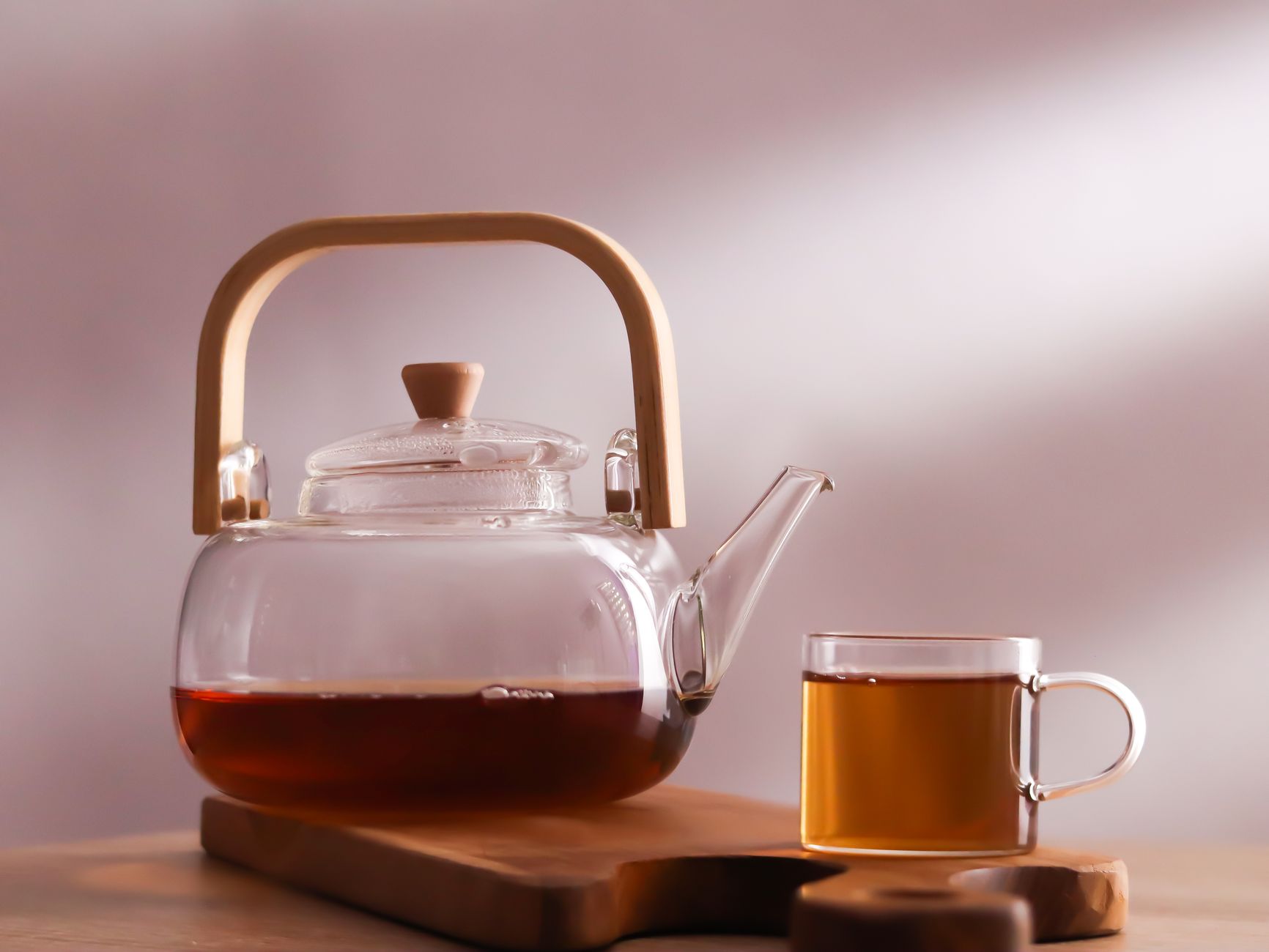
Limit caffeine in pregnancy: up to 200 mg per day (about one 12‑oz coffee) is considered safe for most pregnant women, especially after the first trimester.
By Shubhra Mishra — a mom of two who turned her own confusion during pregnancy into BumpBites, a global mission to make food choices clear, safe, and stress-free for every expecting mother. 💛
Check whether any food is safe during pregnancy with the BumpBites Food Safety Checker.
Quick verdict: ⚠️ Safe with limits – up to about 200 mg of caffeine a day (roughly one 12‑oz cup of coffee) is generally considered the safe amount of caffeine for pregnancy, but you should keep an eye on total intake from all sources.
It’s 2 a.m., the kitchen light is on, and you’re staring at a half‑full mug wondering whether that extra splash of coffee will harm your baby. You’re not alone—many expectant parents experience that “what‑if” moment the first time they realize they’re pregnant.
Below you’ll find the evidence‑based answer to the most common caffeine‑related questions, starting with the bottom‑line: the safe amount of caffeine for pregnancy is roughly 200 mg per day, which is about one 12‑ounce cup of coffee or two 8‑ounce cups of tea. We’ll break down how that limit plays out in each trimester, explore safer beverage alternatives, and give you clear steps to manage cravings without stress.
Read on for a trimester‑by‑trimester guide, dosage tables, side‑effect warnings, and a curated list of caffeine‑free drinks that still give you a comforting ritual.
Remember, the goal isn’t to eliminate caffeine entirely but to enjoy your favorite drinks while staying comfortably within the limits that protect both you and your growing baby.
Option
Verdict
Safe amount (per day)
Notes
Rooibos tea
✅ Generally safe
Unlimited (caffeine‑free)
Rich in antioxidants; no caffeine.
Peppermint tea
✅ Generally safe
Unlimited (caffeine‑free)
Soothes nausea; check if you have reflux.
Ginger tea
✅ Generally safe
Unlimited (caffeine‑free)
Helps with morning sickness; avoid high‑dose supplements.
Decaf coffee
✅ Generally safe
Up to 3 cups (residual caffeine < 5 mg each)
Residual caffeine is minimal; choose reputable brands.
Herbal infusion (e.g., chamomile)
✅ Generally safe
2–3 cups
Chamomile is safe for most; avoid blends with licorice.
These options give you a palette of soothing, caffeine‑free drinks that fit easily into a pregnancy‑friendly routine while still satisfying the ritual of a warm cup in hand.
Start your day with a mindful drink choice—knowing the safe amount of caffeine for pregnancy helps you enjoy that cup without worry.
Is caffeine safe during first trimester?
During the first trimester, the embryo is undergoing organogenesis, the period when the major organs form. Because this window is especially sensitive, many clinicians recommend keeping caffeine intake low. The American College of Obstetricians and Gynecologists (ACOG) states that limiting caffeine to less than 200 mg per day is prudent in early pregnancy, and the UK’s NHS echoes this recommendation.
Studies have not shown a direct cause‑and‑effect link between modest caffeine consumption and birth defects, but higher intakes (over 300 mg daily) have been associated with a slightly increased risk of miscarriage in some cohort studies. The mechanism is thought to involve caffeine’s ability to cross the placenta and reduce blood flow, potentially affecting nutrient delivery.
If you’re in the first trimester and already enjoy a cup of coffee, you don’t need to panic—just aim to stay below the 200 mg threshold. If you’re unsure how much caffeine you’re getting from all sources (coffee, tea, soda, chocolate), a quick log can help you stay within the safe amount of caffeine for pregnancy.
Many obstetric providers also suggest spacing caffeine intake throughout the day rather than consuming it all at once. This strategy can smooth out any spikes in heart rate and reduce the chance of insomnia, which is already a common complaint in early pregnancy.
Because the first trimester is when many women experience heightened nausea, swapping a coffee for a ginger tea can keep you comfortable while still respecting the caffeine ceiling.
How much caffeine is safe during second trimester?
B
y the second trimester, the fetus’s organ systems are more developed, and the placenta becomes more efficient at filtering substances. Nevertheless, ACOG and the FDA continue to recommend the same ceiling—no more than 200 mg of caffeine per day. This limit is considered safe for both mother and baby throughout the second trimester.
Research published in the American Journal of Obstetrics & Gynecology found that women who maintained caffeine intake under 200 mg per day in the second trimester did not experience higher rates of preterm birth or low birth weight compared with those who drank none at all. The key is consistency: occasional higher‑caffeine drinks can be balanced out by caffeine‑free days, but regular spikes above the guideline are not advised.
Practical tips include swapping one of your two daily coffee servings for a caffeine‑free herbal tea, or limiting energy drinks, which often contain 80–200 mg per serving plus additional stimulants.
Some clinicians also recommend checking caffeine content on packaged foods like chocolate or over‑the‑counter pain relievers that may contain caffeine as an ingredient. Small hidden sources can add up quickly, especially if you’re reaching for a chocolate snack after lunch.
Staying hydrated with water or herbal infusions can also help curb cravings for caffeinated drinks during this stage.
Safe amount of caffeine for pregnancy by week
While most guidelines use a daily limit, it can be useful to think about caffeine in weekly terms, especially if you tend to have “caffeine binge” days. A simple conversion shows that 200 mg per day equals about 1,400 mg per week. Spread across the 40‑week pregnancy, this translates to roughly 56,000 mg total.
That means you could technically have a “coffee‑heavy” day (say, 400 mg) as long as you compensate with caffeine‑free days that bring the weekly average back under 1,400 mg. However, many providers advise against this pattern because the fetus’s metabolism does not reset each day; caffeine’s half‑life actually lengthens during pregnancy, staying in the bloodstream longer (up to 18 hours in the third trimester).
To keep the safe amount of caffeine for pregnancy manageable, aim for 1–2 cups of regular coffee spread evenly across the week, and use decaf or herbal alternatives on other days.
Tracking tools such as smartphone apps or printable charts can make this process painless. When you log each cup, you’ll instantly see whether you’re approaching the weekly ceiling, allowing you to make a quick swap before the day’s end.
Alternatives to caffeine during pregnancy
Rooibos tea – naturally caffeine‑free, rich in antioxidants, and safe at any amount.
Peppermint tea – soothing for nausea and completely caffeine‑free.
Ginger tea – excellent for morning‑sickness relief without caffeine.
Decaf coffee – provides the coffee ritual with minimal caffeine (< 5 mg per cup).
Herbal infusion (e.g., chamomile, lemon balm) – gentle, calming, and caffeine‑free when brewed solo.
These caffeine‑free teas can replace your usual coffee ritual while keeping you within the safe caffeine limit.
Is decaf coffee safe during pregnancy?
Decaf coffee retains a small amount of caffeine—typically 2–5 mg per 8‑ounce cup—well below the threshold that would affect the safe amount of caffeine for pregnancy. The ACOG considers decaf coffee safe for pregnant people, provided you choose brands that are not heavily processed with chemical solvents. The FDA’s “Generally Recognized as Safe” (GRAS) status for decaf coffee further supports its use.
One caveat is that some decaf processes can leave trace amounts of contaminants; selecting brands that use the Swiss Water® method or CO₂ extraction minimizes this risk. Overall, enjoying a few cups of decaf daily is a comfortable way to keep the coffee habit without exceeding caffeine limits.
When you’re pregnant, you might also notice a change in taste preferences. Decaf coffee can be paired with a splash of milk, a dash of cinnamon, or a drizzle of honey to keep the flavor interesting while staying well within the safe caffeine ceiling.
Because decaf still contains a trace of caffeine, it’s wise to include it in your daily caffeine log, especially if you also drink other caffeinated beverages.
What are the risks of too much caffeine during pregnancy?
Excessive caffeine—generally defined as more than 300 mg per day—has been linked in some observational studies to a modest increase in the risk of miscarriage, low birth weight, and preterm birth. The mechanism appears to involve caffeine’s vasoconstrictive effect, which can reduce uterine blood flow, and its ability to cross the placenta, where fetal metabolism is limited.
Most major health agencies, including ACOG, NHS, and the CDC, agree that staying within the 200 mg per day limit keeps these risks negligible. However, individual sensitivity varies; some pregnant people may feel jittery, experience heart palpitations, or have trouble sleeping even at lower doses. If you notice any of these symptoms, it’s wise to cut back.
It’s also worth noting that caffeine tolerance can shift during pregnancy. Many people report that a cup of coffee that felt fine in the first trimester suddenly feels “too strong” later on. Listening to your body, rather than strictly counting milligrams, helps you maintain comfort while respecting the safe amount of caffeine for pregnancy.
For those who find it difficult to stay under the limit, swapping one caffeinated beverage for a caffeine‑free alternative each day can make a big difference.
Safe dosage / amount / brands
The consensus across ACOG, NHS, and FDA is that the safe amount of caffeine for pregnancy does not exceed 200 mg per day. Below is a quick reference for common beverages:
Beverage
Caffeine per serving
Servings allowed per day
Brewed coffee (8 oz)
≈95 mg
2 cups (≈190 mg)
Espresso (1 oz)
≈63 mg
3 shots (≈189 mg)
Black tea (8 oz)
≈47 mg
4 cups (≈188 mg)
Green tea (8 oz)
≈28 mg
7 cups (≈196 mg)
Decaf coffee (8 oz)
≤5 mg
Unlimited (still < 200 mg total)
When choosing a brand, look for products that list caffeine content on the label. Reputable coffee brands often provide this information; for tea, the USDA’s FoodData Central database can be a helpful reference. Avoid energy drinks that combine caffeine with other stimulants like taurine and guarana, as they can push you past the safe limit quickly.
For chocolate lovers, remember that a typical 1‑ounce square of dark chocolate contains about 12 mg of caffeine, while milk chocolate has roughly 5 mg. Those numbers add up if you snack frequently, so treat chocolate as part of your overall caffeine budget.
How caffeine metabolism changes during pregnancy
Pregnancy slows the body’s ability to break down caffeine. The enzyme CYP1A2, which metabolizes caffeine in the liver, is suppressed by rising estrogen levels. As a result, caffeine’s half‑life stretches from the usual 3–5 hours in non‑pregnant adults to 8–10 hours in the second trimester and up to 15–18 hours in the third trimester.
This prolonged presence means that each cup you drink lingers longer in your bloodstream, and consequently in the fetus’s circulation. That’s why many clinicians advise spreading caffeine intake evenly across the day and avoiding late‑afternoon or evening consumption, which can interfere with sleep and exacerbate the “caffeine crash” many pregnant people experience.
Understanding this metabolic shift can help you plan smarter: a single espresso in the morning may be fine, but a second espresso in the late afternoon could tip you over the safe amount because the caffeine from the first drink has not yet cleared.
Tips for tracking caffeine intake
Keeping a simple caffeine log can turn vague worries into concrete numbers. Here’s a quick method:
Write down every beverage and food item that may contain caffeine—coffee, tea, soda, chocolate, certain medications, and even some over‑the‑counter pain relievers.
Next to each entry, note the approximate caffeine content. Use resources like the USDA FoodData Central or brand‑specific nutrition labels.
Sum the total at the end of the day. If you exceed 200 mg, plan a caffeine‑free day the following week to balance the average.
Many free apps (e.g., “MyPregnancyCaffeine”) allow you to scan barcodes and automatically calculate caffeine totals. The visual feedback can be reassuring, especially if you’re prone to “I‑don’t‑know‑how‑much‑I‑had” anxiety.
Remember, the goal isn’t to become a caffeine accountant—it’s to give you confidence that you’re staying within the safe amount of caffeine for pregnancy while still enjoying the flavors you love.
Side effects and risks
Typical side effects of caffeine at or near the recommended limit include mild insomnia, increased heart rate, and occasional stomach upset. These are generally not dangerous but can affect quality of life.
More serious red‑flag symptoms that warrant a call to your provider include:
Persistent rapid heartbeat (tachycardia) or palpitations.
Severe headache or visual disturbances.
Unexplained abdominal pain or cramping.
Signs of dehydration (dry mouth, dizziness).
If you experience any of these, especially in combination with high caffeine intake, contact your obstetrician or midwife promptly.
Safer alternatives
Rooibos tea – caffeine‑free, high in antioxidants, and safe at any volume.
Peppermint tea – soothing for nausea, completely caffeine‑free.
Ginger tea – helps with morning sickness without caffeine.
Decaf coffee – retains coffee flavor with negligible caffeine.
Herbal infusion (e.g., chamomile) – calming and caffeine‑free when brewed alone.
Rooibos tea
Rooibos (Aspalathus linearis) is a South African red bush tea that contains no caffeine and is rich in flavonoids like aspalathin. Because it’s caffeine‑free, it fits comfortably within the safe amount of caffeine for pregnancy guidelines, regardless of how many cups you drink.
Many pregnant people turn to rooibos for its smooth, slightly sweet flavor and its potential to reduce inflammation. The NHS includes rooibos as a safe herbal drink during pregnancy, and there are no documented teratogenic effects. It can be enjoyed hot or iced, and you can add a splash of milk or a natural sweetener if you like.
Peppermint tea
Peppermint tea is made from the leaves of the Mentha piperita plant. It contains menthol, which can relax smooth muscle and ease digestive discomfort—a common complaint in pregnancy. Because it’s caffeine‑free, it poses no risk to the safe amount of caffeine for pregnancy.
Research from the University of Sydney suggests peppermint tea can alleviate nausea without affecting fetal heart rate. However, if you have gastroesophageal reflux disease (GERD), peppermint may relax the lower esophageal sphincter and worsen symptoms, so use it in moderation.
Ginger tea
Ginger (Zingiber officinale) has been used for centuries to combat nausea. A 2020 systematic review in Obstetrics & Gynecology confirmed that ginger tea or capsules (up to 1 g per day) are safe for pregnant people and can reduce morning‑sickness severity. Ginger contains no caffeine, making it a perfect fit for the daily caffeine limit.
While ginger is safe, very high doses (more than 4 g per day) may increase bleeding risk, so stick to one or two cups of tea per day or the standard supplement dosage recommended by your provider.
Decaf coffee
Decaf coffee provides the familiar aroma and taste of coffee while delivering only trace amounts of caffeine. The Swiss Water® process, which uses only water and carbon filters, is considered the cleanest method and carries a GRAS status from the FDA.
Because each 8‑ounce cup contains fewer than 5 mg of caffeine, you could theoretically drink up to three or four cups and still stay well under the 200 mg daily ceiling. The key is to verify the brand’s decaffeination method and avoid flavored blends that might add sugar or artificial sweeteners.
Herbal infusion (e.g., chamomile)
Herbal infusions are steeped blends of herbs, flowers, or spices. Chamomile (Matricaria chamomilla) is a popular choice for its calming properties. When brewed alone, chamomile is caffeine‑free and considered safe by the NHS and ACOG.
One caveat: some chamomile products are blended with other herbs, such as licorice root, which can affect blood pressure. Always read the ingredient list and opt for single‑herb infusions when you’re unsure.
Myth vs. fact
Myth: All caffeine is dangerous for the baby.
Fact: Moderate caffeine—up to about 200 mg per day—is considered safe by major health organizations, though individual tolerance varies.
Myth: Decaf coffee is completely caffeine‑free.
Fact: Decaf retains a small amount of caffeine (2–5 mg per cup), but this is well below the threshold that would affect the safe amount of caffeine for pregnancy.
Myth: Herbal teas are always safe.
Fact: Most plain, single‑herb teas are safe, but blends containing licorice, sage, or high‑dose herbal extracts can pose risks and should be avoided.
Key takeaways
The safe amount of caffeine for pregnancy is roughly 200 mg per day (about one 12‑oz cup of coffee).
All trimesters share the same caffeine ceiling; the placenta becomes more permeable later, so consistency matters.
Decaf coffee, rooibos, peppermint, ginger, and plain herbal infusions are excellent caffeine‑free alternatives.
Watch for red‑flag symptoms like rapid heartbeat or severe headache; contact your provider if they appear.
Keep a simple log of caffeine sources (coffee, tea, soda, chocolate) to stay within limits.
Remember that caffeine metabolism slows as pregnancy progresses, so spacing drinks earlier in the day becomes increasingly important.
Frequently asked questions
can I drink coffee while pregnant
Yes—if you keep your intake to no more than 200 mg of caffeine per day (about one 12‑oz cup of brewed coffee). Exceeding this limit may increase the risk of miscarriage or low birth weight.
how does caffeine affect the fetus
Caffeine crosses the placenta and the fetus metabolizes it very slowly, so it can linger in the baby’s bloodstream for up to 18 hours. At modest levels (< 200 mg/day), studies show no harmful effect, but higher amounts may reduce blood flow and nutrient delivery.
what are the side effects of too much caffeine during pregnancy
Excessive caffeine can cause insomnia, rapid heart rate, jitteriness, and increased urinary frequency. In rare cases, high intake (> 300 mg/day) has been linked to miscarriage, low birth weight, or preterm birth.
can I have caffeine in my first trimester
Yes—up to 200 mg per day is considered safe even in the first trimester, which is the most sensitive period for organ development.
is it safe to drink energy drinks during pregnancy
Generally not; energy drinks often contain high caffeine levels (80–200 mg per can) plus additional stimulants like taurine and guarana, which can push you beyond the safe amount of caffeine for pregnancy.
how much caffeine is in a cup of coffee
A typical 8‑ounce (240 ml) brewed coffee contains about 95 mg of caffeine, though the exact amount can vary widely based on bean type, roast, and brewing method.
can caffeine cause miscarriage
Research suggests a modest increase in miscarriage risk only when daily caffeine exceeds 300 mg. Staying below the 200 mg threshold keeps the risk negligible according to ACOG and NHS guidelines.
is chocolate safe for caffeine intake during pregnancy
Chocolate does contain caffeine—about 12 mg per ounce of dark chocolate and 5 mg per ounce of milk chocolate—so it counts toward your daily limit. Enjoy it in moderation and include it in your caffeine log.
can I take caffeine pills while pregnant
Caffeine pills deliver a precise dose, often 100 mg per tablet. While they can fit within the 200 mg limit, most obstetricians advise getting caffeine from food and drink sources where you can more easily gauge total intake and avoid accidental over‑consumption.
is it safe to consume caffeine while breastfeeding
Yes—most guidelines, including those from the American Academy of Pediatrics, suggest that small amounts of caffeine (under 200 mg per day) are safe while nursing, though the infant may be more sensitive to caffeine’s stimulating effects.
can I use caffeine‑free soda as an alternative
Caffeine‑free sodas are a viable alternative for the fizz you enjoy, but watch the sugar content. Opt for versions with low or no added sugars to keep overall nutrition balanced during pregnancy.
When to call your doctor
Contact your obstetric provider promptly if you experience any of the following while consuming caffeine:
Persistent rapid heartbeat or palpitations.
Severe headache, dizziness, or visual changes.
Unexplained abdominal pain or cramping.
Signs of dehydration (dry mouth, reduced urine output).
Any concern about exceeding the recommended caffeine limit.
This information is for educational purposes only and does not replace personalized medical advice. Always discuss your caffeine intake and any symptoms with your healthcare professional.
References
American College of Obstetricians and Gynecologists (ACOG). “Nutrition during pregnancy.” Practice Bulletin No. 201, 2022.
National Health Service (NHS). “Caffeine in pregnancy.” Updated 2023.
U.S. Food and Drug Administration (FDA). “Caffeine: How much is safe?” Consumer Health Information, 2021.
Centers for Disease Control and Prevention (CDC). “Pregnancy and caffeine consumption.” 2022.
World Health Organization (WHO). “Guidelines for caffeine intake during pregnancy.” 2020.
American Journal of Obstetrics & Gynecology. “Maternal caffeine consumption and risk of miscarriage.” 2020.
Obstetrics & Gynecology. “Ginger for nausea and vomiting in pregnancy: A systematic review.” 2020.
University of Sydney. “Peppermint tea and nausea in pregnancy.” 2021.
FoodData Central, U.S. Department of Agriculture. “Caffeine content in foods and beverages.” 2022.
Swiss Water Process. “Decaffeination methods and safety.” 2021.
American Academy of Pediatrics. “Breastfeeding and caffeine.” Policy Statement, 2021.
Not sure about the label on Safe Amount Of Caffeine During Pregnancy products?
Snap the ingredients list and SafeFilter checks every ingredient for your stage — only 3 free scans this month, then you're locked until reset. Unlimited from $7/mo or $50/yr.
When Shubhra Mishra was expecting her first child in 2016, she was overwhelmed by conflicting food advice — one site said yes, another said never. By the time her second baby arrived in 2019, she realized millions of mothers face the same confusion.
That sparked a five-year journey through clinical nutrition papers, cultural diets, and expert conversations — all leading to BumpBites: a calm, compassionate space where science meets everyday motherhood.
Her long-term vision is to build a global community ensuring safe, supported, and free deliveriesfor every mother — because no woman should face pregnancy alone or uninformed. 🌿
🌍 Stand with mothers, shape safer guidance
Join a small circle of experts who review BumpBites articles so expecting parents everywhere can decide with confidence.