

Quick take: The paleo diet food list for beginners is all about whole, unprocessed foods like grass-fed meats, wild-caught fish, leafy greens, berries, nuts, and healthy fats—think of it as eating like your ancestors did (but with modern grocery stores). Skip grains, legumes, dairy, and refined sugars. Start slow: swap one meal a day, focus on protein and fiber, and keep it simple. Compare it to the DASH diet if you need a more flexible approach. ✅ Safe for most healthy adults if nutrient-dense; ⚠️ Seek medical advice if pregnant, breastfeeding, or managing chronic conditions like diabetes or autoimmune disorders.
Paleo Diet Food List for Beginners 2026: What You Can (and Can’t) Eat
Let’s be honest—standing in front of the grocery store aisle with a blank stare, wondering if almond butter counts as paleo, is a rite of passage for new dieters. You’ve heard the paleo diet is "natural" and "ancient," but translating that into a shopping list feels like trying to decode hieroglyphics. One reader, Sarah, told us she spent 20 minutes debating whether coconut yogurt was allowed before giving up and ordering takeout. Sound familiar?
Here’s the good news: the paleo diet isn’t about deprivation—it’s about swapping processed foods for whole, nutrient-dense ones. Think of it as a reset button for your diet, minus the extreme calorie counting. But with so many conflicting lists online, it’s easy to feel overwhelmed. This guide cuts through the noise with a beginner-friendly paleo food list, meal prep tips, and answers to the most Googled questions—so you can start (and stick to) the plan without the guesswork.
Before we dive in, a quick note: the paleo diet is not a magic bullet. It’s best for people looking to improve digestion, reduce inflammation, or manage blood sugar. If you’re pregnant, have a medical condition, or are an athlete, we’ll cover those specifics later. For now, let’s start with the basics—what’s actually on the menu?
---The Ultimate Paleo Diet Food List for Beginners: What to Buy
Allowed Foods:
- Meats and Poultry: Grass-fed beef, pasture-raised chicken, wild-caught fish (salmon, sardines, mackerel), eggs (preferably from free-range chickens), and organ meats like liver. Pro tip: Look for labels like "grass-fed," "pasture-raised," or "wild-caught" to ensure higher nutrient density and lower inflammatory markers (American Heart Association, 2020).
- Seafood: Shellfish (shrimp, mussels, clams), fatty fish (rich in omega-3s), and any other fish that’s wild-caught and sustainably sourced. Note: Avoid farmed fish, which often contain higher levels of contaminants (NHS, 2023).
- Vegetables: Leafy greens (spinach, kale, arugula), cruciferous veggies (broccoli, cauliflower, Brussels sprouts), root vegetables (sweet potatoes, carrots, beets), and colorful peppers. Seasonal tip: Berries and leafy greens are cheaper and fresher in season—plan your meals around what’s locally available.
- Fruits: Berries (blueberries, raspberries, blackberries), apples, pears, citrus fruits, and bananas (in moderation due to sugar content). Sweetener hack: Freeze berries to extend shelf life and use them in smoothies or oatmeal alternatives (like coconut flour porridge).
- Fats and Oils: Avocados, olive oil, coconut oil, ghee (clarified butter—though traditional paleo excludes dairy, some modern versions include it), and nuts/seeds (almonds, walnuts, chia seeds, flaxseeds). Storage tip: Store nuts and seeds in the freezer to prevent rancidity.
- Herbs and Spices: Garlic, ginger, turmeric, rosemary, and any other herbs/spices that add flavor without additives. Budget-friendly: Grow your own herbs like basil, mint, or cilantro in small pots on a windowsill.
Foods to Avoid:
- Grains: Wheat, rice, oats, quinoa, corn, and all processed grain products (bread, pasta, cereal). Why? Grains contain lectins and gluten, which can trigger inflammation in some people (Harvard T.H. Chan School of Public Health, 2022).
- Legumes: Beans, lentils, peanuts, and soy products (tofu, tempeh, edamame). Exception: Some modern paleo diets allow small amounts of lentils or chickpeas if tolerated.
- Dairy: Milk, cheese, yogurt, butter (unless using ghee or coconut-based alternatives). Note: Dairy is a common trigger for bloating and skin issues (like acne) in many women (American Academy of Dermatology, 2021).
- Refined Sugars: Table sugar, high-fructose corn syrup, honey (in excess), and artificial sweeteners. Alternative: Use small amounts of raw honey or maple syrup for occasional sweetness.
- Processed Foods: Packaged snacks, fast food, and anything with a label full of unpronounceable ingredients. Rule of thumb: If it has more than 5 ingredients, it’s likely processed.
- Alcohol: Beer (contains grains), wine (often contains additives), and spirits (though some paleo versions allow hard liquor in moderation). Cocktail hack: Make a "paleo margarita" with tequila, lime, and coconut water.
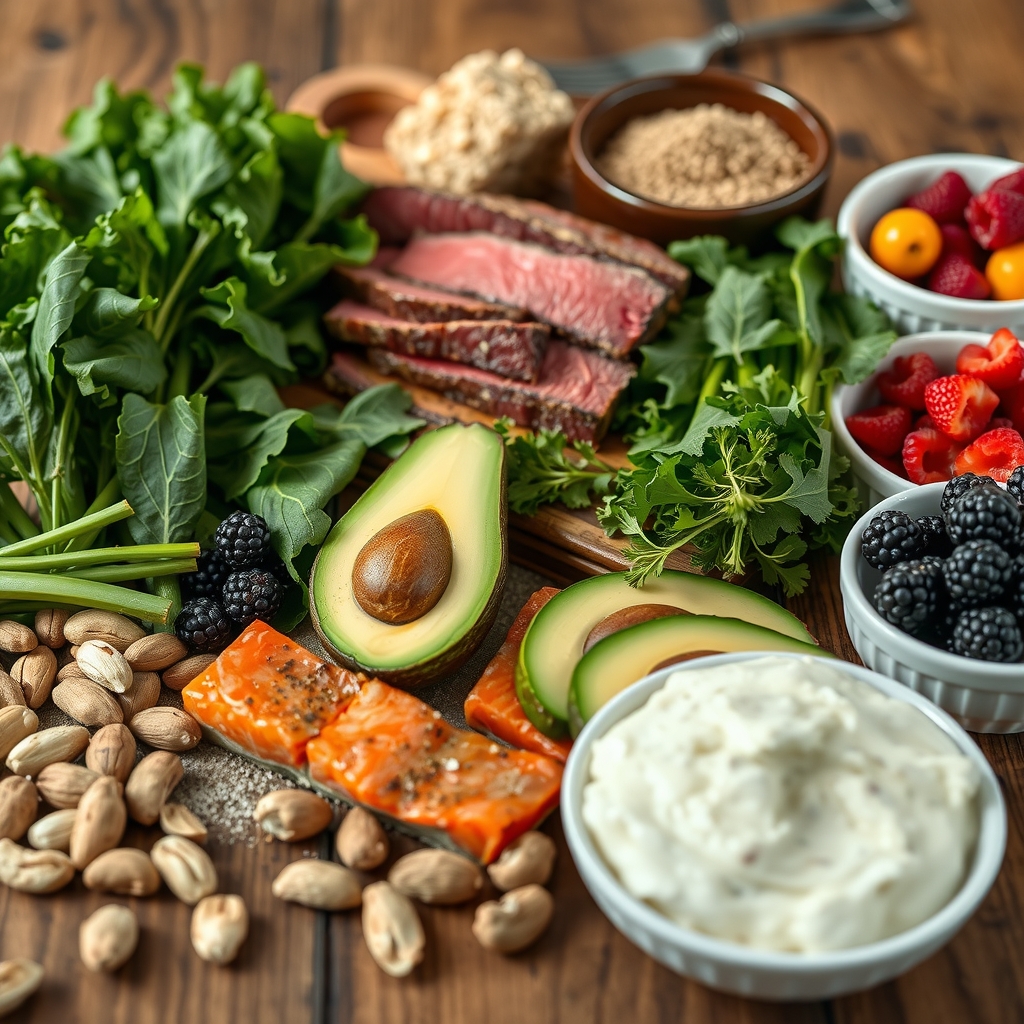
Paleo Diet Food List for Beginners with Dairy Alternatives
Here’s the thing about paleo: the original plan is strict—no dairy, no grains, no legumes. But life happens, and sometimes you need a little flexibility. If you’re sensitive to dairy or just want to explore alternatives, here’s how to keep things paleo-friendly:
- Coconut Milk/Yogurt: Unsweetened coconut milk (for cooking or drinking) and coconut yogurt (check for no added sugar). Flavor boost: Add cinnamon or vanilla bean to coconut yogurt for a creamy, dessert-like treat.
- Nut-Based "Milks": Almond milk, cashew milk, or macadamia milk (unsweetened). Storage tip: Shake well before use—these separate over time.
- Ghee: Clarified butter (lactose-free and paleo-approved). Cooking hack: Use ghee instead of oil for higher smoke point and better flavor.
- Seed-Based Cheese Alternatives: Cashew cheese or almond-based cheeses (brands like Violife or Miyoko’s offer paleo-friendly options). Melting tip: These work best in sauces or as toppings, not for melting.
- Fermented Veggies: Sauerkraut or kimchi (for gut health, no dairy needed). Gut health bonus: Fermented foods support a healthy microbiome, which can improve digestion and immunity (NIH, 2021).
Many people find that eliminating dairy helps with bloating or skin issues. If you’re curious, try a 30-day dairy-free challenge to see how you feel. One reader, Emily, swore she had "brain fog" until she cut out cheese—she later realized she was also sensitive to gluten, which she didn’t know was part of her paleo trigger. Signs you might be dairy-sensitive: Bloating, acne, nasal congestion, or fatigue after eating dairy.
---Paleo Diet Food List for Beginners for Weight Loss
If your goal is to shed pounds, the paleo diet can be a game-changer—if done right. The key is focusing on protein and fiber to keep you full, while avoiding blood sugar spikes from processed carbs. Here’s how to tweak the diet for weight loss:
- Prioritize Protein: Aim for 20–30g of protein per meal (think eggs, chicken, fish, or tofu alternatives like tempeh if you’re flexible). Protein sources: Wild-caught salmon, pasture-raised chicken thighs, or grass-fed ground beef.
- Load Up on Veggies: Fill half your plate with non-starchy vegetables to increase volume without excess calories. Volume hack: Use cauliflower rice or zucchini noodles to bulk up meals without carbs.
- Watch the Fruits: While fruits are allowed, they’re higher in sugar. Stick to berries or small portions of other fruits. Sweet fix: Enjoy a small handful of raspberries or blackberries with a dollop of coconut yogurt.
- Avoid "Paleo Junk Food": Just because it’s paleo doesn’t mean it’s healthy—skip processed meats (like bacon) and opt for whole foods. Bacon alternative: Try turkey bacon or smoked salmon for a lower-fat option.
- Stay Hydrated: Sometimes thirst is mistaken for hunger. Drink water, herbal tea, or electrolyte-rich drinks. Electrolyte tip: Add a pinch of Himalayan salt or a squeeze of lemon to water for extra flavor.
Pro tip: If you’re struggling with cravings, try keto’s approach to fat adaptation—your body will start burning fat for energy, making cravings fade. Fat adaptation: This can take 2–4 weeks, so be patient. Signs you’re adapting include stable energy, reduced cravings, and mental clarity.
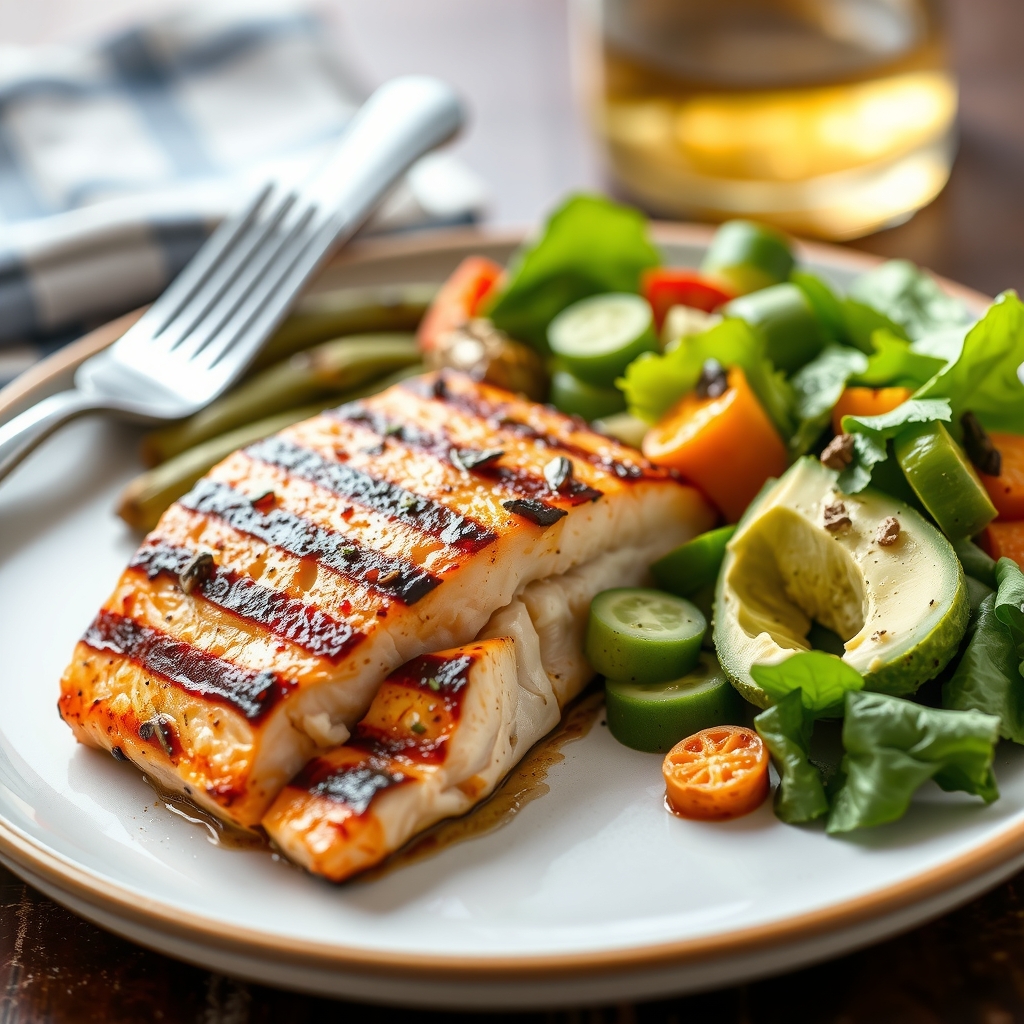
Paleo Diet Food List for Beginners for Energy
Feeling sluggish? The paleo diet can help stabilize your blood sugar and boost energy by cutting out processed sugars and refined carbs. Here’s how to fuel up right:
- Eat Fat for Fuel: Healthy fats (avocados, nuts, olive oil) keep you full and provide steady energy. Fat sources: Macadamia nuts, avocado oil, or a tablespoon of olive oil with meals.
- Choose Complex Carbs: Sweet potatoes, squash, and berries provide fiber and natural sugars for long-lasting energy. Meal timing: Pair carbs with protein and fat to slow digestion and prevent energy crashes.
- Prioritize Iron-Rich Foods: Spinach, liver, and lean meats help prevent fatigue. Iron boost: Pair iron-rich foods with vitamin C (bell peppers, citrus) to enhance absorption.
- Avoid Caffeine Crashes: If you drink coffee, pair it with protein or healthy fats to avoid the mid-afternoon slump. Coffee hack: Add a spoonful of coconut oil or nut butter to your morning coffee for sustained energy.
One reader, Jessica, swore she had "chronic fatigue" until she switched to paleo. She swapped her morning bagel for eggs and avocado—and her energy levels skyrocketed. "I thought I was just tired," she said, "but it turned out I was starving my body with empty carbs." Signs you’re energy-deprived: Brain fog, irritability, or cravings for sweets after meals.
---Paleo Diet Food List for Beginners for Pregnancy
Pregnancy is a great time to focus on whole foods, but the paleo diet requires extra caution. While it’s generally safe, some nutrients (like folate and calcium) can be harder to get in sufficient amounts. Here’s what to keep in mind:
- Focus on Nutrient-Dense Foods: Leafy greens, eggs, and fatty fish (rich in DHA) support fetal development. DHA sources: Wild-caught salmon, sardines, or algae supplements.
- Supplement Strategically: Many pregnant women need a prenatal vitamin with folate, iron, and omega-3s—even on a paleo diet. Prenatal tip: Look for a vitamin with methylfolate (the active form of folate) and DHA.
- Avoid High-Mercury Fish: Stick to low-mercury options like salmon, sardines, or trout. Mercury-safe list: Salmon, sardines, trout, herring, and anchovies (limit to 2–3 servings per week).
- Watch Your Protein Intake: Pregnant women need more protein—aim for 100g or more per day. Protein boosters: Grass-fed beef, lentils (if flexible), or eggs.
- Consult Your Provider: Always check with your doctor before making major dietary changes during pregnancy. Red flags: Severe nausea, dizziness, or unintentional weight loss.
Pro tip: If you’re craving dairy, opt for bone broth (rich in collagen and minerals) or coconut milk-based smoothies. Bone broth hack: Simmer grass-fed beef bones with apple cider vinegar and turmeric for 12+ hours for maximum nutrients.
---Paleo Diet Food List for Beginners for Kids
Introducing paleo to kids can be tricky—especially picky eaters! The good news is that many paleo foods are naturally kid-friendly. Here’s how to make it work:
- Start with Familiar Foods: If your child loves chicken nuggets, try baking them at home with almond flour instead of breadcrumbs. Nugget hack: Use a food processor to grind almonds into a fine flour for crispy coatings.
- Make It Fun: Use cookie cutters for veggie shapes, or let them assemble their own "caveman plates" with meat, veggies, and fruit. Plate hack: Use muffin tins to portion out small amounts of different foods.
- Avoid Sugar Substitutes: Kids’ palates are sensitive—stick to natural sweetness from fruit. Sweetener swap: Use mashed banana or applesauce to sweeten oatmeal alternatives (like coconut flour porridge).
- Be Patient: It can take 10–15 tries before a child accepts a new food. Trial tip: Pair new foods with favorites (e.g., "Try one bite of roasted carrots with your chicken nuggets").
One parent, Mark, shared that his son initially hated "weird foods" but now loves paleo meals like turkey meatballs and sweet potato fries. "He just needed time to adjust," Mark said. "Now he’s the one asking for more!" Kid-friendly paleo meals: Mini meatballs, veggie "dippers" (like cucumber or bell pepper strips), and fruit skewers.
---Paleo Diet Food List for Beginners for Athletes
Athletes need fuel for performance, and the paleo diet can work—if you focus on the right foods. Here’s how to optimize for strength, endurance, and recovery:
- Prioritize Protein for Muscle Repair: Aim for 1.6–2.2g of protein per kg of body weight (lean meats, fish, eggs). Protein timing: Consume protein within 30–60 minutes post-workout for optimal recovery.
- Refuel with Healthy Fats: Avocados, nuts, and olive oil support joint health and energy. Pre-workout snack: A handful of walnuts or a tablespoon of almond butter 30 minutes before exercise.
- Time Carbs Around Workouts: Eat complex carbs (sweet potatoes, berries) before and after exercise for glycogen replenishment. Post-workout carb source: Banana or sweet potato mash with a scoop of collagen peptides.
- Hydrate with Electrolytes: Coconut water or homemade electrolyte drinks (water + lemon + pinch of salt) help with recovery. Electrolyte hack: Add a pinch of Himalayan salt to your water bottle.
- Avoid Processed Meats: Opt for grass-fed beef or wild-caught fish to reduce inflammation. Anti-inflammatory fish: Wild-caught salmon, sardines, or mackerel.
Pro tip: If you’re training hard, consider adding brain-boosting foods like blueberries and walnuts to support cognitive function. Brain food combo: Blueberries + walnuts + dark chocolate (85% or higher) for a post-workout recovery snack.
---Paleo Diet Food List for Beginners on a Budget
Paleo can seem expensive, but with a little planning, you can keep costs low. Here’s how:
- Buy in Bulk: Frozen vegetables, nuts, and seeds are often cheaper in bulk and last longer. Bulk tip: Portion nuts and seeds into small bags to avoid spoilage.
- Choose Seasonal Produce: Berries and leafy greens are cheaper in season. Seasonal guide: Strawberries in summer, kale in fall, citrus in winter.
- Opt for Chicken Over Red Meat: Chicken thighs are cheaper than grass-fed beef and still nutrient-dense. Budget hack: Buy whole chickens and portion them yourself.
- Grow Your Own Herbs: Basil, mint, and cilantro grow easily in pots. Herb tip: Use windowsill pots or a small indoor garden.
- Use Leftovers Creatively: Roast a whole chicken and repurpose it into soups, salads, and wraps. Repurpose ideas: Shred leftover chicken for tacos, soups, or stir-fries.
Pro tip: Check out our DASH diet grocery list for more budget-friendly meal ideas—many overlap with paleo! Budget overlap: Both diets emphasize vegetables, lean proteins, and healthy fats.
---Paleo Diet Grocery List for Beginners: The Ultimate Shopping Guide
Ready to hit the store? Here’s a paleo-friendly grocery list to get you started:
| Category | Examples |
|---|---|
| Meats | Grass-fed ground beef, pasture-raised chicken thighs, wild-caught salmon, eggs |
| Seafood | Shrimp, sardines, mackerel, cod, mussels |
| Vegetables | Spinach, broccoli, carrots, sweet potatoes, zucchini, Brussels sprouts |
| Fruits | Blueberries, apples, bananas, oranges, raspberries |
| Fats & Oils | Olive oil, coconut oil, avocados, almonds, walnuts, chia seeds |
| Pantry Staples | Coconut flour, chia seeds, spices (turmeric, cinnamon), coconut aminos |
| Snacks | Hard-boiled eggs, nuts, seeds, avocado, olives |
Pro tip: If you’re new to cooking, start with simple meals like sheet-pan dinners (chicken + veggies + olive oil) or egg muffins (eggs + spinach + cheese alternatives). Sheet-pan hack: Use a wire rack on the sheet pan for even cooking and easy cleanup.
---Paleo Diet Meal Plan for Beginners: 7-Day Sample Plan
Need inspiration? Here’s a simple 7-day paleo meal plan to get you started:
| Day | Breakfast | Lunch | Dinner | Snack |
|---|---|---|---|---|
| Day 1 | Scrambled eggs with spinach and avocado | Grilled chicken salad with olive oil dressing | Baked salmon with roasted sweet potatoes | Handful of almonds |
| Day 2 | Chia pudding with coconut milk and berries | Turkey lettuce wraps with avocado | Beef stir-fry with broccoli and coconut aminos | Celery sticks with almond butter |
| Day 3 | Smoothie (spinach, banana, almond milk, protein powder) | Tuna salad (with olive oil instead of mayo) on cucumber slices | Lamb chops with roasted Brussels sprouts | Hard-boiled eggs |
| Day 4 | Sweet potato hash with eggs and turkey bacon | Grilled shrimp skewers with zucchini noodles | Baked chicken thighs with cauliflower mash | Apple slices with almond butter |
| Day 5 | Coconut yogurt with berries and walnuts | Stuffed bell peppers with ground turkey and cauliflower rice | Grilled fish with asparagus and olive oil | Handful of macadamia nuts |
| Day 6 | Avocado and smoked salmon on cucumber slices | Chicken Caesar salad (no croutons, with olive oil dressing) | Beef and vegetable kebabs | Dark chocolate (85% or higher, in moderation) |
| Day 7 | Breakfast burrito (eggs, avocado, salsa in a lettuce wrap) | Leftover grilled chicken with roasted veggies | Turkey meatballs with marinara (no sugar added) and zucchini noodles | Sliced pear with almonds |
Pro tip: Batch-cook proteins like chicken or beef on Sunday to save time during the week. Batch-cooking hack: Freeze portions for quick meals later in the week.
---Paleo Diet Recipes for Beginners: 5 Easy Starters
Cooking paleo can feel intimidating, but these easy paleo recipes are foolproof:
- Sheet-Pan Chicken Fajitas: Toss chicken strips, bell peppers, and onions with olive oil, cumin, and paprika. Roast at 400°F for 20–25 minutes. Flavor boost: Add a squeeze of lime and cilantro before serving.
- Avocado Chicken Salad: Mix shredded chicken, diced avocado, olive oil, lemon juice, and celery. Serve in lettuce wraps. Salad hack:
- Sweet Potato & Black Bean Bowl (Flexible): Roast sweet potatoes, top with sautéed chicken, avocado, and coconut yogurt. Flexible tip: Use black beans if you’re not strict about legumes.
- Zucchini Noodles with Pesto & Shrimp: Spiralize zucchini, sauté with garlic-infused olive oil, add shrimp, and top with homemade pesto (basil, olive oil, nuts). Pesto hack: Blend fresh basil, pine nuts, garlic, and olive oil for a quick sauce.
- Beef & Veggie Stir-Fry: Stir-fry ground beef with broccoli, bell peppers, and coconut aminos (or soy sauce if flexible). Stir-fry tip: Use a wok or large skillet for even cooking.
Pro tip: If you’re short on time, try Mediterranean-style meals—they’re often paleo-friendly and quick to prepare. Mediterranean overlap: Both diets emphasize olive oil, vegetables, and lean proteins.
---Paleo Diet Foods to Avoid: The Ultimate "No" List
Here’s what you should not eat on paleo—even if it’s marketed as "healthy":
- Processed meats: Bacon, sausages, deli meats (often contain additives). Alternative: Use turkey bacon or homemade sausages with ground meat and spices.
- Refined sugars: Table sugar, high-fructose corn syrup, artificial sweeteners. Natural sweetener: Use small amounts of raw honey or maple syrup.
- Grains: Wheat, rice, oats, quinoa, corn. Grain alternative: Use coconut flour or almond flour for baking.
- Legumes: Beans, lentils, peanuts, soy products. Flexible tip: Some people tolerate small amounts of lentils or chickpeas.
- Dairy: Milk, cheese, yogurt (unless using alternatives like ghee or coconut products). Dairy alternative: Use coconut milk or almond milk in cooking.
- Alcohol: Beer (contains grains), wine (often contains additives). Paleo-friendly alcohol: Hard liquor in moderation (e.g., gin, vodka, tequila).
- Vegetable oils: Canola, soybean, and corn oil (high in inflammatory fats). Healthy oil swap: Use olive oil, avocado oil, or coconut oil instead.
Pro tip: Always check labels—even "natural" foods can contain hidden sugars or additives. Label tip: Look for ingredients you recognize and avoid anything with "partially hydrogenated oils" or artificial sweeteners.
---Paleo Diet Nutrition Facts: What You’re Really Eating
The paleo diet is rich in nutrients, but it’s not a free pass to eat whatever you want. Here’s what you’re gaining (and potentially missing):
| Nutrient | Paleo Diet Source | Potential Deficiency Risk | Solution |
|---|---|---|---|
| Protein | Meat, fish, eggs | Low if not eating enough meat | Prioritize protein at every meal; consider collagen peptides |
| Calcium | Leafy greens, almonds, sardines | Low if avoiding dairy | Supplement with vitamin D + calcium if needed; include bone broth |
| Iron | Red meat, spinach, lentils (if flexible) | Low if not eating enough red meat | Pair with vitamin C (bell peppers, citrus) for absorption; consider liver |
| Omega-3s | Fatty fish, walnuts, chia seeds | Low if not eating enough fish | Supplement with algae oil if needed; include flaxseeds |
| Fiber | Vegetables, fruits, nuts | Low if not eating enough plant foods | Add psyllium husk or ground flaxseed if needed; include berries |
| Vitamin D | Fatty fish, egg yolks, sunlight | Low in winter or with limited sun exposure | Supplement if needed; include mushrooms exposed to UV light |
Pro tip: If you’re concerned about nutrient gaps, a blood test can help identify what you might need to supplement. Blood test tip: Ask your doctor for a comprehensive panel, including vitamin D, B12, iron, and omega-3s.
---Paleo Diet Benefits for Beginners: What to Expect
Many people report these benefits within the first few weeks:
- Better Digestion: No more bloating from processed foods or dairy. Digestive tip: If you experience constipation, increase fiber intake with vegetables and seeds.
- More Energy: Steady blood sugar from whole foods. Energy hack: Pair carbs with protein and fat to prevent crashes.
- Reduced Inflammation: Less reliance on processed oils and sugars. Anti-inflammatory foods: Berries, fatty fish, and leafy greens.
- Stable Mood: Omega-3s from fish and nuts support brain health.


