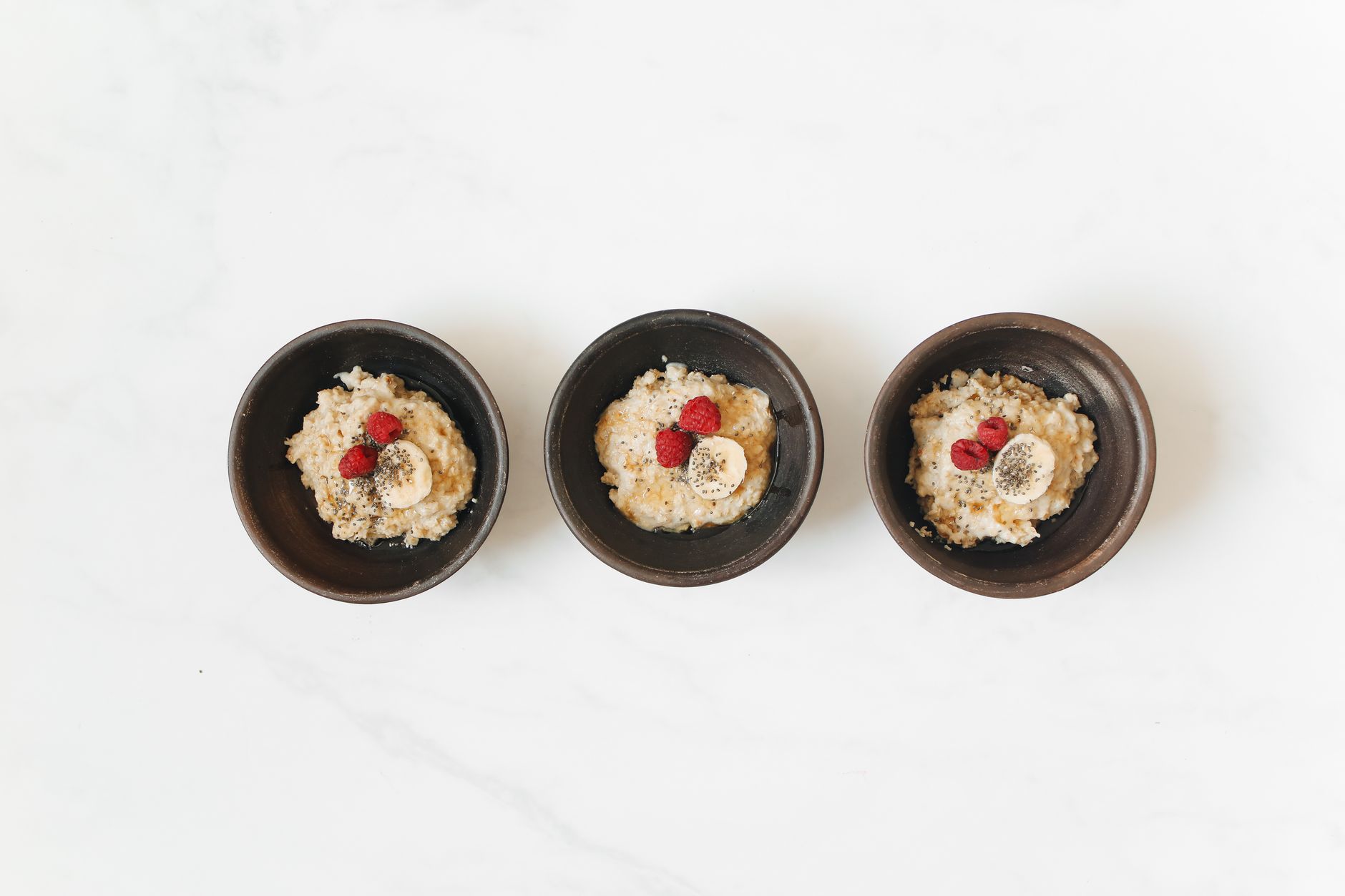
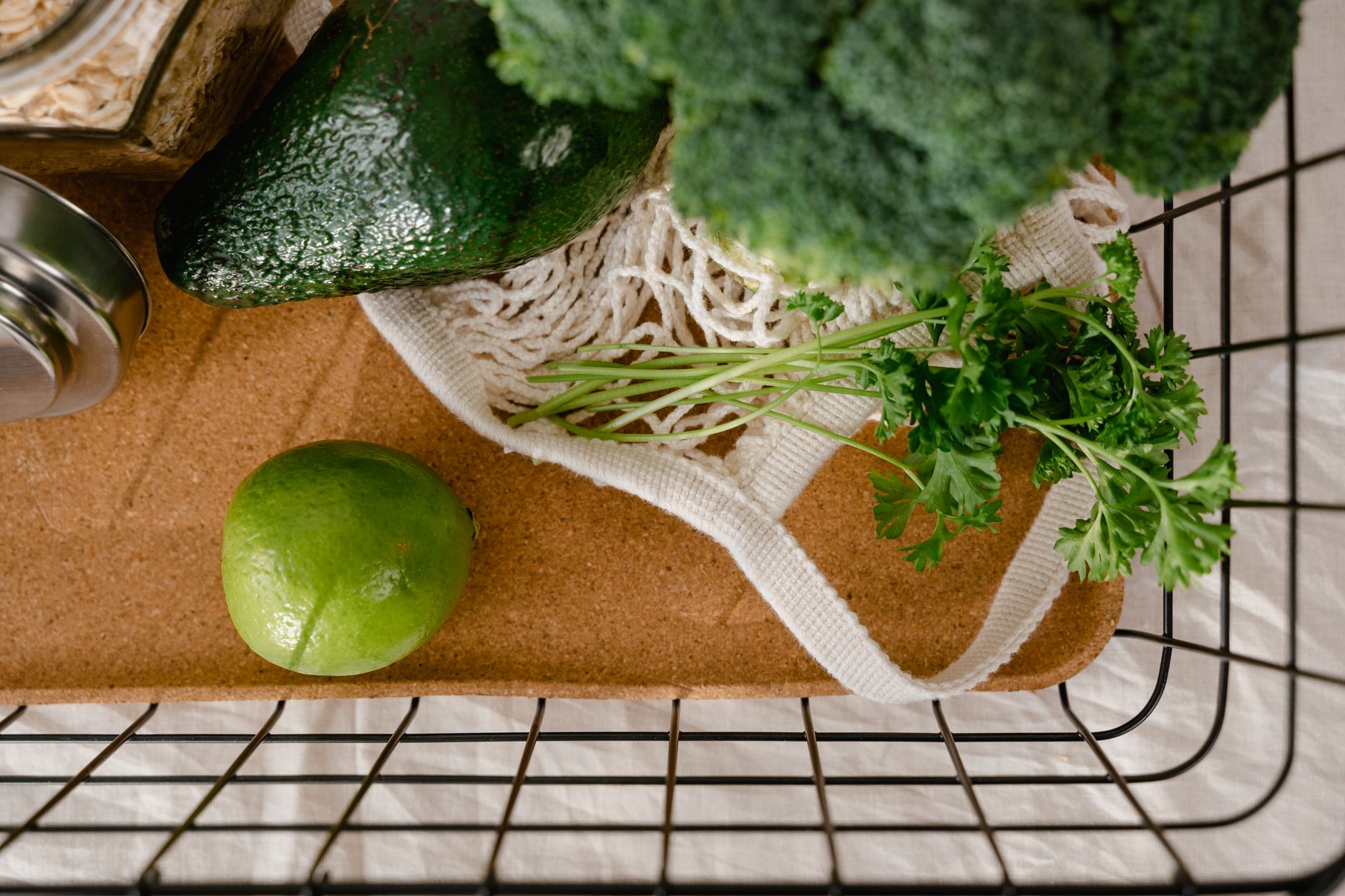
Budget-friendly groceries are a reality for many moms-to-be, and the good news is the MIND diet can be affordable. The key is focusing on seasonal produce, frozen veggies, and bulk nuts or seeds. Start with staples like frozen spinach, oats, eggs, and canned salmon (which is often cheaper than fresh).
Here’s a simple grocery list to get you started under $50:
- 1 bag frozen mixed berries ($3)
- 1 bunch spinach ($2)
- 1 box oats ($3)
- 1 jar almond butter ($4)
- 1 bag walnuts ($5)
- 1 can sardines in olive oil ($3)
- 1 loaf whole-grain bread ($3)
- 1 carton eggs ($4)
- 1 tub plain Greek yogurt ($3)
- 1 bottle olive oil ($6)
Total: ~$38 (prices vary by location).
Pro tip: Buy store-brand items, and check the weekly flyers for sales on lean proteins like chicken or tofu. Frozen veggies are just as nutritious as fresh and often cheaper.
For example, a reader named Maria shared how she used to spend $80 a week on groceries before learning to meal prep. “I’d make big batches of quinoa and roasted veggies on Sundays, then freeze portions for the week,” she said. “It saved me time and money, and I felt way less stressed about eating healthy.”
What about meal prepping?
Meal prepping is your best friend when it comes to sticking to a budget. Cook grains like quinoa or brown rice in bulk and pair them with canned beans or frozen veggies. Store portions in the fridge for up to 5 days or freeze for later. Even simple snacks like hard-boiled eggs or hummus with veggie sticks can be prepped ahead.
Mind diet vs. Mediterranean diet for pregnancy: which is better for brain development?
You’ve probably heard of the Mediterranean diet—it’s one of the most well-researched diets for heart health and longevity. So, how does it compare to the MIND diet for pregnancy? Both are plant-focused and rich in healthy fats, but the MIND diet is more specific to brain health, with stricter guidelines on foods that support cognitive function.
Here’s a quick comparison:
For pregnancy, the MIND diet might have the edge because of its emphasis on foods like leafy greens and berries, which are linked to lower pregnancy anxiety and better fetal brain development. However, if you find the Mediterranean diet easier to stick with, that’s great too! The key is consistency and choosing whole, nutrient-rich foods.
One study published in the American Journal of Clinical Nutrition found that women who followed a Mediterranean-style diet during pregnancy had babies with better cognitive outcomes at age 4. The MIND diet builds on this by adding even more brain-boosting foods.
If you’re curious about the Mediterranean diet, check out our easy Mediterranean diet food list for beginners for more inspiration.
Are there MIND diet foods that help reduce pregnancy anxiety naturally?
Pregnancy anxiety is real—and it’s not just about the baby. Hormonal changes, sleepless nights, and the weight of responsibility can leave even the most level-headed mom-to-be feeling overwhelmed. The good news? The MIND diet includes foods that may help calm your nerves and support your mental health.
Here are some of the top anxiety-busting foods:
- Leafy greens: High in magnesium, which helps regulate stress hormones like cortisol.
- Berries: Rich in antioxidants that reduce inflammation, which is linked to anxiety.
- Almonds and walnuts: Contain vitamin E and healthy fats that support brain function.
- Salmon: Omega-3s in fatty fish have been shown to reduce symptoms of anxiety and depression.
- Dark chocolate (85% or higher): Contains flavonoids that may improve mood. Just watch your portions!
- Turmeric: An anti-inflammatory spice that may help with mood regulation (add it to smoothies or golden milk).
- Probiotics (yogurt, kefir, sauerkraut): Gut health is linked to mental health—aim for 1–2 servings daily.
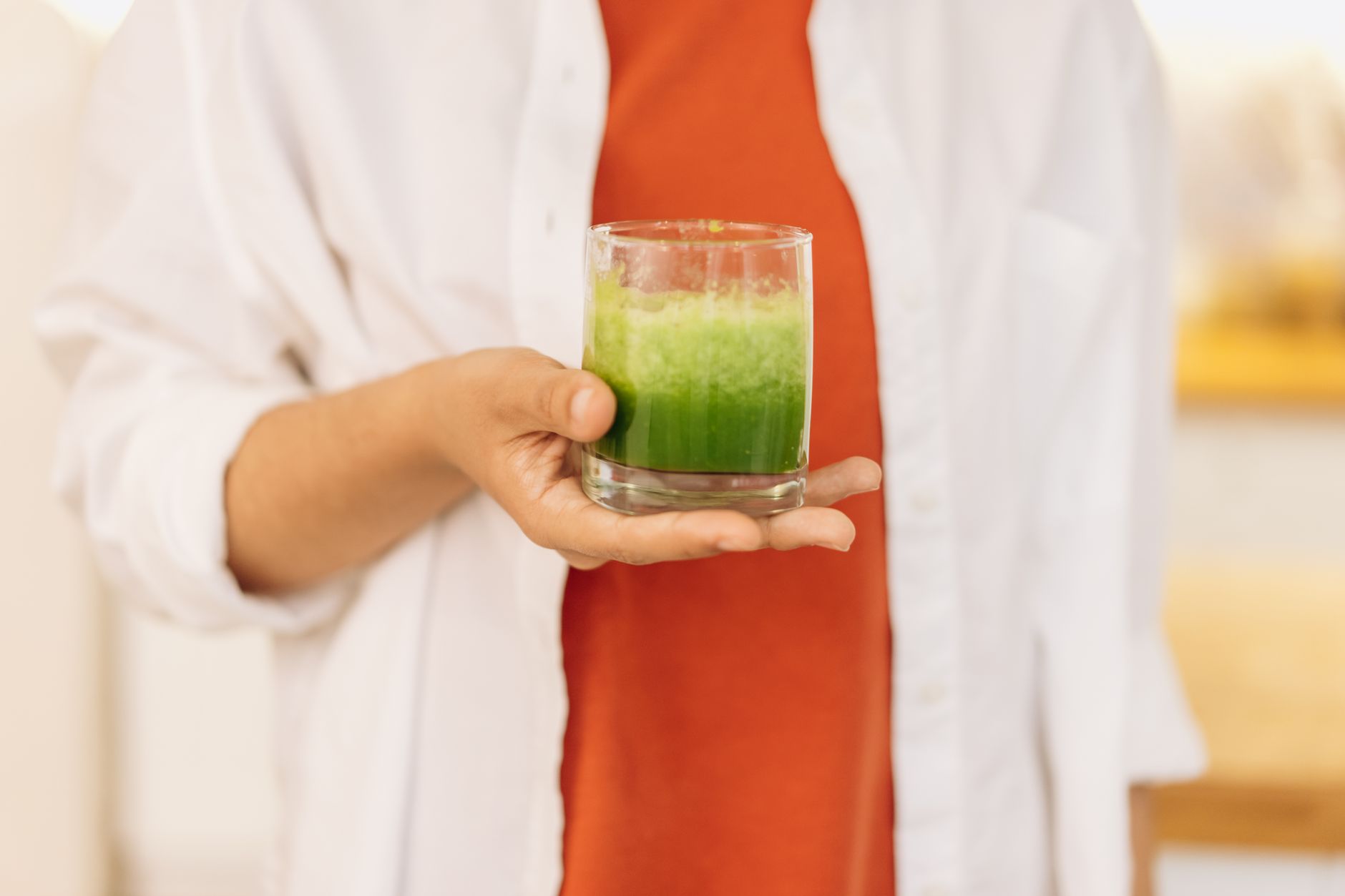
One reader, Emily, swore by her daily smoothie of spinach, banana, almond butter, and chia seeds. “I noticed my anxiety levels dropped after a few weeks,” she said. “It’s like my body was finally getting the nutrients it needed to keep up with everything.”
What about caffeine?
If you’re a coffee drinker, don’t worry—moderate caffeine (up to 200 mg/day) is generally considered safe during pregnancy. However, if you notice your anxiety spikes after coffee, try swapping it for herbal tea like chamomile or peppermint, which are caffeine-free and may help with relaxation.
What are the top MIND diet foods to boost fetal brain development in the third trimester?
The third trimester is a critical time for your baby’s brain development. The MIND diet’s focus on omega-3s, choline, and antioxidants makes it a powerhouse for supporting fetal growth. Here’s what to prioritize in your third trimester:
- Fatty fish (salmon, sardines, trout): DHA is essential for your baby’s brain and eye development. Aim for 2–3 servings per week.
- Eggs: Rich in choline, which supports brain cell growth. Opt for pastured or organic eggs when possible.
- Leafy greens: Folate (vitamin B9) is crucial for preventing neural tube defects and supporting brain development.
- Berries: Antioxidants like flavonoids protect brain cells from oxidative stress.
- Nuts and seeds: Chia seeds and flaxseeds are excellent sources of omega-3s and fiber.
- Whole grains: Provide steady energy and B vitamins for both mom and baby.
- Avocados: Rich in healthy fats and folate, which support brain development.
One study from Harvard Medical School found that women who consumed more omega-3s during pregnancy had babies with better cognitive and motor skills at 4 months old. That’s powerful motivation to keep those salmon dinners coming!
If you’re not a fan of fish, consider supplementing with a high-quality DHA supplement approved for pregnancy. Always check with your provider before starting any new supplement.
What about prenatal vitamins?
While the MIND diet provides many of the nutrients your baby needs, it’s still important to take a prenatal vitamin. Your provider may recommend one with added DHA or extra folate, depending on your needs. Think of your prenatal vitamin as insurance—it covers the gaps that even the best diet might miss.
Can I follow the MIND diet during breastfeeding, and what foods should I prioritize?
Breastfeeding is another time when nutrition matters deeply—both for your recovery and your baby’s growth. The good news? The MIND diet is just as beneficial postpartum as it is during pregnancy. In fact, it may help with postpartum mood and energy levels, too.
Here’s what to focus on while breastfeeding:
- Leafy greens and veggies: Support lactation and provide iron, which can be depleted during pregnancy.
- Berries and fruits: Natural energy boosters and antioxidants to help with recovery.
- Nuts and seeds: Healthy fats for milk production and your own energy.
- Lean proteins (chicken, turkey, eggs, tofu): Help rebuild muscle and support hormone balance.
- Complex carbs (oats, quinoa, sweet potatoes): Provide steady energy for long nursing sessions.
- Bone broth: Rich in collagen and minerals like calcium and magnesium, which support bone health and recovery.
- Dark leafy greens (kale, Swiss chard): High in calcium and vitamin K, which are important for both mom and baby.
One mom, Lisa, shared how she struggled with postpartum fatigue until she started prioritizing bone broth and nuts. “I felt like I had more energy, and my milk supply stayed strong,” she said. “It’s amazing how food can make such a difference.”
If you’re breastfeeding, hydration is also key. Aim for at least 8–10 cups of water daily, and consider adding herbal teas like fenugreek or fennel, which are traditionally used to support lactation.
What about caffeine and alcohol?
While breastfeeding, it’s best to limit caffeine to 200 mg/day (about 1–2 cups of coffee) and avoid alcohol entirely. Alcohol can pass into breast milk and may affect your baby’s development.
How does the MIND diet compare to the DASH diet for maternal and child health?
If you’ve heard of the DASH diet (Dietary Approaches to Stop Hypertension), you might be wondering how it stacks up against the MIND diet for pregnancy and maternal health. Both diets emphasize whole foods, but they have slightly different focuses.
Here’s a quick comparison:
For pregnancy, the MIND diet might be the better choice if your goal is supporting fetal brain development and reducing anxiety. However, if you’re concerned about gestational hypertension or heart health, the DASH diet could be a great fit. Many women find that combining elements of both diets works well!
If you’re curious about the DASH diet, check out our DASH diet food list for beginners for more ideas.
What are the easiest MIND diet recipes for busy moms who work full-time?
Let’s be real—busy moms don’t have time for complicated recipes. The good news is the MIND diet is all about simple, wholesome ingredients that come together quickly. Here are a few easy ideas to fit into your routine:
- 5-minute smoothie: Blend 1 cup spinach, 1 banana, 1 tbsp almond butter, 1 cup almond milk, and a handful of ice. Top with berries.
- 10-minute quinoa bowl: Cook quinoa, then top with canned salmon, avocado, cherry tomatoes, and a drizzle of olive oil.
- Overnight oats: Mix ½ cup oats, ½ cup almond milk, 1 tbsp chia seeds, and a handful of berries. Let sit overnight and grab in the morning.
- Sheet-pan dinner: Toss chicken, sweet potatoes, and broccoli with olive oil and herbs. Roast at 400°F for 25–30 minutes.
- Hummus and veggie wrap: Spread hummus on a whole-grain tortilla, add sliced cucumber, bell peppers, and spinach. Roll up and eat!
One reader, Jennifer, shared how she used to spend hours in the kitchen before discovering sheet-pan meals. “I’d throw everything on one tray, and dinner was done in 30 minutes,” she said. “It’s saved me so much time and stress.”
If you’re short on time, consider batch cooking on weekends. Cook a big pot of lentils or quinoa, roast a tray of veggies, and store portions in the fridge for the week. Even frozen meals can work if they’re made with whole ingredients—just check the label for added sugars or processed ingredients.
What about leftovers?
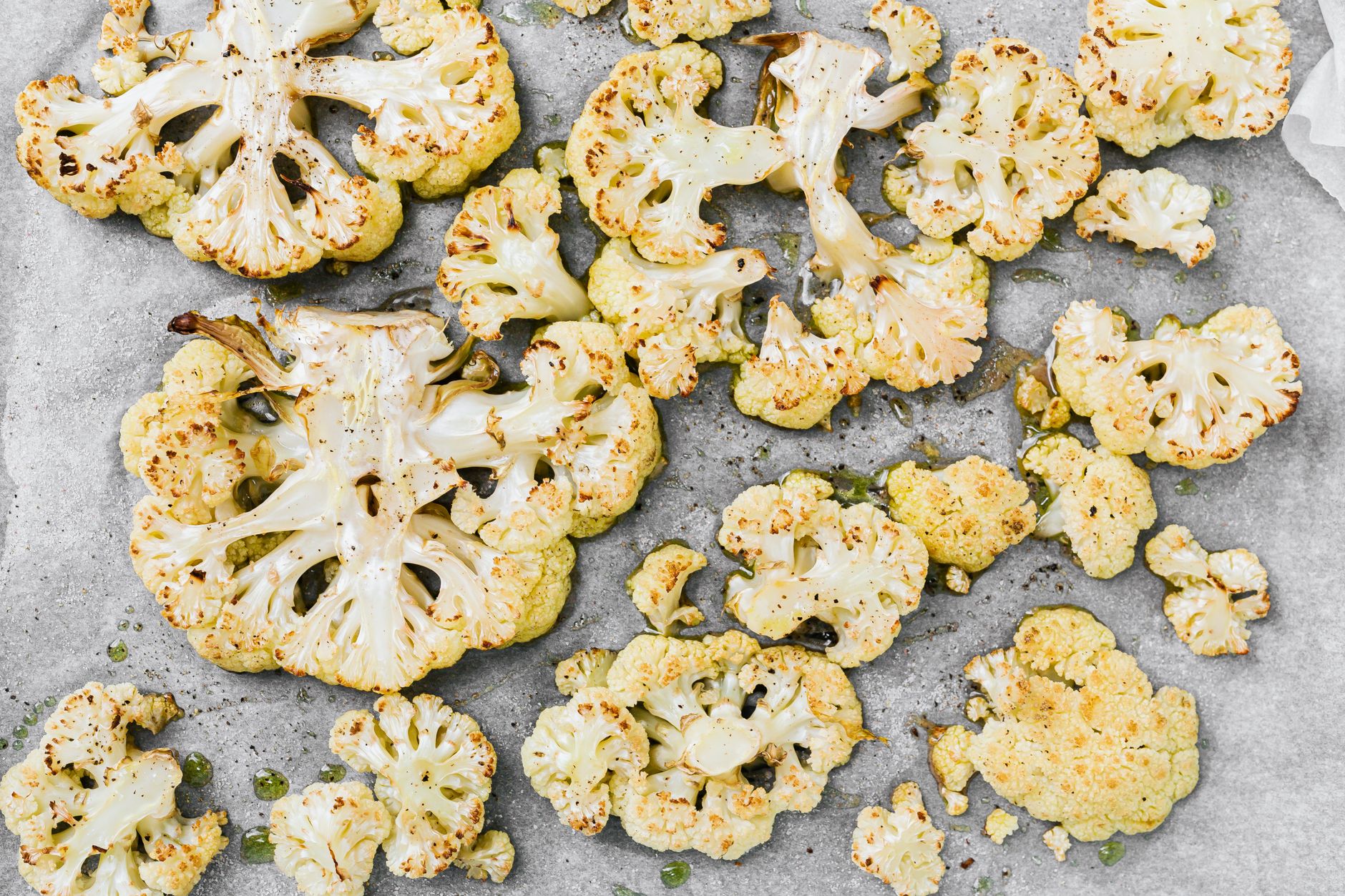
Leftovers are your best friend when it comes to saving time. Double your favorite MIND diet recipes and freeze half for later. Soups, stews, and casseroles reheat beautifully and can be enjoyed for days.
Mind diet foods list for pregnant women with gestational diabetes
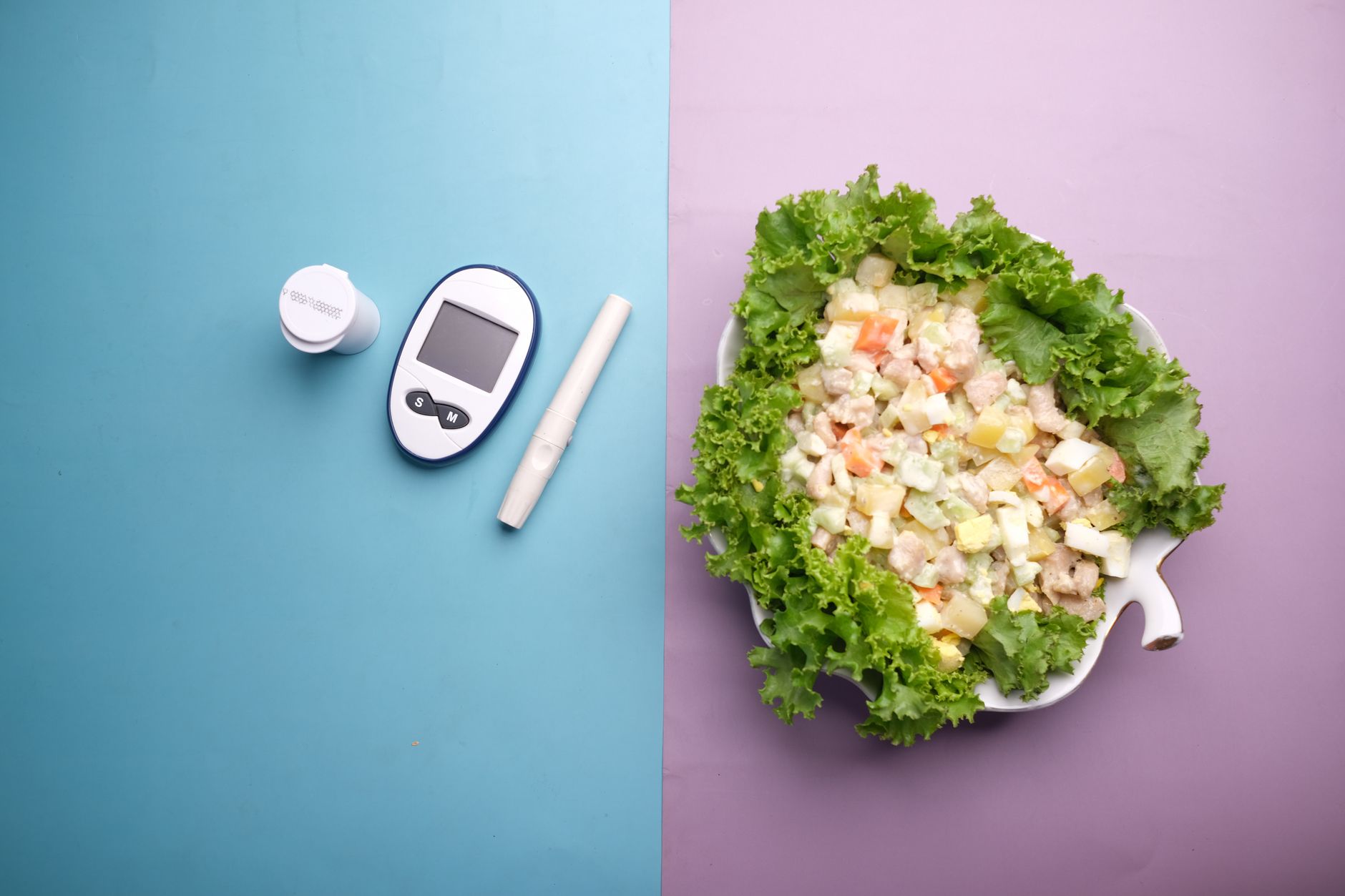
Gestational diabetes requires careful attention to blood sugar levels, but the MIND diet can still be a great fit—with some adjustments. The key is focusing on low-glycemic foods that stabilize blood sugar and avoiding refined carbs and sugary treats.
Here’s what to prioritize:
- Non-starchy veggies (spinach, zucchini, bell peppers, broccoli): Low in carbs and high in fiber.
- Leafy greens (kale, Swiss chard): Help regulate blood sugar and provide essential nutrients.
- Berries (blueberries, raspberries): Lower glycemic index than other fruits.
- Lean proteins (chicken, turkey, eggs, tofu): Help stabilize blood sugar and keep you full.
- Healthy fats (avocado, nuts, seeds, olive oil): Slow digestion and prevent blood sugar spikes.
- Whole grains (quinoa, brown rice, farro): Choose smaller portions and pair with protein/fat to slow absorption.
- Legumes (lentils, chickpeas, black beans): High in fiber and protein, which help manage blood sugar.
One reader, Amanda, managed her gestational diabetes by focusing on veggie-heavy meals and small portions of whole grains. “I felt so much better when I cut out the white bread and sugary snacks,” she said. “It was a game-changer for my energy levels.”
If you’re managing gestational diabetes, work closely with your provider or a dietitian to create a personalized plan. They may recommend monitoring your blood sugar and adjusting portions as needed.
What about artificial sweeteners?
Artificial sweeteners are generally considered safe in moderation during pregnancy, but they’re not a substitute for whole foods. If you’re craving something sweet, opt for small portions of dark chocolate or fresh fruit instead.
Mind diet meal plan for pregnancy with picky eaters
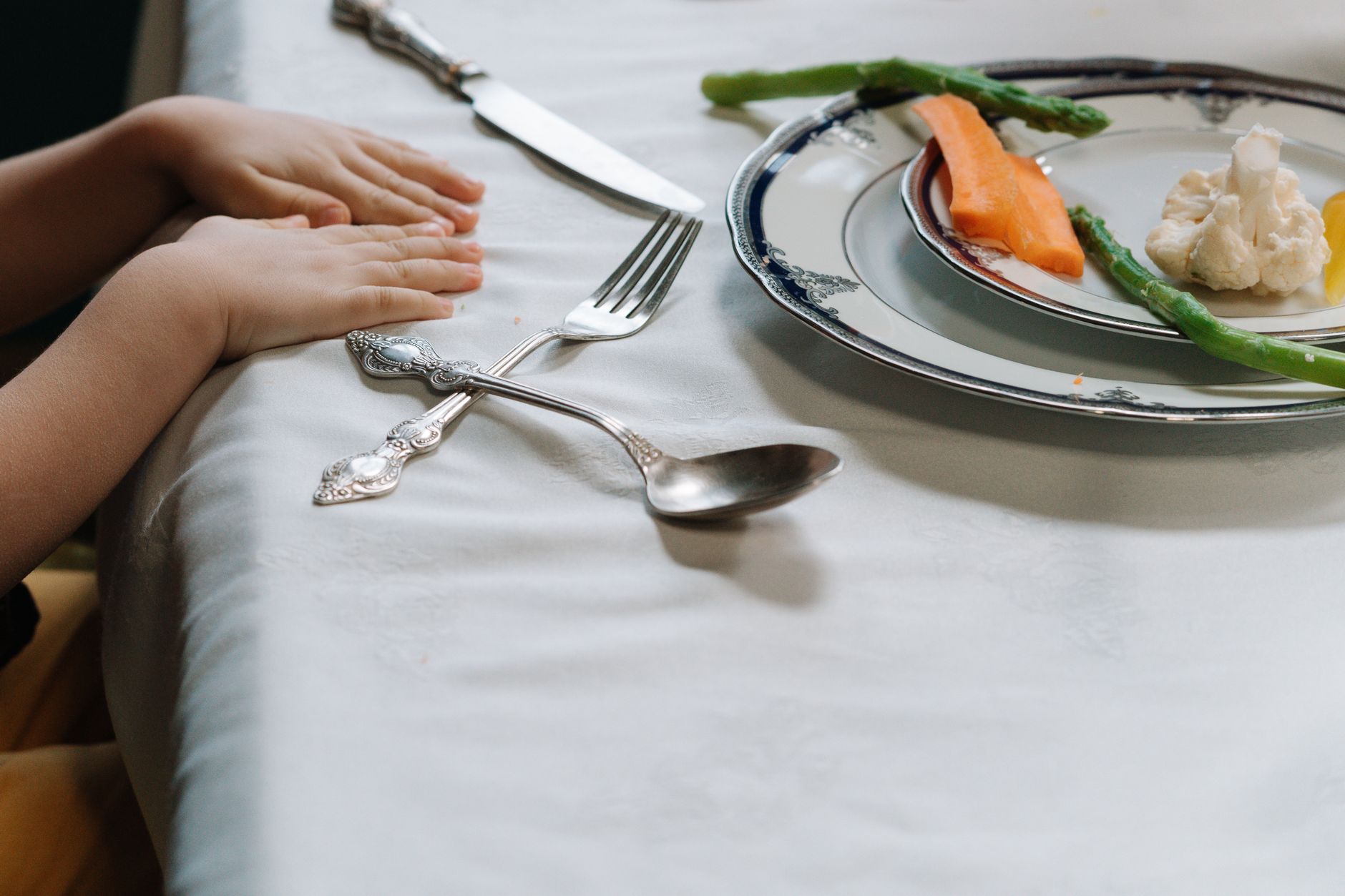
Picky eaters can make pregnancy nutrition tricky, but the MIND diet offers plenty of flexible options. The goal is to sneak in nutrients where you can while keeping meals enjoyable. Here are some tips:
- Blend greens into smoothies: Add spinach or kale to fruit smoothies—they’ll disappear into the flavor!
- Hide veggies in sauces: Blend cauliflower or carrots into marinara sauce or mashed potatoes.
- Choose familiar proteins: If your partner loves chicken, make a big batch and use it in wraps, salads, or stir-fries.
- Make snacks count: Opt for nuts, cheese, or yogurt instead of chips or candy.
- Let them customize: Set out toppings like nuts, seeds, or berries and let them build their own bowls.
One reader, Maria, shared how she turned dinner into a fun activity. “I’d let my husband pick the veggie and I’d pick the protein, and we’d build our plates together,” she said. “It made eating healthy feel like less of a chore.”
If your partner is a meat-and-potatoes kind of eater, focus on sneaking in veggies through sauces or sides. For example, blend steamed cauliflower into mac and cheese or add finely chopped spinach to meatloaf.
What if they refuse to eat anything?
If your partner is truly refusing to eat, focus on your own nutrition and encourage small, frequent meals. Hydration is also key—aim for at least 8 cups of water daily. If you’re concerned about weight gain or nutrient deficiencies, talk to your provider.
Mind diet foods that help with pregnancy insomnia
Pregnancy insomnia is no joke—especially when you’re trying to eat well. The good news? The MIND diet includes foods that may help improve sleep quality. Focus on magnesium-rich foods, complex carbs, and tryptophan sources to support melatonin production.
Here are some sleep-friendly foods:
- Bananas: Contain magnesium and tryptophan, which promote relaxation.
- Almonds and walnuts: Rich in magnesium and healthy fats that support sleep.
- Oats: Complex carbs that help regulate blood sugar and promote sleep.
- Chamomile tea: Drink a cup before bed to help calm your nerves.
- Turmeric: Anti-inflammatory properties may improve sleep quality.
- Kiwi: Contains serotonin, which may help with sleep.
- Warm milk or golden milk: The warmth and ingredients like turmeric may promote relaxation.
One reader, Emily, swore by her bedtime routine of warm golden milk with turmeric and almond butter. “I used to struggle with insomnia, but this routine has made a huge difference,” she said.
If you’re dealing with insomnia, also focus on sleep hygiene—avoid screens before bed, keep your bedroom cool and dark, and try a relaxing bedtime ritual like reading or gentle stretching.

What about caffeine?
If you’re struggling with insomnia, limit caffeine to the morning and avoid it after 2 PM. Herbal teas like chamomile or valerian root may help you wind down.
Mind diet snacks for pregnancy cravings that are brain-boosting
Pregnancy cravings are real—and they’re not always healthy. The good news? The MIND diet offers plenty of satisfying, nutrient-packed snacks to curb those cravings while supporting your baby’s brain development.
Here are some brain-boosting snack ideas:
- Apple slices with almond butter: Fiber + healthy fats = steady energy.
- Greek yogurt with berries: Protein + antioxidants for a mood-boosting snack.
- Hummus with veggie sticks: Fiber and plant-based protein to keep you full.
- Hard-boiled eggs with a sprinkle of sea salt: Choline for brain development.
- Dark chocolate-covered almonds: Healthy fats and antioxidants.
- Avocado toast on whole-grain bread: Healthy fats and fiber for sustained energy.
- Trail mix with nuts and seeds: Omega-3s and magnesium for relaxation.
One reader, Sarah, shared how she swapped her usual chips and salsa for hummus and veggie sticks. “I felt way more satisfied, and my energy levels stayed steady,” she said.
If you’re craving something sweet, opt for dark chocolate (85% or higher) or fresh fruit. Avoid sugary snacks like candy or pastries, which can lead to energy crashes and cravings.
What if I’m craving something salty?
If you’re craving something salty, opt for nuts, seeds, or roasted chickpeas instead of chips. These provide healthy fats and fiber while satisfying your craving.
Mind diet foods to avoid during pregnancy for optimal fetal development
While the MIND diet emphasizes what to eat, it’s also important to know what to avoid—especially during pregnancy. Some foods may interfere with fetal development, increase the risk of complications, or simply don’t align with the MIND diet’s principles.
Here’s what to limit or avoid:
- Processed meats (sausages, hot dogs, deli meats): Linked to an increased risk of gestational diabetes and preterm birth. Opt for fresh, unprocessed meats instead.
- Fried foods (french fries, onion rings, fried chicken): High in unhealthy fats and linked to inflammation.
- Refined sugars and sweets (candy, pastries, soda): Can cause blood sugar spikes and cravings, which may lead to gestational diabetes.
- Excessive caffeine (>200 mg/day): May increase the risk of miscarriage or low birth weight.
- Alcohol: Can harm fetal development and should be avoided entirely during pregnancy.
- Raw or undercooked meats, fish, or eggs: Risk of foodborne illnesses like listeria or salmonella.
- High-mercury fish (shark, swordfish, king mackerel, tilefish): Can harm fetal brain development.
- Excessive salt: Can contribute to gestational hypertension and swelling.
One reader, Jennifer, shared how she cut out processed snacks and fried foods after her first pregnancy. “I felt so much better, and my energy levels stayed steady,” she said. “It was worth the effort.”
If you’re unsure about a specific food, check with your provider or a dietitian. They can help you navigate your cravings while keeping your baby safe.
What about herbal teas?
Most herbal teas are safe during pregnancy, but avoid those with high levels of caffeine or certain herbs like pennyroyal or black cohosh. Stick to chamomile, peppermint, or ginger tea, which are generally considered safe.
Mind diet grocery list for vegetarians and vegans during pregnancy
Following the MIND diet as a vegetarian or vegan is totally doable—and can be even more nutrient-dense if you plan carefully. The key is focusing on plant-based sources of protein, omega-3s, iron, and calcium. Here’s a simple grocery list to get you started:
- Leafy greens (spinach, kale, Swiss chard): Folate, iron, and calcium.
- Berries (blueberries, strawberries, raspberries): Antioxidants and fiber.
- Nuts and seeds (almonds, walnuts, chia seeds, flaxseeds): Healthy fats and omega-3s.
- Legumes (lentils, chickpeas, black beans): Protein and fiber.
- Whole grains (quinoa, brown rice, farro): Complex carbs and B vitamins.
- Tofu and tempeh: Protein and calcium (choose fortified options).
- Algae-based DHA supplements: If you’re not eating fish, consider a supplement to support fetal brain development.
- Fortified plant milks (soy, almond, oat): Calcium and vitamin D.
- Eggs (if you eat them): Choline and protein.
- Avocados: Healthy fats and folate.