For a second kid, minivans often offer superior space for car seats and gear, while SUVs provide style and AWD. Choose the best minivan or SUV for second kid
By Shubhra Mishra — a mom of two who turned her own confusion during pregnancy into BumpBites, a global mission to make food choices clear, safe, and stress-free for every expecting mother. 💛
Check whether any food is safe during pregnancy with the BumpBites Food Safety Checker.
Quick take: Deciding between a minivan and an SUV for your growing family, especially with a second child, involves weighing practicality, space, safety, and lifestyle. Minivans often excel in car seat accessibility and cargo volume, while SUVs offer diverse driving experiences and sometimes better fuel efficiency in smaller models. Your ideal choice depends on your specific daily needs, budget, and driving preferences.
Bringing a second child into the family is a joyous, often chaotic, adventure. Suddenly, your once-spacious vehicle might feel like a sardine can, and the thought of wrestling two car seats into tight spots can send shivers down any parent's spine. If you're currently staring at your car, wondering if it can really handle another tiny human – and all their gear – you're not alone. The big question for many modern parents becomes: do I really need a minivan for a second child, or can a family-friendly SUV still cut it?
This decision isn't just about space; it's about navigating daily life, road trips, school runs, and everything in between with ease and comfort. We know you're juggling a lot, so we've put together an honest, comprehensive guide to help you compare the minivan vs. SUV for second kid conundrum. We’ll break down everything from car seat compatibility to fuel costs, so you can make the best choice for your unique family.
Let's dive into the practicalities and help you find the perfect family ride.
Minivan vs. SUV: Car Seat Compatibility for Two Children
One of the most immediate and pressing concerns for parents with a second child is how two car seats will fit – and how easily you can get those kids in and out. This is where the minivan vs. SUV car seat compatibility for two kids often shows the clearest differences.
Car Seat Installation and Accessibility
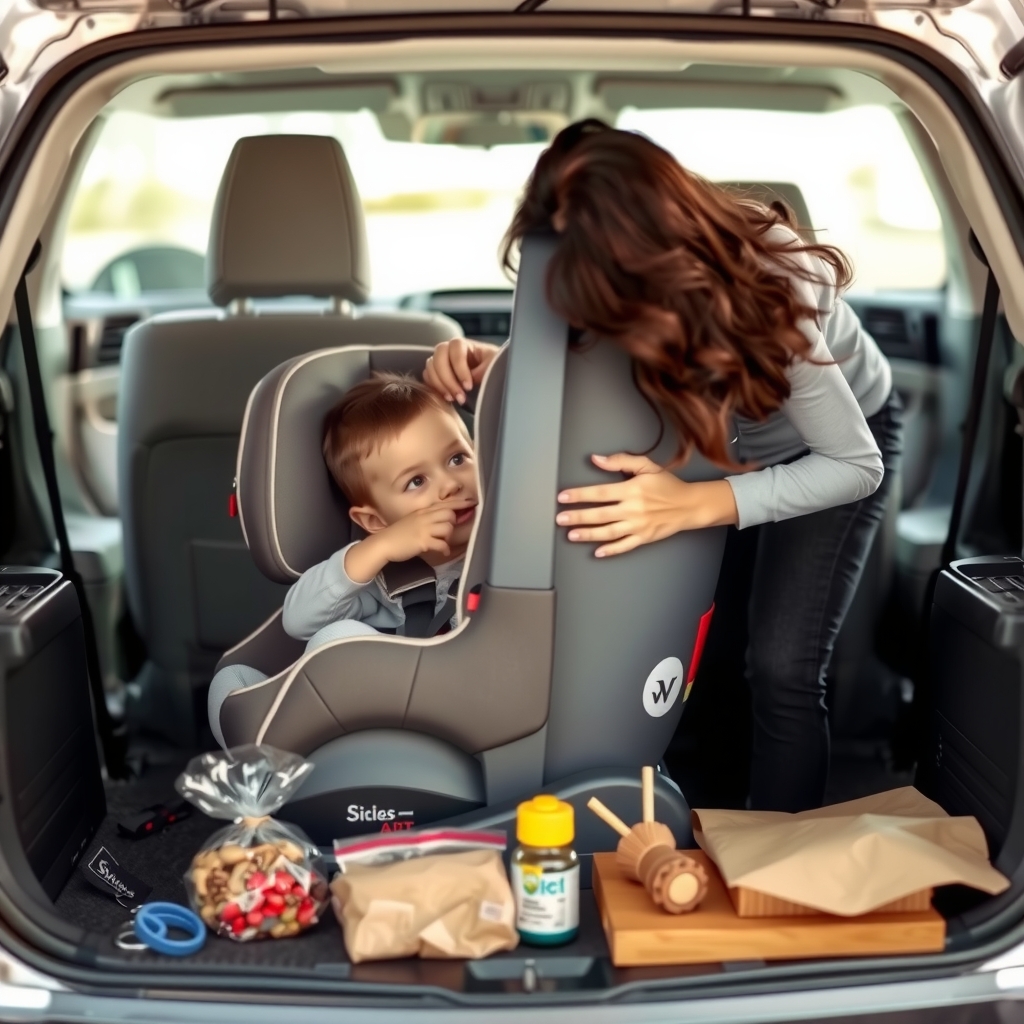
Minivans are traditionally designed with families in mind, and this is evident in their car seat accommodations. Most minivans, especially those with second-row captain's chairs, offer generous space for installing two car seats side-by-side or in separate seats. The wider doorways and often taller ceilings make it significantly easier to maneuver an infant car seat into its base or buckle a squirming toddler into a forward-facing seat. The sliding doors are a game-changer here, allowing you to open the door fully in tight parking spots without worrying about dinging another car or blocking pedestrian access. This can be a huge relief when you're managing a baby in a carrier and a toddler who wants to bolt.
SUVs, on the other hand, vary widely. A compact SUV might struggle to accommodate two car seats comfortably in the second row, especially if one is a bulky rear-facing infant seat and the other a convertible or booster. Mid-size and full-size SUVs generally offer more room, but traditional hinged doors can still be a challenge in crowded parking lots. If you’re considering a three-row SUV, the third row can be useful for occasional extra passengers, but often getting kids into those seats means folding or sliding a second-row seat, which can be cumbersome with car seats installed.
LATCH Systems and Tether Anchors
Both minivans and SUVs are equipped with LATCH (Lower Anchors and Tethers for Children) systems and top tether anchors. However, the number and accessibility of these anchors can differ. Minivans typically offer LATCH anchors in all second-row seating positions and sometimes even in the third row, providing flexibility. Many SUVs will have LATCH in two second-row positions, and perhaps a third set if it's a wider bench seat, but sometimes the third row might only have top tether anchors, requiring you to use the seatbelt for installation.
When you're trying to install an infant car seat and a booster seat, the ease of finding and using these anchors really matters. Some SUVs have deeply recessed anchors that are hard to access, while minivans tend to have them more openly available. It's always best to test your specific car seats in any vehicle you're considering before purchasing.
Installing car seats can be a daily struggle or a breeze, depending on your vehicle's design.
Trunk Space and Cargo Capacity for Two Kids: Minivan vs. SUV
Once you have two children, the amount of "stuff" you carry seems to multiply exponentially. From strollers and diaper bags to sports equipment and groceries, your vehicle's trunk space and cargo capacity for two kids becomes a critical factor.
Stroller Storage and Daily Essentials
Minivans are champions of cargo space, particularly behind the third row. Even with all seats in use, most minivans can easily swallow a full-size double stroller, multiple diaper bags, and a week's worth of groceries without breaking a sweat. Their low load floor also makes it easier to lift heavy items in and out. Many modern minivans also feature clever storage solutions like under-floor compartments (Stow 'n Go in some models) that can hide valuables or provide extra space for muddy boots.
SUVs, especially compact and mid-size models, often have less usable cargo space behind the third row. If you opt for a three-row SUV, using that third row often means sacrificing most of your trunk space. You might find yourself having to choose between carrying passengers or carrying cargo. A compact stroller might fit, but a larger double stroller could require folding down one of the third-row seats, reducing seating capacity. For a family of four (two adults, two kids), this can quickly become a tight squeeze on a road trip or even a large grocery run.
Road Trips, Sports Gear, and More
Think about your family's lifestyle. Do you frequently go on road trips? Do your kids participate in sports that require bulky gear? Do you have a dog that travels with you? For families with two kids and a dog, the sheer volume of a minivan often makes it the more practical choice. There's usually enough room for luggage, a pet crate, and still comfortable seating for everyone.
While many large SUVs offer considerable cargo space with the third row folded down, the advantage of a minivan is that you often don't *need* to fold down seats to get ample storage. This means you can transport four people *and* all their gear without compromise. If you're comparing a mid-size SUV with a minivan, the minivan will almost always offer superior cargo volume, especially behind the second row when the third row is folded or stowed.
One mom described her minivan as "a rolling command center for family life." She said, "With an infant and a preschooler, I needed space for the double stroller, two car seats, a pack-n-play, and a week's worth of groceries – and that was just for a weekend trip to Grandma's! My minivan swallowed it all without complaint."
Fuel Efficiency and Running Costs: Minivan vs. SUV for Families
Beyond the initial purchase price, the long-term cost of owning a vehicle is a significant factor for families. This includes fuel efficiency, insurance, and maintenance. Let's compare the fuel efficiency and running costs of a minivan vs. SUV for families.
Gas Mileage Comparison
Historically, SUVs were often seen as less fuel-efficient due to their larger engines and heavier frames. However, the market has evolved significantly. Many modern SUVs, particularly smaller and mid-size crossovers, now offer very competitive fuel economy, especially if they come with four-cylinder engines or hybrid options. Some compact SUVs can even achieve 30+ miles per gallon (mpg) on the highway.
Minivans, while still large, have also made strides in fuel efficiency. Most minivans are equipped with V6 engines, offering a good balance of power and economy. You can expect most minivans to average in the low to mid-20s mpg combined. Hybrid minivan options, like the Chrysler Pacifica Hybrid, push these numbers even higher, offering impressive fuel savings. For a more detailed breakdown of these costs, you might find our article on family car cost analysis: SUV vs minivan for modern moms helpful.
When comparing apples to apples (e.g., a three-row SUV to a minivan), the fuel efficiency can often be quite similar. The biggest differentiator might be if you're comparing a minivan to a smaller, two-row SUV, where the SUV will likely have better mpg.
Insurance, Maintenance, and Depreciation
Running costs extend beyond the gas pump. Insurance premiums can vary based on the vehicle's safety ratings, theft risk, and repair costs. Generally, minivans and family-oriented SUVs tend to have similar insurance rates, but this can fluctuate based on specific models and your driving history. Newer vehicles with advanced driver-assist features might sometimes qualify for lower premiums due to reduced accident risk.
Maintenance costs are largely comparable between minivans and SUVs, depending on the brand and model. Both vehicle types require regular oil changes, tire rotations, and brake servicing. Parts costs for popular models are usually reasonable. However, larger vehicles with more complex systems (like all-wheel-drive in some SUVs) can sometimes incur higher repair costs.
Depreciation, or how much a vehicle loses value over time, is another factor. While minivans historically depreciated faster, modern minivans, especially those with desirable features and good reliability, can hold their value reasonably well. SUVs, particularly popular models, often have strong resale values. We'll delve deeper into resale value later, but it's a key part of the total cost of ownership.
Good to Fair (hinged doors, varies by size, third-row access can be tricky)
Cargo Space (Behind 3rd Row)
Superior (often fits double stroller + more, low load floor)
Limited (often fits compact stroller or small bags, high load floor)
Fuel Efficiency (Combined MPG)
Mid-20s (V6 engines, some hybrid options >30)
Low-20s to Mid-30s (varies by engine/size, many hybrid options)
Driving Experience
Smooth, comfortable, car-like handling, lower center of gravity
More "truck-like" feel (larger SUVs), higher driving position, AWD/4WD options
Maneuverability
Good for size, tight turning radius for U-turns
Varies by size, can feel bulky in tight spots (large SUVs)
Resale Value
Good, especially reliable models; can depreciate faster than popular SUVs
Generally strong, especially popular models; higher demand in used market
Price Range (New)
~$35,000 - $60,000+
~$30,000 - $80,000+ (highly variable by size/luxury)
Safety Features and Ratings for Minivans vs. SUVs with Two Children
When you're transporting your precious cargo, safety is paramount. Both minivans and SUVs have made significant advancements in safety features and crash test performance over the years. Understanding the safety features and ratings for minivans vs. SUVs with two children is crucial for peace of mind.
Crash Test Ratings
Both vehicle categories generally perform very well in crash tests conducted by organizations like the National Highway Traffic Safety Administration (NHTSA) in the US and the Insurance Institute for Highway Safety (IIHS). Many minivans and mid-size to full-size SUVs consistently earn top safety ratings, including 5-star overall ratings from NHTSA and "Top Safety Pick+" awards from IIHS.
It's important to look at the specific model and year, as ratings can change. The IIHS, in particular, evaluates vehicles on a range of crashworthiness tests (small overlap front, moderate overlap front, side, roof strength, head restraints) and also assesses headlight performance and front crash prevention systems. When comparing vehicles, always check their latest ratings directly on the NHTSA and IIHS websites.
Advanced Driver-Assist Systems (ADAS)
Modern minivans and SUVs are equipped with a suite of ADAS features designed to prevent accidents and mitigate their severity. These can include:
Automatic Emergency Braking (AEB): Helps prevent or reduce the severity of frontal collisions.
Lane Departure Warning (LDW) and Lane Keeping Assist (LKA): Warns you if you drift out of your lane and can gently steer you back.
Blind Spot Monitoring (BSM) with Rear Cross-Traffic Alert (RCTA): Essential for changing lanes and backing out of parking spots, especially in larger vehicles.
Adaptive Cruise Control (ACC): Maintains a set distance from the car in front, reducing driver fatigue on long trips.
Rearview Cameras and Parking Sensors: Standard on all new vehicles, these are invaluable for maneuvering larger cars.
360-Degree Camera Systems: Provide a bird's-eye view of your vehicle, making parking and navigating tight spaces much easier.
Most manufacturers now offer these features as standard or as part of affordable packages on both minivans and family-oriented SUVs. When considering a vehicle, look for a comprehensive suite of ADAS features, as these can significantly enhance safety for your family.
Visibility and Size
While larger SUVs and minivans offer a commanding view of the road, their size can also create larger blind spots. This is where features like blind-spot monitoring and rear cross-traffic alert become even more critical. Minivans, with their expansive window areas, often offer excellent all-around visibility, which can be a comfort for parents trying to keep an eye on their surroundings (and their kids in the back).
Ultimately, both minivans and SUVs are very safe choices for families. The key is to research the specific models you are considering and prioritize those with top safety ratings and a robust set of ADAS features.
Driving Experience and Maneuverability: Minivan vs. SUV for Moms
The practical aspects of family life are crucial, but how a vehicle feels to drive every day also matters. The driving experience and maneuverability of a minivan vs. SUV for moms can be quite different, impacting everything from daily commutes to long road trips.
Handling and Ride Comfort
Minivans, despite their size, often drive more like large sedans than trucks. They typically have a lower center of gravity compared to many SUVs, which contributes to a smoother, more stable ride and less body roll in turns. The suspension is usually tuned for comfort, making them excellent for long journeys and for keeping sleeping babies undisturbed. Their car-like handling makes them feel less intimidating to drive than some of the larger, truck-based SUVs.
SUVs offer a much broader range of driving experiences. Smaller crossovers might feel nimble and car-like, while larger, body-on-frame SUVs can feel more rugged and truck-like, with a higher driving position. This elevated position is often preferred by drivers who like to see over traffic. However, larger SUVs can sometimes have a stiffer ride and more noticeable body roll, especially those with off-road capabilities. If you're sensitive to motion sickness, a minivan's smoother ride might be preferable.
Parking and Urban Driving
Maneuvering a large vehicle in a crowded parking lot or tight city streets is a daily reality for many parents. Minivans, despite their length, often have a surprisingly tight turning radius, making U-turns and parking easier than you might expect. The sliding doors are a huge advantage in tight parking spaces, allowing kids to get in and out without fear of dinging an adjacent car. This is a common pain point for parents with traditional car doors.
SUVs, again, vary greatly. Compact SUVs are generally easy to park. Mid-size and full-size SUVs can be more challenging due to their width and length, and their traditional doors can be a liability in tight spots. Features like 360-degree cameras, parking sensors, and automatic parking assist (if available) become incredibly useful for these larger vehicles. If you spend a lot of time in urban environments, consider how often you'll be parallel parking or navigating multi-story car parks.
All-Wheel Drive (AWD) and Weather Performance
Many SUVs offer all-wheel drive (AWD) or four-wheel drive (4WD) options, providing enhanced traction and stability in adverse weather conditions like snow, ice, or heavy rain. While not all SUVs come with AWD as standard, it's a popular option for families living in areas with challenging climates. This can provide an extra layer of confidence when driving with your children.
For a long time, AWD was a rarity in minivans, but this has changed. The Toyota Sienna now comes standard with AWD, and the Chrysler Pacifica offers it as an option. This means you no longer have to sacrifice the practicality of a minivan for the added security of AWD. If you live somewhere with significant winter weather, this is a crucial consideration.
For families in snowy climates, AWD capability is a major factor in choosing between a minivan and an SUV.
Resale Value and Depreciation: Minivan vs. SUV for Families
When investing in a significant purchase like a family vehicle, it’s wise to consider its long-term financial implications, including how well it will hold its value. The resale value and depreciation of a minivan vs. SUV for families can impact your overall cost of ownership.
Depreciation Trends
Historically, SUVs, especially popular models, have tended to hold their value better than minivans. The strong demand for SUVs in the used car market has often meant slower depreciation rates. This can translate to a higher trade-in value or resale price when you're ready to upgrade to your next vehicle.
Minivans, while incredibly practical, have sometimes faced a perception issue, leading to slightly faster depreciation. However, this trend isn't absolute. Reliable, well-maintained minivans from reputable brands (like Honda and Toyota) still command good prices, especially those with desirable features like AWD or hybrid powertrains. The market for used minivans is also quite stable, as families still seek out their unique advantages.
Factors Influencing Resale Value
Brand and Model Reputation: Vehicles from brands known for reliability and quality tend to retain their value better.
Condition and Maintenance: A well-maintained vehicle with a clean service history will always fetch a better price.
Mileage: Lower mileage generally correlates with higher resale value.
Features and Trim Level: Desirable features like leather seats, advanced safety tech, and premium infotainment systems can boost resale value. AWD is a particularly sought-after feature in many regions.
Market Demand: The overall popularity of a vehicle type or specific model heavily influences its depreciation.
While SUVs might generally have an edge in resale value, the difference might not be as dramatic as it once was, especially when comparing a well-equipped minivan to a less popular SUV model. It's always a good idea to check current market values for specific models you're considering using online resources like Kelley Blue Book or Edmunds.
Do You Really Need a Minivan for a Second Child? Modern SUV Features vs. Minivan Practicality for Growing Families
This is the core question many parents grapple with: is a minivan necessary for two kids, or can a modern SUV handle the job? The answer isn't a simple yes or no; it truly depends on your specific lifestyle, priorities, and what you mean by "handle the job."
The Case for the Modern SUV
Modern SUVs have come a long way. They offer:
Diverse Sizes: From compact crossovers perfect for urban families to full-size, three-row SUVs that rival minivans in passenger capacity.
Style and Image: Many prefer the rugged or sophisticated look of an SUV over the traditional minivan aesthetic.
All-Wheel Drive (AWD): A common feature that provides confidence in varied weather conditions and light off-road adventures, which is appealing to active families.
Higher Ground Clearance: Useful for navigating unpaved roads or snowy driveways.
Advanced Technology: Many SUVs boast cutting-edge infotainment, driver-assist features, and luxury options.
For families who primarily need two car seats and occasional extra passenger space, a mid-size or full-size SUV can certainly work. A family of four (two adults, two children) can fit comfortably in many two-row SUVs for daily driving. If you need a third row only for rare occasions, a three-row SUV might be a suitable minivan alternative for two kids.
The Unmatched Practicality of the Minivan
However, minivans offer a level of practicality that even the most feature-rich SUV struggles to match, especially for a growing family:
Sliding Doors: This single feature is often cited by parents as the most valuable. They prevent parking lot dings, make car seat loading/unloading a breeze, and are safer for kids to open.
Car Seat Accessibility: Minivans are designed from the ground up to accommodate multiple car seats with ease, offering better LATCH access and more generous second-row space.
Cargo Volume Behind the Third Row: This is where minivans truly shine. Even with all seats up, you can fit a double stroller and much more. Most three-row SUVs compromise significantly on cargo space when the third row is in use.
Passenger Comfort: Often more spacious and comfortable for second and third-row passengers, with better legroom and headroom.
Low Step-In Height: Easier for toddlers and older family members to get in and out.
One parent shared, "We tried to make our SUV work after our second baby, but the daily struggle with car seats and the constant Tetris game with the trunk finally broke us. We switched to a minivan, and I honestly don't know why we waited. The sliding doors alone are worth it."
What Size SUV for Two Car Seats?
If you're leaning towards an SUV, the "what size SUV for two car seats" question is critical. For two car seats, especially if one is rear-facing, you'll likely need at least a mid-size SUV. Compact SUVs can be a tight squeeze, impacting front passenger legroom. A three-row SUV often provides the most flexibility for two car seats in the second row, leaving the third row available for occasional use or folded for extra cargo. Always bring your car seats to the dealership and try installing them before you buy.
Ultimately, while an SUV can accommodate two kids, a minivan often does so with significantly less stress and more convenience, especially as your children grow and their gear multiplies. For many families, the minivan isn't just a car; it's a mobile living room, changing station, and storage unit, all rolled into one.
Myth vs. Fact
Let's debunk some common misconceptions about minivans and SUVs for families.
Myth: Minivans are boring to drive and outdated.
Fact: Modern minivans offer surprisingly car-like handling, comfortable rides, and powerful V6 or hybrid engines. They come loaded with advanced tech, luxury features, and stylish designs that are a far cry from the boxy vans of yesteryear. Many even offer AWD, making them competitive with SUVs in all-weather performance.
Myth: SUVs are always safer than minivans because they are bigger and sit higher.
Fact: Both minivans and SUVs are incredibly safe vehicles. Crash test ratings from organizations like NHTSA and IIHS consistently show top scores for many models in both categories. While SUVs offer a commanding view, minivans often have better overall visibility and a lower center of gravity, which can improve handling and reduce rollover risk. It's about specific model ratings, not vehicle type.
Myth: You absolutely need a three-row vehicle for two kids.
Fact: Not necessarily. For daily driving, many two-row mid-size SUVs can comfortably accommodate two car seats and two adults. A three-row vehicle becomes more essential if you frequently carry extra passengers (like grandparents or friends) or if you need the flexibility of a third row for occasional use without compromising all your cargo space. For a family of four, a roomy two-row SUV or a minivan can be perfectly sufficient, depending on your cargo needs.
Key Takeaways
Minivans excel in car seat accessibility and maximum cargo space, especially behind the third row.
SUVs offer a wide range of sizes, diverse driving experiences, and often a higher ground clearance.
Both vehicle types have excellent safety ratings and a wealth of advanced driver-assist features.
Minivans often provide a smoother, more car-like ride, while SUVs can feel more "truck-like" depending on their size and design.
Fuel efficiency can be comparable, especially between minivans and three-row SUVs, with hybrid options available in both.
Consider your family's lifestyle, daily needs, and budget carefully when making your decision.
Frequently Asked Questions
Is a minivan necessary for 2 kids?
No, a minivan is not strictly necessary for two kids, but it often makes family life significantly easier. While many mid-size and three-row SUVs can accommodate two car seats, minivans typically offer superior ease of car seat installation, more accessible sliding doors, and significantly more cargo space behind the third row, which can be invaluable for strollers, gear, and groceries.
Is an SUV big enough for 2 car seats?
Yes, most mid-size and all three-row SUVs are big enough for two car seats in the second row. Compact SUVs can be a tight fit, potentially compromising front passenger legroom. The ease of getting children in and out, and the amount of remaining cargo space, will vary greatly depending on the specific SUV model and the size of your car seats.
What is the best car for a family of 4?
The "best" car for a family of four depends entirely on your lifestyle and priorities. If maximum space, ease of car seat access, and cargo capacity are top priorities, a minivan is often ideal. If you prefer a higher driving position, available AWD, and a more rugged aesthetic, a mid-size or three-row SUV could be a better fit. Both types offer excellent safety features.
Do I need a 3rd row for 2 kids?
You don't necessarily *need* a third row for just two kids, especially for daily driving. Many two-row mid-size SUVs can comfortably seat two children in car seats and two adults. However, a third row becomes very useful if you frequently transport extra passengers (grandparents, friends), need extra space for a dog, or simply want the flexibility to fold down the third row for cavernous cargo space on occasion.
What is the best family car for a second baby?
For a second baby, the best family car will offer easy car seat access, ample storage for baby gear (strollers, diaper bags, etc.), and excellent safety features. Many parents find minivans like the Honda Odyssey or Toyota Sienna to be ideal due to their sliding doors and vast interior space. However, spacious three-row SUVs like the Honda Pilot, Toyota Highlander, or Kia Telluride are also strong contenders, especially if you prioritize AWD or a more traditional SUV look.
What is better for a family SUV or minivan?
Neither is inherently "better" for every family; it's about matching the vehicle to your specific needs. Minivans generally win on pure family practicality: easier car seat management, more cargo behind the third row, and sliding doors. SUVs offer more diverse styling, varying levels of off-road capability (with AWD/4WD), and a higher driving position. Consider your budget, lifestyle, and how you’ll use the car most often to decide which is better for your family.
When to Consider Your Options with a Specialist
Choosing a family vehicle is a significant decision, and while this guide provides comprehensive information, it's not a substitute for personal assessment. We recommend:
Visiting dealerships: Test drive both minivans and SUVs. Bring your car seats and try installing them in the vehicles you're considering.
Consulting with a Certified Child Passenger Safety Technician (CPST): A CPST can offer expert advice on car seat compatibility with specific vehicles and help ensure proper installation for your children. They can often be found through local hospitals, fire departments, or online resources.
Reviewing your budget: Consider not just the purchase price but also long-term costs like fuel, insurance, and maintenance. If you are struggling with financial planning for your growing family, talking to a financial advisor might also be helpful.
This article is for informational purposes only and is not intended to provide specific automotive or financial advice. Always consult with sales professionals and financial advisors when making a major purchase like a family car.
Not sure about the label on Minivan Or Suv For Second Kid products?
Snap the ingredients list and SafeFilter checks every ingredient for your stage — only 3 free scans this month, then you're locked until reset. Unlimited from $7/mo or $50/yr.
When Shubhra Mishra was expecting her first child in 2016, she was overwhelmed by conflicting food advice — one site said yes, another said never. By the time her second baby arrived in 2019, she realized millions of mothers face the same confusion.
That sparked a five-year journey through clinical nutrition papers, cultural diets, and expert conversations — all leading to BumpBites: a calm, compassionate space where science meets everyday motherhood.
Her long-term vision is to build a global community ensuring safe, supported, and free deliveriesfor every mother — because no woman should face pregnancy alone or uninformed. 🌿
🌍 Stand with mothers, shape safer guidance
Join a small circle of experts who review BumpBites articles so expecting parents everywhere can decide with confidence.