At 18 weeks pregnant, learn what to expect during your second trimester, including symptoms and fetal development, in this comprehensive guide
By Shubhra Mishra — a mom of two who turned her own confusion during pregnancy into BumpBites, a global mission to make food choices clear, safe, and stress-free for every expecting mother. 💛
Check whether any food is safe during pregnancy with the BumpBites Food Safety Checker.
Quick take: At 18 weeks you’re solidly into the second trimester. The baby is about the size of a bell pepper, its heartbeat is strong, and most moms feel the first flutters soon. You can keep exercising, eat a balanced diet, and schedule your anatomy scan, while watching for any unusual symptoms that need a clinician’s attention.
It’s a quiet night, you’re curled on the couch, and a tiny kick nudges your belly—just enough to make you smile and wonder, “Is this normal?” You’ve probably already Googled a handful of questions about what’s happening at 18 weeks, and the answers can feel scattered across dozens of sites. Let’s bring those pieces together so you can feel confident about this stage of pregnancy.
In the next few minutes, we’ll walk through what your baby looks like, the symptoms you might notice, how to stay active, what to eat, and the medical appointments you’ll have coming up. We’ll also flag the warning signs that merit a call to your provider. Think of this guide as a friendly checklist you can return to whenever a new question pops up.
What to expect at 18 weeks pregnant
By the time you hit the 18‑week mark, many of the first‑trimester discomforts—like morning sickness and extreme fatigue—have eased. Your uterus has risen above the pelvic brim, which means you may start to notice a subtle curve in your lower abdomen. This is also when the “baby bump” becomes visible to others, especially if you’re a first‑time mom.
Physically, you might feel the beginnings of Braxton‑Hicks contractions, which are practice “tightening” of the uterus that feel like a mild menstrual cramp. They’re normal and usually painless, but if they become painful or regular, it’s worth a quick check‑in with your provider.
Emotionally, it’s common to feel a mix of excitement and anxiety. The second trimester is often called the “honeymoon period” because many women report a resurgence of energy and a clearer view of their pregnancy journey. If you’re working, you may notice a shift in how you’re perceived at the office—colleagues may start asking about your due date, and you’ll probably find yourself fielding more pregnancy‑related jokes.
Many mothers‑to‑be report a new sense of connection with their baby around this time, especially as the first movements become more noticeable. If you’ve never felt a flutter before, you might wonder whether the baby is “moving enough.” The answer is yes—most fetuses start to make coordinated movements by week 18, and you’ll likely feel them a few weeks later.
Feeling that first gentle kick can be a reassuring sign you’re on track.
Baby development week 18 size and milestones
At 18 weeks the fetus measures roughly 5.5 inches long—from crown to rump—and weighs about 5 ounces, which is comparable to a bell pepper or a small plum. The head is still proportionally large, but the facial features are becoming more distinct. Eyelids have opened, and the eyes can now focus on objects about 8–12 inches away—roughly the distance from your hand to your face.
Internally, the kidneys are producing urine, which contributes to the amniotic fluid you’ll hear on the ultrasound. The liver is also beginning to produce bile, and the digestive tract is functioning, although the baby is still swallowing amniotic fluid. The lungs are developing branching airways, and tiny surfactant‑producing cells are appearing, preparing for breathing after birth.
Muscle coordination is improving: the fetus can now flex its arms and legs, and you might feel a rhythmic “wiggle” as the baby practices sucking motions with its mouth. The nervous system is wiring up quickly, allowing the baby to respond to sounds; you may notice that the baby pauses its movements when you talk loudly or play music.
One of the most exciting milestones is the emergence of a regular heartbeat that can be heard with a Doppler device. By week 18 the heart rate averages 140–160 beats per minute—faster than an adult’s. This rhythmic thump is a reassuring sign of a healthy cardiovascular system.
Another subtle but important development is the formation of the vernix caseosa, a protective white coating that lines the baby’s skin. This coating helps regulate temperature and protects against amniotic fluid loss. While you won’t see it yet, it’s a sign that the baby’s skin is maturing (ACOG, 2023).
Common symptoms at 18 weeks pregnancy
Every pregnancy is unique, but certain symptoms are common at 18 weeks. Below is a concise list to help you identify what’s typical and what might need a professional’s attention:
Feeling the baby move: Light flutters or “quickening” often start between weeks 16‑20.
Back pain: The growing uterus shifts your center of gravity, stressing the lower back.
Leg cramps: Calcium and magnesium fluctuations can cause nighttime calf or foot cramps.
Heartburn and indigestion: Hormone‑driven relaxation of the esophageal sphincter plus the uterus pressing on the stomach.
Varicose veins or hemorrhoids: Increased blood volume and pressure on pelvic vessels.
Headaches: Can be related to dehydration, blood‑pressure changes, or hormonal shifts.
Increased vaginal discharge: Thin, milky discharge is normal; any foul odor or greenish color warrants a check‑up.
If any of these symptoms become severe, sudden, or are accompanied by bleeding, fever, or intense abdominal pain, you should contact your provider right away.
Many women also notice changes in skin pigmentation, such as a dark line (linea nigra) running from the belly button to the pubic area, or darker patches on the face (melasma). These hormonal skin changes are harmless but can be distressing; using a gentle sunscreen and staying hydrated can help (NHS, 2022).
Is it safe to exercise at 18 weeks pregnant
Exercise remains beneficial throughout the second trimester, as long as you listen to your body and follow safety guidelines. The American College of Obstetricians and Gynecologists (ACOG) recommends at least 150 minutes of moderate‑intensity aerobic activity per week, such as brisk walking, swimming, or stationary cycling.
Key safety tips for exercising at 18 weeks:
Warm‑up and cool‑down: Spend 5‑10 minutes before and after each session with gentle stretching.
Stay hydrated: Aim for 8‑10 glasses of water daily, especially around workouts.
Avoid high‑impact or contact sports: Activities like basketball, skiing, or horseback riding increase risk of abdominal trauma.
Monitor intensity: Use the “talk test”—you should be able to hold a conversation without gasping.
Watch your core: Strengthen pelvic floor muscles with Kegel exercises to support the growing uterus.
Women with certain medical conditions (e.g., hypertension, placenta previa, or a history of preterm labor) should get personalized clearance from their provider before starting or continuing an exercise routine.
Strength training with light weights or resistance bands is also safe, provided you avoid lying flat on your back after the first trimester. This helps maintain muscle tone and supports spinal health, which can reduce back pain later in pregnancy (CDC, 2022).
Diet recommendations for 18 weeks pregnant
Nutrition in the second trimester fuels both your expanding blood volume and the rapid growth of fetal tissues. The USDA’s Dietary Guidelines and the NHS both suggest a balanced plate with the following emphasis:
Protein: Aim for 70 g per day (about 2‑3 servings of lean meat, poultry, fish, eggs, beans, or tofu).
Iron: 27 mg per day; include red meat, lentils, spinach, and pair with vitamin C‑rich foods to improve absorption.
Folate (folic acid): Continue 400‑800 µg daily, found in leafy greens, citrus fruits, and fortified cereals.
Omega‑3 fatty acids: Two servings of low‑mercury fish (salmon, sardines) per week support brain development.
Foods to avoid at 18 weeks include raw or undercooked seafood (sushi, oysters), unpasteurized dairy, deli meats not heated to steaming, and high‑mercury fish such as shark, swordfish, and king mackerel. These can expose the fetus to harmful bacteria or toxins.
For cravings, opt for nutrient‑dense snacks—Greek yogurt with berries, hummus with carrot sticks, or a handful of roasted chickpeas. If you’re dealing with heartburn, eat smaller meals, stay upright after eating, and avoid spicy or acidic foods.
Staying mindful of portion sizes can also help you avoid excessive weight gain. A simple visual cue is to fill half your plate with vegetables, a quarter with lean protein, and a quarter with whole grains or starchy vegetables (WHO, 2021).
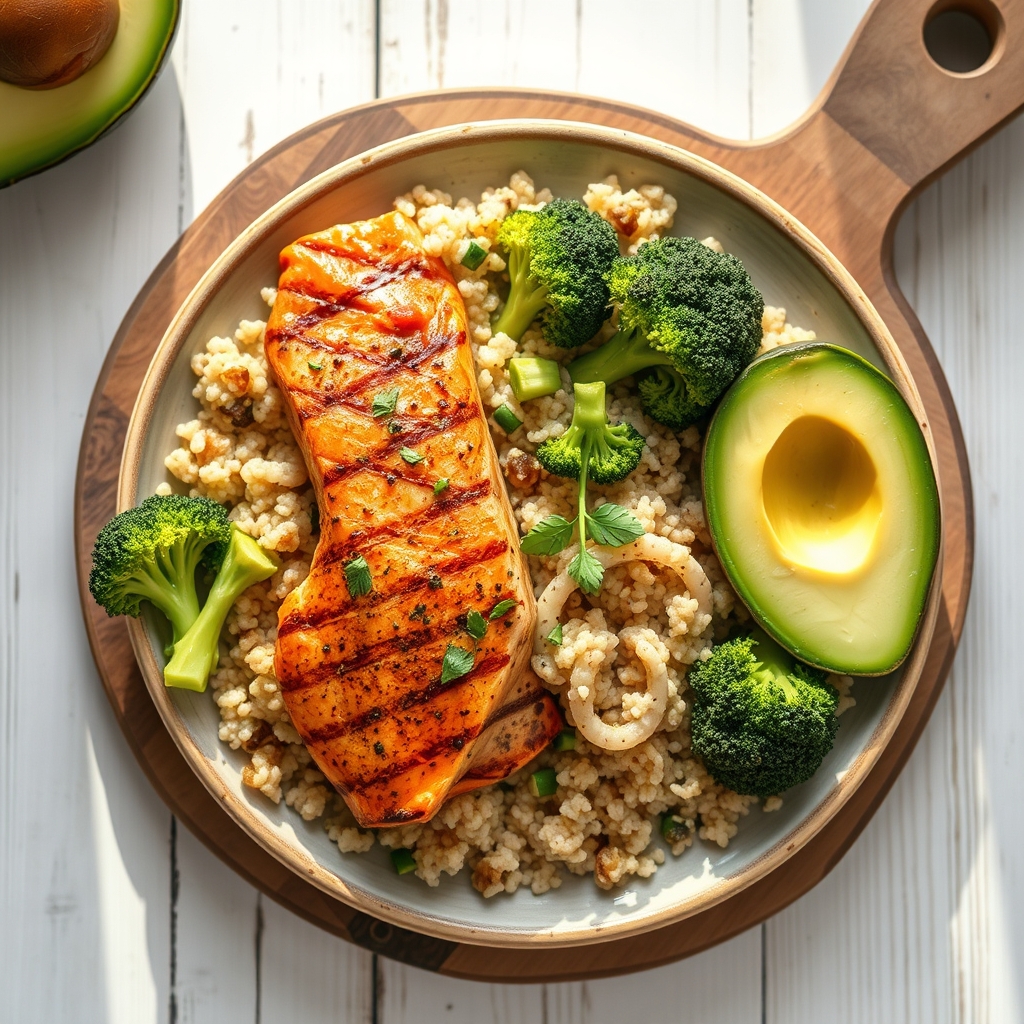
A balanced meal that hits protein, iron, omega‑3s, and calcium.
When to schedule second trimester ultrasound at 18 weeks
The anatomy scan, usually performed between 18 and 22 weeks, is the most detailed ultrasound of the pregnancy. It evaluates the baby’s organs, measures growth, checks the placenta’s position, and often determines the baby's sex if you wish to know.
Most clinicians aim for the 18‑week window because the baby’s bones have mineralized enough to appear clearly on the image, yet the uterus is still low enough for optimal acoustic access. If you have a high‑risk pregnancy (e.g., multiple gestation, diabetes, or a family history of genetic conditions), your provider may schedule the scan a bit earlier or add additional targeted ultrasounds.
During the scan you’ll likely hear the fetal heartbeat—a reassuring “whoosh‑whoosh” that confirms a healthy rhythm. Your sonographer will also assess the amniotic fluid volume and look for any structural anomalies.
Preparing for the scan is simple: drink a few glasses of water beforehand to ensure a full bladder, which helps improve image quality. Wear comfortable clothing that allows easy access to your abdomen, and bring a list of any questions you have about fetal development (RCOG, 2023).
What prenatal tests are done at 18 weeks
Aside from the anatomy ultrasound, most standard prenatal labs have been completed by the end of the first trimester. However, a few specific assessments may be repeated or introduced around week 18:
Blood pressure and urine protein check: To screen for pre‑eclampsia, especially if you have risk factors.
Glucose screening: In many U.S. protocols the oral glucose tolerance test (OGTT) is performed between 24‑28 weeks, but some clinicians start the screening at 18 weeks if you have a history of gestational diabetes.
Group B Strep (GBS) culture: Usually done later (35‑37 weeks), but if you’re at high risk, a swab may be taken earlier.
Maternal serum alpha‑fetoprotein (AFP): This test is often done at 15‑20 weeks to assess the risk of neural‑tube defects.
All of these tests are routine, and any abnormal result will be followed up with additional imaging or specialist referral. Remember, a single out‑of‑range value rarely signals a problem on its own.
If you’re undergoing genetic screening, such as non‑invasive prenatal testing (NIPT), the blood draw typically occurs earlier (10‑12 weeks), but results may be discussed around the 18‑week visit. This timing lets your provider explain any next steps, including diagnostic testing if needed (Mayo Clinic, 2023).
How much weight should I gain by 18 weeks pregnancy
Weight‑gain recommendations depend on your pre‑pregnancy body mass index (BMI). The Institute of Medicine (IOM) guidelines suggest the following total gains:
Pre‑pregnancy BMI
Total recommended gain
Typical gain by 18 weeks
Underweight (< 18.5)
28‑40 lb (12.5‑18 kg)
~9‑12 lb (4‑5.5 kg)
Normal weight (18.5‑24.9)
25‑35 lb (11‑16 kg)
~8‑10 lb (3.5‑4.5 kg)
Overweight (25‑29.9)
15‑25 lb (7‑11 kg)
~6‑8 lb (2.5‑3.5 kg)
Obese (≥ 30)
11‑20 lb (5‑9 kg)
~5‑7 lb (2‑3 kg)
These figures are averages; individual trajectories can vary. Aim for a steady gain of about 0.5‑1 lb per week after the first trimester. Rapid weight gain or loss could signal nutritional issues or metabolic concerns that deserve a conversation with your provider.
Monitoring your weight at each prenatal visit helps your care team spot trends early. If you’re gaining weight faster than recommended, they may suggest modest dietary tweaks or a gentle increase in activity; if you’re gaining too little, they’ll explore calorie adjustments and iron status (CDC, 2022).
Travel, work, and other lifestyle considerations at 18 weeks
Traveling during the second trimester is generally safe for most pregnant people. If you’re planning a road trip, remember to stop every 1‑2 hours to stretch and walk, which helps prevent blood clots and eases back pain. For air travel, most airlines allow pregnant passengers up to 36 weeks, but it’s wise to bring a copy of your prenatal records and a medical note if you’re traveling after 28 weeks.
When it comes to work, many women find their energy levels improving, making it easier to stay productive. However, if you’re experiencing back pain, leg swelling, or fatigue, consider ergonomic adjustments: a supportive chair, a footstool, and a standing desk can reduce strain.
Sexual activity is typically safe at 18 weeks unless your provider has advised otherwise due to specific complications (e.g., placenta previa or a short cervix). Most couples find that intimacy can actually strengthen emotional bonds during pregnancy. If you notice any pain, bleeding, or fluid leakage after intercourse, contact your healthcare team promptly.
Beyond work, think about your sleep environment. Using a pregnancy pillow to support the belly and hips can improve comfort and reduce nighttime leg cramps. Keeping the bedroom cool and dark, and limiting caffeine after 2 p.m., often leads to more restorative sleep (NHS, 2022).
Skin changes and stretch marks at 18 weeks
Hormonal shifts often bring visible skin changes. You may notice a dark line (linea nigra) running from your belly button toward the pubic area, as well as increased pigmentation on the face (melasma). These changes are harmless and usually fade after delivery, but they can feel unsettling. The ACOG recommends gentle skin care—use fragrance‑free moisturizers and a broad‑spectrum sunscreen of at least SPF 30 when you’re outdoors.
Stretch marks (striae gravidarum) can appear as the skin stretches rapidly over the abdomen, breasts, hips, and thighs. While genetics play a big role, keeping the skin hydrated with creams containing cocoa butter, shea butter, or vitamin E may improve elasticity. If you’re concerned about the appearance of stretch marks, talk to your provider about safe options, such as silicone sheets that are pregnancy‑approved.
Tracking fetal movements: kick counts and what they mean
From about week 16 onward, many clinicians ask you to start a “kick count” to monitor fetal activity. The simple method is to note the time it takes to feel ten distinct movements while you’re sitting or lying comfortably. Most healthy babies will reach ten movements within two hours. The ACOG advises that a sudden decrease in movement patterns—especially if you haven’t felt ten kicks in two hours—should prompt a call to your provider.
Kick counts are valuable because they give you an early warning system for potential issues like fetal growth restriction. Keep a small notebook or use a pregnancy‑tracking app to log the times each day. If you notice a consistent drop in activity, schedule an ultrasound for reassurance.
Iron and vitamin C: boosting blood health in the second trimester
Iron demand climbs sharply in the second trimester to support the expanding blood volume and fetal growth. The CDC notes that iron‑deficiency anemia affects up to 20 % of pregnant people worldwide. Pair iron‑rich foods (red meat, lentils, fortified cereals) with vitamin C sources (citrus, strawberries, bell peppers) to enhance absorption. A glass of orange juice with a iron‑rich breakfast is a simple, effective strategy.
If dietary sources aren’t enough, your provider may recommend an iron supplement. Choose a prenatal formulation that includes vitamin C and is labeled safe for pregnancy. Always discuss dosage with your clinician, as excess iron can cause constipation or stomach upset.
Managing heartburn and indigestion at 18 weeks
Heartburn affects up to 70 % of pregnant people during the second trimester, driven by the hormone progesterone relaxing the lower esophageal sphincter and the growing uterus pressing on the stomach. Small, frequent meals are more tolerable than three large ones, and avoiding trigger foods—spicy dishes, chocolate, citrus, and carbonated drinks—can lessen symptoms.
Simple lifestyle tweaks can make a big difference: stay upright for at least an hour after eating, wear loose‑fitting clothing, and prop your head up with an extra pillow at night. Over‑the‑counter antacids containing calcium carbonate are generally considered safe, but always check with your provider before starting any medication (ACOG, 2023).
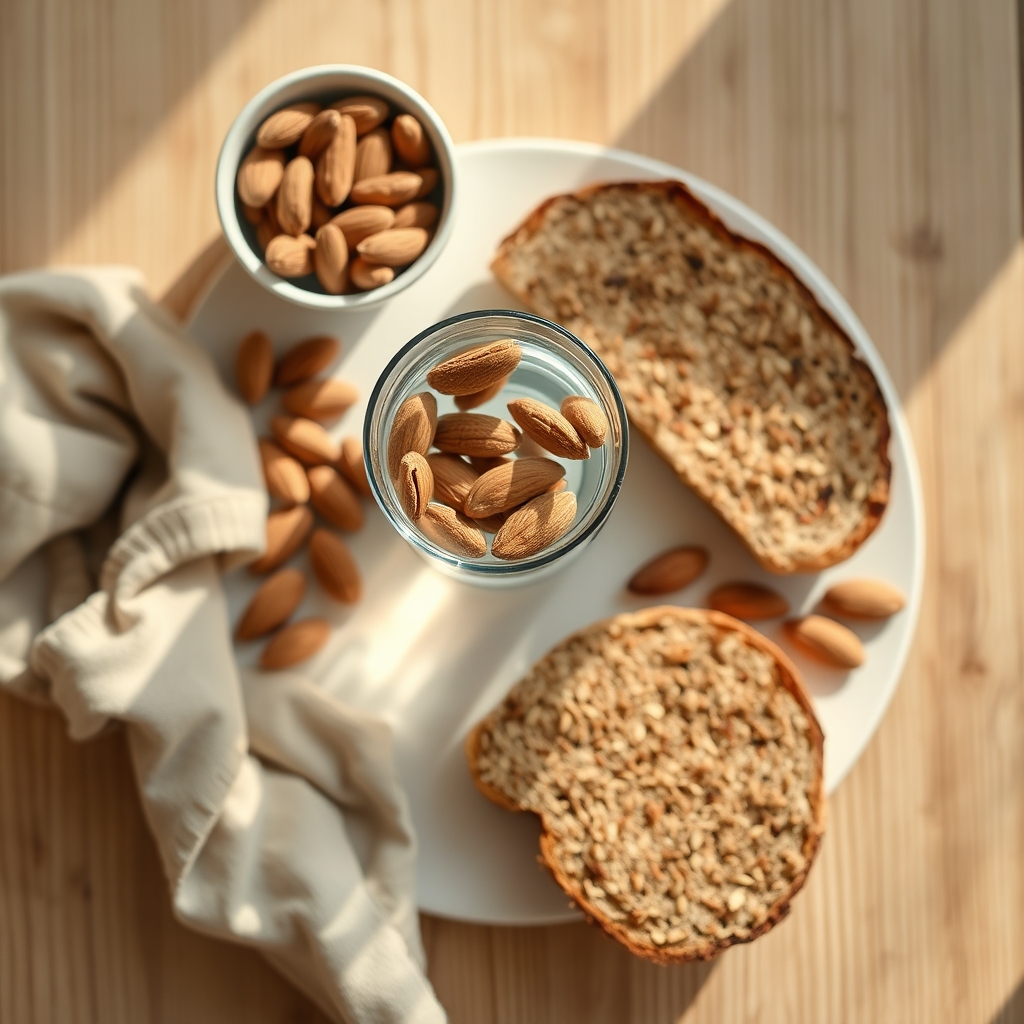
Gentle, low‑acid snacks can keep heartburn at bay.
Emotional wellbeing and mental health in the second trimester
The hormonal surge that powers physical changes can also affect mood. While many describe the second trimester as “the honeymoon,” anxiety about the baby’s health, upcoming delivery, and life changes can still surface. It’s normal to feel a roller‑coaster of emotions, and acknowledging those feelings is the first step toward coping.
Mind‑body practices such as prenatal yoga, guided meditation, or simple breathing exercises have been shown to reduce stress hormones and improve sleep quality (Mayo Clinic, 2023). If you notice persistent low mood, intrusive worries, or difficulty bonding with your baby, reach out to a mental‑health professional—many providers specialize in perinatal mood disorders and can offer therapy, support groups, or safe medication options.
Doctor’s note
From our medical team: “At 18 weeks you’re in a phase where both your baby’s development and your own body’s adaptations are well underway. Keep an eye on any new or worsening symptoms, especially sharp abdominal pain, heavy bleeding, or sudden swelling of the hands and face. Those could be signs of pre‑eclampsia or other complications that need immediate assessment. Otherwise, enjoy the growing connection with your baby—regular, moderate exercise and a nutrient‑rich diet are key to supporting a healthy pregnancy.”
Myth vs. fact
Myth: “If I can’t feel the baby move at 18 weeks, something is wrong.”
Fact: Most babies start moving between weeks 16‑20, but the timing varies. If you haven’t felt any movement by week 20, schedule a “kick count” appointment with your provider.
Myth: “All foods are safe as long as they’re cooked.”
Fact: Certain foods—like high‑mercury fish, unpasteurized dairy, and deli meats—remain risky even when cooked, because they can harbor bacteria or toxins that affect fetal development.
Myth: “I should avoid all exercise after the first trimester.”
Fact: Moderate, low‑impact exercise is encouraged throughout the second trimester, unless you have medical restrictions. It helps maintain cardiovascular health, control weight gain, and reduce back pain.
Key takeaways
The baby at 18 weeks is about the size of a bell pepper and can hear sounds from the outside world.
Typical symptoms include mild back pain, leg cramps, heartburn, and the first “quickening” flutters.
Exercise is safe when it’s moderate, non‑contact, and you stay well‑hydrated.
Focus on protein, calcium, iron, and omega‑3s while avoiding raw seafood, unpasteurized dairy, and high‑mercury fish.
Schedule your anatomy ultrasound now; it’s the best chance to see organ development and confirm the fetal heartbeat.
Aim for steady weight gain based on your pre‑pregnancy BMI; rapid changes warrant a check‑in.
Travel and work are usually fine with proper precautions, and sex is safe unless otherwise advised.
Heartburn can be managed with meal timing, positioning, and safe antacids; mental‑health support is a vital part of prenatal care.
Track fetal movements daily; a noticeable drop in activity should prompt a call to your provider.
Gentle skin care and moisturization can help with pregnancy‑related pigmentation and stretch marks.
Frequently asked questions
What does a baby look like at 18 weeks?
The fetus measures about 5.5 inches long, resembles a small bell pepper, and has distinct facial features, open eyelids, and tiny fingers that can grasp.
Can I have sex at 18 weeks pregnant?
Yes—sexual activity is generally safe at 18 weeks unless your provider has given specific restrictions due to complications like placenta previa.
Is it normal to have headaches at 18 weeks?
Occasional mild headaches can be common, often linked to dehydration, hormonal changes, or blood‑pressure shifts; persistent or severe headaches should be evaluated.
How many weeks until I can feel the baby move?
Most people feel the first distinct movements (quickening) between weeks 16‑20; if you haven’t sensed any flutters by week 20, talk to your clinician.
Do I need a glucose test at 18 weeks?
The standard oral glucose tolerance test is usually scheduled at 24‑28 weeks, but if you have risk factors for gestational diabetes, your provider may test earlier.
What are the warning signs at 18 weeks pregnancy?
Watch for vaginal bleeding, severe abdominal pain, sudden swelling of hands or face, high fever, or a rapid decrease in fetal movements; these require immediate medical attention.
How can I reduce heartburn during the second trimester?
Try eating smaller, more frequent meals, staying upright after eating, and avoiding trigger foods like chocolate and citrus; safe antacids containing calcium carbonate are often recommended, but check with your provider first.
What mental‑health resources are available if I feel anxious?
Many hospitals offer perinatal counseling, and online platforms provide therapist‑matched services for pregnant people. If anxiety interferes with sleep or daily life, reach out to your obstetrician for a referral to a specialist.
What should I do if I notice my baby isn’t moving?
If you haven’t felt ten distinct movements within two hours, or you notice a sudden drop in activity, contact your provider right away for an evaluation—often an ultrasound will reassure you.
Is international travel safe at 18 weeks?
Travel abroad is generally fine in the second trimester, but ensure you have travel insurance that covers pregnancy, bring your prenatal records, and stay hydrated. Check destination‑specific health advisories and avoid regions with Zika or malaria risk without proper precautions.
When to call your doctor
If you experience any of the following, contact your obstetrician or midwife right away: heavy vaginal bleeding, severe abdominal or pelvic pain, sudden swelling of the face or hands, persistent high fever, a rapid decrease in fetal movements, or fluid leaking from the vagina. This article is for informational purposes only and does not replace personalized medical advice.
References
American College of Obstetricians and Gynecologists (ACOG). “Physical Activity and Exercise During Pregnancy and the Postpartum Period.” 2023 guidance.
National Health Service (NHS). “Pregnancy week by week – 18 weeks.” Updated 2022.
World Health Organization (WHO). “Nutrition during pregnancy.” 2021 recommendations.
U.S. Food and Drug Administration (FDA). “Food safety for pregnant women.” 2022.
Institute of Medicine (IOM). “Weight Gain During Pregnancy: Reexamining the Guidelines.” 2009.
Royal College of Obstetricians and Gynaecologists (RCOG). “The 18‑Week Anatomy Scan.” 2023 clinical protocol.
Centers for Disease Control and Prevention (CDC). “Prenatal Care.” 2022 overview.
Mayo Clinic. “Second trimester: What to expect.” 2023 patient education.
American College of Obstetricians and Gynecologists (ACOG). “Management of Heartburn and Gastroesophageal Reflux in Pregnancy.” 2023 clinical bulletin.
National Institute of Mental Health (NIMH). “Perinatal Mood and Anxiety Disorders.” 2022 fact sheet.
American College of Obstetricians and Gynecologists (ACOG). “Fetal Movement Monitoring.” 2022 clinical guidance.
Centers for Disease Control and Prevention (CDC). “Iron‑Deficiency Anemia in Pregnancy.” 2021 data brief.
Not sure about the label on Eighteen Weeks Pregnancy Your Second Trimester Guide products?
Snap the ingredients list and SafeFilter checks every ingredient for your stage — only 3 free scans this month, then you're locked until reset. Unlimited from $7/mo or lock $50/yr through Aug 31 (5 days left).
When Shubhra Mishra was expecting her first child in 2016, she was overwhelmed by conflicting food advice — one site said yes, another said never. By the time her second baby arrived in 2019, she realized millions of mothers face the same confusion.
That sparked a five-year journey through clinical nutrition papers, cultural diets, and expert conversations — all leading to BumpBites: a calm, compassionate space where science meets everyday motherhood.
Her long-term vision is to build a global community ensuring safe, supported, and free deliveriesfor every mother — because no woman should face pregnancy alone or uninformed. 🌿
🌍 Stand with mothers, shape safer guidance
Join a small circle of experts who review BumpBites articles so expecting parents everywhere can decide with confidence.