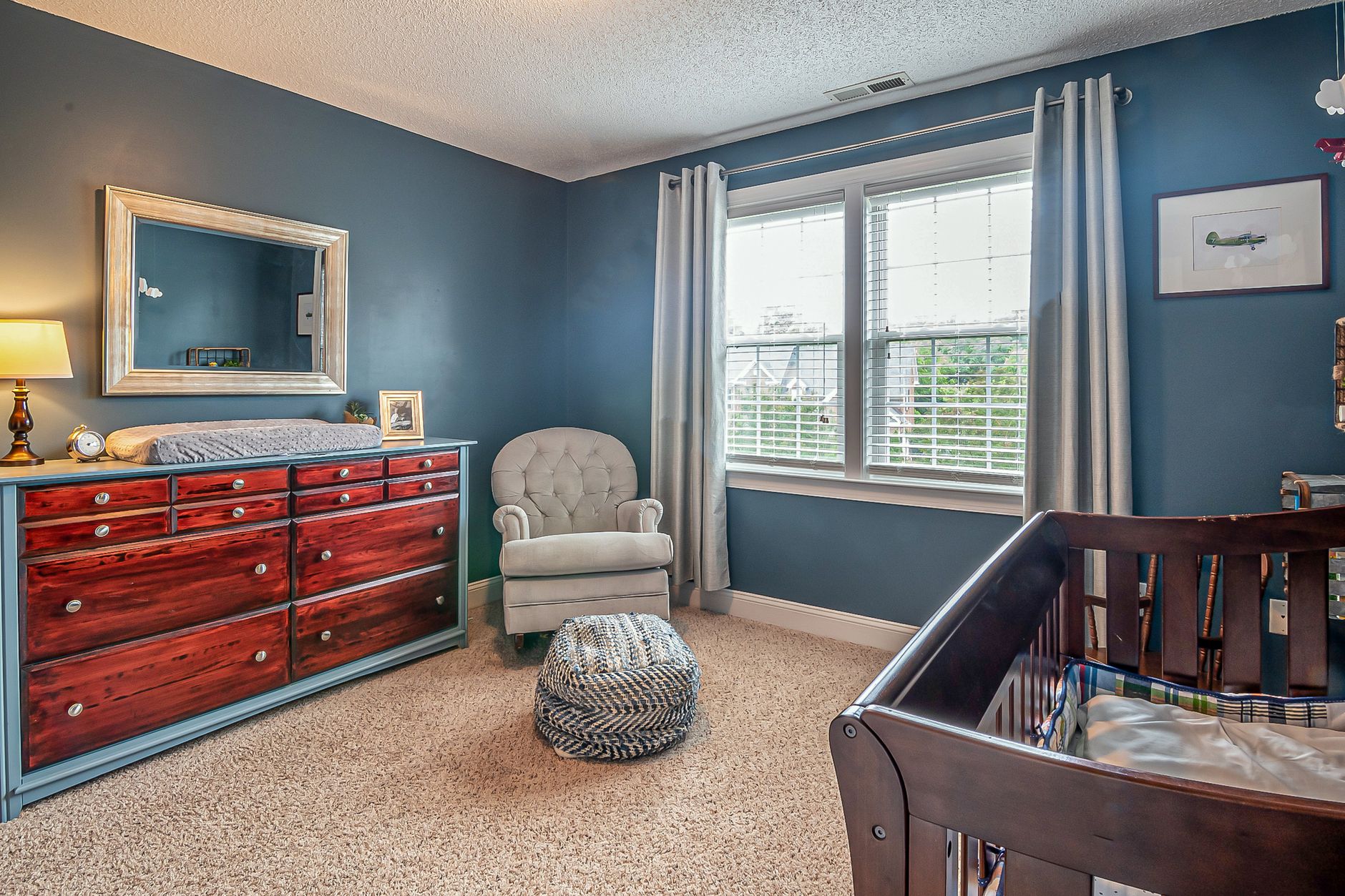
Most parents wonder whether the original crib can be handed down. The answer depends on two factors: age of the crib and condition of the mattress and hardware. If the crib is less than ten years old, hasn’t been involved in any recalls, and the slats are still spaced correctly (no more than 2‑3/8 inches apart), it can be perfectly safe for a second baby.
However, the Consumer Product Safety Commission (CPSC) recommends replacing any crib that has been in a home where a child has experienced a fall or where the paint is chipping. A fresh mattress is non‑negotiable: a worn or soiled mattress can harbor allergens and lose firmness, both of which increase SIDS risk.
One mom, Jenna, told us she reused her 2019 IKEA crib for her second child after swapping the mattress. “I double‑checked the slats, gave everything a good wipe‑down, and felt totally at ease,” she said. She also added a new mattress protector for extra peace of mind.
In short, you can reuse the crib if it passes safety checks, but you’ll need a new mattress and possibly a fresh set of bedding.
Best car seats for a second baby with an older sibling
Choosing a car seat for a second baby often means balancing safety, compatibility with your existing stroller, and cost. Below is a quick comparison of three top‑rated models that work well when you already own a seat for your first child.
All three meet the American Academy of Pediatrics (AAP) standards and have received high safety ratings from the National Highway Traffic Safety Administration (NHTSA). If you already own a convertible car seat that’s still within its expiration date, you can keep it for the older sibling and purchase a new rear‑facing seat for the newborn.
When budgeting, look for sales around holidays—many retailers offer up to 30 % off, which can turn a $300 seat into a $210 purchase without sacrificing safety.
How to choose a stroller that works for two kids
Strollers that accommodate two children come in three main styles: double‑push (side‑by‑side), tandem (front‑and‑back), and convertible (single‑stroller that adds a second seat). Your choice should reflect the age gap, storage needs, and how often you’ll be navigating tight spaces.
Side‑by‑side double strollers
Best for twins or children close in age. They offer a wide footprint, making them stable but harder to fit through narrow doorways.
Tandem (front‑and‑back) strollers
Ideal when the older child is already walking. The front seat can be a car seat or a toddler seat that rides above the rear bench.
Convertible single‑to‑double strollers
These are the most budget‑friendly if you already have a single stroller. You simply add a second seat or a ride‑along board when the second child arrives.
One reader, Maya, shared: “I bought a convertible stroller for my first baby. When baby #2 arrived, I added a second seat for just $80. It saved us $400 compared to buying a brand‑new double stroller.”
When evaluating any stroller, verify that the frame meets the CPSC safety standards, and check that the weight capacity of the second seat aligns with your older child’s size.
Budget‑friendly baby registry must haves for a second baby
Creating a second‑baby registry doesn’t have to mean a fresh $2,000 spend. Here are cost‑saving strategies that keep the list practical and affordable.
1. Prioritize items you can’t reuse
New car seat, crib mattress, and possibly a new bassinet are non‑negotiable safety items. Allocate the bulk of your budget here.
2. Borrow or swap with friends
Many parents are happy to lend a stroller or high‑chair that’s still in great shape. A local “baby gear library” or community Facebook group can be a treasure trove.
3. Look for multi‑use gear
Choose a nursing pillow that also works as a tummy‑time pillow, or a diaper bag that converts into a backpack for school‑age kids. Multi‑use items reduce the total number of purchases.
4. Shop clearance and outlet stores
Brands like Target, Walmart, and Amazon have “clearance” sections where previous‑year models are deeply discounted. These often have the same safety features as current models.
5. Use a printable checklist
Download our second baby registry checklist printable to keep track of what you already have and what you still need. Checking off items as you go prevents duplicate purchases.
By focusing on these tactics, you can keep the total cost under $1,000 in most cases, even if you need a few brand‑new pieces.
What nursing supplies are still needed for a second baby?
If you plan to breastfeed or pump, the core nursing supplies—like nursing bras, breast pads, and a quality pump—are usually reusable. However, some items merit a fresh purchase.
Supplies you can reuse
- Breast pump (electric or manual) – clean thoroughly and replace any worn parts.
- Nursing pillow – still works for positioning both babies.
- Milk storage bags – if you have a bulk pack, they’re fine.
Supplies to replace
- Breastfeeding bras – they stretch with each pregnancy; a new, supportive fit is crucial.
- Silicone nipple shields – if you used them for the first child, get a fresh set for hygiene.
- Breastmilk freezer – if your old freezer is full or older than five years, consider a new unit for extra storage.
One mother, Priya, said: “I kept my Spectra pump from baby #1, but I bought new nursing bras because the old ones felt too loose. The difference in comfort was huge.”
Overall, the rule of thumb is: if an item has been worn out, stretched, or potentially contaminated, replace it; otherwise, clean and reuse.
Should I upgrade my diaper bag for a second child?
Many parents start with a single‑baby diaper bag and wonder if they need a new one for the second child. The answer depends on capacity, organization, and durability.
When to stick with the same bag
- It has multiple compartments for separating each child’s wipes, diapers, and snacks.
- It’s made of water‑resistant material that can handle extra spills.
- It still fits comfortably on your shoulder or as a cross‑body.
When to upgrade
- You need more insulated pockets for bottles or breastmilk.
- The bag’s straps are fraying or the fabric is thinning.
- You prefer a backpack style to free your hands when juggling two toddlers.
Backpack diaper bags, such as those from BagIt, often come with a built‑in changing mat and larger storage, making them a smart upgrade for families on the go.
How to incorporate sibling‑friendly items into the second baby registry
Including gear that helps the older sibling feel involved can prevent jealousy and make daily routines smoother.
Sibling‑friendly gear ideas
- “Big Brother/Big Sister” badge – A simple cloth badge the older child can wear proudly.
- Hand‑held “twin” carrier – Some carriers have a small front pocket for a plush toy, letting the older child “help” carry the baby.
- Dual‑purpose activity mat – A mat that accommodates tummy time for the newborn and a play area for the older child.
- Adjustable high‑chair – Models that grow with the child reduce the need for a separate chair.
These items are inexpensive and often already in your home—just look for ways to repurpose them. For example, a sturdy storage ottoman can become a “big sibling” seat during feeding times.
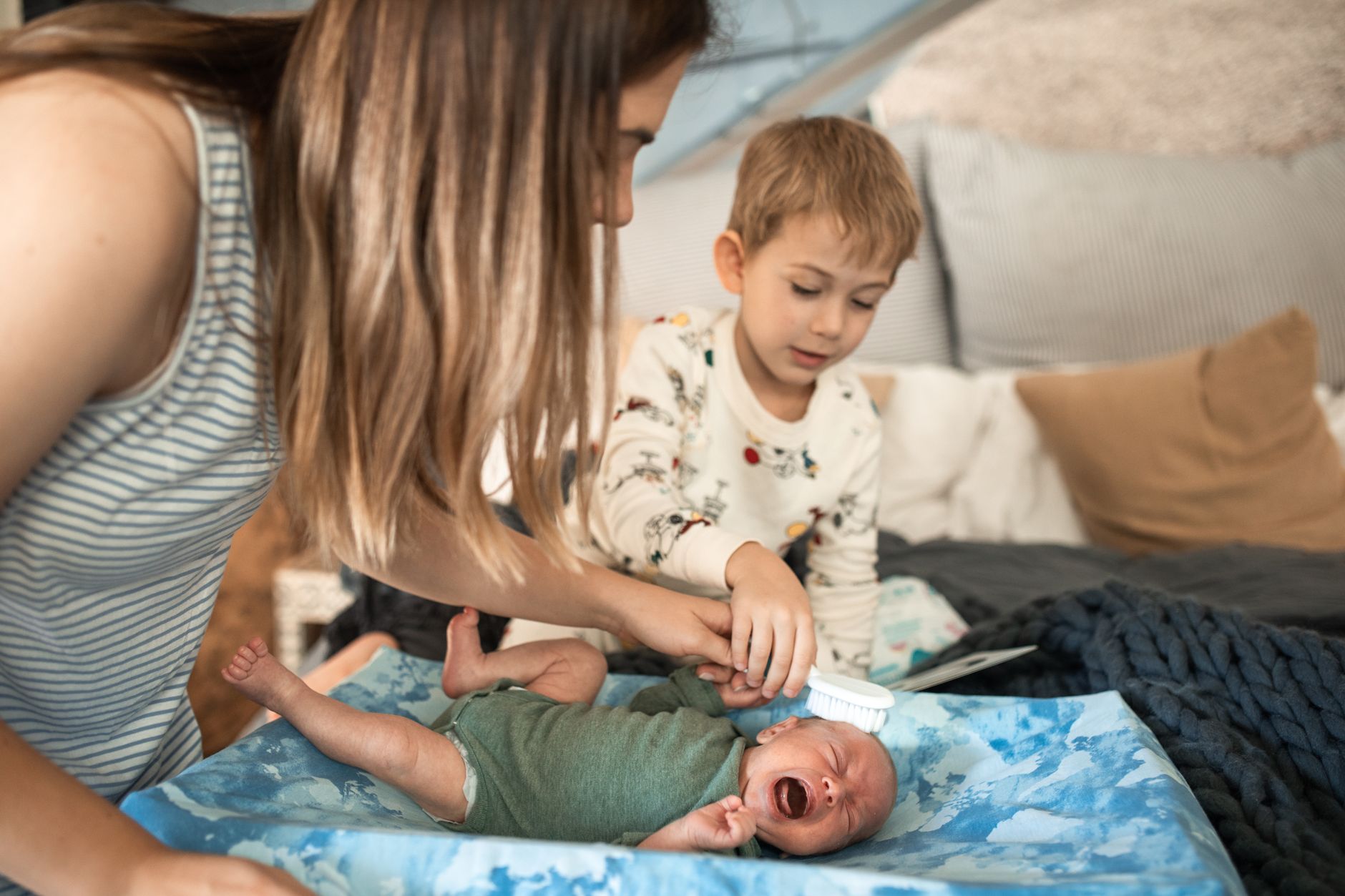
One dad, Luis, shared his tip: “I added a ‘big brother’ sticker to my older son’s water bottle. It gave him a sense of responsibility and made him excited to help with diaper changes.”
Myth vs. fact
Myth: You must buy a completely new set of baby gear for every child.
Fact: Many items—strollers, high‑chairs, nursing pillows—are designed for multiple uses and can safely be reused if they’re in good condition and meet current safety standards.
Myth: A second‑baby registry is unnecessary if you already have most items.
Fact: A focused registry helps you spot gaps, prioritize safety‑critical purchases, and keep track of items you might need to upgrade.
Myth: You should always buy the most expensive gear for safety.
Fact: Safety is about meeting standards, not price tags. Many mid‑range products meet or exceed AAP and CPSC guidelines.
Key takeaways
- Identify truly essential safety items—car seat, crib mattress, and a new bassinet—while reusing versatile gear.
- Check each used item for recalls, wear, and compliance with current safety standards.
- Choose stroller and high‑chair models that grow with both children to save space and money.
- Integrate sibling‑friendly accessories to make the older child feel included.
- Use a printable checklist to avoid duplicate purchases and stay organized.
- Budget strategically: allocate most funds to safety items, hunt clearance deals for the rest.
Frequently asked questions
Do I need a new bassinet for my second baby?
Not necessarily. If your current bassinet is under ten years old, meets current safety standards, and the mattress is still firm and clean, you can reuse it. Replace the mattress if it shows signs of wear or has been exposed to fluids.
Can I use the same stroller for two children?
Yes, if your stroller is a convertible model that allows a second seat or a ride‑along board. Many single strollers are designed to add a companion seat later, which makes them ideal for a second child.
What baby gear can I reuse for my second child?
Items such as a nursing pillow, baby monitor, high‑chair, diaper bag (if still in good condition), and a well‑maintained stroller can be safely reused. Always verify that they meet current safety guidelines and have no recalls.
How much should I budget for a second baby registry?
Budget needs vary, but most families can comfortably stay under $1,000 by reusing gear, focusing on safety‑critical purchases, and hunting sales. Allocate roughly 40 % of the budget to a new car seat, 20 % to a crib mattress and bedding, and the remaining 40 % to optional items and upgrades.
Is a second baby registry necessary if I already have most items?
Yes. A registry helps you identify missing safety items, prioritize upgrades, and communicate specific wishes to friends and family who may want to gift you something useful.
What are the top safety items to add for a second baby?
The top safety items are a new, compliant rear‑facing car seat, a fresh crib mattress, and a certified bassinet or co‑sleeper. Additionally, ensure your baby monitor can handle multiple cameras and that any reused gear passes current safety checks.
How can I make my second baby’s nursery both affordable and stylish?
Start with a neutral color palette that works for both children, reuse existing furniture where possible, add a few new decorative touches like wall art or a rug, and shop for budget‑friendly accessories at discount retailers or online marketplaces.
When to see a doctor or specialist
If you notice any safety issues with reused gear—such as cracked plastic on a car seat, broken slats on a crib, or a stroller that wobbles excessively—stop using the item immediately and consult a pediatrician or a certified child‑product safety specialist. In rare cases, a medical professional may need to assess an infant for injuries caused by faulty equipment. When in doubt, always prioritize your child’s safety over convenience.
This article is for informational purposes only and does not replace personalized medical advice. If you have concerns about specific gear or your child’s health, please talk to your pediatrician or a qualified healthcare provider.
References
- American Academy of Pediatrics. “Car Seat Safety.” AAP, 2023.
- Consumer Product Safety Commission. “Crib Safety Guidelines.” CPSC, 2022.
- National Highway Traffic Safety Administration. “Car Seat Ratings.” NHTSA, 2024.
- American Academy of Pediatrics. “Breastfeeding and Pumping.” AAP, 2023.
- Harvard T.H. Chan School of Public Health. “Budget‑friendly Parenting.” Harvard Health, 2024.
- Target. “Second Baby Registry Checklist Printable.” Target.com, accessed July 2026.
- Britax. “Marathon ClickTight Review.” Britax, 2024.
- Chicco. “KeyFit 30 Safety Features.” Chicco, 2024.
- Evenflo. “Symphony Elite Car Seat Overview.” Evenflo, 2024.