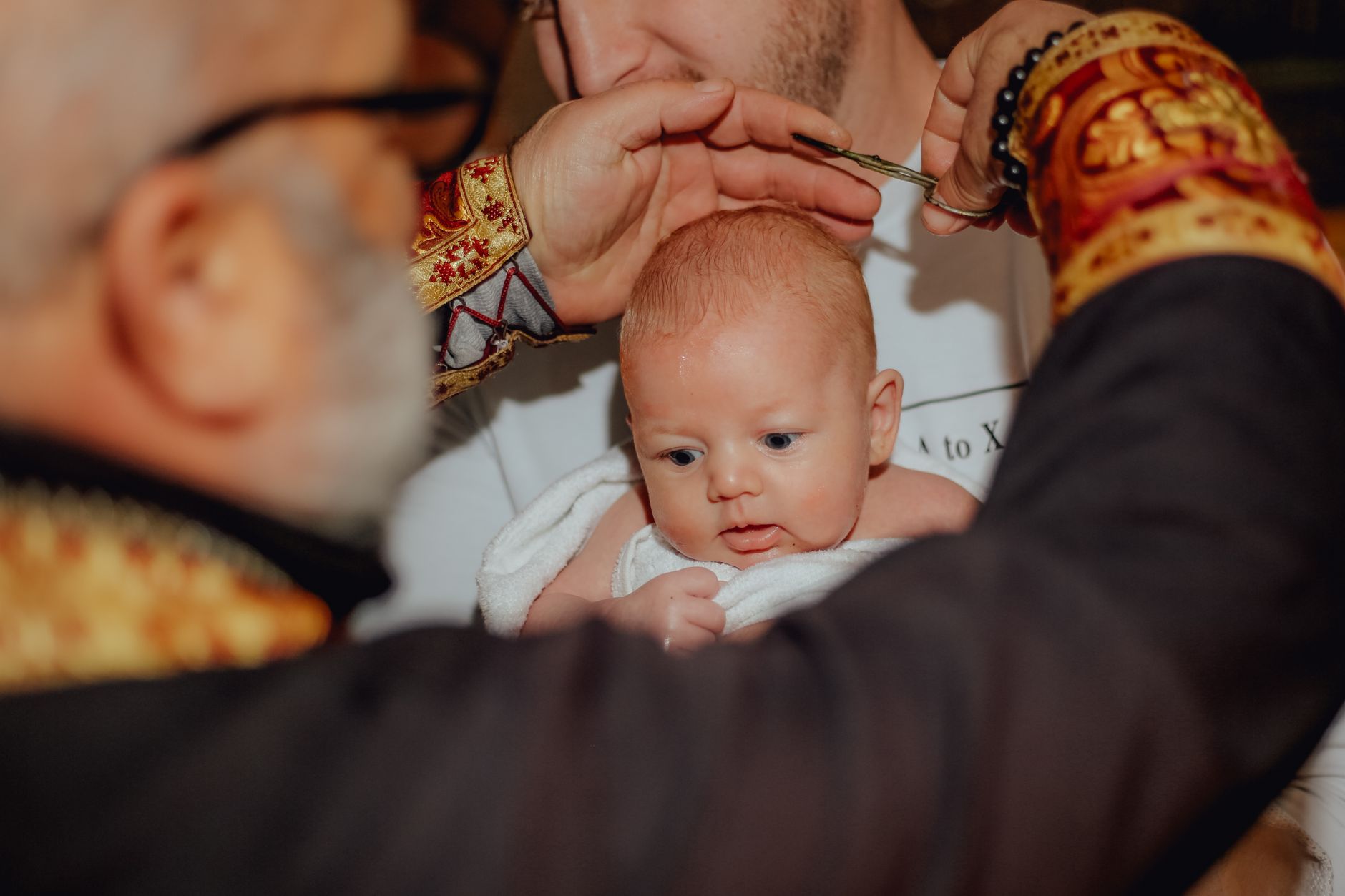
Choosing a name for your baby is always a big decision, but when it’s tied to a bris naming ceremony, it can feel even more meaningful—and maybe a little overwhelming. The good news? There’s no one "right" way to do it. Whether you’re drawn to ancient Hebrew names, modern twists, or a blend of both, the key is to pick something that resonates with you and your family’s story.
Here’s what many families consider when choosing a name for a bris:
- Hebrew names with meaning: Many parents opt for Hebrew names that carry special significance. For example, "Noah" (נח) means "rest" or "comfort," while "Leah" (לֵאָה) means "weary" but is also tied to strength in Jewish tradition. Websites like Jewish Names offer a treasure trove of options, complete with meanings and historical context.
- Names from the Torah or Talmud: Biblical names like "Moses" (מֹשֶׁה), "Sarah" (שָׂרָה), or "Jacob" (יַעֲקֹב) are classic choices, but you can also explore less common names from Jewish history or literature.
- Modern or blended names: Some families choose to give their child a Hebrew name alongside a more traditional name. For instance, pairing "Eli" (אֵלִי) with "Alexander" or "Noam" (נֹעַם) with "William." This can be a beautiful way to honor both heritage and personal preference.
- Names tied to family or personal significance: Maybe a grandparent’s name holds special meaning, or a name from a favorite book or song resonates with you. There’s no rule against incorporating these into the bris naming tradition.
If you’re not Jewish but still want to participate in the naming tradition, that’s completely valid too. Some families choose to give their child a Hebrew name as a way to connect to Jewish culture, even if they’re not practicing. Others might opt for a name that reflects their own cultural background while still celebrating the joy of the ceremony.
For example, a friend of mine, Priya, is of Indian descent and chose to name her son "Aryeh" (אַרְיֵה), which means "lion," alongside her family’s traditional name. "I wanted him to have a name that felt Jewish and strong, but also something that connected him to our own heritage," she explained. "The bris naming ceremony became a way to blend both worlds for him."
If you’re feeling stuck, consider these questions:
- What does this name mean to me or my family?
- Does it reflect our values or our story?
- How does it feel to say it out loud?
- Would I be proud to hear my child call themselves this name?
And remember: There’s no pressure to choose a "perfect" name. The most important thing is that it feels right for you and your baby.
Bris naming ceremony customs for modern families
If you’re imagining a bris naming ceremony, you might picture a small, intimate gathering with a mohel performing the brit milah and the parents announcing the baby’s name. While that’s a common scene, modern bris naming ceremonies look as diverse as the families who celebrate them. Today, these ceremonies are blending tradition with contemporary values, creating a space that feels both meaningful and welcoming.
Here are some of the most common customs you might encounter—or even adapt—during a modern bris naming ceremony:
- Co-ed mohels: Traditionally, a mohel (the person who performs the brit milah) was male, but today, many families choose to work with a co-ed mohel or a female mohel. This reflects a broader shift toward inclusivity in Jewish practice.
- Interfaith or multicultural families: Many bris naming ceremonies today include families who are interfaith or from diverse cultural backgrounds. Some choose to give their child a Hebrew name alongside a name from their other heritage, while others might invite non-Jewish family members to participate in the ceremony.
- Celebratory meals: After the ceremony, families often gather for a festive meal, known as a seudat mitzvah (סעודת מצווה), which means "feast of a commandment." This meal is a time to celebrate the baby and the community gathered to support them. Modern families might host this meal at home, in a restaurant, or even outdoors.
- Music and dancing: Many bris naming ceremonies today include music, whether it’s traditional Jewish melodies, modern songs, or even a playlist curated by the family. Some families also incorporate dancing as a way to celebrate.
- Gifts for the baby: It’s common for guests to bring gifts for the baby, such as clothing, toys, or even a gift card for future purchases. Some families also include a "gift of light" or a small donation in the baby’s name to a charity.
For example, a friend of mine, Rachel, hosted her bris naming ceremony at a local park. She wanted to create a space that felt open and inviting, so she set up a picnic area with blankets, pillows, and a table for the seudat mitzvah. She also invited a local musician to play traditional Hebrew songs, blending the old with the new. "I wanted our ceremony to feel like a celebration of our family, not just a religious ritual," she said.
If you’re planning a bris naming ceremony, consider what feels most meaningful to your family. Maybe it’s incorporating a specific tradition from your cultural background, or perhaps it’s creating a space that feels inclusive for all guests. The key is to make it your own.
For more insights on how families from different backgrounds blend tradition with modern life, check out our guide on Latinx Motherhood Traditions—where cultural heritage and family values often intersect in beautiful ways.
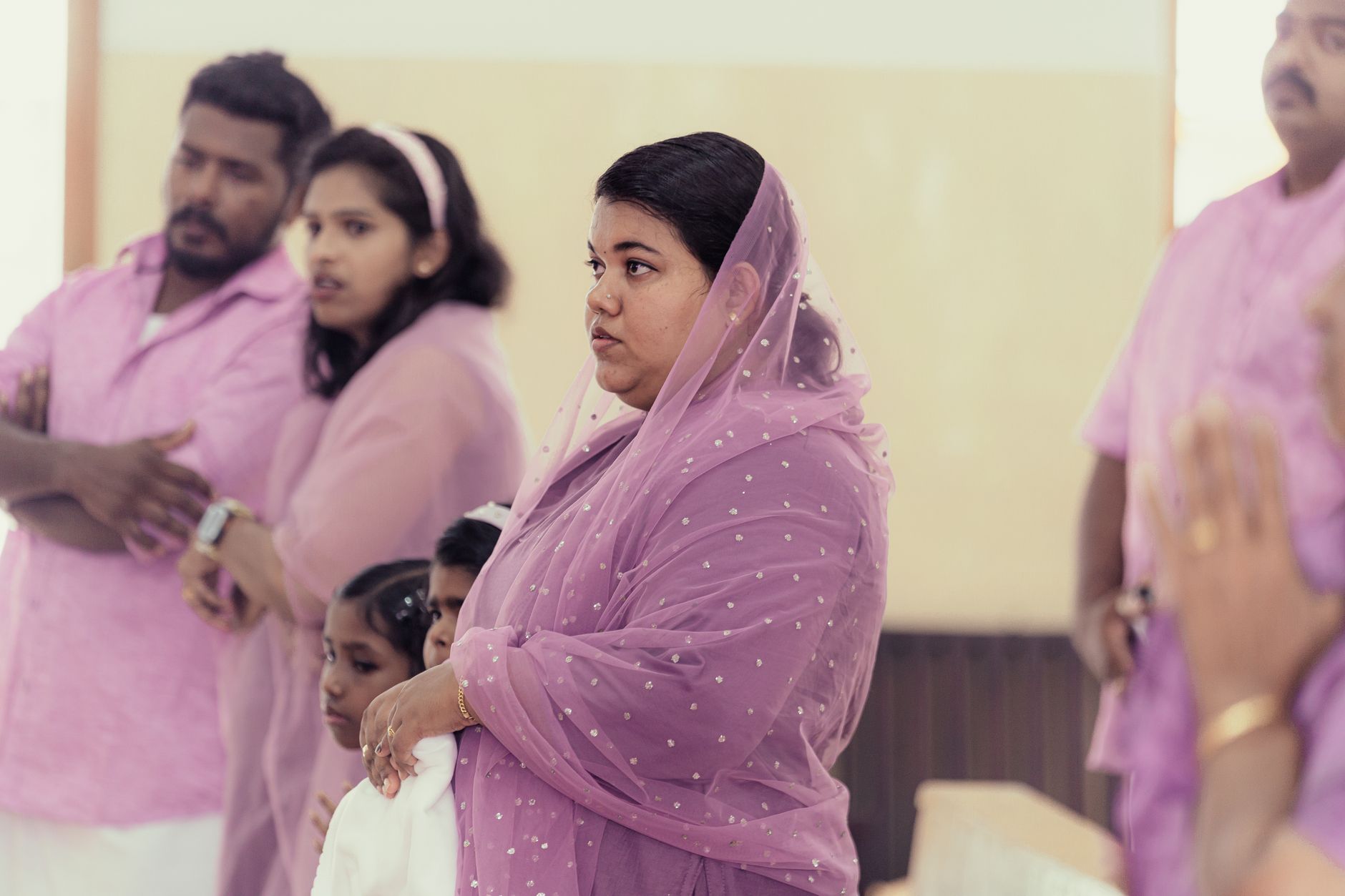
Bris naming vs brit milah naming differences
At first glance, a bris naming ceremony and a brit milah might seem like the same thing—but they’re actually two distinct (though often connected) traditions. Understanding the differences can help you decide how to approach your own celebration.
Here’s a quick breakdown:
Many families choose to combine both traditions into a single event. For example, a brit milah naming ceremony might include the circumcision followed by the naming announcement and a celebratory meal. This is especially common in Orthodox or Conservative Jewish communities, where the brit milah is a religious obligation for male babies.
If you’re not Jewish or your family doesn’t practice circumcision, you might opt for a bris naming ceremony without the brit milah. This allows you to focus on the naming tradition and the joy of celebrating your baby’s heritage—whether that’s Jewish, interfaith, or entirely personal.
For instance, a friend of mine, who is not Jewish but wanted to honor her husband’s Jewish roots, chose to have a bris naming ceremony for their daughter. She gave her a Hebrew name alongside her own family’s name and invited close friends and family to celebrate. "It felt like a beautiful way to connect us to his culture and our own story," she said.
Bris naming traditions for non-Jewish families
You don’t have to be Jewish to appreciate or participate in a bris naming ceremony. In fact, many non-Jewish families choose to incorporate elements of the tradition into their own celebrations—whether it’s the naming ritual, the community gathering, or the festive meal. The key is to adapt the customs in a way that feels authentic to your family’s values and beliefs.
Here are some ways non-Jewish families might approach a bris naming ceremony:
- Choosing a meaningful name: Even if you’re not Jewish, you might choose to give your child a name with special significance—whether it’s a Hebrew name, a name from another culture, or a name that reflects your family’s story. The important thing is that it feels right to you.
- Including Jewish traditions in a broader celebration: Some families might blend the bris naming ceremony with other cultural traditions. For example, a Latinx family might incorporate elements of a quincenera or a Latin American naming ceremony, while still honoring the Jewish naming tradition.
- Working with a co-ed mohel or rabbi: Many mohels and rabbis are open to working with non-Jewish families, especially if the ceremony is focused on the naming tradition rather than the religious aspects of a brit milah. This can create a warm and inclusive space for everyone.
- Creating a personalized ritual: You might choose to adapt the ceremony to fit your family’s beliefs. For example, you could include blessings from your own cultural or spiritual tradition alongside the Hebrew name announcement.
For example, a friend of mine, who is of Korean descent, chose to have a bris naming ceremony for her son. She worked with a co-ed mohel to perform the naming ritual and included Korean blessings and traditions in the celebration. "I wanted him to feel connected to both our cultures," she said. "The bris naming ceremony felt like a way to honor that."
If you’re exploring this tradition as a non-Jewish family, it’s important to approach it with respect and openness. Consider reaching out to a local Jewish community center or a rabbi who can help guide you through the process. Many are happy to share their knowledge and create a meaningful experience for your family.
For more insights on how families from different backgrounds blend traditions, check out our guide on Navigating Asian American Motherhood Pressure, where cultural heritage often plays a central role in family celebrations.
Bris naming ceremony timeline and etiquette
If you’re planning a bris naming ceremony, knowing what to expect—and when—can help you prepare for a smooth and joyful event. While every ceremony is unique, most follow a similar timeline and set of customs. Here’s what you can typically expect:
Pre-Ceremony
1–2 weeks before the ceremony:
- Send out invitations. Many families keep it simple with digital invites or a short list of close family and friends.
- Choose a name (or names) for your baby. If you’re working with a rabbi or mohel, they may have suggestions or guidance.
- Plan the ceremony location. This could be at home, a synagogue, a park, or a rented space.
- Coordinate with the mohel or rabbi. They’ll help you plan the timing of the ceremony and any specific rituals.
The Ceremony Itself
Here’s a typical timeline for a bris naming ceremony:
- Gathering: Guests arrive and mingle. Some families set up a space for the baby to rest comfortably.
- Opening Blessings: A rabbi, cantor, or mohel may lead blessings to open the ceremony. This might include a prayer for the baby and the parents.
- The Naming Announcement: The parents (or a representative) announce the baby’s name in Hebrew and/or another language. This is often a highlight of the ceremony!
- Blessings for the Baby: A rabbi or mohel may recite blessings for the baby’s health, happiness, and future.
- Closing Blessings: The ceremony concludes with a final blessing or song, often followed by applause.
Post-Ceremony
After the ceremony, families typically gather for a celebratory meal (seudat mitzvah). This is a time to enjoy food, drinks, and conversation with guests. Some families also include:
- Gift-giving for the baby (clothing, toys, or a gift card).
- Music or dancing to celebrate the occasion.
- A keepsake, such as a certificate of the naming ceremony or a small token from the mohel.
Etiquette Tips
If you’re attending a bris naming ceremony, here are a few etiquette tips to keep in mind:
- Dress modestly. Many Jewish communities prefer modest clothing, especially for women (e.g., covering shoulders and knees).
- Bring a gift for the baby. This could be anything from clothing to a small toy or a gift card.
- Arrive on time. The ceremony is a special occasion, and punctuality shows respect.
- Participate in the celebration. Whether it’s clapping during the naming announcement or joining in on the seudat mitzvah, your presence adds to the joy.
For example, a friend of mine, who is new to Jewish traditions, attended her first bris naming ceremony and was a little nervous about what to expect. She dressed modestly, brought a gift for the baby, and arrived early. "I was so touched by how welcoming everyone was," she said. "It felt like a true celebration of the baby and the family."
Bris naming ceremony gifts and traditions
Gifts and small tokens play a big role in bris naming ceremonies—they’re a way to show love, support, and celebration for the new baby and their family. Whether you’re giving a gift or receiving one, understanding the customs can help you participate meaningfully. Here’s what to know:
Common Gift Ideas
Guests often bring gifts for the baby, and the options are as varied as the families celebrating. Here are some popular choices:
Gift-Giving Traditions
Some families have specific traditions around gift-giving at a bris naming ceremony:
- Bringing gifts to the mohel or rabbi: Some guests leave a small gift or donation for the mohel or rabbi as a token of appreciation for their role in the ceremony.
- Gifts for the parents: While gifts are typically for the baby, some families also appreciate small tokens for the parents, such as a bottle of wine or a heartfelt card.
- Group gifts: Some families coordinate a group gift, such as a larger item for the baby’s room or a donation to a cause they care about.
What to Avoid
While there’s no strict rulebook for bris naming gifts, it’s polite to avoid:
- Gifts that are overly personal or expensive (unless you know the family’s preferences).
- Gifts that are inappropriate for a baby’s age or needs.
- Gifts that conflict with the family’s cultural or religious beliefs.
For example, a friend of mine, who is hosting her first bris naming ceremony, asked guests to bring gifts for her daughter. She included a registry with a mix of clothing, toys, and a donation option. "I wanted everyone to feel included and able to give something meaningful," she said. "It was so heartwarming to see how everyone participated!"
If you’re unsure about what to bring, a simple gift card or a heartfelt card with a note is always appreciated. The most important thing is to show your love and support for the family.
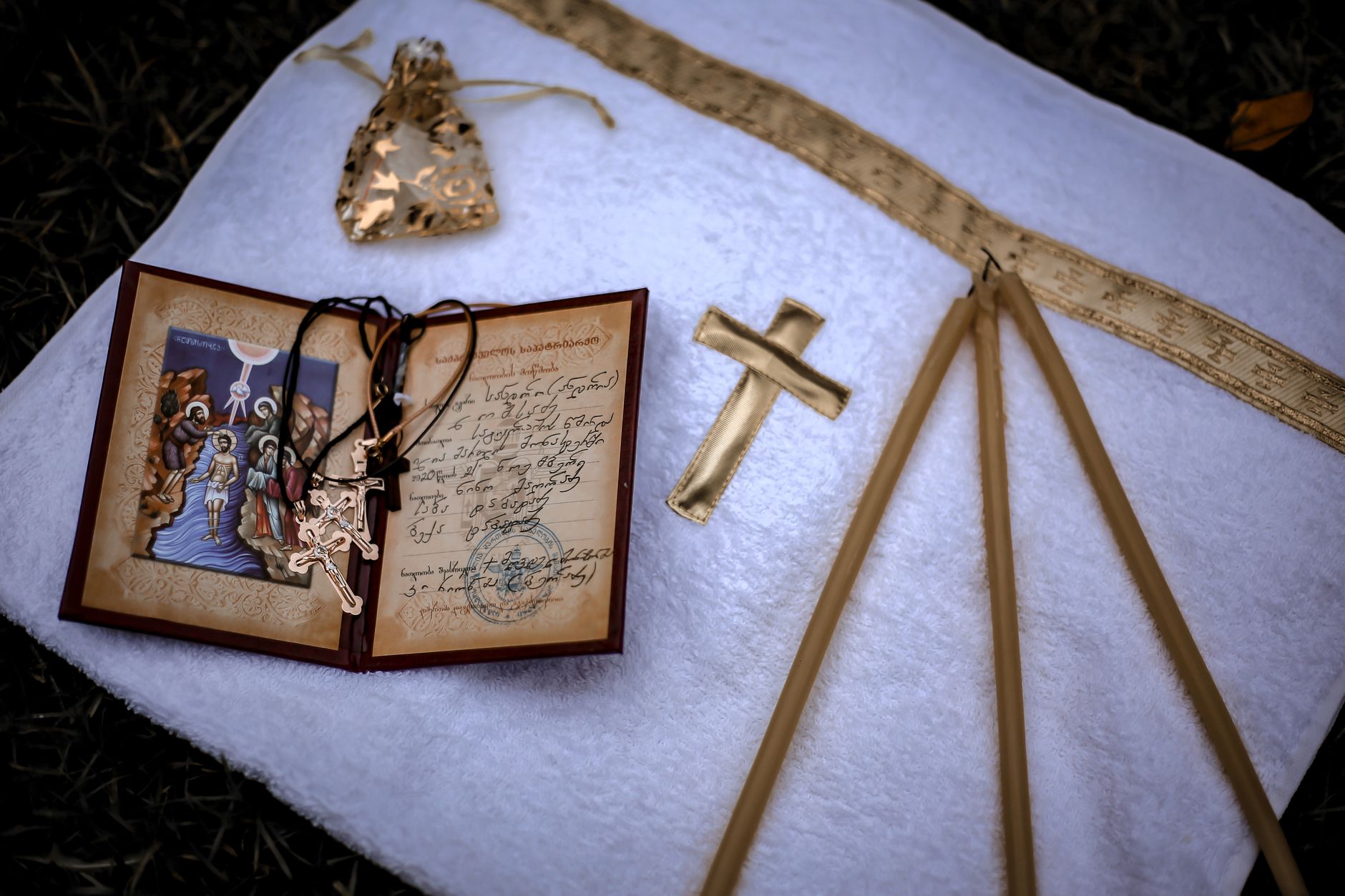
Legal and religious considerations for bris naming ceremonies
If you’re planning a bris naming ceremony—especially if you’re not Jewish or your family isn’t practicing—it’s natural to have questions about the legal and religious aspects. While the naming tradition itself is deeply personal, there are some important considerations to keep in mind, whether you’re dealing with religious obligations, legal requirements, or simply making sure your ceremony feels meaningful and respectful.
Religious Considerations
If you’re Jewish or practicing within a Jewish community, the bris naming ceremony may be tied to religious obligations:
- Brit milah (circumcision) for male babies: In Orthodox and Conservative Judaism, a brit milah is a religious obligation for male babies. The ceremony is typically performed on the 8th day after birth, though some families choose to delay it for medical or personal reasons. If you’re not Jewish but your partner is, you might still choose to perform a brit milah as a way to honor their heritage.
- Naming traditions: Jewish tradition emphasizes the importance of naming a child within the first few weeks of life. The name is often chosen to reflect the child’s identity within the Jewish community, whether through Hebrew names, biblical references, or names tied to family history.
- Working with a mohel or rabbi: If you’re planning a religiously significant ceremony, it’s important to work with a qualified mohel (for brit milah) or rabbi. They can guide you through the process, ensure the ceremony aligns with religious law (halacha), and help you navigate any questions or concerns.
Legal Considerations
While the naming tradition is personal, there are some legal aspects to consider:
- Legal naming of the baby: In most countries, the legal name of a child is recorded at birth. If you’re giving your baby a Hebrew name (or any name that’s not their legal name), you may need to register it separately. Some countries allow for multiple names, while others require you to choose one legal name. Check with your local vital records office for guidance.
- Cultural or religious names: Many countries allow for cultural or religious names, as long as they don’t conflict with local laws. For example, in the U.S., names can be up to 20 characters long and must be "reasonable" (though what counts as "reasonable" can vary). Some countries have restrictions on certain letters or symbols.
- Documentation: If you’re performing a brit milah or a formal naming ceremony, you may want to keep a record of the event. This could include a certificate from the mohel or rabbi, photos, or a written account of the ceremony. While this isn’t legally required, it can be meaningful for the family to have a keepsake.
For Non-Jewish Families
If you’re not Jewish but still want to incorporate a bris naming tradition, you’ll likely focus on the naming aspect rather than the religious or circumcision elements. Here’s what to consider:
- Meaningful naming: Choose a name that reflects your family’s values, heritage, or personal significance. This could be a Hebrew name, a name from another culture, or a name that blends both.
- Adapting traditions: You might choose to adapt other elements of the ceremony, such as inviting a rabbi to lead blessings or incorporating music and food from your cultural background.
- Respecting cultural norms: If you’re working with a mohel or rabbi who is not Jewish, be clear about your intentions and any adaptations you’d like to make. Most are happy to work with families from diverse backgrounds.
For example, a friend of mine, who is not Jewish but wanted to honor her husband’s Jewish roots, worked with a co-ed mohel to perform a naming ceremony for their daughter. They chose a Hebrew name alongside her own family’s name and included blessings from both their cultural traditions. "It felt like a beautiful way to bridge our worlds," she said. "The mohel was so supportive and helped us create a ceremony that felt authentic to us."
When to Seek Guidance
If you’re unsure about any aspect of the ceremony—whether it’s legal requirements, religious obligations, or simply how to adapt traditions—don’t hesitate to reach out for guidance. Here are some resources to consider:
- A local rabbi or Jewish community center. They can provide guidance on religious customs and help you navigate any questions.
- A mohel or circumcision specialist. If you’re performing a brit milah, they can explain the process and answer any medical or procedural questions.
- A legal professional. If you’re concerned about naming laws or documentation, they can help you understand your local requirements.
Myth vs. Fact: Bris Naming Traditions
There are a few common misconceptions about bris naming ceremonies that can make the process feel confusing. Let’s set the record straight with some myths and facts:
Myth: A bris naming ceremony is only for Jewish families.
Fact: While the tradition has deep roots in Jewish culture, many non-Jewish families choose to incorporate elements of the bris naming ceremony into their own celebrations. Whether it’s the naming ritual, the community gathering, or the festive meal, families from diverse backgrounds often adapt these traditions to fit their values and beliefs. The key is to approach the ceremony with respect and openness.
Myth: The name chosen at a bris naming ceremony must be a Hebrew name.
Fact: You’re not limited to Hebrew names! Many families choose to give their child a Hebrew name alongside a name from their own cultural or family background. The important thing is that the name feels meaningful and reflects your family’s story. Some families even create "name pairs," such as pairing a Hebrew name with a traditional name from their heritage.
Myth: A bris naming ceremony must include a brit milah (circumcision).
Fact: Not all bris naming ceremonies include a brit milah. While the brit milah is a religious obligation for male babies in Orthodox and Conservative Judaism, many families choose to focus on the naming tradition alone—especially if they’re not Jewish or if the baby is female. The naming ceremony can stand on its own as a joyful celebration of the baby’s heritage.
Fact: Modern bris naming ceremonies are often warm, inclusive, and personalized. Families today blend tradition with contemporary values, creating ceremonies that feel authentic to their story. Whether it’s incorporating music, food from your cultural background, or a co-ed mohel, the ceremony can be adapted to fit your family’s unique needs.
Myth: You have to follow every Jewish tradition to the letter.
Fact: The beauty of bris naming traditions is that they’re flexible and adaptable. You don’t have to follow every custom if it doesn’t resonate with you. The goal is to create a meaningful experience for your family—whether that means keeping it simple or going all out with celebrations.
Key Takeaways: Planning Your Bris Naming Ceremony
Planning a bris naming ceremony can feel overwhelming, but breaking it down into key takeaways can help you navigate the process with confidence. Here’s what you need to know:
- It’s about more than just the name: A bris naming ceremony is a celebration of your baby’s heritage, your family’s love, and the community gathered to support you. Whether you’re Jewish, interfaith, or exploring faith for the first time, the ceremony can be adapted to fit your story.
- Choose a name that feels meaningful: Whether it’s a Hebrew name, a name from your cultural background, or a personal favorite, the most important thing is that it reflects your family’s values and love for your baby.
- Adapt traditions to fit your family: Modern bris naming ceremonies are inclusive and flexible. You might choose to work with a co-ed mohel, include blessings from your own cultural tradition, or blend elements of your heritage into the celebration.
- Focus on the community and celebration: The joy of a bris naming ceremony comes from the people gathered to support you. Whether it’s a small gathering of close family or a larger celebration with friends, the love and warmth of the community make the event special.
- Legal and religious considerations matter: If you’re performing a brit milah or registering a Hebrew name, it’s important to understand the legal and religious requirements in your area. Reach out to a rabbi, mohel, or legal professional if you have questions.
- It’s okay to make it your own: There’s no one "right" way to plan a bris naming ceremony. Whether you keep it simple or go all out with celebrations, the most important thing is that it feels authentic to you and your family.
Frequently Asked Questions About Bris Naming Ceremonies
What happens at a bris naming ceremony?
A bris naming ceremony typically includes a few key moments: opening blessings (often led by a rabbi or mohel), the announcement of the baby’s name in Hebrew and/or another language, and blessings for the baby’s health and happiness. After the ceremony, families often gather for a celebratory meal (seudat mitzvah) with food, drinks, and conversation. The ceremony is a joyful way to formally introduce the baby to their heritage and celebrate their arrival.
How is the name chosen during a bris?
The name chosen during a bris naming ceremony is usually selected by the parents, sometimes with input from grandparents or close family. Many families choose a Hebrew name with special meaning, such as a biblical name or a word that reflects their values. Others might opt for a name from their cultural background or a personal favorite. The key is that the name feels meaningful and resonates with the family’s story.
What is the significance of naming at a bris?
Naming at a bris holds deep significance in Jewish tradition. It’s a way to formally introduce the baby into the Jewish community and mark their place within the faith. The name is often chosen to reflect the child’s identity, heritage, or personal significance. For many families, the naming ceremony is also a time to gather loved ones and celebrate the baby’s arrival in a meaningful way.
Can a baby have a non-Jewish name at a bris?
Absolutely! Many families choose to give their baby a non-Jewish name alongside a Hebrew name. This is a beautiful way to honor both cultural backgrounds and create a name that feels personal and meaningful. For example, a family might choose a Hebrew name like "Noah" (נח) alongside a traditional name from their own heritage.
What are the customs for a bris naming ceremony?
Customs for a bris naming ceremony can vary, but they often include bless