Quick take: Asian American motherhood pressure stems from deep-rooted cultural values like filial piety and the 'tiger mom' stereotype, often leading to significant mental health challenges like anxiety and burnout. Navigating these expectations requires setting healthy boundaries, seeking culturally informed mental health support, and consciously breaking cycles to foster a parenting style that balances cultural identity with personal well-being. This article offers practical strategies and resources to empower you.
You’ve just tucked your child into bed, the house is finally quiet, but your mind is still racing. Maybe you’re replaying a comment from a family member about your parenting choices, or feeling the weight of unspoken expectations to achieve perfection – for your children, your home, your career, and yourself. If you're an Asian American mom, this feeling of intense pressure is incredibly common, and you are far from alone.
The unique blend of traditional Asian cultural values and modern American life creates a complex landscape for mothers. You might feel torn between honoring your heritage and carving out your own path, often leading to stress, guilt, and a sense of isolation. This isn't just about everyday parenting challenges; it’s about navigating deep-seated cultural narratives that shape your identity as a mother.
At BumpBites, we understand that these pressures are real and can significantly impact your mental well-being. This guide is designed to help you understand the roots of Asian American motherhood pressure, recognize its impact, and equip you with practical strategies to cope, set boundaries, and find support, all while honoring your unique journey.
What Are the Roots of Asian American Motherhood Pressure?
The intense expectations many Asian American mothers face don't appear out of nowhere; they are deeply woven into centuries of cultural tradition and historical experiences. Understanding these roots is the first step toward navigating them.
Filial Piety and Collectivism: The Cultural Cornerstones
At the heart of many Asian cultures is the concept of filial piety (孝, xiào), a profound respect and duty towards one's parents and elders. This isn't just about obedience; it's about honoring their sacrifices, bringing pride to the family name, and ensuring their well-being, often above one's own desires. For mothers, this translates into an expectation to raise children who will embody these values, excel in academics and career, and ultimately care for their aging parents.
Closely tied to filial piety is collectivism, where the needs and reputation of the family or community take precedence over individual aspirations. In this framework, your success and your children's achievements are seen as reflections on the entire family. A mother's role often becomes the primary steward of this collective honor, with pressure to ensure her children not only succeed but do so in ways that uphold family traditions and expectations.
The 'Tiger Mom' Stereotype and Its Real-World Impact
The term "Tiger Mom," popularized by Amy Chua’s 2011 memoir, describes a strict, demanding parenting style often associated with East Asian mothers, emphasizing academic excellence, discipline, and achievement above all else. While the book sparked debate, the stereotype reflects a very real pressure many Asian American mothers feel to push their children towards exceptional success, particularly in academics, music, or other highly valued fields.
This pressure often means sacrificing leisure time, extracurriculars, or even emotional well-being for the sake of academic rigor. Many women we speak to describe feeling an internal conflict: wanting their children to have a balanced, joyful childhood, yet simultaneously fearing they're not doing "enough" if their child isn't excelling in every measurable way. This can lead to mothers feeling like failures if their children don't meet these high standards, or if they choose a less conventional path.
Intergenerational Trauma and Immigrant Experiences
For many Asian American families, the experience of immigration, war, or economic hardship has left a lasting legacy. Parents and grandparents often made immense sacrifices to provide opportunities for their children, leading to a profound sense of indebtedness and a desire to honor those sacrifices through achievement. This can manifest as intergenerational trauma, where the anxieties and survival strategies of past generations are unconsciously passed down. For mothers, this might mean an intense drive to secure their children's future, even if it comes at the cost of their own mental health or their children's emotional freedom.
The pressures on Asian immigrant mothers, in particular, can be compounded by navigating a new culture, language barriers, and often, limited access to resources. They may feel a heightened responsibility to ensure their children not only adapt but thrive in this new environment, often internalizing societal pressures to be a "model minority" while simultaneously upholding traditional values.
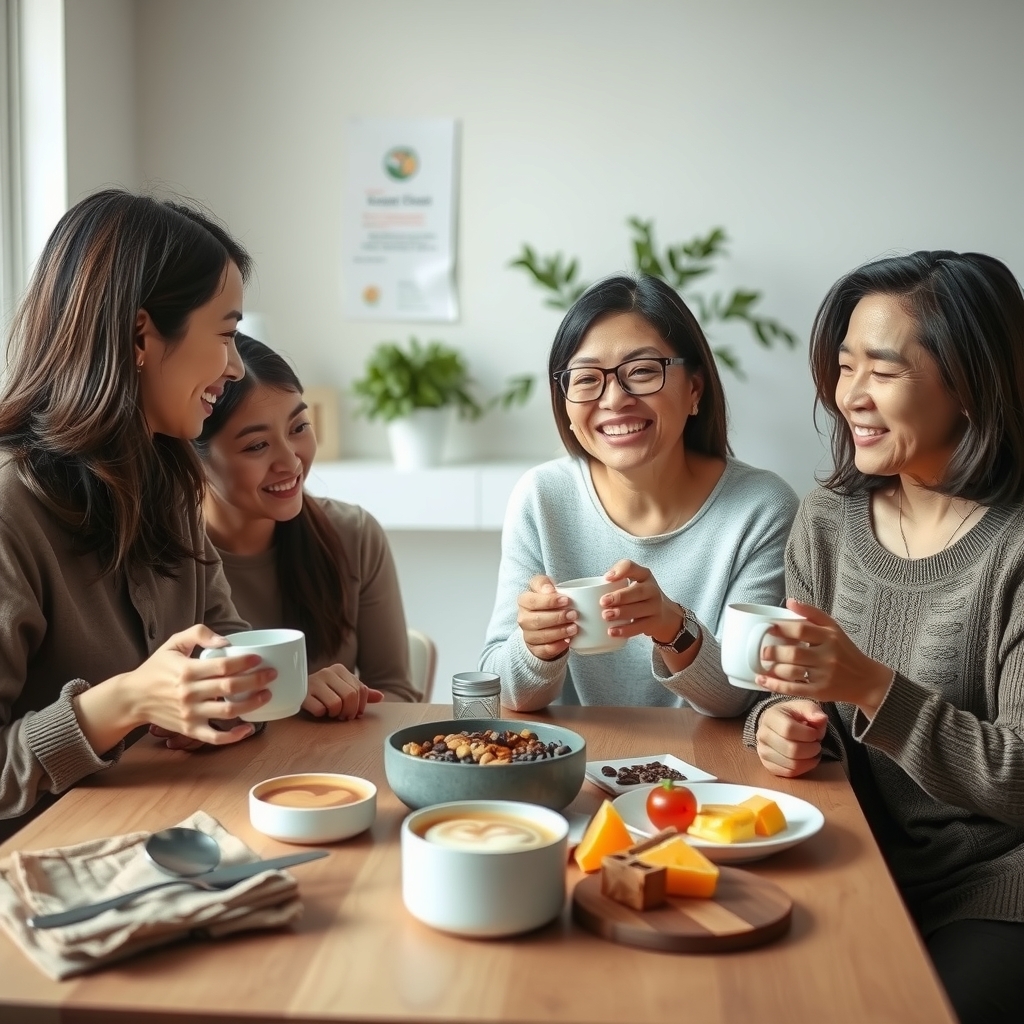
How Does 'Tiger Mom' Culture Shape Modern Asian American Motherhood?
While the "Tiger Mom" stereotype might seem like a caricature, its underlying principles continue to significantly influence how many modern Asian American mothers approach parenting, often creating a complex push-pull between cultural expectations and individual desires.
The Pursuit of Perfection and Academic Excellence
The cornerstone of "Tiger Mom" culture is an unwavering focus on academic and extracurricular achievement. For modern Asian American mothers, this often means feeling compelled to ensure their children are not just doing well in school, but are at the top of their class, pursuing advanced placement courses, excelling in a musical instrument, or mastering a sport. The belief is that these achievements are the gateway to future success, security, and upward mobility – a direct reflection of good parenting.
This pursuit of perfection can lead to heavily structured childhoods with little room for free play or exploration of non-academic interests. Mothers might feel immense pressure to enroll their children in tutoring, weekend classes, and intensive programs, often at significant financial and emotional cost. One mother shared, "I felt like if my son wasn't in piano, Kumon, and soccer by age five, I was already failing him. It was exhausting, and I could see he wasn't happy, but the fear of him falling behind was stronger."
Emotional Restraint and Unspoken Expectations
Traditional Asian cultures often value emotional restraint and harmony over overt displays of affection or direct communication of feelings. This can translate into a parenting style where emotional needs might be secondary to practical achievements. For mothers, this means they may struggle to express their own feelings of overwhelm or sadness, and also find it challenging to engage in open emotional dialogue with their children.
The impact on modern mothers is a sense of isolation. They might internalize their struggles, believing they should silently endure challenges for the sake of family honor. This can perpetuate a cycle where children also learn to suppress their emotions, making it difficult for both mothers and children to seek help when mental health issues arise. The expectation of unspoken understanding can also lead to misunderstandings and resentment within families, as needs and boundaries are rarely articulated directly.
Daughters of Tiger Moms: A New Parenting Style?
Many Asian American mothers today are themselves "daughters of Tiger Moms." This lived experience creates a unique tension. On one hand, they may deeply appreciate the sacrifices and discipline instilled by their parents, which contributed to their own success. On the other hand, they often carry the emotional scars of that upbringing – a constant need for validation, fear of failure, or a sense of not being "good enough."
As parents, these women often strive to find a middle ground. They want to instill values of hard work and respect, but also desire to create a more emotionally open and nurturing environment for their children than they experienced. This involves a conscious effort to break intergenerational cycles, which can be incredibly challenging when faced with criticism or disapproval from their own parents about their "softer" approach. They might grapple with guilt, wondering if they are betraying their heritage by choosing a different path, even if it's one they believe is healthier for their family.

Practical Coping Strategies for Asian American Moms Facing Cultural Expectations
Navigating the complex interplay of cultural expectations and personal well-being requires intentional strategies. These aren't about rejecting your culture, but about finding ways to thrive within it, on your own terms.
Prioritizing Self-Care Without Guilt
For many Asian American mothers, the concept of "self-care" can feel selfish or indulgent, especially when taught to prioritize family and duty. However, self-care isn't about luxury; it's about sustainability. You cannot pour from an empty cup. Start with small, consistent acts that replenish you, and frame them as essential for your family's well-being.
- Schedule "Me Time" Deliberately: Even 15-30 minutes a day for reading, a quiet cup of tea, a walk, or listening to music can make a difference. Put it on your calendar like any other appointment.
- Reframe Self-Care as Family Care: Explain to family members that when you are well-rested and less stressed, you are a more present and patient mother, partner, and daughter.
- Delegate or Ask for Help: This can be challenging in collectivistic cultures, but practice asking for specific, manageable help from your partner, friends, or even older children.
- Mindfulness and Breathwork: Simple breathing exercises can be done anywhere, anytime. Try a 4-7-8 breath: inhale for 4 counts, hold for 7, exhale for 8. Repeat several times to calm your nervous system.
Finding Your Village: Community and Support
Isolation can amplify the feeling of pressure. Connecting with others who understand your unique experiences is crucial. Seek out communities where you feel seen and validated.
- Asian American Mom Groups: Look for local or online groups specifically for Asian American mothers. These can be invaluable spaces to share experiences, vent frustrations, and get practical advice from those who truly "get it." Facebook groups, local community centers, or cultural organizations are good starting points.
- Trusted Friends: Cultivate friendships with people who are supportive and non-judgmental, regardless of their background. Share your struggles and celebrate your small victories with them.
- Online Forums and Resources: Websites and social media platforms dedicated to Asian American mental health or parenting can offer a sense of connection and shared experience.
Cultivating Self-Compassion
Many Asian American women grow up with a strong inner critic, fueled by high expectations. Learning self-compassion means treating yourself with the same kindness and understanding you would offer a dear friend facing similar struggles.
- Acknowledge Your Efforts: Instead of focusing on what you haven't done, acknowledge all the hard work you put in daily.
- Normalize Imperfection: Remind yourself that no parent is perfect, and making mistakes is part of the learning process.
- Challenge Negative Self-Talk: When you hear critical thoughts, ask yourself if they are truly fair or if they reflect internalized pressures. Reframe them with kinder, more realistic statements.
Setting Healthy Boundaries with Family Amidst Asian Motherhood Expectations
One of the most challenging aspects of Asian American motherhood pressure is navigating family expectations. Setting boundaries is essential for protecting your mental health and parenting autonomy, but it requires courage and strategic communication.
Understanding the "Why" Behind the Pressure
Before setting boundaries, try to understand the motivations behind your family's expectations. Often, these come from a place of love, concern, and a desire for your and your children's success and security, even if expressed in ways that feel critical or overbearing. For many elders, their advice is a reflection of how they were raised or what they believe worked for them. This understanding can help you approach conversations with empathy, rather than pure defensiveness.
Communicating Your Boundaries Clearly and Respectfully
Direct communication can feel uncomfortable or even disrespectful in some Asian cultural contexts. However, it's crucial for establishing boundaries. Here are some strategies:
- Use "I" Statements: Focus on your feelings and needs, rather than blaming. For example, instead of "You always criticize my parenting," try, "I feel overwhelmed when I receive unsolicited advice about my child's schooling, because I'm trying my best."
- Be Specific: Vague statements are easily dismissed. Clearly state what you will and won't do. "We will be attending family dinner every other Sunday, but our weekdays are reserved for family time and homework."
- Choose Your Moments: Discuss sensitive topics when you are calm, not in the heat of the moment. A private conversation is often better than a public confrontation.
- Involve Your Partner: Present a united front with your partner. This shows your family that these boundaries are a joint decision, not just your personal preference.
Sample Scripts for Common Scenarios
Here are some coping scripts you can actually use when faced with common pressures:
- For unsolicited parenting advice: "Thank you for sharing your perspective. We're trying a different approach with [child's name], and we'll let you know if we need advice." Or, "I appreciate your concern, but we've got this handled."
- For academic pressure: "We value [child's name]'s happiness and well-being above all else. We're focusing on a balanced approach to their education, and we trust their progress."
- For expectations about traditional roles (e.g., "cultural expectations for Asian daughters in law"): "My partner and I are building our life together, and we're finding ways to integrate our traditions that work for our family. We appreciate your understanding as we navigate this."
- For demands on your time: "I would love to help, but I'm unable to commit to that right now. I need to prioritize my family's needs/my own rest."
The Power of "Broken Record" and Gradual Implementation
Don't expect immediate acceptance. Family members might test your boundaries. Be prepared to calmly and consistently repeat your boundary, like a broken record, without getting into lengthy explanations or arguments. It's a marathon, not a sprint. Start with smaller boundaries and gradually work towards larger ones as you gain confidence.
Finding Tailored Mental Health Support for Asian American Mothers
The unique cultural nuances of Asian American motherhood mean that general mental health support might not always hit the mark. Finding culturally competent care is crucial for healing and growth.
Understanding Barriers to Seeking Help
Many Asian American women face significant barriers when it comes to seeking mental health support:
- Stigma: Mental health issues are often highly stigmatized in Asian cultures, seen as a sign of weakness or a source of shame for the family. This can make it incredibly difficult to admit to struggles, even to oneself.
- Language Barriers: For immigrant mothers or those whose first language isn't English, finding therapists who speak their native tongue can be challenging.
- Cultural Competency: Therapists unfamiliar with concepts like filial piety, intergenerational trauma, or the model minority myth may misinterpret symptoms or offer unhelpful advice.
- Focus on Physical Symptoms: Emotional distress may manifest as physical symptoms (somatization), making it harder to recognize as a mental health issue.
What to Look for in a Culturally Competent Therapist
When seeking therapy for Asian American women (and motherhood-specific challenges), look for providers who:
- Understand Asian Cultural Values: They should be aware of concepts like filial piety, collectivism, and the importance of family harmony.
- Are Sensitive to Immigration Experiences: They should understand the challenges of acculturation, intergenerational conflict, and the immigrant experience.
- Can Address Racial Trauma and Discrimination: Asian Americans often experience unique forms of racism and discrimination, which can impact mental health.
- Respect Your Identity: They should affirm your bicultural identity and help you integrate different aspects of your heritage and personal values.
- Offer Language-Specific Services: If needed, seek out therapists who can communicate in your preferred language.
Resources for Finding Culturally Affirming Care
Here are places to start your search for mental health resources specifically for Asian American mothers:
- Asian Mental Health Collective: Offers a directory of Asian mental health professionals and resources.
- National Asian American Pacific Islander Mental Health Association (NAAPIMHA): Provides information and advocacy for AAPI mental health.
- Psychology Today: Use their "Find a Therapist" tool and filter by ethnicity, language, and specific concerns like "parenting" or "cultural issues."
- Therapy for Latinx & Asian Americans: Look for platforms that specialize in connecting minority groups with therapists.
- Local Community Centers: Many Asian American community centers offer mental health programs or referrals.
- Employee Assistance Programs (EAPs): Check if your workplace offers an EAP, which can provide free, confidential counseling sessions and referrals.
How to Talk to Asian Parents About Mental Health
Initiating conversations about mental health with Asian parents can be daunting. Here are some tips:
- Frame it as Physical Health: If mental health stigma is high, you might initially frame your struggles in terms of physical symptoms (e.g., "I'm feeling very tired and having trouble sleeping," rather than "I'm depressed").
- Focus on Functionality: Explain how your mental health is impacting your ability to function as a mother or in your daily life, which they might understand better than abstract emotional distress.
- Bring in an Ally: If possible, have a trusted family member (e.g., a sibling, a more understanding aunt) help you explain or advocate for you.
- Share Success Stories: If you know of others in the community who have benefited from therapy, subtly share those stories to normalize it.
- Explain the "How": Instead of just saying "I'm seeing a therapist," explain that a therapist is like a coach who helps you develop strategies to manage stress and be a better parent/person.
Breaking the Cycle: Raising Children Free from Traditional Pressures
For many Asian American mothers, a core desire is to break away from the more restrictive aspects of traditional parenting while still honoring their cultural heritage. This involves conscious choices and a willingness to forge a new path.
Fostering Emotional Openness and Validation
One of the most significant shifts from traditional "Tiger Mom" parenting is moving towards greater emotional expression and validation. This means creating a safe space for your children to express their full range of emotions, positive and negative, without judgment.
- Actively Listen: When your child speaks, put down your phone, make eye contact, and truly listen to what they're saying, both verbally and non-verbally.
- Validate Feelings: Instead of dismissing emotions ("Don't be sad"), acknowledge them ("I can see you're feeling really frustrated right now"). You don't have to agree with the behavior, but you can validate the feeling.
- Model Emotional Expression: Show your children that it's okay to feel and express emotions. "Mommy is feeling a little sad today, but I'm going to take a deep breath."
- Teach Emotional Vocabulary: Help children identify and name their feelings. "Are you feeling angry, frustrated, or disappointed?"
Prioritizing Well-being Over Pure Achievement
While valuing hard work and effort is important, you can shift the focus from solely academic or career achievement to a more holistic view of success that includes well-being, character, and happiness.
- Celebrate Effort, Not Just Outcomes: Praise your child for their persistence and hard work, regardless of whether they "won" or got a perfect score. "I'm so proud of how much effort you put into that project."
- Encourage Diverse Interests: Support your children in exploring a wide range of activities, even if they aren't traditionally "prestigious." Let them discover their passions.
- Build Resilience: Teach children that failure is a part of learning and growth. Help them develop coping skills for setbacks, rather than shielding them from every challenge.
- Emphasize Character: Focus on traits like kindness, empathy, integrity, and resilience as equally, if not more, important than grades or awards.
Navigating Conflicting Parenting Styles with Your Partner
If you have a partner, it's essential to discuss and align on your parenting philosophy, especially if you come from different cultural backgrounds or have different experiences with traditional parenting. This can prevent confusion for your children and present a united front to extended family.
- Open Dialogue: Regularly discuss your values, hopes, and fears for your children.
- Compromise and Mutual Respect: Find common ground and respect each other's perspectives.
- Present a United Front: Even if you disagree, aim to show a united front to your children and extended family.
The Importance of Open Communication Within the Family
Breaking cycles often requires open, honest, and sometimes difficult conversations with your own parents and in-laws. This isn't about disrespect, but about mutual understanding and creating a healthy future for your lineage.
- Explain Your "Why": Share your reasons for making different parenting choices. "I want my children to feel comfortable expressing their feelings so they can develop strong emotional intelligence."
- Highlight Positive Outcomes: Point out the positive effects of your parenting style on your children's happiness and development.
- Reassure Them of Love and Respect: Emphasize that your different choices don't diminish your love or respect for them and their sacrifices.
- Educate Them (Gently): Share articles or resources (if appropriate) about modern parenting, child development, or mental health to help bridge understanding.
How the Model Minority Myth Impacts Maternal Mental Health
The "model minority" myth, while seemingly positive, places immense pressure on Asian Americans, and its impact on maternal mental health is particularly insidious. It creates an expectation of effortless success and masks significant struggles.
Defining the Model Minority Myth
The model minority myth is a stereotype that portrays Asian Americans as a monolithic group that achieves high levels of socioeconomic success through hard work, innate intelligence, and adherence to traditional values. It suggests that Asian Americans overcome obstacles through quiet diligence, without complaint, and without needing social support or assistance.
The Burden of Perfection and Suppression of Struggles
For Asian American mothers, this myth translates into an unbearable burden of perfection. You're expected to excel not just as a mother, but also in your career, manage a perfect household, and raise exceptionally high-achieving children – all while making it look easy. The myth implies that any struggle or imperfection is a personal failing, not a systemic issue or a normal part of life.
This pressure leads to a profound suppression of struggles. If you're struggling with postpartum depression, anxiety, or burnout, the model minority myth creates a powerful disincentive to seek help. You might feel immense shame, believing that admitting to difficulties will reflect poorly on you and your family, and contradict the image of the "successful, problem-free" Asian American. This can lead to silently enduring mental health challenges, exacerbating symptoms and delaying crucial support.
Impact on Asian American Postpartum Depression and Anxiety
The model minority myth is a significant cultural factor contributing to the underdiagnosis and undertreatment of postpartum depression (PPD) and anxiety among Asian American mothers. New mothers are already vulnerable, and the added layer of pressure to be perfect, coupled with the stigma against mental health issues, creates a dangerous environment.
- Silence and Isolation: Mothers may feel they cannot confide in their partners, family, or friends about their struggles, leading to profound isolation.
- Somatization: Emotional distress may be expressed through physical symptoms like headaches, fatigue, or stomach problems, which are more culturally acceptable to discuss. This can delay proper mental health diagnosis.
- Reluctance to Seek Professional Help: Fear of being seen as "crazy" or "unfit" can prevent mothers from reaching out to doctors or therapists.
- Cultural Norms Around Postpartum: While some Asian cultures have traditional "sitting the month" practices for postpartum recovery, these often focus on physical restoration and may not adequately address mental health needs, or may even add to the pressure if not tailored to the mother's individual needs.
Erosion of Self-Worth and Burnout
Constantly striving for an unattainable ideal of perfection, while suppressing your true feelings and needs, takes a severe toll on self-worth. It can lead to chronic stress, exhaustion, and ultimately, burnout. When you feel you must constantly perform and never show weakness, your sense of self becomes tied to external achievements rather than intrinsic value. This can make it incredibly difficult to find joy, feel authentic, or connect deeply with your children and partner.
Recognizing the harmful effects of the model minority myth is crucial for giving yourself permission to be imperfect, to struggle, and to seek the support you need and deserve.
Balancing Cultural Identity and Personal Well-being as an Asian American Mother
One of the most profound journeys for an Asian American mother is finding harmony between your rich cultural heritage and your individual identity and well-being. This isn't about choosing one over the other, but about weaving them together in a way that feels authentic to you.
Defining Your Personal Parenting Philosophy
Before you can balance, you need to understand what you value. Take time to reflect on your own experiences, both positive and negative, from your childhood and cultural upbringing. What aspects do you want to carry forward? What do you want to do differently? This self-reflection helps you articulate your own unique parenting philosophy.
Consider creating a "parenting mission statement" for yourself and your family. It doesn't need to be formal, but it can be a set of guiding principles, such as: "We value kindness, curiosity, and resilience," or "Our family embraces both our heritage and our individual paths."
Integrating Heritage with Modern Approaches
Balancing isn't about abandoning your culture; it's about thoughtful integration. Identify the cultural values that resonate with you and find ways to incorporate them into your modern parenting style.
Connecting with Your Cultural Identity on Your Terms
Your cultural identity is not static; it evolves with you. Find ways to connect with your heritage that feel authentic and enriching, rather than obligatory.
- Explore Your History: Learn more about your family's specific history, traditions, and the sacrifices made by previous generations. This can foster a deeper appreciation without the burden of expectation.
- Engage with Art and Media: Seek out books, films, music, and art created by Asian American artists that reflect diverse experiences. This can be a powerful way to see yourself and your culture represented.
- Join Cultural Groups: Connect with cultural organizations or groups that celebrate your heritage. This can provide a sense of belonging and community.
- Pass Down What Matters to You: Choose which traditions, stories, or language elements you want to pass on to your children, making them your own.
Prioritizing Your Mental and Emotional Well-being
Ultimately, balancing cultural identity and personal well-being means recognizing that your well-being is not a luxury, but a foundation. When you are mentally and emotionally healthy, you are better equipped to be a loving parent, a strong partner, and a proud torchbearer of your heritage.
- Regular Check-ins: Continuously assess how you're feeling and whether your current approach to balancing is working for you. Adjust as needed.
- Seek Joy: Actively pursue activities that bring you personal joy and fulfillment, independent of family expectations or cultural duties.
- Embrace Your Unique Path: Remind yourself that there is no single "right" way to be an Asian American mother. Your journey is unique and valid.
Myth vs. Fact: Asian American Motherhood Pressure
Let's debunk some common misconceptions surrounding Asian American motherhood.
Myth: Asian mothers don't experience mental health issues like postpartum depression because they have strong family support systems.
Fact: While strong family ties exist, the cultural stigma surrounding mental illness often prevents Asian American mothers from openly discussing or seeking help for conditions like postpartum depression. This can lead to silent suffering, masked by physical symptoms, and a delay in diagnosis and treatment. The pressure to appear strong and resilient can ironically make mental health struggles more isolating.
Myth: "Tiger Mom" parenting guarantees success and is the best approach for raising high-achieving children.
Fact: While strict parenting can lead to academic success for some, research suggests that overly authoritarian styles can also lead to negative outcomes like higher rates of anxiety, depression, lower self-esteem, and difficulty with independent decision-making in children. A balanced approach that values emotional well-being and autonomy alongside academic rigor often fosters more well-rounded and resilient individuals.
Myth: Setting boundaries with Asian family members is disrespectful and will damage relationships.
Fact: While challenging, setting boundaries is a crucial act of self-preservation and can actually lead to healthier, more respectful relationships in the long run. It teaches others how to treat you and reduces resentment. It requires clear, calm communication and consistency, and while there might be initial resistance, it demonstrates self-respect and can pave the way for more honest connections.
Key Takeaways
- Asian American motherhood pressure is deeply rooted in cultural values like filial piety and collectivism, along with the "Tiger Mom" stereotype.
- This pressure, combined with the model minority myth, significantly impacts mental health, often leading to anxiety, depression, and burnout.
- Prioritizing self-care and seeking community support, especially from other Asian American moms, is vital for well-being.
- Setting healthy boundaries with family requires understanding their motivations, using "I" statements, and consistent, respectful communication.
- Culturally competent mental health support is crucial for addressing unique challenges and overcoming the stigma associated with seeking help.
- Breaking intergenerational cycles involves fostering emotional openness, prioritizing holistic well-being over sole achievement, and defining your own parenting philosophy.
- Balancing cultural identity and personal well-being means thoughtful integration of heritage with modern approaches, on your own terms.
Frequently Asked Questions
What is the pressure of being an Asian mother?
The pressure of being an Asian mother often stems from intense cultural expectations to raise highly successful children, uphold family honor, and prioritize collective needs over individual desires. This can include academic excellence, career achievement, filial piety, and maintaining a perfect image, often leading to significant stress, anxiety, and a feeling of constant scrutiny.
How do Asian parents raise their children?
Traditional Asian parenting styles often emphasize discipline, respect for elders, academic achievement, and obedience. While variations exist across cultures, there's a common focus on hard work, deferred gratification, and less overt emotional expression. Modern Asian American parents often navigate a blend of these traditional values with more Western approaches that prioritize emotional openness and individual autonomy.
What are the challenges of being an Asian American mother?
Asian American mothers face unique challenges including balancing traditional cultural expectations (like filial piety and the "Tiger Mom" stereotype) with modern American parenting norms. They also contend with the model minority myth, which suppresses mental health struggles, and often navigate intergenerational trauma, language barriers, and the complexities of raising bicultural children.
How do I deal with my Asian mother's expectations?
Dealing with your Asian mother's expectations involves empathetic communication, setting clear and respectful boundaries, and understanding her motivations. Use "I" statements to express your feelings, be specific about what you can and cannot do, and involve your partner for a united front. It's about finding a balance that honors your relationship while protecting your well-being.
What is the model minority myth and motherhood?
The model minority myth for mothers creates an expectation of effortless perfection in all aspects of life – parenting, career, and household. It pressures Asian American mothers to suppress struggles, avoid seeking help for mental health issues like postpartum depression, and maintain an image of unwavering success, leading to isolation, burnout, and delayed support.
Are there support groups for Asian American moms?
Yes, there are a growing number of support groups and communities specifically for Asian American moms, both online and in local areas. These groups offer a safe space to share experiences, receive validation, and gain practical advice from others who understand the unique cultural pressures. Resources like the Asian Mental Health Collective and local community centers can help you find these groups.
When to See a Doctor or Specialist
If the pressures of Asian American motherhood are significantly impacting your mental health and daily functioning, it's important to reach out for professional support. You should consider seeing a doctor or mental health specialist if you experience:
- Persistent feelings of sadness, hopelessness, or emptiness.
- Overwhelming anxiety, worry, or panic attacks.
- Difficulty sleeping or sleeping too much.
- Loss of interest in activities you once enjoyed.
- Significant changes in appetite or weight.
- Irritability, anger, or mood swings.
- Difficulty bonding with your baby (if postpartum).
- Thoughts of harming yourself or your baby.
- Feeling constantly overwhelmed, exhausted, or unable to cope.
- Increased use of alcohol or drugs.
You can start by talking to your primary care provider, who can assess your symptoms and provide referrals. For culturally competent care, consider seeking a therapist or counselor who specializes in Asian American mental health. Remember, seeking help is a sign of strength and self-care, not weakness.
Disclaimer: This article is for informational purposes only and does not constitute medical advice. Always consult with a qualified healthcare professional for any health concerns or before making any decisions related to your health or treatment.
References
- American Psychological Association (APA). (n.d.). Mental Health Issues Facing the Asian American Community. Retrieved from APA.org
- National Alliance on Mental Illness (NAMI). (n.d.). Asian American and Pacific Islander (AAPI). Retrieved from NAMI.org
- Asian Mental Health Collective. (n.d.). Find a Therapist. Retrieved from AsianMentalHealthCollective.org
- National Asian American Pacific Islander Mental Health Association (NAAPIMHA). (n.d.). Resources. Retrieved from NAAPIMHA.org
- Sue, D. W., & Sue, D. (2016). Counseling the Culturally Diverse: Theory and Practice (7th ed.). John Wiley & Sons.
- Chua, A. (2011). Battle Hymn of the Tiger Mother. Penguin Press.
- Pew Research Center. (2012). The Rise of Asian Americans. Retrieved from PewResearch.org
- CDC. (n.d.). Depression Among Women. Retrieved from CDC.gov
- NIH National Institute of Mental Health (NIMH). (n.d.). Postpartum Depression. Retrieved from NIMH.NIH.gov



