Quick take:
Latinx motherhood traditions blend centuries-old wisdom with modern love—from the protective *bendición* (blessing) of a newborn to the nourishing *sopa de pollo* for postpartum recovery. These practices honor heritage, support health, and create rituals that bridge generations. The beauty? You can adapt them to fit today’s realities—whether that’s a shorter postpartum rest or a virtual *quinceañera* celebration for your child’s first birthday.
What are traditional Latinx motherhood rituals for newborns?
Imagine the first time you hold your baby in your arms, heart pounding with equal parts awe and terror. Now picture your *abuela* pressing a warm cloth to your forehead, whispering, *“Dale fuerza, mija”* (Give strength, my daughter). For many Latinx families, welcoming a newborn isn’t just a medical event—it’s a sacred transition, marked by rituals that protect, connect, and ground. These traditions vary by country and family, but they all share a core: love, community, and the belief that motherhood is both a gift and a responsibility to be honored.
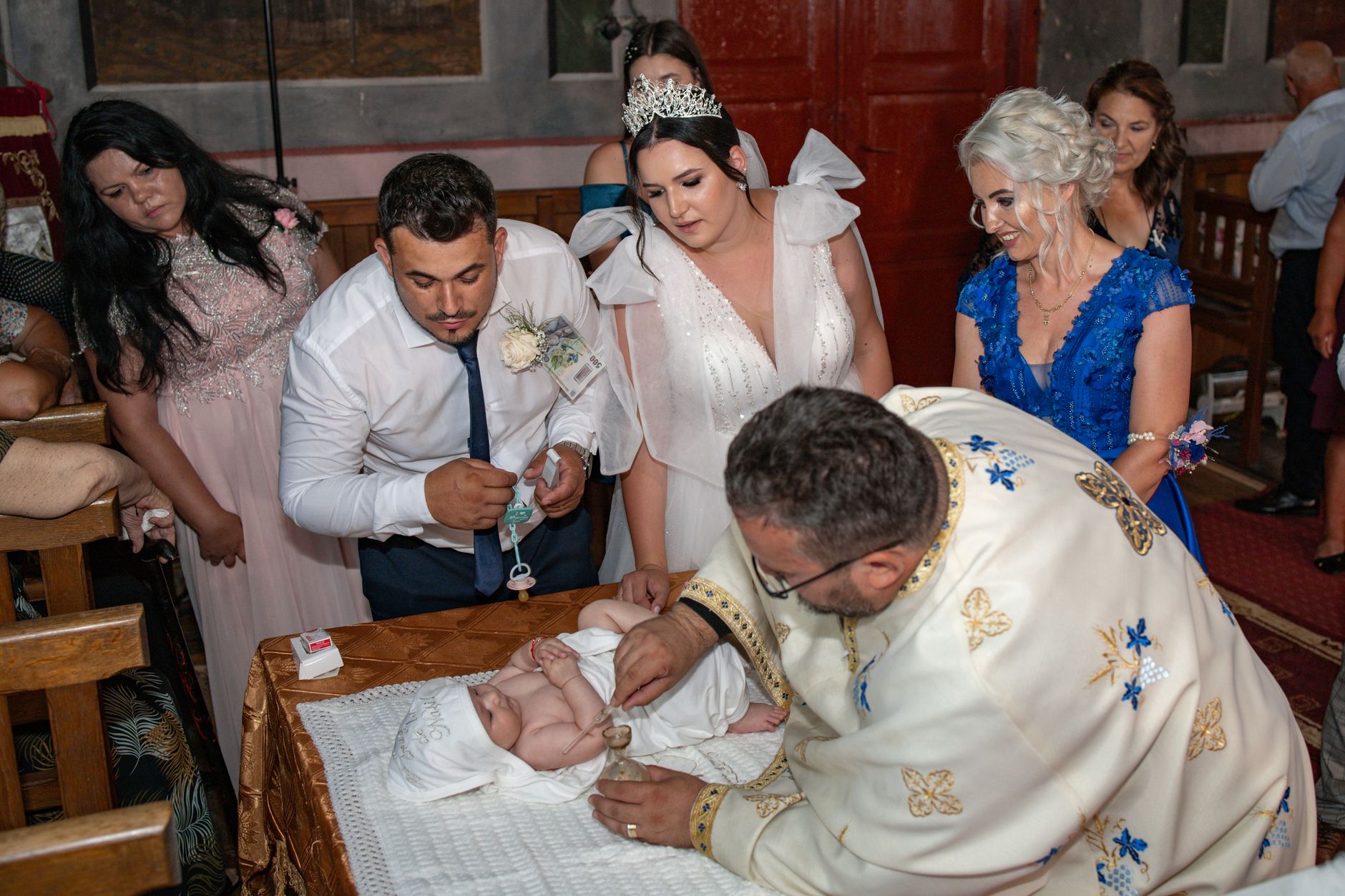
One of the most universal practices is the *bendición* or *bendecir*—a blessing ceremony where elders (often grandmothers, godmothers, or spiritual leaders) place their hands on the baby’s head, shoulders, or even the home itself to invoke protection. In Puerto Rico, this might involve *palo de bendición* (a wooden cross or palm frond), while in Mexico, it could be a rosary. The ceremony often includes *agua bendita* (holy water) or *agua de flor de azahar* (orange blossom water) to cleanse and bless the child. “My *mamá* did this with me,” shares Ana, a mother from Guatemala, “and she’d say it was to keep the *mal de ojo* (evil eye) away. Now I do it for my daughter—and I don’t even believe in the evil eye, but I do believe in the love behind it.”
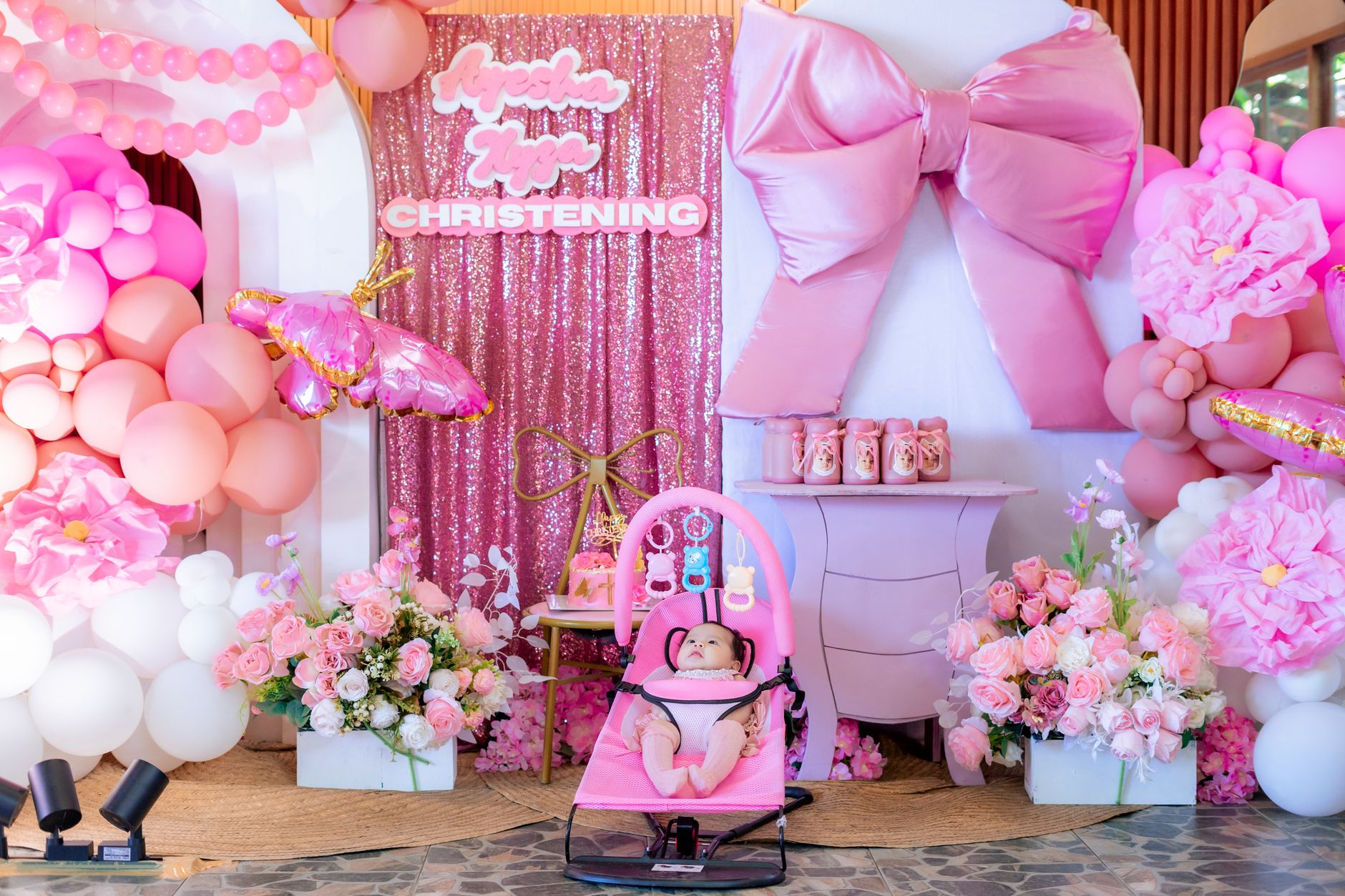
Another cherished ritual is the *bautizo* (baptism), which in many Latinx cultures isn’t just a religious ceremony but a communal event. Families gather to celebrate the child’s entry into the faith, often with a *fiesta* that includes *arroz con leche*, *tamales*, and live music. For families who aren’t religious, the *bautizo* might be replaced with a *nombre de pila* (baptismal name) ceremony, where the child’s name is officially given in a small, intimate gathering.
Newborns also receive their first *baño de agua tibia* (warm bath) with *manzanilla* (chamomile) or *romero* (rosemary) to soothe their skin and promote sleep. Some families incorporate *aceite de oliva* (olive oil) or *aceite de coco* (coconut oil) to nourish the baby’s delicate epidermis. “My *tía* always rubbed olive oil on my skin after my baths,” recalls María from Colombia, “and she’d say it kept me strong. Now I do it for my son—and I notice how soft his skin gets!”
Beyond Protection: The Health Benefits
Many of these rituals aren’t just symbolic—they’re rooted in practical health benefits. For example, the warm baths with herbs like chamomile or rosemary aren’t just soothing; they’re believed to calm the nervous system and promote better sleep. Similarly, the use of olive oil or coconut oil on a baby’s skin can help with hydration and mild eczema relief. Even the communal aspect of these ceremonies plays a role in maternal health. Studies show that social support during the postpartum period can reduce stress and depression—something many Latinx mothers intuitively understand.
Modern Adaptations
Today’s Latinx mothers are blending tradition with modern life. Some choose to shorten the *bendición* ceremony to fit busy schedules, while others opt for virtual gatherings if family can’t travel. Others might combine the *bautizo* with a smaller, more intimate celebration. The key is to honor what feels meaningful without sacrificing the essence of the ritual. “I had my daughter’s *bendición* at home with just my *mamá* and my best friend,” says Sofia from Peru. “We didn’t do it the ‘traditional’ way, but it was just as special.”
---
How to incorporate Latinx motherhood traditions into modern parenting
Let’s be real: Modern parenting is chaotic. Between work, errands, and the endless cycle of laundry, finding time for tradition can feel impossible. But what if I told you that Latinx motherhood traditions aren’t about perfection—they’re about presence? The trick is to weave them into your life in ways that feel sustainable and meaningful. Here’s how:
**1. Start Small**
You don’t need to recreate a full *fiesta* for every milestone. Instead, pick one or two traditions to incorporate gradually. For example, if you love the idea of a *bendición* but can’t gather everyone, try a simple blessing at home with your partner or a close friend. Or, if you adore the taste of *sopa de pollo* but don’t have time to cook from scratch, freeze pre-made versions or use a slow cooker.
**2. Blend Old and New**
Traditions don’t have to be all or nothing. For instance, you can celebrate your baby’s *primera comunión* (First Communion) with a small, modern gathering—think a backyard picnic instead of a grand banquet. Or, if you’re a working mom, you might record a video message from your *abuela* to send to your baby on their first birthday, blending technology with tradition.
**3. Involve Your Partner**
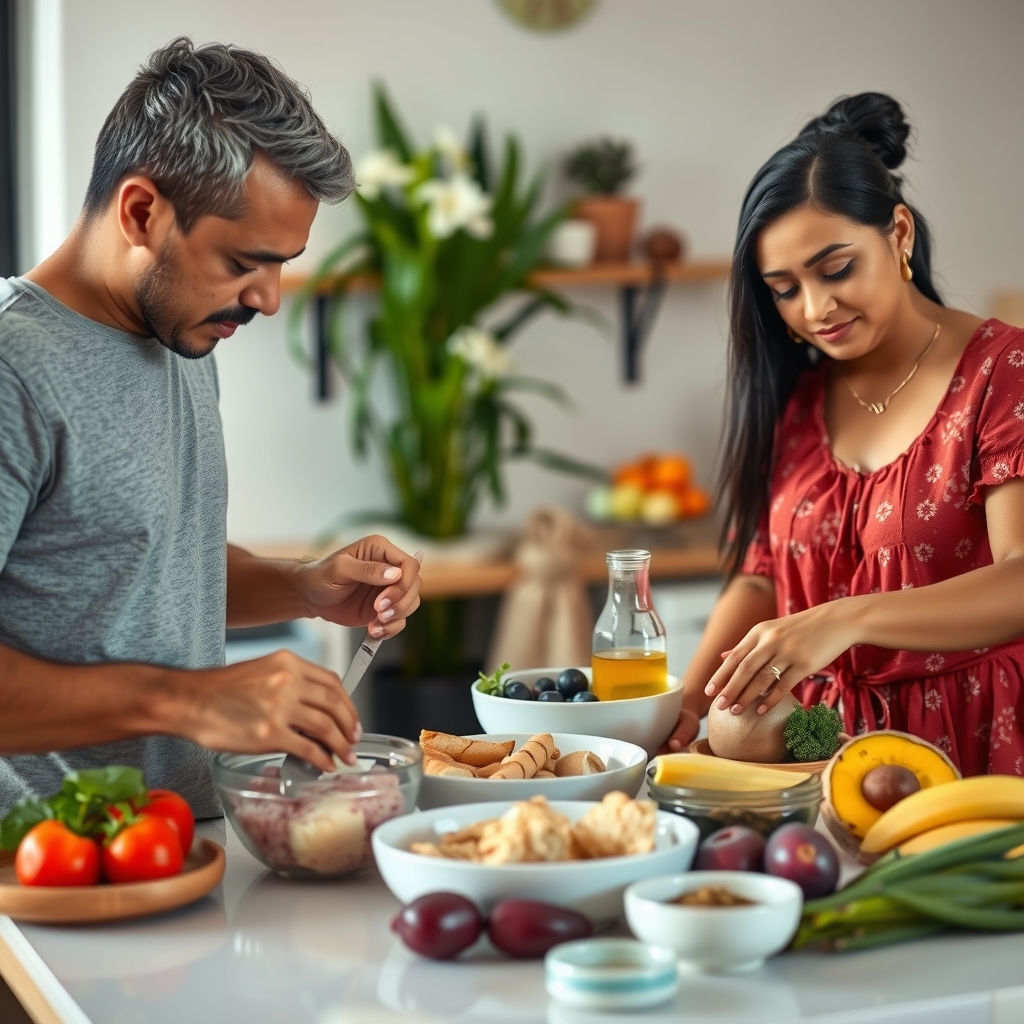
Many Latinx traditions center women, but involving your partner can make them feel more inclusive. For example, he could help prepare the *arroz con leche* for a *bautizo*, or you could both take turns giving the baby their first *baño de agua tibia*. This not only strengthens your bond but also ensures the traditions aren’t just “your” responsibility.
**4. Create Your Own Rituals**
Not every family has the same traditions, and that’s okay. If you love the idea of a *bendición* but don’t have a *abuela* to perform it, write your own blessing or ask a mentor to guide you. Maybe your ritual is lighting a candle for your baby’s first month or creating a *libro de recuerdos* (memory book) where family members write notes. The goal is to create something that feels authentic to your family.
When Tradition Clashes with Modern Life
Some traditions might feel out of step with today’s realities—like the expectation of a long postpartum rest or the pressure to host large gatherings. If this resonates, remember that Latinx culture is diverse, and not every family adheres to the same norms. You might adapt by:
- Taking a shorter rest period if you’re a working mom but still carving out time for self-care.
- Hosting smaller gatherings that feel more manageable.
- Using technology to stay connected with family who can’t attend in person.
As you navigate this, it’s important to remember that you’re not failing at motherhood if your traditions look different. “I used to feel guilty for not doing things the ‘old way,’” admits Elena from Ecuador. “But then I realized that my way—where I cook *arepas* on Sundays and my son helps me—is just as meaningful.”
---
Latinx motherhood traditions for pregnancy health
Pregnancy is a time of anticipation, but it’s also a period when many Latinx mothers turn to traditional remedies and practices to support their health and the health of their baby. From dietary habits to herbal teas, these traditions are often passed down through generations, offering both comfort and practical benefits. Here’s what to know:
**1. Dietary Traditions**
Latinx cuisine is rich in nutrients that support pregnancy, and many families have long-standing dietary habits to ensure a healthy pregnancy. For example:
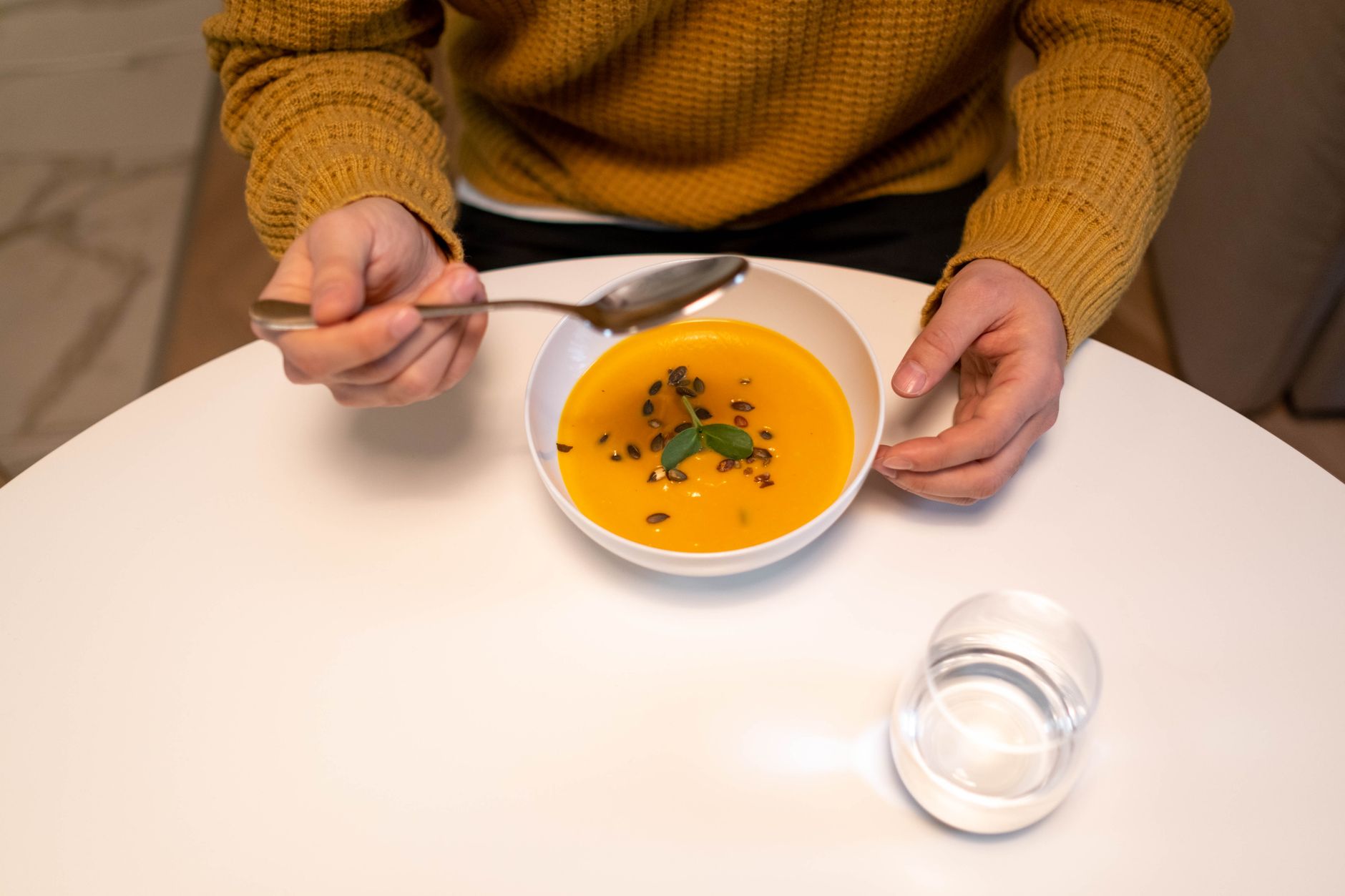
- *Sopa de pollo* (chicken soup) is a staple during pregnancy, believed to boost energy and hydration. It’s often made with garlic, ginger, and vegetables, all of which have anti-inflammatory properties.
- *Plátanos maduros* (ripe plantains) are a popular snack for their high potassium content, which helps with muscle cramps and fluid balance.
- *Aguacate* (avocado) is often eaten for its healthy fats, which support fetal brain development.
- *Chocolate caliente* (hot chocolate) is a beloved treat, and dark chocolate in moderation can provide antioxidants and magnesium.
**2. Herbal Teas and Remedies**
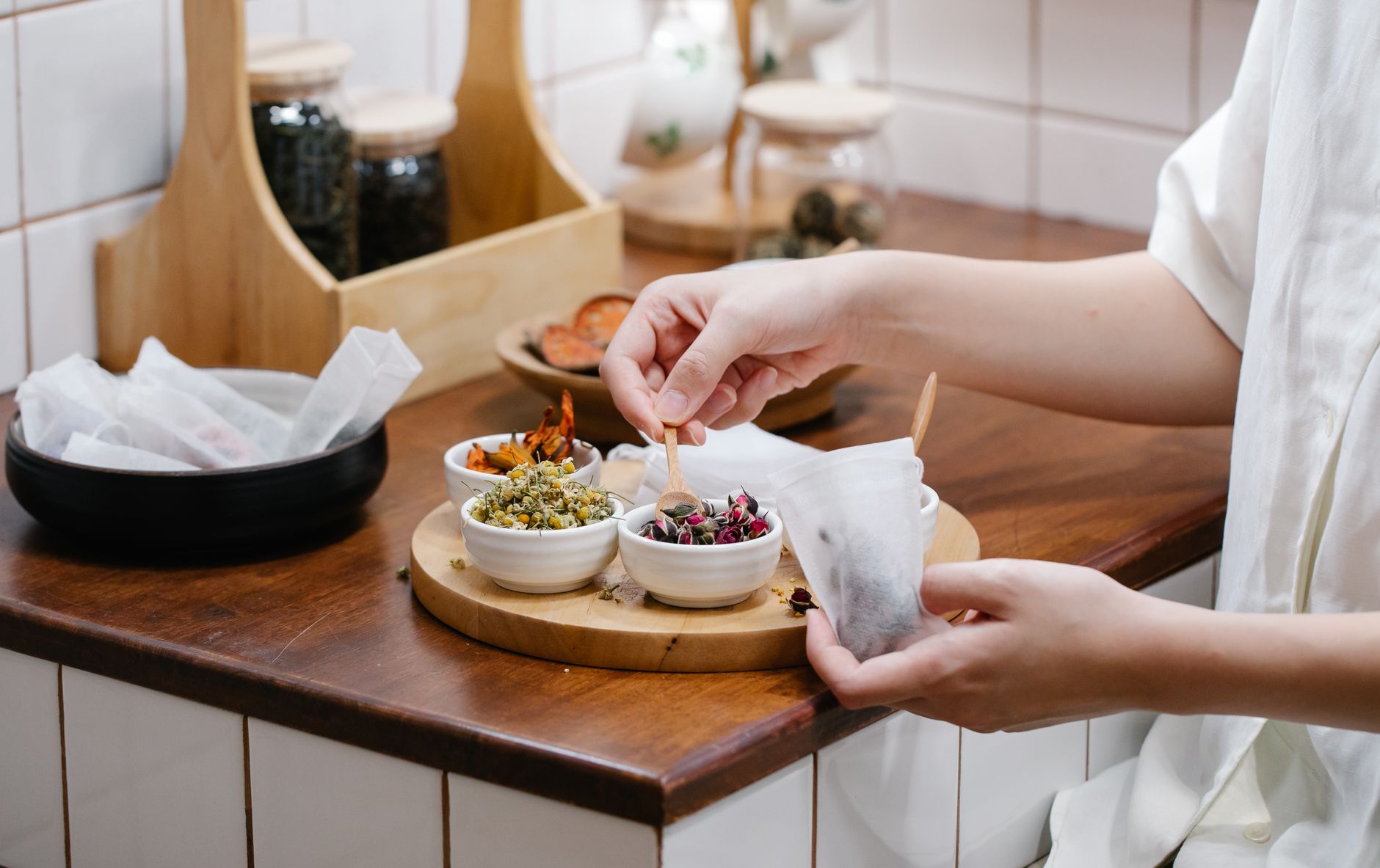
Herbal teas are a common way to address pregnancy discomforts. Some popular options include:
- *Manzanilla* (chamomile) for relaxation and digestive aid.
- *Menta* (peppermint) to soothe nausea and bloating.
- *Canela* (cinnamon) to help regulate blood sugar and reduce cravings.
- *Té de jengibre* (ginger tea) for morning sickness relief.
It’s important to note that while these teas are traditionally used, they should be consumed in moderation and under the guidance of a healthcare provider, as some herbs may not be safe during pregnancy.
**3. Physical and Emotional Wellness**
Latinx mothers often incorporate practices to support their emotional and physical well-being during pregnancy. These might include:
- *Baños de vapor* (steam baths) with *romero* or *menta* to relieve congestion and stress.
- *Caminatas* (walks) to stay active and connected to nature.
- *Oración* (prayer) or *meditación* (meditation) to center themselves and seek guidance.
Cultural Practices During Pregnancy
Some Latinx families observe unique cultural practices during pregnancy, such as:
- *No comer para dos* (not eating for two): While this is a myth (you do need extra calories), many mothers do eat nutrient-dense foods to support their baby’s growth.
- *Evitar el café y el alcohol*: Many families avoid caffeine and alcohol out of caution, even if not explicitly advised by healthcare providers.
- *Dormir con los pies hacia el norte*: Some families believe sleeping with their feet pointing north can help the baby’s development (though there’s no scientific basis for this).
Modern Adaptations
Today’s Latinx mothers often blend traditional practices with modern healthcare. For example, you might enjoy a *baño de vapor* but also see a prenatal massage therapist to address discomfort. Or you could sip *té de jengibre* while keeping a journal to track your mood and symptoms. The key is to honor what feels right while also trusting your healthcare provider’s guidance.
---
Common Latinx motherhood traditions during postpartum recovery
Giving birth is a profound experience, but the postpartum period is often overlooked—especially in a culture that glorifies strength and resilience. For many Latinx mothers, this time is sacred, marked by rituals that honor the body’s healing process and the mother’s new role. Here’s what to expect:
**1. The “Month of Rest” (*Mes de Reposo*)**
In many Latinx cultures, the postpartum period is treated with reverence, and mothers are encouraged to rest for at least 40 days (or a full month). This isn’t just about recovery—it’s about allowing the mother to bond with her baby without the pressure of daily responsibilities. During this time, mothers might:
- Avoid heavy lifting or strenuous activities.
- Focus on nourishing foods like *sopa de pollo*, *huevos* (eggs), and *plátanos maduros*.
- Take warm baths with *manzanilla* or *romero* to promote relaxation and healing.
- Limit visitors to close family members to reduce stress.
**2. Postpartum Cleaning Rituals (*Limpieza*)**
Many Latinx families believe in cleansing the home after a birth to remove negative energy and invite positivity. This might involve:
- Burning *copal* or *palo santo* (sacred herbs) to purify the space.
- Sweeping the home with a *broom made of palo dulce* (a type of tree) to clear stagnant energy.
- Opening all the windows to let fresh air circulate.
**3. Nourishing Foods for Recovery**
Postpartum nutrition is a cornerstone of Latinx motherhood traditions. Mothers are encouraged to eat foods that support healing, lactation, and energy levels. Some favorites include:
- *Sopa de pollo con arroz y huevo duro*: A comforting broth with rice and hard-boiled eggs, rich in protein and easy to digest.
- *Tortillas con frijoles y aguacate*: A simple, nutrient-dense meal that provides fiber and healthy fats.
- *Chocolate caliente con canela*: Dark chocolate with cinnamon to boost mood and energy.
- *Agua de coco*: Coconut water for hydration and electrolytes.
Signs of Postpartum Depression and When to Seek Help
While traditions like the *mes de reposo* are beautiful, they don’t erase the reality that postpartum depression (PPD) is common. If you’re experiencing symptoms like persistent sadness, anxiety, or difficulty bonding with your baby, it’s important to seek help. Many Latinx mothers hesitate to talk about PPD due to stigma, but remember: your health—and your baby’s—comes first. If you’re struggling, consider reaching out to a therapist or a trusted healthcare provider. You can also find support in Latinx-specific groups, such as those offered by Navigating Anhedonia in Motherhood or local community centers.
---
Latinx motherhood traditions for celebrating baby’s first birthday
The first birthday is a magical milestone, and Latinx families celebrate it with joy, gratitude, and a touch of nostalgia. These traditions often blend childhood innocence with the warmth of community, creating memories that last a lifetime. Here’s how Latinx families typically mark this special day:
**1. The *Quinceañera*-Inspired Celebration**
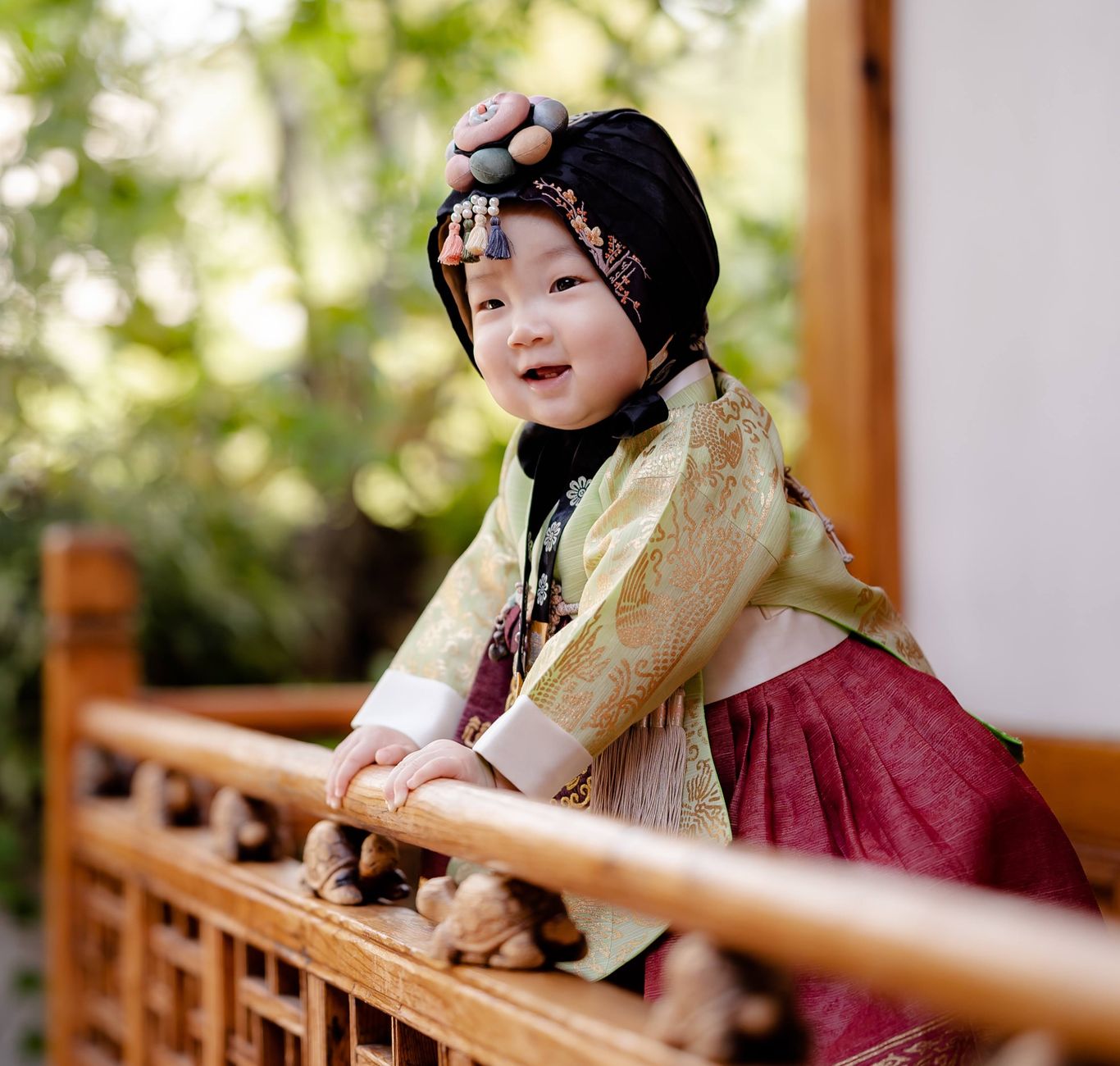
While *quinceañeras* (15th birthday parties) are a rite of passage for teens, some Latinx families adapt the spirit of celebration for their baby’s first birthday. This might include:
- A *baile de la pollera* (dance in a traditional dress) for the baby, with parents or family members holding them.
**2. The *Nombre de Pila* Ceremony**
If your baby didn’t receive their *nombre de pila* (baptismal name) at birth, the first birthday is a perfect time to celebrate it. This ceremony often includes:
- A small gathering with family and friends.
**3. The *Regalo de los Reyes* (Gift of the Kings)**
In many Latinx cultures, the first birthday is celebrated around *Día de los Reyes* (Epiphany, January 6th). Families might give their baby small gifts or toys to symbolize the gifts given to the baby Jesus. This is also a time to reflect on the blessings of the past year and the hopes for the year ahead.
**4. The *Fiesta de Cumpleaños* (Birthday Party)**
While not all Latinx families host a traditional birthday party for their baby’s first year, many do celebrate with a small gathering of family and close friends. This might include:
Modern Adaptations
Today’s Latinx parents often blend tradition with modern life. For example, you might host a virtual *quinceañera*-inspired celebration if family can’t attend in person. Or you could combine the *Día de los Reyes* gift-giving with a small, intimate party. The key is to create a celebration that feels authentic to your family while also fitting your lifestyle.
---
Modern Latinx moms adapting cultural traditions
Parenting today looks different than it did for previous generations. Between financial pressures, career demands, and the constant hum of technology, many Latinx mothers are redefining what it means to honor tradition in a modern world. The good news? These adaptations aren’t about abandoning heritage—they’re about making it work for today’s realities. Here’s how:
**1. Flexible Postpartum Rest**
While the *mes de reposo* is ideal, many modern Latinx mothers don’t have the luxury of a full month of rest. Instead, they might:
- Take a shorter rest period (even just a few days) to focus on healing.
- Use their time off strategically, such as taking a week off after giving birth to bond with their baby.
- Rely on partners, family, or friends to help with household tasks during this time.
**2. Virtual Community**
If you can’t gather everyone in person for a *bendición* or a *fiesta*, technology can bridge the gap. For example:
- Record a video message from your *abuela* to send to your baby on their first birthday.
- Host a virtual *quinceañera*-inspired celebration with family members joining from different cities or countries.
- Use apps like WhatsApp or Facebook to stay connected with extended family.
**3. Blended Traditions**
Many modern Latinx mothers blend their cultural traditions with those of their partners or in-laws. For example:
- If your partner’s family celebrates a different tradition, you might combine elements of both.
- You could create your own rituals that honor both your heritage and your partner’s background.
- If you’re in a blended family, you might involve all children in the traditions, creating a shared cultural experience.
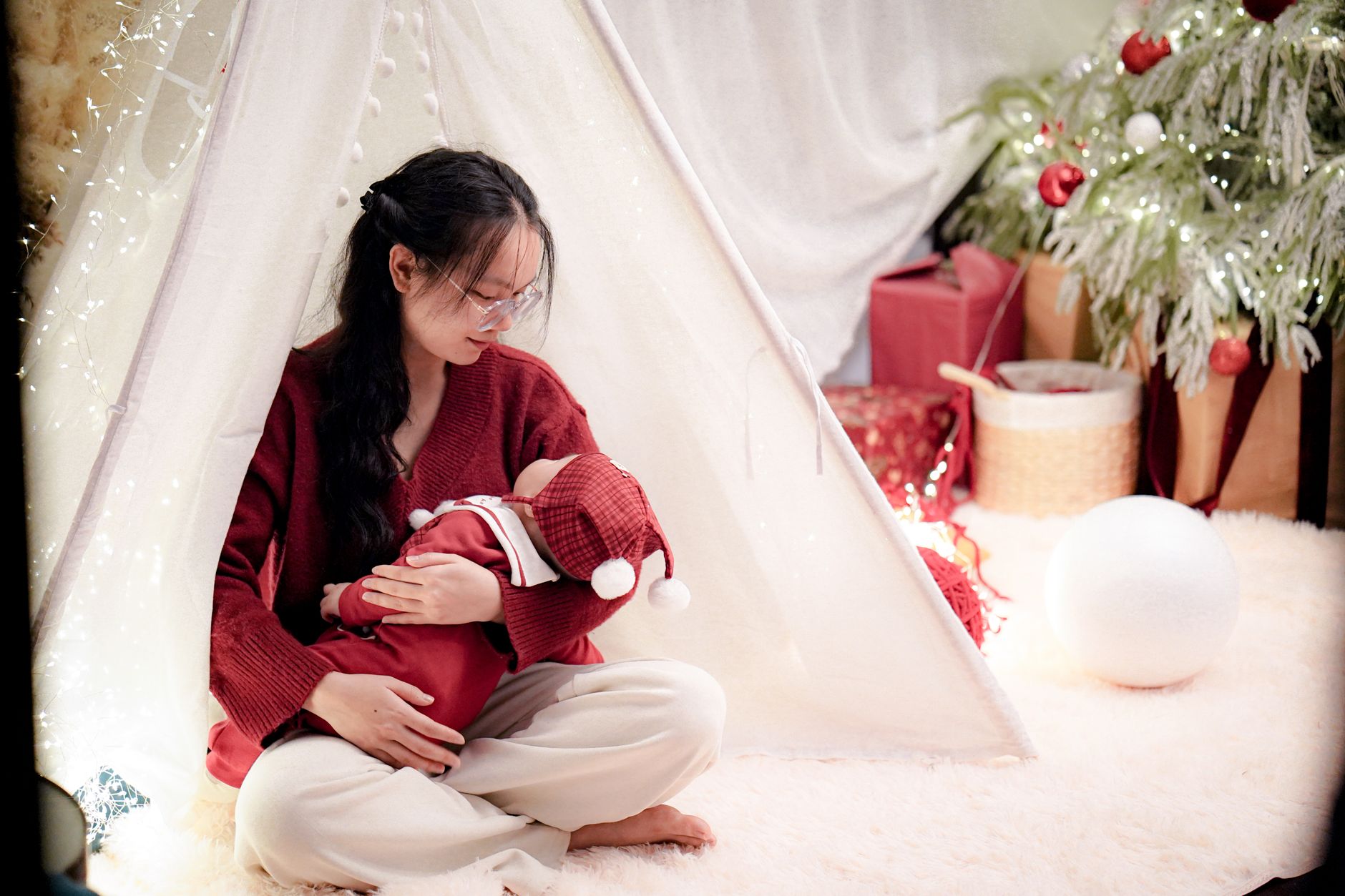
**4. Mindful Mothering**
Modern Latinx mothers are also embracing practices like mindfulness, therapy, and self-care to support their mental health. For example:
Challenges and How to Overcome Them
Adapting traditions can come with challenges, such as:
- *Guilt*: Feeling like you’re not doing enough for your baby or your culture. Remember, it’s okay to make your own traditions.
- *Pressure*: Feeling pressured by family or society to conform to a specific way of doing things. Stand firm in what works for your family.
- *Time*: Not having enough time to incorporate traditions. Start small and build from there.
If you’re feeling overwhelmed, it might help to talk to other Latinx mothers who are navigating similar challenges. Many find comfort in knowing they’re not alone—and that their way of doing things is valid.
---
Latinx motherhood traditions during holidays
Holidays are a time for celebration, and Latinx families often mark them with traditions that bring loved ones together, honor heritage, and create lasting memories. These celebrations vary by country and region, but they all share a sense of joy, gratitude, and connection. Here’s how Latinx families typically celebrate major holidays:
**1. Christmas (*Navidad*)**
Christmas is one of the most widely celebrated holidays in Latinx culture, and traditions vary widely across countries. Some common practices include:
- *Las Posadas*: A nine-day celebration (December 16–24) that reenacts Mary and Joseph’s search for shelter. Families gather for processions, songs, and *piñatas* filled with candy and small toys.
- *El Nacimiento*: A nativity scene (*belén*) is a central part of Christmas celebrations, often displayed in homes and churches.
- *La Cena de Navidad*: A festive meal with dishes like *bacalao* (salted cod), *pavo* (turkey), *romeritos* (a Mexican dish with oyster mushrooms), and *buñuelos* (fried dough).
- *Los Reyes Magos*: On January 6th, families celebrate the arrival of the Three Wise Men with gifts for children. Many children leave their shoes out the night before, and in the morning, they find small presents and treats.
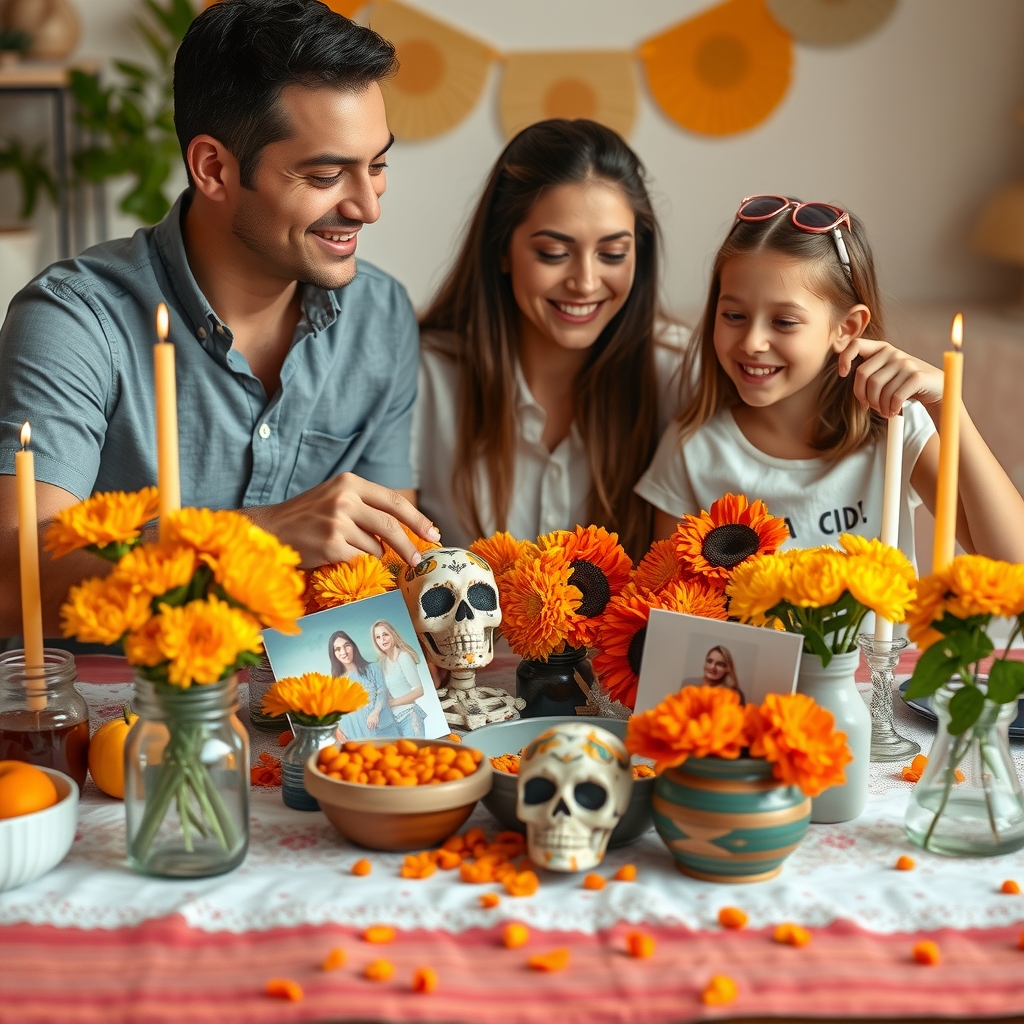
**2. Día de los Muertos (*Day of the Dead*)**
This vibrant holiday, celebrated on November 1st and 2nd, honors deceased loved ones. Latinx families might:
- Create *ofrendas* (altars) in their homes, decorated with photos, candles, marigolds, and the favorite foods of their loved ones.
- Visit cemeteries to clean graves and leave offerings.
- Share stories and memories of their ancestors.
**3. Independence Day (*Día de la Independencia*)**
Each Latin American country celebrates its independence day with unique traditions. For example:
- In Mexico, families gather for *fiestas patrias* with *chiles en nogada* (a dish of poblano peppers filled with picadillo, topped with walnut sauce and pomegranate seeds), *mariachi* music, and fireworks.
- In Colombia, families celebrate with *bandeja paisa* (a hearty dish with beans, meat, and plantains) and *cumbia* music.
- In Argentina, families gather for *asado* (a barbecue) and *mate* (a traditional herbal tea).
**4. New Year’s Eve (*Año Nuevo*)**
New Year’s Eve is a time for reflection and hope in Latinx culture. Many families:
- Eat *12 grapes* at midnight to symbolize good luck for each month of the year.
- Wear *yellow* (for wealth) or *green* (for health) underwear for good fortune.
- Set goals for the new year and share them with family and friends.
Modern Adaptations
Modern Latinx families often adapt holiday traditions to fit their lifestyles. For example:
- If you can’t gather everyone for *Las Posadas*, you might host a smaller gathering or watch the procession online together.
- If you’re working on New Year’s Eve, you might set goals for the new year and share them with your partner or friends over dinner.
- If you’re in a blended family, you might combine traditions from both cultures to create a shared experience.
---
Latinx baby naming traditions
Naming a child is one of the most meaningful decisions a parent makes, and Latinx cultures have rich traditions surrounding baby names. These traditions often reflect family history, religious beliefs, and cultural values. Here’s what to know:
**1. The Significance of Names**
In many Latinx cultures, names carry deep meaning. For example:
- *Nombres de santos* (saint names): Many Latinx families name their children after saints to honor their faith. For example, *Juan* (John), *María* (Mary), or *José* (Joseph).
- *Nombres de la familia*: Some families continue naming traditions by passing down names from previous generations. For example, a *Juan* might name his son *Juan*, or a *María* might name her daughter *María*.
- *Nombres que reflejan valores*: Some parents choose names that reflect their values or hopes for their child. For example, *Libertad* (Freedom), *Esperanza* (Hope), or *Amor* (Love).
**2. The *Nombre de Pila* and *Apellido* Traditions**
In many Latinx cultures, the *nombre de pila* (baptismal name) is considered the most important name, as it’s often the name given at birth and used in religious ceremonies. The *apellido* (surname) is also significant, as it reflects family heritage. For example:
- In many Spanish-speaking countries, children traditionally take their father’s last name first and their mother’s last name second. For example, *Juan García López*.
- In some countries, such as Mexico, children might take their mother’s last name first and their father’s last name second. For example, *María López García*.
- In Puerto Rico, children traditionally take their father’s last name first and their mother’s last name second, but the mother’s maiden name is often included as a middle name. For example, *Juan García López Martínez*.
**3. Naming Ceremonies**
Many Latinx families celebrate their child’s name with a special ceremony, such as:
- A *bendición* (blessing) of the child’s name, often performed by a priest, spiritual leader, or family member.
Modern Adaptations
Today’s Latinx parents often blend traditional naming practices with modern influences. For example:
- They might choose a name that reflects their heritage but also feels fresh and unique.
- They could create their own naming ceremony that honors their family’s traditions but also includes elements that feel meaningful to them.
- They might choose to use only one last name, as is common in some modern families.
---
Latinx maternity leave policies and workplace considerations
Maternity leave is a critical time for new mothers, but the policies and realities of returning to work can vary widely—especially for Latinx mothers, who often face unique challenges. Here’s what you need to know:
**1. U.S. Maternity Leave Policies**
In the U.S., maternity leave policies are not federally mandated for all employees, though the Family and Medical Leave Act (FMLA) provides up to 12 weeks of unpaid, job-protected leave for eligible employees. However, many Latinx mothers work in jobs that don’t qualify for FMLA, such as part-time or gig work. Additionally, the U.S. doesn’t mandate paid maternity leave, which can be a significant financial burden.
**2. State and Local Policies**
Some states and cities have their own maternity leave policies, which can provide additional protections. For example:
- California offers up to 12 weeks of paid family leave.
- New York offers up to 10 weeks of paid family leave.
- Washington, D.C., offers up to 16 weeks of paid family leave.
- Some cities, like New York City and San Francisco, offer additional protections for pregnant workers.
**3. Workplace Accommodations**
Many Latinx mothers find that workplace accommodations can make a big difference during pregnancy and postpartum. These might include:
- Flexible scheduling to attend prenatal appointments.
- Remote work options to reduce stress and commute time.
- Breastfeeding accommodations, such as a private space to pump milk.
- Light-duty assignments to accommodate physical limitations.
**4. Challenges and Solutions**
Latinx mothers often face additional challenges in the workplace, such as:
- *Language barriers*: If English isn’t your first language, you might struggle to navigate workplace policies or communicate with your employer.
- *Cultural expectations*: Some Latinx families expect mothers to take a longer leave or return to work part-time, which can conflict with workplace expectations.
- *Financial pressures*: Many Latinx families rely on two incomes, making it difficult to take unpaid leave.
If you’re facing challenges in the workplace, it’s important to advocate for yourself. You might:
- Research your rights under FMLA or your state’s policies.
- Talk to your employer about flexible work arrangements.
- Connect with other Latinx mothers in your community or workplace to share experiences and advice.
- Seek support from organizations like the Beige Moms community or local Latinx mother groups.

Support Networks for Latinx Mothers
Navigating maternity leave and workplace challenges can be easier with support. Here are some resources to help:
- Navigating Anhedonia in Motherhood: A guide to understanding and managing postpartum depression and anxiety.
- Local Latinx mother groups or community centers: These can provide a sense of community and shared experiences.
- Workplace resource groups: Many companies



