Avoid Zika zone travel during pregnancy due to serious risks of birth defects. Is Zika zone travel current safe during pregnancy? Experts strongly advise
By Shubhra Mishra — a mom of two who turned her own confusion during pregnancy into BumpBites, a global mission to make food choices clear, safe, and stress-free for every expecting mother. 💛
Check whether any food is safe during pregnancy with the BumpBites Food Safety Checker.
Quick verdict: ❌ Best avoided. Travel to Zika zones is generally *not* recommended during pregnancy due to significant risks to the developing baby. If you are pregnant or trying to conceive, it's best to postpone travel to areas with current Zika outbreaks. Always consult your healthcare provider before making travel plans.
The excitement of planning a babymoon or a relaxing getaway can quickly turn to anxiety when you start researching potential travel destinations. One question that often comes up, especially for those dreaming of tropical locales, is: is Zika zone travel current safe during pregnancy? It’s a very common and understandable concern, and if you’ve been contemplating a trip or have already booked one, you’re not alone in feeling a wave of worry. Many expecting parents grapple with how to balance the desire for a memorable trip with the absolute priority of their baby’s health.
At BumpBites, we understand that late-night Google searches are often fueled by love and a little bit of panic. When it comes to Zika, the guidance is clear and consistent across major health organizations. While global attention on Zika has shifted since its peak, the virus still poses a significant risk to pregnant individuals and their developing babies. This article will break down why Zika zone travel during pregnancy is largely advised against, what specific risks it carries, how to identify current Zika zones, and most importantly, what safer alternatives exist for your prenatal getaway.
Trimester/Stage
Verdict
Notes
First Trimester
❌ Avoid
Highest risk of severe congenital birth defects, including microcephaly, as vital organs are forming.
Second Trimester
❌ Avoid
Continued risk of brain abnormalities, eye defects, and other developmental issues.
Third Trimester
❌ Avoid
Risk of congenital Zika syndrome, including neurological problems, still present. Potential for preterm birth.
Breastfeeding
✅ Generally Safe
Zika virus can be present in breast milk, but transmission to the infant through breastfeeding has not been shown to cause disease. The CDC recommends continuing to breastfeed.
What is Zika zone travel?
Zika zone travel refers to visiting areas where the Zika virus is actively circulating or has recently had outbreaks. The Zika virus is primarily transmitted to people through the bite of an infected Aedes species mosquito (specifically Aedes aegypti and Aedes albopictus). These are the same mosquitoes that spread dengue and chikungunya viruses. Beyond mosquito bites, Zika can also be transmitted sexually, from a pregnant person to their fetus during pregnancy, and rarely through blood transfusions.
For most people, Zika infection is mild, with symptoms lasting several days to a week. In fact, many people infected with Zika don't even realize they have it because they don't develop symptoms. However, for pregnant individuals, the stakes are significantly higher. The concern stems from the virus's ability to cross the placenta and cause severe birth defects in the developing baby. This is why understanding what constitutes a "Zika zone" and the current advisories is crucial for anyone who is pregnant or planning a pregnancy.
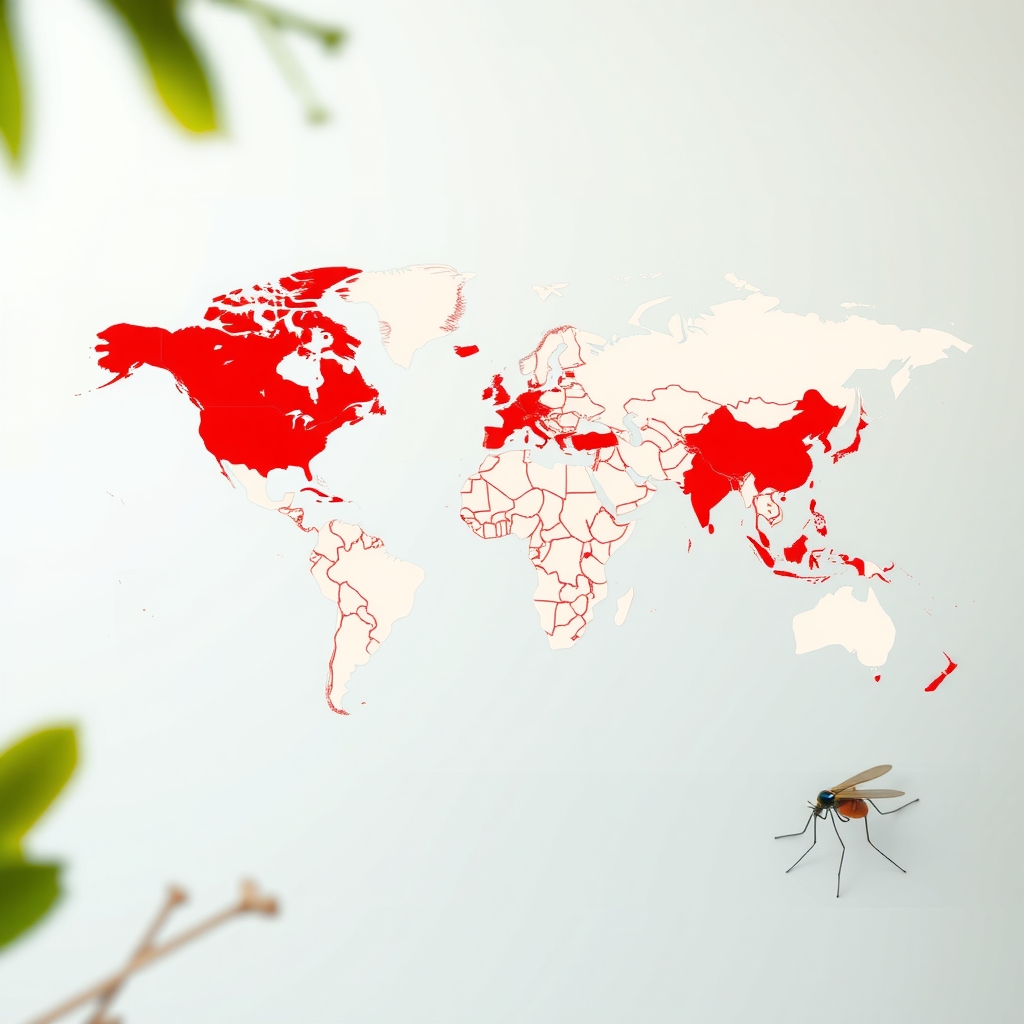
Always check the latest CDC or WHO maps for current Zika zones before making any travel decisions.
Is Zika zone travel safe during pregnancy?
When asking is Zika zone travel current safe during pregnancy, the resounding advice from leading health organizations like the American College of Obstetricians and Gynecologists (ACOG), the Centers for Disease Control and Prevention (CDC), and the World Health Organization (WHO) is a clear "no" or "best avoided." The primary concern is the risk of congenital Zika syndrome, a pattern of severe birth defects and developmental problems that can occur when a baby is infected with Zika virus before birth.
The CDC specifically advises pregnant people not to travel to areas with a current CDC Zika Travel Advisory Level 2 (Enhanced Precautions) or Level 3 (Avoid Nonessential Travel). While the number of countries with active Zika outbreaks has significantly decreased since 2015-2016, the virus has not disappeared. It continues to circulate at low levels in many regions, and new outbreaks can occur. This means that even if a country isn't making headlines for Zika, there could still be a risk.
The mechanism of risk is direct: if a pregnant person contracts Zika, the virus can pass from their bloodstream through the placenta to the fetus. Once the virus reaches the developing baby, it can disrupt crucial stages of brain development and other organ formation, leading to potentially devastating and irreversible damage. This is why avoiding exposure altogether is the safest approach, as there is no vaccine or specific antiviral treatment for Zika virus.
What are the risks of Zika exposure in early pregnancy?
The first trimester is generally considered the period of highest risk for severe outcomes if a pregnant person is exposed to Zika virus. This is a critical window for organogenesis, when the baby's major organs, including the brain, are rapidly forming. Exposure to Zika during this time significantly increases the likelihood of the baby developing microcephaly, a condition where the baby's head is much smaller than expected due to underdeveloped brain tissue.
Beyond microcephaly, early pregnancy exposure can lead to a range of other severe brain abnormalities, eye damage, hearing loss, and restricted movement in the limbs (congenital contractures). The CDC indicates that the risk of birth defects is highest when infection occurs in the first trimester, but it's important to understand that risks persist throughout pregnancy. This is why first trimester pregnancy travel safety is often subject to the most stringent guidelines, especially regarding infectious diseases.
How does Zika affect a baby's development?
Zika virus primarily targets neural progenitor cells, which are crucial for the development of the brain and nervous system. When these cells are infected, their growth and function can be severely impaired, leading to a cascade of developmental problems collectively known as Congenital Zika Syndrome (CZS). CZS is not just microcephaly; it's a broader spectrum of birth defects including:
Severe microcephaly with partially collapsed skull.
Brain abnormalities such as subcortical calcifications, ventriculomegaly, and cortical malformations.
Eye abnormalities, including macular scarring, optic nerve hypoplasia, and coloboma.
Congenital contractures (clubfoot or other limitations of movement).
Hypertonia (increased muscle tone) or spasticity.
Feeding difficulties and seizures.
Hearing loss.
The impact of Zika on a baby's development can be profound and lifelong, affecting cognitive function, motor skills, vision, and hearing. These effects can range from mild to severe, but even "mild" cases can present significant challenges for the child and their family. The potential for such severe and irreversible damage is the fundamental reason why health authorities strongly advise against Zika zone travel during pregnancy.
What are the current Zika zones and travel advisories?
Identifying current Zika zones requires consulting up-to-date resources from health authorities. The CDC and WHO are the primary sources for this information. While widespread, large-scale outbreaks seen in 2015-2016 have largely subsided, Zika virus continues to circulate at low levels in many regions, primarily in tropical and subtropical areas. These include parts of Central and South America, the Caribbean, Southeast Asia, and some Pacific Islands.
The CDC maintains a comprehensive Zika travel information page that lists countries with current or past risk of Zika. They categorize areas based on current transmission levels:
No current Zika virus transmission: Areas where there is no evidence of local transmission.
Past or current Zika virus transmission: Areas where local Zika virus transmission has been reported. This category is broad and includes areas where the risk is low but not zero.
It's crucial to check these advisories immediately before planning any international trip and again closer to your departure date, as the situation can change. For instance, while countries like Brazil, Mexico, and many Caribbean islands were once major Zika zones, their status may have evolved. Always look for the most recent updates, as even a small risk is a significant risk during pregnancy.
What precautions can pregnant women take against Zika?
The most effective precaution for pregnant women against Zika is to avoid travel to areas with a current or past risk of Zika virus transmission. However, if travel to such an area is unavoidable or if you live in a Zika-affected region, taking stringent measures to prevent mosquito bites and sexual transmission is essential:
Use EPA-registered insect repellents: Look for products containing DEET, picaridin, IR3535, oil of lemon eucalyptus (OLE), para-menthane-diol (PMD), or 2-undecanone. Always follow product instructions.
Wear protective clothing: Long-sleeved shirts and long pants can minimize exposed skin. Treat clothing with permethrin for added protection.
Stay in screened or air-conditioned rooms: Mosquitoes are most active during the day, but they can bite at any time.
Use bed nets: If sleeping areas are not screened or air-conditioned, use a permethrin-treated bed net.
Eliminate standing water: Mosquitoes breed in standing water, so empty containers, clear gutters, and maintain pools.
Prevent sexual transmission: If your partner has traveled to or lives in a Zika-affected area, use condoms consistently and correctly for the duration of the pregnancy, or abstain from sex. The CDC provides specific guidance on this for men and women who have traveled.
These precautions are vital because even if you don't feel sick after being bitten, you could still be infected and pass the virus to your baby. Always discuss your travel plans and any potential exposure with your healthcare provider.
Using EPA-registered insect repellent and wearing protective clothing are crucial steps if you must be in an area with Zika risk.
What are the symptoms of Zika virus in pregnant women?
The symptoms of Zika virus in pregnant women are generally the same as in non-pregnant individuals, and often, they are mild or non-existent. In fact, an estimated 80% of people infected with Zika virus are asymptomatic, meaning they experience no symptoms at all. This makes it particularly challenging, as a pregnant person could be infected and unknowingly pass the virus to their fetus without ever feeling sick.
When symptoms do occur, they typically begin 3-14 days after a mosquito bite and can include:
Fever: Usually low-grade.
Rash: Often maculopapular (flat, red areas covered with small bumps).
Joint pain: (arthralgia), especially in the hands and feet.
Conjunctivitis: (red eyes), or pink eye.
Muscle pain.
Headache.
These symptoms are often mild and can resemble those of other viral infections like dengue or chikungunya, which are also transmitted by the same mosquitoes. If you experience any of these symptoms after traveling to a Zika zone, or if you live in an area with Zika risk, it is crucial to contact your healthcare provider immediately for testing and guidance.
Is it safe to travel to a former Zika zone while pregnant?
The question of whether is it safe to travel to a former Zika zone while pregnant is nuanced. While many countries that experienced significant outbreaks in the past (e.g., Brazil, Colombia, Mexico) are no longer categorized as having active, widespread transmission, the virus can still circulate at low levels, and the potential for new outbreaks remains. The CDC often classifies these areas as having "Past or current Zika virus transmission."
For pregnant individuals, the general recommendation from health authorities remains cautious: avoid non-essential travel to areas with any level of Zika risk. Even a low risk is still a risk when the potential consequences for the baby are so severe. If travel to a former Zika zone is absolutely essential, rigorous mosquito bite prevention measures are paramount. Additionally, a thorough discussion with your obstetrician about the specific risks of your destination and your individual health situation is critical.
It's important to remember that the definition of "safe" can be different for a pregnant person. What might be considered a low or acceptable risk for a non-pregnant individual is often deemed too high for someone who is expecting. Always prioritize the most conservative recommendation when it comes to potential harm to your developing baby.
Side effects and risks
The side effects and risks of Zika virus for a pregnant person are generally mild, if any. Most experience no symptoms or only mild, flu-like illness. However, the true danger of Zika lies in its profound impact on the developing fetus, leading to what is known as Congenital Zika Syndrome (CZS).
For the Pregnant Person:
Mild fever, rash, joint pain, conjunctivitis.
Symptoms usually resolve within a week.
Rarely, Zika has been linked to Guillain-Barré syndrome in adults, a rare neurological disorder, but this is extremely uncommon.
For the Developing Baby (Fetus/Infant):
Microcephaly: The most well-known and severe birth defect, characterized by a smaller-than-normal head size due to incomplete brain development.
Other severe brain abnormalities: Including subcortical calcifications, ventriculomegaly, and cortical malformations, leading to significant neurological impairments.
Eye defects: Such as macular scarring, optic nerve hypoplasia, and coloboma, which can cause vision problems or blindness.
Hearing loss: Can be present at birth or develop later.
Congenital contractures: Abnormalities of the joints, such as clubfoot, limiting range of motion.
Seizures and feeding difficulties: Common in infants with CZS.
Increased risk of miscarriage, stillbirth, and preterm birth.
These risks are not merely "annoying but not dangerous"; they represent severe, lifelong health challenges for affected children. The irreversible nature of these birth defects underscores why Zika zone travel during pregnancy is so strongly discouraged by medical professionals worldwide. The potential for such devastating outcomes makes any exposure a serious concern.
Safer alternatives to Zika-affected regions
While the allure of a tropical escape might be strong, there are many wonderful and safe travel alternatives for pregnant individuals. Prioritizing destinations with no Zika risk allows you to relax and enjoy your trip without constant worry. Here are some excellent options:
Beach vacation in non-Zika area: Many beautiful beaches in the Mediterranean, parts of the US (like California or the Pacific Northwest), or certain European coastlines offer sun and sand without Zika risk.
Mountain retreat: Enjoy cooler temperatures, fresh air, and stunning scenery. Consider national parks or resort towns in higher elevations.
Staycation: Sometimes the best getaway is right at home. Explore local attractions, indulge in spa treatments, and enjoy quality time without the stress of travel.
Cruise to non-Zika destinations: Research cruise lines carefully to ensure their itineraries avoid all Zika-affected areas. Many cruises to Alaska, Europe, or parts of the US coast are safe.
European city break: Explore historic cities like Rome, Paris, London, or Barcelona. These destinations offer rich culture, delicious food, and comfortable amenities without Zika concerns.
Road trip: Plan a scenic drive to explore different regions of your home country or neighboring countries. This allows for flexibility and control over your environment.
Spa weekend: Indulge in prenatal massages, relaxing treatments, and quiet time at a luxurious spa resort.
National park visit: Connect with nature in a beautiful and often mosquito-free environment (depending on the park and season). Many US national parks offer accessible trails and comfortable lodging.
Remember to always check the latest travel advisories for any destination, even those historically considered safe, to ensure no new health concerns have arisen. For more general advice, you might find our article on best age to travel domestically with baby useful for future family planning, or perhaps best age to travel with baby internationally for those post-pregnancy adventures.
Related items — safety at a glance
When planning travel during pregnancy, Zika is just one of many considerations. Here's a quick look at the safety of other common travel-related concerns:
Live virus vaccine; generally avoided unless travel to high-risk areas is unavoidable and risk of exposure is high.
Dengue fever during pregnancy
❌ Best avoided
Mosquito-borne, similar to Zika; can lead to severe illness and complications for both mother and baby.
Chikungunya virus during pregnancy
❌ Best avoided
Mosquito-borne; can cause severe joint pain; rare but possible transmission from mother to baby around birth.
High altitude travel during pregnancy
⚠️ Safe with limits
Generally safe below 8,000 feet for healthy pregnancies; discuss with doctor, especially with pre-existing conditions.
Long-haul flights during pregnancy
⚠️ Safe with limits
Increased risk of DVT; stay hydrated, move frequently, wear compression stockings. Airlines may have restrictions after 36 weeks.
Food poisoning risks while traveling pregnant
⚠️ Safe with limits
Increased vulnerability; stick to bottled water, well-cooked food, avoid raw produce unless peeled/washed by you.
Cruise ship travel during pregnancy
⚠️ Safe with limits
Generally safe for healthy pregnancies; check cruise line policies, ensure medical facilities, avoid areas with active outbreaks of illness.
Myth vs. fact
There's a lot of information and misinformation floating around about Zika virus. Let's clear up some common misconceptions:
Myth: Zika is no longer a threat because it's not in the news as much anymore.
Fact: While the large-scale outbreaks of 2015-2016 have subsided, Zika virus has not disappeared. It continues to circulate at low levels in many tropical and subtropical regions, and new, smaller outbreaks can occur. For pregnant individuals, any risk of transmission is considered significant due to the potential for severe birth defects. Always check current travel advisories from the CDC or WHO.
Myth: You only need to worry about Zika in the first trimester.
Fact: The first trimester carries the highest risk for severe birth defects like microcephaly, but Zika infection can cause problems throughout pregnancy. Studies have shown that the virus can affect fetal brain development and lead to congenital Zika syndrome even in the second and third trimesters, though the specific manifestations might differ. The safest approach is to avoid exposure at any stage of pregnancy.
Myth: If you don't feel sick after traveling to a Zika zone, you haven't been infected.
Fact: This is a dangerous misconception. An estimated 80% of people infected with Zika virus are asymptomatic, meaning they experience no symptoms at all. You could be infected and unknowingly pass the virus to your developing baby without ever feeling ill. This is why testing and discussion with your doctor after potential exposure are so important, regardless of whether you developed symptoms.
Key takeaways
Travel to Zika zones is strongly discouraged for pregnant individuals due to severe risks to the baby.
Zika virus can cause Congenital Zika Syndrome, leading to microcephaly and other lifelong birth defects.
Risks are highest in the first trimester but persist throughout pregnancy.
Always check current CDC/WHO travel advisories before making any travel plans.
If travel is unavoidable, practice strict mosquito bite prevention and safe sex.
Many safe and enjoyable travel alternatives exist in non-Zika affected regions.
Frequently asked questions
Is Zika still a threat in 2024 for pregnant women?
Yes, Zika is still a threat in 2024 for pregnant women. While large-scale outbreaks have decreased, the virus continues to circulate at low levels in many tropical and subtropical regions. Health organizations like the CDC and WHO maintain travel advisories for pregnant individuals to avoid or take enhanced precautions in areas with any risk of Zika transmission, emphasizing that even low levels of risk are significant during pregnancy.
What countries are considered Zika zones?
Zika zones are countries or regions with a current or past risk of Zika virus transmission. The specific list can change, so it's essential to consult the CDC's Zika travel information page for the most up-to-date advisories. Generally, these include parts of Central and South America, the Caribbean, Southeast Asia, and some Pacific Islands, where Aedes mosquitoes are present.
What happens if a pregnant woman gets Zika?
If a pregnant woman gets Zika, the virus can pass to her developing baby. This can lead to Congenital Zika Syndrome, a severe condition characterized by birth defects such as microcephaly (a smaller head size due to incomplete brain development), severe brain abnormalities, eye defects, hearing loss, and congenital contractures. Zika infection during pregnancy can also increase the risk of miscarriage, stillbirth, and preterm birth.
Can Zika be transmitted through sex?
Yes, Zika can be transmitted through sex. The virus can stay in semen for longer than in other body fluids, and it can be passed from an infected person to their partner. If a pregnant person's partner has traveled to or lives in a Zika-affected area, it's recommended to use condoms consistently and correctly for the duration of the pregnancy, or to abstain from sex, to prevent potential sexual transmission.
How long should you wait to get pregnant after Zika exposure?
The CDC recommends specific waiting periods for couples planning pregnancy after potential Zika exposure. For women, it's advised to wait at least 2 months after travel to a Zika-affected area or after Zika symptoms start (if symptomatic). For men, it's advised to wait at least 3 months after travel or after Zika symptoms start. This waiting period helps ensure the virus has cleared from the body before conception.
What are the symptoms of Zika in newborns?
Newborns with Congenital Zika Syndrome may exhibit several symptoms, including microcephaly (a significantly smaller head), severe brain abnormalities (like subcortical calcifications), eye damage (such as macular scarring), congenital contractures (limited joint movement), hypertonia (increased muscle tone), and feeding difficulties. They may also experience seizures and hearing loss. Some symptoms may not be apparent at birth and can develop later.
Is it safe to travel to Mexico while pregnant due to Zika?
While Mexico has seen a significant decrease in Zika cases since its peak, the CDC still classifies it as an area with "Past or current Zika virus transmission." This means a low level of risk persists. For pregnant individuals, the safest recommendation from health authorities is to avoid non-essential travel to such areas. If travel is unavoidable, strict mosquito bite prevention measures are essential, and discussion with your doctor is crucial.
When to call your doctor
If you are pregnant or trying to conceive, and you have traveled to an area with any risk of Zika virus transmission, it is essential to contact your healthcare provider immediately. Even if you don't experience any symptoms, your doctor can discuss testing options and monitor your pregnancy closely. You should also call your doctor if:
You develop a fever, rash, joint pain, or red eyes within two weeks of returning from a Zika-affected area.
You have had unprotected sex with a partner who recently traveled to a Zika zone.
You have concerns about potential Zika exposure during your pregnancy.
Your doctor can help you understand the risks, recommend appropriate testing, and provide guidance for the remainder of your pregnancy. This information is for educational purposes only and is not a substitute for professional medical advice, diagnosis, or treatment. Always seek the advice of your physician or other qualified health provider with any questions you may have regarding a medical condition.
References
American College of Obstetricians and Gynecologists (ACOG). (2017). ACOG Practice Advisory: Update on Zika Virus. Retrieved from ACOG website
Centers for Disease Control and Prevention (CDC). (2023). Zika Travel Information. Retrieved from CDC website
Centers for Disease Control and Prevention (CDC). (2023). Zika Virus & Pregnancy. Retrieved from CDC website
World Health Organization (WHO). (2023). Zika virus. Retrieved from WHO website
National Health Service (NHS). (2023). Zika virus. Retrieved from NHS website
Not sure about the label on Is Zika Zone Travel Current Safe During Pregnancy products?
Snap the ingredients list and SafeFilter checks every ingredient for your stage — only 3 free scans this month, then you're locked until reset. Unlimited from $7/mo or $50/yr.
When Shubhra Mishra was expecting her first child in 2016, she was overwhelmed by conflicting food advice — one site said yes, another said never. By the time her second baby arrived in 2019, she realized millions of mothers face the same confusion.
That sparked a five-year journey through clinical nutrition papers, cultural diets, and expert conversations — all leading to BumpBites: a calm, compassionate space where science meets everyday motherhood.
Her long-term vision is to build a global community ensuring safe, supported, and free deliveriesfor every mother — because no woman should face pregnancy alone or uninformed. 🌿
🌍 Stand with mothers, shape safer guidance
Join a small circle of experts who review BumpBites articles so expecting parents everywhere can decide with confidence.