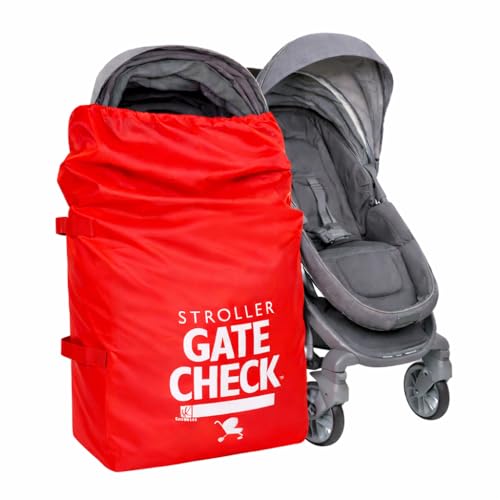
Quick take: The safest age to travel domestically with a baby is generally after the first two months, when newborn immunity and neck‑muscle strength have improved, but many families successfully fly as early as three weeks with the right preparation. Plan ahead: check airline infant policies, pack a travel‑ready gear kit, and keep feeding and sleep routines as consistent as possible. If your baby shows signs of ear pain, fever, or extreme discomfort, pause the trip and call your pediatrician.
Imagine standing at the gate, a diaper bag slung over your shoulder, a tiny hand clutching your finger, and the distant hum of a boarding announcement. You’ve double‑checked the stroller, the car seat, the snacks, and yet a knot of anxiety sits in your stomach. You’re not alone—millions of parents wonder what is the best age to travel domestically with baby and how to make the journey smooth for the whole family.
Below, we break down everything you need to know for a safe, comfortable, and low‑stress trip, whether you’re hopping on a plane, cruising down the highway, or riding a train. From the youngest newborns to curious twins, we’ve gathered the latest 2026 guidelines, practical gear tips, health precautions, and a printable checklist so you can focus on the adventure, not the logistics.
Read on for answers to the most common questions—like “Is it safe to fly with a 2‑month‑old?”—plus a side‑by‑side comparison of airline infant policies, a gear‑shopping list, and a clear plan for managing jet lag and ear pain. Let’s get you and your baby traveling with confidence.
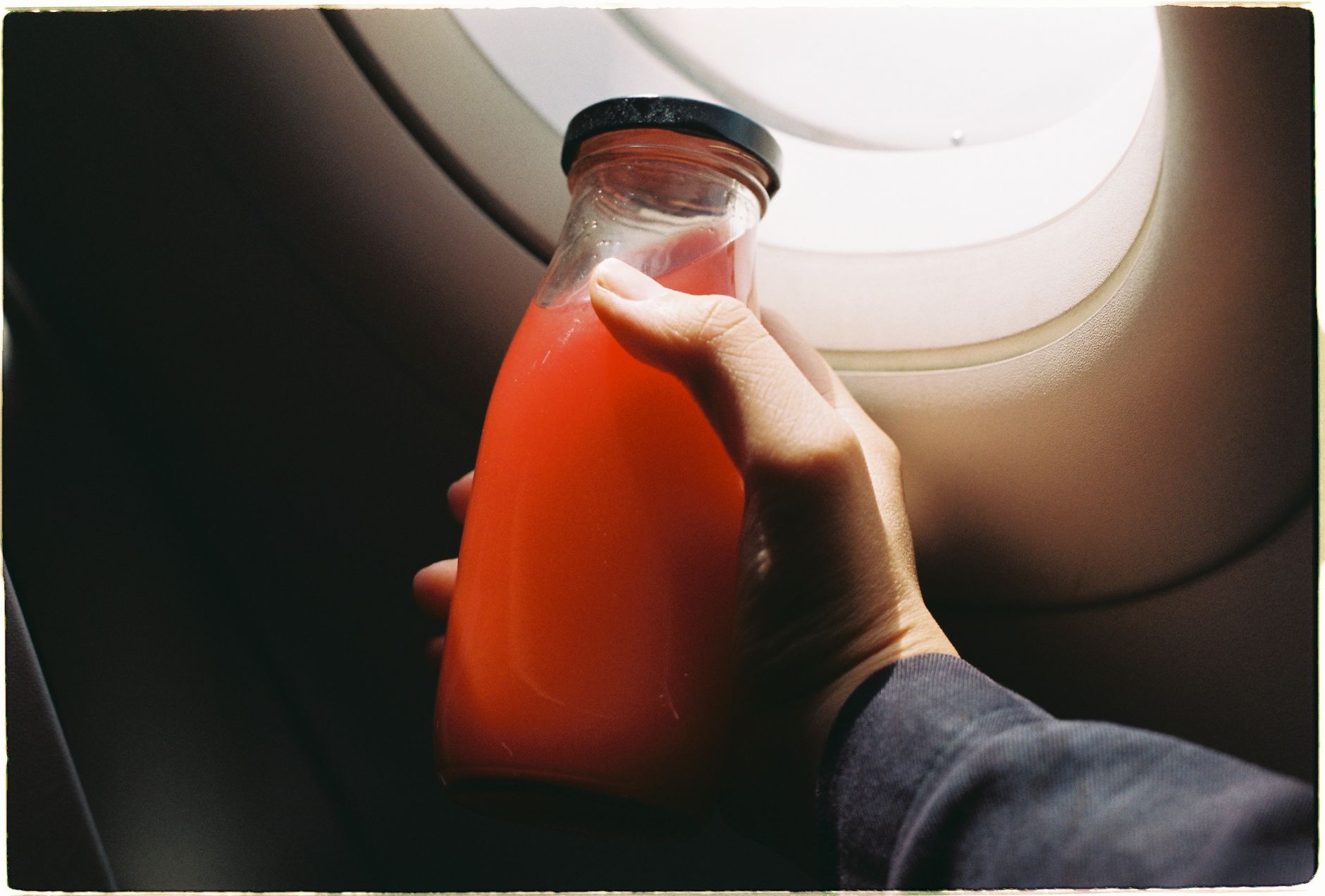
What is the safest age to take a newborn on a domestic flight?
The American Academy of Pediatrics (AAP) recommends waiting until an infant is at least 2 months old before flying, unless a medical reason necessitates travel. By this age, the baby’s immune system has begun to develop protective antibodies, and neck‑muscle strength improves, reducing the risk of head‑tilt injuries during turbulence.
That said, many families travel safely as early as 3–4 weeks, especially for short (< 2‑hour) flights. The key is to assess your baby’s health: make sure they have no recent fever, ear infection, or respiratory illness. If you have any doubt, a quick call to your pediatrician can give you personalized guidance.
Beyond immunity, consider cabin environment. Altitude can lower oxygen levels slightly, and cabin humidity is often low, which can dry a newborn’s delicate skin and nasal passages. The American College of Obstetricians and Gynecologists (ACOG) notes that these factors are generally well‑tolerated by healthy infants, but keeping the baby hydrated and using a saline nasal spray can help mitigate discomfort.
Is it safe to travel with a 2‑month‑old baby?
Yes, if the infant is healthy, fully immunized according to the CDC schedule, and you’ve prepared for ear‑pressure changes (see the “ear pain” section). Bring a pacifier or bottle for take‑off and landing, and dress the baby in layers to manage cabin temperature swings.
Best age for baby to travel by train
Trains are generally more forgiving on a baby’s ears because pressure changes are gradual. The same 2‑month guideline applies, but many parents feel comfortable traveling by rail as early as 4 weeks because you can stop, walk the aisles, and have more space for a bassinet or stroller.
Traveling with a 3‑month‑old tips
At three months, babies are usually able to hold their heads up reliably, making them more comfortable in a car seat or airplane seat. Keep feeding on demand, schedule a mid‑flight nap, and pack extra layers.
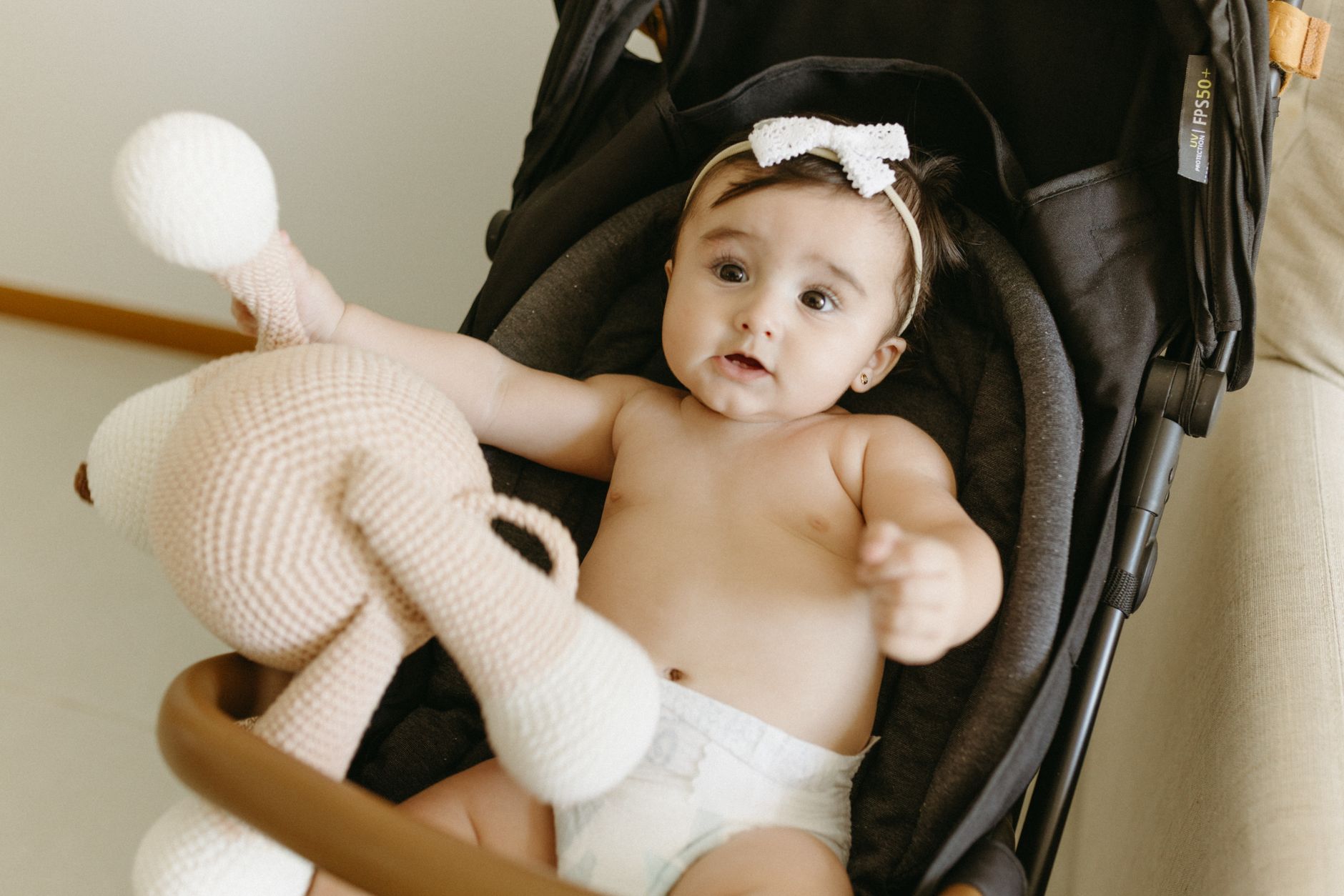
How to prepare a baby for a road trip in 2026?
Road trips give you the flexibility to stop whenever your baby needs a break. In 2026, many parents rely on smart‑phone apps for real‑time traffic updates and nearby family‑friendly rest stops. Here’s a step‑by‑step prep plan:
- Schedule a pediatric check‑up 1–2 weeks before departure to confirm the baby’s health and discuss any travel‑related concerns.
- Plan feeding times around the route. Babies typically eat every 2–3 hours, so map out stops at 1‑hour intervals for bottle or nursing breaks.
- Test the car seat in the vehicle for a secure fit. The seat should be installed at a 45‑degree recline for infants under 6 months.
- Pack a “travel bag” with diapers, wipes, a change of clothes, a lightweight blanket, and a small first‑aid kit.
- Create a calming playlist of white‑noise or lullabies to soothe the baby during long stretches.
In addition to the checklist, think about diaper‑changing logistics. The NHS advises using a portable, fold‑out changing pad that can be quickly wiped down and that provides a firm surface, reducing the risk of spills on the car seat. Also, keep a small cooler with ice packs for breast‑milk or formula if you’ll be on the road for several hours.
How long can a baby sit in a car seat during a long drive?
The AAP advises that infants under 12 months should not be in a car seat for more than 2 hours at a stretch. After each 2‑hour interval, take a 15‑minute break to remove the baby, stretch, and check for any signs of discomfort.
What to pack for a baby road trip
Beyond diapers and wipes, include:
- Portable bottle warmer or insulated bottle bag.
- Pre‑measured formula packets or breast‑milk storage containers.
- Soft toys or a familiar blanket for comfort.
- Sunshade for the car windows.
- Hand sanitizer (alcohol‑free) for quick clean‑ups.
Baby travel insurance options
Most family travel insurance plans cover medical emergencies for infants, but you may need to add a “child rider” for comprehensive coverage. Look for policies that include:
- Hospitalization and emergency physician visits.
- Repatriation (if traveling abroad, though not needed for domestic trips).
- Trip cancellation due to a baby’s illness.
- 24‑hour tele‑health support.
Best travel gear for babies under 6 months
Choosing gear that is safe, lightweight, and easy to clean can make the difference between a smooth journey and a stressful scramble. Below is a quick‑reference table of the top‑rated items for 2026, based on reviews from the Academy of Nutrition and Dietetics and parent‑tested feedback.
When selecting gear, prioritize items that meet the latest safety standards set by the Consumer Product Safety Commission (CPSC) and have a five‑star rating for durability. A soft‑structured carrier, for instance, allows you to keep the baby close while freeing your hands for luggage.
Cleaning considerations are also crucial. The FDA recommends choosing products labeled BPA‑free and easy to sterilize—especially for bottles, pacifiers, and any silicone components that will be reused throughout the trip. Many modern carriers come with removable, machine‑washable covers, which simplifies hygiene on the go.
How to keep baby comfortable on a plane
Comfort on a plane hinges on three factors: temperature, pressure, and space. Dress the baby in a breathable onesie with a zip‑up jacket you can add or remove. Bring a small, foldable blanket for warmth, and request a bulkhead row if possible; the extra space can accommodate a bassinet or a larger carrier.
Traveling with twins domestic flight tips
Twins double the gear, but you can streamline the process by using a double‑stroller system and packing duplicate supplies in separate zip‑lock bags. Many airlines allow two infants on one adult ticket (lap infants) but charge a fee for each additional seat. Consider purchasing a second seat for the second twin if the budget allows, as it greatly improves safety and comfort.
Airline policies for infants traveling domestically in 2026
Airlines have largely harmonized their infant policies, yet there are notable differences in fees, seat options, and required documentation. The following table summarizes the major U.S. carriers.
Key takeaways:
- All carriers require proof of age—usually a birth certificate—for infants under 2 years.
- Lap infants are allowed on any flight, but purchasing a separate seat (often called a “bassinet seat”) is safer for babies under 6 months.
- Most airlines charge a reduced fee for infants, but taxes and security fees still apply.
Do airlines require a passport for infants?
For domestic flights within the United States, a passport is not required; a birth certificate or state‑issued ID is sufficient. However, if you’re crossing a state line that requires ID for security (e.g., TSA PreCheck), having a passport can simplify the process.
What are the airline restrictions for infants?
Restrictions include:
- Infants must be seated on an adult’s lap unless a separate seat is purchased.
- Car seats that are FAA‑approved can be used in a purchased seat.
- Some airlines limit the number of lap infants per flight (usually 6‑8).
- Weight limits for infant baggage are typically 5 kg (11 lb) for a diaper bag.
Tips for feeding a baby while traveling domestically
Feeding on the go can feel chaotic, but a few simple strategies keep your baby nourished and your stress level low.
- Breast‑feeding: Use a nursing cover or a portable privacy screen. Many airports now provide lactation rooms with clean chairs and electrical outlets.
- Bottle‑feeding: Pack pre‑measured formula powder in airtight containers and use a travel bottle warmer that plugs into a car cigarette‑lighter socket or a USB power bank.
- Solid foods: For babies 6 months and older, bring small silicone containers of pureed fruits or veggies. A cold pack can keep them fresh for several hours.
When traveling by plane, the FDA advises keeping breast‑milk and formula at safe temperatures: breast‑milk can be stored at 2‑4 °C (36‑39 °F) for up to 24 hours, and formula should be mixed with water no hotter than 40 °C (104 °F) to preserve nutrients. A small insulated cooler bag with an ice pack can keep milk fresh for the duration of a typical domestic flight.
How to prevent ear pain for babies during flights
Ear pain is caused by pressure changes. To reduce discomfort:
- Offer a bottle or pacifier during take‑off and landing.
- Encourage a yawn or gentle chewing motion (if the baby is on solids).
- Use a few drops of saline nasal spray a few minutes before ascent to keep nasal passages clear.
Is it safe to travel with a baby during flu season?
Flu season (typically October‑March) does increase the risk of respiratory infections. Ensure your baby is up to date on the yearly influenza vaccine if they are 6 months or older, and practice hand hygiene rigorously. For infants under 6 months, the best protection is cocooning—keeping close contacts vaccinated and limiting exposure to crowded indoor settings.
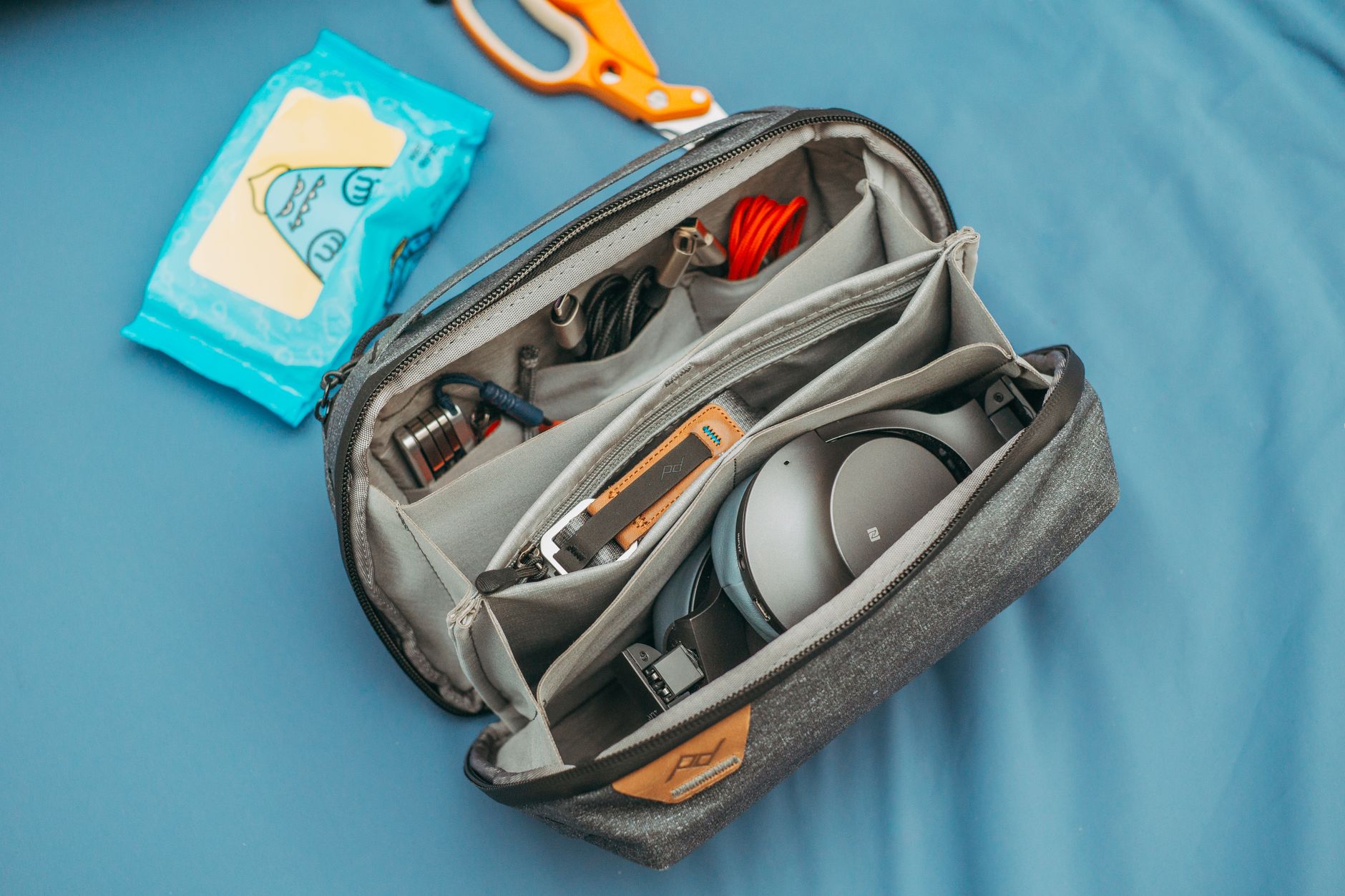
Domestic travel checklist for babies (including twins)
Use this printable checklist to ensure nothing essential is left behind. Tick each item as you pack.
- Documentation: Birth certificates, travel insurance cards, pediatrician’s contact sheet.
- Health: Infant acetaminophen (dose per provider), saline nasal spray, thermometer.
- Feeding: Bottles (2‑3), formula or breast‑milk storage bags, nursing cover, portable bottle warmer.
- Diapering: Diapers (≈ 1 per 2 hours + extras), wipes, diaper rash cream, disposable changing pads.
- Clothing: 2‑3 outfit changes, sleep sack, hat, socks, lightweight jacket.
- Gear: Car seat (installed), stroller or carrier, portable bassinet, travel diaper bag.
- Comfort: Blankets, favorite soft toy, white‑noise app or portable speaker.
- Safety: Baby monitor (if staying in hotels), outlet covers, first‑aid kit.
- Twins specific: Double‑stroller or two carriers, duplicate supplies in separate zip‑lock bags, extra snacks.
Print this list and keep it on the kitchen counter the night before departure. Having a visual cue helps reduce last‑minute panic.
What vaccinations are needed before traveling with a baby in the US?
The CDC’s recommended immunization schedule for infants includes:
- Hepatitis B (birth, 1‑month, 6‑month).
- Rotavirus (2‑month, 4‑month, possibly 6‑month).
- Diphtheria, tetanus, pertussis (DTaP) – 2‑month, 4‑month, 6‑month.
- Haemophilus influenzae type b (Hib) – 2‑month, 4‑month, 6‑month.
- Polio (IPV) – 2‑month, 4‑month, 6‑month.
- Pneumococcal conjugate (PCV13) – 2‑month, 4‑month, 6‑month.
- Influenza (annual) – recommended for infants 6 months and older.
These vaccines protect against common infections that can be more severe during travel. If your baby is under 6 months, the flu vaccine is not yet indicated, but you can protect them by ensuring caregivers are vaccinated.
When to see a pediatrician before traveling
Schedule a check‑up at least two weeks before departure to confirm that your baby’s vaccinations are up to date, discuss ear‑pain prevention, and obtain any needed medical letters for travel (e.g., a note allowing a portable oxygen tank if applicable).
How to manage jet lag for babies on domestic flights
Even short domestic flights can disrupt a baby’s circadian rhythm, especially when crossing multiple time zones. Here’s a step‑by‑step plan:
- Adjust the schedule 2‑3 days before travel by gradually shifting bedtime and feeding times by 30 minutes toward the destination time zone.
- Maintain darkness on the plane by using a blackout eye mask for the baby (if they tolerate it) and dimming cabin lights.
- Hydration—offer extra breast milk or formula to keep the baby hydrated, which helps reset the internal clock.
- Stick to routine once you arrive: feed, change, and nap at the usual intervals, even if the local time feels “off.”
- Use natural light in the morning at the destination to reinforce the new day‑night cycle.
Most babies adapt within 2–3 days. If your infant shows prolonged irritability, excessive sleepiness, or feeding difficulties beyond a week, consult your pediatrician.
Traveling with a baby during holidays and peak travel periods
Holiday travel adds crowds, tighter security lines, and higher flight‑load factors, which can amplify stress for families with infants. Planning ahead is essential. Book flights that depart early in the morning; airports are generally less busy, and the temperature is cooler, making it easier to keep a baby comfortable. If you’re traveling by train, reserve a private compartment when possible—this gives you a dedicated space for a portable bassinet and reduces exposure to noisy, high‑traffic areas.
Pack extra supplies: a second set of diapers, an additional bottle of formula, and a spare change of clothes. The NHS recommends keeping a “holiday emergency kit” that includes a small thermometer, infant acetaminophen, and a copy of the baby’s vaccination record. Having these items on hand can prevent a minor inconvenience from turning into a major disruption.
Choosing baby‑friendly accommodations for domestic trips
Where you stay can make or break a family trip. Look for hotels or vacation rentals that advertise “family‑friendly” or “baby‑ready” amenities. Key features to prioritize include a crib or pack‑and‑play (often provided free of charge), blackout curtains, and a quiet floor away from elevators or street noise. Many chains now offer a “kid‑friendly” package that includes a mini‑fridge for storing breast‑milk or formula, as well as a complimentary bottle‑sterilizing kit.
If you’re using a short‑term rental platform, read reviews carefully for mentions of “cleanliness” and “quietness.” The American Hotel & Lodging Association (AHLA) suggests confirming that the room has an outlet cover and that any decorative cords are out of reach, reducing choking hazards for curious infants.
Myth vs. fact
Myth: Newborns should never fly because the cabin air is unsafe.
Fact: Modern aircraft cabins maintain filtered air and pressure; the primary concern is ear‑pressure changes and infection risk, which can be mitigated with feeding techniques and up‑to‑date vaccinations.
Myth: You need a separate seat for every infant.
Fact: A lap infant is allowed on most domestic flights, though buying a seat provides a safer, more comfortable environment, especially for infants under 6 months.
Myth: Twins double the cost of travel.
Fact: While you’ll need more gear, many airlines allow two infants on one adult ticket with only a small fee per infant, and you can often share a single stroller designed for twins.
Key takeaways
- The safest age to travel domestically with a baby is generally after 2 months, but healthy newborns can fly on short trips with proper precautions.
- Check airline infant policies early; most carriers allow lap infants under 2 years with a birth certificate, and many charge a reduced seat fee.
- Pack a comprehensive travel checklist that includes documentation, health supplies, feeding gear, and comfort items.
- Use a FAA‑approved car seat for plane seats and limit car‑seat time to 2 hours at a stretch on long drives.
- Prevent ear pain by feeding during take‑off and landing, and keep the baby hydrated.
- Manage jet lag by gradually shifting the baby’s schedule before departure and maintaining a consistent routine after arrival.
- During holidays, bring extra supplies and aim for early‑morning flights to avoid crowds.
- Choose accommodations with cribs, blackout curtains, and quiet locations to support restful sleep.
Frequently asked questions
Can a newborn fly on a domestic flight?
Yes, a newborn can fly domestically if they are at least 2 weeks old, healthy, and you follow airline and pediatric recommendations for feeding and ear‑pressure management.
How many hours can a baby sit in a car seat?
The AAP advises no more than 2 hours of continuous car‑seat time for infants under 12 months. Take a 15‑minute break to hold the baby out of the seat and stretch.
Do airlines require a passport for infants?
For travel within the United States, a passport is not required. A certified birth certificate or state‑issued ID is sufficient for age verification.
What are the airline restrictions for infants?
Infants must be under 2 years old, sit on an adult’s lap unless a separate seat is purchased, and travel with a birth certificate. Some airlines limit the number of lap infants per flight and have weight limits for diaper bags.
How to prevent ear pain for babies during flights?
Offer a bottle, breastfeed, or use a pacifier during take‑off and landing to equalize ear pressure. A few drops of saline nasal spray can also help keep nasal passages clear.
Is it safe to travel with a baby during flu season?
Yes, if the baby is up to date on recommended vaccines (including flu vaccine for those 6 months and older) and you practice strict hand hygiene. Keep the baby away from crowded indoor spaces when possible.
Can I use a breast pump on a plane?
Absolutely. Most airlines allow you to bring a battery‑operated breast pump in your carry‑on. The FAA and ACOG recommend notifying the gate agent if you need extra space for a cooler bag, and you can request a power outlet at the seat if needed.
What's the best way to keep a baby’s car seat clean during a road trip?
Use a removable, machine‑washable seat cover that meets CPSC standards. Keep a small bottle of mild, fragrance‑free cleaning spray and a microfiber cloth in your travel bag to wipe down the seat after each long leg. This helps prevent buildup of crumbs and spills that could attract insects or cause odor.
When to see a doctor / specialist
If your baby experiences any of the following, contact your pediatrician or seek urgent care immediately:
- Persistent ear pain or crying that does not improve after feeding.
- Fever ≥ 100.4 °F (38 °C) that lasts more than 24 hours.
- Signs of dehydration (dry mouth, no wet diapers for > 6 hours).
- Severe coughing, wheezing, or difficulty breathing.
- Unusual rash or swelling after a flight or road trip.
For specialized concerns—such as chronic ear infections or sleep‑disorder issues—your pediatrician may refer you to an otolaryngologist (ENT) or a sleep specialist.
This article is for informational purposes only and does not replace personalized medical advice. Always consult your health care provider before making travel decisions for your baby.
References
- American Academy of Pediatrics. “Travel Recommendations for Infants and Young Children.” AAP Clinical Report, 2024.
- Centers for Disease Control and Prevention. “Immunization Schedule for Children and Adolescents.” CDC, 2024.
- Federal Aviation Administration. “Traveling with Children and Infants.” FAA Guidance, 2025.
- Consumer Product Safety Commission. “Infant Car Seat Safety Standards.” CPSC, 2025.
- Delta Air Lines. “Infant Travel Policies.” Delta.com, accessed July 2026.
- American College of Obstetricians and Gynecologists. “Vaccination Guidance for Pregnant Women and Infants.” ACOG Committee Opinion, 2025.
- National Highway Traffic Safety Administration. “Child Passenger Safety.” NHTSA, 2025.
- Harvard T.H. Chan School of Public Health. “Travel Health and Nutrition for Infants.” Harvard Health Publishing, 2024.
- World Health Organization. “Global Influenza Surveillance and Response System.” WHO, 2025.
- National Health Service (UK). “Traveling with Children: Tips for Parents.” NHS, 2025.
- Food and Drug Administration. “Guidance for the Safe Use of Infant Feeding Products.” FDA, 2024.