Preparing a 3‑month‑old for a long‑haul flight involves three core pillars: feeding, sleep, and comfort. Start by establishing a feeding routine that mirrors the flight’s schedule. If you breastfeed, consider pumping in advance and storing breast milk in a cooler bag; the U.S. Food and Drug Administration (FDA) permits up to 12 hours of refrigerated breast milk on a plane. For formula‑fed infants, bring pre‑measured packets and a small bottle‑warmer that works with airline power outlets.
Sleep is another challenge. At three months many babies can nap for 30‑60 minutes at a time. Pack a portable white‑noise device or download a soothing sound app on your phone—consistent auditory cues can help the baby fall asleep even amid the hum of the engines. Choose a flight that aligns with the baby’s natural bedtime if possible; an overnight flight often means the infant will sleep for most of the journey.
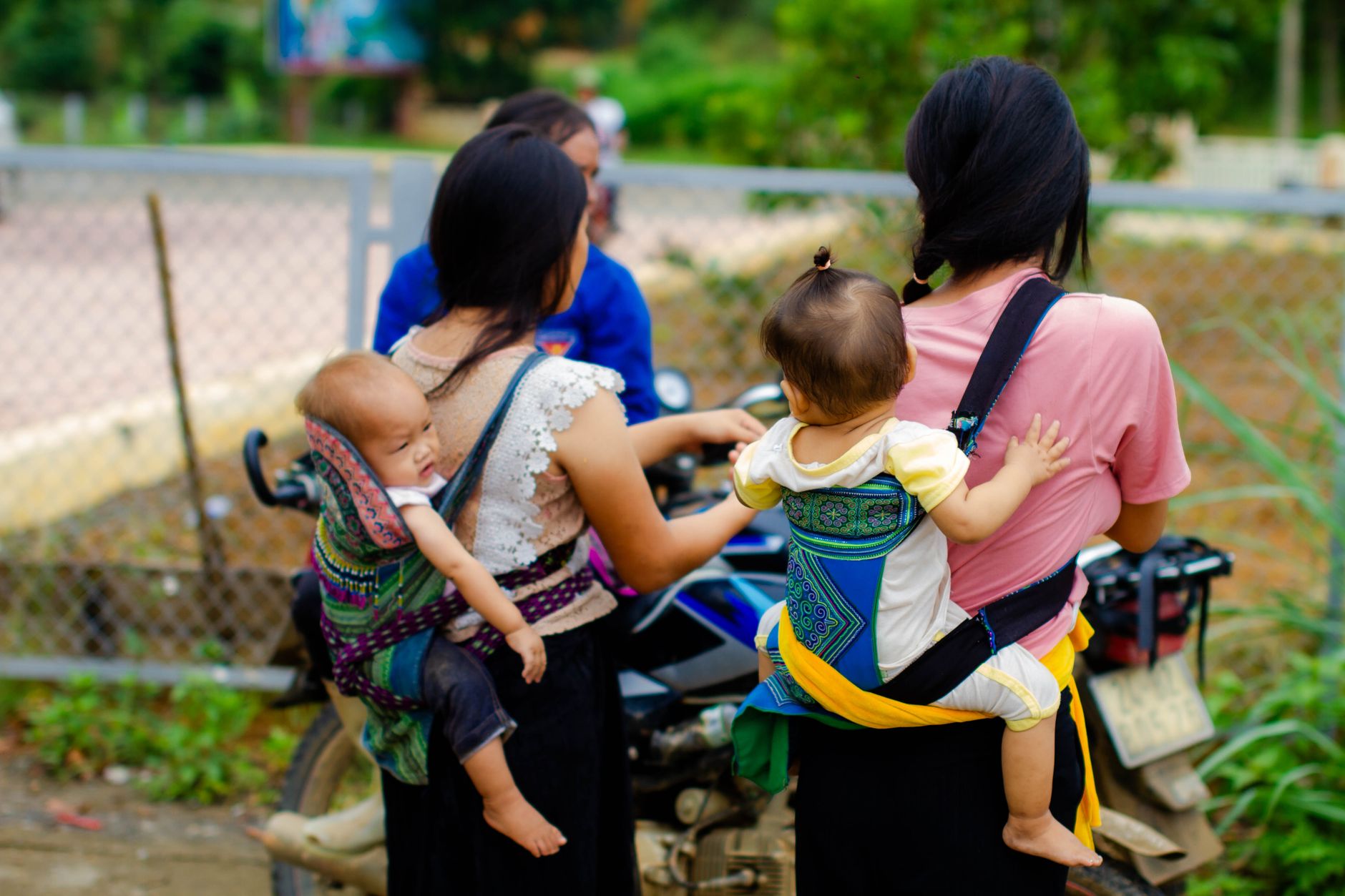
Comfort items such as a soft blanket, a favorite plush toy, and a well‑fitted infant carrier or sling can make a cramped seat feel more like home. Dress the baby in layers of breathable clothing; cabins can be cool, but the body’s temperature regulation is still developing. Finally, bring a small “flight kit” containing extra diapers, wipes, a pacifier (if used), and a change of clothes for both baby and parent.
Practice a short “trial run” a week before departure: take the baby on a 30‑minute car ride while using the same feeding and soothing tools you’ll bring on the plane. This rehearsal helps you gauge how well the baby adapts to a confined space and lets you adjust the kit accordingly.
Many parents find that a simple ear‑pressure technique—offering a bottle or pacifier during take‑off and landing—greatly reduces discomfort. If your baby is already accustomed to a particular lullaby or soft music, playing that track at a low volume can also help maintain a sense of familiarity amidst the cabin noise.
Best age to travel internationally with baby according to pediatricians
When you ask pediatricians about the best age to travel internationally with baby, the consensus clusters around three key ages:
- Under 2 months: Generally discouraged for non‑essential travel due to immature immunity and higher risk of dehydration.
- 2‑3 months: Considered acceptable if the infant is healthy, has had a recent well‑baby check, and the travel is brief (under 4 hours). For longer flights, many clinicians still advise waiting until 3 months.
- 3‑6 months: Usually the sweet spot. The baby’s immune system is more robust, they can tolerate a bottle or breastfeed more reliably, and they have better head‑control for using airline bassinets.
The American College of Obstetricians and Gynecologists (ACOG) and the Centers for Disease Control and Prevention (CDC) echo these recommendations, emphasizing that the decision also depends on the destination’s disease prevalence, the availability of medical care, and any planned activities that might expose the infant to additional hazards.
One of the most common pieces of advice from pediatricians is to schedule the flight after the infant’s first series of vaccines (usually at 2 months). This timing ensures the baby has at least partial protection against diseases like diphtheria, tetanus, and pertussis, which can be more common in crowded travel hubs.
International perspectives add nuance. In the United Kingdom, the NHS advises that infants with chronic health conditions—such as congenital heart disease or severe eczema—should be evaluated by a specialist before any overseas travel, often resulting in a recommended minimum age of 4 months for safety reasons.
Overall, most experts agree that waiting until the baby is at least 3 months old provides the optimal balance of safety and practicality, making it the most frequently cited best age to travel internationally with baby.
Passport and visa requirements for infants traveling abroad
Every country, including the United States, requires a passport for infants, regardless of age. The passport application process is similar to an adult’s, but you’ll need additional documentation:
- Proof of citizenship: Your own passport or birth certificate.
- Proof of parent‑child relationship: The infant’s birth certificate showing both parents’ names.
- Parental consent form: If only one parent is traveling, a notarised consent letter from the non‑traveling parent is often required.
- Passport photo: A recent, full‑face image of the baby against a white background. Even newborns get a passport photo—no need to smile.
Visas depend on the destination country. Some nations allow visa‑free entry for infants when traveling with a parent who holds a valid visa. Others require a separate visa application, which can be submitted online or at a consulate. Check the official embassy website of your destination for the most current infant visa rules.
When planning your trip, start the passport process at least six weeks before departure. In the U.S., routine processing takes about 8‑10 weeks, though expedited services are available for an extra fee. Keep a digital copy of the passport, visa, and consent letters on your phone, and carry the originals in a secure travel document holder.
If your baby holds dual citizenship, you may have the option to use the passport that offers the most visa‑friendly access. However, always travel with the passport that matches the airline ticket and the visa you have secured to avoid complications at customs.
Required vaccinations before traveling internationally with a baby
Vaccination requirements vary by country, but the CDC’s “Travelers’ Health” guidelines outline a baseline schedule for infants traveling abroad. Before a first international trip, ensure your baby has received the following routine vaccines:
- Hepatitis B (birth, 1‑month, 6‑month doses)
- Diphtheria, tetanus, and pertussis (DTaP) – at 2 months
- Polio (IPV) – at 2 months
- Haemophilus influenzae type b (Hib) – at 2 months
- Rotavirus – at 2 months
- Pneumococcal conjugate (PCV13) – at 2 months
If you’re traveling to regions where yellow fever, Japanese encephalitis, or meningococcal disease are endemic, additional vaccines may be recommended. The CDC advises that infants younger than 6 months are generally not eligible for the yellow‑fever vaccine, so a travel waiver may be required for entry into certain countries.
Schedule a pre‑travel appointment with your pediatrician at least 4 weeks before departure. This window allows time for any necessary vaccine series to begin and for the infant’s immune response to develop. Keep a copy of the International Certificate of Vaccination (the “yellow card”) with your travel documents.
Specialized travel‑health clinics can provide accelerated vaccine schedules for infants who need protection on short notice. These clinics also offer serology testing to confirm immunity, which can be useful for destinations that require proof of specific antibodies.
Airline policies and seat options for infants on overseas flights
Airlines differ in how they accommodate infants on international routes. Below is a comparison of major carriers that operate long‑haul flights from the U.S. and Europe, focusing on infant bassinets, seat‑selection policies, and fees.
When booking, look for the “infant” option during the reservation process. This will automatically add the necessary fees and reserve a bassinet if available. Remember that bassinets are first‑come, first‑served and may be withdrawn if the flight is overbooked, so confirm the request a few days before departure.
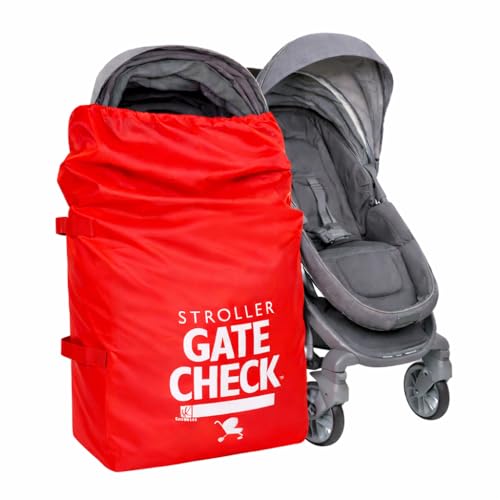
If you prefer a separate seat for the baby’s safety, most airlines require you to purchase a child ticket at a reduced rate. Some carriers also allow you to bring a FAA‑approved child safety seat; however, space is limited, and you’ll need to bring the seat’s certification paperwork.
Many airlines now provide a “family pre‑check” service at the gate, where cabin crew will assist with diaper changes, stowage of gear, and positioning of the bassinet. Calling the airline’s customer‑service line 48 hours before your flight can secure these accommodations and give you a point of contact in case of last‑minute changes.
How to manage jet lag and sleep schedules for babies on international trips
Jet lag can affect babies as early as 2 months old, disrupting feeding patterns and causing fussiness. The key to minimizing its impact is to gradually shift the baby’s schedule before you leave. Start adjusting bedtime and nap times by 15‑30 minutes each day, aiming to align with the destination’s time zone 3‑4 days before departure.
During the flight, keep the baby’s routine as consistent as possible. Use a familiar sleep sack, bring a portable white‑noise machine, and dim the cabin lights when it’s time to rest. If the flight crosses multiple time zones, try to feed the baby according to the new time zone’s meal schedule, even if it feels early or late at first.
Upon arrival, expose the baby to natural daylight during the morning hours. Sunlight helps reset the circadian rhythm for both infants and parents. Avoid overstimulation in the evening; keep the lights low and follow your usual bedtime routine—bath, lullaby, and a gentle rocking motion.
Most parents find that a short “nap reset” works well: let the baby nap for up to 90 minutes if needed, but avoid long daytime sleeps that could delay nighttime sleep. If your baby seems unusually irritable after the first 24 hours, remember that a few extra feedings or a soothing cuddle can help bridge the adjustment period.
Melatonin supplements are not recommended for infants, as safety data are lacking. Instead, rely on natural cues—light, feeding, and gentle motion—to guide the baby’s internal clock. A brief walk with the stroller in a sunny park can also reinforce the new schedule.
Essential travel gear and packing checklist for babies on long flights
Having the right gear can turn a stressful journey into a smooth adventure. Below is a comprehensive packing checklist broken down by category. Feel free to copy this list onto your phone or print it out for quick reference at the airport.
Pack the heavier items in your checked luggage (if you’re using it) and keep essentials—diapers, a change of clothes, feeding supplies, and documents—in your carry‑on. This way, you’re prepared for any delays or lost‑baggage scenarios. If you’re traveling with a partner, split the load so each person has a manageable share.
Digital health apps can streamline monitoring: a simple baby‑tracker app lets you log feedings, diaper changes, and sleep times, which can be especially handy when you’re in a new time zone. Adding a small emergency kit—containing a thermometer, a few oral rehydration salts, and a backup formula pouch—ensures you’re ready for the unexpected.

Travel insurance considerations for infants
Travel insurance isn’t just for adults; infants need coverage that addresses medical emergencies, trip cancellations, and lost belongings. Look for policies that specifically include “pediatric care” and provide a clear process for hospital admission abroad. Many insurers will cover the cost of a pediatrician’s visit, emergency evacuation, and even the purchase of a replacement formula if the original supply is lost.
When comparing plans, check the deductible amounts, the maximum benefit for medical expenses, and whether the policy includes a 24‑hour helpline that can assist in a foreign language. The International Association of Travel Insurance (IATI) recommends a minimum of $100,000 in medical coverage for infants traveling outside their home country.
Some credit‑card travel benefits automatically extend coverage to children under 18, but the limits may be lower than a dedicated family plan. Always read the fine print: certain pre‑existing conditions—such as a congenital heart defect—might be excluded unless you purchase a “pre‑existing condition rider.”
Navigating airport security with a baby
Airport security can feel daunting, especially when you’re holding a squirming infant. The Transportation Security Administration (TSA) in the U.S. and similar agencies worldwide allow you to keep your baby in a carrier or stroller while passing through the metal detector, but you’ll need to remove the carrier for a secondary screening if requested.
Liquids for infants—breast milk, formula, and juice—are exempt from the usual 100 ml limit, but you must declare them at the checkpoint. Pack them in a clear, resealable bag and be ready to show the quantity you intend to use during the flight. If you’re traveling with a breast‑pump, the device and any accessories are also allowed, though you may be asked to empty the bottle for inspection.
To speed up the process, have a small “security kit” ready: a zip‑lock bag for liquids, a copy of the baby’s birth certificate (to verify age if needed), and a quick‑access list of any medical devices. Many parents find that arriving at the security line early—at least 30 minutes before departure—reduces stress and gives them time to handle any unexpected checks.
Myth vs. fact
Myth: Babies under six months cannot fly safely.
Fact: While infants younger than two months are at higher risk, many airlines permit travel from birth onward. The AAP emphasizes that a healthy full‑term infant can fly safely with a medical clearance, regardless of age.
Myth: You must purchase a separate seat for any baby under one year.
Fact: Most carriers allow a lap infant free of charge, though you’ll need to purchase a seat if you want a bassinet or a child safety seat. Check each airline’s policy for specifics.
Myth: Travel vaccinations aren’t needed for infants under three months.
Fact: Routine childhood vaccines (e.g., DTaP, Hep B) are still recommended before travel. Some destinations may require additional vaccines that can be given as early as two months, but a medical professional will determine eligibility.
Key takeaways
- Aim for the best age to travel internationally with baby at 3‑4 months for optimal immunity and comfort.
- Obtain a passport for your infant and verify any visa or consent requirements well before departure.
- Ensure routine vaccinations are up to date; consult your pediatrician about destination‑specific shots.
- Choose an airline that offers bassinets or infant‑friendly seating, and request these services early.
- Pack a comprehensive gear checklist, focusing on diapers, feeding supplies, and soothing items.
- Gradually adjust sleep schedules before the trip and use familiar cues to manage jet lag.
- Consider travel insurance that covers medical care for infants and includes emergency evacuation.
- Know the security‑screening exemptions for breast milk and formula to breeze through checkpoints.
Frequently asked questions
Can a newborn fly internationally?
Yes, a newborn can fly internationally if they are medically cleared by a pediatrician, have a passport, and the airline allows lap infants. However, many experts advise waiting until the baby is at least 2‑3 months old to reduce infection risk and improve comfort.
Do babies need a passport to travel abroad?
Every infant, regardless of age, must have a valid passport for international travel. The application requires the baby’s birth certificate, parental identification, and a passport photo. Processing typically takes 8‑10 weeks in the U.S., so apply early.
What is the recommended age for a baby to travel by plane?
The consensus among pediatricians is that the safest window is between 2 and 6 months, with 3 months being the most commonly suggested age for long‑haul flights. This age balances immune development, feeding reliability, and the ability to sit upright.
How often should I feed my baby on a long flight?
Feed your baby at least every 2‑3 hours, or whenever they show hunger cues. The cabin’s low humidity can cause a dry mouth, so regular feeding helps keep the baby hydrated. For breastfed infants, nursing on demand is ideal; for formula‑fed babies, offer a bottle at similar intervals.
Are there any health risks for babies on international flights?
Potential risks include exposure to germs in crowded terminals, dehydration from low cabin humidity, and ear discomfort due to pressure changes. Mitigate these by ensuring up‑to‑date vaccinations, staying hydrated, using a pacifier or bottle during take‑off and landing, and consulting your pediatrician for any pre‑existing conditions.
What documents are required for a baby traveling overseas?
Key documents include a passport, any required visa, a signed consent letter if one parent is absent, and the infant’s vaccination record. Some countries also require an International Certificate of Vaccination (the “yellow card”). Keep both digital and printed copies.
How can I keep a baby comfortable on a plane?
Bring familiar sleep items (blanket, stuffed animal), use a white‑noise device, dress the baby in layers, and feed during ascent and descent to ease ear pressure. Request a bulkhead seat with a bassinet if possible, and keep a small bag of diapers and wipes within easy reach.
What should I do if my baby gets sick on the plane?
If your baby shows signs of fever, persistent coughing, or ear pain during the flight, alert a flight attendant right away. They can arrange for a seat change, provide a water bottle for hydration, and, if needed, coordinate with the airline’s medical team for an emergency landing. After landing, seek prompt care from a local pediatrician or urgent‑care clinic.
Can I use a car seat on an international flight?
Yes, many airlines allow FAA‑approved (or equivalent) child safety seats for infants. The seat must be forward‑facing only after the infant has outgrown the rear‑facing limit, usually around 12 months. Bring the seat’s certification paperwork and confirm the airline’s policy before booking, as space can be limited.
When to see a doctor / specialist
If your baby shows any of the following, contact your pediatrician or seek urgent care before traveling:
- Fever above 38 °C (100.4 °F) that doesn’t resolve within 24 hours.
- Persistent coughing, wheezing, or difficulty breathing.
- Signs of dehydration (dry mouth, no wet diapers for 6 hours).
- Ear pain or pulling at the ears during a flight.
- Recent diagnosis of a chronic condition (e.g., congenital heart disease) that may affect altitude tolerance.
These red‑flag symptoms warrant a medical clearance before you board. If you’re planning travel to a region with endemic diseases (e.g., malaria), consult a travel‑medicine specialist for additional precautions.
This article is for informational purposes only and does not replace personalized medical advice. Always discuss travel plans with your healthcare provider.
References
- American Academy of Pediatrics. “Travel Recommendations for Infants and Young Children.” AAP, 2023.
- Centers for Disease Control and Prevention. “Travelers’ Health: Infants and Children.” CDC, 2024.
- U.S. Department of State. “Passport Requirements for Minors.” State.gov, 2024.
- World Health Organization. “International Travel and Health: Vaccination Guidance.” WHO, 2023.
- Delta Air Lines. “Traveling with Infants and Children.” Delta.com, 2024.
- United Airlines. “Infant Travel Policies.” United.com, 2024.
- British Airways. “Traveling with Babies.” BA.com, 2024.
- Emirates. “Infant Travel Procedures.” Emirates.com, 2024.
- Singapore Airlines. “Travel with Infants.” SingaporeAir.com, 2024.
- American College of Obstetricians and Gynecologists. “Guidelines for Travel During Pregnancy and Postpartum.” ACOG, 2023.
- Transportation Security Administration. “Traveling with Children.” TSA.gov, 2024.
- International Association of Travel Insurance. “Travel Insurance Standards for Families.” IATI, 2023.