
Quick verdict: ⚠️ Working in a printing shop is generally safe during pregnancy if you minimize exposure to solvents and follow strict safety protocols, but some chemicals and processes carry risks—especially in the first trimester. Most obstetricians recommend limiting direct contact with printing chemicals and discussing workplace adjustments with your employer.
You’re staring at your phone at 2 am, heart pounding, when the question hits: is working in a printing shop safe during pregnancy? Maybe you’ve already been in the shop for months, or maybe this is your first day of a new job—and now you’re second-guessing. The truth is, printing shops aren’t inherently dangerous, but they’re not entirely risk-free either. The real question isn’t just “can I work here?” but how can I work here safely?
The answer depends on the chemicals you’re exposed to, the type of printing, and the safety measures in place. Some printing methods and protective equipment can drastically reduce risks, while others—like traditional solvent-based inks—require careful management. We’ll break down what’s safe, what’s not, and how to protect yourself (or switch jobs if needed) so you can breathe easier.
Below, you’ll find a trimester-by-trimester safety snapshot, a deep dive into the chemicals you might encounter, safer alternatives to traditional printing, and a list of protective measures that actually work. We’ll also compare this to other high-risk industries—because if you’re worried about printing, you’re not alone.
| Trimester / Stage | Safety Verdict | Key Notes |
|---|---|---|
| First Trimester | ⚠️ Caution required | Highest risk window for organ development. Avoid direct contact with solvents (e.g., xylene, toluene) and limit exposure to fumes. Use xylene-safe alternatives if possible. |
| Second Trimester | ⚠️ Moderate risk with precautions | Risks decrease slightly, but solvent exposure remains a concern. Prioritize ventilation, PPE, and low-chemical-printing methods. Discuss job modifications with your employer. |
| Third Trimester | ⚠️ Increased caution needed | Reduced physical strain is ideal, but chemical exposure should still be minimized. Avoid heavy lifting near printing machines and opt for remote or administrative roles if possible. |
| Breastfeeding | ⚠️ Avoid direct contact with chemicals | Solvents can transfer through skin contact or fumes. Wash hands thoroughly and avoid handling inks/chemicals immediately before feeding. Digital or low-chemical printing is safest. |
Is it safe to work in a printing shop during the first trimester?
The first trimester is the most critical period for fetal development, particularly the first 12 weeks when the brain, spinal cord, and major organs form. This is when the risk of birth defects from chemical exposure is highest. **What to do:** - **Avoid direct contact with solvents** (e.g., cleaning machines, handling inks). - **Wear a high-quality respirator** (NIOSH-approved) if you must work near fumes. - **Discuss job modifications** with your employer—can you be reassigned to a less hazardous role? - **Increase ventilation** in your workspace if possible (open windows, use air purifiers). **Red flags:** If you’re experiencing dizziness, nausea, headaches, or respiratory irritation after shifts, these could signal solvent exposure. See your doctor immediately if you notice any unusual symptoms. --- ###What chemicals in printing shops are risky for pregnant workers?
Not all printing shops use the same chemicals, but here are the most common high-risk substances: | **Chemical** | **Where You Might Encounter It** | **Pregnancy Risk** | **Safer Alternative** | |--------------------|----------------------------------------|-----------------------------------------------------------------------------------|-----------------------------------------------| | Xylene | Traditional ink cleaners | Linked to neural tube defects and miscarriage; see our guide. | Water-based cleaners or low-VOC alternatives. | | Toluene | Offset printing inks | Can cause developmental delays; classified as a reproductive toxin by OSHA. | Digital or UV-cured inks. | | Acetone | Ink removal, adhesive solvents | May irritate mucous membranes; high exposure linked to preterm birth. | Non-acetone-based cleaners. | | Lead | Some older inks and pigments | Toxic to the nervous system; can cause developmental delays. | Lead-free inks. | | Ethanol (alcohol) | Some digital inks and cleaners | Low risk in small amounts, but high exposure can affect fetal alcohol syndrome. | Water-based inks. | **Pro tip:** Ask your employer for a Material Safety Data Sheet (MSDS) for all chemicals in your workspace. This document lists safe exposure limits and hazards. --- ###How much exposure to solvents is safe for pregnant employees?
There is no safe level of exposure to teratogens, but OSHA and the National Institute for Occupational Safety and Health (NIOSH) set permissible exposure limits (PELs) for workplace chemicals. For example: - **Xylene**: OSHA’s PEL is **100 ppm (parts per million) over an 8-hour shift**. Pregnant workers should aim for well below this limit. - **Toluene**: OSHA’s PEL is **200 ppm**. Again, minimize exposure. - **VOCs**: The EPA recommends keeping indoor VOC levels below **0.3 mg/m³** for long-term exposure. **Practical steps to reduce exposure:** 1. **Work in a well-ventilated area** (or use a respirator if ventilation is poor). 2. **Avoid handling chemicals directly**—use gloves, tongs, or automated systems. 3. **Take frequent breaks** outside or in a fresh-air zone. 4. **Wash your hands thoroughly** after handling inks or solvents. --- ###Are there safer alternatives to traditional printing for pregnant workers?
If you’re concerned about chemical exposure, switching to a safer printing method can make a big difference. Here are the best options:- Digital printing: Uses water-based or UV-cured inks with minimal solvents. Ideal for documents, photos, and packaging.
- Laser printing: Produces very little fume or chemical exposure (though toner dust can irritate lungs—wear a mask if handling large quantities).
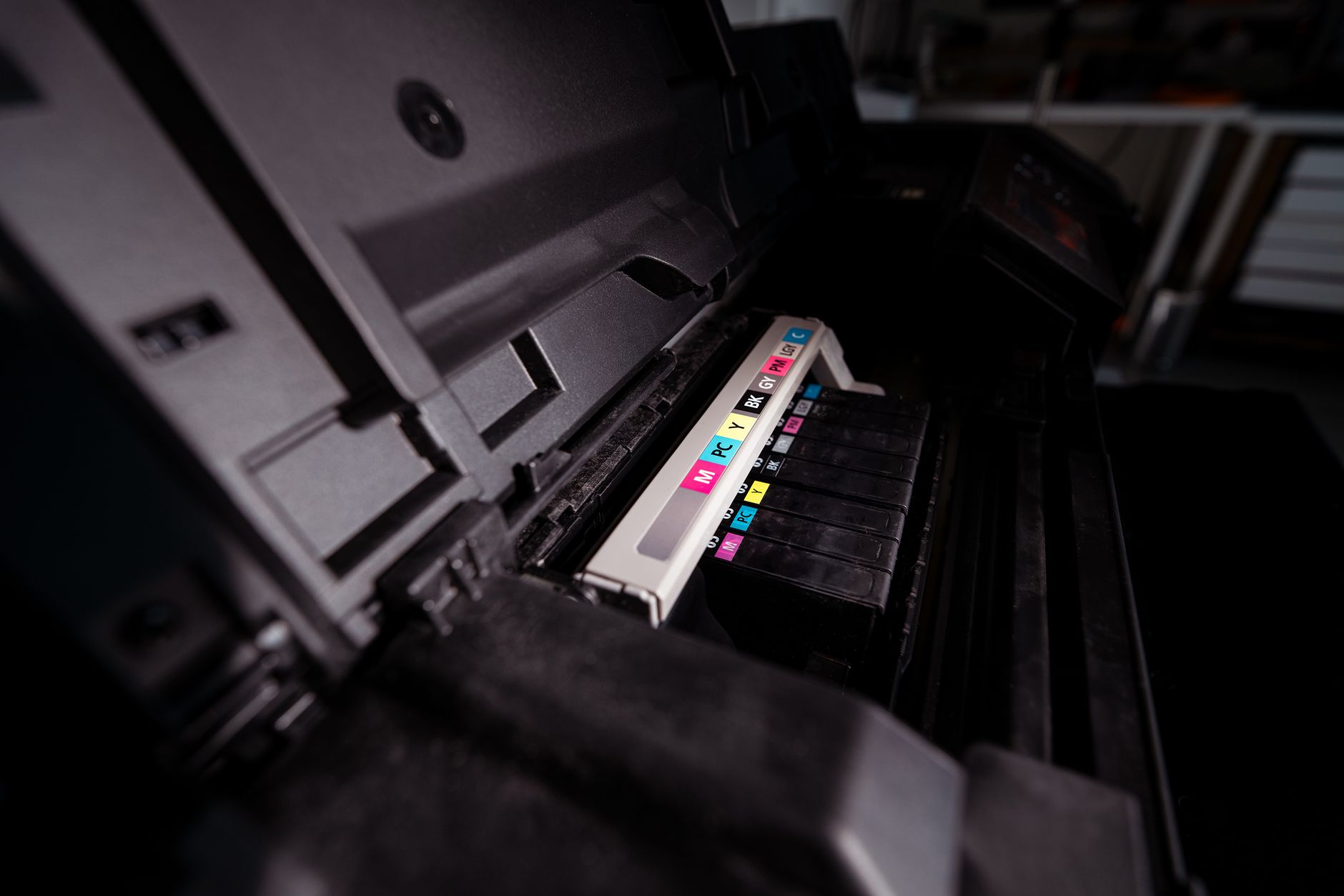
- Inkjet printing: Often uses water-based inks with low VOCs. Great for small-batch or on-demand printing.
- 3D printing: Uses resins or filaments that are generally safer than traditional inks, though some materials (like certain plastics) may require ventilation.
- Screen printing with low-volatile inks: Some screen-printing shops use water-based or solvent-free inks, reducing fume exposure.
- Office administrative work: If you’re already in a printing shop, ask if you can transition to design, customer service, or billing—roles with no chemical exposure.
- Remote printing services: Some companies allow pregnant employees to work from home, overseeing printing projects digitally.
Which printing shop brands have lower chemical emissions?
If you’re evaluating a specific printing shop, ask about the brands and technologies they use. Here are some safer options to look for: | **Printing Method** | **Brands/Technologies to Seek Out** | **Why It’s Safer** | |---------------------------|-------------------------------------------------------------|------------------------------------------------------------------------------------| | Digital Printing | HP Indigo, Xerox Phaser, Epson SureColor | Water-based or UV-cured inks; minimal solvent use. | | Laser Printing | Any modern laser printer (e.g., Canon, Brother) | Toner dust is the main concern; use a respirator if handling large quantities. | | Inkjet Printing | Epson EcoTank, Canon PIXMA Pro | Low-VOC inks; some models are EPA Safer Choice-certified. | | 3D Printing | Formlabs, Stratasys (with proper ventilation) | Resins vary; some contain solvents—ensure the shop uses low-odor, low-VOC materials. | | Screen Printing | Speedball, SilkScreen (with water-based inks) | Traditional screen printing uses solvents; ask if they use solvent-free inks. | **Pro tip:** If a shop uses traditional offset printing, ask if they’ve upgraded to water-based inks or low-VOC solvents. Many older shops are transitioning to safer methods as regulations tighten. --- ##What are the side effects of solvent exposure during pregnancy?
Solvents like xylene, toluene, and acetone can affect both you and your baby in several ways. Here’s what to watch for: ### **Short-term effects (immediate risks):** - **Respiratory irritation**: Coughing, wheezing, or sore throat from inhaling fumes. - **Headaches and dizziness**: Common signs of solvent exposure, especially in poorly ventilated areas. - **Nausea or vomiting**: Can worsen morning sickness or cause new-onset nausea. - **Skin irritation**: Redness, itching, or rashes from direct contact with inks or solvents. ### **Long-term or chronic effects (if exposure is repeated or high):** - **Increased risk of miscarriage**: Some studies link high solvent exposure to early pregnancy loss. - **Developmental delays**: Fetal exposure to toluene or xylene may affect brain development, leading to lower IQ or learning difficulties in childhood. - **Preterm birth**: Chronic exposure to VOCs or solvents is associated with an increased risk of preterm labor. - **Respiratory issues for the baby**: If you inhale high levels of fumes, your baby may develop asthma or allergies later in life. **If you experience any of these symptoms after work, it’s worth discussing with your doctor—especially if they persist.** --- ##Can pregnant workers in printing shops use protective equipment to reduce risk?
Yes! Protective equipment (PPE) can significantly reduce your exposure to solvents and chemicals. Here’s what to prioritize: ### **Essential PPE for Printing Shops:** 1. **Respirator (NIOSH-approved)**: A well-fitted N95 or organic vapor respirator filters out solvents and fumes. Never use a regular dust mask—it won’t protect against gases. 2. **Nitrile gloves**: Protect your hands from direct contact with inks and solvents. Avoid latex (which can cause allergies). 3. **Safety goggles**: If you’re handling liquids or cleaning machines, goggles prevent eye irritation. 4. **Protective clothing**: Long sleeves and pants made of non-porous material (like Tyvek) can reduce skin absorption of chemicals. 5. **Aprons or coveralls**: If you’re working with large quantities of inks, a disposable or washable apron keeps solvents off your clothes. ### **How to Ensure PPE Works:** - **Fit-test your respirator**—ill-fitting masks don’t protect. - **Change gloves frequently** if they become contaminated. - **Wash your hands** before eating, drinking, or touching your face. - **Store PPE properly**—respirators should be cleaned and stored in a dry place. **Note:** If your employer doesn’t provide PPE, ask for it. Under OSHA regulations, employers are required to supply necessary protective gear for pregnant workers in hazardous environments. --- ## Safer alternatives to traditional printing If you’re looking to switch to a safer role or shop, here are the best options ranked by risk level:- Digital printing (water-based or UV-cured inks): Lowest risk. Uses minimal solvents and is widely available in modern print shops.
- Office administrative work: No chemical exposure. If you’re already in a printing shop, ask if you can transition to design, customer service, or billing.
- Remote printing oversight: Zero in-person risk. Some companies allow pregnant employees to manage printing projects from home.
- Laser printing (with toner dust precautions): Low risk if using a respirator. Toner dust is the main concern, but it’s far safer than solvents.
- Inkjet printing (low-VOC inks): Moderate risk. Some inkjet printers use water-based inks, but always check the MSDS for VOC content.
- 3D printing (with proper ventilation): Moderate risk. Resins can contain solvents; ensure the shop uses low-odor, low-VOC materials.
- Screen printing with water-based inks: Moderate risk. Traditional screen printing uses solvents, but some shops offer solvent-free alternatives.
| Work Environment | Safety Verdict | Key Notes |
|---|---|---|
| Chemo patients | ❌ Best avoided | Chemotherapy drugs are known teratogens—even indirect exposure carries risks. Do not work in oncology wards. |
| TB patients | ⚠️ High risk if unprotected | TB bacteria can be inhaled; wear an N95 respirator and avoid direct patient contact. See our guide. |
| MRI machines | ⚠️ Safe with precautions | MRI machines use no ionizing radiation, but strong magnetic fields can pose risks. Wear a radiation badge and avoid standing near the magnet. |
| X-ray radiology | ❌ Best avoided | X-rays use ionizing radiation, which can harm the fetus. Wear a lead apron and limit exposure, but no safe level exists. |
| Chemical lab work | ⚠️ High risk without controls | Many lab chemicals are teratogens. Wear full PPE and avoid handling unknown substances. |
| Paint manufacturing | ❌ Best avoided | Contains high levels of VOCs and heavy metals. Switch to a non-manufacturing role if possible. |
| Pharmaceutical manufacturing | ⚠️ Moderate risk | Some drugs are teratogenic—ask for a cleanroom assignment or administrative work. See chemo risks. |
| Cosmetics production | ⚠️ Moderate risk | Some ingredients (e.g., phthalates) are linked to developmental issues. Wear gloves and avoid skin contact. |
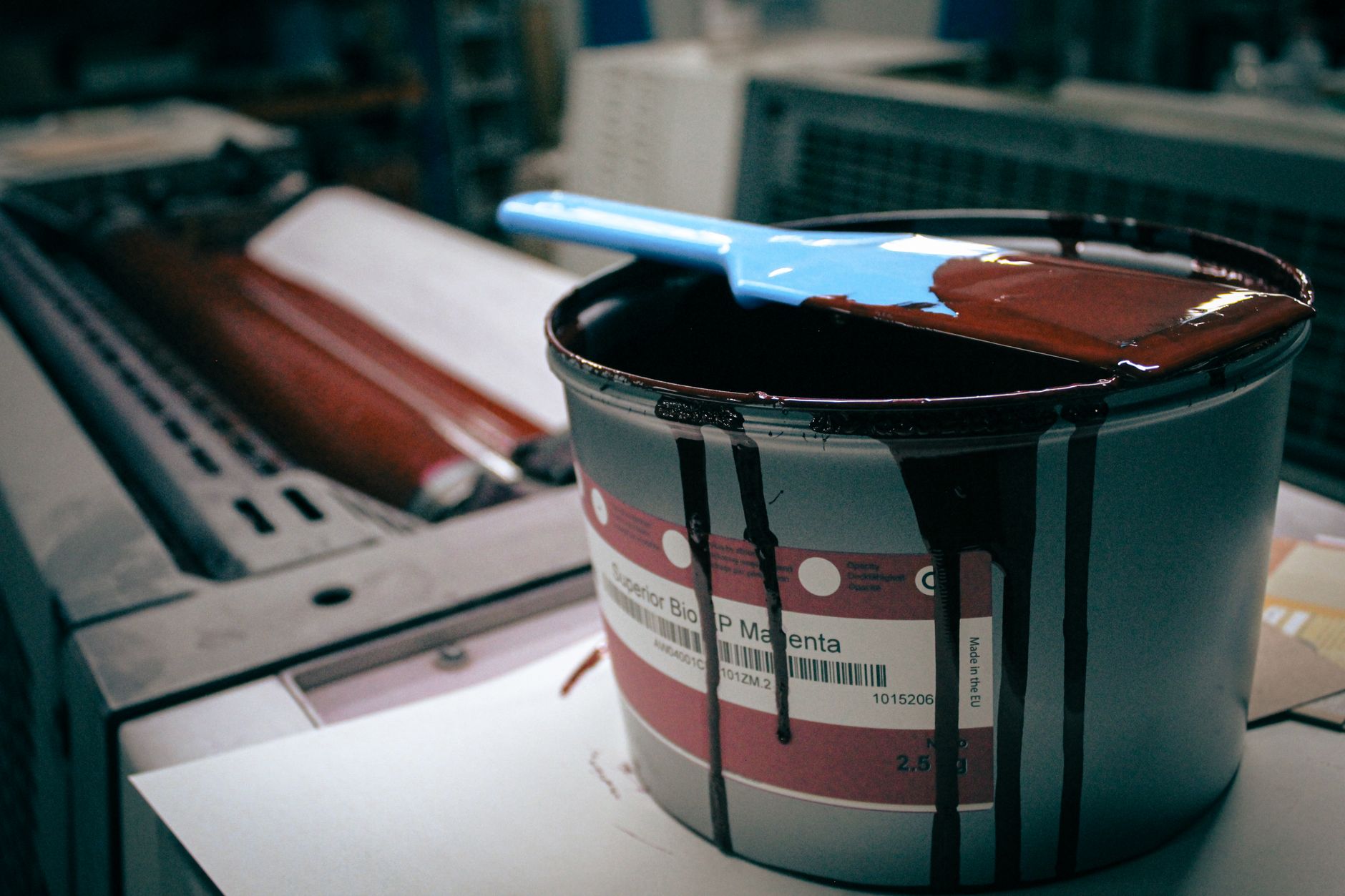
| Printing press operator | ⚠️ Moderate risk | Highest exposure to solvents and fumes. Use a respirator and limit direct contact. |
| Printing press maintenance | ⚠️ High risk | Cleaning machines exposes you to high solvent levels. Avoid this role if pregnant. |
Is it safe to work in a printing shop during pregnancy?
It’s possible but requires precautions. Traditional printing shops use solvents like xylene and toluene, which are teratogens and should be avoided during pregnancy. If you must work there, minimize direct contact with chemicals, use a respirator, and work in a well-ventilated area. If possible, switch to a digital or administrative role. Always discuss your concerns with your employer and healthcare provider. ###What chemicals are used in printing shops that could harm a fetus?
The most concerning chemicals in printing shops include: - **Xylene and toluene** (found in traditional inks and cleaners—linked to neural tube defects). - **Acetone** (used in ink removal—can irritate the respiratory system). - **VOCs (volatile organic compounds)** (found in many inks and adhesives—may contribute to preterm labor). - **Heavy metals** (like lead or cadmium in some pigments—can affect fetal brain development). **Action step:** Ask your employer for a Material Safety Data Sheet (MSDS) for all chemicals in your workspace. ###Can pregnant women work in a printing press?
Pregnant women can work in a printing press, but with major precautions. The biggest risks are: - **Solvent fumes** from inks and cleaners. - **Repetitive motions** (e.g., handling heavy paper rolls). - **Noise exposure** (can contribute to stress). **Safer options:** - Wear a respirator when near fumes. - Avoid maintenance tasks (cleaning machines is the highest-risk activity). - Request a desk job (design, customer service, or billing). ###What safety measures should pregnant workers take in a printing shop?
Here’s your checklist for safety: 1. **Use a NIOSH-approved respirator** (N95 or organic vapor) when near solvents. 2. **Wear nitrile gloves** to avoid skin absorption of chemicals. 3. **Work in a well-ventilated area**—open windows or use air purifiers. 4. **Avoid handling chemicals directly**—use tongs or automated systems. 5. **Wash your hands thoroughly** after work (before eating or touching your face). 6. **Discuss job modifications** with your employer (e.g., desk work or remote oversight). 7. **Monitor for symptoms** (headaches, nausea, dizziness)—see your doctor if they persist. ###Are there safer printing methods for pregnant workers?
Yes! These methods carry far lower chemical risks: - **Digital printing** (uses water-based or UV-cured inks). - **Laser printing** (toner dust is the main concern—wear a mask if handling large quantities). - **Inkjet printing** (low-VOC inks are safest). - **3D printing** (with proper ventilation and low-VOC resins). - **Screen printing with water-based inks** (ask if your shop offers this). **Ask your employer:** *"Do you offer any of these safer printing methods?"* ###Do printing shop workers need special protective gear during pregnancy?
Absolutely. Pregnant workers in printing shops should use: - **Respirator (N95 or organic vapor)** to filter out solvent fumes. - **Nitrile gloves** to prevent skin absorption of chemicals. - **Safety goggles** if handling liquids. - **Protective clothing** (long sleeves, aprons) to reduce chemical contact. **Note:** If your employer doesn’t provide PPE, ask for it. OSHA requires employers to supply necessary protective gear for pregnant workers in hazardous environments. ###What are the risks of solvent exposure for pregnant workers?
Solvents like xylene, toluene, and acetone can pose several risks to pregnancy: - **First-trimester miscarriage**: High exposure may increase the risk of early pregnancy loss. - **Neural tube defects**: Solvents can interfere with fetal brain and spinal cord development. - **Preterm birth**: Chronic exposure to VOCs is linked to an increased risk of delivering early. - **Developmental delays**: Fetal exposure may affect cognitive development later in childhood. - **Respiratory issues**: Inhaling fumes can irritate your lungs and may contribute to asthma or allergies in your baby. **If you’re exposed, watch for symptoms** like headaches, nausea, or dizziness after work. --- ## When to call your doctor Contact your healthcare provider immediately if you experience any of these after working in a printing shop: - **Severe headaches or dizziness** (could indicate solvent poisoning). - **Nausea or vomiting that persists** beyond morning sickness. - **Shortness of breath or wheezing** (signs of respiratory irritation). - **Skin rashes or burns** from chemical contact. - **Bleeding or spotting** (could indicate miscarriage risk). - **Fever or flu-like symptoms** (may signal infection from poor ventilation). **If you’re unsure whether your symptoms are related to work, trust your gut—call your doctor.** Many pregnant women worry unnecessarily, but it’s better to be safe than sorry. --- ## References 1. American College of Obstetricians and Gynecologists (ACOG): Guidelines on occupational hazards during pregnancy. 2. National Institute for Occupational Safety and Health (NIOSH): Recommendations for pregnant workers in chemical environments. 3. Occupational Safety and Health Administration (OSHA): Permissible exposure limits for solvents in the workplace. 4. U.S. Environmental Protection Agency (EPA): Safer Choice Program for low-VOC products. 5. CDC Morbidity and Mortality Weekly Report (2018): Occupational solvent exposure and pregnancy outcomes. ---