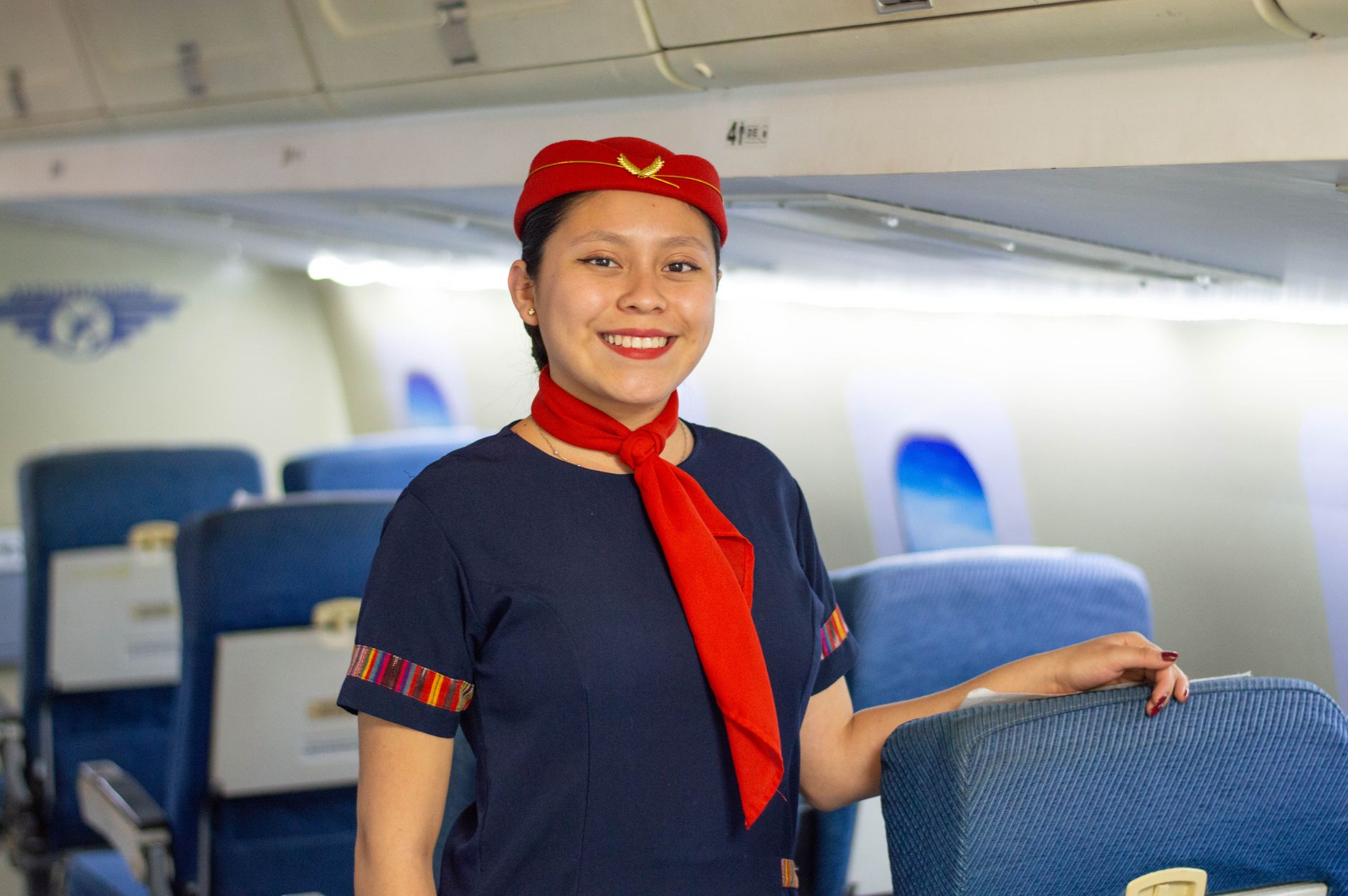
Is working as a flight attendant safe during pregnancy? Safe in first trimester with precautions; learn FAA guidelines and health risks here.
By Shubhra Mishra — a mom of two who turned her own confusion during pregnancy into BumpBites, a global mission to make food choices clear, safe, and stress-free for every expecting mother. 💛
Check whether any food is safe during pregnancy with the BumpBites Food Safety Checker.
Quick verdict: ✅ Generally safe with precautions, but not universally recommended after the first trimester due to altitude, cabin pressure, and ergonomic risks. Most airlines allow pregnant flight attendants to continue working with medical clearance and modified duties, but individual health and trimester matter.
It’s 3 a.m., and you’re scrolling through flight schedules one last time before your 6 a.m. departure—only to realize you’re now six weeks pregnant. The panic sets in: Is working as a flight attendant safe during pregnancy? You’ve loved your job for years, but now the altitude, long hours, and physical demands feel like a minefield. Maybe you’ve already missed a few days sick with morning sickness, or maybe you’re just worried about the unknowns—like whether cabin pressure could affect your baby’s development. You’re not alone: many flight attendants wonder if their career can coexist with pregnancy, especially as airlines have varying policies and the science on altitude exposure during pregnancy is nuanced.
Here’s the truth: working as a flight attendant during pregnancy is possible for many women, but it’s not one-size-fits-all. The answer depends on your trimester, your airline’s policies, your health, and how you manage risks like fatigue, ergonomics, and altitude. Some women continue flying through all three trimesters with accommodations, while others transition to ground roles or take leave after the first trimester. The key is understanding the risks, knowing when to adjust duties, and having a plan for medical monitoring. This guide breaks down everything you need to know—from trimester-by-trimester safety to safer alternatives—so you can make an informed decision for your health and your baby’s.
If you’re already pregnant and working as a flight attendant—or considering it—take a deep breath. Most pregnant women can continue flying with precautions, but the safest approach varies. Below, we’ll explore the science, airline policies, and practical steps to keep you and your baby safe in the sky.
Trimester
Verdict
Notes
First Trimester
⚠️ Safe with limits
Generally allowed with medical clearance; avoid long-haul flights (>4 hours) and high-altitude routes. Fatigue and nausea risks are highest.
Second Trimester
⚠️ Safe with precautions
Many airlines permit continued flying with modified duties (e.g., no heavy lifting, reduced long-haul flights). Monitor for dehydration and pressure changes.
Third Trimester
⚠️ Best avoided after 36 weeks
Most airlines require leave; labor can start unexpectedly during flights. Avoid turbulence and long waits at high altitudes.
Breastfeeding
✅ Safe
No restrictions; cabin air quality is safe for breastfeeding mothers. Focus on hydration and rest.
---
What is working as a flight attendant?
Working as a flight attendant is a dynamic career that combines customer service, safety training, and physical stamina. Flight attendants ensure passenger comfort, manage in-flight emergencies, and adhere to strict airline protocols—all while navigating the unique challenges of flying, including cabin pressure changes, turbulence, and long hours. The job requires standing for extended periods, bending, lifting, and responding to unpredictable situations, which can become more physically demanding during pregnancy.
Flight attendants work in various roles beyond the cabin, such as training new hires, managing customer service on the ground, or overseeing safety compliance. However, the core duties of a flying flight attendant—such as assisting passengers, securing the cabin during turbulence, and preparing for takeoff and landing—pose distinct risks during pregnancy, particularly related to altitude, cabin pressure, and ergonomics. The International Civil Aviation Organization (ICAO) and the Federal Aviation Administration (FAA) regulate flight safety, but pregnancy-specific guidelines are less clear-cut, leaving much of the decision-making to individual airlines and medical providers.
For many women, the decision to continue working as a flight attendant during pregnancy comes down to balancing career stability with health precautions. Some airlines offer accommodations, such as reduced flight hours or modified duties, while others may require leave after a certain point. Understanding these nuances—and knowing when to prioritize your health—is crucial.
---
Is working as a flight attendant safe during pregnancy?
T
he short answer is: it depends. While there’s no definitive ban on pregnant flight attendants flying, the risks are real and vary by trimester, airline policy, and individual health. The primary concerns revolve around altitude exposure, cabin pressure, fatigue, and physical demands. Research on pregnancy and aviation is limited, but obstetric and aviation medicine experts generally agree that short flights at lower altitudes are lower-risk than long-haul or high-altitude routes.
The American College of Obstetricians and Gynecologists (ACOG) does not provide specific guidelines for flight attendants, but it advises pregnant women to avoid unnecessary travel during the first trimester and to consult their provider about travel in later trimesters. The FDA and CDC emphasize that cabin altitude (around 6,000 feet) is generally safe for most pregnant women, but prolonged exposure or high-altitude flights (>8,000 feet) may pose risks, particularly to those with pre-existing conditions like anemia or heart disease.
Most airlines follow the ICAO recommendation to allow pregnant flight attendants to continue flying until 36 weeks, after which they are typically required to take leave. However, policies vary: some airlines may restrict pregnant attendants from flying after 28 weeks, while others allow it until 32 weeks. The key is individualized medical clearance—your provider will assess your health, the specific flights you’re assigned, and any complications (e.g., pre-eclampsia or placenta previa) to determine what’s safest for you.
Common misconceptions include the idea that all pregnant flight attendants must stop flying entirely or that cabin pressure is harmless. In reality, the risks are manageable with precautions—like avoiding long-haul flights, staying hydrated, and monitoring for symptoms like dizziness or shortness of breath. The safest approach is to work with your airline’s human resources and healthcare provider to create a plan that balances your career and your health.
---
Is it safe to work as a flight attendant during the first trimester of pregnancy?
The first trimester is the most critical window for pregnancy, as organs and systems develop. For flight attendants, this means minimizing exposure to altitude, fatigue, and stress. Most airlines allow pregnant attendants to continue flying during the first trimester, but with restrictions:
Avoid long-haul flights (>4 hours) due to increased fatigue and dehydration risks.
Limit high-altitude routes (e.g., flights to Denver or Mexico City, where cabin altitude may exceed 8,000 feet).
Monitor for symptoms of altitude sickness (headache, nausea, dizziness) and report them immediately.
Prioritize rest between flights and avoid standing for extended periods without breaks.
If you’re experiencing severe morning sickness or fatigue, your airline may require you to take medical leave until symptoms improve. Some attendants switch to ground roles (e.g., training or customer service) during this time. Always consult your provider before continuing to fly, especially if you have a history of miscarriage or complications.
---
What are the risks of working as a flight attendant during the second trimester?
By the second trimester, many pregnant women feel more energized, and the risks of altitude and fatigue are slightly reduced. However, ergonomic challenges and cabin pressure changes remain concerns. Here’s what to watch for:
Dehydration: Cabin air is dry, and long flights can exacerbate nausea or constipation. Stay hydrated with water and avoid caffeine.
Pressure changes: During takeoff and landing, sudden pressure shifts can cause ear discomfort or mild bleeding (epistaxis). Chewing gum or using nasal saline sprays can help.
Physical demands: Lifting overhead bins or assisting passengers may strain your back or abdomen. Request modifications if needed.
Turbulence: Anxiety about turbulence can trigger stress, which may affect your baby. Practice relaxation techniques.
Most airlines permit pregnant attendants to continue flying in the second trimester, but some may restrict them from flying after 28 weeks. Check your airline’s policy and work with your provider to adjust duties—for example, reducing long-haul flights or avoiding routes with high-altitude airports.
---
How much cabin pressure exposure is safe for pregnant flight attendants?
Cabin altitude on commercial flights averages around 6,000 feet, which is generally considered safe for most pregnant women. However, prolonged exposure or high-altitude flights can pose risks, particularly to those with pre-existing conditions like:
Anemia
Heart disease
Pulmonary hypertension
Severe pre-eclampsia
The FAA’s Aeromedical Certification Division notes that healthy pregnant women can typically tolerate cabin altitude without issue, but individuals with respiratory or cardiovascular conditions may need to avoid flying entirely. If you’re assigned to high-altitude routes (e.g., flights to Colorado or the Andes), discuss alternatives with your airline.
Key takeaway: Most pregnant flight attendants can safely fly at standard cabin altitudes, but limit long-haul or high-altitude flights and monitor for symptoms like dizziness or shortness of breath.
---
Are there safer airline companies for pregnant flight attendants?
Not all airlines treat pregnant flight attendants the same way. Some companies are more accommodating, offering flexible policies and medical support, while others have stricter leave requirements. Here’s a snapshot of how major airlines typically handle pregnant attendants:
Airlines
Typical Policy
Notes
Delta Air Lines
Fly until 36 weeks; medical clearance required
Offers flexible scheduling and ground assignments if needed.
United Airlines
Fly until 36 weeks; no long-haul flights after 32 weeks
Provides ergonomic aids (e.g., back supports) and rest breaks.
American Airlines
Fly until 36 weeks; medical clearance required
Restricts flights over 6 hours after 28 weeks.
Southwest Airlines
Fly until 36 weeks; no long-haul flights after 32 weeks
Encourages attendants to transition to ground roles in the third trimester.
British Airways
Fly until 36 weeks; no flights over 5 hours after 32 weeks
Follows NHS guidelines for pregnant travelers.
If you’re considering switching airlines, ask about their pregnancy policies during the hiring process. Some companies also offer pregnancy support programs, including mental health resources and ergonomic assessments. For example, Delta’s "Mom & Baby" program provides prenatal care navigation and flexible scheduling.
---
What alternatives can pregnant flight attendants consider to reduce risk?
If flying becomes too risky or uncomfortable, many airlines offer alternatives that allow you to stay in the workforce while reducing exposure to altitude and physical demands. Here are some safer options:
Ground crew duties — Work in customer service, training, or operations without flying.
Airlines customer service desk — Handle passenger inquiries and reservations from the ground.
Flight attendant training instructor — Teach new hires safety protocols and procedures.
Airport security staff — Work in security or passenger screening roles.
Flight attendant wellness program coordinator — Lead health and wellness initiatives for cabin crew.
Many attendants transition to these roles seamlessly, especially if they have prior experience in training or operations. Check with your airline’s human resources team to explore options—some companies even offer temporary assignments to accommodate pregnancy.
---
Can pregnant flight attendants use anti-nausea medication while flying?
If you’re suffering from morning sickness or pregnancy-related nausea, anti-nausea medications can be a lifesaver—but some are safer than others during pregnancy. The ACOG recommends:
Safe options:
Doxylamine (Unisom) — an antihistamine approved for nausea in pregnancy.
Vitamin B6 (pyridoxine) — often combined with doxylamine in medications like Diclectin.
Ginger supplements or ginger tea — may help mild nausea.
Over-the-counter cold remedies with pseudoephedrine or phenylephrine.
If you’re flying and need medication, always check with your provider first. Some airlines may also provide access to on-board medical kits with pregnancy-safe options. For severe nausea, consider requesting a ground assignment or medical leave until symptoms improve.
---
What conditions make it unsafe for pregnant flight attendants to work?
While most pregnant flight attendants can continue flying with precautions, certain medical conditions or complications may require you to stop working entirely. These include:
Pre-eclampsia or gestational hypertension — High blood pressure can be exacerbated by stress or dehydration.
Placenta previa or placental abruption — Flying may increase the risk of bleeding or preterm labor.
Severe anemia — Low oxygen levels may be compounded by cabin altitude.
Heart or lung conditions — Such as pulmonary hypertension or congenital heart disease.
Multiple gestation (twins, triplets) — Higher risk of complications, including preterm labor.
History of preterm labor or miscarriage — Flying may not be recommended until after 36 weeks.
If you have any of these conditions, consult your provider and your airline’s medical department to determine the safest course of action. Some airlines may require you to take leave, while others may allow modified duties (e.g., no long-haul flights). Never ignore symptoms like severe headache, vision changes, or vaginal bleeding—these require immediate medical attention.
---
How does altitude affect pregnancy for flight attendants?
Altitude exposure during pregnancy is a well-documented concern, but the risks are often overstated. Here’s what the science says:
Cabin altitude (6,000 feet) is generally safe for healthy pregnant women. The FDA and CDC state that most women can fly without issue, but prolonged exposure or high-altitude flights may pose risks.
Oxygen levels drop at higher altitudes, which could theoretically affect fetal oxygenation. However, modern aircraft are pressurized to maintain oxygen levels similar to sea level.
Symptoms to watch for include dizziness, shortness of breath, or fatigue—signs you may need to descend or rest.
Turbulence can increase stress, which may affect your baby. Practice relaxation techniques or request turbulence-free routes if possible.
Key takeaway: Most pregnant flight attendants can safely fly at standard cabin altitudes, but limit long-haul or high-altitude flights and monitor for symptoms. If you’re assigned to a flight with significant altitude changes, request a ground assignment or medical clearance.
---
What safety protocols exist for pregnant flight attendants on long-haul flights?
If you’re assigned to a long-haul flight during pregnancy, your airline should provide protocols to minimize risks. Here’s what to expect:
Hydration breaks — Attendants are encouraged to drink water and use onboard hydration stations.
Ergonomic aids — Back supports, anti-fatigue mats, and adjustable workstations may be provided.
Reduced physical demands — Lifting restrictions and assistance with overhead bins.
Medical monitoring — Some airlines require pre-flight medical checks for pregnant attendants.
Turbulence management — Training on how to stay calm and secure passengers during rough air.
If you’re flying long-haul, request a seat near the front of the cabin to minimize walking and standing. Avoid standing for extended periods, and use the galley or rest areas to rest. Always inform your captain and crew of your pregnancy so they can assist you as needed.
---
Many airlines offer ergonomic aids and modified duties for pregnant flight attendants.
---
Myth vs. fact
Myth: "All pregnant flight attendants must stop flying after the first trimester."
Fact: Most airlines allow pregnant attendants to continue flying until 36 weeks with medical clearance and precautions. Policies vary by airline and individual health.
Myth: "Cabin pressure is harmless and poses no risk to pregnancy."
Fact: While standard cabin altitude (6,000 feet) is generally safe, prolonged exposure or high-altitude flights may pose risks, particularly for those with pre-existing conditions.
Myth: "Flight attendants can’t work at all if they’re pregnant."
Fact: Many attendants transition to ground roles (e.g., training, customer service, or operations) while continuing to work for their airline.
---
Key takeaways
First trimester: Limit long-haul and high-altitude flights; prioritize rest and hydration.
Second trimester: Continue flying with precautions (e.g., reduced long-haul flights, ergonomic aids) if your provider approves.
Third trimester: Most airlines require leave after 36 weeks; avoid flying if you’re experiencing complications.
Cabin pressure: Standard altitude (6,000 feet) is generally safe, but monitor for symptoms like dizziness or fatigue.
Alternatives: Ground roles (e.g., training, customer service) allow you to stay in the airline industry without flying.
Medical clearance: Always consult your provider and your airline’s medical department before continuing to fly.
Listen to your body: If you’re experiencing severe symptoms (e.g., bleeding, severe headache), stop flying and seek medical attention.
---
Frequently asked questions
Is it safe to fly while pregnant?
Yes, for most healthy pregnant women. The ACOG advises against unnecessary travel during the first trimester but does not ban flying in later trimesters. Cabin altitude (around 6,000 feet) is generally safe, but long-haul or high-altitude flights may pose risks. Always consult your provider before flying, especially if you have complications.
Can pregnant women work on planes?
Many can, with precautions. Most airlines allow pregnant flight attendants to continue flying until 36 weeks with medical clearance. However, policies vary: some restrict long-haul flights after 28 weeks, while others allow it until 32 weeks. If you’re experiencing severe symptoms (e.g., fatigue, nausea, or breathing difficulties), discuss alternatives like ground roles with your airline.
What are the risks of pregnancy for flight attendants?
The primary risks include altitude exposure, fatigue, dehydration, and physical demands. Long-haul flights can exacerbate nausea or constipation, while cabin pressure changes may cause ear discomfort or mild bleeding. If you have pre-existing conditions (e.g., anemia or heart disease), flying may not be recommended. Monitor for symptoms like dizziness, shortness of breath, or vaginal bleeding—these require immediate medical attention.
Do airlines provide special accommodations for pregnant flight attendants?
Yes, many do. Accommodations may include reduced flight hours, ergonomic aids (e.g., back supports), hydration breaks, and medical monitoring. Some airlines also offer flexible scheduling or temporary ground assignments. Check your airline’s policy and work with human resources to request accommodations—most are happy to support pregnant employees.
How does cabin pressure affect pregnancy?
Cabin pressure is generally safe at standard altitudes (6,000 feet), but it can cause temporary discomfort. Sudden pressure changes during takeoff and landing may lead to ear pain or mild bleeding. Dehydration worsens these symptoms, so stay hydrated and use nasal saline sprays if needed. If you experience dizziness or shortness of breath, descend or rest immediately.
What should pregnant flight attendants do to stay safe on flights?
Prioritize hydration, rest, and ergonomics. Drink water, use onboard hydration stations, and avoid caffeine. Take breaks to sit or stretch, and request a seat near the front to minimize walking. Avoid long-haul flights if possible, and inform your captain and crew of your pregnancy. Wear supportive shoes and use back supports to reduce physical strain, and avoid heavy lifting.
Are there any airlines that ban pregnant flight attendants?
Most airlines do not ban pregnant flight attendants entirely, but they may restrict flying after 36 weeks. Some airlines (e.g., Southwest) require leave after 32 weeks, while others (e.g., Delta) allow flying until 36 weeks with medical clearance. Check your airline’s policy and work with your provider to determine the safest approach.
What medical conditions disqualify pregnant flight attendants from flying?
Conditions that may require you to stop flying include:
Pre-eclampsia or gestational hypertension
Placenta previa or placental abruption
Severe anemia
Heart or lung conditions (e.g., pulmonary hypertension)
Multiple gestation (twins, triplets)
History of preterm labor or miscarriage
If you have any of these conditions, consult your provider and your airline’s medical department to assess your risks. Some airlines may allow modified duties (e.g., no long-haul flights), while others may require leave.
---
When to call your doctor
Contact your healthcare provider immediately if you experience any of the following symptoms while flying or working as a flight attendant during pregnancy:
Vaginal bleeding or spotting — Could indicate placenta previa or abruption.
Severe headache or vision changes — May signal pre-eclampsia.
Sudden swelling in hands, face, or feet — Another sign of pre-eclampsia.
Dizziness, shortness of breath, or chest pain — Could indicate dehydration, altitude sickness, or a heart condition.
Regular contractions or pelvic pressure — May indicate preterm labor.
Fever or flu-like symptoms — Could require medical evaluation.
If you’re unsure whether a symptom is serious, err on the side of caution and contact your provider. Most airlines have medical liaisons who can help coordinate care if you’re away from home.
Important note: This article is for informational purposes only and does not replace medical advice. Always consult your healthcare provider or your airline’s medical department before making decisions about your work or travel during pregnancy.
---
Related items — safety at a glance
Job Role
Verdict
Notes
Pilot
⚠️ Safe with limits
Long hours and altitude exposure require medical clearance; most airlines allow flying until 36 weeks.
Air traffic controller
⚠️ Safe with precautions
Stress and long shifts may require modified duties; avoid night shifts in the third trimester.
Baggage handler
⚠️ Safe with ergonomic aids
Lifting restrictions apply; ground-level work is safer than high-altitude routes.
Airport maintenance worker
⚠️ Safe with modifications
Avoid heavy lifting or exposure to chemicals; ground roles are ideal.
Airlines maintenance technician
⚠️ Safe with precautions
Chemical exposure risks vary; discuss alternatives with your employer.
Airlines flight dispatcher
✅ Generally safe
Ground-based role with minimal physical demands; ideal for pregnant attendants.
Airlines ground handling staff
✅ Generally safe
No flying required; focus on passenger or cargo handling.
Airlines cabin crew in other roles
⚠️ Depends on duties
Some roles (e.g., customer service) are safer than flying; check airline policies.
---
Many flight attendants transition to ground roles like training or customer service during pregnancy.
---
Not sure about the label on Is Working As Flight Attendant Safe During Pregnancy products?
Snap the ingredients list and SafeFilter checks every ingredient for your stage — only 3 free scans this month, then you're locked until reset. Unlimited from $7/mo or $50/yr.
When Shubhra Mishra was expecting her first child in 2016, she was overwhelmed by conflicting food advice — one site said yes, another said never. By the time her second baby arrived in 2019, she realized millions of mothers face the same confusion.
That sparked a five-year journey through clinical nutrition papers, cultural diets, and expert conversations — all leading to BumpBites: a calm, compassionate space where science meets everyday motherhood.
Her long-term vision is to build a global community ensuring safe, supported, and free deliveriesfor every mother — because no woman should face pregnancy alone or uninformed. 🌿
🌍 Stand with mothers, shape safer guidance
Join a small circle of experts who review BumpBites articles so expecting parents everywhere can decide with confidence.