Avoid wood stove smoke during pregnancy. Is wood stove smoke safe during pregnancy? Exposure, especially in the first trimester, poses risks like respiratory
By Shubhra Mishra — a mom of two who turned her own confusion during pregnancy into BumpBites, a global mission to make food choices clear, safe, and stress-free for every expecting mother. 💛
Check whether any food is safe during pregnancy with the BumpBites Food Safety Checker.
Quick verdict: ❌ Best avoided. Exposure to wood stove smoke during pregnancy is generally not recommended due to potential risks to both the pregnant person and the developing baby.
That cozy warmth from a crackling wood stove can feel incredibly comforting, especially on a cold evening. But if you're pregnant, a little voice in the back of your mind might be asking: "Is this safe? Is wood stove smoke safe during pregnancy?" You're not alone in this worry. Many expectant parents find themselves scrutinizing every aspect of their environment, from what they eat to the air they breathe, and wondering if that familiar scent of wood smoke could pose a risk. The good news is, we're here to help you understand the current recommendations and give you clear guidance so you can make informed decisions for your health and your baby's.
While the occasional whiff of a distant campfire might be harmless, regular or close-range exposure to wood stove smoke is a different story when you're expecting. Health organizations generally advise minimizing exposure to indoor air pollutants, and wood smoke is a significant one. We'll break down why experts recommend caution, what specific risks are involved for each trimester, and most importantly, what safer alternatives you can consider to keep warm without the worry.
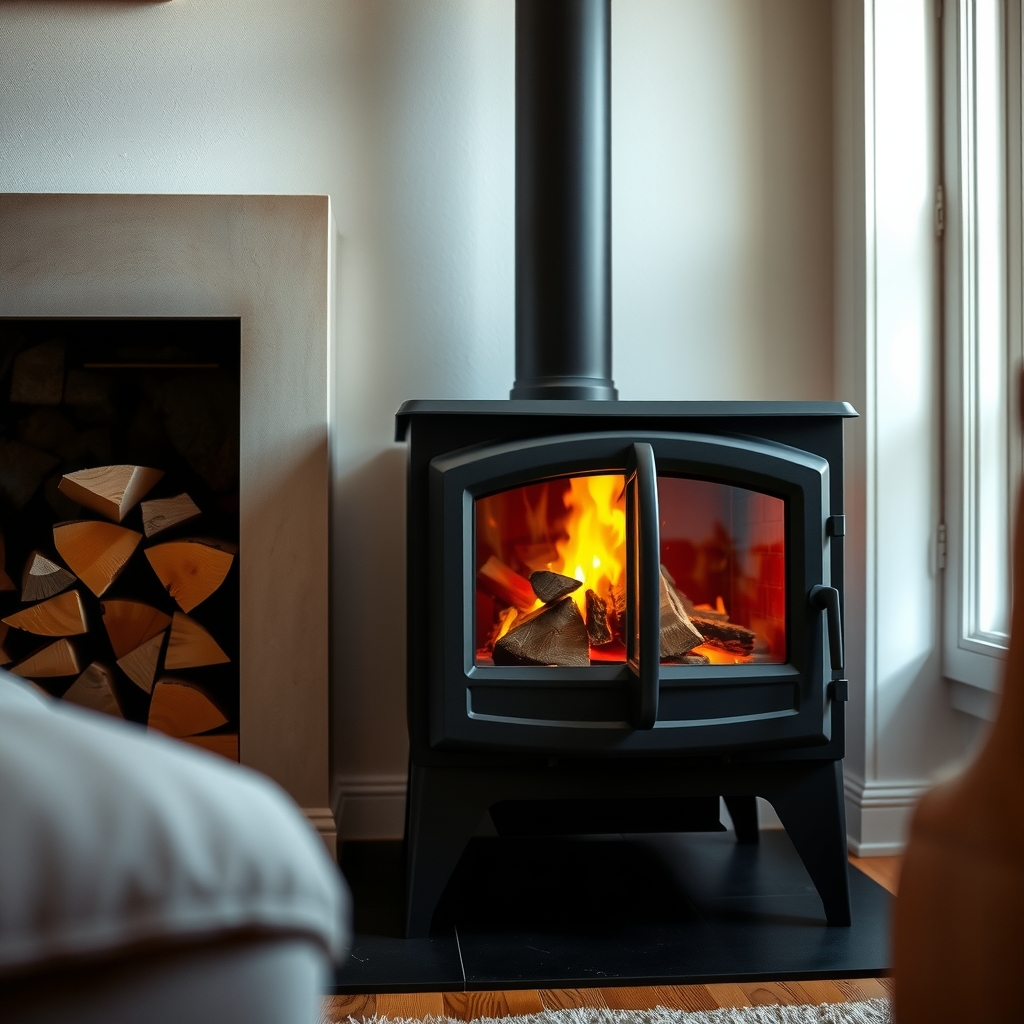
While a wood stove provides warmth, minimizing smoke exposure is key during pregnancy.
Safety Snapshot: Wood Stove Smoke Exposure During Pregnancy
Trimester/Stage
Verdict
Notes
First Trimester
❌ Best avoided
Critical period for fetal organ development; increased risk of birth defects and miscarriage with exposure to air pollutants.
Second Trimester
❌ Best avoided
Continued risk of developmental issues, respiratory problems, and potential for premature birth or low birth weight.
Third Trimester
❌ Best avoided
Risk of premature birth, low birth weight, and respiratory complications for the baby after birth.
Breastfeeding
⚠️ Limit exposure
Smoke particles can impact maternal respiratory health and contribute to indoor air pollution, potentially affecting the infant.
What is Wood Stove Smoke?
W
ood stove smoke is more than just visible fumes; it's a complex mixture of gases and fine particulate matter released when wood burns. This isn't just a concern for those with traditional fireplaces; modern wood stoves, while more efficient, still produce smoke that can affect indoor air quality if not properly vented. The composition of wood smoke includes a range of harmful substances, such as carbon monoxide, nitrogen oxides, sulfur dioxide, volatile organic compounds (VOCs) like benzene and formaldehyde, and polycyclic aromatic hydrocarbons (PAHs).
The most concerning component, especially for respiratory health, is fine particulate matter (PM2.5). These microscopic particles are so small they can penetrate deep into the lungs and even enter the bloodstream. While wood stoves are often used for their heating efficiency and the ambiance they provide, understanding the nature of the smoke they produce is crucial, particularly for vulnerable populations like pregnant individuals and young children. Many people rely on wood stoves as their primary or supplementary heat source, making it essential to be aware of the potential health implications of exposure to their emissions.
Is Wood Stove Smoke Safe During Pregnancy?
When considering if wood stove smoke is safe during pregnancy, the consensus from leading health organizations like the American College of Obstetricians and Gynecologists (ACOG), the Environmental Protection Agency (EPA), and the NHS is a clear recommendation to minimize or avoid exposure. The primary concern stems from the inhalation of fine particulate matter (PM2.5) and various toxic gases present in wood smoke. These pollutants can cross the placental barrier, potentially impacting fetal development, and also pose significant risks to the pregnant person's health.
Studies have linked exposure to air pollution, including wood smoke, with adverse pregnancy outcomes. The EPA, for instance, highlights that particulate matter can cause serious health problems, especially for those with heart or lung disease, which can be exacerbated during pregnancy. For an anxious expectant parent wondering, "is wood stove smoke safe during pregnancy?" the simple answer is that it carries risks that are best avoided. While occasional, very brief exposure might not cause immediate alarm, consistent or prolonged exposure, especially in poorly ventilated spaces, should be a strong concern.
The mechanism of risk involves the inflammatory response triggered by inhaled pollutants, which can affect the cardiovascular system of the pregnant person and potentially restrict blood flow and nutrient delivery to the fetus. Additionally, some components of wood smoke are known carcinogens and can be teratogenic—substances that can cause birth defects. Therefore, while the cozy appeal of a wood stove is undeniable, prioritizing a clean air environment is a crucial step in ensuring a healthy pregnancy.
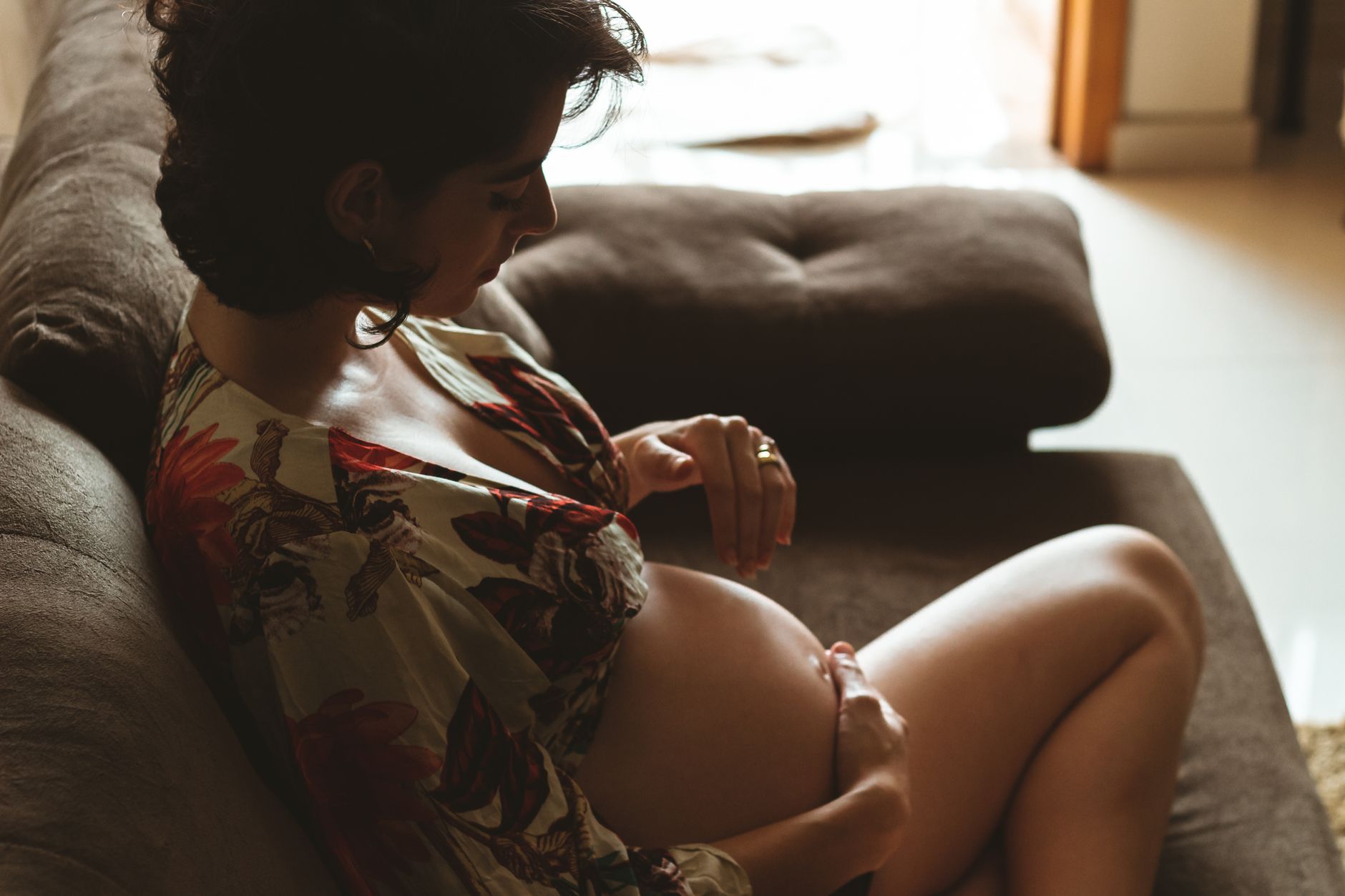
Maintaining good indoor air quality is vital for maternal and fetal health.
Is wood smoke exposure safe in the first, second, or third trimester?
First Trimester
The first trimester is a period of rapid organogenesis, meaning the baby's major organs are forming. This makes it a particularly vulnerable time for exposure to harmful substances. Research suggests that exposure to air pollutants, including those found in wood smoke, during this critical window can increase the risk of birth defects, particularly affecting the heart, brain, and spine. It can also be associated with an elevated risk of miscarriage. Therefore, avoiding wood stove smoke during the first trimester is highly recommended to protect your baby during this crucial developmental stage.
Second Trimester
While organogenesis is largely complete by the second trimester, the baby continues to grow and mature rapidly. Exposure to wood smoke during this period can still have significant adverse effects. Risks include restricted fetal growth, which can lead to low birth weight, and an increased likelihood of premature birth. The developing respiratory system of the baby is also still sensitive to pollutants, potentially predisposing them to respiratory issues later in life. Minimizing exposure to wood stove smoke remains crucial throughout the second trimester.
Third Trimester
In the third trimester, the baby is primarily gaining weight and preparing for birth. However, continued exposure to wood stove smoke can still pose dangers. There's an increased risk of premature birth, which can lead to a host of health complications for the newborn. Low birth weight is also a concern, as is the potential for respiratory problems in the baby after delivery. For the pregnant person, prolonged exposure can exacerbate respiratory symptoms like asthma or bronchitis and increase cardiovascular strain. Maintaining a smoke-free environment is essential right up until delivery.
Breastfeeding
While the direct placental transfer of pollutants is no longer a concern during breastfeeding, indoor air quality still matters. The fine particulate matter from wood smoke can affect the lactating parent's respiratory health, potentially leading to coughs, bronchitis, or asthma exacerbations. Furthermore, if the indoor air quality is poor, the breastfeeding infant will also be exposed to these airborne pollutants, which can increase their risk of developing respiratory infections, asthma, and other health issues. Therefore, limiting exposure to wood stove smoke is important for both the parent's and the baby's health during the breastfeeding period.
How much wood smoke is considered unsafe for pregnant women?
When it comes to wood smoke and pregnancy, there isn't a "safe" amount of exposure, similar to how there's no safe amount of secondhand cigarette smoke. Health experts generally advise minimizing exposure as much as possible, as even low levels of particulate matter and other pollutants in wood smoke can have detrimental effects. The concern isn't just about visible smoke; invisible fine particulate matter (PM2.5) is particularly insidious because it can penetrate deep into the lungs and bloodstream.
The EPA sets air quality standards, and any increase in PM2.5 levels indoors is considered unhealthy, especially for sensitive groups like pregnant individuals. Factors influencing the level of risk include the duration of exposure, the concentration of smoke in the air (which depends on ventilation, stove efficiency, and wood quality), and individual susceptibility. Even if you don't smell smoke strongly, if you're using a wood stove, there's likely some level of indoor air pollution. Therefore, the safest approach for pregnant women is to avoid being in enclosed spaces with active wood stove smoke and to ensure excellent ventilation if a wood stove is used in the household, though this may not be sufficient to eliminate all risks.
What are the risks of wood stove smoke exposure during pregnancy?
Exposure to wood stove smoke during pregnancy presents a range of risks for both the expectant parent and the developing fetus. The complex cocktail of pollutants in the smoke, including fine particulate matter, carbon monoxide, and volatile organic compounds (VOCs), can interfere with various physiological processes.
For the pregnant person, common risks include respiratory issues such as increased coughing, bronchitis, exacerbation of asthma, and other lung problems. Long-term exposure can also put a strain on the cardiovascular system, potentially leading to increased blood pressure or other heart-related complications, which can be particularly concerning during pregnancy. Symptoms like headaches, nausea, and fatigue can also be directly linked to poor indoor air quality.
For the developing fetus, the risks are even more profound. The pollutants can cross the placental barrier, impacting fetal growth and development. Studies have linked prenatal exposure to air pollution with an increased risk of low birth weight and premature birth. Both of these outcomes can lead to long-term health challenges for the child, including developmental delays, breathing problems, and an increased risk of infections. There's also evidence to suggest a higher risk of certain birth defects, particularly affecting the heart and respiratory system, and a potential link to impaired neurodevelopment in the child. The National Institute of Environmental Health Sciences (NIEHS) consistently highlights air pollution as a significant environmental health concern for pregnant individuals and children.
Can wood smoke exposure lead to pregnancy complications?
Yes, wood smoke exposure can unfortunately lead to several pregnancy complications. The fine particulate matter and toxic gases in wood smoke can cause systemic inflammation and oxidative stress in the pregnant person's body. This can affect the placenta, which is vital for providing oxygen and nutrients to the baby, potentially leading to placental dysfunction.
Key complications associated with wood smoke exposure include:
Premature Birth: Exposure to air pollution, including wood smoke, has been consistently linked to an increased risk of babies being born before 37 weeks of gestation. Premature birth is a leading cause of infant mortality and long-term health problems.
Low Birth Weight: Babies exposed to higher levels of wood smoke during pregnancy are more likely to be born with a low birth weight (less than 5.5 pounds or 2,500 grams). This can increase their risk of health issues in infancy and childhood.
Fetal Growth Restriction: The baby may not grow at the expected rate in the womb, leading to a smaller size for their gestational age.
Pre-eclampsia: Some research suggests a possible link between air pollution exposure and an increased risk of pre-eclampsia, a serious pregnancy complication characterized by high blood pressure and organ damage.
Increased Risk of Birth Defects: While more research is ongoing, some studies indicate a potential association between prenatal exposure to air pollutants and certain birth defects, especially those affecting the heart and respiratory system.
These complications underscore the importance of minimizing exposure to wood stove smoke and other forms of indoor air pollution during pregnancy.
What are the long-term effects of wood smoke on fetal development?
The long-term effects of wood smoke exposure on fetal development are a significant concern for health experts. Beyond the immediate risks of premature birth and low birth weight, studies suggest that prenatal exposure to air pollution, including wood smoke, can have lasting impacts on a child's health and development.
One primary area of concern is respiratory health. Children who were exposed to higher levels of wood smoke in utero may have an increased risk of developing asthma, recurrent respiratory infections, and reduced lung function later in childhood. The developing lungs are particularly vulnerable to damage from particulate matter and other irritants.
Additionally, there is emerging evidence linking prenatal air pollution exposure to neurodevelopmental issues. This can manifest as cognitive deficits, behavioral problems, and an increased risk of conditions like ADHD. The developing brain is highly sensitive to environmental toxins, and substances in wood smoke can interfere with crucial developmental processes.
Some research also suggests a potential link to an increased risk of sudden infant death syndrome (SIDS) and a predisposition to cardiovascular problems later in life. While more long-term studies are always ongoing, the current body of evidence strongly supports the recommendation to avoid wood stove smoke during pregnancy to safeguard your baby's long-term health trajectory.
Is outdoor wood smoke exposure a concern for pregnant individuals?
Yes, outdoor wood smoke exposure can also be a concern for pregnant individuals, though the level of risk often depends on the concentration and duration of exposure. While indoor wood stove smoke typically presents a higher and more consistent threat due to confined spaces, outdoor sources of wood smoke, such as from neighbors' wood stoves, wildfires, or even frequent campfires, can contribute to elevated levels of particulate matter in the ambient air.
The CDC and EPA regularly issue warnings about air quality during wildfire events, advising sensitive groups, including pregnant people, to stay indoors and use air purifiers. Even on days with lower, but still elevated, levels of outdoor wood smoke, it's advisable to limit time outdoors, especially strenuous activities, and keep windows closed. If you live in an area with significant outdoor wood burning, monitoring local air quality reports (often available from local health departments or environmental agencies) can help you make informed decisions about outdoor activities. While the occasional distant campfire smoke might not be a major concern, sustained exposure to smoky outdoor air should be avoided.
What symptoms indicate harmful wood smoke inhalation during pregnancy?
Recognizing the symptoms of harmful wood smoke inhalation is important, especially when you're pregnant and more vulnerable. While some symptoms might feel like general discomfort, they could indicate that you're experiencing adverse effects from air pollution. If you notice any of these symptoms and have been exposed to wood smoke, it's a good idea to consult your healthcare provider:
Respiratory Symptoms:
Persistent coughing or wheezing
Shortness of breath or difficulty breathing
Chest tightness or discomfort
Increased mucus production
Exacerbation of pre-existing asthma or bronchitis
General Symptoms:
Headaches, especially if new or worsening
Nausea or dizziness
Unusual fatigue or weakness
Irritation of the eyes, nose, or throat (burning sensation, watery eyes, runny nose)
Cardiovascular Symptoms (less common but serious):
Palpitations or rapid heart rate
Chest pain
If you experience severe shortness of breath, chest pain, or feel faint, seek immediate medical attention. Even milder, persistent symptoms warrant a call to your doctor, as they can indicate ongoing exposure that could be harmful to both you and your baby. It's always better to be cautious when it comes to your health during pregnancy.
Safer alternatives to wood stoves for pregnant women
Given the concerns about wood stove smoke, it's natural to seek safer ways to keep warm during pregnancy. Thankfully, there are several excellent alternatives that provide heat without compromising indoor air quality. Here are some options to consider:
Electric Space Heaters: These are a popular and generally safe option for supplemental heat. They produce no emissions and are easy to control. Look for models with safety features like automatic shut-off if tipped over or overheated.
Oil-Filled Radiators: Similar to electric space heaters, these use oil (sealed within the unit) to generate radiant heat. They are quiet, energy-efficient, and emit no pollutants, making them a good choice for continuous warmth.
Central Heating Systems: If available, a well-maintained central heating system (furnace or boiler) provides consistent, whole-home warmth without indoor combustion byproducts. Ensure filters are clean for optimal air quality.
Natural Gas Furnaces: When properly installed and regularly maintained by a professional, natural gas furnaces are an efficient and safe heating method. Crucially, they must be vented correctly to the outside, and a carbon monoxide detector is essential.
Propane Heaters: Similar to natural gas, propane heaters can be a safe option if they are vented to the outside. Unvented propane heaters are not recommended for indoor use, especially during pregnancy, due to carbon monoxide and moisture concerns.
Heat Pumps: These highly energy-efficient systems can both heat and cool your home. They work by transferring heat rather than generating it through combustion, making them an excellent choice for indoor air quality.
Pellet Stoves (with proper ventilation): While they still burn solid fuel, modern pellet stoves are significantly cleaner-burning and more efficient than traditional wood stoves. However, they *must* have a sealed combustion system and be professionally installed with proper, airtight venting to the outside to minimize any indoor smoke leakage. Even with these precautions, some experts still advise caution during pregnancy due to the potential for fine particulate matter.
When choosing any heating alternative, always prioritize proper installation, maintenance, and ventilation to ensure safety and optimal indoor air quality. Using a HEPA air purifier in your living spaces can also help capture any residual airborne particles from any source, including outdoor pollution that seeps indoors.
Related Items – Safety at a Glance
Item
Verdict
Notes
Secondhand Cigarette Smoke
❌ Best avoided
Known teratogen; linked to premature birth, low birth weight, SIDS, and developmental issues. See our article on is secondhand smoke safe during pregnancy for more.
Campfire Smoke
⚠️ Limit exposure
Occasional, outdoor, well-ventilated exposure is generally fine, but prolonged or heavy inhalation should be avoided.
Wildfire Smoke
❌ Best avoided
High concentrations of fine particulate matter; stay indoors, use air purifiers, and monitor air quality reports.
Paraffin candles can release soot and VOCs; choose soy/beeswax, trim wicks, ensure ventilation, avoid prolonged burning. More on incense smoke safety also applies here.
Incense Smoke
❌ Best avoided
Releases particulate matter and VOCs; often advised against due to respiratory irritants and potential developmental risks.
Gas Stove Fumes
⚠️ Limit exposure
Can produce nitrogen dioxide and carbon monoxide; ensure good ventilation (use range hood) when cooking.
General Air Pollution
⚠️ Limit exposure
Minimize exposure on high pollution days; use indoor air purifiers, limit outdoor activity, especially in urban areas.
Myth vs. Fact
When it comes to something as common as heating your home, misconceptions can easily arise. Let's clear up some common myths about wood stove smoke and pregnancy.
Myth: As long as I don't see smoke, my wood stove isn't producing harmful emissions.
Fact: This is a dangerous misconception. The most harmful components of wood smoke, particularly fine particulate matter (PM2.5) and carbon monoxide, are invisible. Even if your stove seems to be burning cleanly and you don't see a plume of smoke, it's still releasing these microscopic pollutants into the air, especially if there are any leaks in the stove or flue, or if ventilation is inadequate. These invisible particles are small enough to penetrate deep into your lungs and bloodstream, posing a risk to both you and your baby.
Myth: My wood stove is high-efficiency, so it's perfectly safe during pregnancy.
Fact: While modern, high-efficiency wood stoves burn cleaner and produce fewer emissions than older models, they are not entirely emission-free. They still release particulate matter and other pollutants. The "efficiency" primarily refers to how much heat they extract from the wood, not necessarily the absolute absence of harmful byproducts, especially if the wood isn't seasoned properly or the stove isn't operated optimally. For pregnant individuals, the safest approach is still to minimize exposure, even with an efficient stove, by ensuring excellent ventilation and considering other heating options.
Myth: I can just open a window to ventilate away all the wood smoke.
Fact: While opening a window helps with general air circulation, it's often not sufficient to eliminate all harmful pollutants from wood stove smoke, especially fine particulate matter. Smoke can linger, and simply opening a window may not create enough cross-ventilation to fully clear the air. In fact, if outdoor air quality is poor due to other sources of wood smoke (e.g., neighbors' stoves), opening a window might even bring more pollutants inside. A dedicated ventilation system or high-quality air purifier designed to capture PM2.5 would be more effective, but even then, avoiding the source of the smoke is the best strategy during pregnancy.
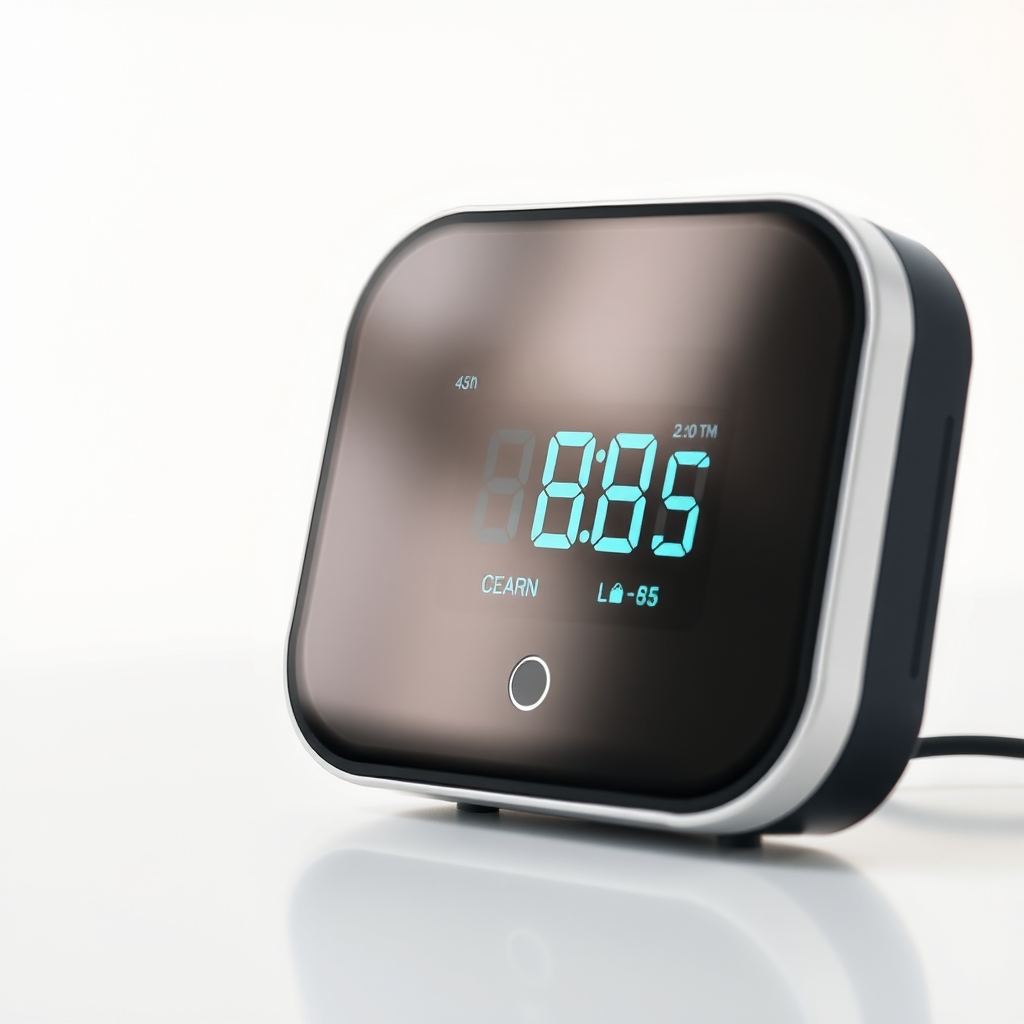
Air quality monitors can help you understand the invisible pollutants in your home.
Key Takeaways
Wood stove smoke contains harmful pollutants like fine particulate matter and carbon monoxide, which are best avoided during pregnancy.
Exposure can increase risks for both the pregnant person (respiratory issues) and the baby (low birth weight, premature birth, developmental problems).
There is no truly "safe" amount of wood smoke exposure during any trimester of pregnancy.
Prioritize clean indoor air by using safer heating alternatives like electric heaters, central heating, or well-vented gas furnaces.
If a wood stove is used, ensure professional installation, airtight seals, excellent ventilation, and consider using a high-efficiency air purifier.
Monitor for symptoms like persistent cough, shortness of breath, or headaches, and contact your doctor if concerned.
Frequently Asked Questions
Is it safe to be around a fire while pregnant?
Being around an outdoor campfire occasionally, where smoke can dissipate easily, is generally considered low risk. However, prolonged exposure, especially to heavy smoke, or being around indoor fires like wood stoves without excellent ventilation, is not recommended during pregnancy due to the inhalation of harmful pollutants.
Can smoke affect early pregnancy?
Yes, smoke can significantly affect early pregnancy. The first trimester is a critical period for fetal organ development, and exposure to pollutants in smoke can increase the risk of birth defects, miscarriage, and other developmental issues. Minimizing all forms of smoke exposure during early pregnancy is highly advised.
What are the effects of smoke on a pregnant woman?
Smoke exposure can lead to several effects on a pregnant woman, including respiratory problems like coughing, wheezing, bronchitis, or asthma exacerbations. It can also cause headaches, nausea, and eye/throat irritation. Long-term exposure may increase cardiovascular strain, which can be concerning during pregnancy.
What are the dangers of wood burning stoves?
The primary dangers of wood burning stoves, especially during pregnancy, stem from the emissions of fine particulate matter (PM2.5), carbon monoxide, and other toxic gases. These pollutants can cause respiratory and cardiovascular problems for the pregnant person and are linked to adverse fetal outcomes like low birth weight, premature birth, and developmental issues.
Can wood smoke cause birth defects?
While more research is always ongoing, studies suggest a potential link between prenatal exposure to air pollution, including wood smoke, and an increased risk of certain birth defects, particularly those affecting the heart and respiratory system. The first trimester, a critical period for organ development, is especially vulnerable.
Is it safe to burn wood indoors?
Burning wood indoors in a traditional fireplace or wood stove, even if vented, is generally not considered ideal for indoor air quality, especially during pregnancy. It releases fine particulate matter and other pollutants that can infiltrate living spaces. Safer heating alternatives that produce no indoor emissions are highly recommended.
Does wood smoke cause respiratory problems?
Yes, wood smoke is a known cause and exacerbator of respiratory problems. The fine particulate matter and irritant gases in wood smoke can trigger coughing, wheezing, bronchitis, and asthma attacks. Prolonged exposure can lead to reduced lung function and an increased risk of chronic respiratory diseases, especially for sensitive individuals like pregnant people.
How can I reduce indoor air pollution while pregnant?
To reduce indoor air pollution while pregnant, avoid sources like wood stoves, secondhand smoke, and excessive use of scented products. Ensure good ventilation (open windows when outdoor air quality is good), use an exhaust fan when cooking, maintain HVAC systems, and consider a HEPA air purifier. Also, avoid activities like sanding wood indoors without proper masks and ventilation.
When to Call Your Doctor
While this article provides general guidance, your healthcare provider is your best resource for personalized advice during pregnancy. You should call your doctor or seek medical attention if you experience any of the following after exposure to wood stove smoke:
Severe or persistent coughing, wheezing, or shortness of breath.
Chest pain or tightness.
Dizziness, lightheadedness, or feeling faint.
Persistent headaches or nausea.
Any signs of premature labor, such as regular contractions, vaginal bleeding, or fluid leakage.
Any other concerning symptoms that cause you worry about your health or your baby's well-being.
Always err on the side of caution when it comes to your health and your baby's development. This information is intended for educational purposes only and is not a substitute for professional medical advice, diagnosis, or treatment.
References
American College of Obstetricians and Gynecologists (ACOG). www.acog.org
U.S. Environmental Protection Agency (EPA). www.epa.gov
Centers for Disease Control and Prevention (CDC). www.cdc.gov
National Institute of Environmental Health Sciences (NIEHS). www.niehs.nih.gov
Not sure about the label on Is Wood Stove Smoke Safe During Pregnancy products?
Snap the ingredients list and SafeFilter checks every ingredient for your stage — only 3 free scans this month, then you're locked until reset. Unlimited from $7/mo or $50/yr.
When Shubhra Mishra was expecting her first child in 2016, she was overwhelmed by conflicting food advice — one site said yes, another said never. By the time her second baby arrived in 2019, she realized millions of mothers face the same confusion.
That sparked a five-year journey through clinical nutrition papers, cultural diets, and expert conversations — all leading to BumpBites: a calm, compassionate space where science meets everyday motherhood.
Her long-term vision is to build a global community ensuring safe, supported, and free deliveriesfor every mother — because no woman should face pregnancy alone or uninformed. 🌿
🌍 Stand with mothers, shape safer guidance
Join a small circle of experts who review BumpBites articles so expecting parents everywhere can decide with confidence.