Limit sanding wood during pregnancy. Is sanding wood safe during pregnancy? Fine dust and chemical fumes pose risks. Ensure excellent ventilation and wear a
By Shubhra Mishra — a mom of two who turned her own confusion during pregnancy into BumpBites, a global mission to make food choices clear, safe, and stress-free for every expecting mother. 💛
Check whether any food is safe during pregnancy with the BumpBites Food Safety Checker.
Quick verdict: ⚠️ Safe with limits. While sanding wood during pregnancy isn't entirely off-limits, it requires strict precautions due to potential risks from inhaling wood dust, chemical exposure from finishes, and physical strain. We recommend minimizing exposure and prioritizing safer alternatives.
You’ve got that nesting instinct kicking in, maybe dreaming of a beautifully refinished nursery dresser or a smooth new bookshelf for baby’s room. But then the thought hits you: "Is sanding wood safe during pregnancy?" It’s completely natural to worry about every little thing you do, especially when it involves dust, chemicals, and physical exertion. Many expecting parents find themselves staring at a project, wondering if they’re putting their little one at risk.
At BumpBites, we understand these late-night worries. The good news is that with the right precautions, some light woodworking activities might be manageable, but it's often best to avoid sanding altogether or delegate the task. This article will break down the specific risks associated with sanding wood while pregnant, what experts recommend, and most importantly, how to protect yourself and your baby if you absolutely must sand. We’ll also explore plenty of safer alternatives so you can still achieve your DIY dreams without the added stress.
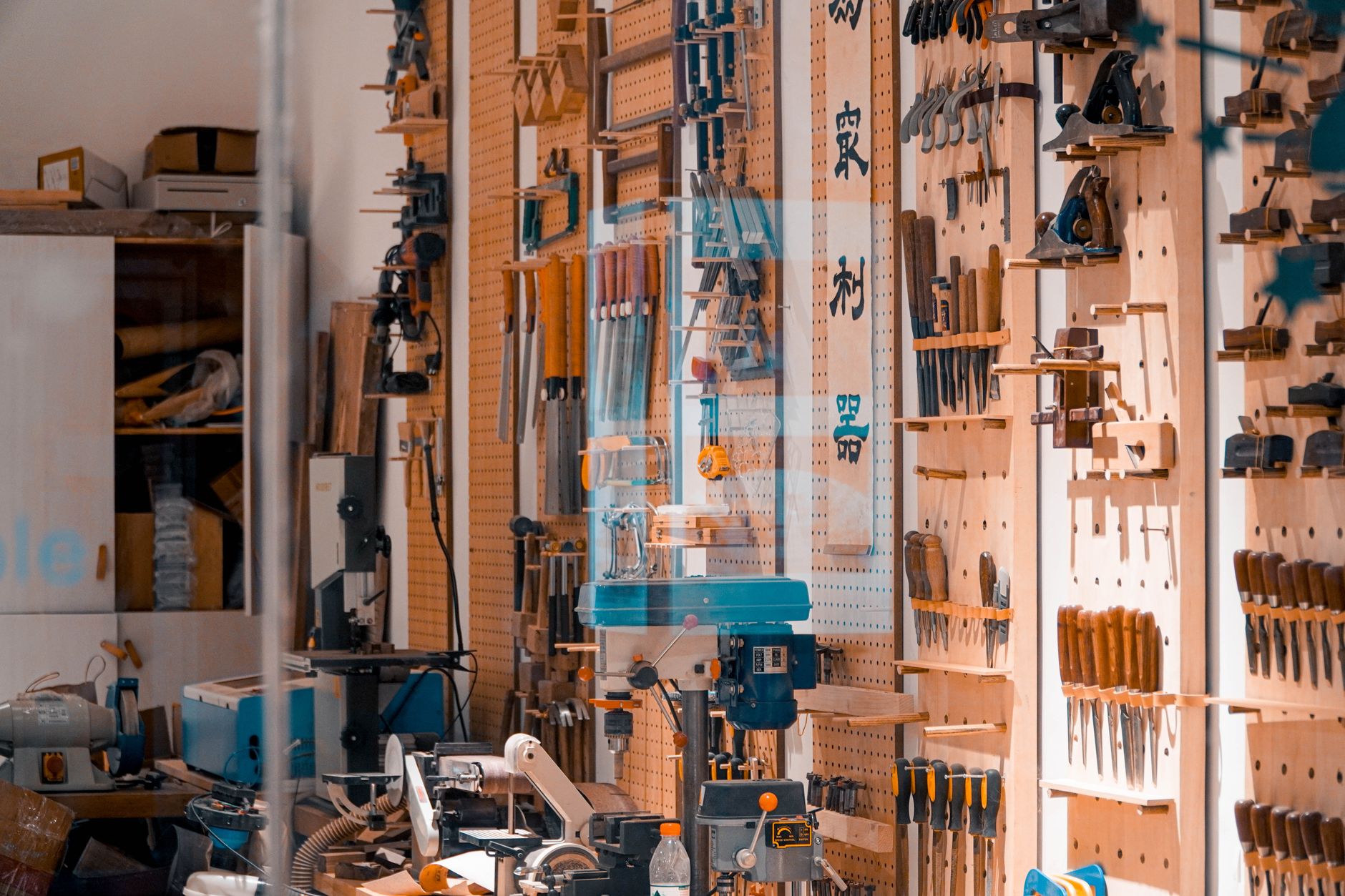
Good ventilation and a tidy workspace are crucial for any DIY project, especially when pregnant.
Safety Snapshot: Sanding Wood During Pregnancy
Trimester/Period
Verdict
Notes & Precautions
First Trimester
⚠️ Best avoided
Critical period for fetal development. High risk of chemical teratogenicity and dust irritation. If unavoidable, use N95 mask, eye protection, gloves, full ventilation, and keep sessions very brief. Avoid all chemical finishes/sealants.
Second Trimester
⚠️ Safe with extreme limits
Physical strain becomes a greater concern. Continue strict PPE, ventilation, and short sessions. Avoid prolonged standing, bending, or heavy lifting. Be wary of balance issues.
Third Trimester
⚠️ Safe with extreme limits
Increased risk of physical strain, back pain, and loss of balance. Power tools may be difficult to manage. Prioritize rest and delegate. Very short, infrequent sessions with strict precautions.
Breastfeeding
⚠️ Safe with limits
Dust and chemical exposure can still affect your health. While direct transfer to milk from wood dust is low, inhaling irritants can impact your respiratory system and overall well-being. Continue strict PPE and ventilation.
What is Sanding Wood?
Sanding wood is a common woodworking technique used to smooth surfaces, remove imperfections, prepare wood for finishing, or strip old paint and varnish. It involves abrading the wood's surface with an abrasive material, typically sandpaper, which comes in various grits (coarseness levels). The process can be done manually with sanding blocks or sponges, or with power tools such as orbital sanders, belt sanders, or detail sanders.
The primary goal of sanding is to create a uniform, smooth surface that is aesthetically pleasing and ready to accept stains, paints, or sealants. Different grits of sandpaper are used in sequence, starting with coarser grits to remove material quickly and progressing to finer grits for a silky-smooth finish. Regardless of the method, sanding generates wood dust, which is a fine particulate matter that becomes airborne and can be inhaled. This dust, along with any chemicals present in the wood itself or in old finishes being removed, forms the basis of the safety concerns during pregnancy.
Is Sanding Wood Safe during Pregnancy?
The
question of "is sanding wood safe during pregnancy" is complex because it involves multiple potential hazards that can affect both the pregnant person and the developing baby. While the act of sanding itself isn't inherently dangerous, the byproducts – specifically wood dust and potential exposure to chemicals from finishes or the wood itself – are the primary concerns. The American College of Obstetricians and Gynecologists (ACOG) and the UK's National Health Service (NHS) generally advise pregnant individuals to minimize exposure to environmental toxins, dust, and fumes, especially during critical periods of fetal development.
Inhaling wood dust can cause respiratory irritation, allergic reactions, and may exacerbate conditions like asthma. Some types of wood dust are even classified as carcinogens. While the direct impact of wood dust on fetal development is not extensively studied, severe maternal respiratory distress or systemic inflammation could theoretically impact the pregnancy. More significantly, if you're sanding wood that has been previously treated with paints, varnishes, or other finishes, you could be exposed to volatile organic compounds (VOCs), heavy metals (like lead in older paints), or other toxic chemicals. These chemicals are well-documented as potential teratogens – substances that can cause birth defects – or can lead to other adverse pregnancy outcomes.
Furthermore, the physical demands of sanding, especially with power tools, can be a concern. Prolonged standing, bending, repetitive motions, and the vibration from power sanders can lead to fatigue, back pain, and potentially affect balance, increasing the risk of falls. The CDC advises pregnant workers to avoid tasks requiring heavy lifting, prolonged standing, or exposure to excessive vibration. Therefore, while a quick, well-ventilated, and protected sanding session on untreated wood might pose a low risk, prolonged exposure or sanding treated wood significantly increases potential hazards, making it generally advisable to limit or avoid this activity during pregnancy.
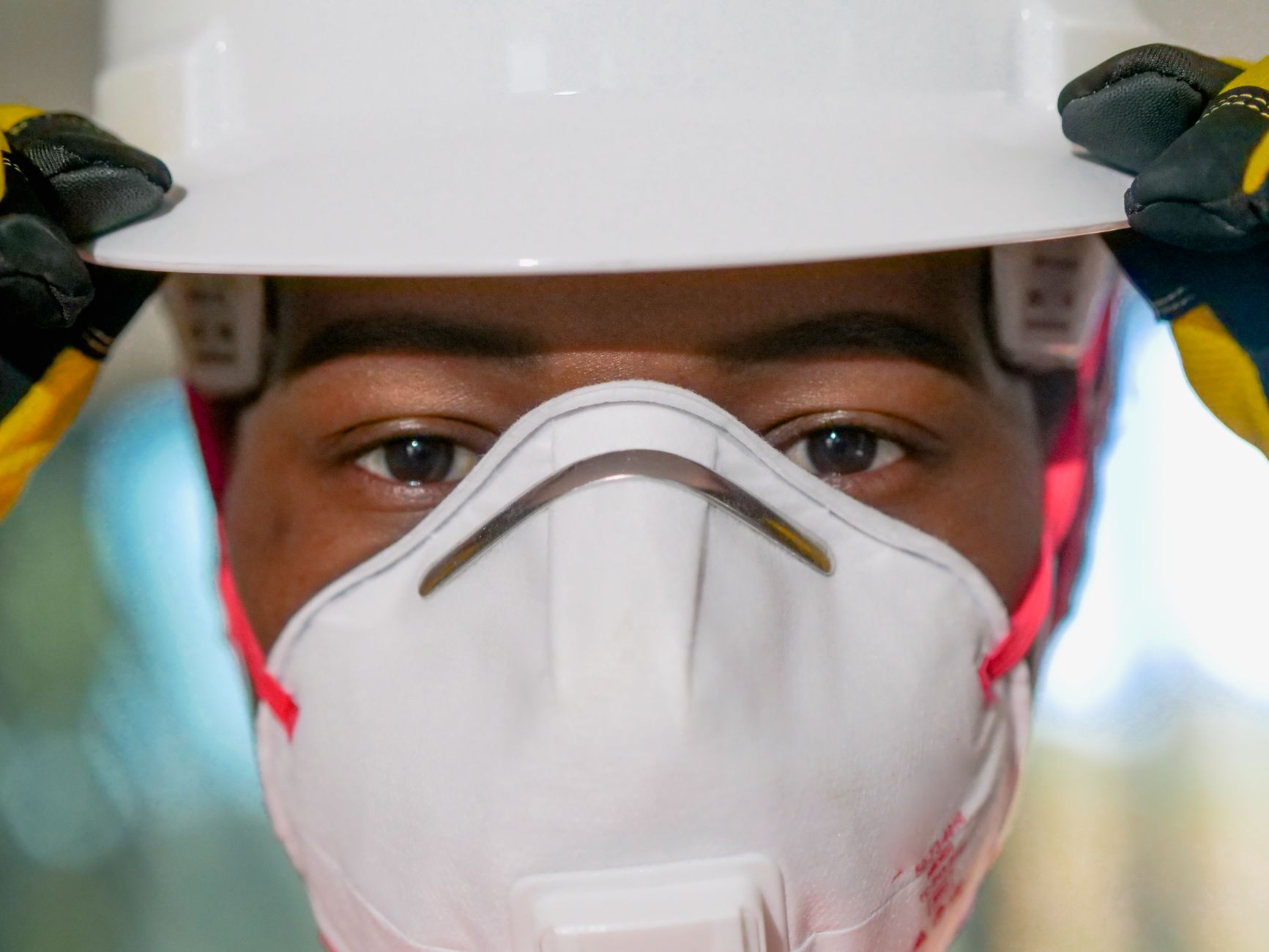
Always prioritize proper personal protective equipment (PPE) like an N95 mask, eye protection, and gloves.
Is it safe to sand wood in the first trimester?
The first trimester is a crucial period for your baby's development, as all major organs are forming. This is often referred to as the period of organogenesis, making the embryo particularly vulnerable to environmental exposures. For this reason, we at BumpBites recommend extreme caution or, ideally, complete avoidance of activities like sanding wood during the first trimester.
The primary concerns are the potential inhalation of wood dust and, more critically, exposure to chemicals from old finishes or even natural wood compounds. If you're sanding wood that has been painted or varnished, the risk of inhaling volatile organic compounds (VOCs) or even lead (in older paints) is significant. These substances are known to be potential teratogens, meaning they can cause birth defects. Even natural wood dust can be an irritant or allergen, and severe respiratory reactions in the pregnant person could indirectly impact the developing baby. If you've discovered you're pregnant after already having done some sanding, take a deep breath. Many exposures are dose-dependent, and a one-off, brief exposure may not cause harm. However, it's always best to discuss any concerns with your healthcare provider, especially if you had symptoms of exposure or were working with treated wood.
Can I sand wood in my second or third trimester?
While the critical period of organ formation has passed by the second and third trimesters, sanding wood still presents unique challenges and risks during these later stages of pregnancy. The concerns shift from direct teratogenicity to a combination of continued dust/chemical exposure and increased physical strain.
In the second and third trimesters, your body undergoes significant changes. Your center of gravity shifts, making you more prone to losing balance, which is a particular risk when operating power tools or working in a dusty environment. Back pain and fatigue are also common, and prolonged standing, bending, or repetitive motions involved in sanding can exacerbate these issues. The vibration from power sanders can also be uncomfortable and contribute to fatigue.
Exposure to wood dust and chemical fumes from finishes remains a concern for your respiratory health, and maintaining good air quality is paramount. While the risk of major birth defects from chemical exposure is lower than in the first trimester, continued exposure to irritants can still affect your well-being and, indirectly, your baby's. If you choose to sand during these trimesters, it must be for very short durations, with excellent ventilation, an N95 respirator, eye protection, and gloves. Listen to your body, take frequent breaks, and stop immediately if you feel any discomfort or dizziness.
Sanding Wood While Breastfeeding
When you're breastfeeding, the primary concern shifts back to your own health and well-being, as well as minimizing any potential transfer of harmful substances to your baby through breast milk. While wood dust itself is unlikely to transfer into breast milk, inhaling it can cause respiratory issues, allergic reactions, or exacerbate existing conditions like asthma, affecting your ability to care for your baby.
If you are working with wood that has been treated with chemical finishes, paints, or sealants, the volatile organic compounds (VOCs) or other chemicals present could potentially be absorbed into your bloodstream and, in some cases, transfer to breast milk. However, for most common woodworking chemicals, the amount transferred is usually very low and generally not considered a significant risk to the baby, assuming proper ventilation and personal protective equipment (PPE) are used. The main focus is still on preventing your own exposure. Continue to use an N95 mask, eye protection, gloves, and ensure excellent ventilation. If you experience any symptoms of exposure, consult your doctor or a lactation consultant.
What are the specific risks of sanding wood during pregnancy?
The specific risks of sanding wood during pregnancy stem from several factors, each with its own set of potential concerns for you and your baby. It's not just one thing, but a combination of hazards that makes this activity require careful consideration.
Inhaling Wood Dust
This is perhaps the most immediate and common risk. When you sand wood, fine particles become airborne. Inhaling these particles can irritate your respiratory system, leading to coughing, sneezing, and shortness of breath. For pregnant individuals, whose respiratory systems may already be working harder, this irritation can be more pronounced. Some wood dusts are also known allergens or sensitizers, potentially triggering asthma or allergic reactions. Long-term or heavy exposure can even lead to chronic lung conditions. While direct evidence of wood dust causing fetal harm is limited, severe maternal respiratory distress could impact oxygen supply to the baby.
What kind of wood dust is harmful to pregnant women?
All wood dust can be an irritant, but some types of wood are more problematic than others due to their natural chemical compounds. Hardwoods like oak, beech, and birch, as well as exotic woods such as cedar, mahogany, and teak, are known to contain sensitizing agents that can cause allergic reactions, asthma, and dermatitis. Softwoods like pine and spruce are generally less sensitizing but still produce dust that can irritate the respiratory tract. Plywood, particleboard, and MDF (medium-density fiberboard) are particularly concerning because they often contain formaldehyde-based glues, which release formaldehyde gas when cut or sanded. Formaldehyde is a known irritant and a probable human carcinogen, and exposure should be minimized during pregnancy. The Occupational Safety and Health Administration (OSHA) provides guidelines on wood dust exposure, emphasizing the need for engineering controls and PPE.
Exposure to Chemical Finishes, Paints, and Solvents
If you're sanding wood that has been previously treated with paint, varnish, stain, or other finishes, you risk exposing yourself to a cocktail of chemicals. Many old paints contain lead, which is a known neurotoxin and teratogen, and even modern paints and finishes contain volatile organic compounds (VOCs). Solvents used in stripping agents are also highly toxic. Inhaling these fumes can cause dizziness, nausea, headaches, and can be absorbed into your bloodstream, potentially reaching the baby. The FDA and ACOG advise pregnant individuals to avoid or minimize exposure to solvents and strong chemical fumes due to the potential for birth defects, developmental problems, and other adverse pregnancy outcomes.
Physical Strain and Vibration
Sanding, especially large pieces or with power tools, can be physically demanding. Prolonged standing, bending, crouching, and repetitive arm movements can lead to back pain, joint discomfort, and overall fatigue – issues that are often amplified during pregnancy. Using power sanders also exposes you to vibration, which, while not directly linked to specific pregnancy complications, can contribute to discomfort and fatigue. Your shifting center of gravity and increased weight can also make operating power tools or standing on unsteady surfaces more risky, increasing the chance of falls. The UK's Health and Safety Executive (HSE) advises pregnant workers to avoid tasks involving excessive vibration.
Are power sanders safe to use while pregnant?
Using power sanders while pregnant introduces additional considerations beyond just dust and chemical exposure. While a power sander can make a job quicker, it also intensifies some of the risks.
The main concerns with power sanders are:
Increased Dust Production: Power sanders generate significantly more airborne dust than hand sanding. This means a higher concentration of particles in the air, increasing your inhalation risk.
Vibration: The constant vibration from power tools can be uncomfortable and contribute to fatigue, particularly for pregnant individuals who may already be experiencing joint pain or discomfort. While no direct link to adverse pregnancy outcomes from tool vibration is established, it's generally advised to limit exposure.
Physical Strain and Balance: Holding and maneuvering a power sander can be tiring. As your pregnancy progresses, your center of gravity shifts, making balance more challenging. This increases the risk of falls or losing control of the tool, which could lead to injury.
Noise: Some power sanders can be quite loud. While unlikely to harm the baby directly through the womb, prolonged exposure to loud noise can contribute to maternal stress and hearing fatigue.
Given these factors, if you choose to use a power sander, it is crucial to keep sessions very short, use the most effective dust collection system available, and ensure maximum ventilation. However, due to the amplified risks, we generally recommend avoiding power sanders during pregnancy and opting for hand sanding if the task is absolutely necessary and all other precautions are met.
What safety precautions should I take if I need to sand wood while pregnant?
If, after weighing the risks, you decide that sanding wood is absolutely necessary during your pregnancy, following stringent safety precautions is paramount. These measures aim to minimize your exposure to dust and chemicals and reduce physical strain.
Ventilation is Key: This is arguably the most important step. Work outdoors whenever possible. If working indoors, open all windows and doors to create a cross-breeze. Use exhaust fans to pull air out and fresh air in. Consider using a box fan in a window to draw air away from your workspace.
Wear Proper Personal Protective Equipment (PPE):
Respirator Mask: A simple dust mask is NOT enough. You need an N95 respirator mask (or higher, like an N100) to filter out fine wood dust particles and some chemical fumes. Ensure it fits snugly.
Eye Protection: Wear safety glasses or goggles to protect your eyes from flying debris and dust.
Gloves: Wear work gloves to protect your hands from splinters and direct contact with any old finishes or wood chemicals.
Protective Clothing: Wear long sleeves and pants to minimize skin exposure. Change and wash these clothes immediately after sanding to avoid tracking dust into your home.
Minimize Dust:
Use a sander with a dust collection bag or, even better, connect it to a shop vacuum with a HEPA filter.
Lay down tarps or plastic sheeting to contain dust and make cleanup easier.
Wet sand when possible (see safer alternatives below) to significantly reduce airborne dust.
Limit Exposure Time: Keep sanding sessions as short as possible. Take frequent breaks and step away from the work area to breathe fresh air.
Avoid Certain Woods and Finishes: Do not sand treated lumber (e.g., pressure-treated wood) or wood that has lead paint. Be especially cautious with exotic woods or MDF/particleboard due to formaldehyde.
Stay Hydrated and Rested: Drink plenty of water and take regular breaks to sit down and rest. Listen to your body and stop if you feel tired, dizzy, or uncomfortable.
Clean Up Thoroughly: Do not dry sweep or use a regular household vacuum, as this will just redistribute the dust. Use a shop vacuum with a HEPA filter, and wet mop surfaces.
What are safe alternatives to sanding wood during pregnancy?
Given the potential risks, exploring safer alternatives to sanding wood during pregnancy is highly recommended. You can still achieve your woodworking goals without putting yourself or your baby at unnecessary risk.
Hiring a Professional Woodworker: This is often the safest and least stressful option. A professional can handle all aspects of the project, ensuring proper safety protocols are followed. Many moms tell us that delegating tasks like this frees up valuable energy for other nesting activities.
Using Pre-Sanded Lumber: When purchasing new wood for a project, look for lumber that is already pre-sanded to the desired smoothness. This eliminates the need for you to do any sanding yourself.
Employing a Cabinet Scraper: For smaller projects or areas, a cabinet scraper (or card scraper) can be an effective tool for smoothing wood surfaces without generating significant dust. It shaves off thin layers of wood rather than abrading it.
Wet Sanding (with proper ventilation and PPE): If sanding is unavoidable, wet sanding can significantly reduce airborne dust. This involves using waterproof sandpaper with water or a lubricant. The dust gets suspended in the liquid rather than becoming airborne. However, you still need good ventilation for the evaporating water and any lingering fumes, and you must wear gloves and a respirator.
Using a Wood Planer (if applicable): For removing significant material or smoothing rough lumber, a wood planer can be an alternative to heavy sanding. Planers create wood shavings rather than fine dust, which are less likely to become airborne. However, planers are power tools and require skill and caution, and you still need to manage the wood shavings.
Asking a Partner or Friend for Help: Don't be afraid to ask for support! Many partners, friends, or family members would be happy to help with the sanding portion of your project, allowing you to focus on safer tasks like painting (with proper precautions) or design.
Embracing a Rustic Finish: For certain projects, you might consider leaving the wood with a slightly less refined, more rustic finish, or even using a wire brush to create texture instead of sanding.
Can exposure to wood finishes or sealants harm my baby?
Yes, exposure to wood finishes and sealants during pregnancy can potentially harm your baby, and this is often a greater concern than wood dust alone. These products typically contain a variety of chemicals, including volatile organic compounds (VOCs) like toluene, xylene, and formaldehyde, as well as other solvents.
When you apply or are exposed to these finishes, these chemicals are released into the air as fumes. Inhaling these fumes allows the chemicals to enter your bloodstream, and from there, they can cross the placenta to your developing baby. Depending on the specific chemicals, the level of exposure, and the stage of pregnancy, these substances can pose risks such as:
Birth Defects: Some VOCs are known teratogens and have been linked to an increased risk of birth defects, particularly with high or prolonged exposure during the first trimester.
Developmental Issues: Exposure to certain chemicals can potentially affect fetal brain development and lead to learning or behavioral problems later in childhood.
Low Birth Weight or Preterm Birth: While less common, significant exposure to environmental toxins has been associated with adverse pregnancy outcomes like preterm birth or lower birth weight.
Maternal Symptoms: Even if the baby isn't directly harmed, you might experience headaches, dizziness, nausea, and respiratory irritation, which can make pregnancy more uncomfortable and put stress on your body.
The Food and Drug Administration (FDA) and other health authorities generally recommend that pregnant individuals avoid or minimize exposure to chemical fumes from paints, varnishes, and solvents. If using such products is unavoidable, ensure maximum ventilation (working outdoors is best), wear a respirator mask designed for chemical fumes (not just dust), and wear gloves. It's often safer to use low-VOC or zero-VOC products and to delegate the application to someone else if possible.
Related Items – Safety at a Glance
Understanding the safety of sanding wood often leads to questions about other common DIY or household tasks. Here’s a quick overview of related activities during pregnancy:
Activity
Verdict
Notes
Painting during pregnancy
⚠️ Safe with limits
Use low-VOC or zero-VOC paints, ensure excellent ventilation, avoid oil-based paints, and limit exposure time. Delegate if possible.
Using spray paint while pregnant
❌ Best avoided
High concentration of VOCs and fine particles. If absolutely necessary, use outdoors with a respirator designed for chemical fumes and full PPE.
Refinishing furniture during pregnancy
❌ Best avoided
Often involves sanding (dust/chemicals) and applying new finishes (VOCs, solvents). High risk. Delegate or use professional services.
Gardening during pregnancy
✅ Generally safe
Great for exercise! Avoid heavy lifting, prolonged bending, exposure to pesticides/herbicides, and wear gloves to prevent toxoplasmosis.
Using power tools while pregnant
⚠️ Safe with limits
Avoid if possible. Risks include vibration, noise, physical strain, and potential injury. If used, ensure strict safety, short durations, and assistance.
Working with solvents during pregnancy
❌ Best avoided
Many solvents are known teratogens. Avoid paint strippers, strong adhesives, and industrial cleaners. High risk of inhalation and skin absorption.
Cleaning with bleach while pregnant
⚠️ Safe with limits
Use in well-ventilated areas, dilute properly, wear gloves, and avoid mixing with other cleaners. Inhalation of strong fumes can cause respiratory irritation.
Pottery/Ceramics
⚠️ Safe with limits
Avoid glazes with lead or cadmium. Ensure good ventilation for kiln fumes. Clay dust inhalation is a concern; use wet techniques and good studio hygiene.
Myth vs. Fact
When it comes to home projects and pregnancy, there are many misconceptions that can cause unnecessary worry or, conversely, lead to overlooking real risks.
Myth: Wood dust is natural, so it can't be harmful during pregnancy.
Fact: While wood is a natural material, the dust it produces is a particulate irritant. Many types of wood, especially hardwoods and exotic woods, contain natural toxins, allergens, and sensitizing agents that can cause respiratory problems, skin irritation, and allergic reactions. Particleboards and MDF also contain formaldehyde from glues, which is a known irritant and probable carcinogen. Always treat wood dust as a potential hazard.
Myth: A regular cloth or paper dust mask is enough protection when sanding.
Fact: A standard paper dust mask offers very little protection against the fine particulate matter of wood dust and virtually no protection against chemical fumes. To effectively filter out fine dust particles, you need an N95 respirator mask or higher. If chemical fumes from old finishes are a concern, you need a respirator with activated charcoal filters designed for organic vapors. Proper fit is also crucial for any mask to be effective.
Myth: If I don't smell anything, there are no harmful fumes or dust.
Fact: Your sense of smell is not a reliable indicator of chemical or dust exposure. Many harmful chemicals, including some VOCs, are odorless or have a very faint smell that you can quickly become accustomed to. Fine wood dust particles can also be invisible to the naked eye, even in high concentrations. Always rely on proper ventilation and PPE, not just your nose, to assess safety.
Key Takeaways
Sanding wood during pregnancy is generally best avoided or done with extreme caution due to risks from dust, chemicals, and physical strain.
The first trimester is the most critical period; avoid sanding treated wood or using strong chemicals.
Always ensure superior ventilation (work outdoors if possible) and wear appropriate personal protective equipment, including an N95 respirator mask, eye protection, and gloves.
Be mindful of the type of wood; engineered wood products (MDF, particleboard) and exotic woods can pose higher risks due to glues and natural toxins.
Consider safer alternatives like hiring a professional, using pre-sanded lumber, or asking for help from a partner or friend.
Listen to your body; take frequent breaks and stop immediately if you feel any discomfort, dizziness, or respiratory irritation.
Frequently Asked Questions
Can I be around wood dust when pregnant?
Being around wood dust when pregnant should be minimized. Wood dust is an irritant and can cause respiratory issues or allergic reactions. If exposure is unavoidable, ensure excellent ventilation, wear an N95 respirator mask, and limit the duration. Prioritize your respiratory health to ensure your well-being during pregnancy.
Is it safe to do DIY projects during pregnancy?
Many DIY projects are safe during pregnancy, but it depends on the specific activity. Projects involving heavy lifting, climbing, strong chemical fumes (like those from some cleaning products or paint strippers), or excessive dust should be avoided or approached with extreme caution and proper PPE. Stick to lighter tasks in well-ventilated areas.
What chemicals should pregnant women avoid?
Pregnant women should generally avoid or minimize exposure to volatile organic compounds (VOCs) found in many paints, varnishes, and solvents, as well as lead, mercury, formaldehyde, and pesticides. These chemicals can be teratogenic or cause other adverse pregnancy outcomes. Always check product labels and ensure proper ventilation.
Can I use a power sander while pregnant?
Using a power sander while pregnant is generally not recommended due to increased dust production, vibration, and the physical strain it can cause. If it's absolutely necessary, keep sessions extremely short, ensure maximum ventilation, wear an N95 mask, eye protection, and gloves, and have someone else nearby for assistance.
Is it safe to be in a dusty environment while pregnant?
No, it is generally not safe to be in a dusty environment while pregnant, especially if the dust is from wood, construction, or other irritants. Inhaling dust can irritate your respiratory system, trigger allergies, or exacerbate asthma. Always seek to minimize exposure and wear appropriate respiratory protection if unavoidable.
What are the risks of inhaling sawdust?
The risks of inhaling sawdust include respiratory irritation, coughing, sneezing, and potential allergic reactions or asthma attacks. Certain wood dusts (especially hardwoods and engineered woods like MDF) can contain natural toxins or formaldehyde, posing a greater risk. Prolonged exposure can lead to chronic lung issues.
Can wood fumes harm pregnancy?
Yes, wood fumes, particularly from engineered wood products (like plywood or MDF that use formaldehyde-based glues) or from burning wood, can harm pregnancy. Formaldehyde is an irritant and probable carcinogen. Fumes from chemical finishes applied to wood are also highly concerning due to VOC content.
Is it safe to paint furniture while pregnant?
Painting furniture can be safe during pregnancy if you use low-VOC or zero-VOC, water-based paints, ensure excellent ventilation (ideally outdoors), and wear gloves. Avoid oil-based paints, spray paints, and paint strippers. Limit your exposure time and take frequent breaks. Consider delegating if possible. If you're wondering about allergy symptoms from paint fumes, consult your doctor.
When to call your doctor
While we aim to provide comprehensive information, this article is for informational purposes only and is not a substitute for professional medical advice. Always consult your healthcare provider for any questions or concerns about your specific pregnancy.
You should call your doctor or midwife immediately if you experience any of the following after sanding wood or being exposed to dust/fumes:
Severe coughing, wheezing, or shortness of breath.
Chest pain or tightness.
Dizziness, lightheadedness, or fainting.
Persistent headache or nausea.
Skin rash or severe irritation.
Any unusual vaginal bleeding, fluid leakage, or abdominal pain.
Decreased fetal movement.
Any other symptoms that concern you or seem out of the ordinary for your pregnancy.
References
American College of Obstetricians and Gynecologists (ACOG). (Accessed 2023). www.acog.org
National Health Service (NHS). (Accessed 2023). www.nhs.uk
Centers for Disease Control and Prevention (CDC). (Accessed 2023). www.cdc.gov
Occupational Safety and Health Administration (OSHA). Wood Dust Safety. (Accessed 2023). www.osha.gov/wood-dust
Not sure about the label on Is Sanding Wood Safe During Pregnancy products?
Snap the ingredients list and SafeFilter checks every ingredient for your stage — only 3 free scans this month, then you're locked until reset. Unlimited from $7/mo or $50/yr.
When Shubhra Mishra was expecting her first child in 2016, she was overwhelmed by conflicting food advice — one site said yes, another said never. By the time her second baby arrived in 2019, she realized millions of mothers face the same confusion.
That sparked a five-year journey through clinical nutrition papers, cultural diets, and expert conversations — all leading to BumpBites: a calm, compassionate space where science meets everyday motherhood.
Her long-term vision is to build a global community ensuring safe, supported, and free deliveriesfor every mother — because no woman should face pregnancy alone or uninformed. 🌿
🌍 Stand with mothers, shape safer guidance
Join a small circle of experts who review BumpBites articles so expecting parents everywhere can decide with confidence.