Limit incense smoke during pregnancy. Experts advise avoiding excessive exposure, especially in the first trimester, due to potential respiratory risks.
By Shubhra Mishra — a mom of two who turned her own confusion during pregnancy into BumpBites, a global mission to make food choices clear, safe, and stress-free for every expecting mother. 💛
Check whether any food is safe during pregnancy with the BumpBites Food Safety Checker.
Quick verdict: ⚠️ Incense smoke is generally safe in small amounts with good ventilation, but it’s best to limit exposure during pregnancy. The smoke contains fine particles and chemicals that may irritate your lungs or affect air quality. If you’re sensitive, have asthma, or burn incense daily in unventilated spaces, it’s safer to avoid it or switch to alternatives. Most experts recommend minimizing exposure—especially in the first trimester—until more research is available.
You’re curled up on the couch, a thin ribbon of sandalwood smoke curling from the incense stick on your coffee table. The scent is calming, familiar—until your brain suddenly flips to Google: is incense smoke safe during pregnancy? Maybe you’ve burned it for years without a second thought. Maybe you just lit one and now your stomach is in knots. Either way, you’re here because you want one thing: a clear answer.
Here’s the good news: you don’t need to panic. The current evidence suggests that occasional, well-ventilated incense use is unlikely to harm your baby. But—like so many things in pregnancy—it’s not risk-free. This article breaks down what we know (and what we don’t), how much is too much, which trimesters matter most, and what to do if you’ve already been exposed. We’ll also cover safer alternatives so you can keep your space smelling great without the worry.
Trimester / Stage
Safety Verdict
Notes
First trimester
⚠️ Limit exposure
Organ development is most sensitive. Avoid daily use in unventilated spaces.
Second trimester
⚠️ Safe with caution
Risk is lower, but air quality still matters. Open windows or use a fan.
Third trimester
⚠️ Safe with caution
Lungs are more sensitive; avoid prolonged exposure in closed rooms.
Breastfeeding
✅ Generally safe
No known risks to milk supply or baby, but avoid direct inhalation.
What is incense, and why do people use it?
Incense is a material—usually a mix of plant resins, essential oils, wood powders, and sometimes synthetic fragrances—that’s burned to release a fragrant smoke. It’s been used for thousands of years in religious ceremonies, meditation, and home fragrance. Common types include sticks, cones, coils, and resins like frankincense or myrrh.
People burn incense for many reasons: to relax, mask odors, create ambiance, or as part of spiritual practices. The scent can trigger memories, reduce stress, and even improve focus—benefits that feel especially valuable during pregnancy, when emotions and discomfort can run high. But while the aroma is pleasant, the smoke itself is what raises questions about safety during pregnancy.
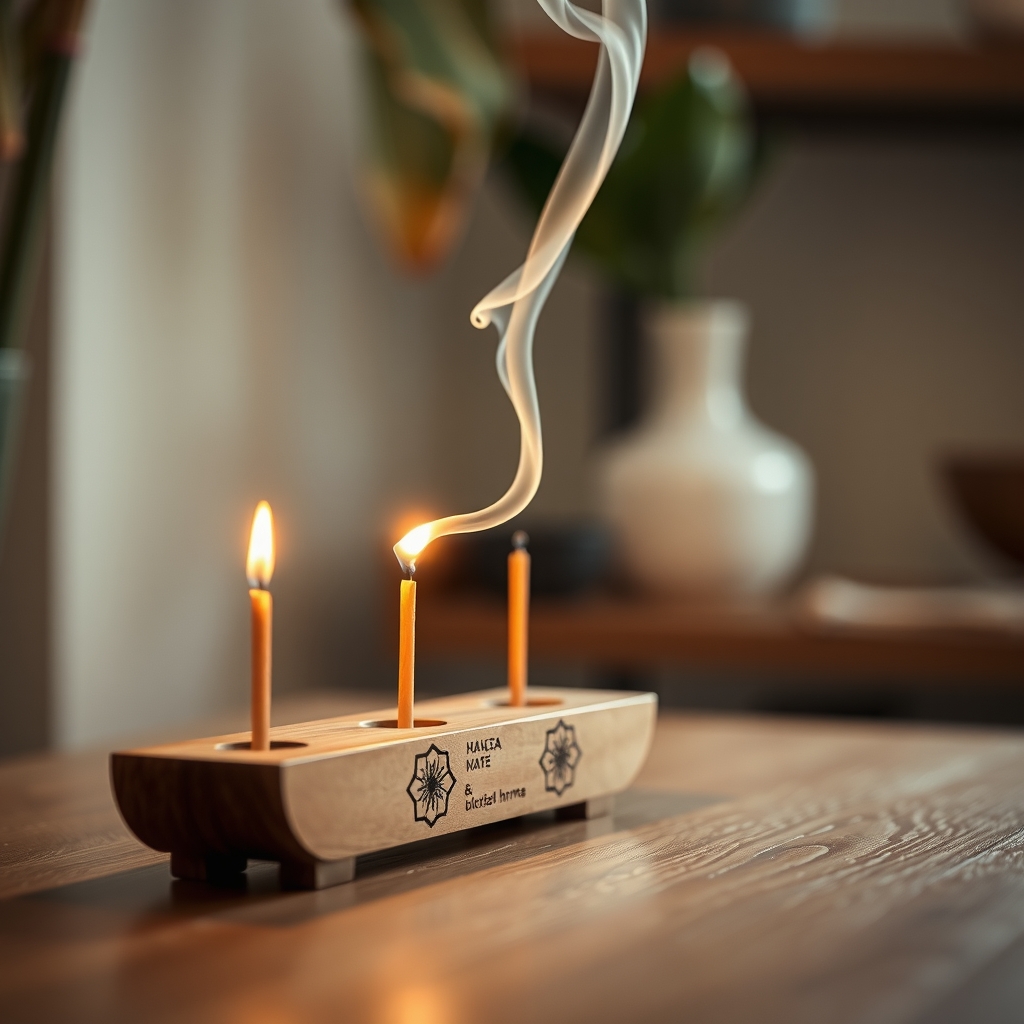
Incense smoke contains fine particles and volatile organic compounds (VOCs) that can linger in the air—especially in unventilated spaces.
Is incense smoke safe during pregnancy?
The short answer: there’s no definitive proof that occasional incense use harms pregnancy, but experts recommend limiting exposure due to potential air quality concerns. Here’s what we know:
The smoke from incense contains fine particulate matter (PM2.5)—tiny particles that can penetrate deep into your lungs and even enter your bloodstream. It also releases volatile organic compounds (VOCs), carbon monoxide, and sometimes formaldehyde, depending on the ingredients. Some studies have linked long-term, heavy incense use to respiratory issues, headaches, and even certain cancers—but these findings are in non-pregnant populations and involve daily, prolonged exposure in poorly ventilated spaces.
The American College of Obstetricians and Gynecologists (ACOG) doesn’t have a specific guideline on incense, but they do advise pregnant people to avoid secondhand smoke and indoor air pollutants whenever possible. The UK’s National Health Service (NHS) similarly recommends minimizing exposure to smoke and strong fumes during pregnancy. The World Health Organization (WHO) classifies indoor air pollution (including from incense) as a potential risk factor for adverse pregnancy outcomes, but notes that the evidence is still emerging.
What does this mean for you? If you burn incense occasionally in a well-ventilated room, the risk is likely very low. But if you’re using it daily, in a small space with no airflow, or if you have asthma or allergies, it’s worth cutting back or switching to alternatives. The first trimester—when your baby’s organs are forming—is the most sensitive window, but air quality matters in all trimesters.
Is it safe to burn incense during the first trimester of pregnancy?
The first trimester is the most critical period for fetal development. During these 12 weeks, your baby’s brain, heart, lungs, and other organs are forming, and they’re especially vulnerable to environmental toxins. While there’s no direct evidence that incense smoke causes birth defects, the lack of research means most obstetricians err on the side of caution.
If you’re going to burn incense in the first trimester, keep these guidelines in mind:
Limit use to once or twice a week, not daily.
Burn it in a well-ventilated room—open a window or use a fan to circulate air.
Avoid synthetic or heavily perfumed incense, which may contain more chemicals. Opt for natural options like sandalwood, frankincense, or myrrh when possible.
Never burn incense in a closed, small space like a bathroom or closet.
If you feel lightheaded, nauseous, or short of breath, step outside immediately and get fresh air.
If you’ve already burned incense a few times this trimester, don’t panic. The occasional exposure is unlikely to cause harm. But if you’re using it daily or in a stuffy room, it’s worth talking to your provider about ways to reduce your exposure.
Can inhaling incense smoke in the second trimester harm my baby?
By the second trimester, your baby’s major organs are formed, and the risk of birth defects drops significantly. That said, your baby is still growing rapidly, and your lungs are working harder to supply oxygen to both of you. This makes air quality especially important.
Inhaling incense smoke in the second trimester isn’t known to cause direct harm to your baby, but it can irritate your respiratory system. Some studies suggest that long-term exposure to indoor air pollution (including incense smoke) may be linked to low birth weight or preterm birth, though the evidence isn’t conclusive. The bigger concern is how the smoke affects you—if it triggers asthma, allergies, or headaches, that can indirectly impact your pregnancy.
If you choose to burn incense in the second trimester:
Stick to natural, unscented, or lightly scented options (e.g., pure sandalwood or frankincense).
Avoid daily use—once or twice a week is a safer limit.
Use it in a large, well-ventilated room, and never in a small space like a car or bathroom.
If you notice wheezing, coughing, or shortness of breath, stop using incense and talk to your doctor.
If you’re using incense for relaxation or stress relief, consider swapping it out for pregnancy-safe alternatives like essential oil diffusers or soy candles, which don’t produce smoke.
What are the risks of incense smoke exposure in the third trimester?
The third trimester is all about growth—your baby is putting on weight, their lungs are maturing, and their brain is developing rapidly. While incense smoke isn’t known to cause direct harm at this stage, there are a few reasons to be extra cautious:
Increased lung sensitivity: Your lungs are under more strain as your uterus expands, making you more susceptible to irritation from smoke or strong scents.
Risk of low birth weight: Some studies suggest that long-term exposure to indoor air pollution (including incense smoke) may be linked to lower birth weight, though more research is needed.
Asthma or allergy flare-ups: If you have asthma or allergies, incense smoke can trigger symptoms like wheezing, coughing, or chest tightness, which can be uncomfortable and may require medical attention.
Carbon monoxide exposure: Incense smoke contains small amounts of carbon monoxide, a gas that can reduce oxygen delivery to your baby. While the levels are usually too low to cause harm, it’s another reason to limit exposure.
If you’re going to burn incense in the third trimester, follow these precautions:
Use it sparingly—no more than once a week.
Burn it in a large, well-ventilated room with windows open or a fan running.
Avoid synthetic or heavily perfumed incense, which may contain more chemicals.
Never burn incense in a small, enclosed space like a bathroom or closet.
If you experience dizziness, nausea, or difficulty breathing, stop using incense and get fresh air immediately.
If you’re using incense for relaxation or to mask odors, consider switching to safer alternatives like salt lamps, essential oil diffusers, or unscented soy candles. These options can create a calming atmosphere without the smoke.
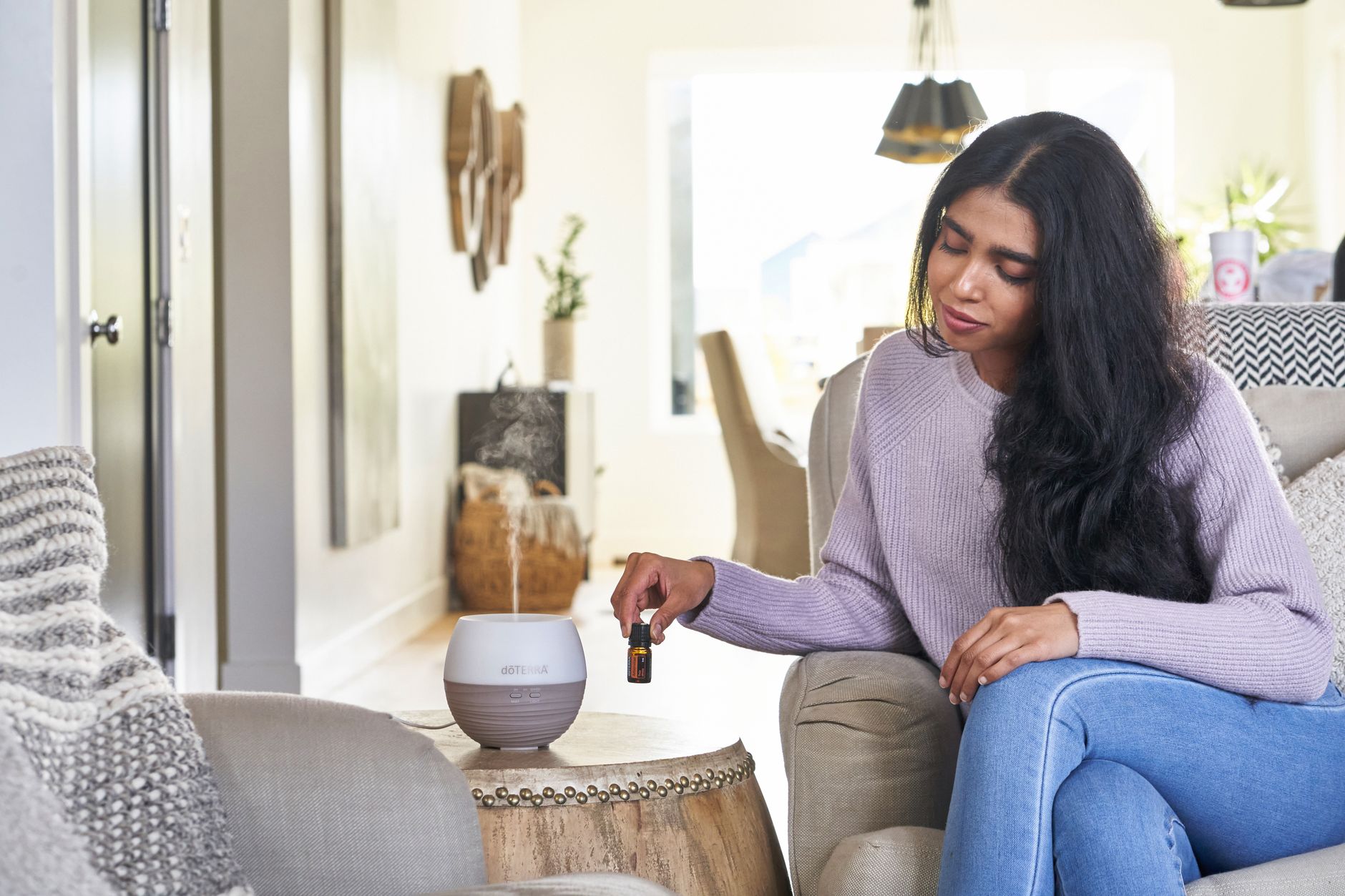
Essential oil diffusers are a smoke-free way to enjoy calming scents during pregnancy—just be sure to use pregnancy-safe oils like lavender or chamomile.
How much incense is too much during pregnancy?
There’s no official "safe limit" for incense use during pregnancy, but most experts recommend minimizing exposure as much as possible. Here’s a general guideline to follow:
Frequency
Safety Verdict
Notes
Occasional (1-2 times per week)
✅ Generally safe
Low risk if burned in a well-ventilated room.
Regular (3-4 times per week)
⚠️ Limit exposure
Risk of irritation or air quality issues; open windows or use a fan.
Daily
❌ Best avoided
May increase exposure to fine particles and VOCs; consider alternatives.
Multiple times per day
❌ Best avoided
High risk of respiratory irritation and poor air quality.
Other factors that affect safety:
Ventilation: Burning incense in a well-ventilated room (with windows open or a fan running) reduces your exposure to smoke and chemicals.
Type of incense: Natural incense (e.g., sandalwood, frankincense, myrrh) is generally safer than synthetic or heavily perfumed options, which may contain more chemicals.
Room size: Burning incense in a large room is safer than in a small, enclosed space like a bathroom or closet.
Duration: Burning one stick for 10-15 minutes is safer than burning multiple sticks for hours.
Your health: If you have asthma, allergies, or respiratory issues, it’s best to avoid incense altogether or talk to your doctor first.
If you’re unsure whether your incense use is safe, ask yourself: Does the smoke linger in the air? Do I feel lightheaded or short of breath? Does the scent give me a headache? If the answer to any of these is yes, it’s a sign to cut back or switch to alternatives.
Are there pregnancy-safe incense brands or types?
If you’re going to burn incense during pregnancy, choosing the right type can help reduce your exposure to harmful chemicals. Here’s what to look for:
Natural ingredients: Opt for incense made from 100% natural resins, woods, or essential oils. Common safe options include sandalwood, frankincense, myrrh, cedar, and lavender. Avoid incense with synthetic fragrances, dyes, or chemical additives.
No charcoal: Some incense (like cones or resins) is burned on charcoal, which can release additional smoke and chemicals. Stick to stick incense or dhoop (a type of natural incense paste).
Low-smoke formulas: Some brands offer "low-smoke" or "eco-friendly" incense, which produces less particulate matter. These are a better choice if you’re sensitive to smoke.
Reputable brands: Look for brands that disclose their ingredients and avoid synthetic additives. Some well-regarded options include:
Hem Incense: A popular brand that offers natural, low-smoke options like sandalwood and frankincense.
Shoyeido: A Japanese brand known for high-quality, natural incense made from traditional ingredients.
Satya Sai Baba Nag Champa: A widely available brand that uses natural ingredients, though some varieties contain synthetic fragrances—check the label.
Pure Incense: A brand that specializes in 100% natural, hand-rolled incense with no synthetic additives.
Even with natural incense, it’s important to limit use and ensure good ventilation. If you’re unsure about a specific brand, check the ingredients list or ask your healthcare provider for guidance.
What are the side effects of incense smoke for pregnant women?
Incense smoke can cause a range of side effects, especially if you’re sensitive to smoke or strong scents. While these symptoms aren’t usually dangerous, they can be uncomfortable and may signal that it’s time to cut back. Common side effects include:
Headaches or dizziness: The strong scent and chemicals in incense smoke can trigger headaches or make you feel lightheaded, especially in unventilated spaces.
Nausea: If you’re already dealing with morning sickness, the smell of incense may worsen nausea or trigger vomiting.
Respiratory irritation: Incense smoke can irritate your throat, nose, and lungs, leading to coughing, wheezing, or a runny nose. If you have asthma or allergies, it may trigger flare-ups.
Eye irritation: The smoke can cause your eyes to water, itch, or burn, especially if you wear contact lenses.
Skin irritation: Some people develop a mild rash or itchiness when exposed to incense smoke, particularly if they have sensitive skin.
Shortness of breath: If you’re burning incense in a small, enclosed space, the smoke can make it harder to breathe, especially in the third trimester when your lungs are under more strain.
If you experience any of these symptoms, stop burning incense immediately and get some fresh air. If symptoms persist or worsen, contact your healthcare provider. In most cases, the side effects will go away once you’re no longer exposed to the smoke.
Can incense smoke worsen asthma or allergies during pregnancy?
Yes. If you have asthma or allergies, incense smoke can trigger or worsen symptoms like:
Wheezing or coughing
Chest tightness or shortness of breath
Runny or stuffy nose
Itchy or watery eyes
Sneezing
During pregnancy, your immune system is more sensitive, and your lungs are working harder to supply oxygen to your baby. This can make you more susceptible to triggers like smoke, dust, or strong scents. If you have asthma, exposure to incense smoke could lead to an asthma attack, which may require medical attention and could reduce oxygen flow to your baby.
If you have asthma or allergies, it’s best to avoid incense altogether during pregnancy. If you’re in a situation where incense is being burned (e.g., at a religious ceremony or in a shared space), try these tips to minimize your exposure:
Sit near an open window or door to get fresh air.
Use a portable air purifier or fan to help circulate air.
Wear a N95 mask if you’re in a high-exposure setting (though check with your doctor first).
Take breaks outside to get fresh air if you start feeling symptoms.
Talk to your healthcare provider about adjusting your asthma or allergy medications if needed.
If you experience an asthma attack or severe allergic reaction, seek medical attention immediately. Don’t wait to see if symptoms improve on their own.
What are the best alternatives to incense for relaxation during pregnancy?
If you’re looking to create a calming atmosphere without the smoke, there are plenty of pregnancy-safe alternatives to incense. Here are some of the best options:
Essential oil diffusers: Diffusers disperse pregnancy-safe essential oils (like lavender, chamomile, or bergamot) into the air without producing smoke. Just be sure to use a high-quality, cold-air diffuser and avoid oils that aren’t safe during pregnancy (e.g., rosemary, clary sage, or basil).
Soy or beeswax candles: Unlike paraffin candles, which can release soot and chemicals, soy and beeswax candles burn cleanly and produce little to no smoke. Look for unscented or lightly scented options to avoid strong fragrances.
Lavender sachets: Small sachets filled with dried lavender can add a subtle, calming scent to your space without any smoke or chemicals. Place them in your pillowcase, drawer, or car for a gentle fragrance.
Salt lamps: Himalayan salt lamps emit a soft, warm glow and may help purify the air. While they don’t produce a scent, they can create a relaxing atmosphere.
Meditation or breathing exercises: If you’re using incense for stress relief, try guided meditation, deep breathing, or prenatal yoga instead. These practices can help you relax without any external stimuli.
White noise machines: A white noise machine can mask unwanted sounds and create a soothing environment, especially if you’re sensitive to strong scents.
Aromatherapy sprays: Look for pregnancy-safe aromatherapy sprays made with natural ingredients. You can mist them in the air or on your linens for a light, refreshing scent.
Herbal teas: Sipping on a warm cup of chamomile, peppermint, or ginger tea can be a relaxing ritual that also soothes pregnancy-related discomforts like nausea or indigestion.
Sound baths or calming music: Listening to calming music, nature sounds, or a sound bath (a type of meditation using singing bowls) can help you unwind without any smoke or scent.
Gentle yoga or stretching: A short prenatal yoga session or stretching routine can help relieve stress and tension, especially in the third trimester.
If you’re unsure which alternative is right for you, experiment with a few options to see what helps you relax the most. The goal is to create a peaceful environment that supports your well-being—without the worry.
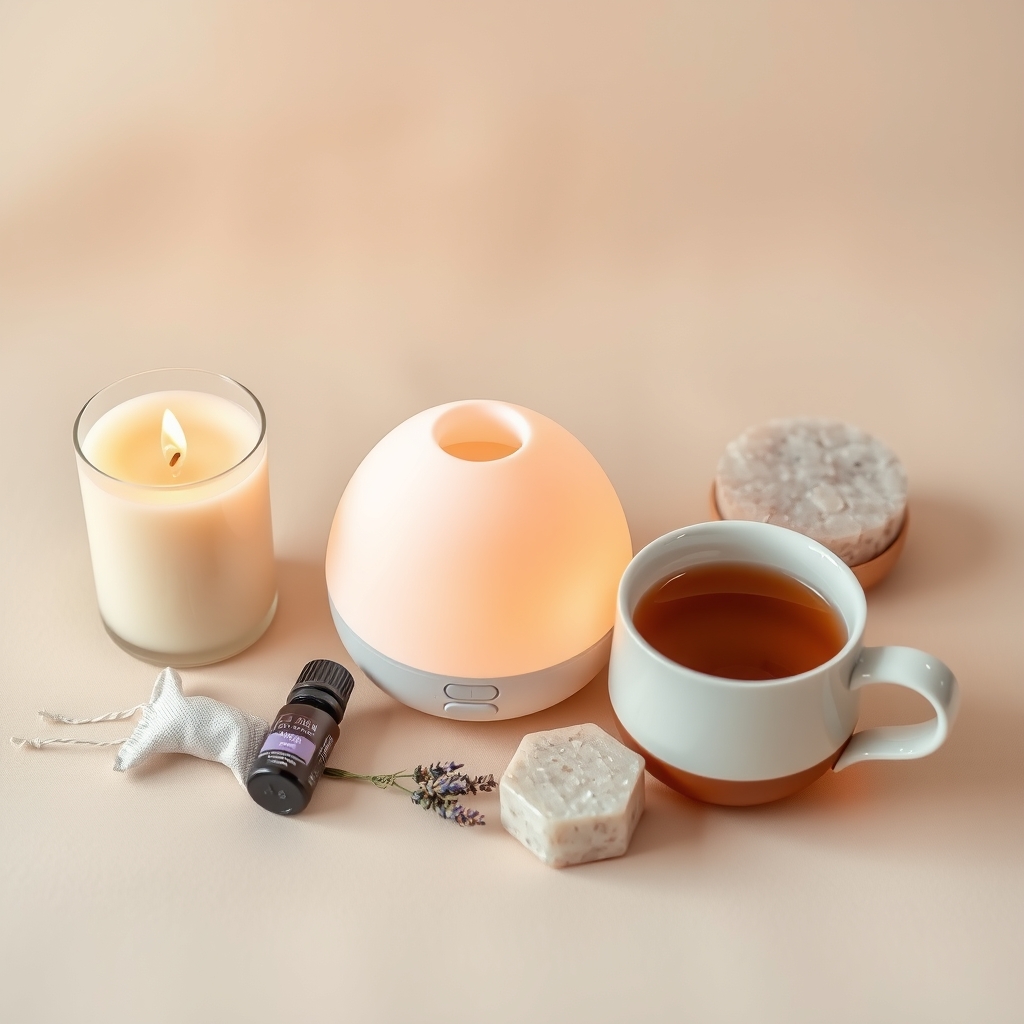
From soy candles to essential oil diffusers, there are plenty of smoke-free ways to create a relaxing atmosphere during pregnancy.
Is natural or organic incense safer to use while pregnant?
Natural or organic incense is generally safer than synthetic incense, but it’s not risk-free. Here’s what you need to know:
Fewer chemicals: Natural incense is made from plant-based ingredients like resins, woods, and essential oils, which means it contains fewer synthetic chemicals than conventional incense. This can reduce your exposure to potentially harmful additives.
Still produces smoke: Even natural incense produces smoke, which contains fine particles and VOCs that can irritate your lungs or affect air quality. The type of smoke may be "cleaner," but it’s still smoke.
No regulation: The terms "natural" and "organic" aren’t tightly regulated in the incense industry, so some brands may use these labels even if their products contain synthetic fragrances or additives. Always check the ingredients list.
Potential allergens: Natural incense can still trigger allergies or sensitivities, especially if you’re allergic to certain plants or resins (e.g., pine, cedar, or frankincense).
If you choose to burn natural or organic incense during pregnancy:
Look for brands that list all their ingredients and avoid synthetic additives.
Stick to mild, unscented, or lightly scented options to reduce irritation.
Burn it in a well-ventilated room and limit use to once or twice a week.
Avoid charcoal-based incense (like cones or resins), which can produce more smoke and chemicals.
While natural incense is a better choice than synthetic, it’s still not the safest option during pregnancy. If you’re looking for a truly smoke-free alternative, consider essential oil diffusers, soy candles, or salt lamps instead.
Does the type of incense (e.g., sandalwood, jasmine, nag champa) affect pregnancy safety?
Yes, the type of incense you burn can affect its safety during pregnancy. Here’s a breakdown of common incense types and what to consider:
Type of Incense
Safety Notes
Sandalwood
✅ Generally safe in small amounts. Sandalwood is a natural wood with a mild, earthy scent. It’s one of the safer options, but still produces smoke.
Frankincense
✅ Generally safe in small amounts. Frankincense is a natural resin with anti-inflammatory properties. It’s a popular choice for meditation and relaxation.
Myrrh
✅ Generally safe in small amounts. Myrrh is another natural resin with a warm, earthy scent. It’s often used in spiritual practices.
Lavender
⚠️ Use with caution. Lavender is generally safe in small amounts, but some people find the scent overpowering or triggering for nausea. Avoid if you’re sensitive to strong fragrances.
Jasmine
⚠️ Use with caution. Jasmine has a strong, floral scent that can trigger headaches or nausea in some pregnant people. If you’re sensitive to strong fragrances, it’s best to avoid it.
Nag Champa
⚠️ Use with caution. Nag Champa is a popular incense blend that often contains sandalwood and floral fragrances. Some varieties contain synthetic additives, so check the ingredients list.
Patchouli
⚠️ Use with caution. Patchouli has a strong, earthy scent that can be overpowering. Some people find it relaxing, while others find it irritating.
Synthetic or heavily perfumed incense
❌ Best avoided. These types of incense often contain artificial fragrances, dyes, and chemicals that can irritate your lungs or trigger headaches. Examples include "ocean breeze," "vanilla dream," or "fruit-scented" incense.
In general, natural, unscented, or lightly scented incense is safer than heavily perfumed or synthetic options. If you’re unsure about a specific type, check the ingredients list or ask your healthcare provider for guidance. When in doubt, opt for smoke-free alternatives like essential oil diffusers or soy candles.
Related items — safety at a glance
If you’re wondering about incense, you might also be curious about the safety of other common household scents and smoke sources during pregnancy. Here’s a quick comparison:
Item
Safety Verdict
Notes
Cigarette smoke
❌ Avoid
Linked to miscarriage, preterm birth, low birth weight, and birth defects. Learn more.
Candle smoke
⚠️ Safe with limits
Soy or beeswax candles are safer than paraffin. Avoid strong fragrances if you’re sensitive.
Air fresheners
⚠️ Safe with limits
Choose natural, unscented options. Avoid plug-ins or sprays with synthetic fragrances.
Scented cleaning products
⚠️ Safe with limits
Opt for unscented or naturally scented cleaners. Avoid strong fumes in unventilated spaces.
Marijuana smoke
❌ Avoid
Linked to low birth weight and developmental issues. Learn more.
Wood-burning stove smoke
❌ Avoid
Produces fine particles and carbon monoxide. Use electric or gas heaters instead.
Vehicle exhaust fumes
❌ Avoid
Linked to preterm birth and low birth weight. Limit time near busy roads or idling cars.
Paint fumes
❌ Avoid
Some paints contain VOCs. Use low-VOC or zero-VOC paint and ensure good ventilation.
Hair dye fumes
⚠️ Safe with limits
Most research suggests hair dye is safe after the first trimester, but avoid strong fumes in unventilated spaces.
Nail polish fumes
⚠️ Safe with limits
Choose "3-free" or "5-free" polish (free of formaldehyde, toluene, and DBP). Use in a well-ventilated area.
Myth vs. fact
When it comes to incense and pregnancy, there’s a lot of misinformation out there. Let’s separate fact from fiction:
Myth: Burning incense is just as harmful as smoking cigarettes during pregnancy. Fact: While incense smoke contains some of the same harmful particles as cigarette smoke, the levels are much lower. That said, it’s still best to limit exposure, especially in unventilated spaces. Unlike cigarettes, incense isn’t linked to miscarriage or birth defects, but it can irritate your lungs and affect air quality.
Myth: Natural incense is completely safe during pregnancy. Fact: Natural incense is safer than synthetic incense, but it’s not risk-free. Even natural incense produces smoke, which contains fine particles and VOCs that can irritate your lungs. The key is to use it sparingly and in well-ventilated spaces.
Myth: If you don’t smell the incense, it’s not affecting you. Fact: Incense smoke contains particles and chemicals that you can’t always smell but can still inhale. Even if the scent is mild, the smoke can linger in the air and affect air quality. Good ventilation is key.
Key takeaways
✅ Incense smoke is generally safe in small amounts with good ventilation, but it’s best to limit exposure during pregnancy.
⚠️ The first trimester is the most sensitive window, but air quality matters in all trimesters. Avoid daily use in unventilated spaces.
❌ Avoid synthetic or heavily perfumed incense, which may contain more chemicals. Opt for natural options like sandalwood or frankincense.
🌬️ Good ventilation is key. Burn incense in a large, well-ventilated room with windows open or a fan running.
🚫 If you have asthma or allergies, it’s best to avoid incense altogether. The smoke can trigger symptoms and reduce oxygen flow to your baby.
Not sure about the label on Is Incense Smoke Safe During Pregnancy products?
Snap the ingredients list and SafeFilter checks every ingredient for your stage — only 3 free scans this month, then you're locked until reset. Unlimited from $7/mo or $50/yr.
When Shubhra Mishra was expecting her first child in 2016, she was overwhelmed by conflicting food advice — one site said yes, another said never. By the time her second baby arrived in 2019, she realized millions of mothers face the same confusion.
That sparked a five-year journey through clinical nutrition papers, cultural diets, and expert conversations — all leading to BumpBites: a calm, compassionate space where science meets everyday motherhood.
Her long-term vision is to build a global community ensuring safe, supported, and free deliveriesfor every mother — because no woman should face pregnancy alone or uninformed. 🌿
🌍 Stand with mothers, shape safer guidance
Join a small circle of experts who review BumpBites articles so expecting parents everywhere can decide with confidence.