Is strep throat exposure safe during pregnancy? While exposure itself isn't always harmful, contracting strep requires prompt antibiotic treatment to prevent
By Shubhra Mishra — a mom of two who turned her own confusion during pregnancy into BumpBites, a global mission to make food choices clear, safe, and stress-free for every expecting mother. 💛
Check whether any food is safe during pregnancy with the BumpBites Food Safety Checker.
Quick verdict: ⚠️ Talk to your doctor first. While strep throat *exposure* itself isn't immediately dangerous, developing a strep throat *infection* during pregnancy requires prompt medical attention and treatment to protect both you and your baby. If you've been exposed, contact your healthcare provider for guidance on testing and monitoring.
That familiar ping of "someone's sick" often brings an extra layer of anxiety when you're pregnant, especially when it's something as contagious as strep throat. Maybe your toddler just came home from daycare with a positive test, or a coworker spent all morning coughing near your desk. Now you're scrolling at 11 PM, wondering, "is strep throat exposure safe during pregnancy?" Take a deep breath. It's completely normal to worry about how common infections might affect your developing baby. At BumpBites, we understand these concerns, and we're here to give you clear, evidence-based information so you can navigate pregnancy with confidence.
The good news is that simply being *exposed* to strep throat isn't usually an emergency. However, it's crucial to understand the risks if that exposure leads to an *infection*. Prompt testing and appropriate treatment are key to ensuring a healthy outcome for both you and your little one. We'll walk you through what strep throat is, what symptoms to watch for, why it matters in each trimester, and what steps you should take if you think you've been exposed.
If you've been exposed to strep throat while pregnant, contacting your doctor about testing is the best first step.
Safety Snapshot: Strep Throat Exposure During Pregnancy
Trimester/Stage
Verdict on Exposure
Notes
First Trimester
⚠️ Talk to your doctor
Exposure is common; infection can increase risks of complications like preterm labor or early pregnancy loss, though direct birth defects are rare. Prompt testing and treatment are vital.
Second Trimester
⚠️ Talk to your doctor
Similar to the first trimester, an infection requires prompt treatment. Risks of complications remain, but the baby's major organs are already formed.
Third Trimester
⚠️ Talk to your doctor
Infection can increase risks of preterm labor, premature rupture of membranes, and transmission to the newborn during delivery. Distinguish from Group B Strep (GBS).
Breastfeeding
⚠️ Talk to your doctor
If you have strep throat, continue breastfeeding while taking antibiotics, as the benefits outweigh potential risks. Practice good hand hygiene to prevent transmission to the baby.
What is Strep Throat?
S
trep throat, medically known as streptococcal pharyngitis, is a common bacterial infection of the throat and tonsils. It's caused by bacteria called Streptococcus pyogenes, also known as Group A Streptococcus (GAS). This highly contagious bacterium spreads through respiratory droplets when an infected person coughs, sneezes, or talks. You can get strep throat by breathing in these droplets, or by touching a surface contaminated with the bacteria and then touching your mouth, nose, or eyes.
Unlike a viral sore throat, which often comes with a cough, runny nose, and hoarseness, strep throat typically presents with a sudden, severe sore throat, pain when swallowing, fever, and sometimes tiny red spots on the roof of the mouth (petechiae). Swollen lymph nodes in the neck and a rash (scarlet fever) can also occur. It's important to know that strep throat won't go away on its own and requires antibiotic treatment. Without treatment, it can lead to more serious complications, which is why understanding what doctors recommend for strep throat treatment during pregnancy is so important.
Is it safe to be exposed to strep throat while pregnant?
Simply being exposed to strep throat while pregnant isn't inherently unsafe, but it does mean you're at risk of developing the infection yourself. The primary concern isn't the exposure itself, but the potential for the Group A Streptococcus bacteria to cause an infection in a pregnant person. If you've been around someone with strep throat, your main priority should be to monitor for symptoms and get tested promptly if you start to feel unwell.
The American College of Obstetricians and Gynecologists (ACOG) and other health authorities emphasize the importance of treating bacterial infections like strep throat during pregnancy to prevent complications for both the mother and the baby. Untreated strep throat can lead to more serious conditions for the pregnant person, such as rheumatic fever or kidney inflammation (post-streptococcal glomerulonephritis), though these are rare with timely treatment. For the baby, the risks are primarily associated with maternal infection impacting pregnancy outcomes, rather than the bacteria directly causing birth defects.
If you suspect you've been exposed, don't panic. Many pregnant individuals are exposed to various pathogens throughout their pregnancy without developing an infection. Your immune system is working hard! The key is to be proactive: know the symptoms, practice good hygiene, and contact your healthcare provider for guidance on testing. They can determine if a rapid strep test or throat culture is necessary based on your symptoms and exposure history.
What are the risks of strep throat exposure during early pregnancy?
The first trimester is a critical period for fetal development, as all major organs are forming. While the direct risk of strep throat *exposure* causing birth defects is considered very low, if you develop a strep throat *infection* during early pregnancy, there are potential concerns. The main risks are generally related to the maternal infection and its potential impact on the pregnancy itself, rather than the bacteria being a direct teratogen (a substance causing birth defects).
An untreated strep throat infection could potentially lead to complications such as fever, dehydration, and general inflammation, which in severe cases, might increase the risk of early pregnancy loss. However, these risks are significantly mitigated by prompt diagnosis and treatment with appropriate pregnancy-safe antibiotics for strep throat. Most obstetricians recommend treating strep throat aggressively in all trimesters to prevent maternal complications and ensure a healthy pregnancy. If you've been exposed in your first trimester, the best course of action is to communicate with your doctor about any symptoms you experience.
Can strep throat exposure cause miscarriage or birth defects?
It's a common and understandable fear that any illness during pregnancy could harm your baby. When it comes to strep throat exposure, the direct answer is no, simply being exposed is not known to directly cause miscarriage or birth defects. The concern arises if the exposure leads to an active strep throat *infection* in the pregnant individual.
If a pregnant person contracts strep throat and it goes untreated, the body's systemic response to the infection, such as high fever or severe inflammation, could theoretically increase the risk of complications, including early pregnancy loss or preterm labor. However, Group A Streptococcus (the bacteria causing strep throat) is not considered a teratogen, meaning it does not directly cause birth defects. The vast majority of pregnant people who contract and are treated for strep throat have healthy pregnancies and healthy babies.
The key takeaway here is that prompt diagnosis and treatment of a strep throat infection are paramount. If you've been exposed and develop symptoms, contacting your doctor for testing and starting a course of antibiotics if positive significantly reduces any potential risks to both you and your baby. The risks of *untreated* strep throat are far greater than the risks of the infection itself when managed appropriately.
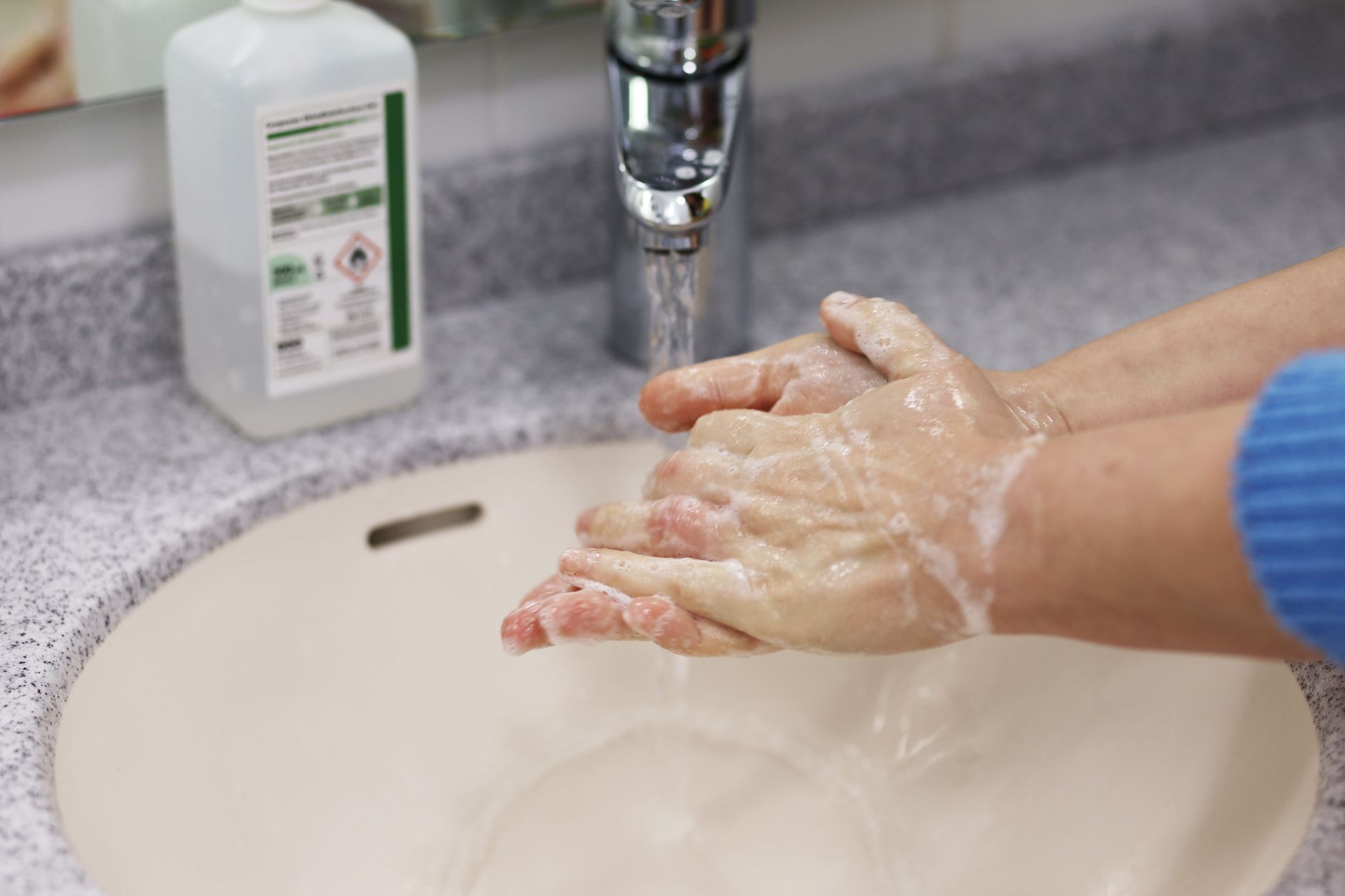
Good hand hygiene is one of the most effective ways to reduce your risk of strep throat exposure and infection during pregnancy.
What should I do if I'm exposed to strep throat during pregnancy?
If you've been exposed to strep throat while pregnant, your first step should be to contact your healthcare provider. They will be able to assess your risk based on the nature of the exposure (e.g., close contact with an infected household member) and any symptoms you might be experiencing. Even if you don't have symptoms immediately, it's wise to inform your doctor, as they may advise you to monitor yourself closely.
Here's a general guide on what to do:
Contact Your Doctor: Explain who you were exposed to, when, and if you have any symptoms. They might recommend immediate testing or advise you to wait and watch for symptoms.
Monitor for Symptoms: Keep a close eye on yourself for classic strep throat symptoms like sudden sore throat, pain when swallowing, fever, red and swollen tonsils (sometimes with white patches or streaks of pus), tiny red spots on the roof of the mouth, or swollen lymph nodes in the neck.
Practice Strict Hygiene: Wash your hands frequently with soap and water for at least 20 seconds, especially after coughing, sneezing, or being in public. Avoid touching your face, particularly your mouth, nose, and eyes.
Avoid Close Contact: If possible, minimize close contact with the infected individual until they are no longer contagious (typically after 24 hours on antibiotics).
Don't Self-Diagnose: Strep throat symptoms can mimic those of viral infections. A definitive diagnosis requires a rapid strep test or a throat culture performed by a healthcare professional.
Remember, early detection and treatment are crucial to prevent complications. Your doctor will guide you on the best course of action specifically for your situation.
How does strep throat exposure affect my baby during pregnancy?
The impact of strep throat exposure on your baby during pregnancy is primarily indirect, meaning it's through the mother becoming infected and then experiencing complications, rather than the bacteria directly harming the fetus. If you get a strep throat infection and it is promptly diagnosed and treated with antibiotics, the risk to your baby is generally very low.
However, if a strep throat infection goes untreated in the pregnant parent, potential concerns for the baby can arise. These are typically related to:
Preterm Labor: Any severe infection in the mother can trigger an inflammatory response that may lead to preterm contractions or premature rupture of membranes, potentially resulting in early delivery.
Fetal Distress: While rare, a severe, untreated maternal infection could potentially lead to generalized maternal illness that indirectly impacts fetal well-being.
Newborn Infection (Rare): In very rare cases, if a mother has an active strep throat infection at the time of delivery, there's a theoretical risk of the newborn acquiring Group A Strep. This is distinct from Group B Strep (GBS), which is a common concern for newborns and is screened for routinely in the third trimester.
It's important to reiterate that these risks are primarily associated with *untreated* or severe infections. The vast majority of pregnant individuals who get strep throat and receive timely antibiotic treatment experience no adverse outcomes for their babies. The most important thing is to seek medical advice if you suspect you have been exposed and are developing symptoms.
Is strep throat exposure more dangerous in the third trimester?
While strep throat infection requires attention in any trimester, there are specific considerations that make a strep throat infection in the third trimester particularly important to manage. The risks in the third trimester are less about causing birth defects (as major organ development is complete) and more about potential complications for the pregnancy itself and the newborn.
Preterm Labor and Premature Rupture of Membranes (PROM): As mentioned, any significant maternal infection, including strep throat, can trigger uterine contractions or weaken the amniotic sac, leading to preterm labor or PROM. Delivering prematurely carries various risks for the baby.
Transmission to the Newborn: Although Group A Streptococcus (strep throat bacteria) is different from Group B Streptococcus (GBS), there is a rare possibility of the newborn acquiring Group A Strep during delivery if the mother has an active infection. This could lead to serious infections in the baby, such as sepsis or pneumonia, though this is much less common than GBS transmission.
Maternal Health: The mother is still at risk for complications like rheumatic fever or kidney issues if the infection is not treated.
Given these potential issues, prompt diagnosis and treatment of strep throat in the third trimester are essential. If you are exposed to strep throat in your third trimester, you should contact your doctor immediately to discuss testing and management, even if you only have mild symptoms. They may also want to distinguish it from Group B Strep, which is routinely screened for around 35-37 weeks of pregnancy. For more information on GBS, you can refer to our article on Group B strep prevention: intrapartum antibiotic calculator guide.
What are the symptoms of strep throat in pregnant women after exposure?
The symptoms of strep throat in pregnant women are generally the same as in non-pregnant individuals. However, sometimes pregnancy can mask or amplify certain symptoms, or you might just be more attuned to any changes in your body. If you've had strep throat exposure, here's what to watch for:
Sudden Sore Throat: Often severe and comes on quickly. It can feel raw or scratchy.
Pain When Swallowing: This can range from mild discomfort to severe pain, making eating and drinking difficult.
Fever: A temperature of 100.4°F (38°C) or higher is common.
Red and Swollen Tonsils: Your tonsils may appear very red, and sometimes have white patches, streaks of pus, or tiny red spots (petechiae) on the soft or hard palate.
Swollen, Tender Lymph Nodes: Glands in your neck may feel tender and enlarged.
Headache: A general feeling of malaise and headache can accompany the infection.
Body Aches: Generalized muscle aches are also possible.
Nausea or Vomiting: More common in children, but can occur in adults, especially if the infection is severe.
Rash (Scarlet Fever): In some cases, strep throat can be accompanied by a fine, sandpaper-like rash, which indicates scarlet fever.
What's typically NOT a symptom of strep throat is a cough, runny nose, or hoarseness. If you have these symptoms, it's more likely a viral infection. However, because symptoms can overlap, and distinguishing between viral and bacterial infections is difficult without testing, it's always best to consult your doctor if you develop a sore throat after strep throat exposure during pregnancy.
What treatments are safe for strep throat if I get it while pregnant?
If you are diagnosed with strep throat during pregnancy, prompt antibiotic treatment is essential to prevent complications for both you and your baby. The good news is that several antibiotics are considered safe and effective for use during pregnancy. Your doctor will prescribe the most appropriate medication based on your medical history and the severity of the infection.
The standard treatment for strep throat is a course of antibiotics, typically lasting 10 days, even if your symptoms improve sooner. It's crucial to complete the entire course to fully eradicate the bacteria and prevent recurrence or complications.
Penicillin: This is often the first-line treatment if you are not allergic. Penicillin has a long history of safe use in pregnancy.
Amoxicillin: Similar to penicillin, amoxicillin is also widely considered safe and effective during all trimesters of pregnancy.
Cephalexin (Keflex): For those with a mild penicillin allergy, cephalexin is often a safe alternative.
Erythromycin or Azithromycin: For individuals with a severe penicillin allergy, macrolide antibiotics like erythromycin or azithromycin may be prescribed. Your doctor will choose the best option based on your specific allergy history.
It's important to remember that you should never self-medicate or take antibiotics that were prescribed for someone else. Always follow your doctor's specific instructions regarding dosage and duration. For a more detailed look at medication options, you can read our guide on Pregnancy Safe Antibiotics for Strep Throat: What’s Safe and What to Avoid.
Side effects and risks
While strep throat exposure itself doesn't carry direct side effects, developing an active strep throat infection during pregnancy does come with potential risks if left untreated. These risks are primarily to the pregnant person, but some can indirectly affect the baby.
Risks to the Pregnant Person
Rheumatic Fever: This is a serious inflammatory disease that can affect the heart, joints, brain, and skin. It's a rare but severe complication of untreated strep throat.
Post-Streptococcal Glomerulonephritis: An inflammatory kidney disease that can develop after a strep infection, leading to kidney damage.
Peritonsillar Abscess: A collection of pus behind the tonsils, which can be very painful and may require drainage.
Cellulitis: A bacterial skin infection, which can occur if the strep bacteria spreads.
Sepsis: In very rare and severe cases, an untreated infection can lead to sepsis, a life-threatening response to infection that can cause organ damage.
Risks to the Baby (Indirectly, via Maternal Infection)
Preterm Labor/Premature Rupture of Membranes: As discussed, a significant maternal infection can trigger early labor or cause the water to break prematurely, leading to a premature birth.
Fetal Distress: While rare, severe maternal illness with high fever and inflammation could potentially impact the baby's well-being.
Newborn Group A Strep Infection: Although much less common than Group B Strep, there's a small risk of the newborn acquiring Group A Strep during birth if the mother has an active, untreated infection at the time of delivery. This can lead to serious conditions like pneumonia or sepsis in the baby.
It's important to remember that these risks are significantly reduced with prompt diagnosis and antibiotic treatment. The vast majority of pregnant individuals who get strep throat and receive appropriate care have healthy pregnancies and healthy babies. The key is to be vigilant about symptoms after exposure and to contact your doctor without delay.
Safer alternatives / other safe options
When we talk about "safer alternatives" for strep throat exposure, we're really focusing on prevention strategies and safe symptom management while you await a diagnosis or recover from an infection. There isn't an "alternative" to antibiotics once a bacterial infection is confirmed, but there are many things you can do to support your health and avoid getting sick.
Here are safer options and prevention strategies to consider:
Diligent Hand Washing: This is your number one defense! Wash your hands frequently with soap and water for at least 20 seconds, especially after coughing, sneezing, using the bathroom, and before eating. Hand sanitizer (at least 60% alcohol) is a good alternative when soap and water aren't available.
Avoid Close Contact with Sick Individuals: Maintain physical distance from anyone who is ill with a sore throat, cough, or fever. Ask family members or coworkers who are sick to distance themselves or wear a mask.
Don't Share Utensils, Cups, or Food: Strep throat spreads easily through saliva. Keep your eating and drinking items separate.
Cover Coughs and Sneezes: Use a tissue or your elbow to cover your mouth and nose, then wash your hands immediately.
Clean and Disinfect Surfaces: Regularly clean high-touch surfaces in your home, especially if someone in your household is sick.
Boost Your Immune System: A healthy diet rich in fruits and vegetables, adequate sleep (7-9 hours per night), and moderate exercise (as approved by your doctor) can help support your immune system.
Stay Hydrated: Drinking plenty of fluids helps keep your throat moist and can soothe a sore throat. Water, herbal teas (check for pregnancy safety), and broths are good choices.
Sore Throat Lozenges/Sprays: Many over-the-counter sore throat lozenges and sprays are safe during pregnancy (e.g., those with benzocaine or menthol in moderation). Always check with your pharmacist or doctor.
Warm Saltwater Gargle: A simple and effective home remedy for a sore throat. Mix 1/4 to 1/2 teaspoon of salt in 8 ounces of warm water and gargle several times a day.
Humidifier: Using a cool-mist humidifier in your bedroom can help keep your throat from drying out and ease discomfort.
Related items — safety at a glance
Understanding how other common infections compare to strep throat exposure in terms of pregnancy safety can provide valuable context. While all exposures warrant caution and communication with your doctor, their specific risks and management can vary.
Exposure During Pregnancy
Verdict
Notes
Flu exposure
⚠️ Talk to your doctor
Pregnant women are at higher risk for severe flu complications. Vaccination is highly recommended. Antiviral treatment may be prescribed if infected.
COVID-19 exposure
⚠️ Talk to your doctor
Pregnant women are at increased risk for severe COVID-19 and adverse pregnancy outcomes. Vaccination is recommended. Testing and monitoring are crucial if exposed.
RSV exposure
⚠️ Talk to your doctor
Respiratory Syncytial Virus (RSV) can cause severe respiratory illness, especially in infants. Seek testing if symptoms develop; supportive care is key.
Chickenpox exposure
⚠️ Talk to your doctor
Significant risk if pregnant person is not immune. Can cause severe maternal illness and congenital varicella syndrome in the baby. Urgent medical attention needed. (See also: Chickenpox Exposure During Pregnancy Risks)
Fifth disease exposure
⚠️ Talk to your doctor
Caused by parvovirus B19. Can cause fetal anemia and hydrops fetalis, especially if infection occurs before 20 weeks. Monitoring with ultrasound is often required.
Hand, foot, and mouth disease exposure
⚠️ Talk to your doctor
Generally mild, but can cause fever and rash. Maternal infection is usually not serious but can rarely be passed to the newborn around delivery.
Whooping cough exposure
⚠️ Talk to your doctor
Caused by pertussis. Can be severe for newborns. Tdap vaccine during pregnancy (27-36 weeks) is highly recommended to protect the baby.
Cold exposure
✅ Generally safe
Common viral infection, generally not harmful to the baby. Manage symptoms with pregnancy-safe remedies like saline spray, rest, and fluids.
Myth vs. fact
When it comes to strep throat during pregnancy, there are a few common misconceptions that can cause unnecessary worry. Let's clear them up:
Myth: Any strep throat infection during pregnancy will automatically harm the baby.
Fact: While an untreated strep throat infection carries risks, prompt diagnosis and treatment with pregnancy-safe antibiotics significantly reduce complications for both you and your baby. Most pregnant individuals who get and treat strep throat have healthy outcomes.
Myth: Strep throat is the same thing as Group B Strep (GBS).
Fact: This is a common confusion! Strep throat is caused by Group A Streptococcus (GAS), which typically infects the throat. Group B Streptococcus (GBS) is a different type of bacteria that often lives harmlessly in the vagina or rectum of many healthy women. GBS is a concern in pregnancy because it can be passed to the baby during vaginal birth, potentially causing serious newborn infections. All pregnant women are screened for GBS in late pregnancy, and if positive, receive antibiotics during labor. They are distinct bacteria with different implications for pregnancy.
Myth: If you've been exposed to strep throat, you'll definitely get it.
Fact: Exposure increases your risk, but it doesn't guarantee infection. Factors like your immune system, the duration and intensity of the exposure, and good hygiene practices all play a role. Many people are exposed to strep throat without ever developing symptoms or testing positive for the bacteria.
Key takeaways
Strep throat exposure during pregnancy means you might get sick, but it's not immediately harmful to your baby.
If you develop a strep throat *infection*, prompt antibiotic treatment is crucial to prevent complications for both you and your baby.
Strep throat is caused by Group A Streptococcus (GAS) and is different from Group B Strep (GBS), which is screened for in late pregnancy.
Symptoms of strep throat include a sudden, severe sore throat, fever, and pain when swallowing, often without a cough or runny nose.
Safe antibiotics like penicillin and amoxicillin are effective for treating strep throat in all trimesters.
Prevention strategies like frequent hand washing and avoiding sick contacts are your best defense against strep throat exposure.
Frequently asked questions
What happens if a pregnant woman is exposed to strep throat?
If a pregnant woman is exposed to strep throat, she should monitor herself closely for symptoms for about 2-5 days, which is the typical incubation period. If symptoms like a sudden sore throat, fever, or pain when swallowing develop, she should contact her healthcare provider immediately for testing. Prompt diagnosis and treatment with pregnancy-safe antibiotics are crucial if an infection is confirmed.
Can strep throat affect a baby in the womb?
Strep throat itself does not directly cause birth defects or typically affect the baby in the womb. The primary concern is if the pregnant person develops an untreated strep throat infection, which could lead to complications like high fever or inflammation that might indirectly increase the risk of preterm labor or other adverse pregnancy outcomes. With proper treatment, risks to the baby are very low.
Is strep throat dangerous in the third trimester?
An active strep throat infection in the third trimester is particularly important to manage. While not directly teratogenic, it can increase the risk of preterm labor, premature rupture of membranes, and, rarely, transmission of Group A Strep to the newborn during delivery. Prompt diagnosis and antibiotic treatment are essential to mitigate these risks for both mother and baby.
What are the symptoms of strep throat in pregnancy?
Symptoms of strep throat in pregnancy are generally the same as in non-pregnant individuals: a sudden, severe sore throat, pain when swallowing, fever (100.4°F or higher), red and swollen tonsils (sometimes with white patches or pus), and swollen lymph nodes in the neck. Unlike a cold, strep throat usually doesn't include a cough, runny nose, or hoarseness.
How do you prevent strep throat while pregnant?
Prevention of strep throat during pregnancy focuses on good hygiene and avoiding exposure. This includes frequent and thorough hand washing with soap and water, avoiding close contact with sick individuals, not sharing eating utensils or drinks, and regularly cleaning high-touch surfaces. Boosting your immune system through a healthy diet and adequate rest can also help.
Can strep throat cause preterm labor?
Yes, if a pregnant person develops a significant strep throat infection that goes untreated or becomes severe, the systemic inflammation and fever associated with the infection can potentially trigger uterine contractions or premature rupture of membranes, increasing the risk of preterm labor. This risk is significantly reduced with timely diagnosis and antibiotic treatment.
What antibiotics are safe for strep throat during pregnancy?
Several antibiotics are considered safe and effective for treating strep throat during pregnancy. These commonly include penicillin and amoxicillin, which are often first-line choices. For individuals with penicillin allergies, alternatives like cephalexin or macrolides such as erythromycin or azithromycin may be prescribed. Always take antibiotics exactly as prescribed by your doctor.
When to call your doctor
It's always best to err on the side of caution when you're pregnant. If you've been exposed to strep throat, contact your healthcare provider for guidance. Call your doctor immediately if you experience any of the following:
A sudden, severe sore throat after strep throat exposure.
A fever of 100.4°F (38°C) or higher.
Difficulty swallowing or extreme pain when swallowing.
White patches or streaks of pus on your tonsils.
A rash (which could indicate scarlet fever).
Swollen, tender lymph nodes in your neck.
Any signs of preterm labor, such as contractions, vaginal bleeding, or fluid leakage.
If you have any concerns or simply want reassurance after an exposure, don't hesitate to reach out to your healthcare team.
This article is for informational purposes only and is not a substitute for professional medical advice, diagnosis, or treatment. Always seek the advice of your physician or other qualified health provider with any questions you may have regarding a medical condition.
References
American College of Obstetricians and Gynecologists (ACOG). (2020). Immunization and Pregnancy: ACOG Committee Opinion, Number 797.
Centers for Disease Control and Prevention (CDC). (2023). Group A Strep (GAS).
National Health Service (NHS). (2022). Strep A (Scarlet fever).
Mayo Clinic. (2023). Strep throat.
World Health Organization (WHO). (2021). Group A Streptococcus.
Not sure about the label on Is Strep Throat Exposure Safe During Pregnancy products?
Snap the ingredients list and SafeFilter checks every ingredient for your stage — only 3 free scans this month, then you're locked until reset. Unlimited from $7/mo or $50/yr.
When Shubhra Mishra was expecting her first child in 2016, she was overwhelmed by conflicting food advice — one site said yes, another said never. By the time her second baby arrived in 2019, she realized millions of mothers face the same confusion.
That sparked a five-year journey through clinical nutrition papers, cultural diets, and expert conversations — all leading to BumpBites: a calm, compassionate space where science meets everyday motherhood.
Her long-term vision is to build a global community ensuring safe, supported, and free deliveriesfor every mother — because no woman should face pregnancy alone or uninformed. 🌿
🌍 Stand with mothers, shape safer guidance
Join a small circle of experts who review BumpBites articles so expecting parents everywhere can decide with confidence.