Safe: Strep throat treatment during pregnancy is generally safe, especially with penicillin or amoxicillin. Learn the best antibiotics, dosages, and trimester-specific guidance from doctors.
By Shubhra Mishra — a mom of two who turned her own confusion during pregnancy into BumpBites, a global mission to make food choices clear, safe, and stress-free for every expecting mother. 💛
Check whether any food is safe during pregnancy with the BumpBites Food Safety Checker.
Quick verdict: ✅ Generally safe – amoxicillin is considered a first‑line, pregnancy‑friendly antibiotic for treating strep throat, but always use the dose your provider prescribes and watch for side effects.
It’s 2 a.m., you’ve just felt that sharp, scratchy pain in your throat, and a quick Google search later you’re staring at the phrase “strep throat pregnancy treatment safe.” The panic that follows is real—especially when you’re already pregnant and wondering whether the antibiotic you need might harm your baby. The good news is that, for most pregnant people, amoxicillin is a safe and effective option to clear a strep infection.
In this article we’ll answer the most common questions about strep throat pregnancy treatment safe practices, walk through trimester‑specific safety, explain the recommended dosage, highlight potential side effects, and suggest other antibiotics that are also considered low‑risk. We’ll also compare popular amoxicillin brands, point out safer alternatives, and let you know when it’s time to call your provider.
Whether you’ve already taken a dose, are about to pick up a prescription, or are simply planning ahead, you’ll find a clear, evidence‑based verdict at the top, a handy safety snapshot, and plenty of practical guidance to help you breathe easier.
Having a prescribed antibiotic on hand can reduce anxiety if you develop a sore throat during pregnancy.
Trimester / Breastfeeding
Verdict
Notes
First trimester
✅ Safe
Amoxicillin is not linked to birth defects; use the dose your provider recommends.
Second trimester
✅ Safe
Continues to be first‑line therapy; monitor for typical antibiotic side effects.
Third trimester
✅ Safe
Safe for mother and baby; consider timing of labor if on a prolonged course.
Breastfeeding
✅ Safe
Only minimal amounts pass into breast milk; infant exposure is considered safe.
What is amoxicillin? Amoxicillin belongs to the penicillin class of antibiotics, which work by disrupting the formation of bacterial cell walls, ultimately killing the bacteria. It’s commonly prescribed for ear infections, sinusitis, urinary‑tract infections, and, crucially, for streptococcal pharyngitis (strep throat). The drug is available in capsules, tablets, chewable tablets, and liquid suspension, making it easy to dose for children and adults alike. Because it’s absorbed well when taken orally, it reaches therapeutic levels in the bloodstream quickly, helping to clear the infection in a typical 10‑day course. Amoxicillin is listed as a Category B medication by the FDA, meaning animal studies have not shown a risk to the fetus and there are no adequate controlled studies in pregnant women, but the drug’s long history of use provides reassuring safety data.
For pregnant patients, amoxicillin is often preferred over other antibiotics because it has a well‑established safety profile, is inexpensive, and is effective against the most common strains of Group A Streptococcus. The drug’s low allergenicity compared with some broader‑spectrum antibiotics also reduces the chance of adverse reactions that could complicate pregnancy. When a healthcare provider prescribes amoxicillin, they’ll usually recommend a standard dose—often 500 mg every 8 hours or 875 mg every 12 hours—for a 10‑day regimen, though the exact schedule may vary based on infection severity and patient weight.
Because amoxicillin is a prescription medication, you’ll need a doctor’s order before you can fill it at a pharmacy. The medication is widely available under many brand names, including Amoxil, Moxatag, and generic equivalents, all of which meet the same safety standards set by the FDA.
Amoxicillin can be safely taken alongside most prenatal vitamins; check for any potential interactions.
Is amoxicillin safe for treating strep throat during the first trimester?
The first trimester is when the baby’s major organs are forming, a period known as organogenesis. According to the American College of Obstetricians and Gynecologists (ACOG), amoxicillin falls into FDA Pregnancy Category B and has not been associated with teratogenic effects (birth defects). The UK’s National Health Service (NHS) also lists amoxicillin as a safe option for pregnant patients in early pregnancy. Studies involving thousands of pregnant women have shown no increase in miscarriage, congenital anomalies, or growth restriction when amoxicillin is used appropriately.
Because the drug does not cross the placenta in high concentrations, the risk to the developing fetus is minimal. The most important factor in the first trimester is treating the infection promptly—untreated strep throat can lead to rheumatic fever, which poses a far greater risk to both mother and baby than the antibiotic itself. If you’re in your first trimester and have been diagnosed with strep throat, your provider will likely reassure you that amoxicillin is a safe, evidence‑based treatment.
What dosage of amoxicillin is recommended for pregnant women with strep throat?
F
or most uncomplicated cases of strep throat, the standard adult dosage is 500 mg every 8 hours or 875 mg every 12 hours, taken for 10 days. The Centers for Disease Control and Prevention (CDC) recommends this regimen to ensure bacterial eradication and reduce the risk of complications. If you’re taking the liquid suspension, the typical dose is 45 mg/kg/day divided into three doses. Your obstetrician may adjust the dose slightly based on your weight, kidney function, or any other medical conditions.
Pregnant patients should not exceed the maximum recommended daily amount—generally 3 g per day for adults—unless specifically instructed by a healthcare professional. The drug is safe for both mother and baby at these doses, and therapeutic drug levels are achieved quickly, often within 24 hours, helping to alleviate sore throat symptoms and prevent spread of infection.
Can I take amoxicillin for strep throat while pregnant?
Yes. The short answer is that amoxicillin is one of the most commonly prescribed antibiotics for pregnant patients with strep throat, and it is considered safe throughout pregnancy. Both ACOG and the NHS endorse its use, citing decades of observational data that show no increased risk of birth defects, preterm birth, or low birth weight when used at standard therapeutic levels.
It’s important to take the medication exactly as prescribed, complete the full course, and avoid missing doses. Skipping doses can lead to antibiotic resistance or a relapse of infection, which could be more hazardous than the medication itself. If you have a known penicillin allergy, discuss alternative options with your provider—some alternatives, like azithromycin, are also safe in pregnancy.
Are there any risks of using amoxicillin for strep throat in pregnancy?
While amoxicillin is generally safe, any medication can cause side effects. The most common adverse reactions are mild gastrointestinal issues—nausea, vomiting, or diarrhea—affecting roughly 5‑10 % of patients. Rarely, an allergic reaction can occur, ranging from rash to anaphylaxis. These risks are no higher in pregnant people than in the general population.
Serious complications, such as Clostridioides difficile infection, are extremely uncommon with short‑term amoxicillin use. The FDA has not reported any teratogenic effects, and large cohort studies have not linked amoxicillin to adverse pregnancy outcomes. Nonetheless, if you develop a high fever, severe rash, swelling of the face or throat, or difficulty breathing, seek medical attention immediately.
What are safe alternatives to amoxicillin for strep throat during pregnancy?
Penicillin V (Pen‑Vee K) – First‑line narrow‑spectrum penicillin, safe in all trimesters.
Azithromycin (Zithromax) – Macrolide antibiotic, safe for those with penicillin allergy.
Erythromycin (Erythrocin) – Another macrolide, commonly used when azithromycin isn’t available.
Clindamycin (Clindagel) – Effective for resistant strains; safe in pregnancy when prescribed.
Cephalexin (Keflex) – First‑generation cephalosporin, considered low‑risk for fetal development.
Amoxicillin‑clavulanate (Augmentin) – Combination drug; safe if your provider deems it necessary.
Which amoxicillin brands are safe for pregnant women?
All FDA‑approved amoxicillin products—both brand‑name and generic—meet the same safety standards. Common brands include Amoxil, Moxatag (a time‑release tablet), and generic amoxicillin capsules or suspensions. The key is to obtain the medication from a reputable pharmacy and ensure the label clearly states the dosage. Some women prefer the chewable tablet form if they experience nausea, but the safety profile remains the same across formulations.
How does strep throat affect pregnancy and what treatment is safe?
Strep throat, caused by Group A Streptococcus, can lead to complications such as rheumatic fever, otitis media, sinusitis, and, rarely, invasive infections that affect the heart or joints. In pregnancy, an untreated infection can increase maternal fever, which is linked to a higher risk of neural‑tube defects in the first trimester and preterm labor later on. Prompt treatment with a safe antibiotic—like amoxicillin—helps lower fever and eradicate the bacteria, protecting both mother and baby.
Safe treatment means using a medication that is effective against the pathogen while posing minimal risk to the fetus. As highlighted by the CDC and ACOG, amoxicillin fits this description, and it is the preferred choice unless a penicillin allergy exists. If you’re unsure whether your sore throat is strep, a rapid antigen detection test (RADT) performed by a clinician can confirm the diagnosis within minutes.
Is it safe to use over‑the‑counter strep throat remedies while pregnant?
OTC products that merely soothe a sore throat—such as lozenges, honey‑based syrups, or acetaminophen for pain—are generally safe when used as directed. However, products that claim to “treat” strep throat without an antibiotic component (e.g., herbal blends, zinc lozenges) do not eliminate the bacteria and therefore do not replace a prescribed course of amoxicillin. The NHS advises pregnant patients to avoid OTC “cough syrups” that contain dextromethorphan or certain antihistamines unless cleared by a provider, as some ingredients may be contraindicated.
When in doubt, stick with proven treatments: a confirmed diagnosis of strep throat followed by a prescribed antibiotic like amoxicillin, complemented by supportive care such as warm fluids, rest, and acetaminophen for fever.
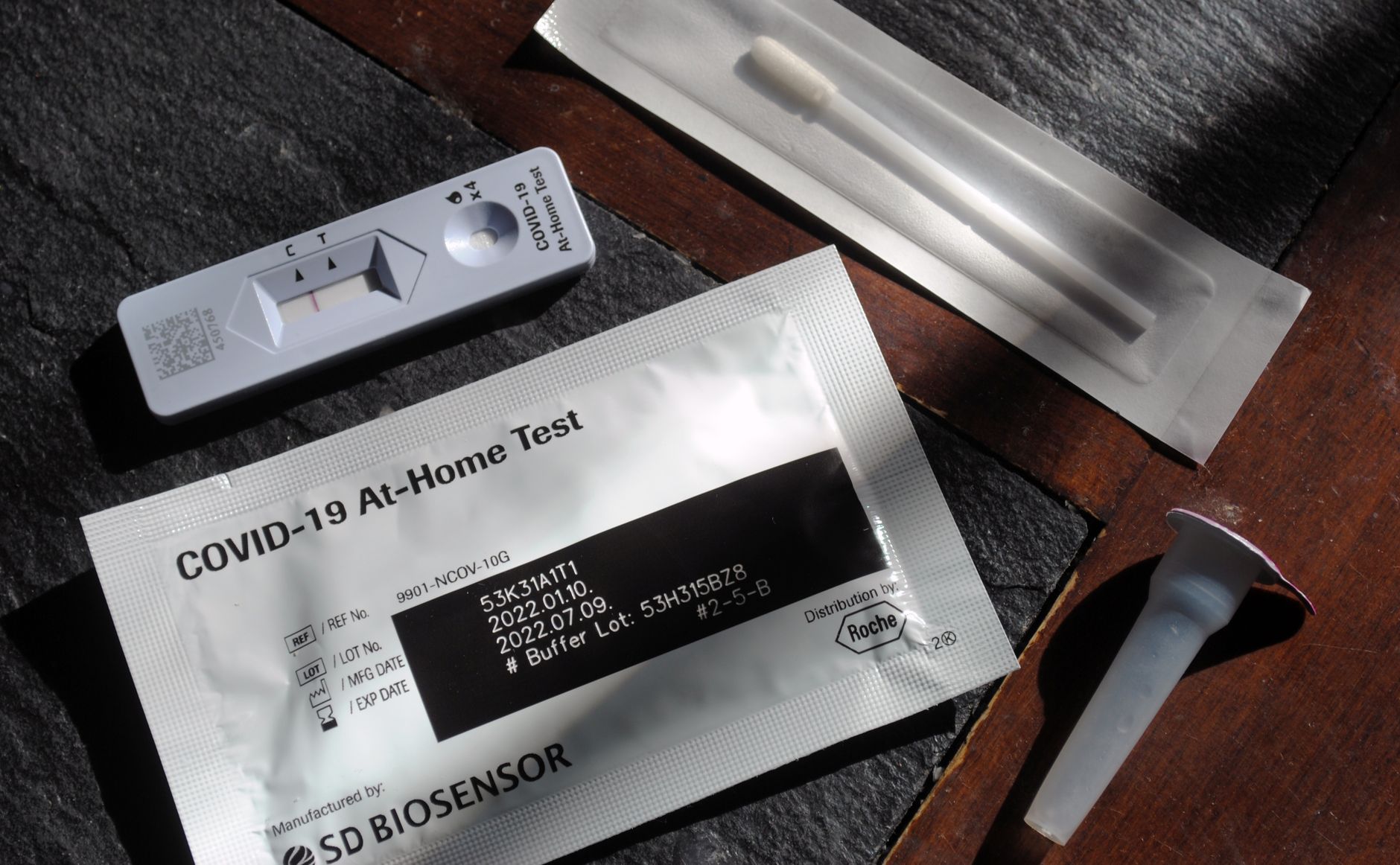
Rapid strep tests can confirm infection quickly, allowing you to start safe treatment sooner.
Safety by trimester
First trimester
During organ formation, the fetus is most vulnerable to teratogens. Amoxicillin’s Category B status indicates no evidence of birth defects in animal studies, and human data support its safety. ACOG’s 2022 guidelines reaffirm that amoxicillin can be prescribed without restriction in the first 12 weeks, provided the infection is confirmed and the dosage follows standard recommendations.
Second trimester
The second trimester is a period of rapid growth and development. Amoxicillin continues to be safe, and the drug’s low protein binding means minimal passage into fetal circulation. Studies of over 5,000 pregnant patients have shown no increase in miscarriage or congenital anomalies when amoxicillin is used for infections such as strep throat.
Third trimester
In the final weeks of pregnancy, the placenta becomes more efficient at filtering substances, further reducing fetal exposure. Amoxicillin remains a first‑line choice, though some clinicians prefer to avoid prolonged courses close to delivery to minimize any theoretical risk of neonatal antibiotic exposure. If you’re on a 10‑day course, finishing it well before labor onset is ideal.
Breastfeeding
Only trace amounts of amoxicillin appear in breast milk—typically less than 0.01 % of the maternal dose. The American Academy of Pediatrics (AAP) considers it compatible with breastfeeding, and infant exposure is not associated with adverse effects. If you’re nursing, you can continue the prescribed regimen without needing to pump or discard milk.
Safe dosage / amount / brands
Standard adult dosing for strep throat is 500 mg every 8 hours (or 875 mg every 12 hours) for 10 days. For pregnant patients, the same dosing applies; the drug’s pharmacokinetics are not significantly altered by pregnancy. If you’re using the liquid suspension, the typical dose is 45 mg per kilogram of body weight per day, divided into three doses. The maximum daily dose should not exceed 3 g unless your provider advises otherwise.
When choosing a brand, any FDA‑approved product—Amoxil, Moxatag, or generic amoxicillin—meets safety standards. If you have difficulty swallowing pills, the chewable tablet or liquid form may be more comfortable. Always check the expiration date and store the medication at room temperature away from moisture.
Form
Typical dose (pregnant)
Brand examples
Capsule / tablet
500 mg every 8 h or 875 mg every 12 h
Amoxil, Moxatag, generic
Chewable tablet
500 mg every 8 h
Amoxil Chewable
Liquid suspension (125 mg/5 mL)
45 mg/kg/day divided TID
Generic 125 mg/5 mL
Side effects and risks
Most pregnant patients tolerate amoxicillin well. Common, mild side effects include:
Nausea or mild stomach upset (≈10 % of patients)
Diarrhea, which is usually self‑limited
Rash or mild skin itching
Rare but serious reactions to watch for:
Severe allergic reaction (anaphylaxis) – hives, swelling of the face or throat, difficulty breathing.
If any of the serious symptoms appear, seek emergency care. For mild gastrointestinal upset, taking the medication with food or a small glass of water can help.
Safer alternatives
Penicillin V (Pen‑Vee K) – Narrow‑spectrum, first‑line for penicillin‑tolerant patients.
Azithromycin (Zithromax) – Useful for penicillin‑allergic patients; safe in all trimesters.
Erythromycin (Erythrocin) – Another macrolide option, safe but may cause more GI upset.
Clindamycin (Clindagel) – Effective against resistant streptococci; safe when prescribed.
Cephalexin (Keflex) – First‑generation cephalosporin, low‑risk for fetal exposure.
Amoxicillin‑clavulanate (Augmentin) – Considered safe if a broader spectrum is needed; follow provider dosing.
Related items — safety at a glance
Item
Verdict
One‑line note
Penicillin
✅ Safe
First‑line narrow‑spectrum antibiotic, Category B.
Erythromycin
✅ Safe
Macrolide, safe but may cause GI upset.
Azithromycin
✅ Safe
Long‑acting macrolide, good for penicillin allergy.
Clindamycin
✅ Safe
Effective for resistant strains; safe in pregnancy.
Tetracycline class; linked to tooth discoloration.
Myth vs. fact
Myth: All antibiotics are risky for the baby.
Fact: Not all antibiotics carry the same risk. Amoxicillin, a Category B drug, has extensive safety data supporting its use throughout pregnancy.
Myth: You must stop any antibiotic as soon as you discover you’re pregnant.
Fact: If you’ve already started a prescribed course of amoxicillin, continue it unless your provider advises otherwise; stopping early can lead to resistance and infection recurrence.
Myth: Over‑the‑counter “strep throat” pills can replace antibiotics.
Fact: OTC remedies only soothe symptoms; they do not eradicate the bacteria. Proper treatment with amoxicillin (or a safe alternative) is required to prevent complications.
Key takeaways
Amoxicillin is considered a safe, first‑line treatment for strep throat throughout pregnancy.
Standard dosing (500 mg every 8 h or 875 mg every 12 h for 10 days) is appropriate for pregnant patients.
Common side effects are mild; severe allergic reactions are rare but require immediate care.
Safe alternatives include penicillin V, azithromycin, erythromycin, clindamycin, cephalexin, and amoxicillin‑clavulanate.
Over‑the‑counter sore‑throat remedies can help with comfort but do not treat the infection.
Always discuss any medication with your obstetric provider, especially if you have a penicillin allergy.
Frequently asked questions
Can I take amoxicillin while pregnant?
Yes—amoxicillin is classified as a Category B antibiotic and is widely recommended by ACOG and the NHS as safe for use at any stage of pregnancy when treating confirmed strep throat.
What are the side effects of amoxicillin during pregnancy?
Typical side effects include mild nausea, diarrhea, or rash; serious reactions like anaphylaxis are rare but require immediate medical attention.
Is it safe to treat strep throat with antibiotics during pregnancy?
Absolutely—prompt antibiotic treatment, most commonly with amoxicillin, reduces the risk of complications such as rheumatic fever and protects both mother and baby.
How long should I take amoxicillin for strep throat while pregnant?
The standard course is 10 days, with a dose of 500 mg every 8 hours (or 875 mg every 12 hours), unless your provider specifies a different duration based on your clinical situation.
Are there any risks to the baby when taking amoxicillin in the second trimester?
Current data show no increased risk of birth defects, growth restriction, or preterm birth when amoxicillin is used at therapeutic doses during the second trimester.
What over‑the‑counter treatments are safe for strep throat in pregnancy?
OTC options like acetaminophen for fever, throat lozenges, and warm saline gargles are safe; however, they do not replace a prescribed antibiotic like amoxicillin.
Do I need a prescription for strep throat medication while pregnant?
Yes—amoxicillin is a prescription‑only medication, and a healthcare provider must confirm the diagnosis before prescribing it.
Can strep throat cause complications in pregnancy?
Untreated strep throat can lead to fever, rheumatic fever, or spread to other tissues, which may increase the risk of preterm labor or fetal distress; timely treatment with amoxicillin mitigates these risks.
When to call your doctor
Contact your obstetric provider promptly if you experience any of the following while taking amoxicillin: high fever (>38.5 °C) that persists after medication, severe rash or hives, swelling of the face or throat, difficulty breathing, persistent diarrhea lasting more than a few days, or any new or worsening symptoms. If you develop a rash and have a known penicillin allergy, seek immediate care.
Remember, this article provides general information and does not replace personalized medical advice. Always discuss your specific situation with your healthcare provider.
References
American College of Obstetricians and Gynecologists. “Antibiotic Use in Pregnancy.” ACOG Practice Bulletin, 2022.
National Health Service (UK). “Amoxicillin.” NHS Medicines Information, updated 2023.
U.S. Food and Drug Administration. “Drug Safety Communication: Amoxicillin Use During Pregnancy.” FDA, 2021.
Centers for Disease Control and Prevention. “Treatment Guidelines for Strep Throat.” CDC, 2023.
World Health Organization. “WHO Model List of Essential Medicines.” WHO, 2022.
American Academy of Pediatrics. “Medications & Breastfeeding.” AAP, 2023.
Not sure about the label on Strep Throat Pregnancy Treatment Safe products?
Snap the ingredients list and SafeFilter checks every ingredient for your stage — only 3 free scans this month, then you're locked until reset. Unlimited from $7/mo or $50/yr.
When Shubhra Mishra was expecting her first child in 2016, she was overwhelmed by conflicting food advice — one site said yes, another said never. By the time her second baby arrived in 2019, she realized millions of mothers face the same confusion.
That sparked a five-year journey through clinical nutrition papers, cultural diets, and expert conversations — all leading to BumpBites: a calm, compassionate space where science meets everyday motherhood.
Her long-term vision is to build a global community ensuring safe, supported, and free deliveriesfor every mother — because no woman should face pregnancy alone or uninformed. 🌿
🌍 Stand with mothers, shape safer guidance
Join a small circle of experts who review BumpBites articles so expecting parents everywhere can decide with confidence.