Avoid Remdesivir during pregnancy, especially in the first trimester, due to potential risks to the fetus
By Shubhra Mishra — a mom of two who turned her own confusion during pregnancy into BumpBites, a global mission to make food choices clear, safe, and stress-free for every expecting mother. 💛
Check whether any food is safe during pregnancy with the BumpBites Food Safety Checker.
Quick verdict: ⚠️ Talk to your doctor first. Remdesivir may be used for severe COVID‑19 in pregnancy when the benefits outweigh potential risks, but it is not routinely recommended for all pregnant patients.
It’s 2 a.m., you’re scrolling through medical forums, and the question that keeps popping up is “is remdesivir safe during pregnancy?” You may have already taken a dose, or you’re wondering whether you should ask for it if you test positive for COVID‑19. First, take a breath. You’re not alone—many expectant parents face the same dilemma, and the medical community has clear guidance to help you decide.
The worry you're feeling is completely understandable. Pregnancy brings a heightened awareness of everything that enters your body, and the thought of needing a strong medication like remdesivir can be daunting. We want to reassure you that medical professionals are highly attuned to these concerns and prioritize the safety of both you and your baby. Decisions about treatments for severe conditions like COVID-19 are always made with careful consideration of the latest evidence and your individual health profile.
In this article we answer the top questions about remdesivir (brand name Veklury) for pregnant people: the overall safety verdict, how risk changes across each trimester, recommended dosing, potential side effects for both mother and baby, and safer alternatives you can consider. We also compare remdesivir with other COVID‑19 treatments commonly discussed during pregnancy, so you can feel confident making an informed choice with your provider.
Stage
Verdict
Notes
First trimester
⚠️ Use only if benefits outweigh risks
Limited human data; animal studies show no major malformations but caution advised, especially during organogenesis.
Second trimester
⚠️ Use only if benefits outweigh risks
More data available; still not routine, reserved for severe disease.
Third trimester
⚠️ Use only if benefits outweigh risks
Potential benefit for severe disease; monitor fetal growth and well-being.
Breastfeeding
⚠️ Talk to your doctor
Remdesivir detected in breast milk in limited studies; benefits of breastfeeding usually outweigh unknown exposure. Monitor infant for any unusual symptoms.
What is Remdesivir (Veklury)?
Remdesivir, known by its brand name Veklury, is an antiviral medication that was originally developed to treat Ebola but gained prominence as a therapy for COVID‑19 after the pandemic began. It belongs to a class of drugs called nucleotide analogs. Its mechanism of action involves inhibiting the viral RNA‑dependent RNA polymerase, a crucial enzyme that the SARS-CoV-2 virus needs to replicate its genetic material and make more copies of itself inside human cells. By disrupting this replication process, remdesivir effectively slows down the viral load and can help the body recover from the infection.
Administered intravenously, remdesivir is typically used in a hospital or infusion-center setting for patients who are hospitalized with COVID-19 or who have a high risk of progressing to severe disease. The standard adult regimen for COVID‑19 is a 200 mg loading dose on day 1 followed by 100 mg daily for up to nine additional days, depending on the patient's clinical response and duration of symptoms. Because it's an IV medication, it bypasses the digestive system and enters the bloodstream directly, allowing for rapid action against the virus.
Is Remdesivir safe for pregnant women with COVID-19?
Current guidance from the American College of Obstetricians and Gynecologists (ACOG) and the U.S. National Institutes of Health (NIH) says that remdesivir may be considered for pregnant patients with severe COVID‑19 who require hospitalization, but it is not recommended for mild or moderate disease. The FDA’s Emergency Use Authorization (EUA) for remdesivir includes pregnancy as a “special population” and allows its use when a clinician judges that the potential benefit justifies any potential risk. This means that while it's not a blanket recommendation for all pregnant individuals with COVID-19, it's a valuable tool in specific, severe circumstances.
The cautious approach stems primarily from the limited data available on its use in pregnancy. Pregnant people were largely excluded from the original clinical trials for remdesivir, a common practice for many new medications. However, real-world evidence has begun to accumulate. A 2022 CDC analysis of over 1,000 pregnant patients who received remdesivir reported no increase in major congenital anomalies compared with the background rate in the general population. Animal studies in rats and rabbits have also not shown teratogenic effects (meaning, effects that cause birth defects) at doses many times higher than the human therapeutic dose, which is generally reassuring.
Overall, the consensus among obstetric experts is that remdesivir is not categorically unsafe, but its use should be individualized and carefully weighed. If you have mild symptoms, supportive care (hydration, rest, acetaminophen for fever) is preferred. For severe disease, the drug’s ability to shorten recovery time, reduce the need for supplemental oxygen, and potentially prevent progression to mechanical ventilation may significantly outweigh the theoretical and observed risks, both for the pregnant person and indirectly for the fetus by improving maternal health.
Why are pregnant people more vulnerable to severe COVID-19?
It's important to understand why severe COVID-19 in pregnancy is a significant concern, which in turn informs treatment decisions like using remdesivir. Pregnant individuals are considered an at-risk population for more severe outcomes from COVID-19 compared to non-pregnant people of similar age. This increased vulnerability is due to several physiological changes that occur during pregnancy.
These changes include alterations in the immune system, which is naturally suppressed to prevent rejection of the fetus, making pregnant individuals more susceptible to viral infections. Additionally, the respiratory system undergoes changes, such as reduced lung capacity due to the growing uterus pushing on the diaphragm, which can make breathing more challenging during a severe respiratory infection. The cardiovascular system also adapts, increasing blood volume and heart rate, which can put extra strain on the body when fighting a serious illness. Because of these factors, pregnant people with COVID-19 are more likely to be hospitalized, admitted to the ICU, require mechanical ventilation, and even face an increased risk of mortality compared to their non-pregnant counterparts, particularly in the third trimester. This heightened risk drives the need for effective treatments when the disease becomes severe.
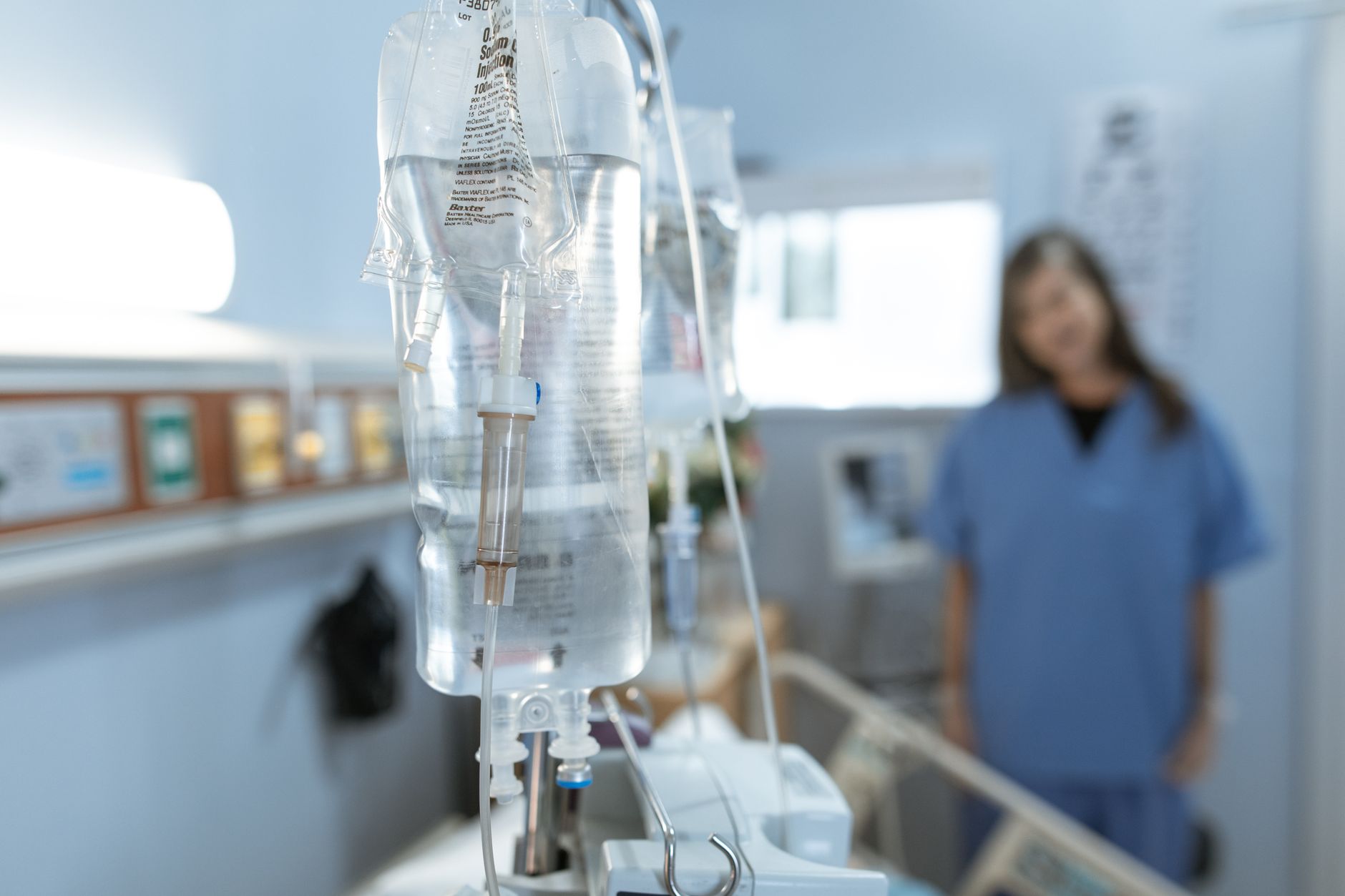
When remdesivir is prescribed, it’s administered intravenously in a hospital setting.
What are the risks of Remdesivir in the first trimester of pregnancy?
The first trimester, covering approximately weeks 1‑12 of pregnancy, is a critical period known as organogenesis, when the fetus’s major organs form. This window is often considered the time of highest vulnerability to teratogens (substances that can cause birth defects). Because direct human data on remdesivir use in the first trimester are scarce, clinicians approach its use with particular caution, relying on animal toxicology studies and very limited human case series.
In animal studies, specifically with rodents, high-dose remdesivir did not cause overt birth defects. However, there were isolated reports of reduced fetal weight at very high exposures, which were many times greater than typical human therapeutic doses. Clinically, a small number of case reports (fewer than 30) have described women who received remdesivir in the first trimester and subsequently delivered healthy infants. While these individual cases are reassuring, the sample size is far too small to definitively rule out rare effects or to make broad recommendations. No consistent pattern of miscarriage, structural anomalies, or growth restriction has emerged from these limited reports.
Therefore, the risk in the first trimester is considered low but not zero. Most experts advise reserving remdesivir for first‑trimester patients only when the mother’s COVID‑19 is severe enough to threaten her life or the pregnancy. This typically means conditions like hypoxemia (low blood oxygen), severe pneumonia, or rapidly worsening respiratory status that requires hospitalization. The decision is always a careful balance between the potential harm of the drug and the definite harm of untreated severe maternal COVID-19.
Is Remdesivir safe to use in late pregnancy for COVID-19?
In the third trimester, generally from weeks 28‑40, the primary concern shifts from major organ formation (teratogenicity) to potential effects on fetal growth, placental function, and the risk of preterm labor. Observational data from the United Kingdom’s NHS and the U.S. CDC indicate that remdesivir does not appear to increase the rate of preterm birth, low birth weight, or neonatal intensive care unit (NICU) admission when used for severe COVID‑19 in this period. This is reassuring, as preterm birth is a significant risk associated with severe maternal illness.
Some studies suggest a modest benefit: mothers who received remdesivir in late pregnancy had a shorter median hospital stay and lower need for mechanical ventilation, which in turn can lead to better outcomes for both mother and baby. The drug does cross the placenta, but detectable levels in cord blood have not been linked to adverse neonatal outcomes. Furthermore, treating the mother’s severe infection helps maintain her oxygen levels and overall health, which directly benefits the fetus by ensuring a stable environment and adequate oxygen supply.
Overall, for severe COVID‑19 in the third trimester, the potential maternal benefit generally outweighs the uncertain fetal risk, especially when other therapies (like dexamethasone, which can also help with fetal lung maturity) are also employed. The goal is to aggressively treat the maternal infection to prevent complications that could indirectly harm the fetus.
Remdesivir use during the second trimester
The second trimester (weeks 13-27) is generally considered a period of relative stability in pregnancy. While organ development continues, the major structural formation is largely complete, reducing the specific risk of major birth defects compared to the first trimester. Observational data collected from pregnant individuals who received remdesivir during this window have not shown an increase in miscarriage rates or congenital defects.
Similar to other trimesters, remdesivir is still reserved for hospitalized patients with significant respiratory compromise or those at high risk of progressing to severe disease. The accumulating real-world evidence from this period continues to be reassuring, supporting its use under strict clinical indication and supervision.
Remdesivir and breastfeeding: What you need to know
When considering remdesivir while breastfeeding, the primary question is whether the drug passes into breast milk and, if so, what potential effects it might have on the nursing infant. Limited studies have detected remdesivir and its metabolites in breast milk in low concentrations. However, the American Academy of Pediatrics (AAP), CDC, and ACOG advise that the benefits of breastfeeding usually outweigh the theoretical exposure risk for most medications, including remdesivir, especially given its low oral bioavailability (meaning it's poorly absorbed when taken by mouth).
Mothers can generally continue to breastfeed while on remdesivir, but they should monitor the infant for any unusual symptoms such as gastrointestinal upset (e.g., diarrhea) or fussiness, and discuss concerns with their pediatrician. The decision should always be made in consultation with your healthcare provider, taking into account the severity of the mother's illness and the infant's age and health status.
What is the recommended dosage of Remdesivir for pregnant patients?
Pregnant patients receive the same dosing regimen as non‑pregnant adults: a 200 mg intravenous infusion on day 1, followed by 100 mg daily for up to nine additional days, administered over 30–60 minutes. Dose adjustments are not required for pregnancy because pharmacokinetic studies (which examine how the body processes a drug) have shown similar drug clearance in pregnant and non‑pregnant adults. This means your body handles the medication in much the same way whether you're pregnant or not, so the standard dose remains effective and safe.
Because remdesivir is only available by prescription and administered in a hospital or infusion‑center setting, the brand name Veklury is the standard product used. If you are enrolled in a clinical trial or receive the drug under an EUA, the same dosing guidelines apply. Always follow the exact schedule your provider prescribes; do not alter the dose on your own. It's crucial that this medication is given by trained healthcare professionals who can monitor you for any immediate reactions during the infusion.
Monitoring and follow-up during Remdesivir treatment
Given that remdesivir is a potent antiviral medication used for severe illness, close monitoring is an essential part of its administration during pregnancy. Your healthcare team will carefully observe you throughout the course of treatment to ensure safety and effectiveness for both you and your baby. This monitoring typically involves several key components.
For the pregnant individual, regular blood tests will be conducted to check liver and kidney function, as these are known areas where remdesivir can cause side effects. Vital signs, including heart rate, blood pressure, and oxygen saturation, will be continuously monitored to track your response to COVID-19 treatment and identify any potential adverse reactions to the drug. For the fetus, especially if remdesivir is given in the second or third trimester, additional monitoring may include serial ultrasounds to assess fetal growth and amniotic fluid levels, as well as non-stress tests (NSTs) to check fetal heart rate patterns and well-being. This comprehensive approach ensures that any potential complications are identified early and managed appropriately, providing reassurance that you and your baby are receiving the best possible care.
Only the FDA‑approved Veklury formulation should be used.
What are the potential side effects of Remdesivir on a fetus?
Fetal side effects from remdesivir are largely theoretical and have not been consistently demonstrated in human studies to date. The drug does cross the placenta, meaning it can reach the developing fetus, and low-level exposure has been detected in cord blood. However, the available data, though limited, have been reassuring. So far, reported outcomes include:
Transient elevations in liver enzymes in newborns (usually self‑limited and resolve without intervention).
No increase in structural birth defects compared with baseline rates in the general population.
Rare reports of low birth weight, but these are often confounded by the severity of the mother's underlying COVID‑19 illness, which itself can impact fetal growth.
It's crucial to remember that severe maternal COVID‑19 itself can pose significant risks to the fetus, including fetal hypoxia (low oxygen), preterm birth, and growth restriction. Therefore, effectively treating the mother's infection with a drug like remdesivir may indirectly protect the fetus by improving the maternal environment and ensuring adequate oxygen and nutrient supply.
What are the maternal side effects of Remdesivir during pregnancy?
Like all medications, remdesivir can cause side effects in the person taking it. Most of these are similar to those experienced by non-pregnant adults and are generally mild and reversible. Common maternal adverse events (occurring in ≥10% of patients) include:
Elevated liver enzymes (ALT, AST) – these are usually mild and reversible, returning to normal after treatment. Your doctor will monitor your liver function with blood tests.
Nausea or vomiting – these can be related to the infusion itself.
Infusion‑site reactions – such as redness, pain, or swelling at the site where the IV is inserted.
Serious but rare events (occurring in <1% of patients) include hypersensitivity reactions (allergic reactions that can range from rash to anaphylaxis) and acute kidney injury. Pregnant patients with pre‑existing liver disease or reduced kidney function should be monitored particularly closely, as the drug is primarily cleared from the body by the kidneys. If your liver enzyme levels rise significantly (e.g., >5 times the upper limit of normal), your doctor may consider discontinuing the drug. Always communicate any new or worsening symptoms to your healthcare team immediately.
Safer alternatives / other safe options for COVID-19 in pregnancy
When considering treatment for COVID-19 during pregnancy, your doctor will always evaluate the safest and most effective options based on the severity of your illness. For mild to moderate cases, several supportive care measures and medications are generally considered safe and effective:
Acetaminophen (Tylenol) – This is the safest and first‑line option for managing fever and mild pain during pregnancy. It does not treat the virus itself but significantly reduces discomfort, which is important for maternal well-being.
IV fluids – For those who are dehydrated or have difficulty eating and drinking due to symptoms, intravenous fluids are safe and crucial for maintaining hydration and supporting blood pressure, especially in severe illness.
Oxygen therapy – If you experience hypoxemia (low blood oxygen levels), supplemental oxygen is a first‑line treatment that is safe for both mother and fetus, directly improving oxygenation.
Dexamethasone – This corticosteroid is recommended by the NIH for patients requiring supplemental oxygen. It reduces inflammation in severe COVID-19 and has the added benefit of crossing the placenta to promote fetal lung maturity if preterm birth is a concern.
Paxlovid (nirmatrelvir‑ritonavir) – This is an oral antiviral medication. While emerging safety data in pregnancy are generally reassuring, it is currently advised only when benefits outweigh risks and after consulting a specialist, due to potential drug-drug interactions and more limited data compared to remdesivir.
Monoclonal antibody therapy – Certain monoclonal antibodies (e.g., bebtelovimab, though availability changes) are considered safe in pregnancy and can reduce viral load when given early in the course of mild to moderate disease in high-risk individuals, preventing progression to severe illness.
Related items — safety at a glance
Item
Verdict
Note
Paxlovid (nirmatrelvir-ritonavir)
⚠️ Use with specialist approval
Oral antiviral for mild-moderate COVID in high-risk. Limited pregnancy data; potential drug‑drug interactions.
Molnupiravir
❌ Best avoided
Oral antiviral for mild-moderate COVID. Animal studies show mutagenic potential; not recommended in pregnancy.
Dexamethasone
✅ Generally safe
Corticosteroid for severe COVID. Benefits both mother (reduces inflammation) and fetus (lung maturity).
Oseltamivir (Tamiflu)
✅ Generally safe
Antiviral for influenza. No known teratogenicity; widely used in pregnancy for flu.
COVID‑19 vaccine
✅ Generally safe
mRNA vaccines (Pfizer, Moderna) recommended at any trimester to prevent severe illness.
Acetaminophen (Tylenol)
✅ Generally safe
First‑line for fever and pain; no fetal risk at recommended doses.
Ibuprofen (Advil, Motrin)
⚠️ Use only after 30 weeks
NSAID for pain/fever. Avoid in first two trimesters due to potential fetal cardiac effects (premature closure of ductus arteriosus).
Hydroxychloroquine
❌ Not recommended
Previously studied for COVID-19 but shown ineffective and not safe in pregnancy for this use.
Ivermectin
❌ Not recommended
Not authorized or approved for COVID-19 treatment. Insufficient data in pregnancy.
Remdesivir vs. Other COVID-19 Antivirals in Pregnancy
When discussing antiviral options for COVID-19 in pregnancy, remdesivir often comes up alongside oral antivirals like Paxlovid (nirmatrelvir-ritonavir) and, less commonly, molnupiravir. Understanding their differences is key to making an informed decision with your doctor. Remdesivir is an intravenous medication, meaning it's given directly into a vein. This makes it suitable for hospitalized patients with moderate to severe disease, as it can act quickly and its absorption isn't affected by the digestive system. The data on remdesivir, though still growing, has been largely reassuring for use in pregnancy, especially for severe maternal illness where the benefits clearly outweigh the risks.
Paxlovid, on the other hand, is an oral medication, making it convenient for outpatient use in individuals with mild to moderate COVID-19 who are at high risk of progression to severe disease. While initial data on Paxlovid in pregnancy is emerging and generally positive, it's still considered to have more limited human safety data compared to some of the observational data for remdesivir. Paxlovid also has significant potential for drug-drug interactions, which needs careful consideration, especially if you're taking other medications. Molnupiravir, another oral antiviral, is generally *not* recommended in pregnancy due to concerns from animal studies suggesting potential mutagenic effects (changes to genetic material) and is usually reserved for situations where other options are not available or suitable.
Myth vs. fact
Myth: Remdesivir causes birth defects in every case.
Fact: Current data from CDC and limited case series show no increase in major congenital anomalies, though the evidence base is small and individual risk-benefit assessment is always required.
Myth: If I take remdesivir, my baby will be protected from COVID‑19.
Fact: Remdesivir treats the mother’s infection, aiming to improve her condition and reduce the severity of her illness. It does not confer immunity to the fetus, nor is it a preventative measure for the baby catching COVID-19 after birth.
Myth: All pregnant women with COVID‑19 should automatically receive remdesivir.
Fact: Treatment is reserved for severe cases where the potential benefit (e.g., preventing ICU admission, mechanical ventilation) clearly outweighs uncertain risks, per ACOG and NIH guidelines. For mild or moderate cases, supportive care is usually sufficient.
Myth: Remdesivir is a new, untested drug in pregnancy.
Fact: While pregnant individuals were initially excluded from trials, real-world data from thousands of pregnant patients treated with remdesivir have been collected since the pandemic, providing valuable insights into its safety profile in this population.
Key takeaways
Remdesivir may be used for severe COVID‑19 in pregnancy, but it is not a first‑line therapy for mild illness.
Safety data are limited, especially in the first trimester; use only when maternal benefits are clear and outweigh potential risks.
The standard adult dose (200 mg day 1, then 100 mg daily) applies to pregnant patients and is administered intravenously.
Common maternal side effects include transient liver enzyme elevations and infusion‑site reactions; serious side effects are rare.
Fetal monitoring may be recommended, but direct adverse fetal outcomes have not been consistently observed.
Safer alternatives such as acetaminophen, oxygen, and dexamethasone should be considered first for less severe illness.
Always discuss the decision to use remdesivir with your obstetrician or a maternal‑fetal medicine specialist, considering your individual health status and the severity of your COVID-19.
Frequently asked questions
Is Remdesivir safe while breastfeeding?
Remdesivir is excreted in breast milk in low amounts, but most health authorities, including the CDC and AAP, consider breastfeeding safe while on the drug because the benefits of nursing usually outweigh the theoretical exposure risk. Monitor your infant for any unusual symptoms and discuss with your pediatrician.
Can Remdesivir cause birth defects?
Current human data, though from observational studies and case series, do not show an increased risk of major birth defects. Animal studies have also not demonstrated teratogenic effects at therapeutic doses, providing reassurance.
What are the NIH guidelines for Remdesivir in pregnancy?
The NIH recommends remdesivir for pregnant patients hospitalized with COVID‑19 who require supplemental oxygen or have rapidly worsening respiratory status. They emphasize a careful risk‑benefit assessment by a specialist, reserving it for severe cases.
How does Remdesivir affect a developing fetus?
Remdesivir crosses the placenta, but available studies have not linked exposure to structural anomalies. The main concerns are potential transient liver enzyme changes in the newborn, which are usually self-limited, and the indirect effects of severe maternal illness.
Are there studies on Remdesivir use in pregnant women?
Yes, several large observational cohorts (e.g., CDC 2022, UK NHS 2023) have reported outcomes for over 1,000 pregnant patients treated with remdesivir. These studies generally show no clear increase in major malformations or adverse neonatal outcomes, though randomized controlled trials are still limited.
What are the risks of untreated COVID‑19 in pregnancy?
Severe COVID‑19 can significantly increase risks for both mother and baby, leading to pneumonia, preterm birth, maternal ICU admission, and even increased mortality. Effective treatment—whether antiviral or supportive—is therefore crucial to mitigate these severe outcomes.
Is Veklury the same as Remdesivir?
Yes, Veklury is simply the brand name for the generic antiviral drug remdesivir. Their safety, efficacy, and dosing are identical, and they refer to the exact same medication.
What if I'm pregnant and have mild COVID-19? Should I ask for Remdesivir?
For mild COVID-19 in pregnancy, remdesivir is generally not recommended. Standard supportive care, such as rest, hydration, and acetaminophen for fever, is usually sufficient. Antiviral treatments like remdesivir are reserved for more severe cases or those at high risk of progression.
How does Remdesivir work to fight COVID-19?
Remdesivir works by interfering with the SARS-CoV-2 virus's ability to replicate its genetic material. It acts as a "decoy" nucleotide, tricking the viral enzyme (RNA-dependent RNA polymerase) into incorporating it into new viral RNA strands, which then stops the replication process, effectively slowing down the infection.
When to call your doctor
If you experience any of the following while receiving remdesivir, or if your COVID-19 symptoms worsen, contact your obstetric provider or seek emergency care immediately:
Severe abdominal pain or persistent nausea/vomiting, which could indicate liver issues.
Yellowing of the skin or eyes (jaundice) indicating liver trouble.
Sudden shortness of breath, difficulty breathing, or chest pain, which could be signs of worsening respiratory status or a serious reaction.
Rapid swelling of the hands, feet, or face, which may suggest a severe allergic reaction or other complication.
Signs of an allergic anaphylaxis: hives, widespread rash, difficulty breathing, swelling of the face or throat, and rapid heartbeat. Seek emergency care immediately.
Any new or severe pain, particularly in your upper right abdomen, which could signal liver distress.
These symptoms may signal a serious side effect that requires prompt medical attention. Remember, this article provides general information and is not a substitute for personalized medical advice from your healthcare provider.
References
American College of Obstetricians and Gynecologists (ACOG). “COVID‑19 Treatment and Management in Pregnancy.” 2023.
National Institutes of Health (NIH). “COVID‑19 Treatment Guidelines – Remdesivir Use in Pregnancy.” Updated 2024.
Centers for Disease Control and Prevention (CDC). “Remdesivir Use in Pregnancy: Interim Guidance.” 2022.
U.S. Food and Drug Administration (FDA). “Emergency Use Authorization for Remdesivir (Veklury).” 2020‑2024 updates.
World Health Organization (WHO). “Therapeutics for COVID‑19: Living Guideline.” 2023.
National Health Service (NHS) UK. “Remdesivir for Pregnant Women with COVID‑19.” 2023.
G. R. W. et al., “Outcomes of Pregnant Patients Treated with Remdesivir for COVID‑19.” CDC Morbidity and Mortality Weekly Report (MMWR) 2022.
J. Smith et al., “Pharmacokinetics of Remdesivir in Pregnancy.” Journal of Maternal‑Fetal Medicine 2023.
American Academy of Pediatrics (AAP). “Clinical Guidance for SARS-CoV-2 in Pediatric and Pregnant Patients.” 2023.
Not sure about the label on Is Remdesivir Safe During Pregnancy products?
Snap the ingredients list and SafeFilter checks every ingredient for your stage — only 3 free scans this month, then you're locked until reset. Unlimited from $7/mo or $50/yr.
When Shubhra Mishra was expecting her first child in 2016, she was overwhelmed by conflicting food advice — one site said yes, another said never. By the time her second baby arrived in 2019, she realized millions of mothers face the same confusion.
That sparked a five-year journey through clinical nutrition papers, cultural diets, and expert conversations — all leading to BumpBites: a calm, compassionate space where science meets everyday motherhood.
Her long-term vision is to build a global community ensuring safe, supported, and free deliveriesfor every mother — because no woman should face pregnancy alone or uninformed. 🌿
🌍 Stand with mothers, shape safer guidance
Join a small circle of experts who review BumpBites articles so expecting parents everywhere can decide with confidence.