Avoid mold in walls during pregnancy—exposure may harm fetal development, especially in the first trimester. Learn safe cleanup tips and alternatives.
By Shubhra Mishra — a mom of two who turned her own confusion during pregnancy into BumpBites, a global mission to make food choices clear, safe, and stress-free for every expecting mother. 💛
Check whether any food is safe during pregnancy with the BumpBites Food Safety Checker.
Quick verdict: ❌ Best avoided. Mold in walls—especially black mold (Stachybotrys)—can release spores and toxins that may harm your baby’s developing lungs, immune system, and overall health. While small amounts of mold are unlikely to cause immediate harm, prolonged exposure increases risks like respiratory infections, allergies, and even preterm birth. If you suspect mold in your home, take steps to remove it safely or temporarily relocate until it’s addressed.
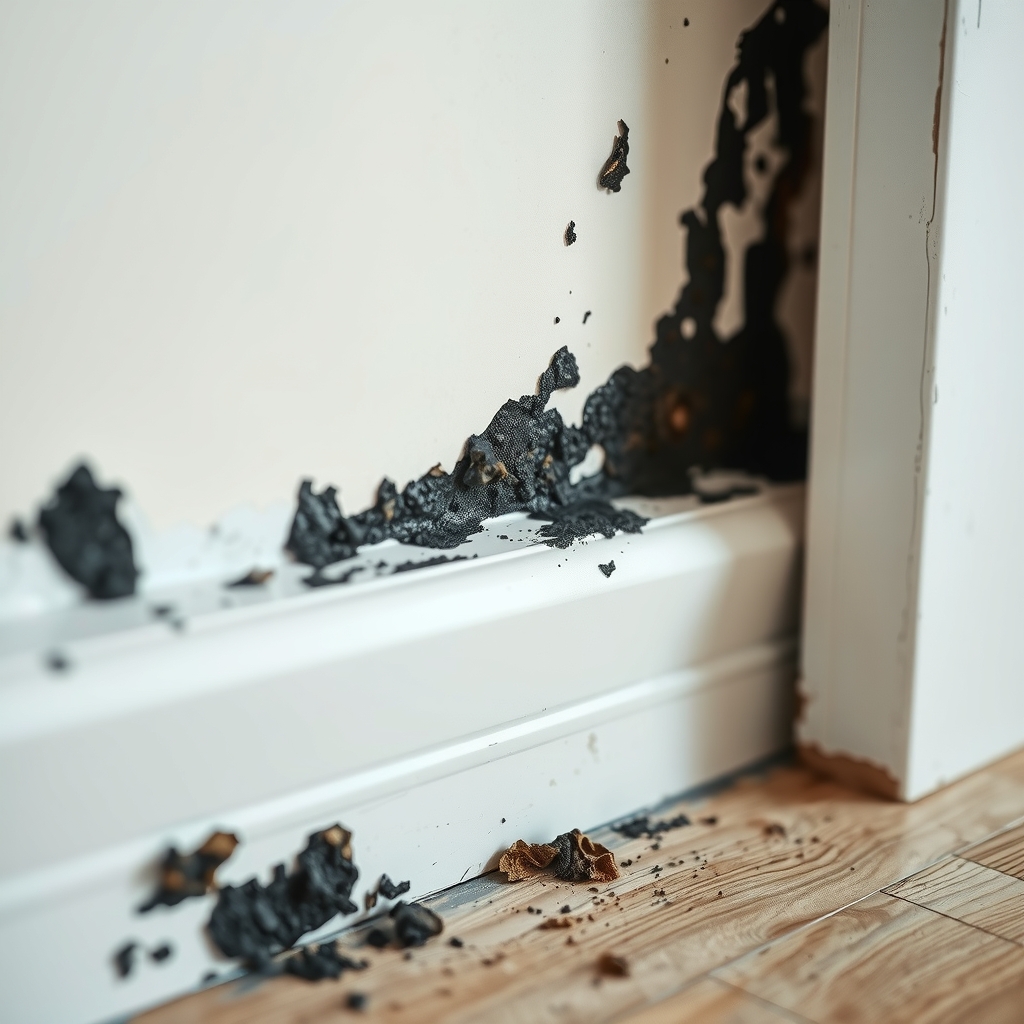
You’re standing in your kitchen at 11 p.m., staring at a dark spot creeping along the baseboard. Your mind races: Is this mold? Is it dangerous? Did I already breathe it in? If you’re pregnant, mold in walls isn’t just a home maintenance issue—it’s a health concern for you and your baby. The good news? You’re not powerless. Here’s what you need to know to protect yourself and your little one.
Mold exposure during pregnancy is a common worry, especially if you’ve noticed musty smells, water stains, or visible growth in your home. While not all mold is toxic, some types—like black mold—can release harmful spores and mycotoxins that may affect fetal development. The key is to act quickly but safely. This article will cover what mold in walls actually is, which types are most dangerous, how much exposure is harmful, and what you can do to minimize risks. We’ll also share safer alternatives for removal and when to call your doctor.
Mold in walls: Safety by trimester and breastfeeding
Trimester / Stage
Verdict
Notes
First trimester
❌ Avoid
Highest risk for fetal organ development. Exposure to toxic mold may increase risk of miscarriage or birth defects, though evidence is limited. Minimize exposure immediately.
Second trimester
❌ Avoid
Fetal lungs and immune system are developing. Prolonged mold exposure may lead to respiratory issues or low birth weight. Address mold promptly.
Third trimester
❌ Avoid
Risk of preterm labor or respiratory distress in newborns. Mold exposure can also worsen pregnancy-related allergies or asthma.
Breastfeeding
⚠️ Caution
Mold spores can linger in breast milk if you’re heavily exposed. Focus on removing mold and improving air quality to protect your baby’s developing immune system.
What is mold in walls?
Mold is a type of fungus that grows in damp, humid environments—like bathrooms, basements, or behind walls where water has leaked. It reproduces by releasing tiny spores into the air, which can be invisible to the naked eye. When these spores land on a moist surface, they grow into new mold colonies, often appearing as fuzzy, discolored patches in shades of black, green, white, or even pink.
Not all mold is dangerous, but some types—like Stachybotrys chartarum (black mold)—produce mycotoxins, which are toxic compounds that can cause health problems. Mold in walls is particularly concerning because it’s often hidden, allowing it to spread unnoticed. Common signs include:
A musty, earthy smell (even if you can’t see mold)
Water stains or discoloration on walls, ceilings, or floors
Peeling paint or wallpaper
Condensation on windows or pipes
Allergy-like symptoms (sneezing, coughing, itchy eyes) that improve when you leave the house
Mold thrives in humidity levels above 50%, so homes in damp climates or with poor ventilation are especially vulnerable. If you suspect mold in your walls, it’s important to act quickly—but safely, especially during pregnancy.
Black mold often grows in hidden areas like behind baseboards or under wallpaper, making it hard to detect until it spreads.
Is mold in walls safe during pregnancy?
No, mold in walls is not safe during pregnancy. While occasional exposure to small amounts of mold is unlikely to cause harm, prolonged or heavy exposure—especially to toxic mold like Stachybotrys—can pose risks to both you and your baby. Here’s what the experts say:
The American College of Obstetricians and Gynecologists (ACOG) and the Centers for Disease Control and Prevention (CDC) both warn that mold exposure during pregnancy may increase the risk of:
Respiratory issues: Mold spores can irritate your lungs, worsening asthma or allergies. This can lead to chronic inflammation, which may affect oxygen flow to your baby.
Immune system stress: Your immune system is already working overtime during pregnancy. Mold exposure can trigger an inflammatory response, potentially increasing the risk of infections.
Low birth weight: Some studies suggest a link between mold exposure and babies born smaller than expected, though more research is needed.
Preterm birth: Chronic exposure to mold may increase the risk of preterm labor, particularly if you develop respiratory infections or severe allergies.
Neurological effects: While rare, some animal studies suggest that mycotoxins from black mold could affect fetal brain development, though human data is limited.
The UK’s National Health Service (NHS) also advises pregnant women to avoid moldy environments, noting that exposure can lead to symptoms like coughing, wheezing, and skin irritation—all of which can add unnecessary stress during pregnancy.
It’s important to note that not all mold is equally dangerous. For example, white mold (like Aspergillus) is less toxic than black mold but can still cause respiratory issues. The biggest concern is hidden mold—the kind growing behind walls or under floors—because it can spread unnoticed, increasing your exposure over time.
If you’ve already been exposed to mold, don’t panic. The risk depends on the type of mold, the amount of exposure, and your overall health. However, it’s best to take steps to remove it as soon as possible. We’ll cover safe removal methods later in this article.
Safety by trimester
First trimester: The highest-risk window
The first trimester is a critical time for your baby’s development. During these first 12 weeks, your baby’s organs, brain, and nervous system are forming, making them especially vulnerable to environmental toxins—including mold spores and mycotoxins.
While there’s no definitive evidence that mold exposure directly causes miscarriage, some studies suggest that chronic exposure to toxic mold may increase the risk of pregnancy complications. For example, a 2016 study published in the American Journal of Obstetrics and Gynecology found that women exposed to high levels of mold in their homes were more likely to experience respiratory infections, which can indirectly increase the risk of miscarriage or preterm birth.
If you suspect mold in your home during your first trimester, take these steps:
Avoid cleaning or disturbing the mold yourself (more on safe removal later).
Improve ventilation by opening windows (weather permitting) or using fans to circulate air.
Consider temporarily staying with family or friends if the mold is extensive or you’re experiencing severe symptoms.
If you’ve already been exposed, don’t panic. Focus on removing the mold and monitoring your symptoms. Most women who experience mold exposure during pregnancy go on to have healthy babies.
Second trimester: Protecting your baby’s lungs and immune system
During the second trimester, your baby’s lungs and immune system are developing rapidly. Prolonged exposure to mold spores can irritate your respiratory system, potentially reducing oxygen flow to your baby. This is especially concerning if you have asthma or allergies, as mold can trigger flare-ups.
A 2018 study in the Journal of Allergy and Clinical Immunology found that children born to mothers exposed to mold during pregnancy were more likely to develop asthma or allergies by age 7. While this doesn’t mean your baby will definitely have these issues, it’s a good reason to minimize exposure.
If you’re in your second trimester and dealing with mold:
Use a HEPA air purifier to reduce airborne spores (we’ll cover safe models later).
Keep humidity levels below 50% with a dehumidifier.
Avoid areas of your home where mold is visible or smells musty.
If you’re renting, notify your landlord in writing about the mold issue. Many states have laws requiring landlords to address mold problems, especially for pregnant tenants.
If you’re experiencing symptoms like persistent coughing, wheezing, or skin rashes, talk to your doctor. They may recommend a safe expectorant or allergy medication to help manage symptoms.
Third trimester: Reducing risks of preterm labor
In your third trimester, your baby is growing rapidly, and your body is preparing for labor. Mold exposure during this time can increase the risk of respiratory infections, which may trigger preterm labor. A 2020 study in the International Journal of Environmental Research and Public Health found that women exposed to mold in their third trimester were more likely to deliver prematurely, particularly if they developed pneumonia or severe allergies.
Other risks in the third trimester include:
Increased fatigue: Mold exposure can make you feel more tired, which is already common in late pregnancy.
Worsening allergies: Hormonal changes during pregnancy can make you more sensitive to allergens, including mold spores.
Skin irritation: Some women develop rashes or hives from mold exposure, which can be uncomfortable during the final months of pregnancy.
To protect yourself and your baby:
If mold is extensive, consider temporarily relocating until it’s removed. This is especially important if you’re experiencing contractions or other signs of preterm labor.
Use a pregnancy-safe saline nasal spray to flush out spores if you’ve been exposed.
Stay hydrated and rest as much as possible to support your immune system.
If you’re renting, document the mold issue with photos and written communication to your landlord. Some states allow you to break your lease if mold isn’t addressed.
If you notice any signs of preterm labor—such as regular contractions, lower back pain, or a sudden increase in vaginal discharge—contact your doctor immediately.
Breastfeeding: Protecting your baby’s immune system
If you’re breastfeeding, mold exposure can still affect your baby. While mold spores don’t typically pass into breast milk, heavy exposure can weaken your immune system, making it harder to fight off infections that could be passed to your baby. Additionally, if you’re experiencing respiratory symptoms from mold, you may produce less milk or feel too unwell to breastfeed comfortably.
The American Academy of Pediatrics (AAP) recommends that breastfeeding mothers avoid moldy environments to protect their own health and ensure they can continue nursing. If you’re dealing with mold while breastfeeding:
Use a HEPA air purifier in your baby’s nursery and your bedroom to reduce spores.
Wash your hands and breasts with mild soap before nursing to remove any spores.
If you’re using a breast pump, sterilize all parts thoroughly to avoid contamination.
If mold is extensive, consider pumping and dumping milk for a few days while the mold is removed, especially if you’re feeling unwell.
If your baby develops symptoms like coughing, wheezing, or a rash after you’ve been exposed to mold, contact your pediatrician. While these symptoms are more likely to be caused by other factors, it’s best to rule out mold-related issues.
If you notice mold in your home, don’t wait to address it—especially during pregnancy. Temporary solutions like air purifiers can help while you arrange for removal.
How much mold exposure is harmful during pregnancy?
There’s no “safe” amount of mold exposure during pregnancy, but the risk depends on several factors:
Type of mold: Black mold (Stachybotrys) is more dangerous than white or green mold because it produces mycotoxins.
Duration of exposure: Brief exposure (e.g., walking past a moldy area once) is less risky than chronic exposure (e.g., living in a moldy home for weeks or months).
Your health: If you have asthma, allergies, or a weakened immune system, you’re more susceptible to mold-related health issues.
Your baby’s development: The first and third trimesters are the most vulnerable times for mold exposure.
The World Health Organization (WHO) estimates that 30-50% of buildings worldwide have dampness or mold, which can lead to respiratory symptoms in occupants. For pregnant women, even small amounts of mold can trigger:
Sneezing, coughing, or itchy eyes
Skin rashes or hives
Headaches or fatigue
Worsening asthma or allergies
If you’ve been exposed to mold and are experiencing these symptoms, it’s a sign that your body is reacting to the spores. While occasional symptoms aren’t usually dangerous, chronic exposure can lead to more serious issues like respiratory infections or preterm labor.
Here’s a general guide to assessing your risk:
Mold exposure risk during pregnancy
Exposure Level
Risk Level
What to Do
Brief exposure (e.g., walked past mold once)
Low
Monitor for symptoms. Improve ventilation in your home.
Occasional exposure (e.g., mold in bathroom, cleaned occasionally)
Moderate
Remove mold safely or hire a professional. Use an air purifier.
Chronic exposure (e.g., living in a moldy home for weeks/months)
High
Relocate temporarily if possible. Seek medical advice if you have symptoms.
Heavy exposure (e.g., black mold in walls, visible growth)
Very high
Leave the home immediately if possible. Contact a professional remediation service.
If you’re unsure how much mold is in your home, consider hiring a professional to test for mold. DIY test kits are available, but they’re less reliable than professional assessments. A professional can also identify the type of mold and recommend the best removal method.
Side effects and risks of mold exposure during pregnancy
Mold exposure during pregnancy can cause a range of symptoms, from mild to severe. Here’s what to watch for and when to seek medical attention:
Common (but concerning) symptoms
Respiratory symptoms: Coughing, wheezing, shortness of breath, or a sore throat. These can mimic pregnancy-related congestion but may worsen over time.
Allergic reactions: Sneezing, itchy or watery eyes, runny nose, or skin rashes. Hormonal changes during pregnancy can make you more sensitive to allergens.
Fatigue: Mold exposure can make you feel more tired than usual, which is already common in pregnancy.
Headaches: Mycotoxins from black mold can trigger headaches or migraines.
Nausea: Some women report feeling nauseous after mold exposure, though this is less common.
These symptoms are usually not dangerous on their own, but they can add stress to your pregnancy. If they persist or worsen, talk to your doctor. They may recommend a pregnancy-safe allergy medication or refer you to an allergist.
Serious risks (seek medical attention)
While rare, prolonged or heavy mold exposure can lead to more serious health issues for you and your baby. Contact your doctor immediately if you experience:
Signs of infection: Fever, chills, or a persistent cough with green or yellow mucus. Respiratory infections can increase the risk of preterm labor.
Asthma flare-ups: Severe wheezing, chest tightness, or difficulty breathing. Asthma attacks can reduce oxygen flow to your baby.
Preterm labor symptoms: Regular contractions, lower back pain, pelvic pressure, or a sudden increase in vaginal discharge. Mold exposure may increase the risk of preterm birth, especially if you develop an infection.
Severe allergic reactions: Swelling of the face or throat, difficulty swallowing, or hives. These could indicate anaphylaxis, a life-threatening allergic reaction.
Neurological symptoms: Dizziness, confusion, or memory problems. While rare, mycotoxins from black mold can affect the nervous system in extreme cases.
If you’re experiencing any of these symptoms, don’t wait to seek help. Your doctor can assess whether they’re related to mold exposure and recommend the best course of action.
Long-term risks for your baby
While research is still evolving, some studies suggest that chronic mold exposure during pregnancy may increase the risk of:
Low birth weight: Babies born to mothers exposed to mold may weigh less than expected, which can increase the risk of health problems later in life.
Respiratory issues: Children exposed to mold in utero may be more likely to develop asthma, allergies, or respiratory infections in early childhood.
Neurodevelopmental effects: Some animal studies suggest that mycotoxins from black mold could affect brain development, though human data is limited. More research is needed to confirm this risk.
Immune system weakness: Mold exposure may affect your baby’s developing immune system, making them more susceptible to infections in infancy.
It’s important to note that these risks are associated with chronic or heavy exposure to toxic mold. Brief or occasional exposure is unlikely to cause long-term harm. However, if you’re concerned about your exposure, talk to your doctor. They can monitor your baby’s development and recommend any necessary precautions.
What are safe ways to remove mold during pregnancy?
If you’ve found mold in your home, your first instinct might be to grab a bottle of bleach and start scrubbing. But during pregnancy, it’s important to remove mold safely. Many commercial mold cleaners contain harsh chemicals that can be harmful to you and your baby. Here’s how to tackle mold without putting yourself at risk:
1. Know when to call a professional
If the mold covers an area larger than 10 square feet (about the size of a standard bathtub), or if it’s growing in your HVAC system, do not attempt to remove it yourself. Large mold infestations require professional remediation to ensure all spores are safely removed. Many mold remediation companies use containment methods to prevent spores from spreading to other areas of your home.
If you’re renting, your landlord is typically responsible for addressing mold issues, especially if they’re caused by leaks or poor ventilation. Document the mold with photos and notify your landlord in writing. If they don’t respond, check your local tenant rights laws—many states allow you to withhold rent or break your lease if mold isn’t addressed.
2. Small mold spots: DIY with caution
For small mold spots (less than 10 square feet), you can remove them yourself using pregnancy-safe methods. Here’s how:
What you’ll need
N95 mask (to avoid inhaling spores)
Rubber gloves (to protect your skin)
Goggles (to protect your eyes)
Pregnancy-safe cleaning solution (see options below)
Scrub brush or sponge
HEPA vacuum (to clean up spores after scrubbing)
Plastic sheeting and tape (to contain the area)
Steps to remove mold safely
Ventilate the area: Open windows and use fans to circulate air. This helps reduce the concentration of spores in the air.
Contain the area: Seal off the moldy area with plastic sheeting and tape to prevent spores from spreading to other parts of your home.
Protect yourself: Wear an N95 mask, rubber gloves, and goggles. Avoid touching your face while cleaning.
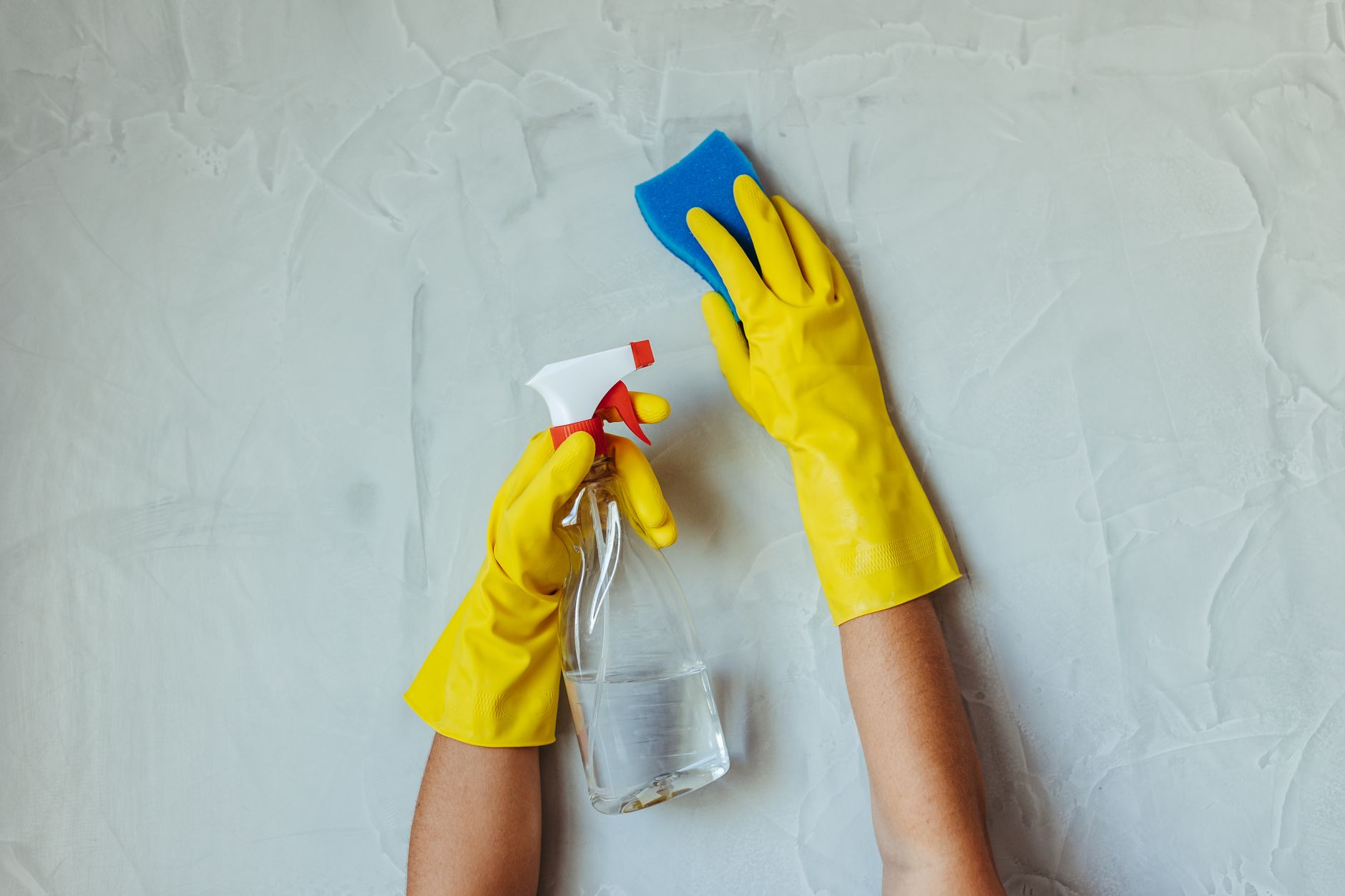
Apply a pregnancy-safe cleaner: Use one of the safe alternatives listed below (e.g., vinegar, hydrogen peroxide, or baking soda). Spray the solution onto the mold and let it sit for 10-15 minutes to kill the spores.
Scrub gently: Use a scrub brush or sponge to remove the mold. Avoid using too much force, as this can release more spores into the air.
Dry the area: Use a clean towel to dry the area thoroughly. Mold thrives in damp environments, so it’s important to keep the area dry.
Clean up: Use a HEPA vacuum to clean up any remaining spores. Dispose of the vacuum bag or empty the canister outside immediately.
Wash up: Remove your gloves and mask, then wash your hands and face with soap and water.
3. What NOT to do
Avoid these common mistakes when removing mold during pregnancy:
Don’t use bleach: Bleach can irritate your lungs and skin, and it’s not effective at killing mold on porous surfaces like drywall or wood. It can also release toxic fumes when mixed with other cleaners.
Don’t use ammonia: Ammonia is another harsh chemical that can irritate your respiratory system. It’s also ineffective on porous surfaces.
Don’t use a regular vacuum: Standard vacuums don’t have HEPA filters, which means they can spread mold spores into the air. Always use a HEPA vacuum for mold cleanup.
Don’t ignore the source: Mold will keep coming back if you don’t address the underlying issue, like a leak or high humidity. Fix the source of moisture to prevent regrowth.
Don’t stay in the home during remediation: If the mold is extensive, consider temporarily relocating until it’s removed. This is especially important if you’re experiencing symptoms like coughing or wheezing.
If you’re removing mold yourself, always wear protective gear—including an N95 mask, gloves, and goggles—to avoid inhaling spores.
Are there pregnancy-safe mold removal products?
Yes! While many commercial mold cleaners contain harsh chemicals, there are several pregnancy-safe alternatives you can use to remove mold. Here are the best options, ranked by safety and effectiveness:
1. Vinegar (white distilled, 5% acidity)
Why it’s safe: Vinegar is a natural, non-toxic cleaner that kills about 82% of mold species, including black mold. It’s safe to use during pregnancy because it doesn’t release harmful fumes or chemicals.
How to use: Fill a spray bottle with undiluted white vinegar and spray it directly onto the mold. Let it sit for 1 hour, then scrub with a brush and wipe clean. Vinegar has a strong smell, but it dissipates quickly.
Best for: Small mold spots on non-porous surfaces like tile, glass, or metal.
2. Hydrogen peroxide (3%)
Why it’s safe: Hydrogen peroxide is a natural antifungal and antibacterial agent that’s safe to use during pregnancy. It kills mold on contact and breaks down into water and oxygen, leaving no toxic residue.
How to use: Pour 3% hydrogen peroxide into a spray bottle and spray it onto the mold. Let it sit for 10 minutes, then scrub and wipe clean. Avoid mixing hydrogen peroxide with vinegar, as this can create a harmful chemical reaction.
Best for: Mold on porous surfaces like drywall, wood, or fabric (test on a small area first).
3. Baking soda
Why it’s safe: Baking soda is a mild, non-toxic cleaner that’s safe for pregnancy. It kills mold and absorbs moisture, which helps prevent regrowth.
How to use: Mix 1 teaspoon of baking soda with 2 cups of water in a spray bottle. Shake well and spray onto the mold. Scrub with a brush, then rinse and dry the area. For tough mold, make a paste with baking soda and water, apply it to the mold, and let it sit for 10 minutes before scrubbing.
Best for: Light mold growth on walls, countertops, or grout.
4. Concrobium Mold Control
Why it’s safe: Concrobium is a non-toxic, chemical-free mold remover that’s safe for use during pregnancy. It works by crystallizing mold spores, preventing them from growing back.
How to use: Spray Concrobium directly onto the mold and let it dry. There’s no need to scrub or rinse—just let it dry completely. For severe mold, you may need to apply multiple coats.
Best for: Large or hard-to-reach mold areas, or for preventing regrowth after cleaning.
5. EC3 Mold Solution Concentrate
Why it’s safe: EC3 is a natural, plant-based mold cleaner that’s safe for pregnancy. It uses essential oils and citrus extracts to kill mold spores and neutralize mycotoxins.
How to use: Mix the concentrate with water according to the instructions, then spray it onto the mold. Let it sit for 10-15 minutes, then scrub and wipe clean. You can also use it in a fogger to treat large areas.
Best for: Whole-home mold treatment or for sensitive individuals.
6. Tea tree oil (melaleuca oil)
Why it’s safe: Tea tree oil is a natural antifungal that’s safe to use during pregnancy in small amounts. It’s effective at killing mold and preventing regrowth.
How to use: Mix 1 teaspoon of tea tree oil with 1 cup of water in a spray bottle. Shake well and spray onto the mold. Let it sit for 1 hour, then wipe clean. Tea tree oil has a strong smell, but it fades over time.
Best for: Small mold spots on non-porous surfaces. Avoid using tea tree oil if you’re allergic to it.
Products to avoid during pregnancy
Avoid these common mold cleaners, as they can release harmful fumes or chemicals:
Bleach (sodium hypochlorite)
Ammonia
Ozone generators (can irritate your lungs)
Mold cleaners with strong fragrances or synthetic chemicals
Foggers or sprays that contain harsh solvents
If you’re unsure about a product, check the label for warnings about pregnancy or respiratory irritation. When in doubt, opt for a natural, non-toxic cleaner like vinegar or hydrogen peroxide.
Safer alternatives to mold exposure during pregnancy
If you’re dealing with mold in your home, you don’t have to live with the risk. Here are 10 safer alternatives to help you reduce exposure and protect your baby:
HEPA air purifiers
HEPA air purifiers capture 99.97% of airborne particles, including mold spores. Place one in your bedroom and any other rooms where you spend a lot of time. Look for a purifier with a true HEPA filter and a high CADR (Clean Air Delivery Rate) for mold. Some top-rated pregnancy-safe options include the Coway Airmega 200M and the Levoit Core 400S.
Dehumidifiers
Mold thrives in humidity levels above 50%. A dehumidifier can help keep your home’s humidity between 30-50%, making it harder for mold to grow. Place a dehumidifier in damp areas like basements, bathrooms, or laundry rooms. The hOmeLabs 4,500 Sq. Ft. Dehumidifier is a popular, pregnancy-safe choice.
Vinegar (for small mold spots)
As mentioned earlier, vinegar is a safe and effective way to remove small mold spots. Keep a spray bottle of undiluted white vinegar in your cleaning kit for quick touch-ups.
Hydrogen peroxide (3%)
Hydrogen peroxide is another pregnancy-safe option for removing mold. It’s especially effective on porous surfaces like drywall or wood. Just be sure to use 3% hydrogen peroxide—higher concentrations can be harmful.
Baking soda solution
Baking soda is a gentle, non-toxic cleaner that’s safe for pregnancy. Mix 1 teaspoon of baking soda with 2 cups of water in a spray bottle and use it to clean moldy surfaces. It also helps absorb moisture, preventing regrowth.
Professional mold remediation services
If the mold in your home is extensive or hard to reach, hire a professional mold remediation company. They have the equipment and expertise to remove mold safely and prevent it from coming back. Look for a company that’s certified by the Institute of Inspection, Cleaning and Restoration Certification (IICRC).
Concrobium Mold Control (non-toxic spray)
Concrobium is a non-toxic, chemical-free mold remover that’s safe for use during pregnancy. It works by crystall
Not sure about the label on Is Mold In Walls Safe During Pregnancy products?
Snap the ingredients list and SafeFilter checks every ingredient for your stage — only 3 free scans this month, then you're locked until reset. Unlimited from $7/mo or $50/yr.
When Shubhra Mishra was expecting her first child in 2016, she was overwhelmed by conflicting food advice — one site said yes, another said never. By the time her second baby arrived in 2019, she realized millions of mothers face the same confusion.
That sparked a five-year journey through clinical nutrition papers, cultural diets, and expert conversations — all leading to BumpBites: a calm, compassionate space where science meets everyday motherhood.
Her long-term vision is to build a global community ensuring safe, supported, and free deliveriesfor every mother — because no woman should face pregnancy alone or uninformed. 🌿
🌍 Stand with mothers, shape safer guidance
Join a small circle of experts who review BumpBites articles so expecting parents everywhere can decide with confidence.