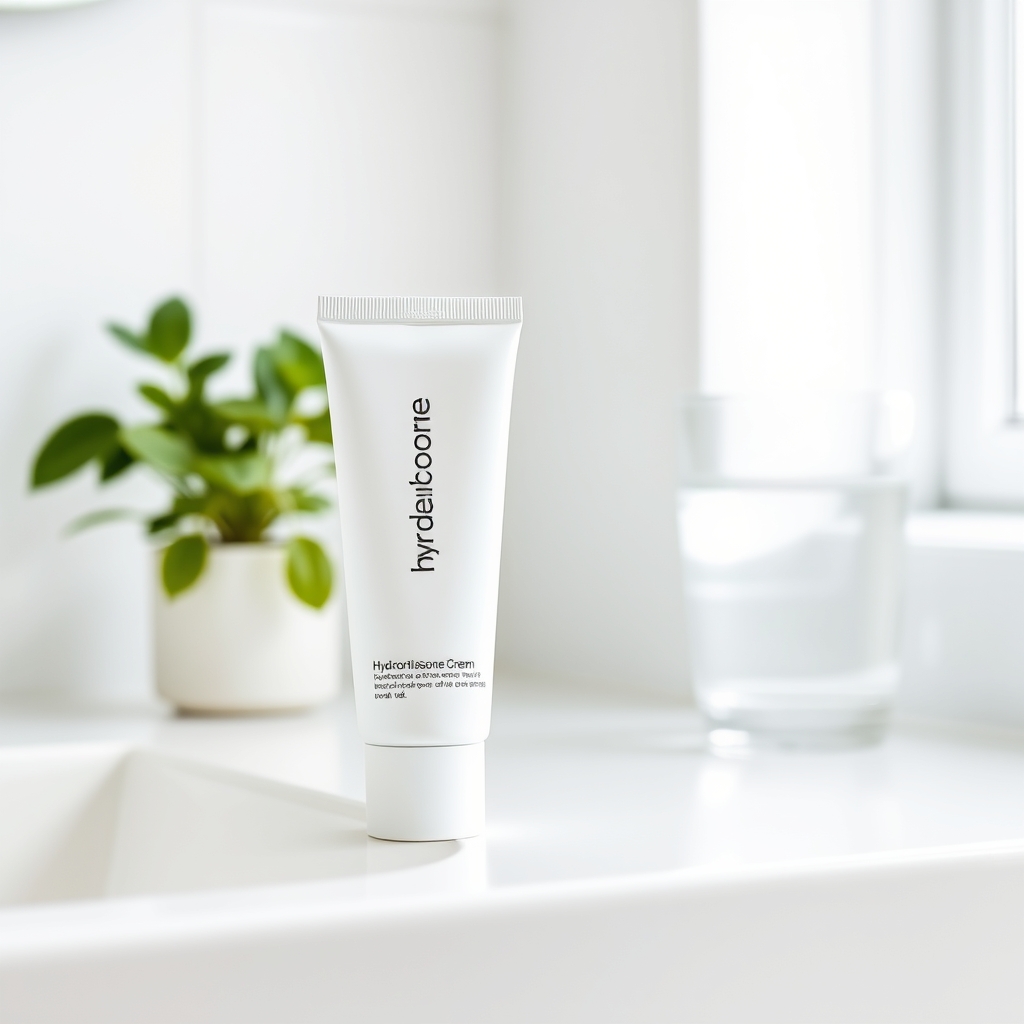
Safe: Hydrocortisone cream is generally safe during pregnancy when used at ≤1% strength, especially after the first trimester; avoid high‑potency formulas.
By Shubhra Mishra — a mom of two who turned her own confusion during pregnancy into BumpBites, a global mission to make food choices clear, safe, and stress-free for every expecting mother. 💛
Check whether any food is safe during pregnancy with the BumpBites Food Safety Checker.
Quick verdict: ⚠️ Safe with limits. Low-strength hydrocortisone cream is generally considered safe for short-term, localized use during pregnancy, but always consult your doctor, especially for widespread or prolonged application.
That persistent itch, a sudden rash, or an eczema flare-up can be incredibly frustrating during pregnancy. When you reach for a familiar tube of hydrocortisone cream, a wave of "Is this safe for my baby?" might wash over you. We've all been there – staring at an everyday product, suddenly second-guessing everything. The good news is that for most common, mild skin irritations, using low-strength hydrocortisone cream safe for pregnancy is generally considered acceptable, but there are important guidelines to follow.
At BumpBites, we understand the worry that comes with every decision you make for your baby's health. You want clear, evidence-based answers without the alarm. This article will break down what you need to know about using hydrocortisone cream during pregnancy, including specific advice for each trimester, recommended dosages, potential risks, and a host of safer alternatives to help you find relief.
Trimester/Stage
Verdict
Notes
First Trimester
⚠️ Use with caution
Generally advised to minimize all medication use. Limit to small areas, short duration (e.g., 7 days max), and low strength (1% or less). Consult your doctor first.
Second Trimester
✅ Generally safe with limits
Low-strength (1% or less) hydrocortisone cream is usually safe for short-term, localized use. Avoid large body areas or prolonged application.
Third Trimester
✅ Generally safe with limits
Similar to the second trimester. Focus on minimal strength and duration. Discuss with your provider if skin issues are widespread or persistent.
While Breastfeeding
✅ Generally safe with limits
Considered safe for topical use. Avoid applying to the breast or nipple area just before feeding to prevent infant ingestion. Wash hands thoroughly after application.
What is Hydrocortisone Cream?
Hydrocortisone cream is a topical corticosteroid medication used to reduce inflammation, itching, and redness associated with various skin conditions. It belongs to a class of drugs called corticosteroids, which work by mimicking the effects of hormones naturally produced by your adrenal glands. When applied to the skin, hydrocortisone cream helps to calm down the immune response, thereby alleviating symptoms like itching, swelling, and irritation.
You'll find hydrocortisone creams in various strengths, both over-the-counter (OTC) and by prescription. OTC versions typically contain 0.5% or 1% hydrocortisone, while prescription strengths can go up to 2.5% or higher. Common uses include treating eczema, dermatitis (like contact dermatitis or allergic reactions), insect bites, poison ivy, and other causes of itchy or inflamed skin. It's a go-to for many because of its effectiveness in providing quick relief from uncomfortable skin symptoms.
Is Hydrocortisone Cream Safe During Pregnancy?
When it comes to using hydrocortisone cream safe for pregnancy, the general consensus among medical professionals is that low-strength topical hydrocortisone is generally considered safe for localized, short-term use. This is primarily because very little of the medication is absorbed systemically (into your bloodstream) when applied to the skin, especially at lower concentrations.
Major bodies like the American College of Obstetricians and Gynecologists (ACOG) and the UK's National Health Service (NHS) acknowledge that mild topical corticosteroids, including hydrocortisone 1% or less, are usually acceptable during pregnancy. However, they emphasize the importance of using the lowest effective strength for the shortest possible duration and on the smallest possible area of skin. The concern with stronger corticosteroids or widespread application is the potential for increased systemic absorption, which theoretically could lead to risks for the developing baby, although evidence for this with topical use is limited and often debated.
Studies examining the use of topical corticosteroids during pregnancy have largely found no increased risk of major congenital malformations with mild-to-moderate potency preparations. A review published in the journal *Obstetrics & Gynecology* noted that there's no consistent evidence linking topical corticosteroids to adverse pregnancy outcomes when used appropriately. However, some larger studies have hinted at a possible, though small, association between *very potent* topical corticosteroids (not typically hydrocortisone 1%) used in *large amounts* during the first trimester and low birth weight. This highlights why your doctor will always recommend caution and moderation.
If you're dealing with a persistent or widespread skin condition, it's always best to consult your healthcare provider. They can assess your specific situation, weigh the benefits against any potential risks, and recommend the most appropriate treatment plan for you and your baby. This proactive approach ensures you get relief safely.
Always keep your hydrocortisone cream and other medications out of reach of children.
Safety by Trimester
Understanding how the safety of medications can change throughout your pregnancy is key. While hydrocortisone cream safe for pregnancy is generally true for mild, topical use, specific considerations apply to each trimester.
Is hydrocortisone cream safe to use in the first trimester?
The first trimester (weeks 1-12) is often considered the most crucial period for fetal development, as this is when the baby's major organs are forming (organogenesis). For this reason, most healthcare providers recommend a "less is more" approach to *all* medications during this time, including topical ones. While low-strength hydrocortisone cream (0.5% or 1%) is generally considered safe for very limited, short-term use on small areas, it's especially important to be cautious. If you're experiencing an itchy rash and are in your first trimester, try non-medicated alternatives first. If those don't provide relief, discuss using hydrocortisone cream with your doctor or midwife. They might suggest using it for no more than a few days to manage acute symptoms, ensuring minimal exposure during this sensitive window.
Is it safe to apply hydrocortisone cream during the second trimester of pregnancy?
By the second trimester (weeks 13-27), the risk profile for many medications typically decreases compared to the first trimester, as organogenesis is largely complete. For most pregnant individuals, using low-strength hydrocortisone cream safe for pregnancy in the second trimester is generally considered safe for short-term, localized treatment of conditions like eczema flare-ups, insect bites, or contact dermatitis. Again, the key is moderation: apply a thin layer only to the affected area, avoid large surface areas of the body, and don't use it for extended periods without medical advice. If your skin condition persists or worsens, or if you find yourself needing to apply the cream frequently or to large areas, it's time to check in with your healthcare provider.
Is it safe to apply hydrocortisone cream during the third trimester of pregnancy?
The third trimester (weeks 28-40+) also generally aligns with the second trimester's guidance regarding hydrocortisone cream. Low-strength topical hydrocortisone is typically considered safe for localized, short-term use. However, pregnancy can bring its own unique skin challenges, such as PUPPP (Pruritic Urticarial Papules and Plaques of Pregnancy) or severe itching. While hydrocortisone can offer some relief for these, stronger prescription corticosteroids might be considered for more severe cases, always under strict medical supervision. If you're nearing your due date, your doctor might also consider any potential impact on skin integrity, although this is usually more relevant for potent steroids. As always, discuss any ongoing skin issues with your obstetrician to ensure the treatment is appropriate for this stage of your pregnancy.
Hydrocortisone cream while breastfeeding
Many new parents wonder about medication safety while breastfeeding. Fortunately, topical hydrocortisone cream is generally considered safe for use while breastfeeding. The amount absorbed into the bloodstream and subsequently transferred into breast milk is minimal, especially with low-strength preparations and localized application. The main concern is direct exposure to the infant. To minimize any potential risk:
Avoid applying the cream to your breasts or nipples, especially just before nursing. If you must apply it to this area, do so immediately after a feeding and wipe it off thoroughly before the next feeding.
Ensure your hands are washed thoroughly after applying the cream to any part of your body to prevent accidental transfer to your baby during handling.
If you have any specific concerns about using hydrocortisone cream while breastfeeding, particularly for prolonged periods or on sensitive areas, it's always best to consult with your doctor or a lactation consultant.
How Much Hydrocortisone Cream Can I Apply While Pregnant?
When considering how much hydrocortisone cream safe for pregnancy, the general rule is to use the lowest effective strength for the shortest duration possible, on the smallest area necessary. This minimizes systemic absorption and potential exposure to your baby.
For over-the-counter (OTC) hydrocortisone creams (0.5% or 1% strength):
Amount: Apply a thin layer, just enough to cover the affected area. Don't slather it on.
Frequency: Typically, once or twice a day. Follow the instructions on the product label or your doctor's advice.
Duration: Limit use to 5-7 days for mild irritations. If symptoms don't improve or worsen after a week, stop use and contact your healthcare provider.
Area: Avoid applying to large areas of your body (e.g., more than 10% of your skin surface). The larger the area, the more can be absorbed.
For prescription-strength hydrocortisone creams (e.g., 2.5%):
Always use exactly as prescribed by your doctor. Do not exceed the prescribed amount, frequency, or duration.
Your doctor has weighed the benefits and risks for your specific condition during pregnancy. If you have any concerns, discuss them directly with your prescribing physician.
Can I use over‑the‑counter brands like Cortizone‑10 while pregnant?
Yes, over-the-counter brands like Cortizone-10, which typically contain 1% hydrocortisone, are generally considered safe for use during pregnancy when applied as directed for short periods and on small areas. These lower-strength preparations have minimal systemic absorption, making them a safer choice than higher-potency prescription corticosteroids. Always check the active ingredient list to confirm it's 1% hydrocortisone or less. If you're unsure or have a more severe or widespread rash, it's always best to consult your doctor before starting any new treatment, even an OTC one.
Side Effects and Risks
While low-strength hydrocortisone cream safe for pregnancy is generally considered safe for topical use, it's important to be aware of potential side effects and risks, both for you and your baby. Most side effects are localized to the skin and occur with overuse, higher strengths, or prolonged application.
Potential Maternal Side Effects (usually localized and mild):
Skin thinning (atrophy): Prolonged use, especially on delicate skin areas, can lead to thinning of the skin, making it more fragile and susceptible to damage.
Stretch marks (striae): While pregnancy itself is a common cause of stretch marks, applying topical steroids to areas prone to stretching could potentially exacerbate their formation or appearance.
Skin discoloration: Lightening or darkening of the skin in the treated area.
Folliculitis: Inflammation of hair follicles, appearing as small red bumps or pustules.
Acne-like eruptions: Breakouts of pimples in the treated area.
Increased hair growth: Fine hair growth in the area of application.
Allergic reactions: Though rare, some individuals may develop an allergic reaction to hydrocortisone or other ingredients in the cream, leading to worsening rash, itching, or swelling.
Potential Fetal Risks (generally very low with appropriate topical use):
The primary concern with any medication during pregnancy is its potential to affect fetal development. For topical hydrocortisone, the risk of systemic absorption reaching the baby is very low, especially with low-potency creams applied to small areas for short durations. However, some studies have investigated potential links:
Low birth weight: Some large observational studies have suggested a *very small* increased risk of low birth weight with the use of *very potent* topical corticosteroids, particularly when used in large quantities during the first trimester. This risk is generally not associated with the low-strength hydrocortisone cream typically used OTC.
Adrenal suppression: Theoretically, if a significant amount of corticosteroid is absorbed systemically by the mother, it could potentially affect the baby's adrenal gland function. However, this is exceedingly rare with topical hydrocortisone and more a concern with high-dose oral or injected steroids.
It's crucial to understand that these potential fetal risks are largely theoretical or associated with much stronger, more widespread, or prolonged corticosteroid use than typically recommended for OTC hydrocortisone cream in pregnancy. The consensus from major health organizations is that the benefits of relieving severe itching or inflammation with low-strength hydrocortisone, when used judiciously, generally outweigh these minimal theoretical risks.
Always err on the side of caution. If your rash is extensive, severe, or doesn't respond to mild treatments, consult your doctor. They can determine if the benefits of a stronger treatment outweigh the risks, or if a different approach is needed.
Explore natural alternatives before reaching for medicated creams, especially during pregnancy.
Are There Safer Alternatives to Hydrocortisone Cream for Itchy Skin in Pregnancy?
Absolutely! For many common pregnancy-related skin irritations, or if you prefer to avoid medicated creams, several soothing and effective alternatives can offer relief. These options are generally considered very safe and can often be your first line of defense against itching and dryness.
Calamine Lotion: A classic for good reason! Calamine lotion contains zinc oxide, which has mild antiseptic and astringent properties, making it excellent for drying out weeping rashes and relieving itching from insect bites, chickenpox, or poison ivy. It's very safe for pregnancy.
Aloe Vera Gel: Known for its cooling and anti-inflammatory properties, pure aloe vera gel can soothe irritated, itchy, or sunburned skin. Look for products that are 100% pure aloe vera without added fragrances or harsh chemicals.
Coconut Oil: A fantastic natural moisturizer, virgin coconut oil can help alleviate dryness and flakiness that often accompanies itchy skin conditions like eczema. Its emollient properties can create a protective barrier on the skin.
Colloidal Oatmeal Cream/Baths: Finely ground oatmeal, when added to bathwater or incorporated into creams, can significantly reduce itching and inflammation. It's a gentle, widely recommended remedy for eczema, hives, and general skin irritation. Look for products specifically labeled "colloidal oatmeal."
Zinc Oxide Cream: Similar to calamine, zinc oxide is a mild astringent and antiseptic. It's a common ingredient in diaper rash creams and can be very effective for soothing irritated, moist skin areas and reducing itch.
Chamomile Cream: Chamomile has anti-inflammatory and calming properties. A cream containing chamomile extract can be soothing for mild skin irritations and redness. Ensure it's a reputable brand with minimal other ingredients.
Vitamin D Cream: While not a direct itch reliever, some studies suggest topical vitamin D analogs can be beneficial for certain inflammatory skin conditions like eczema and psoriasis. Discuss this with your doctor, as it's often a prescription-strength option.
What skin conditions can be treated with hydrocortisone cream during pregnancy?
Hydrocortisone cream is primarily used to treat inflammatory and itchy skin conditions. During pregnancy, it might be considered for:
Eczema (Atopic Dermatitis): Many pregnant individuals experience flares of eczema. Low-strength hydrocortisone can help manage the itch and inflammation.
Contact Dermatitis: Rashes caused by contact with irritants or allergens (e.g., nickel, certain soaps, poison ivy).
Insect Bites: To reduce the swelling and intense itching from mosquito bites or other insect stings.
Mild Allergic Rashes: For localized allergic reactions causing redness and itching.
PUPPP (Pruritic Urticarial Papules and Plaques of Pregnancy): While hydrocortisone can offer some symptomatic relief, PUPPP often requires stronger treatments or oral steroids under medical supervision due to its widespread nature.
It's important to note that hydrocortisone cream is *not* effective for fungal infections, bacterial infections, or viral rashes (like shingles or herpes). Using it on these conditions can actually worsen them or mask symptoms, delaying appropriate treatment. Always get a proper diagnosis from your doctor if you're unsure about the cause of your rash.
Related Items — Safety at a Glance
Many different topical corticosteroids exist, varying in strength and formulation. While hydrocortisone cream safe for pregnancy is generally true for low strengths, other corticosteroids may carry different recommendations due to their potency. Here's a quick look at some related topical steroids and their general safety during pregnancy:
Topical Corticosteroid
Verdict
Notes
Hydrocortisone Ointment
✅ Generally safe with limits
Similar to cream; ointment bases are more occlusive and moisturizing, potentially increasing absorption slightly. Still considered safe for low-strength, localized, short-term use.
Betamethasone Cream
⚠️ Talk to your doctor first
A medium-to-high potency steroid. Generally avoided in pregnancy unless absolutely necessary and prescribed by a doctor for severe conditions, due to higher systemic absorption risk.
Clobetasol Propionate Cream
❌ Best avoided
A very high-potency steroid. Generally not recommended during pregnancy due to significant systemic absorption and potential for fetal risks, unless under strict specialist guidance for severe, localized conditions.
Triamcinolone Acetonide Cream
⚠️ Talk to your doctor first
A medium-potency steroid. Use with caution; prescription only. Your doctor will weigh risks and benefits for localized, severe conditions if alternatives fail.
Mometasone Furoate Cream
⚠️ Talk to your doctor first
A medium-to-high potency steroid. Prescription only. Similar to betamethasone; generally reserved for more severe conditions after physician consultation.
Dexamethasone Cream
⚠️ Talk to your doctor first
A high-potency steroid. Prescription only. Systemic absorption is a greater concern; typically avoided in pregnancy unless specifically indicated for severe conditions under close medical supervision.
Myth vs. Fact
There's a lot of information and misinformation floating around when you're pregnant, especially concerning medications. Let's clear up some common myths about using hydrocortisone cream safe for pregnancy.
Myth: All steroid creams are dangerous during pregnancy and should be completely avoided.
Fact: Not all steroid creams are equal. Low-strength topical corticosteroids like 0.5% or 1% hydrocortisone have very minimal systemic absorption and are generally considered safe for short-term, localized use during pregnancy. The concern primarily lies with high-potency steroids, widespread application, or prolonged use, which can lead to greater absorption.
Myth: If you use hydrocortisone cream on your belly, it will cause stretch marks or make them worse.
Fact: While prolonged use of *any* corticosteroid cream, especially stronger ones, can thin the skin and potentially contribute to stretch marks (striae), pregnancy itself is the primary cause of stretch marks due to the stretching of skin and hormonal changes. Using a low-strength hydrocortisone cream on a small, itchy patch on your belly for a few days is highly unlikely to be the sole or major cause of stretch marks. However, it's generally best to avoid applying it to large areas of already stretched or delicate skin.
Myth: If a cream is available over-the-counter, it must be completely safe during pregnancy.
Fact: OTC doesn't automatically mean pregnancy-safe. While many OTC products are indeed safe, some still carry warnings or require caution during pregnancy. Always read the label, and when in doubt, consult your doctor or pharmacist, even for non-prescription items. The "safe with limits" verdict for hydrocortisone cream highlights this nuance.
Key Takeaways
Low-strength hydrocortisone cream (0.5% or 1%) is generally considered safe for localized, short-term use during pregnancy.
Always use the smallest amount on the smallest area for the shortest duration possible.
Consult your healthcare provider before using hydrocortisone cream, especially in the first trimester, for widespread rashes, or if your condition is severe.
Many safe and natural alternatives like calamine lotion, aloe vera, and colloidal oatmeal can effectively relieve itching.
Avoid higher-potency prescription steroid creams unless specifically prescribed by your doctor, who has weighed the benefits and risks.
Wash your hands thoroughly after application and avoid applying to breast/nipple area if breastfeeding.
Frequently Asked Questions
Can I use hydrocortisone cream while pregnant?
Yes, low-strength hydrocortisone cream (0.5% or 1%) is generally considered safe for localized, short-term use during pregnancy to alleviate itching and inflammation. However, it's always best to consult your doctor or midwife before using any medication, even over-the-counter creams, to ensure it's appropriate for your specific situation.
Is it safe to apply hydrocortisone on my belly during pregnancy?
You can generally apply low-strength hydrocortisone cream to small, itchy areas on your belly during pregnancy. However, avoid applying it to large areas of your abdomen or for prolonged periods, as this could theoretically increase absorption. If you have widespread itching on your belly, especially if it's new or severe, contact your doctor as it could be a sign of a pregnancy-specific condition.
What are the side effects of hydrocortisone cream for pregnant women?
Side effects for pregnant women are primarily localized to the skin and include potential thinning, stretch marks, skin discoloration, or folliculitis, especially with prolonged or widespread use. Systemic side effects or fetal risks are considered very low with appropriate, localized use of low-strength topical hydrocortisone.
How often can I use hydrocortisone cream during pregnancy?
For low-strength hydrocortisone cream, it's typically recommended to apply a thin layer once or twice a day to the affected area, as per product instructions or your doctor's advice. Limit the duration of use to 5-7 days for mild conditions, and always discontinue use and consult your doctor if your symptoms don't improve or worsen.
Are there any risks to the baby when using hydrocortisone cream?
When low-strength hydrocortisone cream is used topically, locally, and for short durations, the risk to the baby is considered very low. Minimal amounts are absorbed into the mother's bloodstream. Some studies have hinted at a *very small* increased risk of low birth weight with *very potent* topical steroids used in large amounts, but this is generally not associated with typical hydrocortisone cream use.
What are natural alternatives to hydrocortisone for pregnant skin irritation?
Several natural alternatives can soothe pregnant skin irritation. These include calamine lotion for drying and itching, pure aloe vera gel for cooling relief, colloidal oatmeal baths or creams for widespread itching, and coconut oil for moisturizing dry, flaky skin. Zinc oxide cream and chamomile cream can also provide gentle relief.
When to Call Your Doctor
While hydrocortisone cream safe for pregnancy is generally true for mild uses, there are definite times when you should always reach out to your healthcare provider:
If your rash or itching is widespread, covers a large area of your body, or is intensely severe.
If your skin condition doesn't improve after a few days of using low-strength hydrocortisone cream, or if it worsens.
If the rash is blistering, oozing, or shows signs of infection (redness, warmth, pus, fever).
If you develop new or unusual symptoms after using the cream.
If you suspect your itching might be related to a liver condition (e.g., Obstetric Cholestasis), which often presents with severe itching, especially on the palms and soles, without a visible rash. This requires urgent medical attention.
If you have any doubts or concerns about using hydrocortisone cream or any other medication during your pregnancy.
Remember, this article provides general information and is not a substitute for personalized medical advice. Always consult with your doctor, midwife, or a qualified healthcare professional for any health concerns or before making any decisions related to your pregnancy and health.
References
American College of Obstetricians and Gynecologists (ACOG). ACOG.org.
Centers for Disease Control and Prevention (CDC). CDC.gov.
Baeck M, et al. Topical corticosteroids in pregnancy: a review of the literature. *Obstet Gynecol.* 2011;117(6):1373-1380.
Chi C-C, et al. Use of topical corticosteroids during pregnancy and the risk of adverse pregnancy outcomes: a systematic review and meta-analysis. *JAMA Dermatol.* 2013;149(8):934-943.
Not sure about the label on Is Hydrocortisone Cream Safe During Pregnancy products?
Snap the ingredients list and SafeFilter checks every ingredient for your stage — only 3 free scans this month, then you're locked until reset. Unlimited from $7/mo or $50/yr.
When Shubhra Mishra was expecting her first child in 2016, she was overwhelmed by conflicting food advice — one site said yes, another said never. By the time her second baby arrived in 2019, she realized millions of mothers face the same confusion.
That sparked a five-year journey through clinical nutrition papers, cultural diets, and expert conversations — all leading to BumpBites: a calm, compassionate space where science meets everyday motherhood.
Her long-term vision is to build a global community ensuring safe, supported, and free deliveriesfor every mother — because no woman should face pregnancy alone or uninformed. 🌿
🌍 Stand with mothers, shape safer guidance
Join a small circle of experts who review BumpBites articles so expecting parents everywhere can decide with confidence.