Safe: Pregnancy safe sunscreen for face can be used daily during all trimesters, applying a pea‑size amount to protect your skin without harming the baby.
By Shubhra Mishra — a mom of two who turned her own confusion during pregnancy into BumpBites, a global mission to make food choices clear, safe, and stress-free for every expecting mother. 💛
Check whether any food is safe during pregnancy with the BumpBites Food Safety Checker.
Quick verdict: ⚠️ Safe with limits. Pregnancy safe sunscreen for face is generally considered safe when you choose mineral (physical) formulas with zinc oxide or titanium dioxide, apply the recommended amount, and avoid certain chemical filters. Keep SPF 30‑50 and reapply as directed.
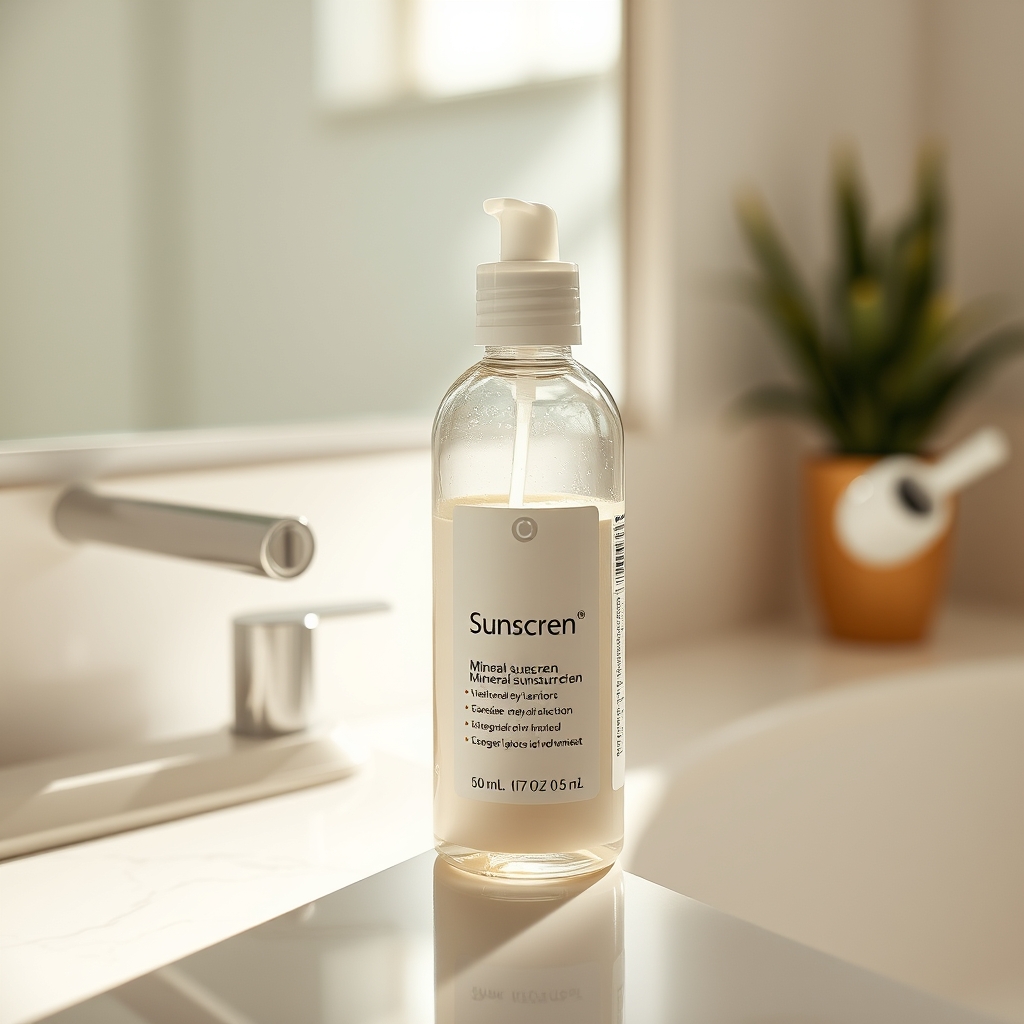
It’s 2 a.m., the bathroom light is on, and you’re staring at that tiny sunscreen bottle on the sink. “Did I just put on something unsafe for my baby?” you wonder. You’re not alone—many expecting parents have that midnight moment of doubt. The good news is that most pregnancy safe sunscreen for face products are formulated to protect both you and your developing baby, but the details matter.
In this article we’ll answer the most common questions about pregnancy safe sunscreen for face, including the difference between mineral and chemical filters, how safety changes across each trimester, the right amount to apply, top‑rated brands, and gentle alternatives if you’d rather skip sunscreen altogether. We’ll also compare related skin‑care items, bust a few myths, and give you a clear, actionable take‑away list.
Whether you’re already applying sunscreen daily or you’re wondering if you should start now, we’ll walk you through the evidence, share practical tips, and let you know when it’s time to call your provider. By the end, you’ll have the confidence to protect your skin without unnecessary worry.
Choosing a mineral sunscreen can simplify your routine and reduce exposure to potentially concerning chemicals.
Trimester / Period
Verdict
Notes
1st trimester
⚠️ Safe with limits
Prefer mineral (zinc oxide or titanium dioxide) filters; avoid oxybenzone, octinoxate, and other known endocrine disruptors.
2nd trimester
✅ Generally safe
Both mineral and approved chemical filters (e.g., avobenzone) are acceptable if SPF 30‑50 and broad‑spectrum.
3rd trimester
✅ Generally safe
Same guidance as 2nd trimester; continue daily use for skin protection.
Breastfeeding
✅ Generally safe
Topical absorption is minimal; mineral sunscreens are still the most conservative choice.
What is pregnancy safe sunscreen for face?
Pregnancy safe sunscreen for face is a topical product designed to shield the delicate skin on your face from ultraviolet (UV) radiation while using ingredients that have been deemed low‑risk for a developing fetus. Sunscreens work by either reflecting UV rays (physical or mineral filters) or absorbing them (chemical filters). In the context of pregnancy, the focus is on filters that do not cross the placenta in measurable amounts or interfere with hormonal pathways.
Typical mineral filters include zinc oxide and titanium dioxide, which sit on top of the skin and act like tiny mirrors. Chemical filters such as avobenzone, octocrylene, and homosalate are also used, but they are scrutinized for potential endocrine activity. Most reputable brands now label their products “pregnancy‑safe” or “safe for expectant moms” when they limit or exclude the more controversial ingredients like oxybenzone and octinoxate.
Beyond the active ingredients, pregnancy safe sunscreen for face often contains soothing additives—like aloe, vitamin E, or hyaluronic acid—to address the increased skin sensitivity many women experience during pregnancy. The product is usually water‑resistant for up to 80 minutes, encouraging reapplication after sweating, swimming, or towel‑drying. Some formulas are tinted, offering light coverage that can help even out melasma, a common pregnancy‑related hyperpigmentation.
Regulatory agencies such as the FDA and the European Commission require that sunscreen labels list the exact concentration of each active ingredient, making it easier for pregnant users to verify that only approved filters are present. Look for terms like “broad‑spectrum” and “oxybenzone‑free” to quickly spot safe options.
Is mineral sunscreen safe for face during pregnancy?
Yes, mineral sunscreen is considered the safest option for most pregnant people. The American College of Obstetricians and Gynecologists (ACOG) notes that zinc oxide and titanium dioxide have a long history of safe topical use and exhibit negligible systemic absorption. The U.S. Food and Drug Administration (FDA) also classifies these ingredients as “Generally Recognized As Safe and Effective” (GRASE) for over‑the‑counter sunscreen.
Studies have shown that mineral filters do not act as endocrine disruptors, a key concern with some chemical filters. The National Health Service (NHS) in the UK similarly recommends mineral sunscreens as the first line of defense for pregnant and breastfeeding individuals. Because they sit on the skin’s surface rather than being absorbed, they pose minimal risk to the placenta.
While mineral sunscreens are safe, they can sometimes leave a faint white cast on the skin. Modern formulations use micronized (nano‑sized) particles, which are still considered safe by the FDA and the European Medicines Agency when properly coated. If you experience any irritation, discontinue use and consult your dermatologist. For those with very sensitive skin, choosing a fragrance‑free, hypoallergenic mineral sunscreen can further reduce the chance of a reaction.
Environmental considerations are also relevant: mineral sunscreens are less likely to harm coral reefs compared with many chemical filters, making them a greener choice for eco‑conscious parents.
Is chemical sunscreen safe for face during pregnancy?
Chemical sunscreens are a mixed bag. Some ingredients, like avobenzone, octocrylene, and homosalate, have been reviewed by the FDA and are allowed in over‑the‑counter products, but they are not universally endorsed for pregnancy. ACOG advises pregnant individuals to avoid sunscreens containing oxybenzone, octinoxate, and benzophenone‑3 (also known as sulisobenzone) because of their potential to act as endocrine disruptors and their detection in cord blood at low levels.
When a chemical sunscreen is free of the flagged ingredients and includes only avobenzone, octocrylene, or homosalate, many clinicians consider it acceptable, especially after the first trimester when organogenesis is largely complete. The European Medicines Agency (EMA) and the UK’s NHS echo this cautious stance, recommending that pregnant people prioritize mineral filters but allowing certain chemical filters if no mineral option is available.
Because absorption rates vary, the safest approach is to use the lowest effective SPF (30‑50) and apply a sufficient amount. If you have a history of skin sensitivity, a patch test before full‑face application can help avoid unexpected reactions. For pregnant people who prefer a completely chemical‑free option, mineral sunscreens remain the gold standard.
Some newer “organic” chemical filters, such as diethylamino hydroxybenzoyl hexyl benzoate (Uvinul A Plus), have emerging safety data, but they are not yet widely available in the United States. Until more robust research is published, most providers continue to recommend mineral options as the first line.
Which trimester is sunscreen safest during pregnancy?
First trimester
The first trimester is the period of organogenesis, when the fetus’s major organs are forming. Although topical sunscreen absorption is minimal, ACOG recommends using mineral sunscreen during this window to eliminate any theoretical risk from chemical filters. Choose products that list zinc oxide or titanium dioxide as the sole active ingredients.
Second trimester
During the second trimester, the placenta is more fully developed, and the risk of teratogenic effects from topical agents is even lower. Both mineral and FDA‑approved chemical sunscreens (excluding oxybenzone and octinoxate) are generally considered safe. This is also the time many women notice changes in skin pigmentation, making consistent sunscreen use especially important.
Third trimester
In the third trimester, skin changes such as melasma and increased dryness are common. Sunscreen remains a key protective tool. The same guidelines from the second trimester apply: mineral sunscreens are safest, and chemical sunscreens without banned ingredients are acceptable.
Breastfeeding
Topical sunscreen use while breastfeeding is considered safe. The FDA and ACOG both note that systemic absorption from topical application is negligible, and no harmful levels have been detected in breast milk. Nevertheless, many lactating parents still prefer mineral formulations for peace of mind.
Sun protection for melasma during pregnancy
Melasma, often called the “mask of pregnancy,” is driven by hormonal changes and UV exposure. ACOG and dermatology societies emphasize that broad‑spectrum protection (UVA + UVB) is essential to prevent melasma from darkening. Mineral sunscreens, especially those with zinc oxide, provide strong UVA coverage, while certain chemical filters like avobenzone also block UVA. Pair sunscreen with wide‑brimmed hats and UPF clothing for maximum benefit.
Pregnancy skin with acne or rosacea
Acne and rosacea can flare during pregnancy due to hormonal shifts. Mineral sunscreens are typically non‑comedogenic and less likely to irritate rosacea‑prone skin. Look for fragrance‑free, oil‑free formulas that contain soothing ingredients such as niacinamide or colloidal oatmeal. If you need a chemical filter for a specific skin concern, choose one without oxybenzone and perform a patch test first.
Lupus, photosensitivity, and pregnancy
Women with systemic lupus erythematosus (SLE) often experience heightened photosensitivity, which can trigger disease flares. During pregnancy, protecting the skin becomes doubly important. The American College of Rheumatology recommends mineral sunscreens (zinc oxide or titanium dioxide) as the safest option because they provide a physical barrier without adding chemical load that could exacerbate photosensitivity. Broad‑spectrum coverage and daily reapplication are critical, and many patients find that combining sunscreen with UPF‑rated clothing reduces the need for high‑SPF products.
Outdoor sports and active lifestyles
For pregnant athletes or anyone spending extended time outdoors, sweat‑resistant mineral sunscreens are ideal. Look for “water‑resistant 80 minutes” labels and consider stick or cream formats that stay in place during movement. Reapply every two hours, after swimming, or after heavy sweating. Pair sunscreen with a wide‑brimmed hat and UV‑blocking sunglasses for full‑body protection.
Apply a pea‑sized amount to each cheek for adequate protection.
How much sunscreen should pregnant women apply to their face?
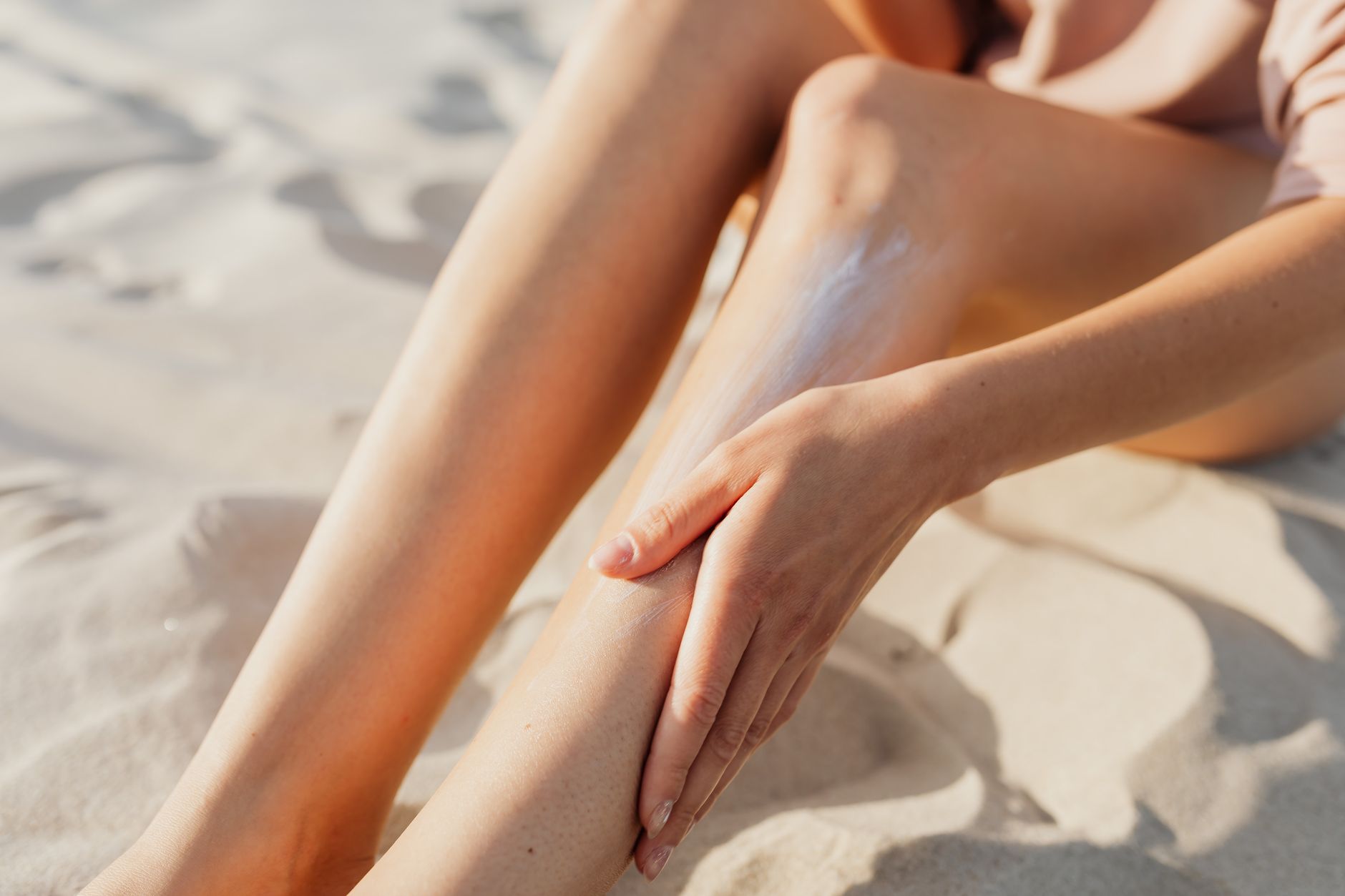
For facial application, the “finger‑tip” or “pea‑sized” rule works well. Roughly 0.5 ml (about a pea‑size dollop) is enough to cover each cheek, forehead, nose, and chin. This amount delivers the labeled SPF when applied evenly. The FDA’s sunscreen labeling assumes this quantity; using less reduces protection dramatically.
If you prefer a more precise method, use a teaspoon: one level teaspoon (≈5 ml) protects the entire body, so a tenth of that—about 0.5 ml—is appropriate for the face. Many sunscreen tubes include a flip‑top that dispenses roughly 0.5 ml per pump, making it easy to track your usage.
Reapply every two hours when outdoors, after swimming, or after excessive sweating. If you’re indoors but near windows, a single morning application is usually sufficient, but reapply if you notice any fading or after towel‑drying. For a typical SPF 30‑50 product, the safe daily amount for the face is well under 1 ml, far below any threshold that would cause systemic exposure. The CDC emphasizes that the benefits of preventing UV‑induced skin damage far outweigh any theoretical risk from the small amount of sunscreen applied.
Tips for proper application: cleanse your skin first, apply sunscreen after moisturizer (if using a separate moisturizer), and blend gently in upward strokes. Allow the product to absorb for a minute before applying makeup or other topical treatments.
What are the best pregnancy safe sunscreen brands for face?
When selecting a brand, look for clear labeling that lists zinc oxide or titanium dioxide as the primary active ingredients, and that explicitly states “oxybenzone‑free” or “paraben‑free.” Below is a quick guide to some widely available options that meet these criteria:
Brand
Active ingredients
SPF
Verdict
EltaMD UV Clear
Zinc oxide 9%
30
✅ Generally safe
Neutrogena Sheer Zinc
Zinc oxide 21.6%
40
✅ Generally safe
Blue Lizard Australian Sunscreen
Zinc oxide, Titanium dioxide
30
✅ Generally safe
Badger SPF 30 Unscented Sunscreen
Zinc oxide 22.5%
30
✅ Generally safe
Thinkbaby Safe Sunscreen
Zinc oxide 20%
50
✅ Generally safe
Sun Bum Mineral Sunscreen SPF 30
Zinc oxide, Titanium dioxide
30
✅ Generally safe
Beautycounter Mineral Sunscreen SPF 30
Zinc oxide 18%
30
✅ Generally safe
All of these products are marketed as “pregnancy safe” and have been reviewed by dermatologists for low irritation potential. If you have specific sensitivities (e.g., to fragrance or certain preservatives), check the full ingredient list before purchasing. Many of the listed brands also offer tinted versions that still rely on mineral filters, providing a subtle coverage while protecting against UV.
Reading the label is key: ingredients are listed in descending order of concentration, so a product that lists zinc oxide first is likely to have a higher mineral content. Also watch for “broad‑spectrum” verification, which assures coverage against both UVA and UVB rays.
What are natural alternatives to sunscreen for pregnant women?
Zinc oxide sunscreen – Provides the same mineral protection while being free of fragrance and added chemicals.
Titanium dioxide sunscreen – Another mineral filter that reflects UVB and some UVA rays.
Wide‑brimmed hats – Physically blocks up to 90% of UV radiation when the brim is at least 3 inches wide.
UV‑protective clothing – Fabrics with a UPF rating of 30+ act as a barrier for the entire body, including the face when combined with a hat.
Seeking shade – Staying under trees or awnings reduces direct UV exposure, especially between 10 a.m. and 4 p.m.
Large sunglasses – Protect the eyes and the surrounding orbital skin from UVA/UVB rays.
Parasols – Portable shade devices that can be used outdoors for additional protection.
UV‑filtering window films – Applied to home or car windows, these films block up to 99% of UVA and UVB.
Mineral‑based facial moisturizers with SPF – Some moisturizers blend zinc oxide with hydrating ingredients, offering a two‑in‑one solution.
If you’re interested in DIY options, a simple homemade mineral sunscreen can be made by mixing zinc oxide powder (non‑nano) with a carrier oil such as jojoba or almond oil and a touch of shea butter. However, because exact SPF cannot be guaranteed in a homemade blend, most clinicians advise using a commercially tested product for reliable protection.
Are there any risks or side effects of sunscreen during pregnancy?
Most pregnancy safe sunscreen for face products are well tolerated. Common, mild side effects include temporary tingling, mild redness, or a slight white cast from mineral filters. These reactions are usually harmless and subside within minutes.
Rarely, allergic contact dermatitis can occur, especially with fragrances, preservatives, or certain chemical filters. If you notice persistent itching, swelling, or a rash that spreads beyond the application area, stop using the product and contact your healthcare provider.
Serious systemic effects from topical sunscreen are not documented in pregnant populations. The CDC and FDA both state that the amount of ingredient absorbed through the skin is far below any level associated with toxicity. Nonetheless, if you have a history of severe skin allergies or are using other topical medications, discuss sunscreen choice with your dermatologist.
When layering sunscreen with other skincare products—such as retinoid creams or strong acids—ensure there is a waiting period of at least 10 minutes to minimize potential irritation. This is especially important for pregnant skin, which can be more reactive.
Safer alternatives
Zinc oxide sunscreen – The gold standard mineral filter with minimal systemic absorption.
Titanium dioxide sunscreen – Works alongside zinc oxide for broader UVA coverage.
Wide‑brimmed hats – Physical barrier that protects the face and neck without chemicals.
UV‑protective clothing – UPF‑rated garments reduce reliance on topical products.
Seeking shade – Simple, drug‑free method to limit UV exposure.
Large sunglasses – Shield delicate eye skin and reduce overall UV load.
Parasols – Portable shade for outdoor activities when hats aren’t enough.
UV‑filtering window films – Reduce indoor UVA exposure that can worsen melasma.
Mineral‑based moisturizers with SPF – Combine hydration with protection in one step.
Related items — safety at a glance
Item
Verdict
One‑line note
Body sunscreen
✅ Generally safe
Same ingredient rules apply; mineral filters are preferred.
Tinted moisturizer with SPF
⚠️ Safe with limits
Check for chemical filters; mineral tinted versions are safest.
Self‑tanner
❌ Best avoided
Often contains DHA; limited safety data for pregnancy.
Retinol serums
❌ Best avoided
Retinoids are known teratogens; avoid during pregnancy.
Avoid strong acids; gentle enzymes are preferable.
Insect repellents
⚠️ Talk to your doctor first
DEET is generally considered safe, but discuss with provider.
Makeup with SPF
⚠️ Safe with limits
Ensure mineral filters; reapply as needed.
Facial oils
✅ Generally safe
Non‑comedogenic oils are fine; they don’t replace sunscreen.
Myth vs. fact
Myth: All sunscreens are unsafe during pregnancy because they are absorbed into the bloodstream. Fact: The skin barrier limits systemic absorption; mineral sunscreens (zinc oxide, titanium dioxide) have negligible absorption, and FDA‑approved chemical filters are used at concentrations far below toxic levels.
Myth: SPF 100 offers extra protection for pregnant skin and is therefore the best choice. Fact: SPF 30‑50 provides sufficient protection when applied correctly. Higher SPF does not significantly increase UV blockage and can give a false sense of security.
Myth: You can skip sunscreen if you stay indoors because windows block UV rays. Fact: Standard glass blocks UVB but not UVA, which can still penetrate and contribute to melasma. A mineral sunscreen or UV‑filtering window film is advisable.
Myth: Spray sunscreens are safe because they use less product. Fact: Spray application can lead to uneven coverage and inhalation of particles; pregnant users should prefer lotion or stick forms to ensure adequate protection.
Myth: If a sunscreen is “water‑resistant,” it’s automatically safe for pregnancy. Fact: Water resistance describes durability, not ingredient safety. Always check the active ingredients regardless of the water‑resistant claim.
Key takeaways
Pregnancy safe sunscreen for face is best when it contains zinc oxide or titanium dioxide.
First‑trimester use should favor mineral formulas; chemical sunscreens without oxybenzone or octinoxate are acceptable after the first trimester.
Apply a pea‑sized amount to each facial area (≈0.5 ml) and reapply every two hours outdoors.
Combine sunscreen with physical barriers like hats, UPF clothing, and shade for comprehensive sun safety.
If you notice persistent irritation, stop use and consult your provider.
For sensitive skin, choose fragrance‑free, hypoallergenic mineral sunscreens or mineral‑based moisturizers with SPF.
When using spray sunscreens, apply from a distance of at least 6 inches and rub in thoroughly to avoid missed spots.
Women with lupus or other photosensitive conditions should prioritize mineral sunscreens and supplement protection with UPF clothing.
Frequently asked questions
What sunscreen ingredients should pregnant women avoid?
Pregnant women should avoid oxybenzone, octinoxate, and benzophenone‑3 because these chemicals have been detected in cord blood and may act as endocrine disruptors. Opt for mineral filters like zinc oxide or titanium dioxide instead.
Is SPF 50 safe during pregnancy?
Yes, SPF 50 is safe as long as the product uses pregnancy‑approved filters (mineral or approved chemical). The higher SPF simply provides a longer interval before reapplication is needed, but you still need to apply the correct amount.
Are mineral sunscreens truly safer for pregnant women?
Mineral sunscreens are generally considered safer because zinc oxide and titanium dioxide sit on the skin’s surface and have minimal systemic absorption, aligning with ACOG and NHS recommendations.
Can sunscreen help prevent melasma while pregnant?
Consistent use of broad‑spectrum sunscreen (SPF 30‑50) can help prevent melasma or limit its progression by blocking UVA and UVB rays that trigger pigment production.
What are the safest sunscreen brands for pregnancy?
Brands such as EltaMD UV Clear, Neutrogena Sheer Zinc, Blue Lizard Australian Sunscreen, Badger SPF 30 Unscented, Thinkbaby Safe Sunscreen, Sun Bum Mineral Sunscreen, and Beautycounter Mineral Sunscreen are widely recommended for their mineral‑only formulas and lack of harmful chemicals.
Is it okay to use tinted sunscreen during pregnancy?
Tinted sunscreens are fine if they contain only mineral filters and no prohibited chemical ingredients. Check the label for zinc oxide or titanium dioxide and avoid any mention of oxybenzone or octinoxate.
Can chemical sunscreen harm my unborn baby?
Most chemical sunscreens are considered low risk, but those containing oxybenzone, octinoxate, or other endocrine‑disrupting agents should be avoided. Choose products that are free of these ingredients or stick with mineral options.
How often should pregnant women reapply face sunscreen?
Reapply every two hours when outdoors, after swimming, sweating, or toweling off. Indoors, a single morning application is usually sufficient unless you notice fading.
What if I have eczema or a history of skin irritation?
If you have eczema or a history of skin irritation, opt for fragrance‑free, hypoallergenic mineral sunscreens. Perform a patch test on a small area of skin before full‑face application, and consult your dermatologist if you notice persistent redness or itching.
Are spray sunscreens safe to use while pregnant?
Spray sunscreens can be used, but they often lead to uneven coverage and potential inhalation of particles. For pregnancy, many clinicians recommend lotion or stick forms to ensure full, even protection and to avoid respiratory exposure.
Can I apply sunscreen to my growing belly?
Yes, applying sunscreen to your belly is recommended once the skin is exposed, especially if you’ll be outdoors. Use the same pea‑sized amount per 100 cm² and reapply as needed; mineral formulas are especially reassuring for this sensitive area.
What should I do if I develop a rash after using sunscreen?
If a rash appears and does not improve within 24 hours, stop using the product and contact your healthcare provider. A mild irritation may be temporary, but persistent symptoms could indicate an allergic reaction that needs medical evaluation.
When to call your doctor
If you experience any of the following after applying sunscreen, contact your healthcare provider promptly:
Severe itching, swelling, or hives that spread beyond the application site.
Persistent redness or a rash that does not improve within 24 hours.
Eye irritation after using a facial sunscreen near the eyes.
Any sign of an allergic reaction such as difficulty breathing or swelling of the lips or face.
Unusual skin changes on the belly or other areas where sunscreen was applied.
These symptoms may indicate an allergic contact dermatitis or a more serious reaction that warrants medical evaluation. Remember, this article provides general information and is not a substitute for personalized medical advice. Always discuss any concerns with your obstetrician or dermatologist.
References
American College of Obstetricians and Gynecologists (ACOG). “Physical Activity and Exercise During Pregnancy and the Postpartum Period.” Practice Bulletin No. 204, 2020.
U.S. Food and Drug Administration (FDA). “Sunscreen Monograph.” 2023.
National Health Service (NHS). “Sunscreen: what you need to know.” Updated 2022.
Centers for Disease Control and Prevention (CDC). “Sun Safety.” 2022.
World Health Organization (WHO). “Ultraviolet Radiation and the Skin.” 2021.
European Medicines Agency (EMA). “Assessment of sunscreen ingredients.” 2020.
Mayo Clinic. “Pregnancy skin care: what to know about melasma.” 2022.
Dermatology literature on zinc oxide and titanium dioxide safety during pregnancy. Journal of Dermatological Science, 2021.
American Academy of Dermatology (AAD). “Sunscreen FAQs.” 2023.
National Institute for Health and Care Excellence (NICE). “Sun protection for pregnant women.” 2021.
American College of Rheumatology. “Guidelines for the Management of Lupus in Pregnancy.” 2022.
Not sure about the label on Is Pregnancy Safe Sunscreen For Face Safe During Pregnancy products?
Snap the ingredients list and SafeFilter checks every ingredient for your stage — only 3 free scans this month, then you're locked until reset. Unlimited from $7/mo or $50/yr.
When Shubhra Mishra was expecting her first child in 2016, she was overwhelmed by conflicting food advice — one site said yes, another said never. By the time her second baby arrived in 2019, she realized millions of mothers face the same confusion.
That sparked a five-year journey through clinical nutrition papers, cultural diets, and expert conversations — all leading to BumpBites: a calm, compassionate space where science meets everyday motherhood.
Her long-term vision is to build a global community ensuring safe, supported, and free deliveriesfor every mother — because no woman should face pregnancy alone or uninformed. 🌿
🌍 Stand with mothers, shape safer guidance
Join a small circle of experts who review BumpBites articles so expecting parents everywhere can decide with confidence.