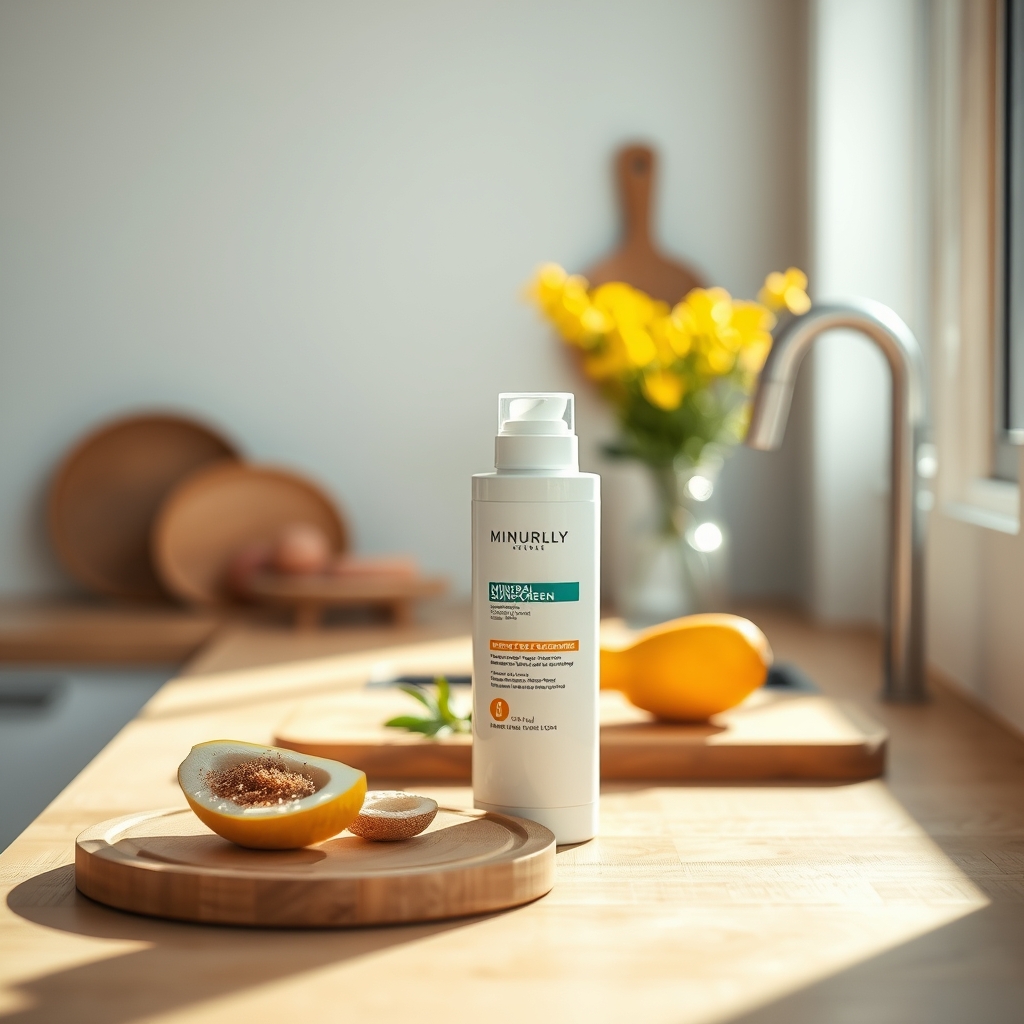
Spf is safe during pregnancy, use moderate dosage and opt for physical sunblocks in first trimester
By Shubhra Mishra — a mom of two who turned her own confusion during pregnancy into BumpBites, a global mission to make food choices clear, safe, and stress-free for every expecting mother. 💛
Check whether any food is safe during pregnancy with the BumpBites Food Safety Checker.
Quick verdict: ✅ SPF is generally safe for pregnancy when you choose mineral (physical) formulas and apply the recommended amount. Chemical sunscreens can be used, but many obstetric guidelines suggest opting for mineral options, especially in the first trimester.
It’s 2 a.m., the bedroom light is on, and you’re scrolling the web wondering, “Is SPF safe for pregnancy?” You might have already slathered on sunscreen before you knew you were expecting, or you’re about to buy a new bottle for your beach vacation. First, take a breath—we’ve got you covered. The short answer is that most sunscreens, especially those that rely on zinc oxide or titanium dioxide, are considered safe throughout pregnancy, while some experts advise caution with certain chemical filters.
In this guide we’ll break down the current medical consensus, look at how safety may differ by trimester, explain how much sunscreen you actually need, and suggest pregnancy‑friendly alternatives. We’ll also compare related products like SPF lip balms and sunscreen sticks so you can make confident choices for every part of your routine.
Whether you’re wondering “is SPF 50 safe during pregnancy?” or “what is a safe amount of SPF to use during pregnancy,” you’ll find clear answers, practical tips, and a list of safer options that keep both you and your baby protected from harmful UV rays.
We also know that many expectant parents worry about the ripple effects of sunscreen—like whether it could affect a pregnancy test, interact with prenatal vitamins, or raise the risk of birth defects. Those concerns are understandable, and we’ll address them point‑by‑point, so you can move from anxiety to confidence.
Finally, if you’ve already applied sunscreen before learning you’re pregnant, don’t panic. The amount that gets absorbed through the skin is tiny, and most experts agree that the benefits of preventing sunburn far outweigh any theoretical risk. Below you’ll find the evidence‑based guidance you need to protect your skin—and your baby—without unnecessary worry.
Trimester / Stage
Verdict
Notes
First trimester
⚠️ Talk to your doctor first
Prefer mineral (zinc oxide/titanium dioxide) formulas; avoid newer chemical filters like oxybenzone.
Second trimester
✅ Generally safe
Both mineral and most FDA‑approved chemical sunscreens are acceptable when used as directed.
Third trimester
✅ Generally safe
Same guidance as second trimester; ensure adequate reapplication.
Breastfeeding
✅ Generally safe
Topical absorption is minimal; mineral sunscreens are the most reassuring choice.
What is SPF and how does it work?
Sun Protection Factor (SPF) measures how well a sunscreen protects skin from ultraviolet B (UVB) radiation, the primary cause of sunburn and skin cancer. An SPF 30 product, for example, lets you stay in the sun about 30 times longer than without protection before burning. Sunscreens contain either “chemical” (organic) filters that absorb UV rays and convert them to heat, or “physical” (mineral) filters—most commonly zinc oxide or titanium dioxide—that reflect and scatter UV radiation.
People use sunscreen to prevent sunburn, reduce the risk of premature aging, and lower the chance of skin cancers. During pregnancy, skin can become more sensitive due to hormonal changes, making adequate sun protection even more important. However, the type of filter and the amount applied can affect how much, if any, sunscreen is absorbed into the bloodstream, which is why certain filters raise more questions for expectant parents.
In the United States, the Food and Drug Administration (FDA) regulates sunscreen ingredients and labels, while the UK’s National Health Service (NHS) provides public guidance on safe use. The American College of Obstetricians and Gynecologists (ACOG) and the Centers for Disease Control and Prevention (CDC) also weigh in on sun safety for pregnant people, emphasizing that protecting skin is essential but recommending mineral filters as the most conservative option.
Beyond the SPF number, the broader “broad‑spectrum” claim tells you that the product also blocks UVA rays, which penetrate deeper into the skin and contribute to photo‑aging. For pregnant people, UVA protection is especially valuable because hormonal changes can make skin more prone to hyperpigmentation (the “mask of pregnancy”). Choosing a broad‑spectrum sunscreen with a reliable SPF rating helps guard against both sunburn and those lingering dark patches.
Is SPF safe during pregnancy?
C
urrent guidance from ACOG, the NHS, and the FDA indicates that sunscreen is safe for use during pregnancy when applied correctly. The ACOG states that “topical sunscreens, particularly those containing zinc oxide or titanium dioxide, are considered low risk for both mother and fetus.” The NHS echoes this, noting that “mineral sunscreens are the preferred choice for pregnant and breastfeeding people.” The FDA has approved several chemical filters (e.g., avobenzone, octinoxate) for over‑the‑counter use, but it also warns that some newer filters have limited safety data for pregnant populations.
Most of the concern centers on chemical filters such as oxybenzone and octinoxate, which have been detected in small amounts in the bloodstream after regular use. While studies have not shown a direct link to birth defects, the precautionary principle leads many obstetricians to favor mineral sunscreens, especially during the first trimester, when organ development is most vulnerable. In practice, using a broad‑spectrum sunscreen with an SPF of 30 or higher, applying it 15 minutes before sun exposure, and reapplying every two hours (or after swimming/sweating) provides effective protection without known risks.
Misconceptions abound: some expectant mothers think any sunscreen is unsafe and avoid sun exposure altogether, which can lead to vitamin D deficiency. Others worry that sunscreen might affect a pregnancy test. Neither concern is supported by robust evidence. In fact, the CDC recommends safe sun exposure as part of a balanced approach to maintaining adequate vitamin D levels, especially if dietary intake is low.
European guidelines, including those from the UK’s NICE (National Institute for Health and Care Excellence), align with the ACOG stance, advising that mineral sunscreens are the safest first‑line option and that chemical sunscreens should be used only after weighing the limited data on newer filters. The WHO’s 2022 review on ultraviolet radiation and pregnancy also concludes that topical sunscreen, particularly mineral formulations, poses minimal risk and should be part of routine prenatal skin care.
is spf 50 safe during pregnancy
SPF 50 offers a higher level of UVB protection than SPF 30, but the safety considerations are the same. If the product uses mineral filters, it’s widely regarded as safe throughout pregnancy. For chemical SPF 50 products, many clinicians advise checking the ingredient list. Filters like avobenzone, homosalate, and octocrylene have a longer safety record and are generally accepted, whereas oxybenzone and octinoxate are best avoided, especially in the first trimester. If you’re unsure, choose a mineral sunscreen with SPF 50, such as La Roche‑Posay Anthelios Melt‑In Sunscreen Milk, which combines zinc oxide with a gentle, pregnancy‑approved formula.
spf safety during first trimester
The first trimester is the period of organogenesis, when the fetus’s major organs are forming. Because of this heightened sensitivity, many obstetric guidelines recommend using mineral sunscreens exclusively during these early weeks. Zinc oxide and titanium dioxide sit on the skin’s surface and have negligible systemic absorption, making them the safest option according to ACOG. If you prefer a chemical sunscreen, look for products that contain only avobenzone, homosalate, and octocrylene—filters with the most extensive safety data—but still discuss any concerns with your provider.
can i use spf 30 while pregnant
Yes, SPF 30 is sufficient for most everyday sun exposure and is safe for pregnant people when you choose a reputable brand and apply the correct amount. A broad‑spectrum SPF 30 blocks about 97% of UVB rays, which is adequate for routine activities like walking, grocery shopping, or short outdoor errands. Whether you opt for a mineral SPF 30 (e.g., Badger SPF 30) or a chemical SPF 30, the key is to apply a layer the size of a nickel on your face and a shot‑glass amount for your entire body, then reapply as needed.
what is a safe amount of spf to use during pregnancy
Experts agree that a “teaspoon‑size” amount for the face and neck, plus an “ounce‑size” (about a shot glass) for the rest of the body, provides adequate protection. This translates to roughly 2 mg/cm² of skin, the standard measurement used in sunscreen testing. Applying less than this can dramatically reduce the effective SPF, leaving you vulnerable to sunburn. During pregnancy, it’s especially important not to skimp—skin can become more prone to burning, and a sunburn can raise core body temperature, which some studies suggest may affect fetal development.
alternatives to chemical spf during pregnancy
If you prefer to avoid chemical filters altogether, there are several mineral‑based sunscreens that have earned high marks from both dermatologists and obstetricians. Badger SPF 30 uses zinc oxide sourced from natural mineral deposits. Blue Lizard Australian Sunscreen offers a mineral‑only formula that’s water‑resistant and fragrance‑free. Goddess Garden Organics Everyday Natural Sunscreen blends zinc oxide with antioxidant‑rich botanicals. La Roche‑Posay Anthelios Melt‑In Sunscreen Milk provides a lightweight, mineral‑based protection suitable for sensitive skin. Finally, CeraVe Sunscreen Lotion SPF 50 combines zinc oxide with ceramides to support the skin barrier—an excellent choice for pregnant people dealing with dryness or eczema.
is neutrogena spf safe for pregnancy
Neutrogena’s most popular sunscreens, such as the Ultra Sheer line, rely on chemical filters like avobenzone and octocrylene. While these ingredients have a solid safety record, Neutrogena also offers a “Sheer Zinc” mineral sunscreen that contains only zinc oxide. If you’re using a Neutrogena product, check the label: the “Sheer Zinc” version is considered safe for pregnancy, whereas the regular Ultra Sheer formulas are acceptable for most pregnant people but should be discussed with a healthcare provider if you’re in your first trimester or have concerns about the specific chemicals.
spf and pregnancy risks
The primary theoretical risk of chemical sunscreens is systemic absorption of the active ingredients. Studies have detected low levels of oxybenzone and octinoxate in the plasma of adults after repeated use, but no causal link to fetal harm has been established. Mineral sunscreens, on the other hand, have minimal absorption, making them the lowest‑risk option. The CDC notes that the overall risk of using sunscreen during pregnancy is far outweighed by the risk of sunburn, which can lead to dehydration, heat stress, and in rare cases, preterm labor.
spf for sensitive skin during pregnancy
Pregnant skin can become more sensitive due to hormonal fluctuations, making fragrance‑free, hypoallergenic formulas a priority. Mineral sunscreens are naturally less irritating because they sit on the skin’s surface rather than penetrating. Products like Badger SPF 30 and Blue Lizard Australian Sunscreen are fragrance‑free and formulated for sensitive skin, reducing the likelihood of allergic reactions. If you prefer a chemical sunscreen, look for “sensitive skin” versions that exclude common irritants such as fragrance and parabens.
spf for pregnancy acne
Acne can flare up during pregnancy, and many acne‑treating products contain ingredients that may be irritating when combined with certain sunscreens. Mineral sunscreens are typically non‑comedogenic and less likely to exacerbate acne. CeraVe Sunscreen Lotion SPF 50, for instance, includes ceramides that help restore the skin barrier without clogging pores. If you need a chemical sunscreen, choose one labeled “oil‑free” and avoid added fragrances that could worsen acne.
how to choose a pregnancy‑safe sunscreen
When selecting a sunscreen for pregnancy, start by looking for the words “mineral,” “zinc oxide,” or “titanium dioxide” on the label. Verify that the product is broad‑spectrum and has an SPF of at least 30. Check the ingredient list for any of the following chemicals—oxybenzone, octinoxate, homosalate, or octyl methoxycinnamate—and consider avoiding them, especially in the first trimester. If you prefer a chemical sunscreen, choose one that lists only avobenzone, octocrylene, and maybe octisalate, as these have the most extensive safety data. Finally, consider fragrance‑free, hypoallergenic, and non‑comedogenic formulations to accommodate the heightened skin sensitivity that many pregnant people experience.
spf and vitamin D during pregnancy
Vitamin D is essential for fetal bone development, and many expectant parents wonder if sunscreen might block the vitamin‑D‑producing rays of sunlight. While sunscreen does reduce UVB exposure, most people obtain the majority of their vitamin D from diet or supplements rather than incidental sun exposure. The CDC advises that moderate sun exposure—such as a short walk outdoors—combined with a balanced diet (including fortified dairy, fatty fish, or prenatal vitamin D supplements) usually provides sufficient vitamin D. If you’re concerned about deficiency, discuss supplementation with your obstetrician rather than skipping sunscreen altogether.
sun protection for darker skin tones during pregnancy
People with darker skin tones often assume they need less sunscreen because melanin offers natural protection. However, UV radiation can still cause damage, hyperpigmentation, and an increased risk of melanoma over time. For pregnant individuals with deeper skin, a broad‑spectrum SPF 30 mineral sunscreen applied to exposed areas (face, neck, arms) is sufficient. In addition, physical barriers like UPF‑rated clothing and wide‑brim hats provide extra protection without relying solely on topical products.
Choosing a mineral sunscreen can give you peace of mind during pregnancy.
Safety by trimester
First trimester
The first 12 weeks are when the fetus’s major organs form—a period known as organogenesis. Because of this heightened vulnerability, ACOG and the NHS advise pregnant people to stick with mineral sunscreens (zinc oxide or titanium dioxide) during the first trimester. These filters stay on the skin’s surface and have negligible systemic absorption, making them the lowest‑risk option. If you must use a chemical sunscreen, limit it to products that contain only avobenzone, octocrylene, or homosalate, and discuss the choice with your provider.
Second trimester
From weeks 13 to 27, the placenta is fully functional, and the fetus becomes less susceptible to teratogenic influences. Most obstetricians consider both mineral and FDA‑approved chemical sunscreens safe during the second trimester, provided you follow the recommended application amount. This is also a good time to reassess any skin‑care routine changes that may have been made in the first trimester, such as adding a gentle moisturizer with SPF for dry, pregnancy‑related skin.
Third trimester
In the final stretch of pregnancy, the primary concern shifts to comfort and preventing overheating. Sunburn can raise maternal core temperature, which some studies link to a slight increase in the risk of preterm labor. Maintaining diligent sunscreen reapplication—especially if you’re traveling or spending extended time outdoors—is key. Mineral sunscreens remain the most reassuring choice, but most chemical formulations that have been on the market for years are also considered safe.
Breastfeeding
Post‑delivery, the skin’s barrier continues to be a focus as hormonal fluctuations can cause dryness or sensitivity. Both mineral and most FDA‑approved chemical sunscreens are deemed safe for breastfeeding mothers, with minimal absorption through the skin. If you’re nursing, you may also consider using a mineral sunscreen on areas that come into direct contact with your baby’s skin, such as the chest or arms, to avoid any potential infant exposure.
Layered protection—clothing, hat, and mineral sunscreen—keeps you and your baby safe.
Safe dosage / amount / brands
The “right amount” of sunscreen is more important than the exact SPF number. Dermatologists recommend applying about a teaspoon (5 ml) to your face and neck, and a shot‑glass amount (approximately 30 ml) to the rest of your body. Reapply every two hours, or immediately after swimming, sweating, or towel‑drying. For pregnant people, this guideline helps ensure you get the full protective benefit without over‑exposing skin to any ingredients.
When protecting a baby bump, it’s easy to miss spots. Treat the bump as you would any other part of the body—apply a generous, even layer of mineral sunscreen and smooth it in gently. If you’re using a spray sunscreen, pause to pat the skin afterward; spraying can lead to uneven coverage, especially on rounded areas like the abdomen.
Below is a quick reference for pregnancy‑friendly sunscreen brands:
Contains ceramides for barrier support, safe for pregnancy.
Neutrogena Sheer Zinc
45
Mineral (zinc oxide)
Specifically marketed as pregnancy‑friendly.
Sun Bum Mineral Sunscreen
30
Mineral (zinc oxide)
Fragrance‑free, vegan, and recommended by many OB‑GYNs.
Side effects and risks
Most sunscreen users experience no adverse effects. However, a small number of people develop skin irritation, redness, or a rash—especially with chemical filters or added fragrances. If you notice itching, burning, or a persistent rash after applying sunscreen, discontinue use and wash the area with mild soap. These reactions are usually mild and resolve quickly, but it’s wise to discuss them with your obstetrician.
Serious side effects are rare. Systemic absorption of chemical filters has been documented, but no definitive link to fetal harm exists. The CDC emphasizes that the benefits of preventing sunburn outweigh the theoretical risks of low‑level absorption. If you develop a fever, severe sunburn with fever, or signs of dehydration (dizziness, rapid heartbeat), seek medical attention promptly, as these can affect pregnancy outcomes.
Another rare concern is phototoxicity—when a chemical sunscreen reacts with sunlight to cause a skin reaction that looks like a severe sunburn. This is more common with older formulations containing PABA (para‑aminobenzoic acid), which are largely phased out in the U.S. market. Choosing modern, fragrance‑free mineral sunscreens eliminates this risk entirely.
Safer alternatives
Badger SPF 30 – mineral zinc oxide, fragrance‑free, good for sensitive skin.
Blue Lizard Australian Sunscreen – broad‑spectrum mineral formula, water‑resistant.
La Roche‑Posay Anthelios Melt‑In Sunscreen Milk – high SPF, mineral‑based, suitable for daily use.
CeraVe Sunscreen Lotion SPF 50 – includes ceramides to support the skin barrier.
Physical sun‑protective clothing – UPF‑rated shirts, hats, and sunglasses reduce the need for sunscreen on large areas.
Shade and timing – seeking shade during peak UV hours (10 am–4 pm) can lower overall sunscreen reliance.
Vitamin D‑rich diet – fortified milk, fatty fish, and prenatal supplements help maintain healthy levels without relying on sun exposure.
Related items — safety at a glance
Item
Verdict
Note
Sunscreen sticks
✅ Generally safe
Often mineral; apply as a stick for easy coverage.
Lip balm with SPF
✅ Generally safe
Choose zinc‑oxide versions for pregnancy‑friendliness.
Makeup with SPF
⚠️ Use with caution
Check ingredients; mineral‑based foundations are safest.
Self‑tanning lotion
❌ Best avoided
Contains DHA; limited data on fetal safety.
After‑sun lotion
✅ Generally safe
Look for aloe‑based, fragrance‑free formulas.
Insect repellent with SPF
⚠️ Talk to your doctor
Combined chemicals may increase exposure; separate use is safer.
Baby sunscreen
✅ Generally safe
Most are mineral; verify no added fragrance.
Mineral sunscreen
✅ Generally safe
Zinc oxide/titanium dioxide are the most pregnancy‑friendly filters.
Myth vs. fact
Myth: All sunscreens are unsafe during pregnancy because chemicals can be absorbed.
Fact: Mineral sunscreens (zinc oxide or titanium dioxide) have minimal systemic absorption and are widely recommended by ACOG and the NHS as safe for pregnant and breastfeeding people.
Myth: You don’t need sunscreen if you’re staying indoors.
Fact: UVB rays can penetrate windows, and indoor lighting can still cause low‑level exposure; a light mineral sunscreen on exposed skin is a prudent habit, especially during the first trimester.
Myth: Sunburn isn’t a big deal during pregnancy.
Fact: Severe sunburn can raise maternal core temperature, which some studies associate with increased risk of neural tube defects; protecting skin is a simple way to avoid that risk.
Myth: Spray sunscreens are automatically unsafe for pregnant people.
Fact: Spray sunscreens can be safe if they are mineral‑based, fragrance‑free, and applied in a well‑ventilated area; the key is to ensure even coverage and avoid inhalation of the mist.
Key takeaways
Most sunscreens are safe in pregnancy when used as directed; mineral (zinc oxide/titanium dioxide) formulas are the most reassuring choice.
Apply a teaspoon to the face and a shot‑glass to the body; reapply every two hours or after swimming.
During the first trimester, favor mineral sunscreens and avoid newer chemical filters like oxybenzone.
Pregnancy‑friendly brands include Badger SPF 30, Blue Lizard, Goddess Garden, La Roche‑Posay Anthelios, CeraVe SPF 50, Neutrogena Sheer Zinc, and Sun Bum Mineral Sunscreen.
If you experience irritation, switch to a fragrance‑free mineral product and consult your obstetrician.
Layered protection—clothing, hats, and sunscreen—offers the most reliable defense against UV damage.
Frequently asked questions
can pregnant women use sunscreen with zinc oxide
Yes. Zinc oxide is a mineral filter that sits on the skin’s surface and is considered safe for pregnant and breastfeeding people by ACOG and the NHS.
what spf is recommended for pregnant women
Broad‑spectrum SPF 30 or higher is recommended; many clinicians suggest SPF 50 for prolonged outdoor exposure, especially when using mineral formulas.
is it safe to get a sunburn while pregnant
While an occasional mild sunburn isn’t likely to cause serious harm, severe sunburn can raise core body temperature and should be avoided; prompt cooling and hydration are advised.
can i use expired sunscreen while pregnant
It’s best to discard expired sunscreen because the active ingredients may have degraded, reducing protection and potentially increasing skin irritation.
how often should i reapply spf during pregnancy
Reapply every two hours, or immediately after swimming, sweating, or towel‑drying, to maintain consistent protection.
does spf affect pregnancy test results
No. Topical sunscreen does not enter the bloodstream in amounts that would interfere with urine‑based pregnancy tests.
can i use spf on my face while pregnant
Absolutely—just choose a fragrance‑free, non‑comedogenic mineral sunscreen or a pregnancy‑safe chemical formula, and apply the recommended teaspoon amount.
is spf safe for breastfeeding
Yes. Both mineral and most FDA‑approved chemical sunscreens are considered safe for breastfeeding mothers, with minimal absorption through the skin.
can i apply sunscreen to my baby bump
Yes—treat the bump like any other skin area. Use a mineral sunscreen, apply a generous layer, and rub it in gently to avoid missing spots.
are spray sunscreens safe for pregnant people
Spray sunscreens can be safe if they are mineral‑based, fragrance‑free, and applied in a well‑ventilated space. The main caution is to ensure even coverage and avoid inhaling the mist.
When to call your doctor
If you develop any of the following after applying sunscreen, contact your obstetrician promptly: persistent rash or hives, swelling of the lips or face, severe sunburn with fever, signs of dehydration (dizziness, rapid heartbeat), or any unexpected skin reaction that doesn’t improve within 24 hours. While most sunscreen reactions are mild, it’s always safest to discuss any concerns with your provider, especially during the first trimester.
This article is for informational purposes only and does not replace professional medical advice. Always consult your healthcare provider for personalized recommendations.
References
American College of Obstetricians and Gynecologists (ACOG). “Skin Care During Pregnancy.” Updated 2023.
National Health Service (NHS). “Sunscreen and Pregnancy.” Revised 2022.
U.S. Food and Drug Administration (FDA). “Sunscreen Monograph.” Current as of 2024.
Centers for Disease Control and Prevention (CDC). “Sun Safety for Pregnant Women.” Accessed 2024.
Mayo Clinic. “Sunscreen: How to Choose and Apply.” Updated 2023.
World Health Organization (WHO). “Ultraviolet Radiation and Pregnancy.” 2022.
National Institute for Health and Care Excellence (NICE). “Guidance on Sun Protection for Pregnant Women.” 2021.
Not sure about the label on Is Spf Safe During Pregnancy products?
Snap the ingredients list and SafeFilter checks every ingredient for your stage — only 3 free scans this month, then you're locked until reset. Unlimited from $7/mo or $50/yr.
When Shubhra Mishra was expecting her first child in 2016, she was overwhelmed by conflicting food advice — one site said yes, another said never. By the time her second baby arrived in 2019, she realized millions of mothers face the same confusion.
That sparked a five-year journey through clinical nutrition papers, cultural diets, and expert conversations — all leading to BumpBites: a calm, compassionate space where science meets everyday motherhood.
Her long-term vision is to build a global community ensuring safe, supported, and free deliveriesfor every mother — because no woman should face pregnancy alone or uninformed. 🌿
🌍 Stand with mothers, shape safer guidance
Join a small circle of experts who review BumpBites articles so expecting parents everywhere can decide with confidence.