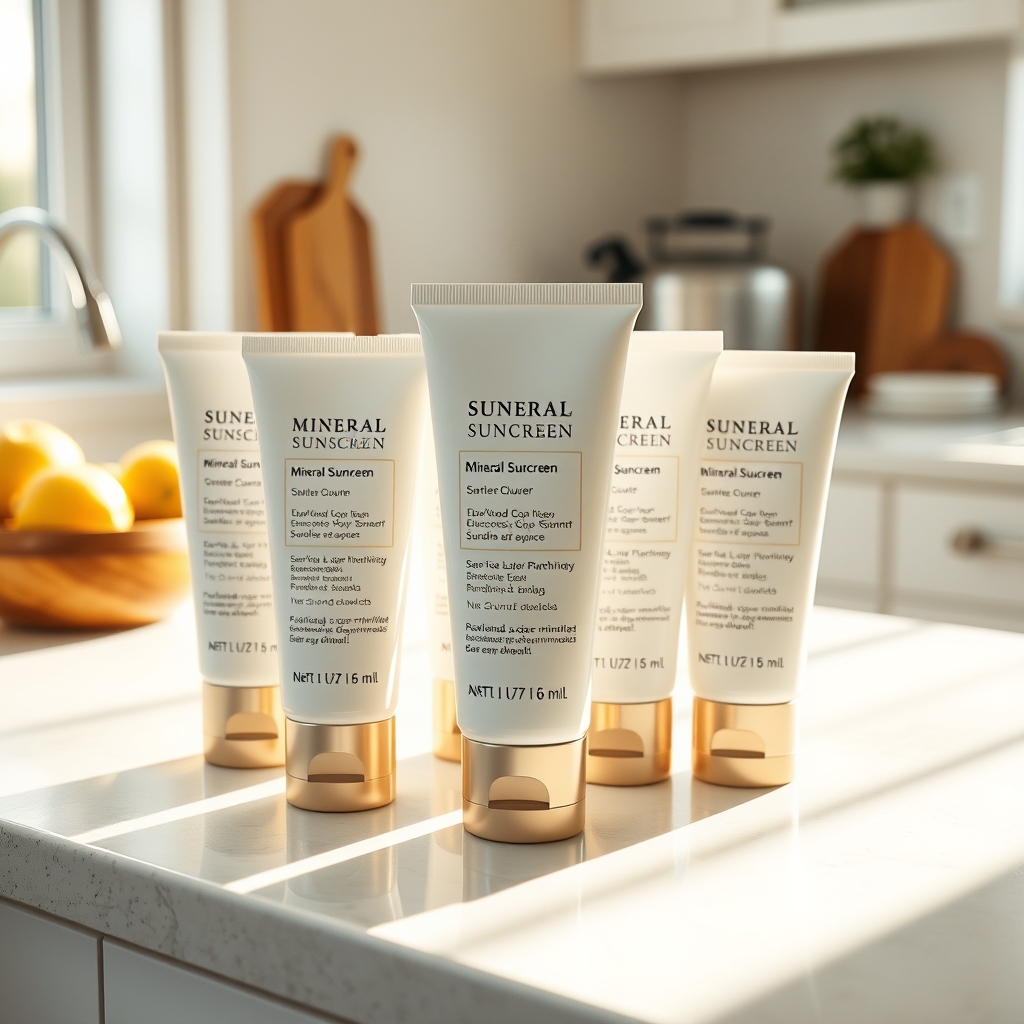
Safe: Sunscreen is generally safe during pregnancy when used as directed—apply SPF 30+ daily, avoid high‑dose chemical filters in the first trimester, and consider mineral options.
By Shubhra Mishra — a mom of two who turned her own confusion during pregnancy into BumpBites, a global mission to make food choices clear, safe, and stress-free for every expecting mother. 💛
Check whether any food is safe during pregnancy with the BumpBites Food Safety Checker.
Quick verdict: ⚠️ Talk to your doctor first. Sunscreen can be used during pregnancy, but the safest choice is a mineral (physical) formula applied in the recommended amount; chemical sunscreens and high‑SPF products should be discussed with your provider.
It’s 2 a.m., the night‑light is on, and you’re staring at the medicine cabinet wondering whether the bottle of sunscreen you keep on the bathroom counter is a risk to your baby. You’re not alone—many expecting parents experience that same “what‑if‑I‑already‑used‑it” moment. The good news is that most sunscreens are considered safe for pregnancy when used correctly, but there are nuances that matter, especially about the type of filter, the amount you apply, and how often you reapply.
In this article we’ll answer the burning question: is sunscreen safe for pregnancy? We’ll break down the trimester‑specific guidance, the recommended dosage, the differences between mineral and chemical filters, and which brands and alternatives are the most pregnancy‑friendly. By the end you’ll know exactly how to protect your skin without compromising your baby’s health, and you’ll have a clear plan for any red‑flag symptoms that should prompt a call to your provider.
Whether you’re already applying SPF 30 to your arms or you’re just buying your first bottle, we’ve got the facts you need—backed by ACOG, NHS, FDA, and CDC guidance—so you can make an informed decision and set your worries aside. We’ll also explore how sunscreen interacts with common pregnancy skin changes, how to choose the right product for sensitive skin, and what to do if you’ve already used a chemical sunscreen early in pregnancy.
Stage
Verdict
Notes
First trimester
⚠️ Talk to your doctor
Mineral sunscreens (zinc oxide, titanium dioxide) are preferred; avoid untested chemical filters.
Second trimester
✅ Generally safe
Continue using mineral sunscreen; if using chemical, choose FDA‑approved filters and limit to needed areas.
Third trimester
✅ Generally safe
Same recommendations as second trimester; reapply as directed.
Breastfeeding
✅ Generally safe
Topical absorption is minimal; mineral formulas remain the safest choice.
When you hear “sunscreen,” you might picture a greasy lotion, a spray, or a stick you dab on your nose before heading outdoors. Sunscreen is a topical product that protects skin from ultraviolet (UV) radiation—UVA rays that age skin and UVB rays that cause burns. It does this by either absorbing (chemical filters) or reflecting (minerial filters) UV light. Most people use sunscreen to prevent sunburn, reduce skin‑cancer risk, and keep skin‑tone even, especially during pregnancy when hormonal changes can make skin more sensitive.
Modern sunscreens contain a blend of active ingredients (the filters) and inactive ingredients (like moisturizers, fragrances, and preservatives). The active filters are the part that actually blocks UV radiation, while the inactive components help the product feel smoother or stay on longer. Sunscreens are classified by their Sun Protection Factor (SPF), which indicates how long it would take for skin to redden compared with unprotected skin. For example, SPF 30 means you could stay in the sun 30 times longer before burning.
In the United States, the FDA regulates sunscreen as an over‑the‑counter drug, which means the active ingredients must be on the agency’s approved list. In the United Kingdom, the NHS treats sunscreen as a cosmetic product but still advises using products that meet recognized UV‑filter standards. Both bodies emphasize that sunscreen should be part of a broader sun‑protection plan that includes clothing, hats, and shade.
What is sunscreen? How does it work?
Sunscreen is a skin‑care product designed to block or absorb ultraviolet radiation from the sun. The “active” component—known as a UV filter—either reflects UV photons (as mineral filters do) or absorbs them and releases the energy as harmless heat (as chemical filters do). In addition to the active filters, most sunscreens contain “inactive” ingredients such as emollients, stabilizers, and sometimes fragrance, which affect texture, spreadability, and water resistance.
When you apply sunscreen, you create a protective layer on the skin’s surface. The Sun Protection Factor (SPF) tells you how much longer the skin can stay in the sun without reddening compared with unprotected skin. SPF 30, for instance, theoretically allows 30 times longer exposure before burning. “Broad‑spectrum” labeling means the product shields against both UVA (aging) and UVB (burning) rays, which is especially important during pregnancy because hormonal changes can make skin more prone to hyperpigmentation and melasma.
Is sunscreen safe during first trimester?
During the first trimester—often called the organogenesis period—your baby’s major organs are forming, and the placenta is still developing. Because this is a sensitive window, many obstetricians recommend a cautious approach. The American College of Obstetricians and Gynecologists (ACOG) notes that while there is no definitive evidence that sunscreen harms a fetus, the safest route is to use mineral (physical) sunscreens that contain zinc oxide or titanium dioxide, which sit on the skin’s surface and are minimally absorbed.
The UK’s NHS echoes this sentiment, advising pregnant individuals to favor “sun protection products that contain only zinc oxide or titanium dioxide” during early pregnancy. Chemical filters such as oxybenzone, octinoxate, and homosalate have been detected in small amounts in blood and urine, prompting some clinicians to suggest limiting exposure until the second trimester, when the placental barrier is more mature.
If you’ve already applied a chemical sunscreen in the first few weeks of pregnancy, stay calm. The concentrations are low and systemic absorption is minimal. Most experts agree that occasional use is unlikely to pose a risk, but it’s a good idea to switch to a mineral product and discuss any concerns with your provider.
What does the research say about systemic absorption?
Recent pharmacokinetic studies have measured trace levels of certain chemical filters—most notably oxybenzone and octocrylene—in the plasma of adults after repeated application. While these levels are well below thresholds associated with toxicity, the detection raised enough concern that both ACOG and the NHS advise pregnant patients to favor mineral sunscreens when possible. Importantly, no human studies have linked topical sunscreen use to adverse fetal outcomes, and the observed systemic levels are considered biologically insignificant.
Sunscreen dosage for pregnant women
“Dosage” for sunscreen refers to the amount you apply and how often you reapply. The FDA recommends applying about 2 mg of sunscreen per cm² of skin—roughly a nickel‑sized dollop for the face and a shot‑glass (≈ 1 ounce) for the entire body. In practice, this translates to:
Face and neck: ¼ teaspoon (≈ 1 ml) per application.
Arms and legs: ½ teaspoon per limb.
Whole body: 1 ounce (≈ 30 ml) for an adult.
Apply sunscreen 15 minutes before stepping outdoors, and reapply every two hours—or after swimming, sweating, or towel‑drying. For pregnant women, it’s especially important to reapply because skin can become drier and more prone to cracking, which can reduce the product’s effectiveness.
When choosing a product, look for “broad‑spectrum” protection (covers both UVA and UVB) and an SPF of at least 30. Higher SPFs (50–70) do not dramatically increase protection but can give a false sense of security, leading some users to apply less than the recommended amount. The CDC advises that “more sunscreen does not mean more protection” if you’re not covering enough surface area.
Best natural sunscreen alternatives for pregnancy
If you prefer to avoid conventional sunscreens altogether, several natural‑focused brands offer mineral‑only formulas that meet pregnancy‑safety standards. These alternatives typically use zinc oxide or titanium dioxide as the sole active filter and avoid fragrance, parabens, and synthetic dyes.
Badger Balm Mineral Sunscreen Cream – USDA‑organic, zinc oxide‑based, fragrance‑free; ideal for sensitive skin.
Blue Lizard Australian Sunscreen – Australian‑formulated mineral sunscreen with zinc oxide, known for water resistance and a gentle feel.
Goddess Garden Organics Everyday Natural Sunscreen – blends zinc oxide with antioxidant‑rich botanical oils; free of oxybenzone and octinoxate.
Seventh Generation Mineral Sunscreen Lotion – plant‑based, zinc oxide, and titanium dioxide; USDA‑certified and reef‑safe.
These products have been reviewed by dermatologists and are generally regarded as safe for pregnancy by both ACOG and the NHS, provided you follow the standard application guidelines. Remember that “natural” does not automatically mean “risk‑free”; always check the ingredient list for any personal allergens.
Choosing mineral sunscreens from reputable brands can simplify your daily routine and reduce concerns about ingredient safety.
Are chemical sunscreens safe for pregnancy?
Chemical sunscreens work by absorbing UV radiation and converting it into heat. Common chemical filters include oxybenzone, avobenzone, octocrylene, and homosalate. The FDA has approved these filters for over‑the‑counter use, but some studies have detected trace amounts of oxybenzone and octocrylene in maternal blood and cord blood, raising concerns about potential endocrine disruption.
Current guidance from the ACOG states that “while there is no conclusive evidence that chemical sunscreens cause harm to a developing fetus, pregnant individuals may wish to limit exposure to certain filters that have shown hormonal activity in vitro.” The NHS similarly advises that “if you are pregnant, you might prefer to use a sunscreen that contains only zinc oxide or titanium dioxide.”
In practice, many obstetricians recommend using chemical sunscreens only when mineral options are unavailable, and limiting application to areas that need protection (e.g., face, shoulders) rather than full‑body coverage. If you do use a chemical sunscreen, choose one with a proven safety record, avoid products containing oxybenzone, and keep the application amount to the minimum needed for adequate protection.
Mineral sunscreen vs chemical sunscreen during pregnancy
Below is a quick comparison to help you decide which type aligns best with your pregnancy safety goals:
Aspect
Mineral sunscreen (zinc oxide/titanium dioxide)
Chemical sunscreen (organic filters)
Mechanism
Reflects UV rays; sits on skin surface
Absorbs UV rays; converts to heat
Skin absorption
Very low systemic absorption
Small amounts can be absorbed; some filters detected in blood
Typical irritancy
Less likely to cause irritation; may feel thicker
Can cause stinging, especially on sensitive skin
Pregnancy recommendation
Preferred by ACOG and NHS for all trimesters
Use with caution; discuss with provider if SPF > 30
Reef safety
Generally reef‑safe
Some filters (oxybenzone, octinoxate) are reef‑harmful
In short, mineral sunscreens are the safest bet throughout pregnancy, while chemical sunscreens can be used selectively if you need a lightweight feel or a specific SPF that mineral formulas don’t provide. Always read the label and opt for products that are fragrance‑free and free of known endocrine‑disruptors.
Can I use Neutrogena sunscreen while pregnant?
Neutrogena offers both mineral and chemical sunscreen lines. The most popular “Neutrogena Ultra Sheer” series relies on avobenzone, homosalate, and octocrylene—chemical filters that some clinicians advise limiting during pregnancy. If you prefer to stay on the safe side, look for Neutrogena’s “Sheer Zinc” line, which contains 100% zinc oxide and is marketed as a mineral sunscreen.
Both the ACOG and NHS suggest that if you choose a Neutrogena chemical sunscreen, you should apply it only to areas that will be exposed for short periods and reapply sparingly. For a worry‑free option, switch to a mineral product like Badger Balm or Blue Lizard, which are specifically formulated for sensitive or pregnant skin.
Choosing a mineral sunscreen for pregnancy can simplify your daily routine and reduce concerns about ingredient safety.
Safety by trimester
First trimester
During weeks 1–12, the embryo is most vulnerable to teratogens. While there is no direct evidence that sunscreen causes birth defects, ACOG advises using mineral sunscreens as the first line of defense. If you have already used a chemical sunscreen, the low level of systemic absorption means it’s unlikely to have caused harm, but you may want to switch to a mineral product for the remainder of the pregnancy.
Practical tip: keep a travel‑size mineral sunscreen in your purse so you can reapply without reaching for a chemical formula. Pair it with a wide‑brim hat and UPF‑rated clothing for comprehensive protection.
Second trimester
From weeks 13–27, the placenta is fully functional, and the fetus is less susceptible to external chemicals. Most clinicians consider standard sunscreen use—particularly mineral—safe during this period. If you prefer a chemical sunscreen for a specific activity (e.g., swimming), choose a product that is FDA‑approved and free of oxybenzone. Reapply every two hours, especially if you’re sweating or in water.
During the second trimester many women notice the emergence of melasma, a brown facial hyperpigmentation that can be exacerbated by UV exposure. Consistent use of mineral sunscreen can help prevent melasma from darkening, and it also protects existing patches from becoming more pronounced.
Third trimester
In the final months, skin can become more prone to stretch marks and dryness. Maintaining a protective barrier against UV rays helps prevent hyperpigmentation—common during pregnancy. Mineral sunscreens remain the safest choice, but a well‑formulated chemical sunscreen can be used if you’re careful about the amount and reapplication schedule.
Because blood volume peaks in the third trimester, any systemic absorption (however minimal) is further diluted. This makes mineral sunscreens an even safer option as you approach delivery.
Breastfeeding
Topical sunscreen absorption is minimal, and the infant’s exposure through breast milk is considered negligible. The CDC confirms that “the amount of sunscreen that might be transferred via breast milk is far below any level of concern.” Nonetheless, sticking with mineral sunscreens eliminates any theoretical risk and keeps your routine simple.
Special considerations for sun exposure in pregnancy
Pregnant individuals often experience heightened skin sensitivity, making it easier to develop sunburn or irritation. In addition to sunscreen, consider timing outdoor activities to avoid peak UV hours (10 a.m. to 4 p.m.), seeking shade, and wearing UPF‑rated clothing. The combination of physical barriers and a mineral sunscreen provides the most robust protection without relying on chemical filters.
Sunscreen for melasma and hyperpigmentation
Melasma affects up to 70 % of pregnant people due to hormonal changes. Because melasma is UV‑triggered, consistent UV protection is a cornerstone of management. Mineral sunscreens are preferred because they sit on the skin’s surface and do not penetrate, reducing the chance of aggravating pigment cells. Pair sunscreen with gentle, pregnancy‑safe skin‑brightening agents such as vitamin C serums (under physician guidance) for optimal results.
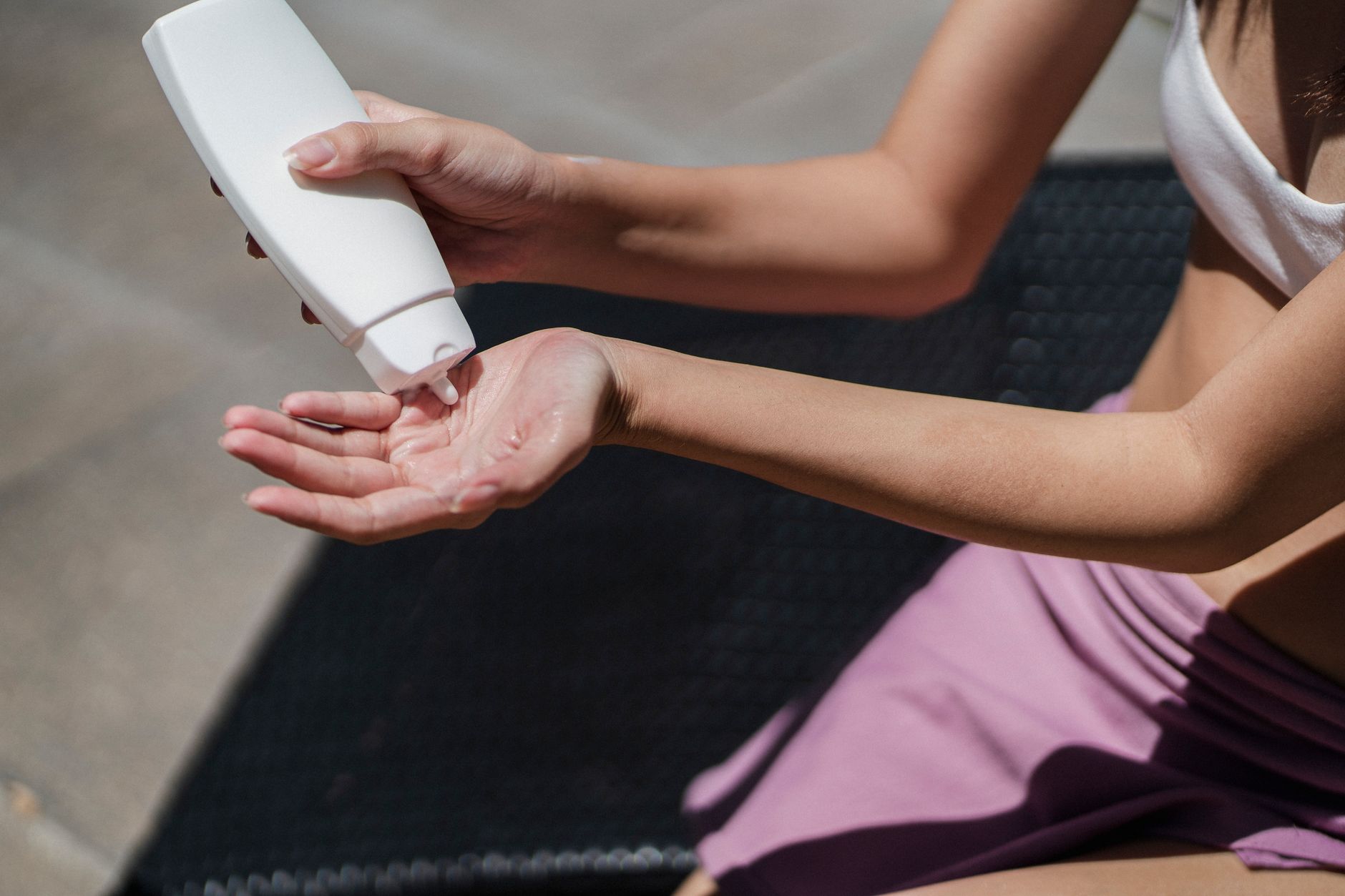
Apply sunscreen generously to exposed skin, especially on the arms and face, to maintain protection throughout pregnancy.
Safe dosage / amount / brands
For pregnant women, the safest dosage follows the standard “one ounce (about a shot glass) for the entire body” rule, with a focus on mineral formulas. Below is a quick reference for popular pregnancy‑friendly sunscreen brands:
When buying a sunscreen, avoid products that list “oxybenzone” or “octinoxate” in the ingredient list, as these have raised concerns in both human and animal studies. For chemical sunscreens, choose those that contain only avobenzone, octocrylene, and homosalate—filters that the FDA continues to deem safe for topical use, though you should still limit coverage to what’s necessary.
How to test sunscreen for allergies
Before applying a new sunscreen all over, perform a patch test: apply a small amount to a discreet area of skin (e.g., inner forearm) and wait 24 hours. If you notice redness, itching, or swelling, discontinue use and try a different brand, preferably a fragrance‑free mineral option. Pregnant skin can be more reactive, so this quick test can prevent larger reactions later.
Side effects and risks
Most side effects of sunscreen are mild and limited to skin irritation, especially with fragrance or preservative additives. Pregnant women with sensitive skin may experience:
Redness or a mild rash at the application site (usually from fragrance or certain preservatives).
Temporary tingling sensation with some chemical filters, which can be reduced by switching to a mineral formula.
Rare allergic reactions; if you notice swelling, itching, or hives, discontinue use and contact your provider.
More serious concerns—though extremely uncommon—include systemic absorption of chemical filters, which some labs have linked to hormone‑disrupting activity in vitro. If you experience unexplained symptoms such as persistent fatigue, hormonal changes, or unexplained bruising, discuss sunscreen usage with your obstetrician as part of a broader evaluation.
Safer alternatives
Badger Balm Mineral Sunscreen Cream – zinc oxide, fragrance‑free, ideal for sensitive skin.
Blue Lizard Australian Sunscreen – mineral formula, water‑resistant, great for outdoor activities.
Goddess Garden Organics Everyday Natural Sunscreen – adds antioxidant botanical oils for extra skin care.
Seventh Generation Mineral Sunscreen Lotion – plant‑based, vegan, reef‑safe.
Wide‑brim hats and sunglasses – protect face and eyes while reducing the area needing sunscreen.
Shade structures and umbrellas – limit UV exposure during peak midday hours.
Vitamin C serum (pregnancy‑safe formulation) – can complement sunscreen in managing melasma, but use under provider guidance.
Related items — safety at a glance
Item
Verdict
Note
Insect repellent
✅ Generally safe
DEET ≤ 30% considered safe; avoid applying near face.
Tanning beds
❌ Best avoided
UV radiation can increase risk of skin cancer and fetal skin damage.
Hot tubs
⚠️ Talk to your doctor
High temperature (> 100°F) may raise core body temp; limit sessions.
Essential oils
⚠️ Talk to your doctor
Some oils (e.g., rosemary) not recommended; always dilute.
Retinol
❌ Best avoided
Retinoids are known teratogens; avoid all forms during pregnancy.
Salicylic acid
⚠️ Talk to your doctor
Topical use ≤ 2% generally considered safe; oral > 325 mg should be avoided.
Myth vs. fact
Myth: “All sunscreens contain harmful chemicals that can cause birth defects.”
Fact: Most sunscreens are formulated with FDA‑approved filters that have not been shown to cause fetal harm. Mineral sunscreens, which contain zinc oxide or titanium dioxide, are widely regarded as the safest option for pregnancy.
Myth: “You don’t need sunscreen because you’ll stay indoors most of the day.”
Fact: UV rays penetrate windows, and everyday activities like grocery shopping expose you to enough UV to warrant protection, especially as pregnancy can increase skin sensitivity.
Myth: “Higher SPF means you can skip reapplying.”
Fact: SPF measures initial protection, not duration. Even SPF 50 needs reapplication every two hours, especially after sweating or swimming.
Myth: “Spray sunscreens are unsafe because you might inhale chemicals.”
Fact: Spray sunscreens can be used safely during pregnancy if applied in a well‑ventilated area and not directly inhaled. However, many clinicians still prefer lotion or cream forms for more precise dosing.
Key takeaways
Mineral sunscreens (zinc oxide or titanium dioxide) are the safest choice throughout pregnancy.
Apply about ¼ teaspoon to the face and 1 ounce to the entire body; reapply every two hours.
Chemical sunscreens can be used cautiously, but avoid oxybenzone and octinoxate.
Switch to pregnancy‑friendly brands like Badger Balm, Blue Lizard, Goddess Garden, or Seventh Generation.
Combine sunscreen with physical protection (hats, UPF clothing, shade) for the best defense.
Contact your provider if you notice persistent skin irritation, rash, or any systemic symptoms after sunscreen use.
Frequently asked questions
can pregnant women use sunscreen with SPF 50
Yes, you can use SPF 50 sunscreen during pregnancy, but the higher SPF does not replace the need for proper application amount and frequent reapplication. Choose a mineral formula for the safest option.
what are the risks of not wearing sunscreen during pregnancy
Skipping sunscreen increases the risk of sunburn, hyperpigmentation, and potential skin‑cancer development later in life; UV exposure can also exacerbate melasma, which is common in pregnancy.
does sunscreen affect fetal development
Current evidence does not show that topical sunscreen, especially mineral types, harms fetal development. However, some chemical filters have been detected in maternal blood, so many providers recommend limiting their use.
can i use sunscreen on my face while pregnant
Yes, applying sunscreen to your face is recommended, especially because hormonal changes can cause melasma. Use a gentle, fragrance‑free mineral sunscreen and apply a pea‑size amount to cover the entire face.
are all sunscreens created equal for pregnancy
No, not all sunscreens are equal. Mineral sunscreens containing zinc oxide or titanium dioxide are considered safest, while some chemical filters (oxybenzone, octinoxate) are best avoided during pregnancy.
how to choose a safe sunscreen during pregnancy
Look for “broad‑spectrum” protection, SPF 30 or higher, and ingredients limited to zinc oxide, titanium dioxide, avobenzone, octocrylene, or homosalate. Avoid oxybenzone, octinoxate, and added fragrances.
can i get a sunburn while pregnant
Yes, you can still get sunburned while pregnant. Sunburn can cause discomfort and increase the risk of dehydration, so diligent sunscreen use and shade are essential.
is spray sunscreen safe for pregnant women
Spray sunscreen can be used safely during pregnancy if you apply it in a well‑ventilated area, avoid inhaling the mist, and use the same amount as a lotion. Many providers still suggest lotion or cream for more accurate dosing.
can i use sunscreen on my baby’s skin while breastfeeding
Yes, you can apply a mineral sunscreen to your baby’s skin while you are breastfeeding. The amount transferred through breast milk is negligible, and mineral sunscreens pose minimal risk to infants.
When to call your doctor
If you notice any of the following after applying sunscreen, contact your obstetric provider promptly:
Severe or spreading rash, swelling, or hives.
Persistent itching or burning that does not improve after washing the area.
Unexplained systemic symptoms such as fatigue, dizziness, or hormonal changes that you suspect may be linked to sunscreen use.
Any concerns about the ingredients in your current sunscreen product.
These signs could indicate an allergic reaction or a rare sensitivity, and your provider can help you choose an alternative product or investigate other causes.
This information is for educational purposes only and does not replace personalized medical advice. Always discuss any concerns or medication changes with your health care provider.
References
American College of Obstetricians and Gynecologists (ACOG). “Guidelines for UV Protection During Pregnancy.” 2023.
National Health Service (NHS). “Sunscreen and Pregnancy.” Updated 2022.
U.S. Food and Drug Administration (FDA). “Sunscreen: How to Choose and Use Sunscreen.” 2021.
Centers for Disease Control and Prevention (CDC). “Sun Safety.” 2022.
World Health Organization (WHO). “Ultraviolet Radiation and Health.” 2020.
Mayo Clinic. “Sunscreen Use During Pregnancy.” 2023.
National Institute for Health and Care Excellence (NICE). “Skin Cancer Prevention.” 2022.
Not sure about the label on Is Sunscreen Safe During Pregnancy products?
Snap the ingredients list and SafeFilter checks every ingredient for your stage — only 3 free scans this month, then you're locked until reset. Unlimited from $7/mo or $50/yr.
When Shubhra Mishra was expecting her first child in 2016, she was overwhelmed by conflicting food advice — one site said yes, another said never. By the time her second baby arrived in 2019, she realized millions of mothers face the same confusion.
That sparked a five-year journey through clinical nutrition papers, cultural diets, and expert conversations — all leading to BumpBites: a calm, compassionate space where science meets everyday motherhood.
Her long-term vision is to build a global community ensuring safe, supported, and free deliveriesfor every mother — because no woman should face pregnancy alone or uninformed. 🌿
🌍 Stand with mothers, shape safer guidance
Join a small circle of experts who review BumpBites articles so expecting parents everywhere can decide with confidence.