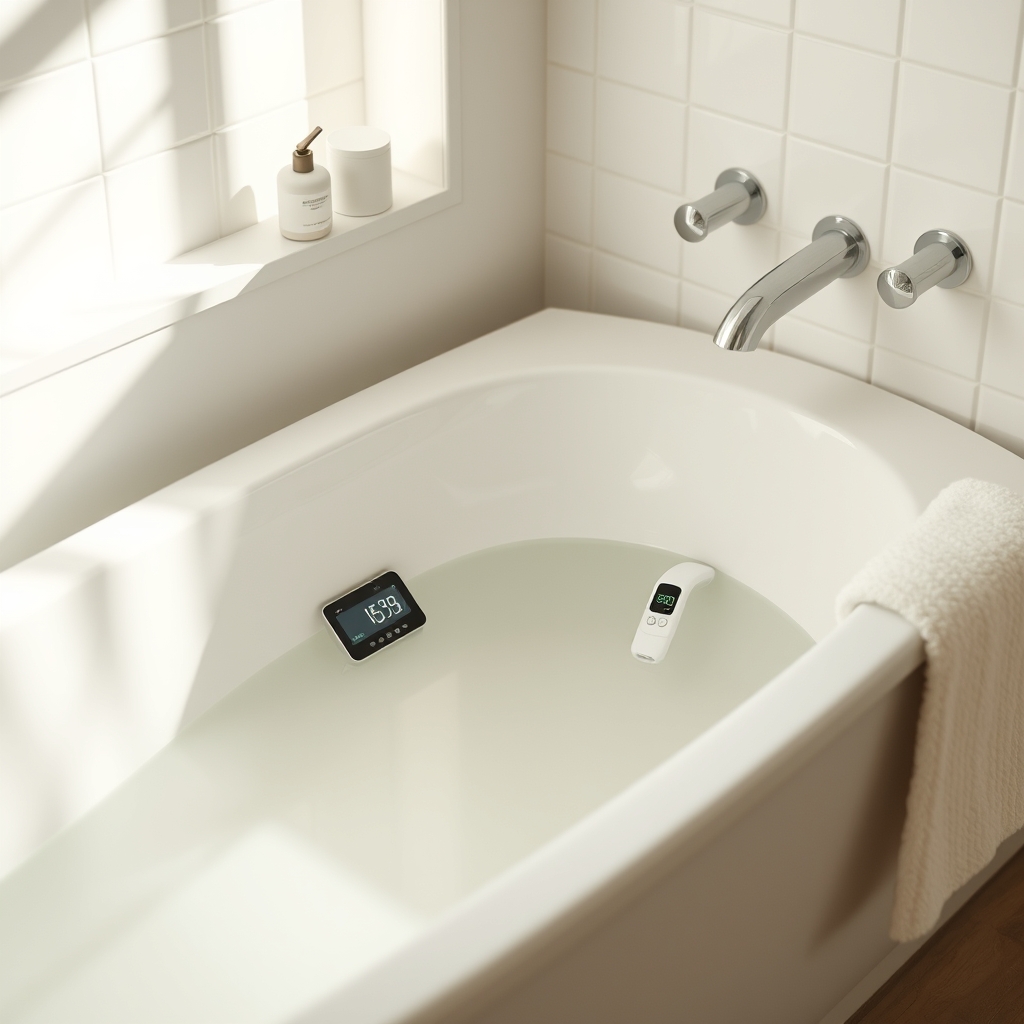
Limit your bath temperature during pregnancy to avoid overheating. A safe bath temp for pregnancy is below 100°F (37.8°C) for no more than 10-20 minutes, especially in the first trimester. Protect your baby.
By Shubhra Mishra — a mom of two who turned her own confusion during pregnancy into BumpBites, a global mission to make food choices clear, safe, and stress-free for every expecting mother. 💛
Check whether any food is safe during pregnancy with the BumpBites Food Safety Checker.
Quick verdict: ⚠️ Safe with limits – a lukewarm bath (≈36‑38°C / 97‑100°F) is generally okay, but keep the water below 38°C and limit sessions to 20 minutes unless your provider says otherwise.
It’s 2 a.m., the bathroom light is on, and you’re wondering if the water you just stepped into is too hot for your growing baby. You’re not alone—many expectant parents search “safe bath temp for pregnancy” late at night, fearing a hidden danger. The good news is that most experts agree a moderate, lukewarm bath is fine, as long as you stay within the temperature and time limits they recommend. The desire for a warm, relaxing soak to ease pregnancy aches and stress is completely natural, and with the right precautions, it can be a safe and beneficial part of your self-care routine.
In this guide, we’ll break down the safe bath temp for pregnancy by trimester, explain why excessive heat can be risky, and give you concrete numbers you can use at home. We’ll also compare alternatives like cool showers, foot soaks, and hydrotherapy, and recommend trusted bathtub thermometers so you never have to guess again. Understanding the nuances of heat exposure is crucial, as your body’s regulation changes significantly during pregnancy, making you more susceptible to overheating.
Whether you’re already soaking, planning a relaxing soak this weekend, or looking for a safer way to unwind, the sections below answer the most common queries—“what temperature is safe?”, “how long can I stay in the tub?”, and “what are the risks of a hot bath?”—with evidence from ACOG, NHS, and the FDA. We'll also cover common concerns like using bath products and general bathing safety to ensure your soak is both soothing and secure.
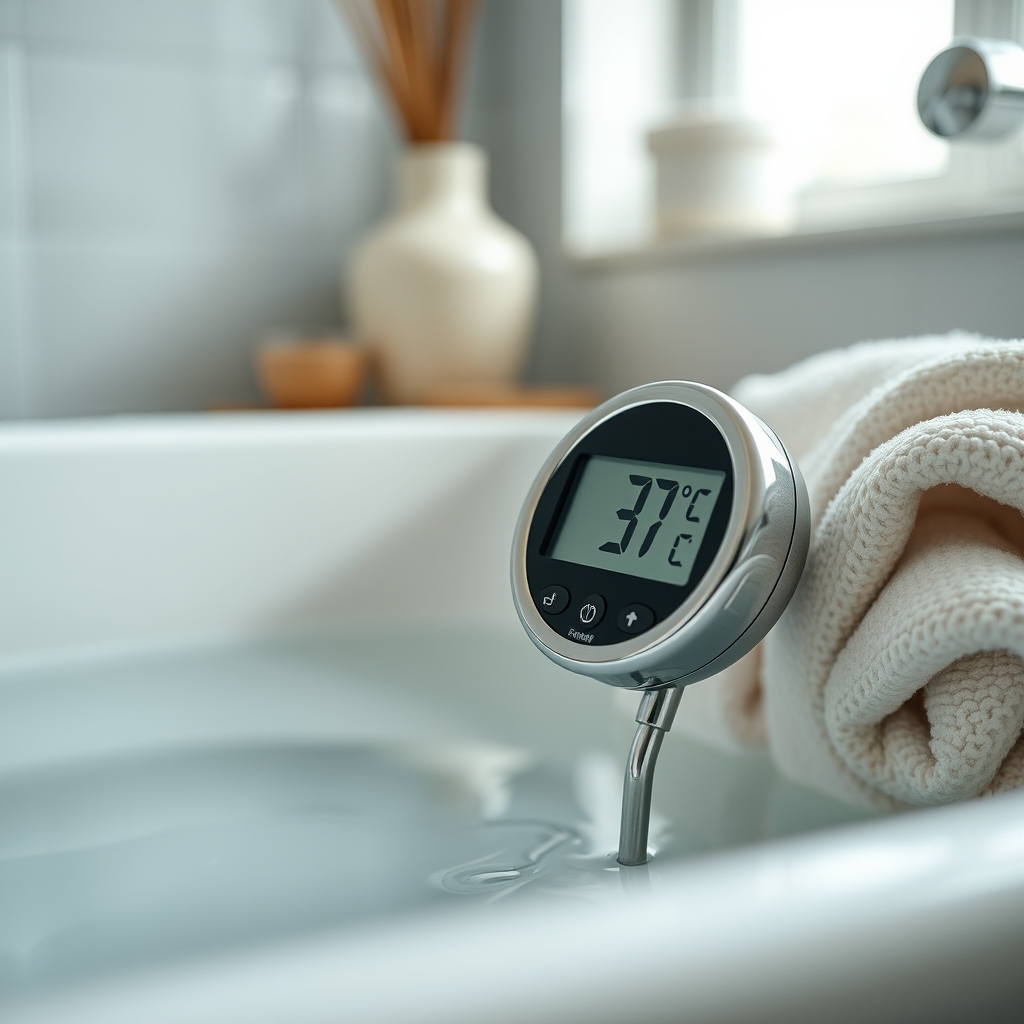
Tip: Keep a waterproof thermometer in the tub to check the water temperature before you get in.
Option
Verdict
Safe amount
Notes
Lukewarm bath (36‑38°C / 97‑100°F)
✅ Generally safe
≤ 20 min per session
Use a thermometer; avoid if you have hypertension.
The safe bath temp for pregnancy isn’t a single number—it varies slightly by trimester, personal health, and the type of water exposure you choose. Below we explain what a bath actually is, why temperature matters, and how you can stay comfortable without compromising fetal health. Your body undergoes significant physiological changes during pregnancy, including increased blood volume and metabolic rate, which can alter your internal thermostat and make you more susceptible to overheating. This is why precise temperature control is paramount.
What is the safest bath temperature for each trimester of pregnancy?
A bath is simply a container of water used for cleaning or relaxation. In pregnancy, the water’s temperature becomes a critical factor because it can affect your core body temperature, blood flow, and ultimately the developing baby. The American College of Obstetricians and Gynecologists (ACOG) advises that pregnant people avoid raising their core temperature above 39°C (102°F) for prolonged periods. Since water conducts heat more efficiently than air, a bath that feels “warm” can quickly push your core temperature higher than safe limits, often without you realizing it until it's too late. The goal is to relax muscles and soothe aches without elevating your core temperature to a level that could pose risks to your baby.
Your body's ability to regulate heat is also impacted by pregnancy hormones and increased blood volume. This means you might feel warmer than usual, and your body might struggle more to cool down effectively once overheated. Therefore, maintaining a consistently safe bath temperature is a cornerstone of prenatal self-care. It's not just about avoiding extreme heat, but also understanding how your body responds to even moderately warm water.
Here’s a quick guide to the safe bath temp for pregnancy by trimester:
First trimester (0‑13 weeks): Aim for 36‑38°C (97‑100°F). The embryo is undergoing organogenesis, the period when organs form, and is most vulnerable to temperature spikes. Elevated core temperatures during this critical window have been linked to an increased risk of neural tube defects.
Second trimester (14‑27 weeks): The same range—36‑38°C—is generally fine, but keep sessions under 20 minutes to avoid sustained heat exposure. While the risk of major birth defects from heat decreases after the first trimester, prolonged overheating can still lead to dehydration and maternal discomfort.
Third trimester (28‑40 weeks): Maintain 36‑37°C (97‑99°F). As the baby grows, the placenta’s capacity to dissipate heat improves, but you’re also more prone to overheating due to reduced circulation and increased metabolic load. You may also experience more light-headedness or dizziness in warmer water during this stage.
Breastfeeding: The guidelines remain the same; a lukewarm bath is safe, but stay hydrated. Your body is recovering, and maintaining a comfortable temperature helps prevent dehydration and discomfort.
If you have pre‑existing hypertension, diabetes, or a history of preterm labor, the NHS recommends staying on the cooler side of the range (≤ 36.5°C / 98°F) and limiting baths to 10‑15 minutes. Always consult your healthcare provider for personalized advice.
Understanding Your Body's Heat Regulation in Pregnancy
During pregnancy, your body undergoes significant physiological changes that affect its ability to regulate temperature. Your basal metabolic rate increases, generating more internal heat. Blood volume expands, and your heart works harder to pump blood, which can make you feel warmer. The placenta also contributes to heat generation. While your body's natural cooling mechanisms, like sweating, also become more efficient, the rapid heat transfer in water can overwhelm these systems.
This altered thermoregulation means that a temperature that felt perfectly comfortable before pregnancy might now feel too hot, or could lead to overheating more quickly. Your body's core temperature is what matters most, and external heat sources like a bath can elevate it. Being mindful of these changes and relying on a thermometer rather than just your perception is a key component of safe bathing.
How many minutes can I stay in a warm bath while pregnant?
Time matters as much as temperature. A warm bath that keeps the water at 36‑38°C is considered safe for up to 20 minutes per session, according to ACOG and the FDA’s guidance on heat exposure during pregnancy. Beyond that, your core temperature may begin to climb, especially if you’re not moving much or if the bathroom is poorly ventilated. Water conducts heat far more efficiently than air, meaning your body absorbs heat much faster in a bath than it would in a warm room.
Even if the water temperature is initially safe, prolonged immersion allows your core body temperature to gradually rise. There's often a lag effect, where your body continues to heat up even after you've been in the water for a while. To prevent this, setting a timer is a simple and effective strategy. Consider having a glass of cool water nearby and keeping the bathroom door ajar or a window open to ensure good ventilation and prevent the ambient air from becoming too hot.
Shorter sessions are recommended if you’re:
Experiencing a fever or infection.
Pregnant with hypertension or pre‑eclampsia.
Using a hot tub or jacuzzi that exceeds 38°C (100°F).
For a typical soak, set a timer for 15‑20 minutes, and step out if you start to feel dizzy, sweaty, or unusually warm. Hydration is key—drink a glass of water before and after the bath. Listen to your body; if anything feels off, it's always best to err on the side of caution and end your bath.
What are the risks of taking a hot bath during pregnancy?
Excessive heat can lead to hyperthermia, a condition where your core body temperature rises above 39°C (102°F). Hyperthermia in early pregnancy, particularly during the first trimester (weeks 4-14), has been linked to neural tube defects such as spina bifida and anencephaly, according to a review published by the CDC. These defects occur when the neural tube, which forms the brain and spinal cord, doesn't close properly. In later pregnancy, overheating can reduce uterine blood flow, potentially causing fetal distress, growth restriction, or triggering preterm labor, as the mother's body prioritizes cooling itself over placental circulation.
Other risks include:
Dizziness or fainting: Warm water can cause blood vessels to dilate, leading to a drop in blood pressure. This can reduce blood flow to the brain, causing light-headedness, especially when standing up quickly.
Skin burns: Water that feels “just right” can still be hot enough to scald thin skin, especially on the abdomen, which may be more sensitive during pregnancy. Always test the water with a thermometer or your elbow, not just your hand.
Increased heart rate: Your heart works harder to cool your body and maintain circulation for two, which can be uncomfortable or even dangerous for those with pre-existing cardiac issues. A rapid heart rate that doesn't subside can be a sign of overheating.
Dehydration: Sweating in a hot bath can lead to fluid loss, exacerbating feelings of dizziness and fatigue.
The FDA does not classify a home bathtub as a medical device, but it does warn that prolonged exposure to water hotter than 39°C can be unsafe for pregnant users. If you notice any of the symptoms above, exit the bath immediately, cool down, and contact your provider. Don't dismiss these signs as mere discomfort; they could indicate a more serious issue.
Are there safer alternatives to a hot bath for pregnant women?
Yes! If you love the feeling of warm water but want to stay well within safe limits, or if you're looking for different ways to relax and soothe pregnancy discomforts, consider these alternatives. Each option is designed to provide therapeutic benefits without risking an elevated core body temperature, ensuring both your comfort and your baby's safety.
Cool shower (under 30°C / 86°F): Refreshing, low‑risk, and easy to adjust temperature, ideal for quick cool-downs or invigorating starts to the day.
Sitz bath with warm water (≈ 37°C / 99°F): Targets perineal comfort without submerging the whole body, providing localized relief for issues like hemorrhoids or postpartum recovery.
Warm foot soak (≈ 38°C / 100°F): Relieves swelling in the feet and ankles, a common complaint in later pregnancy, without affecting your core temperature.
Hydrotherapy pool (34‑36°C / 93‑97°F): Provides gentle, whole‑body warmth with controlled temperature, offering buoyancy that can relieve pressure on joints and muscles.
Prenatal yoga with warm water immersion: Combines gentle movement with safe water temperature under professional supervision, offering both physical and mental benefits.
Each option keeps the water below the threshold that could raise your core temperature, while still offering the soothing benefits of heat or the invigorating effects of cooler water. These alternatives allow you to personalize your relaxation routine based on your needs and comfort levels throughout your pregnancy.
Which bathtub thermometer brands are recommended for pregnancy safety?
Using a reliable thermometer eliminates guesswork and is a small investment for peace of mind. The following brands consistently receive high marks from both consumers and healthcare professionals for their accuracy, durability, and ease of use in monitoring bath temperatures:
ThermoWorks Pocket Thermometer: Waterproof, quick‑read digital display, accurate to ±0.1°C. It's known for its robust design and rapid response, making it easy to adjust water temperature quickly.
Taylor Precision Products Digital Bath Thermometer: Features a large LCD, easy‑to‑read numbers, and is battery‑operated. Its user-friendly design makes it a popular choice for everyday use.
Reef Temperature Thermometer (originally for aquariums): A simple analog dial, calibrated for 0‑50°C, offering a reliable, low-tech option that doesn't require batteries. While not as precise as digital, it's good for a quick visual check.
When choosing a thermometer, look for “water‑proof” and “instant‑read” features. To ensure the most accurate reading, stir the water gently before placing the thermometer, and allow it a moment to stabilize before taking the final temperature. Avoid cheap analog kitchen thermometers that can be off by several degrees, as even a small difference can matter during pregnancy.
Can a cool shower replace a warm bath for prenatal relaxation?
A cool shower (under 30°C / 86°F) is an excellent alternative when you’re concerned about heat or simply need to refresh and re-energize. While it doesn’t provide the same buoyancy‑induced relaxation as a bath, the gentle water flow can still reduce muscle tension, improve circulation, and offer a feeling of invigoration. Many pregnant people find cool showers particularly helpful for combating morning sickness, general fatigue, or overheating on warm days.
Adding aromatherapy sprays (using pregnancy‑safe essential oils like lavender, used sparingly and diluted) can enhance the calming effect without raising temperature. If you prefer the feeling of being immersed, a shallow foot soak or a low‑temperature hydrotherapy pool can give you that sense of water surrounding you while staying well below the risky temperature range. Some even find alternating between warm (safe temperature!) and cool water in the shower can be stimulating and beneficial for circulation.
How does a pregnancy belly affect safe water temperature?
As your belly grows, your skin becomes more sensitive to heat, and the abdomen can absorb heat faster than other parts of the body. This means that a temperature that feels comfortable on your arms might feel hotter on your belly. A study from the NHS highlighted that pregnant people often underestimate how quickly their belly warms up in a hot tub. The increased surface area of your abdomen, combined with increased blood flow to the skin, can accelerate heat absorption, making this area particularly vulnerable to overheating. Your growing uterus also puts pressure on major blood vessels, which can sometimes impact overall circulation and heat dissipation.
To protect your baby:
Keep water at or below 38°C (100°F).
Use a thermometer positioned near the belly area for the most accurate reading, as water temperatures can vary slightly within the tub.
Avoid submerging the abdomen in water hotter than 36°C (97°F) for more than 10 minutes, if possible, to minimize direct heat exposure to the developing fetus.
Women with hypertension should aim for the lower end of the range (≤ 36.5°C) and monitor how quickly they feel warm, as their cardiovascular system may be under more strain.
Use a waterproof thermometer to verify the water temperature before stepping in.
Safety by trimester
First trimester (0‑13 weeks)
During organ formation, the fetus is most vulnerable to temperature spikes. The American Academy of Pediatrics (AAP) and ACOG recommend keeping the bath water no hotter than 38°C (100°F) and limiting soak time to 15‑20 minutes. This period, known as organogenesis, is when the baby's major organs are developing, and sustained maternal hyperthermia has been linked to potential developmental issues. If you have a fever or feel light‑headed, exit the tub immediately and consult your doctor. Prioritizing cooler temperatures and shorter durations during these crucial weeks is essential.
Second trimester (14‑27 weeks)
The second trimester is often called the “honeymoon period” because many women feel more energetic and experience a reduction in early pregnancy symptoms. The same temperature range (36‑38°C) remains safe, but you should still watch the clock. While the risk of major birth defects from heat exposure decreases, prolonged soaking can still lead to dehydration or a drop in blood pressure. If you notice swelling in your hands or feet, reduce the soak time or switch to a cooler shower, as warm water can sometimes exacerbate edema.
Third trimester (28‑40 weeks)
In the final months, blood volume and circulation are at their peak, which can help dissipate heat. Nonetheless, ACOG advises staying at or below 37°C (99°F) for prolonged sessions, especially if you have hypertension or a history of pre‑term labor. The increased weight and pressure on your circulatory system can make you more prone to dizziness or feeling faint in warm water. A short, lukewarm foot soak can be a soothing alternative to a full‑body bath, offering relief for tired, swollen feet without the risk of full immersion.
Breastfeeding
Post‑partum, the body’s temperature regulation returns to pre‑pregnancy norms, but you may still be dealing with hormonal shifts, fatigue, and the demands of newborn care. A lukewarm bath remains safe, but keep it under 38°C and stay hydrated. For new mothers, a warm bath can be a wonderful way to relax and soothe sore muscles, but be mindful of any breast tenderness or engorgement, as very hot water might not be comfortable. Always prioritize hygiene, especially if you have stitches or are recovering from a C-section, and ensure the water is clean.
Safe dosage / amount / brands
Because we’re talking about water temperature rather than a medication, “dosage” translates to “duration” and “temperature.” Adhering to these guidelines helps ensure your bath remains a relaxing, safe experience rather than a potential risk. Always use a reliable thermometer and follow the recommended time limits. Remember that individual health conditions may require stricter adherence to the lower end of the temperature range or shorter bath durations.
Option
Maximum safe temperature
Maximum duration
Recommended brands / tools
Lukewarm bath
38°C (100°F)
≤ 20 min
ThermoWorks Pocket Thermometer
Cool shower
30°C (86°F)
Unlimited
Standard showerhead
Sitz bath
37°C (99°F)
≤ 15 min
Plastic sitz bowl, digital thermometer
Warm foot soak
38°C (100°F)
≤ 10 min
Foot basin, ThermoWorks Pocket
Hydrotherapy pool
34‑36°C (93‑97°F)
≤ 30 min
Community pool with temperature control
Prenatal yoga with warm water immersion
≤ 36°C (97°F)
Session‑based (≈ 45 min)
Certified instructor, pool thermometer
When in doubt, err on the cooler side and consult your provider, especially if you have hypertension, diabetes, or a history of miscarriage. These conditions can increase your sensitivity to heat and necessitate stricter adherence to safety guidelines.
General Bathing Safety Tips Beyond Temperature
Beyond maintaining a safe water temperature, there are other important safety considerations for bathing during pregnancy. The risk of slips and falls increases as your center of gravity shifts and ligaments loosen due to hormonal changes. Ensure your bathtub has a non-slip mat and consider installing grab bars if needed. Avoid using harsh chemical cleaners in the tub, as strong fumes can be irritating, especially with a heightened sense of smell during pregnancy. Always ensure good ventilation in the bathroom to prevent humidity build-up and to allow any steam or product scents to dissipate quickly. Lastly, avoid locking the bathroom door, especially if you're bathing alone, in case you need assistance.
Side effects and risks
Most side effects from a warm bath are mild, but it’s important to differentiate between harmless discomfort and signs that require medical attention. Prompt recognition of warning signs can help you respond appropriately and protect both your health and your baby's.
Mild discomfort (skin flushing, slight sweating): Usually harmless; simply step out, cool down by sitting in a cooler room, and hydrate with water. These are your body's initial attempts to regulate temperature.
Dizziness, light‑headedness, or fainting: May indicate a significant drop in blood pressure; exit the bath immediately, sit or lie down with your feet elevated, and call your provider if symptoms persist or worsen. Do not attempt to stand up quickly.
Persistent headache, rapid heartbeat (tachycardia), or nausea/vomiting: Could be early signs of hyperthermia or severe dehydration; seek medical advice promptly. These symptoms suggest your body is struggling to cope with the heat.
Burns or scalds on the abdomen: Immediate first‑aid (cool water, no ice or butter) and contact a healthcare professional if severe or if blistering occurs. The skin on your belly can be particularly sensitive and thin during pregnancy.
Contractions or unusual vaginal discharge/bleeding: While not directly caused by bath temperature, these are signs that warrant immediate medical attention, especially after any physical activity or change in routine.
These warnings are consistent with CDC guidance on heat‑related illness during pregnancy. Always listen to your body, and when in doubt, it’s best to err on the side of caution and consult your healthcare provider.
Safer alternatives
Cool shower – eliminates whole‑body heat buildup and can be invigorating.
Sitz bath – targets perineal relief without raising core temperature, often recommended for specific discomforts.
Warm foot soak – reduces swelling while staying below risky temperatures, perfect for tired feet.
Hydrotherapy pool – controlled, low‑temperature immersion offering buoyancy and joint relief.
Prenatal yoga with warm water – guided, safe, and combines movement with gentle warmth under supervision.
Pregnancy‑safe bathtub thermometer – ensures you never exceed the safe range, providing objective temperature verification.
Aromatherapy steam (pregnancy‑approved essential oils) – offers relaxation without hot water, using diffusers or warm compresses.
Warm compresses – targeted heat relief for specific muscle aches (e.g., back, neck) without full body immersion.
Deep dives on top recommended options
Lukewarm bath (around 36‑38°C / 97‑100°F)
A lukewarm bath is the gold standard for prenatal relaxation when done correctly. The temperature is low enough to avoid raising your core body temperature, yet warm enough to ease muscle tension, reduce stress, and improve sleep quality. For most pregnant people, a 15‑20 minute soak provides the perfect balance of comfort and safety. Adding Epsom salts (magnesium sulfate) can help with sore muscles and minor swelling, but ensure the salts are “pregnancy‑safe” and avoid excessive amounts (no more than 2 cups per bath), as too much magnesium can have a laxative effect. Always dissolve salts fully before entering the tub.
Cool shower (under 30°C / 86°F)
Cool showers are a quick, low‑risk way to refresh, especially during periods of increased body heat or discomfort. They’re particularly helpful if you feel overheated after a workout, on a hot day, or when dealing with pregnancy-related nausea. The water temperature stays well below the threshold that could cause hyperthermia, making it safe for any trimester. You can even alternate between warm (safe temperature!) and cool water (contrast shower) for improved circulation and an invigorating sensation, as long as the warm phase never exceeds 38°C and is kept brief.
Sitz bath with warm water (37°C / 99°F)
A sitz bath involves a shallow basin that fits over a toilet seat, allowing you to soak the perineal area. At 37°C, the water is soothing without significantly affecting core temperature. Sitz baths are often recommended for hemorrhoids, perineal tears, or for general comfort after a vaginal birth or C‑section. They provide targeted relief for localized discomfort. Limit sessions to 10‑15 minutes and keep the water at the recommended temperature, ensuring the basin is clean before each use to prevent infection.
Warm foot soak (38°C / 100°F)
Foot swelling (edema) is common in the third trimester due to increased blood volume and pressure on veins. A warm foot soak at 38°C can improve circulation, reduce swelling, and relieve tired, aching feet without exposing the abdomen to risky heat levels. Use a basin large enough for both feet, add a handful of Epsom salts if desired, and stay under 10 minutes. After soaking, gently pat your feet dry, apply a pregnancy-safe moisturizer, and elevate your feet for continued relief.
Thermometers eliminate guesswork, providing objective confirmation that your bath is within safe limits. The ThermoWorks Pocket Thermometer is waterproof, reads temperature in seconds, and is accurate to ±0.1°C, making it a highly reliable tool. Place it in the water before you get in, and adjust the tap until the reading falls within the safe range for your trimester. Regularly calibrate the device according to the manufacturer’s instructions to ensure continued accuracy. This simple tool offers immense peace of mind.
Hydrotherapy pool at moderate temperature (34‑36°C / 93‑97°F)
Community pools or dedicated prenatal hydrotherapy centers often maintain water at a gentle, therapeutic temperature. At 34‑36°C, the water provides buoyancy, which can significantly relieve pressure on joints and the spine, making movement easier and more comfortable. This allows for gentle exercises or simply floating for relaxation without risking hyperthermia. Sessions usually last 20‑30 minutes, and many facilities have staff trained in prenatal safety. Bring a water‑proof thermometer if you’re unsure of the pool’s exact temperature, and ensure the pool maintains good hygiene standards.
Prenatal yoga with warm water immersion (guided sessions)
These specialized classes combine gentle yoga poses with a shallow pool of warm water (≤ 36°C). The water’s resistance supports the body, making poses more accessible and reducing impact on joints, while the temperature stays safely below the hyperthermia threshold. Certified prenatal instructors monitor participants for signs of overheating and adjust the water temperature as needed. A typical session lasts about 45 minutes, offering both physical benefits (flexibility, strength) and mental relaxation, making it a holistic approach to prenatal wellness.
Related items — safety at a glance
Item
Verdict
Note
Hot Tubs
❌ Best avoided
Often exceed safe temperatures (38°C) and promote prolonged immersion.
Saunas/Steam Rooms
❌ Best avoided
Can quickly raise core body temperature above safe limits due to high heat.
Electric Blankets
⚠️ Safe with limits
Use on low setting, turn off before sleeping, avoid direct contact with abdomen.
Heating Pads
✅ Generally safe
Use on low/medium for short periods (15-20 min), avoid direct contact with abdomen.
Warm Compresses
✅ Generally safe
Targeted relief, apply to specific areas like back or neck, ensure not too hot.
Swimming Pools
✅ Generally safe
Excellent exercise; water temperature typically well below risk threshold.
Myth: “Any warm bath is safe because the water isn’t as hot as a sauna.”
Fact: Water conducts heat more efficiently than air; even a “warm” bath can raise core temperature quickly. ACOG advises keeping bath water at or below 38°C during pregnancy, a temperature often much lower than what feels "hot" in a sauna.
Myth: “If I feel comfortable, the temperature must be fine.”
Fact: Pregnancy can dull heat perception, especially in the third trimester, and your body's ability to dissipate heat changes. Using a thermometer provides an objective measure, ensuring safety regardless of how you feel, which can be misleading.
Myth: “Hot tubs are the same as baths, so they’re safe if the water feels okay.”
Fact: Hot tubs often exceed 38°C and can keep you submerged for longer periods, increasing the risk of hyperthermia. The CDC recommends avoiding hot tubs unless the temperature is clearly below 38°C and you limit your soak time significantly.
Myth: “Bathing during pregnancy can cause infections.”
Fact: As long as your water breaks or you have any open wounds (like after an amniocentesis), bathing in clean, lukewarm water is generally safe and does not increase the risk of infection. The cervix creates a protective barrier for your baby.
Key takeaways
Keep bath water between 36‑38°C (97‑100°F) for a safe soak.
Limit bathing time to 20 minutes or less, especially in the first trimester.
Use a waterproof digital thermometer to verify temperature before entering.
If you have hypertension, diabetes, or a history of pre‑term labor, stay at the cooler end of the range (≤ 36.5°C).
Cool showers, sitz baths, foot soaks, and hydrotherapy pools are proven safe alternatives.
Stop the bath and seek medical advice if you feel dizzy, nauseous, or develop a rapid heartbeat.
Ensure good ventilation and use non-slip mats for overall safety.
Frequently asked questions
Is it safe to take a hot bath while pregnant?
No, a hot bath that exceeds 38°C (100°F) can raise your core temperature and increase the risk of birth defects or preterm labor; keep the water lukewarm and limit the soak to 20 minutes. Always prioritize safety over feeling "hot."
What temperature is considered safe for a pregnant woman’s bath?
The consensus from ACOG and NHS is a safe bath temperature of 36‑38°C (97‑100°F), with the lower end recommended for the first trimester and for anyone with hypertension or other risk factors.
How long should a pregnant woman stay in a warm bath?
Limit each session to 20 minutes or less; longer exposure can cause your core body temperature to climb above the safe threshold, even if the water itself feels comfortable. Set a timer to help you keep track.
Can a hot tub be used during pregnancy?
Only if the hot tub’s water is kept at or below 38°C (100°F) and you limit your soak to 15‑20 minutes; many hot tubs run hotter, so verify the temperature with a reliable thermometer first. Most obstetricians recommend avoiding them entirely to be safe.
What are the signs that the bath water is too hot for pregnancy?
Feelings of dizziness, excessive sweating, rapid heartbeat, or a flushed face are warning signs that the water may be too hot—exit the tub immediately, cool down, and hydrate. Don't wait for more severe symptoms.
Do I need a special thermometer for bath temperature when pregnant?
Yes, a waterproof digital thermometer (e.g., ThermoWorks Pocket) provides accurate, instant readings and helps you stay within the safe bath temperature range. Relying on your hand to gauge temperature can be misleading during pregnancy.
Are cool showers better than warm baths for pregnant women?
Cool showers (under 30°C / 86°F) are generally safer because they never raise core temperature, making them a low‑risk option for any trimester. They can also be invigorating and help with nausea or swelling.
Can I use bath bombs or essential oils in a pregnancy-safe bath?
Many bath bombs and essential oils are safe when used sparingly and are clearly labeled as pregnancy-safe. Avoid products with strong fragrances, synthetic dyes, or ingredients like rosemary, clary sage, or jasmine, which are sometimes advised against. Always check labels and consult your doctor if unsure.
What about swimming pools during pregnancy?
Swimming pools are generally considered very safe and beneficial during pregnancy. The water temperature in most public pools is well below the risky threshold for hyperthermia, and the buoyancy offers excellent relief from pregnancy aches. Ensure the pool is well-maintained and hygienic to minimize infection risk.
When to call your doctor
If you experience any of the following after a bath or shower, contact your obstetric provider right away:
Persistent dizziness, fainting, or loss of balance.
Rapid heartbeat (over 120 bpm) that doesn’t settle after cooling.
Severe headache or visual disturbances.
Signs of dehydration (dry mouth, dark urine) that don’t improve with fluids.
Any burn or scald on the abdomen.
Unusual vaginal bleeding, fluid leakage, or persistent contractions.
These symptoms may indicate overheating or a circulatory issue that needs medical evaluation. Remember, this article provides general information and is not a substitute for personalized medical advice.
References
American College of Obstetricians and Gynecologists. “Hot Tub and Bath Use During Pregnancy.” ACOG Committee Opinion, 2022.
National Health Service (UK). “Pregnancy and Heat Exposure.” NHS Guidelines, 2021.
U.S. Food and Drug Administration. “Consumer Advice: Hot Water Exposure and Pregnancy.” FDA Consumer Health Information, 2020.
Centers for Disease Control and Prevention. “Hyperthermia in Pregnancy.” CDC Public Health Reports, 2019.
Mayo Clinic. “Bathing and Pregnancy: What You Need to Know.” Mayo Clinic Health Library, 2023.
ThermoWorks. “Pocket Thermometer – Product Specifications.” ThermoWorks Official Site, accessed July 2026.
World Health Organization. “Maternal Health and Environmental Heat.” WHO Technical Report, 2022.
American Academy of Pediatrics. “Heat Exposure and Pregnancy Outcomes.” AAP Clinical Report, 2020.
Not sure about the label on Safe Bath Temp During Pregnancy products?
Snap the ingredients list and SafeFilter checks every ingredient for your stage — only 3 free scans this month, then you're locked until reset. Unlimited from $7/mo or $50/yr.
When Shubhra Mishra was expecting her first child in 2016, she was overwhelmed by conflicting food advice — one site said yes, another said never. By the time her second baby arrived in 2019, she realized millions of mothers face the same confusion.
That sparked a five-year journey through clinical nutrition papers, cultural diets, and expert conversations — all leading to BumpBites: a calm, compassionate space where science meets everyday motherhood.
Her long-term vision is to build a global community ensuring safe, supported, and free deliveriesfor every mother — because no woman should face pregnancy alone or uninformed. 🌿
🌍 Stand with mothers, shape safer guidance
Join a small circle of experts who review BumpBites articles so expecting parents everywhere can decide with confidence.