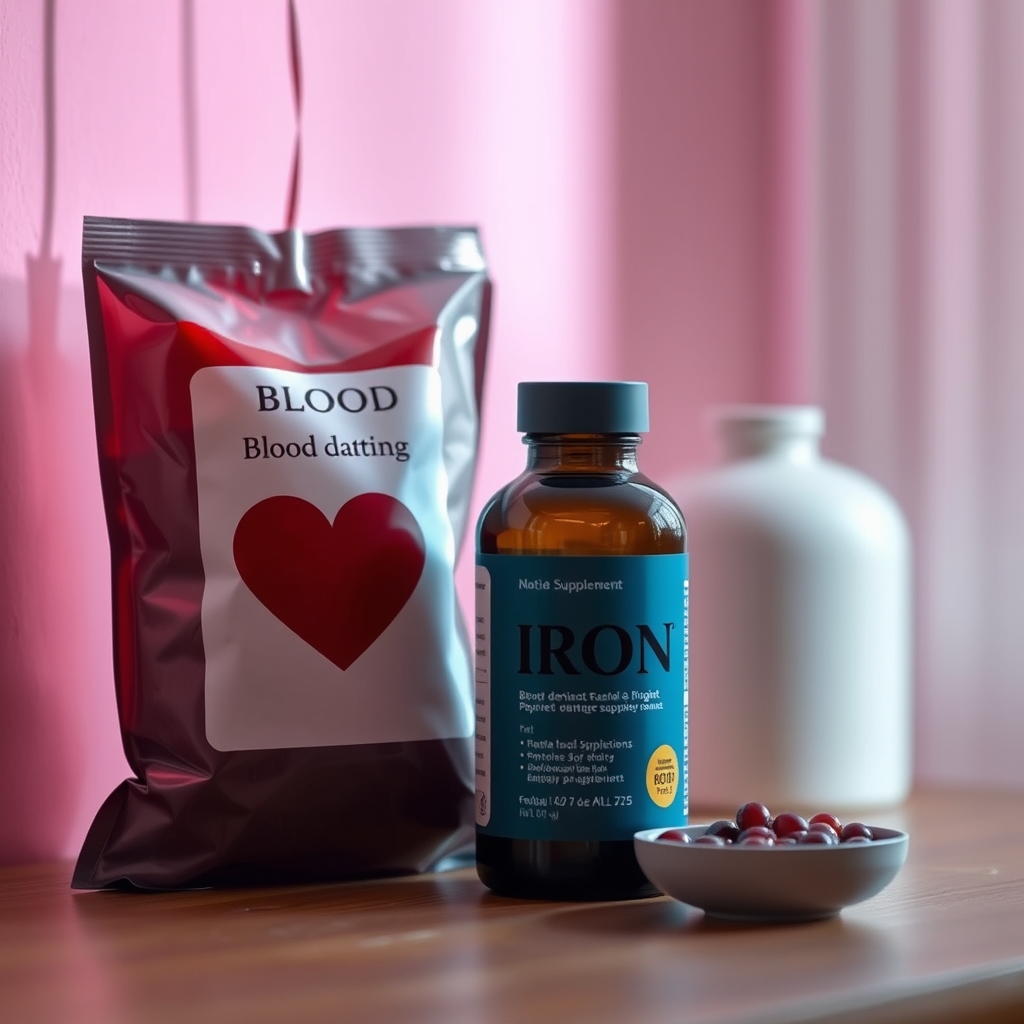
Avoid donating blood while pregnant; guidelines prohibit it, especially in the first trimester, and suggest waiting at least six weeks after delivery for you.
By Shubhra Mishra — a mom of two who turned her own confusion during pregnancy into BumpBites, a global mission to make food choices clear, safe, and stress-free for every expecting mother. 💛
Check whether any food is safe during pregnancy with the BumpBites Food Safety Checker.
Quick verdict: ⚠️ Talk to your doctor first. While donating blood is generally discouraged during pregnancy, some providers may allow a limited, low‑volume donation after the first trimester if you meet strict health criteria.
It’s completely normal to wonder, can you donate blood while pregnant—especially if you’ve already scheduled an appointment or feel eager to help a loved one in need. Many expectant parents imagine the moment they sit in the donation chair, only to feel a sudden wave of anxiety about the safety of their growing baby.
We’re here to ease that worry. In short, most obstetric guidelines advise against blood donation during pregnancy because of the potential strain on iron stores and the extra fluid shift required for a healthy pregnancy. However, if you’re already in your second or third trimester and have no complications, a low‑volume donation might be permissible under close medical supervision.
Beyond the basic “yes or no,” you’ll want to know how the rules differ by trimester, what the exact limits are for blood volume, which types of donation might be safer, and what to watch for after giving. This article walks you through everything you need to know: the official blood‑donation guidelines for pregnant people, the specific risks and benefits, how safety varies by trimester, how much blood (if any) can be safely donated, alternatives to traditional whole‑blood donation, and a quick‑look comparison of related pregnancy‑safe activities. By the end, you’ll have a clear, evidence‑based answer to the question can you donate blood while pregnant, plus practical steps you can take next.
We also address common follow‑up concerns—like whether you can donate plasma, how a low ferritin level changes the picture, and what to do if you feel light‑headed after a donation. All of the guidance is drawn from reputable sources such as ACOG, the NHS, the FDA, and the CDC, so you can feel confident that the information reflects current medical consensus.
Stage
Verdict
Notes
First trimester
❌ Best avoided
Rapid fetal organ development; donation may deplete iron needed for placenta.
Second trimester
⚠️ Talk to your doctor
Some providers allow a single low‑volume donation (≤250 mL) if iron levels are adequate.
Third trimester
⚠️ Talk to your doctor
Closer to delivery; risk of reduced blood volume for labor, so most advise against donation.
Breastfeeding
⚠️ Talk to your doctor
Post‑partum iron stores may be low; donation only if labs are normal.
What is Blood Donation?
Blood donation involves drawing a portion of blood from a donor for later transfusion or processing. The most common type is whole blood donation, where roughly 450–500 mL of blood is collected. Your body typically replaces this volume within a few weeks. Other types include apheresis donations, such as plasma or platelet donation, where specific blood components are separated, and the remaining blood is returned to the donor. While generally safe for healthy adults, pregnancy introduces unique physiological changes that make this process more complex.
Is Blood Donation Safe During Pregnancy?
For most pregnant people, blood donation is generally discouraged. Pregnancy places significant demands on your body, including a substantial increase in blood volume (up to 50%) and a dramatic rise in iron requirements to support both you and your growing baby. Removing a standard amount of blood can disrupt this delicate balance, potentially leading to or worsening anemia, increasing fatigue, or reducing the oxygen and nutrient delivery to the fetus. Major health authorities, including ACOG, the NHS, and the FDA, advise against routine blood donation during pregnancy due to these considerations.
Can you donate blood in the first trimester?
The first trimester is the most critical period for fetal organ formation, a phase known as organogenesis. During this time, your body is building the foundations for the baby’s heart, brain, lungs, and other vital organs. Atypical drops in iron or blood volume can interfere with this delicate process. The developing placenta also has high iron demands, making iron stores especially crucial.
According to ACOG’s Committee Opinion on blood donation in pregnancy (2022), whole‑blood donation is not recommended in the first trimester. The organization explains that the combination of increased plasma volume and the need for iron to support the developing placenta makes any additional blood loss risky. Even a small donation of 250 mL can lower hemoglobin enough to cause fatigue, dizziness, or, in rare cases, fetal growth restriction.
If you’ve already donated in the first trimester, try not to panic. Most clinicians will simply monitor your hemoglobin and iron levels closely, recommending iron‑rich foods and possibly a prenatal supplement to restore balance. However, future donations should be postponed until after the first 12 weeks, and only after a thorough evaluation by your obstetric provider.
In addition to iron, the first trimester demands adequate folate, vitamin B12, and other micronutrients that support rapid cell division. A sudden loss of red blood cells can also reduce the body’s capacity to transport these nutrients, which is why many providers advise a full 8‑week “donation‑free” window after any early‑pregnancy blood draw.
When considering donation, keep iron‑rich snacks nearby and stay hydrated.
Donating blood while pregnant in the second trimester
The second trimester, from weeks 13 to 27, is often considered the most stable period of pregnancy. Organogenesis is largely complete, and while blood volume continues to increase, your body has typically adjusted to the initial physiological changes. This is why some blood centers, with strict medical clearance, might consider a single, low-volume donation during this window.
However, even in the second trimester, significant precautions are necessary. Your iron stores are still vital, and a standard blood donation can deplete them, increasing the risk of anemia. ACOG and NHS guidelines still recommend caution, emphasizing that any donation must be approved by your obstetric provider and contingent on excellent maternal health, adequate iron levels (hemoglobin and ferritin), and the absence of any pregnancy complications. If approved, the donation is typically limited to 250 mL, and close monitoring for symptoms of anemia or dehydration is essential.
Donating blood while pregnant in the third trimester
The third trimester is marked by rapid fetal weight gain and preparation for birth. Your blood volume is near its peak, and the demand for iron—and for adequate blood volume during labor—is at its highest. Because of this, most guidelines advise against whole‑blood donation in the final three months of pregnancy, generally after 28 weeks.
ACOG’s guidance states that the risk of a low‑volume donation (250 mL) is still present in the third trimester, especially if you have any complications such as gestational hypertension, anemia, or a history of preterm labor. The NHS echoes this sentiment, noting that the “potential for reduced blood volume during delivery” can increase the likelihood of postpartum hemorrhage, a serious complication.
Even when a donation is medically cleared, many obstetricians recommend postponing any non‑essential blood draws until after delivery to preserve the maximal circulating volume needed for a safe labor. The added fluid shifts that occur during labor can exacerbate any marginal deficit created by a prior donation.
Understanding Blood Volume Changes in Pregnancy
During pregnancy, your body undergoes remarkable adaptations, including a significant increase in blood volume. This expansion, which can be up to 50% by the third trimester, is crucial for supporting both your circulatory system and the growing placenta and fetus. However, this increase is primarily in plasma (the fluid component), leading to a physiological "hemodilution" where the concentration of red blood cells decreases. While a normal adaptation, it means your iron reserves are already stretched, making any additional blood loss from donation a serious consideration.
How much blood can you donate while pregnant?
Standard whole‑blood donations are 450–500 mL, which is roughly 10 % of an adult’s total blood volume. For pregnant people, most experts recommend a reduced volume—typically no more than 250 mL—if donation is approved at all. This lower amount helps preserve the extra plasma and red‑cell mass your body needs to support the fetus.
Below is a quick reference on typical donation volumes and the corresponding safety notes for pregnant donors:
Donation type
Typical volume
Safety notes for pregnancy
Whole blood
450–500 mL
Generally discouraged; if allowed, limit to 250 mL and ensure iron repletion.
Plasma (apheresis)
≈500 mL (processed to ~200 mL plasma)
Lower red‑cell loss; still requires iron monitoring; many centers prohibit during pregnancy.
Platelets (apheresis)
≈300 mL whole blood processed
Platelet donation is often allowed only with specialist clearance; iron impact minimal.
Because iron needs increase by about 1 mg per day during pregnancy, any donation that reduces iron stores should be followed by a prenatal iron supplement (usually 27 mg elemental iron per day) and a diet rich in red meat, legumes, and leafy greens. Most providers also advise a short “recovery window” of at least two weeks before attempting another donation, even if the first was low‑volume.
It’s worth noting that plasma and platelet apheresis procedures often involve a saline replacement fluid, which can help maintain blood pressure but does not replace lost iron. Therefore, while the immediate volume shift may feel less dramatic, the long‑term iron balance still requires close monitoring.
Alternatives to donating blood while pregnant
If you’re eager to help but want to avoid the potential risks of whole‑blood donation, consider these pregnancy‑friendly ways to contribute:
Donating plasma – Apheresis removes only plasma, preserving red cells; many centers still restrict it, so check locally.
Donating platelets – Similar to plasma, platelet donation has a smaller impact on iron; still requires medical clearance.
Cord blood donation – After delivery, you can choose to bank or donate your baby’s cord blood, which can save lives without affecting you during pregnancy. This is a powerful way to contribute to medical research and treatment.
Bone marrow donation – Typically done after childbirth; the procedure is safe once you’ve recovered from delivery.
Volunteer with a blood‑drive organization – Help with logistics, fundraising, or education instead of donating. Your time and energy can be just as valuable.
Give a monetary donation to blood banks – Supports the supply chain without any physical risk.
Is it safe to donate blood during pregnancy with twins?
Carrying twins doubles many physiological demands, including blood volume expansion (up to 40 % increase) and iron requirements (approximately 2 mg per day per fetus). Because of this amplified need, most obstetric guidelines advise against any whole‑blood donation for twin pregnancies.
Even a reduced 250 mL donation can tip the balance toward anemia, which is associated with preterm birth, low birth weight, and maternal fatigue. If you’re determined to donate, the safest path is to wait until after delivery and consider cord blood donation instead.
Donating blood with gestational diabetes while pregnant
Gestational diabetes (GDM) adds another layer of complexity. The condition often requires close monitoring of blood glucose, and maintaining adequate hydration and nutrition is essential. A whole‑blood donation can cause temporary drops in blood glucose and increase the risk of dehydration, both of which can exacerbate GDM symptoms.
Current NHS guidance suggests that women with GDM should avoid whole‑blood donation altogether. If you have well‑controlled GDM and a strong desire to help, discuss plasma or platelet donation with your endocrinologist and obstetrician, who can evaluate your specific labs and overall health.
After any donation, replenish fluids and iron with nutrient‑dense foods.
What lab tests are required before donating blood while pregnant?
Before a blood center will consider a pregnant donor, most will ask for a recent complete blood count (CBC), ferritin level, and sometimes a serum iron panel. A hemoglobin value of at least 12 g/dL (or 13 g/dL for some centers) and ferritin above 30 ng/mL are common thresholds. These numbers help ensure that the donor’s iron stores are sufficient to tolerate the loss without risking anemia.
In addition to iron markers, some facilities also check blood pressure, pulse, and a brief health questionnaire that screens for complications such as pre‑eclampsia or active infections. If any of these values fall short, the provider will usually recommend postponing donation and focusing on iron‑repletion strategies first.
How does blood donation affect prenatal vitamin needs?
Most prenatal vitamins already contain the recommended 27 mg of elemental iron for pregnancy, but a donation can temporarily deplete iron stores beyond what a standard supplement can replace. After a low‑volume donation, many obstetricians advise an additional iron supplement (often 30–60 mg elemental iron per day) for 4–6 weeks, along with a diet rich in heme‑iron sources.
Vitamin C intake is also important because it enhances iron absorption. Pairing iron‑rich foods with a glass of orange juice or a citrus fruit can improve uptake, which is especially useful in the weeks following a donation.
Can you donate plasma instead of whole blood during pregnancy?
Plasma donation (apheresis) removes only the liquid component of blood, leaving red cells largely intact. Because the red‑cell loss is minimal, the impact on iron is far lower than with whole‑blood donation. However, the procedure still involves a fluid shift and the use of anticoagulants, which can affect blood pressure and hydration.
Most major blood‑bank guidelines—including those from the FDA and NHS—still list pregnancy as a relative contraindication for plasma donation, recommending that it only be performed with specialist clearance. If you are interested, discuss the option with both your obstetrician and the blood center to weigh the benefits against any potential risks.
Safe dosage / amount / brands
Because whole‑blood donation is a procedure rather than a product, “brands” aren’t applicable. However, the volume you give and the type of donation matter. Below is a concise guide:
Donation type
Maximum safe volume for pregnant donors
Typical interval
Whole blood (if cleared)
≤250 mL
Every 8 weeks
Plasma (apheresis)
≈200 mL plasma (≈500 mL whole blood processed)
Every 2 weeks (if provider approves)
Platelets (apheresis)
≈300 mL whole blood processed
Every 4 weeks (if provider approves)
Regardless of the type, always hydrate before and after the donation, and keep a snack rich in iron (e.g., a handful of raisins or a slice of whole‑grain toast with peanut butter) on hand. If you experience any of the red‑flag symptoms listed later, seek medical attention promptly. Remember that even if cleared, donation during pregnancy should be a rare, one-time event.
Side effects and risks
Most donors experience mild, short‑term effects such as light‑headedness, bruising at the needle site, or a brief drop in blood pressure. For pregnant donors, however, the stakes are higher:
Iron‑deficiency anemia – Can lead to severe fatigue, reduced oxygen delivery to the fetus, and increased risk of preterm birth or low birth weight.
Reduced plasma volume – May cause orthostatic hypotension (dizziness upon standing), which can increase fall risk and potentially impact placental blood flow.
Potential impact on fetal growth – Studies have linked maternal anemia with lower birth weights and other adverse outcomes.
Post‑partum hemorrhage – A lower blood volume at delivery can exacerbate bleeding, increasing the need for transfusions.
These are not “alarmist” warnings; they are real considerations that your obstetrician will weigh against the desire to donate. If you notice persistent fatigue, shortness of breath, rapid heart rate, or any unusual swelling, contact your provider right away.
Related items — safety at a glance
Item
Verdict
One‑line note
Getting a tattoo while pregnant
⚠️ Talk to your doctor
Risk of infection and unknown ink safety; many providers advise waiting.
Getting a flu shot while pregnant
✅ Generally safe
Recommended by CDC and ACOG to protect mother and baby.
Taking vitamins while pregnant
✅ Generally safe
Prenatal multivitamins are essential; avoid excess fat‑soluble vitamins.
Exercising while pregnant
✅ Generally safe
Moderate activity (e.g., walking, prenatal yoga) benefits both mother and fetus.
Traveling while pregnant
✅ Generally safe
First‑trimester air travel is fine; consult for long trips after 28 weeks.
Getting a massage while pregnant
✅ Generally safe
Prenatal massage with qualified therapist can relieve aches; avoid deep tissue in first trimester.
Hair dyeing while pregnant
✅ Generally safe
Minimal chemical absorption; consider well-ventilated spaces and gloves.
Dental work while pregnant
✅ Generally safe
Routine dental care is safe and important; postpone elective cosmetic procedures.
Myth vs. fact
Myth: Donating blood will “make up” for the extra blood volume you need during pregnancy.
Fact: While pregnancy increases total blood volume, the body builds this gradually. A sudden removal of blood can create a temporary deficit, especially of iron, that the body cannot instantly replace. The increased volume is primarily plasma, not red blood cells.
Myth: If you feel fine after a donation, it’s safe for the baby.
Fact: Symptoms of iron deficiency (fatigue, shortness of breath) can be subtle at first. Routine labs are needed to confirm safety, even if you feel well. The baby's health might be impacted even if you don't feel immediate severe symptoms.
Myth: All blood‑donation centers have the same rules for pregnant donors.
Fact: Policies differ by country and even by individual centers. Always verify with your local blood bank and obstetrician before scheduling. Some centers have stricter criteria or outright prohibitions.
Key takeaways
Whole‑blood donation is generally discouraged during pregnancy, especially in the first trimester.
If a donation is permitted, it’s limited to ≤250 mL and requires iron‑status verification.
Twins, gestational diabetes, or hypertension increase the need for caution and usually rule out donation.
Safer alternatives include plasma, platelet, or cord‑blood donation, as well as non‑donation volunteer roles.
Always discuss any intention to donate with your obstetric provider before making an appointment.
Maintain iron‑rich nutrition and stay hydrated before and after any donation to support recovery.
Frequently asked questions
Can you donate blood if you're pregnant and have high blood pressure?
Generally, no. High blood pressure (gestational hypertension or pre‑eclampsia) raises the risk of complications from the fluid shifts caused by donation, so most guidelines advise against it. The added stress on your cardiovascular system is not recommended.
What are the risks of donating blood while pregnant?
The main risks are iron‑deficiency anemia, reduced plasma volume leading to dizziness, and potential impacts on fetal growth; severe complications are rare but warrant close monitoring. These risks are amplified due to the physiological demands of pregnancy.
Can you donate blood after a miscarriage?
Yes, once you’ve recovered and your hemoglobin is stable (usually a few weeks), blood donation can be considered, but consult your provider to confirm your labs are within safe ranges. Your body needs time to replenish lost blood and iron stores.
How long after giving birth can you donate blood?
Most blood centers require a minimum of 8 weeks postpartum before a whole‑blood donation, and you should have a normal CBC and iron level before donating. This allows your body to recover from childbirth and replenish its reserves.
Can you donate blood if you're breastfeeding?
Breastfeeding mothers can donate, but only after at least 6 weeks of exclusive nursing and with confirmed adequate iron stores; many clinicians still prefer to wait longer. Ensuring your iron levels are sufficient is crucial for both your health and energy levels while nursing.
Is it safe to donate blood during pregnancy with a history of miscarriage?
A prior miscarriage alone isn’t a contraindication, but you should discuss your full obstetric history with your provider, who will assess your current health and iron status before approving any donation. They can help determine if there are any underlying factors that might make donation risky.
What should I do if I feel dizzy after donating while pregnant?
Lie down, sip water, and have a light snack containing iron or protein. If dizziness persists for more than 30 minutes, or if you develop rapid heartbeat, shortness of breath, or fainting, contact your obstetrician right away. These symptoms could indicate a more serious issue.
How long does it take to recover iron after a donation during pregnancy?
For most pregnant donors, iron stores rebound within 4–6 weeks when supplemented with prenatal vitamins and iron‑rich foods. Your provider may schedule a follow‑up ferritin test to confirm recovery before any future donation, as complete repletion can take longer.
Can you donate blood if you have low ferritin during pregnancy?
No, if you have low ferritin (indicating low iron stores) during pregnancy, blood donation is strongly discouraged. Your body needs all available iron to support both you and your baby, and donation would further deplete these critical reserves, increasing your risk of anemia and potential complications.
What are the general eligibility requirements for blood donation during pregnancy?
Beyond being cleared by your obstetrician, general requirements typically include being in good health, meeting minimum weight and hemoglobin levels, and having no recent infections. Most blood centers also have specific policies regarding travel, medications, and other health conditions, which may be stricter for pregnant donors.
When to call your doctor
If you notice any of the following after a donation—or even without having donated—reach out to your obstetric provider promptly:
Persistent fatigue or weakness lasting more than a few days.
Shortness of breath or rapid heart rate at rest.
Dizziness or fainting episodes.
Dark‑colored urine or unusual bruising.
Swelling of the hands or feet that worsens suddenly.
Any signs of infection at the needle site (redness, warmth, pus).
These symptoms could signal anemia, dehydration, or other issues that need medical attention. Remember, this article provides general information and is not a substitute for personalized medical advice. Always follow the guidance of your own healthcare team.
References
American College of Obstetricians and Gynecologists. Committee Opinion No. 776: Blood Donation in Pregnancy. 2022.
National Health Service (NHS). Blood donation: guidance for pregnant women. Updated 2023.
U.S. Food and Drug Administration (FDA). Blood Donation and Transfusion: Guidance for Pregnant Donors. 2021.
Centers for Disease Control and Prevention (CDC). Blood Donation FAQs – Pregnancy Considerations. 2022.
American Academy of Pediatrics (AAP). Recommendations for Breastfeeding Mothers and Blood Donation. 2020.
Not sure about the label on Can You Donate Blood While Pregnant Rules And Wait Time products?
Snap the ingredients list and SafeFilter checks every ingredient for your stage — only 3 free scans this month, then you're locked until reset. Unlimited from $7/mo or $50/yr.
When Shubhra Mishra was expecting her first child in 2016, she was overwhelmed by conflicting food advice — one site said yes, another said never. By the time her second baby arrived in 2019, she realized millions of mothers face the same confusion.
That sparked a five-year journey through clinical nutrition papers, cultural diets, and expert conversations — all leading to BumpBites: a calm, compassionate space where science meets everyday motherhood.
Her long-term vision is to build a global community ensuring safe, supported, and free deliveriesfor every mother — because no woman should face pregnancy alone or uninformed. 🌿
🌍 Stand with mothers, shape safer guidance
Join a small circle of experts who review BumpBites articles so expecting parents everywhere can decide with confidence.