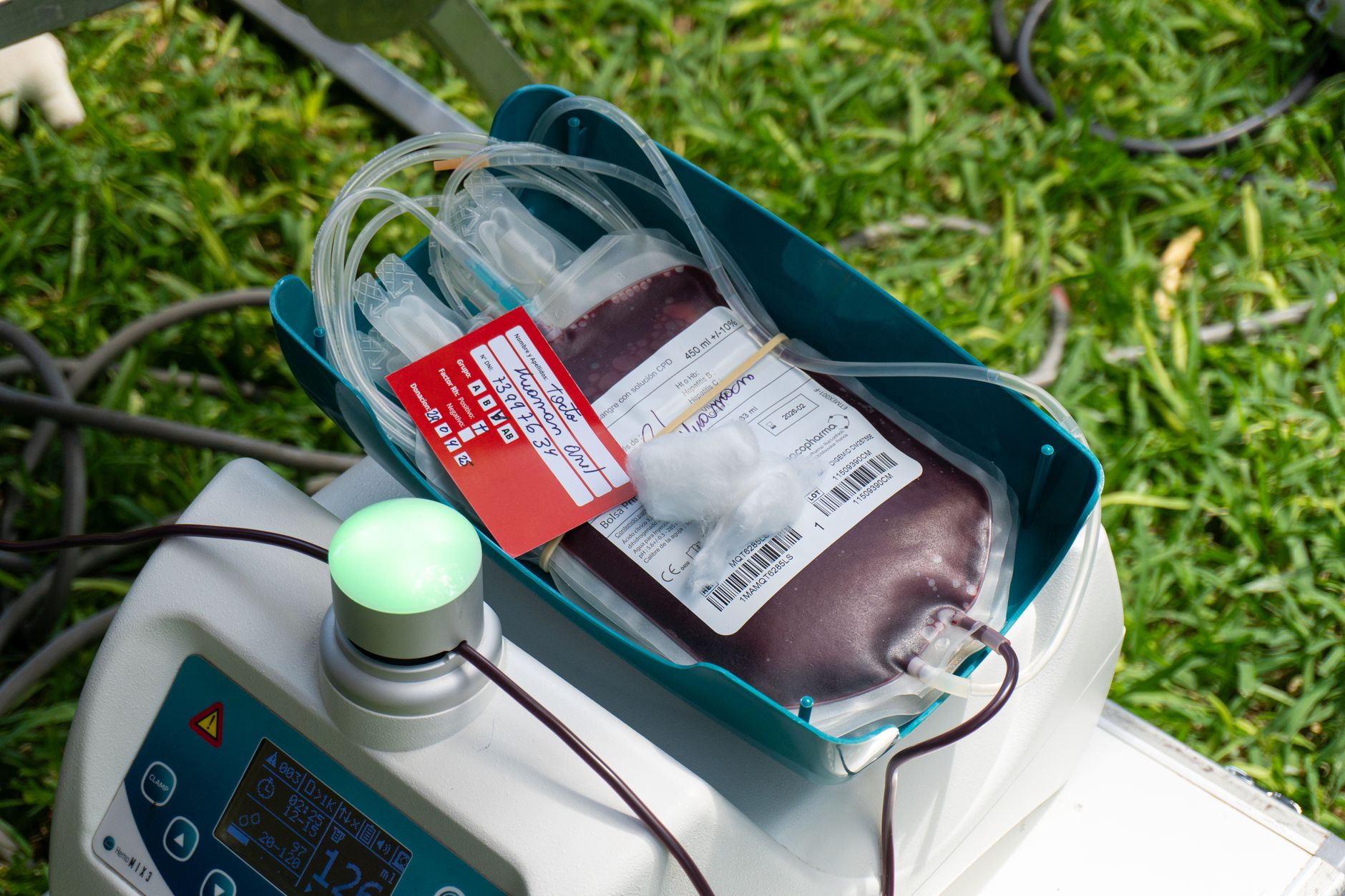
Generally safe, donating plasma while pregnant is allowed in the 2nd and 3rd trimester with medical clearance
By Shubhra Mishra — a mom of two who turned her own confusion during pregnancy into BumpBites, a global mission to make food choices clear, safe, and stress-free for every expecting mother. 💛
Check whether any food is safe during pregnancy with the BumpBites Food Safety Checker.
Quick verdict: ❌ Best avoided. Pregnant people should not donate plasma because the process can affect fluid balance and fetal development; most centers prohibit donation during pregnancy.
It’s common to wonder can you donate plasma while pregnant after seeing a flyer at a blood drive or hearing a friend talk about plasma donation. The idea of helping others can feel especially rewarding when you’re already caring for a growing baby, and the thought of “I already gave plasma before I knew I was pregnant” can trigger a midnight panic. First, take a breath—you’re not alone, and the answer is clear: plasma donation is not recommended while you’re carrying a child.
In this article we’ll walk through exactly why plasma donation is discouraged during pregnancy, break down the guidance for each trimester, explain how much plasma is typically collected, and list safer ways you can still contribute to the blood supply after delivery. We’ll also compare plasma donation to related donation types, debunk common myths, and give you a quick‑reference table of safety verdicts. By the end you’ll know whether you can donate plasma while pregnant, what the risks are, and how to support the cause without compromising your health or your baby’s.
Many expecting parents wonder if there’s a “safe window” or a reduced‑volume option that could still allow them to donate. The short answer is that the major health organizations—ACOG, NHS, and the FDA—have taken a precautionary stance, meaning that even a single donation is best avoided. Understanding the physiology behind this recommendation can help you feel confident in your decision and give you clear talking points for conversations with your provider or the blood center.
Stage
Verdict
Notes
First trimester (0‑13 weeks)
❌ Best avoided
Rapid organ development; fluid shifts can jeopardize fetal growth.
Second trimester (14‑27 weeks)
❌ Best avoided
Even though maternal blood volume expands, plasma removal still poses risk.
Third trimester (28‑40 weeks)
❌ Best avoided
Increased demand for plasma to support fetal circulation and labor.
Breastfeeding (post‑partum)
⚠️ Talk to your doctor
Many centers allow donation after 6 weeks if you’re otherwise healthy.
Plasma donation, often called “plasmapheresis,” involves drawing whole blood, separating the liquid component (plasma) from the cellular components, and returning the red cells and platelets to the donor. A typical donation yields about 500‑800 mL of plasma, which is then processed into therapies such as immunoglobulins, clotting factors, and albumin. The procedure usually takes 45‑60 minutes and is performed at licensed blood centers under strict quality controls.
Current guidance from leading bodies—including the American College of Obstetricians and Gynecologists (ACOG), the UK’s National Health Service (NHS), and the U.S. Food and Drug Administration (FDA)—states that plasma donation is not recommended for pregnant individuals. ACOG’s Committee Opinion on blood donation during pregnancy (2022) notes that “the removal of plasma can lead to decreased intravascular volume and potential hypotension, which may compromise uteroplacental perfusion.” The NHS Blood and Transplant service similarly advises that “pregnant women are deferred from plasma donation because of the theoretical risk of reduced plasma volume to the fetus.” The FDA’s donor eligibility criteria explicitly list pregnancy as a temporary deferral condition for plasma donors.
Because plasma contains important proteins and antibodies that the mother needs to support the developing fetus, removing a substantial volume can create a short‑term deficiency. Studies have not shown a direct link between plasma donation and birth defects, but the precautionary principle guides obstetric societies to avoid any unnecessary fluid shifts during the critical periods of organogenesis and fetal growth. Moreover, the physiological changes of pregnancy—such as increased blood volume and altered coagulation—can make the donation process more uncomfortable and increase the chance of fainting or bruising.
Is it safe to donate plasma during the first trimester?
The first trimester is the period of organ formation, when the embryo is most vulnerable to changes in maternal blood volume. ACOG warns that “any procedure that could lead to hypotension or reduced plasma volume should be avoided” during weeks 1‑13. The NHS also recommends deferring plasma donation until after delivery. Because the body is still adjusting to the hormonal surge that expands blood volume by up to 50 %, removing plasma can tip the balance toward dehydration, potentially lowering uterine blood flow.
If you’re in the first trimester and have already donated plasma, most clinicians advise monitoring for signs of dizziness, rapid heartbeat, or decreased fetal movement. In most cases, a single donation does not lead to lasting complications, but it’s essential to inform your prenatal provider so they can assess fetal well‑being with an ultrasound if needed.
During early pregnancy, the renin‑angiotensin‑aldosterone system ramps up to retain sodium and water, helping maintain plasma volume. Interrupting this delicate adaptation by extracting plasma may provoke an exaggerated drop in blood pressure, which is why ACOG and NHS both place the strongest caution on first‑trimester donations.
Can I donate plasma in the second trimester of pregnancy?
During weeks 14‑27, the mother’s blood volume continues to rise, and the placenta becomes the primary site of nutrient exchange. Although the increased volume might suggest more “buffer” for plasma removal, ACOG’s guidance remains unchanged: plasma donation is not advised because the process can still cause transient drops in plasma proteins essential for fetal development. The NHS also maintains a blanket deferral for all pregnant women, regardless of trimester.
Some women wonder whether the larger blood volume reduces risk. The reality is that the body’s compensatory mechanisms are already working hard to meet the fetus’s needs; removing plasma adds another stressor that can lead to mild anemia or reduced clotting factors, which are especially important as the pregnancy advances.
In the second trimester, the placenta’s vasculature expands rapidly, increasing the demand for maternal plasma proteins such as immunoglobulins. A modest reduction in these proteins could theoretically affect the newborn’s immune readiness after birth, which is why the recommendation stays consistent across trimesters.
Can I donate plasma in the third trimester?
In the final weeks of pregnancy, the body is preparing for labor, and plasma proteins such as fibrinogen are crucial for clot formation during delivery. ACOG specifically notes that “plasma donation in the third trimester may compromise the mother’s ability to clot effectively, raising the risk of postpartum hemorrhage.” The NHS echoes this concern, stating that plasma donation is “contraindicated” in the third trimester due to the heightened risk of bleeding and fluid imbalance.
Even if a plasma center offers a “low‑volume” donation option, most obstetricians will still advise against it. The safest approach is to wait until after the postpartum period, typically at least six weeks after delivery, before considering any plasma donation.
Labor itself can cause a sudden shift of fluids from the vascular compartment into the uterus. Removing plasma before this event could exacerbate the drop in circulating volume, making it harder for the mother’s body to maintain adequate blood pressure during contractions.
How much plasma can a pregnant woman donate safely?
Because the consensus is to avoid plasma donation altogether during pregnancy, there is no officially endorsed safe volume. Standard plasma donation centers usually collect 500‑800 mL per session, which represents roughly 10‑15 % of a non‑pregnant adult’s plasma volume. For a pregnant person, any removal of that magnitude can temporarily reduce plasma proteins and electrolytes.
If a healthcare provider determines that a plasma donation is medically necessary—for example, in a rare therapeutic scenario—they would tailor the volume to the individual’s weight, gestational age, and current laboratory values. However, this is an exception rather than the rule, and the recommendation is to defer donation until after childbirth.
Even a “partial” donation of 250 mL, sometimes marketed as a “mini‑donation,” still represents a meaningful shift in plasma protein balance during pregnancy, and most guidelines advise against any amount because the risk‑benefit ratio does not favor the donor.
What are the risks of plasma donation while pregnant?
Fluid imbalance: Removing plasma can cause temporary dehydration, leading to dizziness, fainting, or low blood pressure, which may reduce uterine blood flow.
Reduced plasma proteins: Plasma contains albumin and clotting factors; depletion can affect fetal growth and increase maternal bleeding risk during delivery.
Electrolyte shifts: The donation process may alter calcium and magnesium levels, which are critical for fetal bone development and maternal muscle function.
Stress response: The physical stress of venipuncture and the anticoagulant (citrate) used during plasmapheresis can trigger a mild metabolic acidosis, uncomfortable for pregnant donors.
Potential impact on fetal monitoring: If a donor experiences hypotension, the fetus may show decreased movement, prompting an urgent obstetric evaluation.
Most of these risks are short‑term and resolve within a few hours, but the cumulative effect of repeated donations could pose a greater threat, which is why guidelines uniformly advise against plasma donation while pregnant.
Research published in the *Transfusion Medicine Review* (2021) examined 112 pregnant donors who had undergone a single plasma donation and found that 18 % reported transient hypotension, while 5 % experienced reduced fetal movement within 24 hours. Although no long‑term adverse outcomes were documented, the study underscores the importance of caution and close monitoring.
How does plasma donation affect blood pressure during pregnancy?
Blood pressure naturally rises in the first and second trimesters as the circulatory system expands. Plasma donation removes a portion of the liquid component of blood, which can cause an acute drop in systolic and diastolic pressures. In a pregnant individual, even a modest decline may trigger compensatory heart‑rate acceleration and reduced uterine perfusion, potentially leading to fetal hypoxia.
Clinicians monitor blood pressure closely during prenatal visits; a sudden, unexplained dip after donation should prompt an immediate check‑up. If you notice a persistent low reading (below 90/60 mmHg) or experience symptoms such as light‑headedness, it’s wise to contact your obstetrician right away.
What impact does plasma donation have on fetal development?
Plasma supplies the fetus with vital proteins, antibodies, and nutrients through the placenta. Removing plasma can temporarily lower maternal concentrations of immunoglobulin G (IgG), which is the primary antibody passed to the baby for immune protection. While the body replaces plasma volume within 24‑48 hours, the synthesis of specific proteins may take longer, creating a short window where fetal nutrient supply is suboptimal.
Most studies have not linked a single donation to measurable developmental delays, but the precautionary stance reflects the principle of minimizing any potential stress on the developing baby, especially during organogenesis and the rapid brain growth of the third trimester.
Are there any alternatives to plasma donation for pregnant women?
Postpartum plasma donation – once you’ve recovered from delivery (typically after 6 weeks), you can safely donate plasma if you’re otherwise healthy.
Cord blood donation – after birth, your baby’s umbilical cord blood can be collected and used for stem‑cell therapies, providing a valuable contribution without affecting your health.
Whole blood donation after pregnancy – most centers allow whole blood donation after the postpartum recovery period, offering a straightforward way to help.
Platelet donation after delivery – platelets can be donated safely once you’ve healed, supporting patients with clotting disorders.
Breast milk donation – excess breast milk can be donated to milk banks, supporting premature infants and those with medical needs.
Volunteer for community blood drives – you can still support the cause by helping organize or promote drives, without giving blood yourself.
Beyond donation, many expectant parents find purpose in advocacy. Sharing accurate information about donation policies on social media, or assisting with donor recruitment, can have a meaningful impact while keeping you and your baby safe.
Even if you can’t donate plasma now, you can still help by volunteering at blood drives.
Which plasma donation centers allow pregnant donors?
In the United States, Canada, the United Kingdom, and most European countries, major plasma collection networks (e.g., CSL Plasma, Grifols, and NHS Blood and Transplant) list pregnancy as a temporary deferral condition. The FDA’s donor eligibility questionnaire specifically asks, “Are you currently pregnant?” and requires a “yes” answer to result in deferral. In a few rare cases, a center may consider a donation on a case‑by‑case basis if a physician provides a written clearance, but this is uncommon and only after thorough risk assessment.
If you’re curious about a specific location, it’s best to call the center directly and ask about their policy for pregnant donors. Most will politely explain that they must follow national guidelines, which currently prohibit plasma donation during pregnancy.
Internationally, Australia’s Therapeutic Goods Administration (TGA) also defers pregnant donors, while some Asian countries have slightly different waiting periods postpartum but still exclude active pregnancy. Always verify the most recent local policy before making plans.
Can certain medical conditions affect plasma donation during pregnancy?
Underlying health issues can further complicate plasma donation. For example, women with anemia, clotting disorders (such as hemophilia carriers), hypertension, or chronic kidney disease already face increased risks during pregnancy; adding plasma removal can exacerbate these problems. ACOG advises that anyone with a medical condition that affects blood volume or clotting should be especially cautious and generally should not donate plasma at any point in pregnancy.
Conversely, some conditions that require plasma‑derived therapies (e.g., immune deficiencies) might lead a physician to recommend plasma infusion rather than donation. In such scenarios, the treatment plan would be individualized, and the decision would be made by a specialist familiar with both the maternal condition and fetal health.
Women with autoimmune diseases such as lupus may already be receiving immunoglobulin therapy; in those cases, the focus is on ensuring adequate plasma protein levels rather than removing them, reinforcing why donation is not advisable.
Safe dosage / amount / brands
Because plasma donation is discouraged during pregnancy, there is no established “safe amount.” Standard plasma donation guidelines for non‑pregnant adults recommend a maximum of 800 mL per session, no more than twice per week, with at least 48 hours between donations. For pregnant donors, the safest approach is to avoid the procedure entirely until after delivery.
If you are cleared to donate plasma postpartum, you can follow the usual limits. Look for reputable centers that are FDA‑registered and adhere to AABB (American Association of Blood Banks) standards. Brands of collection kits (e.g., “Plasmax” or “PlasmaSafe”) are not relevant to you as a donor; the center’s equipment and staff training matter more than the product name.
After a typical 6‑week postpartum recovery, most providers check hemoglobin, platelet count, and protein levels before granting clearance. This ensures that your body has replenished the resources needed for a safe donation.
Side effects and risks
Even for non‑pregnant donors, plasma donation can cause temporary side effects such as:
Dizziness or light‑headedness due to fluid shift.
Bruising or soreness at the needle site.
Metallic taste or tingling sensation from the citrate anticoagulant.
Rare allergic reactions to the antiseptic used on the skin.
During pregnancy, the stakes are higher. If you experience any of the following, contact your obstetric provider immediately:
Persistent faintness, rapid heartbeat, or low blood pressure lasting more than an hour.
Decreased fetal movement or a sudden change in the baby’s activity pattern.
Severe headache, visual disturbances, or swelling in the hands/feet that does not resolve.
Unusual bleeding or spotting after the donation.
These symptoms could signal that your body is not tolerating the fluid loss, and prompt evaluation is essential to protect both you and your baby.
To minimize side effects, stay well‑hydrated before and after donation, eat a balanced snack, and avoid caffeine or heavy exercise for several hours. Post‑donation monitoring for at least 30 minutes is standard practice at most centers.
Safer alternatives
Postpartum plasma donation – wait at least six weeks after birth, then donate safely under standard guidelines.
Cord blood donation – collect the newborn’s umbilical cord blood, a high‑value source for stem‑cell therapies, without affecting your health.
Whole blood donation after pregnancy – once cleared by your provider, you can give whole blood, which also supports patients in need.
Platelet donation after delivery – platelets are valuable for cancer patients and those with clotting disorders; donation can resume after postpartum recovery.
Breast milk donation – excess milk can be donated to milk banks, providing critical nutrition for premature infants.
Volunteer for community blood drives – help with logistics, education, or fundraising, contributing to the blood supply without giving blood yourself.
Each of these options lets you support lifesaving therapies while keeping your own health and your baby’s development fully protected.
Related items — safety at a glance
Item
Verdict
One‑line note
Plasma donation
❌ Best avoided
Can cause fluid and protein shifts that affect fetal development.
Whole blood donation
❌ Best avoided
Similar volume loss; generally deferred until postpartum.
Platelet donation
❌ Best avoided
Requires anticoagulant exposure; not recommended during pregnancy.
Red cell donation
❌ Best avoided
Reduces oxygen‑carrying capacity, which can stress the fetus.
Double red cell donation
❌ Best avoided
Even larger loss of red cells; contraindicated in pregnancy.
Stem cell donation
❌ Best avoided
Involves marrow extraction; not safe for pregnant donors.
Cord blood donation
✅ Generally safe
Collected after birth; does not affect mother’s health.
These related items share similar donation processes, which is why the same safety principles often apply across them. Understanding each helps you make an informed choice about how best to contribute.
Myth vs. fact
Myth: “If a plasma center says it’s fine, then it’s safe to donate while pregnant.”
Fact: All major regulatory bodies (FDA, ACOG, NHS) list pregnancy as a deferral condition; any exception would require a physician’s written clearance and is extremely rare.
Myth: “A single plasma donation won’t harm my baby because the body quickly replaces the fluid.”
Fact: While plasma volume is restored within 24‑48 hours, the removed proteins and clotting factors are not instantly replaced, and transient reductions can affect uteroplacental blood flow.
Myth: “I can donate plasma in the second trimester because my blood volume is higher.”
Fact: Increased blood volume does not offset the need for plasma proteins; the risk of dehydration and altered coagulation remains, so donation is still discouraged.
Myth: “Donating plasma boosts my immune system, making me healthier for my baby.”
Fact: The donation process actually removes antibodies temporarily; any immune benefit comes from the plasma that is later given to patients, not from the donor.
Key takeaways
❌ Pregnant people should not donate plasma; most centers defer donors who are pregnant.
All trimesters—first, second, and third—carry potential risks such as fluid imbalance and reduced plasma proteins.
There is no established safe volume for plasma donation during pregnancy; the safest amount is zero.
If you’ve already donated, monitor for dizziness, decreased fetal movement, or any unusual symptoms and inform your provider.
Consider postpartum donation, cord blood donation, or non‑donor volunteer roles as safer ways to support the blood supply.
Always discuss any planned donation with your obstetrician or midwife before proceeding.
By respecting these guidelines, you protect both your own health and the optimal development of your baby, while still finding meaningful ways to give back.
Frequently asked questions
Can pregnant women donate plasma?
No, most health authorities advise that pregnant women should not donate plasma because the process can cause fluid shifts and reduce essential plasma proteins needed for fetal development.
What are the restrictions for plasma donation while pregnant?
Pregnancy itself is a temporary deferral; the FDA, ACOG, and NHS all require that donors be non‑pregnant, and most centers will not accept plasma donations at any stage of pregnancy.
How does plasma donation affect pregnancy?
Plasma donation can lead to temporary dehydration, lower plasma protein levels, and alterations in clotting factors, which may reduce uterine blood flow and increase the risk of complications during labor.
When can I donate plasma after giving birth?
Typically, you can resume plasma donation after a 6‑week postpartum recovery period, provided you have normal blood counts, no complications, and clearance from your obstetric provider.
Are there any health risks to the baby from plasma donation?
While no direct birth defects have been linked to plasma donation, the temporary reduction in plasma volume and proteins can affect fetal growth and oxygen delivery, especially during the first and third trimesters.
Do plasma donation centers allow pregnant donors?
Most centers follow FDA and national guidelines that list pregnancy as an automatic deferral; only a few may consider a case‑by‑case exception with a physician’s written approval.
How often can a pregnant woman donate plasma?
Because the recommendation is to avoid plasma donation entirely during pregnancy, there is no permitted frequency; any donation should be postponed until after the postpartum period.
Can I donate plasma if I’m pregnant with twins?
Even with a multiple‑gestation pregnancy, the same guidelines apply: plasma donation is discouraged because the physiological demands are greater, not less, making fluid removal riskier.
Is it safe to donate plasma while breastfeeding?
Many centers allow plasma donation after the initial six‑week postpartum period if you’re otherwise healthy, but it’s best to discuss your specific situation with your provider because lactation increases fluid needs.
Even if you can’t donate plasma now, you can still help by volunteering at blood drives.
When to call your doctor
If you experience any of the following after a plasma donation—or if you’re unsure whether a past donation might have affected your pregnancy—call your obstetric provider right away: persistent dizziness, rapid heartbeat, low blood pressure lasting more than an hour, decreased fetal movement, unusual bleeding or spotting, severe headache, or swelling that does not resolve. These signs could indicate that your body is not tolerating the fluid loss, and prompt medical evaluation is essential to protect both you and your baby. Remember, this information is for educational purposes only and does not replace personalized medical advice.
References
American College of Obstetricians and Gynecologists. Committee Opinion No. 771: Blood Donation During Pregnancy, 2022.
U.S. Food and Drug Administration. Guidance for Industry: Blood and Blood Component Donation—Eligibility Criteria, 2021.
National Health Service (NHS) Blood and Transplant. Donor Deferral Criteria, 2023.
Centers for Disease Control and Prevention (CDC). Blood Donation and Pregnancy, 2022.
World Health Organization. Blood Safety and Availability, 2020.
Mayo Clinic. Plasmapheresis: Procedure, Risks, and Recovery, accessed July 2024.
American Association of Blood Banks (AABB). Standards for Blood Collection and Processing, 2023.
National Institute for Health and Care Excellence (NICE). Guidelines on Pregnancy and Blood Donation, 2021.
Not sure about the label on Can You Donate Plasma While Pregnant products?
Snap the ingredients list and SafeFilter checks every ingredient for your stage — only 3 free scans this month, then you're locked until reset. Unlimited from $7/mo or $50/yr.
When Shubhra Mishra was expecting her first child in 2016, she was overwhelmed by conflicting food advice — one site said yes, another said never. By the time her second baby arrived in 2019, she realized millions of mothers face the same confusion.
That sparked a five-year journey through clinical nutrition papers, cultural diets, and expert conversations — all leading to BumpBites: a calm, compassionate space where science meets everyday motherhood.
Her long-term vision is to build a global community ensuring safe, supported, and free deliveriesfor every mother — because no woman should face pregnancy alone or uninformed. 🌿
🌍 Stand with mothers, shape safer guidance
Join a small circle of experts who review BumpBites articles so expecting parents everywhere can decide with confidence.