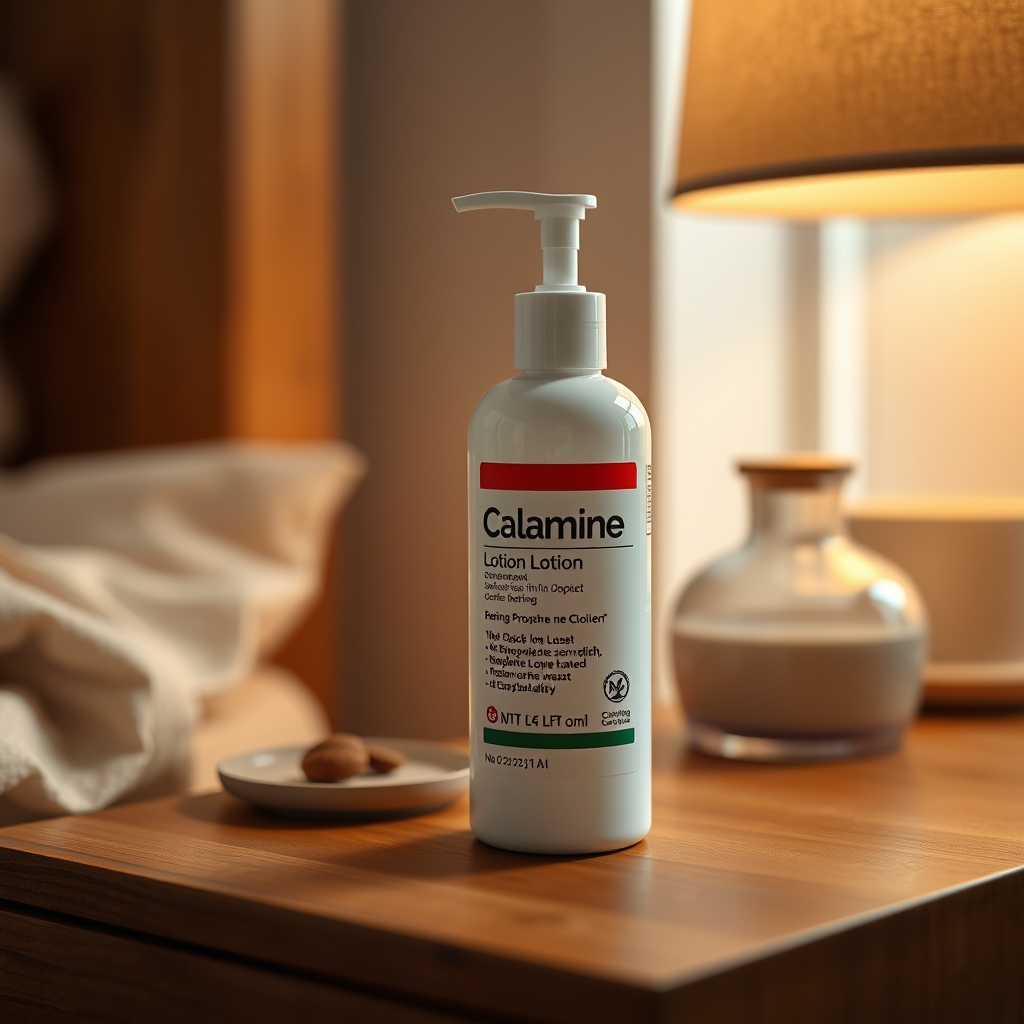
Safe: Calamine lotion is generally safe during pregnancy when applied topically at standard doses, but avoid use in the first trimester without a doctor’s approval.
By Shubhra Mishra — a mom of two who turned her own confusion during pregnancy into BumpBites, a global mission to make food choices clear, safe, and stress-free for every expecting mother. 💛
Check whether any food is safe during pregnancy with the BumpBites Food Safety Checker.
Quick verdict: ✅ Calamine lotion is generally considered safe for use during pregnancy when applied topically in the usual amount. It can help relieve itching, but you should avoid excessive application and check for any added irritants.
It’s 2 a.m., you’re scrolling through a symptom checker, and a sudden itch on your belly makes you wonder: “Is calamine lotion safe for pregnancy?” You’re not alone—many expectant parents have that exact question, especially after discovering a rash or poison‑ivy spot. The good news is that, according to the American College of Obstetricians and Gynecologists (ACOG) and the UK’s NHS, calamine lotion applied externally is classified as low‑risk. In this article we’ll break down the overall safety verdict, dosage guidelines, trimester‑specific considerations, brand nuances, and safer alternatives, so you can stop worrying and start soothing.
We’ll also explore how calamine lotion interacts with common skin conditions like eczema and poison‑ivy, discuss any known brand‑specific concerns, and give you a quick‑reference table for related skin‑care items. By the end, you’ll have a clear, evidence‑based answer to the question “calamine lotion safe for pregnancy?” and feel confident about the next steps.
Because every pregnancy is unique, we’ve woven in guidance from both U.S. and U.K. health authorities, highlighted red‑flag symptoms that warrant a call to your provider, and offered practical alternatives you can reach for at the pharmacy or in your own pantry. Let’s dive in.
Trimester / Stage
Verdict
Notes
First trimester
✅ Generally safe
Apply thin layer; avoid large-area coverage; watch for fragrance sensitivities.
Second trimester
✅ Generally safe
Same guidelines as first trimester; can be used more liberally if needed.
Third trimester
✅ Generally safe
Continue standard usage; no evidence of fetal harm.
Breastfeeding
✅ Generally safe
Minimal systemic absorption; safe for nursing mothers.
Calamine lotion is a classic over‑the‑counter (OTC) topical preparation that combines zinc oxide and ferric oxide with a mild astringent base, often including glycerin or camphor. The zinc oxide creates a soothing barrier on the skin, while the iron oxide gives the characteristic pink hue that helps reduce redness. People use it for a variety of itchy or irritated skin issues—sunburn, insect bites, poison‑ivy rash, and mild eczema. Because it works locally and is not absorbed in significant amounts, the risk to a developing fetus is low, which is why many obstetric guidelines list it as a pregnancy‑compatible option.
What is calamine lotion?
Calamine lotion is a topical skin protectant that has been in pharmacies for over a century. Its core ingredients—zinc oxide and iron oxide—form a light, breathable film that absorbs moisture and calms inflamed skin. The zinc oxide component is also a mild antiseptic, which helps prevent secondary infection in minor abrasions. Many formulations add a small amount of camphor for a cooling sensation, though some “fragrance‑free” versions omit it to reduce irritation risk. The lotion is typically packaged in a pink bottle, making it easy to spot on a bathroom shelf.
Because it’s applied externally, the medication bypasses the digestive system and enters the bloodstream only in trace quantities. This pharmacokinetic profile is the primary reason health agencies deem it low‑risk for pregnant users. In short, calamine works like a gentle, protective band‑aid for your skin, offering relief without the systemic exposure that many oral medications carry.
Beyond the classic pink bottle, calamine is also available in spray‑on formats and in “calamine‑plus” blends that add a mild anesthetic. These variations maintain the same safety profile as long as the active ingredients remain zinc oxide and iron oxide, and any added components are clearly labeled as fragrance‑free or hypoallergenic.
Is calamine lotion safe during pregnancy?
Yes, calamine lotion is generally regarded as safe for pregnant women when used as directed. The ACOG states that topical agents with limited systemic absorption, such as zinc‑oxide‑based products, do not pose a teratogenic risk. The NHS also lists calamine among “skin‑care products safe in pregnancy,” noting that it can be used for itching without special restrictions. The U.S. Food and Drug Administration (FDA) classifies calamine lotion as a Category C drug for topical use, meaning that animal studies have shown no harm but there are no well‑controlled human studies—still, the consensus among clinicians is that the benefits outweigh any theoretical risk when applied sparingly.
Mechanistically, any potential concern would stem from systemic absorption of zinc oxide or iron oxide, but studies show that less than 1 % of the active ingredients are absorbed through intact skin. Even when the skin barrier is compromised (as in a rash), the amount entering the bloodstream remains far below levels associated with toxicity. Consequently, there is no credible evidence linking calamine lotion to birth defects or adverse pregnancy outcomes.
Common misconceptions include the belief that “all chemicals are dangerous” during pregnancy. In reality, the skin acts as an effective barrier, and many topical products—including calamine—are specifically formulated for safe use on sensitive skin. If you have a history of allergic reactions to fragrance or menthol, choose a fragrance‑free version to avoid irritation.
It’s also worth noting that many prenatal vitamins contain zinc, and the small amount of zinc absorbed from calamine does not contribute to excessive systemic zinc levels. This reinforces the overall safety profile, even for women who are already taking zinc‑rich supplements.
Is calamine lotion safe to use during the first trimester of pregnancy?
The first trimester is the period of organogenesis, when the embryo’s major organs form, and many expectant parents are especially cautious. Calamine lotion remains safe because its active ingredients do not cross the placenta in measurable amounts. Applying a thin layer to a small area (e.g., a single rash) is unlikely to affect fetal development. However, avoid using it over large body surfaces or on broken skin without medical advice, as increased absorption could theoretically raise exposure.
If you notice any unexpected redness, swelling, or a burning sensation after application, discontinue use and consult your provider. Otherwise, a light coating up to three times daily is considered low‑risk and can provide relief from the uncomfortable itching that sometimes accompanies hormonal changes.
It’s also worth noting that some pregnant women experience heightened skin sensitivity during early weeks due to fluctuating estrogen levels. In such cases, a fragrance‑free calamine formulation can be gentler while still offering the same protective benefits.
Can I use calamine lotion for itching in the third trimester?
Yes, you can continue using calamine lotion throughout the third trimester. The skin may become more prone to dryness and itching as pregnancy progresses, and calamine’s soothing properties can be especially helpful. The same dosage guidelines apply: a thin layer applied no more than three to four times per day. There is no evidence that the late‑stage use of calamine influences labor, delivery, or neonatal health.
Some women experience increased skin sensitivity in the final weeks of pregnancy. If you develop a new rash or the itching worsens, it may be worthwhile to discuss other options with your obstetrician, especially if the rash covers a large area.
In addition, the stretch marks that often appear in the third trimester can become itchy. While calamine can relieve the itch, it does not prevent stretch‑mark formation. Pairing it with a well‑moisturizing, fragrance‑free body butter can keep the skin comfortable without adding risk.
How much calamine lotion can pregnant women apply safely?
Typical OTC instructions recommend applying a thin film to the affected area and re‑applying every 4–6 hours if needed, up to a maximum of three to four applications per day. In practice, this translates to roughly 1–2 grams per application for most adults. For pregnant women, sticking to this schedule keeps systemic exposure well below any threshold of concern.
Do not use calamine on extensive body areas (e.g., more than 10% of total skin surface) without medical guidance. If you need to treat a larger region, consider alternating with a different low‑risk product (such as a plain moisturiser) to reduce the total amount of calamine applied.
When using a brand that contains added fragrance or menthol, start with a smaller amount—perhaps the size of a pea—and monitor your skin’s response before increasing the coverage.
What are the risks of using calamine lotion while pregnant?
Overall, the risk profile is minimal. The most common side effects are mild skin irritation, redness, or a temporary tingling sensation—none of which are harmful to the fetus. Rarely, individuals may develop an allergic contact dermatitis to zinc oxide or added fragrance components. Systemic toxicity is virtually unheard of because less than 1 % of the active ingredients enter the bloodstream.
Serious concerns, such as fetal toxicity or birth defects, have not been reported in the medical literature. The FDA’s classification (Category C) reflects a lack of large‑scale human studies rather than a known danger. Nonetheless, if you experience persistent swelling, blistering, or a spreading rash, stop using the product and contact your healthcare provider promptly.
Are there any brand‑specific concerns with calamine lotion during pregnancy?
Most generic calamine lotions contain the same core ingredients—zinc oxide, ferric oxide, and a soothing base. However, some brand‑name formulations add fragrance, menthol, or camphor for a “cooling” sensation. These additives can increase the chance of skin irritation, especially in pregnancy‑related sensitive skin. When choosing a product, look for labels that say “fragrance‑free” or “hypoallergenic.”
Well‑known brands such as Caladryl, Calamine Plus, and generic store brands generally meet safety standards, but verify the ingredient list. If a product lists “essential oils” or “natural extracts,” consider patch‑testing a small area first, as these can sometimes trigger allergic reactions.
What are safe alternatives to calamine lotion for pregnant women?
Hydrocortisone cream 1 %: A mild steroid that reduces inflammation and itching; safe for short‑term use.
Pramoxine lotion: Provides topical analgesia without significant systemic absorption.
Coconut oil: Natural moisturizer that can soothe dry, itchy skin; hypoallergenic for most.
Calendula cream: Herbal option with anti‑inflammatory properties, generally safe in pregnancy.
Aloe vera gel: Cooling, moisturizing, and safe for most skin types.
Zinc oxide ointment: Similar to calamine but without the iron oxide pigment; excellent barrier.
Diphenhydramine cream (Benadryl): Antihistamine cream that can relieve itching from allergic reactions.
Oatmeal bath soak: Soothes widespread itching; safe for pregnant skin.
Does calamine lotion affect conditions like eczema or poison ivy during pregnancy?
Calamine lotion can be an effective adjunct for mild eczema flare‑ups or poison‑ivy rash, providing a cooling effect that reduces itching. Because it forms a protective barrier, it helps keep irritants away from the skin. For more severe eczema, a physician may recommend a low‑potency hydrocortisone cream or a prescription‑strength steroid, but calamine remains a safe first‑line option for mild symptoms.
Poison‑ivy exposure during pregnancy is no different than in the general population; the key is to clean the skin promptly and apply a soothing agent like calamine to limit itching, which can otherwise lead to secondary infection.
Keep a small bottle of calamine lotion handy for quick relief from pregnancy‑related itching.
First trimester
During weeks 1–12, the embryo’s organs are forming, so many expectant mothers limit exposure to medications. Calamine’s low systemic absorption makes it a safe topical choice. Apply a thin layer only to the affected area and avoid covering large skin surfaces. If you have a pre‑existing skin condition, discuss with your obstetrician whether a steroid‑based cream might be more appropriate.
Second trimester
From weeks 13–27, the placenta is well‑established, and the fetus is less vulnerable to most topical agents. Calamine can continue to be used as needed. Some women experience increased skin dryness in the second trimester; pairing calamine with a fragrance‑free moisturizer can enhance comfort without adding risk.
Third trimester
In the final stretch (weeks 28–40), itching may intensify due to stretching skin. Calamine remains safe for short‑term relief. If you develop a rash that covers a large area or you notice signs of infection (pus, warmth, fever), seek medical care promptly.
Breastfeeding
Because only trace amounts of zinc oxide or iron oxide might be absorbed, and the product is applied externally, calamine lotion is considered safe while nursing. Any minimal amount that could be ingested by the infant through skin contact is far below toxic thresholds.
The gentle application of calamine can ease itching without harming your baby.
Safety by trimester
First trimester considerations
During the earliest weeks, the embryo undergoes organogenesis, the most vulnerable developmental phase. Because calamine’s active ingredients do not readily cross the placenta, applying a thin layer to a localized rash is considered low‑risk. However, avoid using it on large, broken skin surfaces unless directed by a healthcare professional. If you have a known allergy to zinc oxide or fragrances, opt for a fragrance‑free version and perform a patch test on a small area of skin first.
Second trimester considerations
With the placenta fully functional, the fetus is less susceptible to most topical agents. Calamine can be used more liberally for itching that accompanies hormonal changes or dry skin. For pregnant women who develop new‑onset eczema in the second trimester, calamine can serve as a soothing adjunct while a dermatologist assesses whether a low‑potency steroid is needed.
Third trimester considerations
In the final weeks, skin stretching can cause itching and occasional rashes. Calamine’s cooling effect can provide quick relief without posing fetal risk. If you notice a rash that spreads rapidly, becomes painful, or shows signs of infection, contact your provider promptly—these may be indications that a prescription medication is required.
Breastfeeding considerations
Because only trace amounts of zinc oxide or iron oxide are absorbed through the skin, and any accidental ingestion by a nursing infant would be minuscule, calamine lotion is deemed safe for breastfeeding mothers. Nonetheless, if your baby shows signs of irritation after contact with the lotion, discontinue use and discuss alternatives with your pediatrician.
Safe dosage / amount / brands
For most adults, the recommended amount is a thin layer—about the size of a pea—applied to the affected area up to four times daily. This typically equates to 1–2 grams per application. When using a brand that contains added fragrance or menthol, start with a smaller amount to test tolerance.
Popular brands that meet safety standards include:
Caladryl (contains calamine plus a mild anesthetic; check for additional ingredients).
Calamine Plus (often marketed for diaper rash; safe for pregnant skin).
If you prefer a more natural formulation, look for “zinc oxide ointment” that omits iron oxide, which reduces the risk of irritation while maintaining the protective barrier.
Side effects and risks
Most pregnant users experience only minor, transient skin sensations:
Mild irritation: Redness or a slight burning feeling that usually resolves within minutes.
Allergic contact dermatitis: Rare, characterized by swelling, itching, and a rash that spreads beyond the original area.
Systemic toxicity: Practically nonexistent; no documented cases of fetal harm from topical calamine.
If you develop any of the following, contact your provider immediately:
Severe swelling, blistering, or pus.
Rapid spreading of the rash despite treatment.
Fever, chills, or other systemic symptoms.
Persistent itching that does not improve with standard application.
Pramoxine lotion – provides fast‑acting itch relief without steroids.
Coconut oil – natural moisturizer that restores skin barrier.
Calendula cream – gentle herbal anti‑inflammatory, safe in pregnancy.
Aloe vera gel – cooling, soothing, and free of added chemicals.
Zinc oxide ointment – similar protective action, without iron oxide pigment.
Diphenhydramine cream (Benadryl) – antihistamine effect for allergic itching.
Oatmeal bath soak – whole‑body relief for extensive itching.
Related items — safety at a glance
Item
Verdict
One‑line note
Hydrocortisone cream
✅ Safe
Low‑potency steroid; safe for short‑term use.
Pramoxine hydrochloride lotion
✅ Safe
Topical analgesic; minimal systemic absorption.
Coconut oil
✅ Safe
Natural moisturizer; unlikely to cause irritation.
Calendula cream
✅ Safe
Herbal anti‑inflammatory; generally well‑tolerated.
Zinc oxide ointment
✅ Safe
Barrier protection; similar safety profile to calamine.
Aloe vera gel
✅ Safe
Cooling and soothing; no known fetal risks.
Diphenhydramine cream
✅ Safe
Antihistamine; safe in pregnancy when used topically.
Talcum powder
⚠️ Caution
Potential inhalation risk; avoid applying to open wounds.
Mentholated ointments
⚠️ Caution
May cause skin irritation in sensitive pregnant skin.
Essential‑oil based creams
⚠️ Caution
Some oils can trigger allergic reactions; patch test first.
Myth vs. fact
Myth: All topical medications are unsafe during pregnancy.
Fact: Many topicals, including calamine lotion, have minimal systemic absorption and are considered low‑risk when used as directed.
Myth: Calamine lotion can cause birth defects because it contains iron oxide.
Fact: Iron oxide in calamine is not absorbed through the skin in amounts that could affect fetal development; no studies link it to birth defects.
Myth: If you’re pregnant, you must avoid any scented or colored skin products.
Fact: Fragrance‑free or hypoallergenic versions of calamine are safe; the color itself does not pose a risk.
Myth: Using calamine on a large rash will protect the baby from any harm.
Fact: While calamine can soothe itching, it does not replace medical evaluation for extensive or infected rashes; a doctor’s guidance is still essential.
Key takeaways
Calamine lotion is generally safe for pregnant women when applied topically in small amounts.
Use a thin layer up to four times a day; avoid covering large skin areas.
Fragrance‑free or hypoallergenic brands reduce the chance of irritation.
Safe alternatives include hydrocortisone 1 % cream, pramoxine lotion, and aloe vera gel.
Contact your provider if you develop severe rash, swelling, or signs of infection.
Frequently asked questions
Can I use calamine lotion while pregnant?
Yes, calamine lotion is considered safe for topical use during pregnancy when applied in the recommended amount.
Is it safe to apply calamine lotion during pregnancy?
Applying a thin layer of calamine lotion to a small area is safe throughout all trimesters, according to ACOG and NHS guidelines.
What are the side effects of calamine lotion for pregnant women?
Most side effects are mild, such as temporary skin tingling or mild irritation; allergic reactions are rare but possible.
How often can I use calamine lotion while pregnant?
You can apply calamine up to three or four times daily, using only a thin layer each time.
Are there any pregnancy risks associated with calamine lotion?
There is no evidence of fetal risk; the primary concern is potential skin irritation or allergic dermatitis.
What are the best alternatives to calamine lotion for pregnant skin irritation?
Hydrocortisone 1 % cream, pramoxine lotion, coconut oil, and aloe vera gel are all safe, effective options.
Does calamine lotion cross the placenta?
No, the amount of zinc oxide and iron oxide absorbed through the skin is too low to cross the placenta in any meaningful amount.
Can calamine lotion cause birth defects?
Current research does not link calamine lotion to birth defects; it is classified as low‑risk for topical use.
What should I do if I accidentally ingest a small amount of calamine lotion?
Ingesting a tiny amount is unlikely to cause harm, but you should rinse your mouth, drink a glass of water, and call your obstetric provider or poison control for reassurance.
Can I use calamine lotion on my baby’s diaper rash while I’m pregnant?
Yes, a fragrance‑free, zinc‑oxide‑only formulation is generally safe for infant skin; however, consult your pediatrician if the rash persists or worsens.
Is calamine lotion safe for women with latex allergies?
Calamine itself does not contain latex, but some packaging may. If you have a latex allergy, choose a product in a non‑latex bottle or verify with the manufacturer.
Can I use calamine lotion on a large area of itchy skin during pregnancy?
For extensive itching, it’s best to limit each application to a thin layer and consider alternating with a fragrance‑free moisturizer to avoid over‑application.
When to call your doctor
Seek medical attention if you notice any of the following after using calamine lotion:
Severe swelling, blistering, or pus formation.
Rapid spreading of the rash beyond the original area.
Fever, chills, or other systemic symptoms.
Persistent itching that does not improve with standard application.
Signs of an allergic reaction such as hives, itching elsewhere, or difficulty breathing.
These signs could indicate an infection or allergic reaction that needs professional evaluation. Remember, this article provides general information and is not a substitute for personalized medical advice. Always discuss any concerns with your obstetrician or dermatologist.
References
American College of Obstetricians and Gynecologists (ACOG). “Medication Use During Pregnancy.” 2023.
National Health Service (NHS). “Skin care products safe in pregnancy.” 2022.
U.S. Food and Drug Administration (FDA). “Calamine Lotion – Over-the-Counter Drug Facts.” 2021.
Centers for Disease Control and Prevention (CDC). “Pregnancy and Medication Safety.” 2022.
Mayo Clinic. “Topical treatments for itching during pregnancy.” 2023.
World Health Organization (WHO). “Guidelines on the use of topical agents in pregnancy.” 2020.
Not sure about the label on Is Calamine Lotion Safe During Pregnancy products?
Snap the ingredients list and SafeFilter checks every ingredient for your stage — only 3 free scans this month, then you're locked until reset. Unlimited from $7/mo or $50/yr.
When Shubhra Mishra was expecting her first child in 2016, she was overwhelmed by conflicting food advice — one site said yes, another said never. By the time her second baby arrived in 2019, she realized millions of mothers face the same confusion.
That sparked a five-year journey through clinical nutrition papers, cultural diets, and expert conversations — all leading to BumpBites: a calm, compassionate space where science meets everyday motherhood.
Her long-term vision is to build a global community ensuring safe, supported, and free deliveriesfor every mother — because no woman should face pregnancy alone or uninformed. 🌿
🌍 Stand with mothers, shape safer guidance
Join a small circle of experts who review BumpBites articles so expecting parents everywhere can decide with confidence.