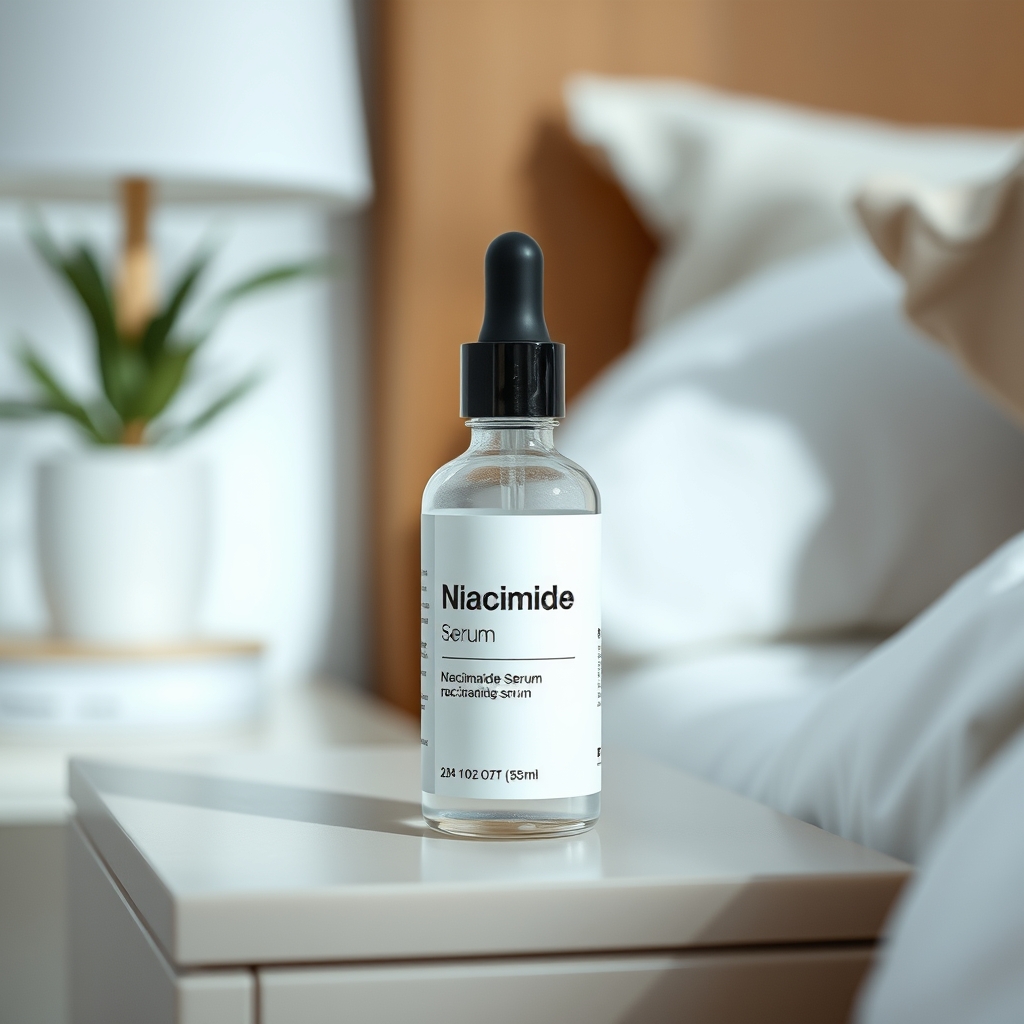
Safe in moderation. Niacinamide is generally safe during pregnancy, but experts recommend limiting dosage to 5% or less and avoiding high concentrations in the first trimester.
By Shubhra Mishra — a mom of two who turned her own confusion during pregnancy into BumpBites, a global mission to make food choices clear, safe, and stress-free for every expecting mother. 💛
Check whether any food is safe during pregnancy with the BumpBites Food Safety Checker.
Quick verdict: ⚠️ Safe with limits – niacinamide is generally considered safe for most pregnant people when used at typical skincare concentrations or oral doses below the adult upper‑limit (≈35 mg/day). Higher doses or excessive topical use should be discussed with your provider.
It’s 2 a.m., the bathroom light is on, and you’ve just opened the lid of your favorite serum. “Is niacinamide safe for pregnancy?” you whisper, heart racing. You’re not alone—many expectant parents wonder whether this popular vitamin B3 derivative could harm their developing baby. The short answer is reassuring: niacinamide is usually safe when used responsibly, but there are limits you should respect.
In this article we’ll answer the burning questions you’ve probably typed into Google: Is niacinamide safe in the first trimester? How much can you take orally? Can you keep using your niacinamide skincare products? We’ll break down the evidence from reputable bodies like ACOG, the NHS, and the FDA, outline trimester‑specific guidance, list safe dosage limits, flag potential risks, and suggest pregnancy‑friendly alternatives. By the end you’ll have a clear, evidence‑based plan and know exactly when to call your provider.
Beyond the basics, we’ll also explore how niacinamide interacts with common pregnancy skin changes, compare it to other B‑vitamins, and give you practical tips for building a pregnancy‑safe skincare routine. Whether you’re already a devoted niacinamide fan or just curious, this guide is designed to calm your worries and empower your choices.
Period
Verdict
Notes
First trimester
⚠️ Safe with limits
Oral niacinamide ≤35 mg/day is within the UL; topical use ≤5 % is generally fine. Discuss high‑dose supplements with a clinician.
Second trimester
✅ Generally safe
Typical skincare concentrations (2–5 %) and dietary intake are well tolerated.
Third trimester
✅ Generally safe
Same limits apply; monitor for any skin irritation.
Breastfeeding
✅ Generally safe
Small oral doses are considered low risk; topical use poses minimal exposure to infant.
Tip: Choose fragrance‑free, minimal‑ingredient serums to reduce irritation while pregnant.
What is niacinamide and how is it used during pregnancy?
Niacinamide, also called nicotinamide, is a water‑soluble form of vitamin B3. It plays a key role in cellular metabolism, helping convert food into energy and supporting skin barrier function. In the beauty world, niacinamide is prized for its ability to reduce the appearance of pores, even skin tone, and strengthen the skin’s protective barrier. It’s found in serums, moisturizers, and oral supplements marketed for skin health, acne control, and even joint comfort.
Because it is a vitamin, the body can tolerate niacinamide in normal dietary amounts—think of foods like chicken, fish, mushrooms, and fortified cereals. However, many people use concentrated topical products (often 2–5 % niacinamide) or take supplemental capsules that deliver anywhere from 10 mg to 500 mg per dose. During pregnancy, the primary concerns are whether these higher concentrations could cross the placenta, affect fetal development, or interfere with conditions such as gestational diabetes.
Most obstetric guidelines treat niacinamide the same way they treat its parent vitamin B3: as a nutrient that is safe at recommended levels but potentially harmful if taken in excess. This distinction guides the dosage limits and the advice we’ll outline below. For many pregnant people, niacinamide also helps with melasma—a common “mask of pregnancy”—making it a useful, soothing option when used correctly.
Is niacinamide safe during pregnancy?
C
urrent guidance from major health authorities indicates that niacinamide is safe for most pregnant people when consumed at or below the established tolerable upper intake level (UL). The U.S. Food and Drug Administration (FDA) lists vitamin B3 (including niacinamide) as a “generally recognized as safe” (GRAS) nutrient for adults, and the American College of Obstetricians and Gynecologists (ACOG) notes that typical dietary intake poses no risk to the fetus. The UK’s National Health Service (NHS) similarly states that normal dietary sources of niacinamide are safe throughout pregnancy.
The primary safety concern arises with high‑dose oral supplements—doses above 35 mg per day exceed the UL for adults and have been associated with liver toxicity and flushing, though these effects are rare. Topical niacinamide, even at 5 % concentration, results in minimal systemic absorption; studies measuring blood levels after repeated application show negligible increase, making it unlikely to affect the baby.
Overall, the evidence suggests that “niacinamide safe for pregnancy” is true for standard skincare products and for oral intake that respects the 35 mg/day ceiling. Pregnant people with specific health conditions, such as liver disease or gestational diabetes, should discuss any supplement use with their provider.
It’s also worth noting that the American Academy of Dermatology (AAD) acknowledges niacinamide as a “non‑comedogenic” and “well‑tolerated” ingredient, which adds confidence for pregnant users who are already experiencing heightened skin sensitivity. The consensus across U.S. and U.K. guidelines is that moderate use is unlikely to pose a developmental risk.
Is niacinamide safe to use during the first trimester of pregnancy?
During the first trimester—the period of organogenesis—many clinicians advise extra caution with any supplement. For niacinamide, the consensus is that normal dietary intake and topical applications (≤5 % concentration) remain safe. Oral supplementation should stay below the UL of 35 mg per day. If you’re already using a serum, you can continue; just avoid adding high‑dose oral capsules unless your provider recommends them.
The first trimester is also when many expectant people notice melasma or “pregnancy glow.” Niacinamide’s barrier‑strengthening properties can actually help reduce irritation from hormonal changes, making it a gentle option compared with more aggressive actives like retinoids, which are contraindicated.
What is the recommended dosage of niacinamide for pregnant women?
The Recommended Dietary Allowance (RDA) for vitamin B3 in pregnancy is 18 mg NE (niacin equivalents) per day. The Tolerable Upper Intake Level (UL) for adults, including pregnant people, is set at 35 mg per day by the Institute of Medicine. This UL applies to total niacinamide from food, fortified products, and supplements combined. Therefore, a typical prenatal vitamin that provides 10–15 mg of niacin (as niacinamide) is well within safe limits.
If you are considering an extra supplement, aim for the lowest effective dose—often 10–20 mg per day. Anything higher should be taken only under medical supervision, especially if you have liver concerns or are managing gestational diabetes.
When tracking intake, remember that many multivitamins list “niacin” without specifying the form. Look for “niacinamide” on the label to confirm you’re counting the right compound, as nicotinic acid (the flushing form) has a different safety profile.
Can I use niacinamide skincare products while pregnant?
Yes. Topical niacinamide at concentrations of 2–5 % is widely regarded as safe for pregnant skin. It helps reduce redness, improves barrier function, and does not appear to cross the placenta in meaningful amounts. However, it’s wise to choose products that are fragrance‑free and free of potentially irritating ingredients like retinoids, salicylic acid, or high‑strength benzoyl peroxide, which are commonly flagged for pregnancy.
Because pregnancy can increase skin sensitivity, start with a small amount (a pea‑sized dot) and observe how your skin reacts over a few days before applying it to larger areas. This “patch test” approach is especially helpful if you have a history of eczema or rosacea.
Are there any risks associated with niacinamide supplementation in pregnancy?
When taken within the recommended limits, niacinamide poses minimal risk. Potential side effects at higher doses include flushing, itching, nausea, and, rarely, liver enzyme elevation. In the context of pregnancy, excessive niacin (the broader vitamin B3 family) has been linked in older case reports to fetal liver toxicity, but those cases involved very high doses (>500 mg/day) of niacin (nicotinic acid), not the niacinamide form used in most supplements.
Pregnant individuals with gestational diabetes should monitor blood sugar, as very high doses of niacin can affect insulin sensitivity. Nonetheless, standard niacinamide doses (≤35 mg/day) have not been shown to worsen glucose control.
Another subtle risk is skin irritation from the formulation itself. Some serums combine niacinamide with acids or alcohol bases that can cause temporary tingling. If irritation persists, discontinue use and consult your obstetrician.
What are safe alternatives to niacinamide for pregnant skin care?
Vitamin C serum – brightens skin without known pregnancy risks.
Hyaluronic acid serum – adds moisture and supports barrier function.
Azelaic acid cream – helps with acne and hyperpigmentation; generally safe in pregnancy.
Licorice root extract – can reduce redness and melasma; low‑risk when used topically.
Vitamin E oil – antioxidant that supports skin health.
Which niacinamide brands are considered safe for expectant mothers?
When selecting a niacinamide product, look for reputable brands that disclose full ingredient lists, avoid added fragrances, and adhere to Good Manufacturing Practices (GMP). Some widely‑trusted options include:
Paula’s Choice “10 % Niacinamide Booster” – includes soothing antioxidants.
CeraVe “Hydrating Serum with Niacinamide” – paired with ceramides for barrier support.
Vichy “Normaderm Phytosolution” – contains niacinamide plus salicylic acid (use only if your provider approves).
La Roche‑Posay “Niacare” – fragrance‑free, dermatologist‑tested.
Always read the label for concentration (most are 2–10 %) and avoid products that combine niacinamide with retinoids or high‑strength acids. If you’re uncertain, a quick phone call to your provider’s office can confirm whether a specific product fits your routine.
How does niacinamide affect pregnancy complications like gestational diabetes?
Niacinamide itself does not appear to cause or worsen gestational diabetes. Some older studies on high‑dose niacin (nicotinic acid) suggest a modest impact on insulin sensitivity, but those doses are far above what is found in typical supplements. ACOG notes that maintaining adequate vitamin B3 is important for overall metabolic health, yet recommends staying within the UL to avoid any theoretical impact on glucose regulation.
If you have gestational diabetes, continue with your prescribed diet and medication plan, and discuss any new supplement—including niacinamide—with your endocrinologist or obstetrician. They can help you determine whether a modest oral supplement might still be beneficial for skin concerns without affecting blood sugar.
Is it okay to take high‑dose niacinamide during pregnancy?
High‑dose niacinamide (exceeding 35 mg/day) is not recommended without medical supervision. While niacinamide is less likely to cause the flushing associated with nicotinic acid, large amounts can still stress the liver and may affect fetal development in ways we do not fully understand. If you feel you need more than the UL for a specific health reason, your provider can help you weigh the benefits against potential risks.
In rare cases where a clinician prescribes higher doses—such as for certain dermatologic conditions—they will monitor liver function tests and fetal growth closely. Self‑prescribing high‑dose supplements is discouraged.
Safety by trimester
First trimester
The first 12 weeks are the most sensitive period for fetal organ formation. Niacinamide taken at or below the UL (≤35 mg/day) is considered safe, and topical use at ≤5 % poses minimal systemic exposure. If you’re using a serum, you can continue; just avoid adding high‑dose oral supplements unless prescribed.
Second trimester
During weeks 13–27, the placenta is fully functional, and nutrient transfer is well‑regulated. Niacinamide remains safe at standard dietary levels and typical skincare concentrations. Some women find that niacinamide helps with pregnancy‑related hyperpigmentation (melasma), making it a useful ingredient in the second trimester.
Third trimester
In the final stretch, the fetus continues to grow rapidly. There is no evidence that niacinamide at normal doses interferes with labor or fetal growth. Continue using your favorite serum, and keep oral intake within the 35 mg/day limit.
Breastfeeding
Niacinamide is excreted in breast milk in very small amounts. The American Academy of Pediatrics (AAP) considers modest dietary intake safe for nursing infants. Topical applications are unlikely to affect the infant, so you can maintain your skincare routine while breastfeeding.
Niacinamide and pregnancy‑related skin changes
Hormonal fluctuations often lead to increased oil production, redness, and melasma during pregnancy. Niacinamide’s anti‑inflammatory and barrier‑repair properties can soothe irritation and reduce the intensity of dark patches. Clinical observations report that many pregnant patients experience a calmer complexion when they incorporate a 2–5 % niacinamide serum into their routine, without any reported adverse fetal outcomes.
Topical vs. oral niacinamide: absorption differences
Topical niacinamide stays largely on the skin’s surface. Pharmacokinetic studies show that less than 0.5 % of a 5 % topical formulation penetrates into the bloodstream, resulting in negligible systemic exposure. Oral niacinamide, by contrast, is fully absorbed through the gut, contributing to the total daily intake that must stay under the UL. Understanding this distinction helps you decide whether to rely on a serum alone or add a supplement for skin‑specific concerns.
Organize your routine with pregnancy‑approved products to simplify safe choices.
Safe dosage / amount / brands
For oral supplementation, aim for a total niacinamide intake of no more than 35 mg per day, which includes what you get from prenatal vitamins and diet. A typical prenatal vitamin provides 10–15 mg, leaving room for a modest supplement (10–20 mg) if needed.
Topical products are generally safe up to 5 % concentration. If a product lists “10 % niacinamide,” you might want to start with a lower‑frequency application (e.g., every other night) and monitor for irritation. Choose brands that are fragrance‑free, hypoallergenic, and have third‑party testing for purity.
Form
Safe amount
Suggested brands
Notes
Oral supplement
≤35 mg/day total
Nature Made, Solgar, Garden of Life (prenatal blends)
Check label for total niacin (as niacinamide) across all supplements.
Topical serum (cream/gel)
≤5 % concentration
The Ordinary, Paula’s Choice, CeraVe, La Roche‑Posay
Apply to clean skin; avoid using with retinoids or strong acids.
Moisturizer with niacinamide
≤2 % (most moisturizers)
Neutrogena Hydro Boost, Aveeno Positively Radiant
Low concentration, suitable for daily use.
Side effects and risks
Most pregnant users experience no adverse effects. If you notice any of the following, pause use and contact your provider:
Flushing or a warm sensation – more common with high oral doses of nicotinic acid, but can occur with large niacinamide amounts.
Persistent skin irritation, redness, or itching – may indicate a sensitivity to the formulation.
Unexplained nausea, vomiting, or abdominal pain – could signal liver strain from excessive intake.
Elevated liver enzymes on routine labs – rare, but warrants medical evaluation.
These symptoms are generally mild and reversible once the ingredient is reduced or stopped. However, any sudden or severe reaction should be treated as a medical emergency.
Safer alternatives
Vitamin C serum – brightens and supports collagen without known pregnancy concerns.
Hyaluronic acid serum – hydrates and plumps skin, safe for all trimesters.
Azelaic acid cream – helps with acne and melasma; low irritation risk.
800–1,000 IU/day recommended; avoid megadoses without supervision.
Myth vs. fact
Myth: “Niacinamide can cause birth defects.”
Fact: At typical topical concentrations and oral doses below the UL (≤35 mg/day), niacinamide has not been linked to birth defects. High‑dose nicotinic acid (a different form) has rare case reports, but those involve much larger amounts.
Myth: “All vitamin B3 supplements are unsafe in pregnancy.”
Fact: Vitamin B3 is essential for fetal development; the key is staying within recommended limits. Standard prenatal vitamins safely include niacinamide.
Myth: “If a product is labeled ‘for sensitive skin,’ it’s automatically pregnancy‑safe.”
Fact: Pregnancy safety depends on the specific active ingredients, not just marketing claims. Always verify each ingredient’s safety profile.
Key takeaways
Niacinamide is generally safe for pregnancy when oral intake stays ≤35 mg/day and topical products are ≤5 %.
First‑trimester use is fine at standard doses; avoid high‑dose oral supplements without medical guidance.
Choose fragrance‑free, reputable brands; The Ordinary, Paula’s Choice, and CeraVe are popular safe options.
Watch for flushing, persistent skin irritation, or liver‑related symptoms—these warrant a call to your provider.
If you need an alternative, Vitamin C, hyaluronic acid, azelaic acid, centella asiatica, licorice root, and Vitamin E are pregnancy‑friendly.
Pregnancy skin changes like melasma may actually improve with niacinamide’s barrier‑supportive effects.
Frequently asked questions
Can I take niacinamide supplements while pregnant?
Yes, you can, but keep the total daily amount at or below 35 mg, which includes what you get from prenatal vitamins and food. Exceeding this limit should only be done under a provider’s supervision.
Is niacinamide harmful to the baby?
At normal dietary levels and typical skincare concentrations, niacinamide is not harmful to the developing baby. High oral doses (>35 mg/day) have not been proven safe and should be avoided.
What is the safe amount of niacinamide during pregnancy?
The safe amount is ≤35 mg per day total, aligning with the adult tolerable upper intake level set by the Institute of Medicine and endorsed by ACOG.
Do pregnant women need to avoid niacinamide in skincare?
No, standard niacinamide skincare products (2–5 % concentration) are considered safe. Just steer clear of formulas that combine it with retinoids or high‑strength acids.
Are there any side effects of niacinamide for pregnant women?
Side effects are rare but can include mild flushing, skin irritation, or, at very high oral doses, liver enzyme elevations. If any of these occur, pause use and contact your provider.
Can niacinamide cause birth defects?
Current evidence does not link niacinamide at recommended doses to birth defects. The risk is associated only with extremely high doses of the related compound nicotinic acid, not the niacinamide form used in most products.
Is topical niacinamide safe in the third trimester?
Yes, topical niacinamide remains safe throughout the third trimester when used at ≤5 % concentration. It does not significantly enter the bloodstream.
Should I stop using niacinamide after learning I'm pregnant?
You don’t have to stop completely; you can continue using low‑concentration niacinamide skincare. Just avoid adding high‑dose oral supplements unless your doctor advises otherwise.
Is niacinamide safe while breastfeeding?
Yes, the small amounts that pass into breast milk are considered safe for the infant, and topical use poses virtually no risk. Continue using the same concentrations you used during pregnancy.
Can I use niacinamide if I have a history of eczema?
Niacinamide is generally gentle and can even improve barrier function in eczema‑prone skin. Start with a low‑frequency application and monitor for irritation; if symptoms flare, discontinue and speak with your dermatologist.
When to call your doctor
Contact your obstetrician or midwife if you notice any of the following after using niacinamide: persistent flushing, severe skin irritation, unexplained nausea or vomiting, yellowing of the skin or eyes (sign of liver trouble), or abnormal lab results. These symptoms could indicate an adverse reaction that needs professional evaluation.
Remember, this article provides general information and is not a substitute for personalized medical advice. Always discuss any supplement or skincare changes with your healthcare provider.
References
American College of Obstetricians and Gynecologists (ACOG). “Nutrition During Pregnancy.” Practice Bulletin No. 171, 2016.
U.S. Food and Drug Administration (FDA). “GRAS Notices for Niacinamide.” 2020.
National Health Service (NHS). “Vitamins and minerals in pregnancy.” Updated 2022.
Institute of Medicine. “Dietary Reference Intakes for Thiamin, Riboflavin, Niacin, Vitamin B6, Folate, Vitamin B12, Pantothenic Acid, Biotin, and Choline.” 2001.
Centers for Disease Control and Prevention (CDC). “Prenatal Vitamins.” 2021.
World Health Organization (WHO). “Guidelines on Antenatal Care for a Positive Pregnancy Experience.” 2016.
American Academy of Pediatrics (AAP). “Breastfeeding and Maternal Nutrition.” 2020.
National Institutes of Health (NIH) Office of Dietary Supplements. “Niacin Fact Sheet for Health Professionals.” 2023.
American Academy of Dermatology (AAD). “Skin care guidelines for pregnant patients.” 2021.
British Association of Dermatologists (BAD). “Pregnancy and skin care.” Updated 2023.
Not sure about the label on Is Niacinamide Safe During Pregnancy products?
Snap the ingredients list and SafeFilter checks every ingredient for your stage — only 3 free scans this month, then you're locked until reset. Unlimited from $7/mo or $50/yr.
When Shubhra Mishra was expecting her first child in 2016, she was overwhelmed by conflicting food advice — one site said yes, another said never. By the time her second baby arrived in 2019, she realized millions of mothers face the same confusion.
That sparked a five-year journey through clinical nutrition papers, cultural diets, and expert conversations — all leading to BumpBites: a calm, compassionate space where science meets everyday motherhood.
Her long-term vision is to build a global community ensuring safe, supported, and free deliveriesfor every mother — because no woman should face pregnancy alone or uninformed. 🌿
🌍 Stand with mothers, shape safer guidance
Join a small circle of experts who review BumpBites articles so expecting parents everywhere can decide with confidence.