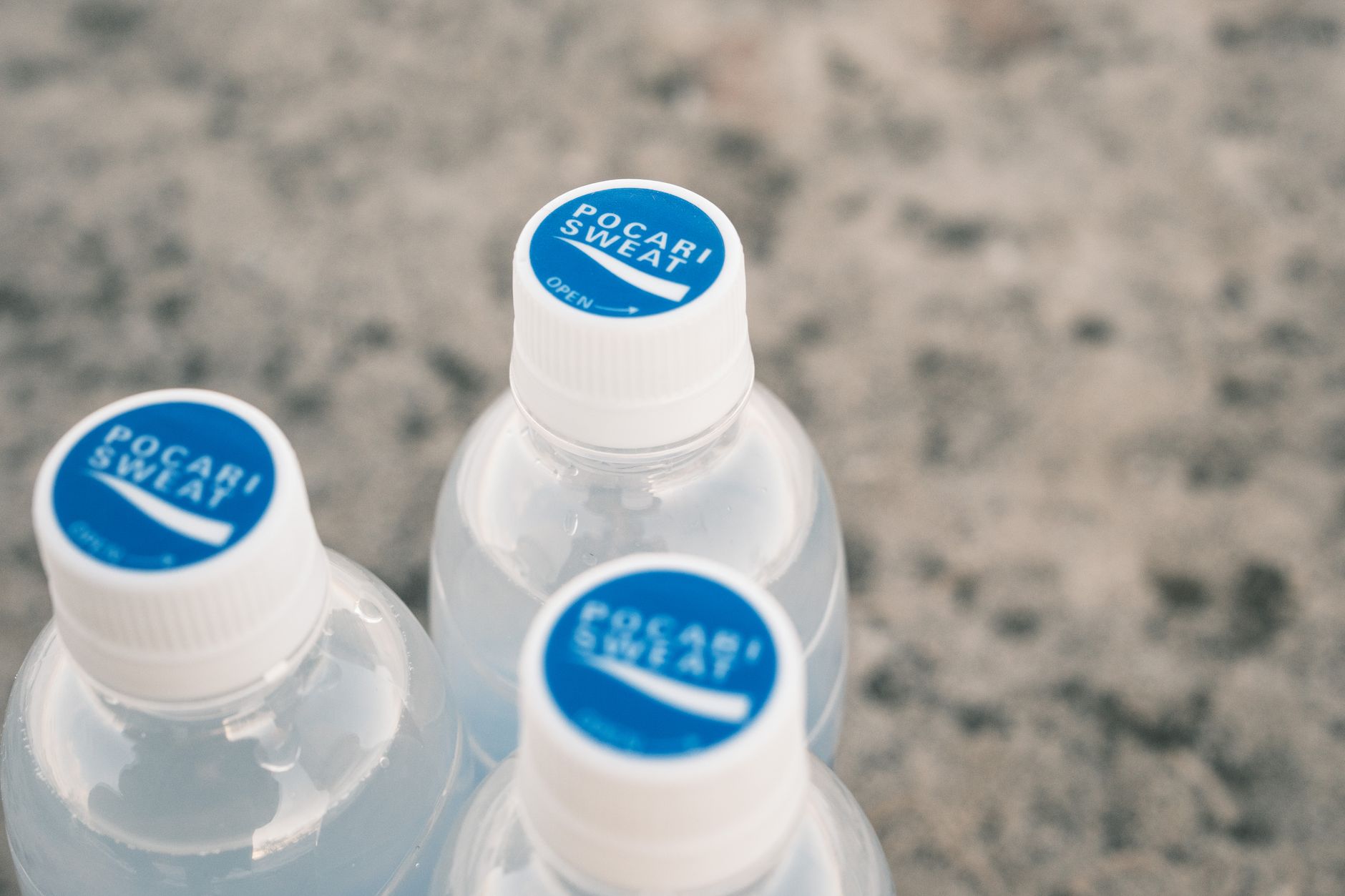
Safe: Pre workout safe for pregnancy when limited to 1‑2 servings per day, especially after the first trimester; avoid high‑caffeine or high‑beta‑alanine formulas.
By Shubhra Mishra — a mom of two who turned her own confusion during pregnancy into BumpBites, a global mission to make food choices clear, safe, and stress-free for every expecting mother. 💛
Check whether any food is safe during pregnancy with the BumpBites Food Safety Checker.
Quick verdict: ⚠️ Talk to your doctor first. Pre‑workout supplements are not automatically unsafe, but most contain caffeine or other stimulants that require a personalized safety assessment during pregnancy.
It’s completely normal to feel a flutter of anxiety when you spot a container of pre‑workout on the kitchen counter and wonder, “Is it safe for my baby?” The short answer is that you should discuss any pre‑workout use with your obstetric provider because many formulations contain ingredients that can affect fetal development or raise your blood pressure. In this article we’ll explore whether pre‑workout is safe for pregnancy, how dosage and trimester matter, what the risks are, and which gentler alternatives can keep you feeling energized while you nurture new life.
We’ll also break down the science behind common pre‑workout ingredients, summarize guidance from the American College of Obstetricians and Gynecologists (ACOG), the UK’s National Health Service (NHS), and the U.S. Food and Drug Administration (FDA), and give you a clear plan for staying active without compromising safety. If you’ve already taken a scoop before you knew you were pregnant, take a deep breath—we’ll explain what truly matters and when you should seek medical advice.
Because every pregnancy is unique, the information below is meant to help you have an informed conversation with your provider. We’ll cover the most common ingredients, how they behave in a pregnant body, and practical steps you can take to protect both you and your baby while still enjoying the benefits of a well‑designed workout routine.
Stage
Verdict
Notes
First trimester
⚠️ Caution
Limited data; caffeine >200 mg/day may increase miscarriage risk. Discuss with provider.
Second trimester
⚠️ Caution
Stimulants can raise blood pressure; monitor heart rate and fetal movements.
Third trimester
⚠️ Caution
Higher risk of uterine irritability and sleep disruption; avoid high‑dose formulas.
Breastfeeding
⚠️ Talk to doctor
Ingredients can transfer into breast milk; caffeine limit 200 mg/day recommended.
Pre‑workout supplements are marketed to boost energy, focus, and endurance before a training session. Most products combine caffeine, beta‑alanine, creatine, nitric‑oxide precursors (like L‑arginine or beetroot extract), B‑vitamins, and sometimes herbal stimulants such as guarana or yohimbine. The goal is to increase alertness, delay fatigue, and improve blood flow to muscles, allowing you to push harder or longer during a workout.
Because pregnancy changes your cardiovascular system, metabolism, and hormonal balance, the way your body processes these ingredients can differ from non‑pregnant adults. Caffeine, for example, crosses the placenta and can affect fetal heart rate. Beta‑alanine may cause tingling sensations (paresthesia) that could be confused with pregnancy‑related nerve changes. Creatine is generally considered safe, but high doses have not been studied extensively in pregnant populations. Understanding these nuances helps you decide if a pre‑workout is appropriate for you and your baby.
Is pre workout safe during first trimester?
During the first trimester, the embryo’s organs are forming—a period known as organogenesis. This is when exposure to teratogens (substances that can cause birth defects) is most concerning. Most pre‑workout formulas contain caffeine, which the FDA classifies as a “moderate” stimulant. According to ACOG, caffeine intake above 200 mg per day is linked to a slightly higher risk of miscarriage, though the evidence is not definitive.
Because many pre‑workouts deliver 150–300 mg of caffeine per scoop, a single serving can exceed the recommended limit. Additionally, other stimulants like guarana can add to the total caffeine load. The NHS advises pregnant people to keep caffeine below 200 mg per day, which includes coffee, tea, chocolate, and supplements. If you’re in the first trimester and considering a pre‑workout, the safest approach is to avoid high‑caffeine formulas or choose a caffeine‑free version, and always discuss it with your provider.
Beyond caffeine, the first trimester is also a time when many people experience heightened nausea and food aversions. Some pre‑workout blends contain bitter or acidic ingredients that can aggravate morning sickness. Choosing a milder, low‑acid formula—or better yet, a non‑stimulant alternative—can help you avoid unnecessary discomfort while still supporting your fitness goals.
Pre workout dosage for pregnant women
There is no universally “pregnancy‑approved” dosage for pre‑workout supplements because research is limited. However, if your healthcare provider clears you to use a pre‑workout, the following general guidelines align with ACOG and FDA recommendations for caffeine and other common ingredients:
Ingredient
Typical amount per scoop
Pregnancy‑compatible limit
Notes
Caffeine
150–300 mg
≤200 mg total per day
Choose a low‑caffeine or caffeine‑free formula.
Beta‑alanine
1.5–3 g
≤2 g per day
Higher doses cause tingling; limit if you notice paresthesia.
Creatine monohydrate
3–5 g
≤5 g per day
Generally regarded as safe; monitor kidney function if advised.
L‑arginine (nitric‑oxide precursor)
2–3 g
≤3 g per day
May affect blood pressure; discuss if you have hypertension.
Vitamin B12
10–25 µg
≤100 µg per day
Safe and often beneficial in pregnancy.
Even with these limits, the safest route is to start with half a scoop, assess tolerance, and never exceed the total caffeine budget set by your obstetrician. Look for reputable brands that provide transparent labeling and third‑party testing, such as Transparent Labs or NutraBio, but remember that “brand safety” does not replace professional medical advice.
If you have pre‑existing conditions like gestational hypertension, diabetes, or anxiety, your provider may recommend a stricter ceiling—sometimes as low as 100 mg of caffeine per day. In those cases, a caffeine‑free pre‑workout (or a simple electrolyte drink with a touch of natural fruit flavor) is a far safer way to sustain energy.
Best alternative to pre workout during pregnancy
If you’re looking for a clean energy boost without the uncertainty of stimulants, consider these pregnancy‑friendly alternatives. They support stamina and mood while respecting the physiological changes of pregnancy:
Prenatal yoga – gentle poses improve circulation and reduce stress.
Swimming – low‑impact cardio that cools the body and eases joint pressure.
Brisk walking – easy to adjust intensity and can be done daily.
Low‑impact aerobics – keeps heart rate moderate without excessive strain.
Pelvic tilts – strengthen core muscles that support the growing uterus.
Kegel exercises – enhance pelvic floor tone and aid postpartum recovery.
These options supply natural endorphins, improve blood flow, and avoid the potential side effects linked to synthetic stimulants. They also align with ACOG’s recommendation that pregnant people engage in at least 150 minutes of moderate‑intensity aerobic activity each week.
For a quick, caffeine‑free pick‑me‑up, try a small glass of chilled coconut water mixed with a squeeze of lime and a pinch of sea salt. The natural electrolytes can replenish what you lose through sweat, and the subtle sweetness offers a mild energy lift without any added stimulants.
Pre workout supplements safe for pregnancy
While no pre‑workout is officially labeled “pregnancy‑safe,” certain formulations are less likely to pose a risk. Look for products that are:
Caffeine‑free or contain ≤100 mg caffeine per serving.
Free of herbal stimulants such as yohimbine, synephrine, or ephedra.
Transparent about dosages of beta‑alanine, creatine, and nitric‑oxide precursors.
Third‑party tested for purity (e.g., NSF Certified for Sport).
Even with these criteria, the safest strategy is to limit use to occasional, low‑dose servings and to monitor how your body responds. If you have a history of high blood pressure, gestational diabetes, or anxiety, it’s especially important to avoid any stimulant‑heavy pre‑workout.
Some brands now market “stim‑free” versions specifically for athletes who want to avoid caffeine altogether. These often replace caffeine with modest amounts of natural amino acids like taurine, which have a much milder effect on heart rate. While still not formally studied in pregnancy, the lower stimulant profile makes them a more reasonable option pending provider approval.
Risks of taking pre workout while pregnant
Potential risks stem mainly from caffeine and other stimulants. High caffeine intake can increase heart rate, cause insomnia, and may be associated with low birth weight or miscarriage when exceeding 200 mg per day. Beta‑alanine tingling can be mistaken for pregnancy‑related nerve sensations, potentially leading to unnecessary worry.
Other ingredients such as nitric‑oxide boosters (L‑arginine, beetroot extract) can lower blood pressure, which might be problematic for those already experiencing pregnancy‑related hypotension or could mask hypertension symptoms. Creatine, while generally safe, is metabolized by the kidneys; excessive amounts could stress renal function, especially in women with pre‑existing kidney concerns.
Finally, some pre‑workout blends contain artificial sweeteners (e.g., sucralose) and high amounts of sodium, both of which warrant moderation during pregnancy to avoid excess fluid retention and potential blood pressure spikes.
Beyond the direct physiological effects, the habit of taking a supplement that feels “performance‑enhancing” can unintentionally encourage more intense workouts than your body is ready for. Overexertion in pregnancy can lead to dehydration, overheating, or joint strain—issues that are best avoided by listening to your body’s signals and opting for moderate‑intensity activities.
Pre workout and pregnancy high blood pressure
Gestational hypertension affects roughly 6–9 % of pregnancies. Stimulants that raise heart rate and constrict blood vessels can exacerbate this condition. Caffeine, in particular, can cause a temporary rise in systolic blood pressure of 3–5 mm Hg. If you have been diagnosed with high blood pressure, ACOG recommends limiting caffeine to under 100 mg per day and avoiding any supplement that contains additional vasoconstrictors.
Choosing a pre‑workout with minimal caffeine and no added vasoconstrictive herbs is essential. Even then, many obstetricians advise against any stimulant‑based supplement during a hypertensive pregnancy and suggest focusing on low‑impact, heart‑healthy activities such as the alternatives listed above.
Monitoring your blood pressure before and after workouts is a practical way to catch any concerning spikes early. If you notice a consistent rise, stop the supplement and discuss alternative energy‑supporting strategies with your provider.
Safety by trimester
First trimester
Organ formation is most vulnerable now. Limit caffeine to ≤200 mg total per day and avoid any pre‑workout that exceeds 100 mg caffeine per serving. Beta‑alanine tingling can be misinterpreted as early pregnancy nerve changes, so start with a half‑dose if you choose to use it. Monitor for any unusual heart palpitations or increased uterine cramping.
Second trimester
Fetal growth accelerates, and maternal blood volume expands. Stimulants may cause uncomfortable spikes in heart rate and blood pressure. If you have no hypertension, a low‑caffeine pre‑workout (≤100 mg) taken once a week is unlikely to harm, but keep total daily caffeine under 200 mg. Stay well‑hydrated and watch for signs of dehydration, such as dark urine or dizziness.
Third trimester
The uterus is now large, and excessive stimulation could lead to uterine irritability or interfere with sleep. High‑caffeine formulas are best avoided. Low‑intensity workouts, such as the alternatives mentioned, are preferable. If you do use a pre‑workout, keep the dose to half a scoop and ensure you’re not exceeding the caffeine ceiling.
Breastfeeding
Caffeine passes into breast milk and can affect your baby’s sleep patterns. The CDC advises keeping caffeine intake below 200 mg per day while nursing. Therefore, any pre‑workout containing caffeine should be limited to a low‑dose, caffeine‑free version, and you should watch your infant for signs of irritability.
Pre workout and gestational diabetes
Women who develop gestational diabetes need to manage blood sugar tightly. Some pre‑workout blends contain sugary additives or high‑glycemic sweeteners that could spike glucose levels. Even sugar‑free versions sometimes include carbohydrate‑based amino acids that may affect blood sugar modestly. Discuss any carbohydrate content with your diabetes educator, and consider a stimulant‑free electrolyte drink instead.
Pre workout and sleep quality
Sleep disturbances are common in the third trimester, and caffeine can exacerbate insomnia. A pre‑workout taken later in the day may linger in your system for up to six hours, making it harder to fall asleep. If you experience trouble sleeping, switch to a morning‑only routine or choose a caffeine‑free formula that relies on natural amino acids rather than stimulants.
Gentle prenatal yoga can replace the need for a stimulant‑filled pre‑workout.
Safe dosage / amount / brands
Because pre‑workout formulas vary widely, the safest approach is to compare ingredient panels and choose the most conservative option. Below is a quick reference for commonly encountered ingredients and the dosage most obstetricians consider acceptable during pregnancy:
Ingredient
Typical serving amount
Pregnancy‑compatible limit
Suggested brand (if applicable)
Caffeine
150–300 mg
≤200 mg total per day
Low‑caffeine options: Transparent Labs Stim-Free
Beta‑alanine
1.5–3 g
≤2 g per day
Half‑scoop of NutraBio Pre‑Workout Extreme
Creatine
3–5 g
≤5 g per day
Optimum Nutrition Micronized Creatine
L‑arginine
2–3 g
≤3 g per day
Low‑dose formula: NOW Foods L‑Arginine
Vitamin B12
10–25 µg
≤100 µg per day
Any prenatal vitamin containing B12
Always read the label, calculate your total caffeine from coffee, tea, chocolate, and any supplement, and discuss the plan with your provider. Brands that undergo third‑party testing (e.g., NSF, Informed‑Sport) provide an extra layer of confidence, but they do not guarantee safety for pregnancy.
Choosing natural hydration like coconut water can support energy without added stimulants.
Side effects and risks
Common but non‑dangerous: Tingling (paresthesia) from beta‑alanine, mild jitteriness, or an upset stomach. These usually subside within an hour and can be mitigated by reducing the dose.
Potentially concerning: Persistent heart palpitations, elevated blood pressure (>140/90 mm Hg), severe insomnia, or sudden weight loss. If you notice any of these, stop the supplement and contact your obstetrician promptly.
Rare but serious: Allergic reactions to specific ingredients (e.g., soy, dairy, or herbal extracts) can cause swelling, hives, or breathing difficulty. Seek emergency care if you develop these symptoms.
Safer alternatives
Prenatal yoga – promotes flexibility and reduces stress without stimulants.
Swimming – provides full‑body resistance while keeping you cool.
Brisk walking – simple, adjustable intensity that supports cardiovascular health.
Low‑impact aerobics – maintains aerobic fitness without excessive joint strain.
Pelvic tilts – strengthen core muscles essential for labor preparation.
Kegel exercises – improve pelvic floor tone and aid postpartum recovery.
Warm lemon water with a pinch of sea salt – a natural electrolyte boost that can perk you up.
Fresh fruit smoothies with spinach and a scoop of protein powder – deliver steady energy without caffeine.
Related items — safety at a glance
Item
Verdict
One‑line note
Protein powder
✅ Generally safe
Choose whey isolate or plant‑based without added caffeine.
Energy drinks
❌ Best avoided
Often contain >200 mg caffeine plus sugar.
Weight loss supplements
❌ Best avoided
Many include stimulants or appetite suppressants not studied in pregnancy.
Caffeine
⚠️ Safe with limits
Keep total intake ≤200 mg per day.
Green tea
⚠️ Safe with limits
Contains ~30 mg caffeine per cup; watch total.
Coconut water
✅ Generally safe
Natural electrolytes, no caffeine.
Electrolyte drinks
✅ Generally safe
Choose sugar‑free, low‑sodium options.
Energy bars
✅ Generally safe
Pick bars low in added sugars and free of caffeine.
Electrolyte tablets
✅ Generally safe
Provide minerals without stimulants; watch sodium content.
Myth vs. fact
Myth: All pre‑workout supplements are safe because they’re sold over the counter. Fact: Over‑the‑counter does not equal pregnancy‑safe; many contain stimulants that exceed recommended caffeine limits for pregnant people.
Myth: If a pre‑workout is labeled “natural,” it’s automatically safe. Fact: “Natural” only describes source, not safety. Herbal stimulants like guarana or yohimbine can still affect blood pressure and fetal development.
Myth: A single scoop early in pregnancy won’t matter. Fact: While occasional low‑dose exposure is unlikely to cause harm, consistent high‑caffeine use can increase risk, so it’s best to err on the side of caution and discuss any use with your provider.
Myth: You can offset caffeine with extra water. Fact: Hydration helps with overall health but does not neutralize caffeine’s stimulant effects on the heart or placenta.
Key takeaways
Talk to your obstetrician before using any pre‑workout supplement.
Keep total caffeine under 200 mg per day; many pre‑workouts exceed this amount.
If you choose a pre‑workout, opt for caffeine‑free or low‑caffeine formulas and start with half a scoop.
Monitor blood pressure, heart rate, and any tingling sensations; stop and seek care if symptoms persist.
Consider safer, stimulant‑free alternatives like prenatal yoga, swimming, or brisk walking.
Stay hydrated with natural drinks such as coconut water or electrolyte beverages.
Always calculate total stimulant intake from all sources—not just supplements.
Frequently asked questions
can I take pre workout while breastfeeding
Yes, but only if the product is caffeine‑free or contains ≤100 mg caffeine per serving, and you stay within the CDC’s recommendation of 200 mg caffeine per day while nursing.
how much caffeine is safe during pregnancy
The consensus from ACOG and the NHS is that up to 200 mg of caffeine per day is considered safe for most pregnant people.
what are the benefits of exercise during pregnancy
Regular moderate exercise improves cardiovascular health, reduces gestational diabetes risk, eases back pain, and can lead to shorter labor and faster postpartum recovery.
can i do high intensity interval training while pregnant
Yes, if you’ve been cleared by your provider and keep intensity moderate; HIIT sessions should be shortened, with adequate rest, and avoid exercises that involve lying flat on your back after the first trimester.
what are the risks of not exercising during pregnancy
Insufficient activity can increase the risk of excessive weight gain, gestational diabetes, preeclampsia, and mood disorders such as prenatal depression.
how does pregnancy affect my workout routine
Hormonal changes increase ligament laxity, reduce heat tolerance, and shift your center of gravity, so you may need to modify intensity, avoid supine positions after the first trimester, and prioritize hydration.
can i start a new exercise routine while pregnant
Starting a gentle routine is generally safe, but you should begin with low‑impact activities, get clearance from your obstetrician, and progress slowly to avoid injury.
what are the best exercises for pregnant women
Prenatal yoga, swimming, brisk walking, low‑impact aerobics, pelvic tilts, and Kegel exercises are all recommended by ACOG for maintaining fitness safely throughout pregnancy.
what should I do if I accidentally took a high‑caffeine pre‑workout before knowing I was pregnant
Take a deep breath and assess how you feel; most occasional high‑caffeine exposures are unlikely to cause lasting harm, but monitor for rapid heartbeat, jitteriness, or insomnia and contact your provider if any symptoms persist.
are there natural foods that can give me a pre‑workout boost safely?
Yes—foods like a banana with a spoonful of almond butter, a handful of walnuts, or a small bowl of oatmeal with berries provide steady carbs and healthy fats that can sustain energy without added stimulants.
When to call your doctor
If you experience any of the following after taking a pre‑workout, contact your obstetric provider right away:
Persistent heart palpitations or racing heart ( >120 bpm at rest )
Sudden increase in blood pressure ( >140/90 mm Hg )
Severe headache, vision changes, or swelling of hands/face
Continuous tingling or numbness that does not resolve within an hour
Unusual uterine cramping or bleeding
Signs of allergic reaction: hives, swelling, difficulty breathing
These symptoms may indicate that a stimulant is affecting you or your baby, and prompt medical evaluation is essential. Remember, this article provides general information and does not replace personalized medical advice.
References
American College of Obstetricians and Gynecologists. “Committee Opinion No. 804: Nutrition During Pregnancy.” 2023.
National Health Service (NHS). “Caffeine in Pregnancy.” Updated 2022.
U.S. Food and Drug Administration (FDA). “Dietary Supplement Health and Education Act (DSHEA).” 2021.
Centers for Disease Control and Prevention (CDC). “Guidelines for Caffeine Consumption During Pregnancy.” 2022.
World Health Organization (WHO). “Physical Activity and Pregnancy.” 2020.
Mayo Clinic. “Prenatal yoga: Benefits and safety.” Accessed July 2024.
National Institute for Health and Care Excellence (NICE). “Antenatal care for uncomplicated pregnancies.” 2021.
Not sure about the label on Is Pre Workout Safe During Pregnancy products?
Snap the ingredients list and SafeFilter checks every ingredient for your stage — only 3 free scans this month, then you're locked until reset. Unlimited from $7/mo or $50/yr.
When Shubhra Mishra was expecting her first child in 2016, she was overwhelmed by conflicting food advice — one site said yes, another said never. By the time her second baby arrived in 2019, she realized millions of mothers face the same confusion.
That sparked a five-year journey through clinical nutrition papers, cultural diets, and expert conversations — all leading to BumpBites: a calm, compassionate space where science meets everyday motherhood.
Her long-term vision is to build a global community ensuring safe, supported, and free deliveriesfor every mother — because no woman should face pregnancy alone or uninformed. 🌿
🌍 Stand with mothers, shape safer guidance
Join a small circle of experts who review BumpBites articles so expecting parents everywhere can decide with confidence.