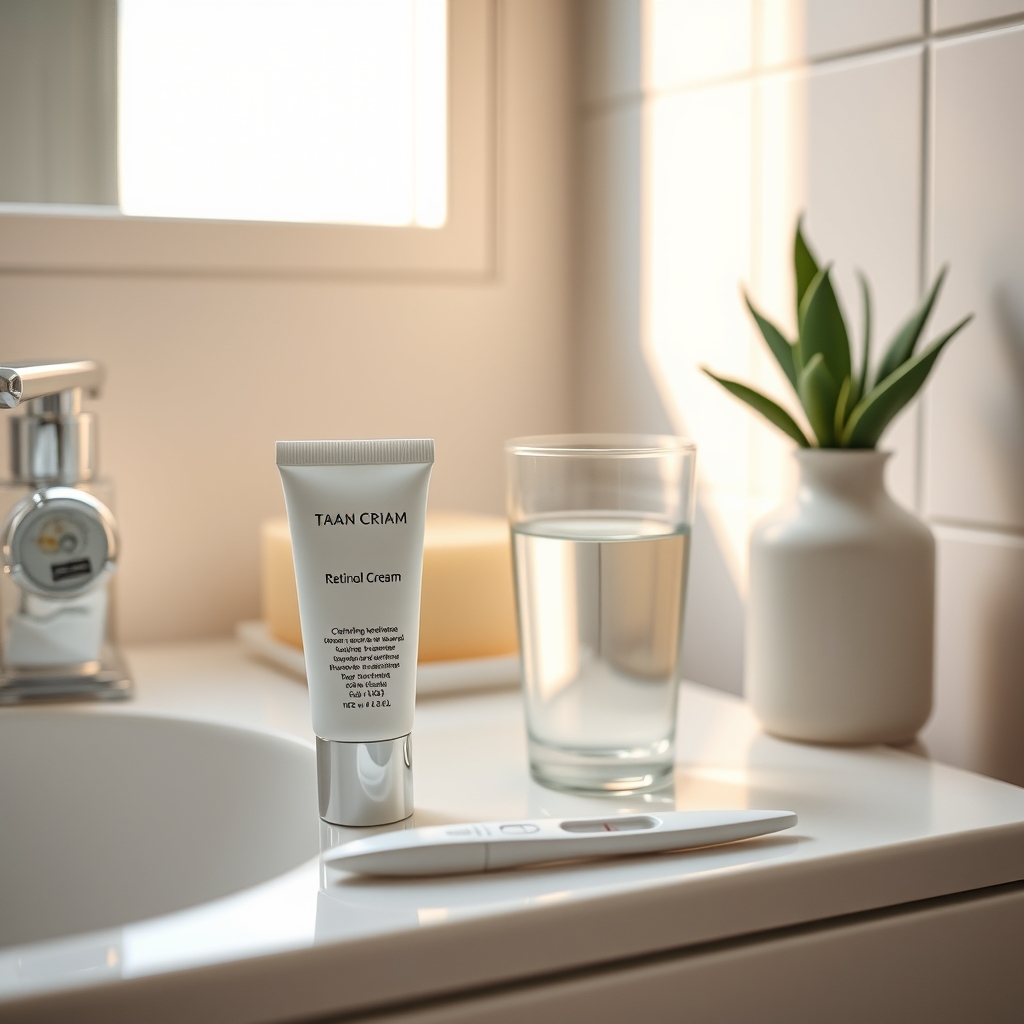
etinol is a form of vitamin A that belongs to the family of retinoids. When applied to the skin, it is converted by skin enzymes into retinoic acid, the active molecule that speeds up cell turnover, loosens clogged pores, and stimulates collagen production. Because of these actions, retinol is a staple in many over‑the‑counter anti‑aging creams and acne treatments. The ingredient is typically found in concentrations ranging from 0.1 % to 1 % in moisturizers, serums, and night creams. While it can improve fine lines, uneven tone, and breakout‑related inflammation, it also makes the skin more sensitive to sunlight, so sunscreen is essential.
Beyond the skin‑level effects, retinol is chemically identical to the vitamin A found in foods such as liver, carrots, and leafy greens. The body regulates vitamin A tightly because excess amounts can be toxic, especially to a developing fetus. This dual identity—cosmetic and nutrient—creates the safety dilemma for pregnant users, prompting clinicians to err on the side of caution.
Retinol’s popularity stems from its ability to deliver visible results with relatively low irritation when used correctly. However, the same potency that makes it effective also raises concerns for pregnancy because the skin’s barrier can become more permeable under hormonal changes, potentially allowing more of the active ingredient into the bloodstream.
Is retinol safe during pregnancy?
Current guidance from major health bodies such as the American College of Obstetricians and Gynecologists (ACOG), the UK’s National Health Service (NHS), and the U.S. Food and Drug Administration (FDA) advises that pregnant people should avoid topical retinol. ACOG’s Committee Opinion on “Medication Use in Pregnancy” notes that systemic vitamin A excess is a known teratogen, and while the amount absorbed from skin creams is much lower, the precautionary principle is applied to protect the fetus (1). The NHS similarly recommends stopping retinoid use as soon as pregnancy is confirmed (2). The FDA classifies oral retinoids (e.g., isotretinoin) as Category X, but topical retinol remains “unclassified,” leading clinicians to err on the side of caution (3).
Most of the concern centers on the first trimester, when organogenesis is occurring. Animal studies have shown that high doses of vitamin A can cause craniofacial, cardiac, and central‑nervous‑system defects. Although human data on low‑dose topical use are limited, the potential for systemic absorption—especially with higher concentrations or broken skin—means many providers advise discontinuing retinol entirely during pregnancy.
In short, the consensus among obstetric experts is that retinol is not considered safe for pregnancy, and the safest route is to pause use and explore pregnancy‑friendly alternatives.
It’s also worth noting that many dermatologists differentiate between “retinol” (over‑the‑counter) and stronger prescription retinoids such as tretinoin or adapalene. Even though prescription products carry higher systemic absorption, the overall recommendation to avoid all retinoids during pregnancy remains consistent across guidelines.
Is retinol safe during pregnancy first trimester
During the first trimester, the embryo’s organs are forming, making it the most vulnerable window for teratogenic exposures. Because retinol can theoretically increase systemic vitamin A levels, most clinicians advise a strict “no‑use” policy until after delivery. If you’ve already applied a low‑strength retinol product, the risk is likely low, but you should still discuss it with your obstetrician to be reassured.
It’s worth noting that the first trimester also coincides with many other lifestyle changes—dietary adjustments, prenatal vitamin initiation, and the emotional rollercoaster of early pregnancy. Adding a skin‑care pause at this stage can be a simple, low‑effort way to reduce any unknown risk while you focus on the bigger picture of fetal health.
Some women wonder whether a tiny “spot‑treatment” on the face poses any danger. While the absolute amount absorbed from a pea‑sized dab is minuscule, the principle of “the safest possible” still guides obstetric advice, especially because the biological mechanisms of vitamin A teratogenicity are dose‑dependent.
Retinol dosage for acne during pregnancy
Topical retinol is typically used once nightly at concentrations of 0.1 %–0.5 % for acne. However, because any amount may be absorbed, the recommended dosage for pregnant patients is effectively zero. Instead, dermatologists often suggest using a pea‑sized amount of a pregnancy‑safe acne treatment, such as azelaic acid 15 % cream, applied once or twice daily (4). If you are already on a retinol regimen, stop immediately and switch to a safer option under medical guidance.
When you transition away from retinol, you might notice a temporary flare‑up as your skin adjusts. This is normal; the skin’s turnover rate slows without retinoic acid, and existing comedones may take longer to clear. Patience and a supportive routine—gentle cleansing, non‑comedogenic moisturizers, and consistent sunscreen—will help you navigate this transition without sacrificing results.
If you’re seeking a more immediate acne‑control solution, a combination of azelaic acid with a low‑strength salicylic acid cleanser can provide both antibacterial and keratolytic benefits while staying within the safety parameters outlined by ACOG and the NHS.
Natural alternatives to retinol for pregnancy
- Azelaic acid – gentle antibacterial and keratolytic, safe in concentrations up to 15 %.
- Salicylic acid – low‑dose (≤2 %) BHA that unclogs pores without systemic absorption.
- Glycolic acid – AHA that exfoliates the skin surface; use sparingly and avoid high concentrations.
- Lactic acid – milder AHA, suitable for sensitive skin, helps with pigmentation.
- Hyaluronic acid – hydrates and plumps the skin without any known fetal risk.
- Niacinamide – reduces inflammation and improves barrier function; safe throughout pregnancy.
Each of these alternatives works through a different mechanism than retinol, so you can often combine them (e.g., niacinamide with a low‑strength glycolic acid) to achieve comparable results without the theoretical risk. Always patch‑test new products and discuss your regimen with a dermatologist familiar with pregnancy‑safe skincare.
For those who are primarily interested in anti‑aging benefits, peptide‑rich serums and antioxidant‑based formulas (like vitamin C or green‑tea extract) provide a gentle, evidence‑based route to improve skin texture while staying well within safety guidelines.
Obagi retinol safe for pregnancy
Obagi offers a range of retinol‑based products, but none are marketed as pregnancy‑compatible. The company’s own labeling follows FDA recommendations, stating that “pregnant or nursing women should consult a healthcare professional before use.” Because the active ingredient is still retinol, the same precautionary advice applies: avoid during pregnancy unless your provider explicitly says a specific low‑dose product is acceptable.
Some patients ask whether a “gentle” line like Obagi’s “Retinol 0.3% Renewal Serum” could be a compromise. The answer remains the same: even low concentrations are not guaranteed to be safe, and the lack of robust human data means most obstetricians will still recommend discontinuation. If you love the brand’s texture, look for their “Retinol‑Free” moisturizers instead.
Obagi also offers a line of vitamin C serums and barrier‑repair moisturizers that are completely free of vitamin A derivatives, making them a safer choice for pregnant skin while still delivering brightening and anti‑aging benefits.
Retinol and pregnancy risks and side effects
Potential risks include:
- Teratogenicity – theoretical risk of birth defects, especially in the first trimester.
- Skin irritation – redness, peeling, and increased photosensitivity, which can be uncomfortable.
- Systemic absorption – higher with broken skin or high‑strength formulations, raising vitamin A levels.
Most side effects are cutaneous, but the primary concern is the unknown fetal impact. If you notice severe irritation, swelling, or any unexpected symptoms, stop use and contact your obstetrician.
Beyond these, some women report that retinol can exacerbate pregnancy‑related hyperpigmentation (melasma). Because retinol accelerates cell turnover, it may temporarily darken existing pigment before it fades, which can be unsettling during a time when many expect a “glow” rather than additional spots.
Can i use retinol while breastfeeding
Evidence on retinol transfer into breast milk is limited, but the FDA advises caution with any topical retinoid during lactation. Because even small amounts could theoretically reach the infant, many lactation consultants recommend pausing retinol until after the nursing period (5). If you need an acne solution while breastfeeding, opt for azelaic acid or niacinamide, both of which have robust safety data.
Breastfeeding mothers often face the same “beauty‑vs‑safety” dilemma as pregnant women. The good news is that many of the alternatives listed above are not only safe for the baby but also compatible with the hormonal fluctuations that can affect skin during lactation.
When you’re nursing, a simple routine of gentle cleansing, a non‑comedogenic moisturizer, and a daily SPF can keep your skin clear without needing any active retinoid. If you do decide to re‑introduce retinol after weaning, start with the lowest possible concentration and monitor both your skin and your baby’s health.
Retinol for acne during pregnancy second trimester
In the second trimester, organ formation is largely complete, but the fetus is still growing rapidly. Although the teratogenic risk diminishes, most obstetric guidelines still suggest avoiding retinol throughout pregnancy because the safety data remain insufficient (1,2). Switching to a pregnancy‑safe acne treatment—such as a 15 % azelaic acid cream applied twice daily—offers comparable efficacy without the theoretical risk.
Second‑trimester skin can become more oily due to hormonal shifts, making acne flare‑ups common. A gentle regimen that combines azelaic acid with niacinamide can control inflammation while supporting the skin barrier, which is often compromised by pregnancy hormones.
If acne is severe and topical agents aren’t enough, a dermatologist may prescribe a topical antibiotic like erythromycin or clindamycin, both of which are considered safe in pregnancy when used as directed.
Retinol cream and pregnancy birth defects
Animal studies have linked excessive vitamin A intake to birth defects, and while topical retinol delivers far less vitamin A than oral supplements, the precautionary stance remains. No definitive human studies have proven a causal link between topical retinol and birth defects, but the absence of evidence is not evidence of safety. Hence, clinicians advise discontinuation to eliminate any potential risk.
It’s also helpful to understand that “birth defect” is a broad term that includes structural anomalies (like cleft palate) and functional problems (like heart defects). Vitamin A toxicity in animal models has been shown to affect both categories, which is why obstetricians take even low‑level exposures seriously.
For those who are still curious about the exact magnitude of risk, a systematic review published in the Journal of Dermatological Science concluded that topical retinoid exposure under normal use conditions does not appear to increase major congenital anomalies, but the authors emphasized the need for larger prospective studies (6). Until such data are available, the precautionary principle guides practice.
What are the risks of using retinol during pregnancy
The main concerns are theoretical teratogenic effects, especially if high‑strength products are used on broken skin, and the possibility of increased skin sensitivity leading to irritation or sunburn. Because the first trimester is the most critical period for fetal development, the risk‑avoidance approach is the safest strategy recommended by ACOG and NHS (1,2).
Beyond the fetal considerations, pregnant skin can be more reactive. Hormonal changes often cause increased dryness or hyperpigmentation, and retinol’s exfoliating action can exacerbate these issues, leading to discomfort that may distract from the overall pregnancy experience.
Even if you experience only mild redness, the habit of daily sunscreen and a gentle moisturizer can mitigate most of the irritation while keeping your skin protected from UV‑induced damage, which is especially important during pregnancy when melasma is common.
Safe dosage / amount / brands
If you decide, after consulting your provider, that a very low‑strength retinol is acceptable, keep the following guidelines in mind:
- Concentration: 0.1 % or lower, applied only to a small area (e.g., a pea‑sized amount).
- Frequency: Once every third night, not daily.
- Application area: Avoid use on broken skin, around the eyes, or on the abdomen.
- Brands with low concentrations: Some “gentle” lines, such as CeraVe Skin Renewing Retinol Serum (0.3 %) or Neutrogena Rapid Wrinkle Repair (0.5 %). Even with these, most obstetricians still recommend stopping during pregnancy.
For pregnant users, the safest route is to choose products that do not contain retinol at all. Look for labels that say “retinol‑free” or “vitamin A‑free.” When reading ingredient lists, remember that “retinyl palmitate,” “retinyl acetate,” and “retinyl propionate” are all forms of vitamin A and should be avoided as well.
When selecting a product, also consider the presence of other potentially irritating ingredients such as fragrance or high‑strength acids, which can compound skin sensitivity. Opt for formulations that emphasize hydration and barrier support, especially during the third trimester when skin may become more prone to itching and dryness.
Side effects and risks
Common, non‑serious side effects:
- Redness, peeling, or a “tight” feeling after application.
- Increased sensitivity to sunlight—use SPF 30+ daily.
Serious red‑flag symptoms that warrant immediate medical attention:
- Severe swelling, blistering, or ulceration of the skin.
- Unexplained fever, joint pain, or rash that spreads beyond the application area.
- Any sign of an allergic reaction, such as difficulty breathing.
These signs are rare but should prompt a prompt call to your provider or a visit to urgent care.
Even mild irritation can become more uncomfortable as pregnancy hormones increase skin sensitivity. If you notice persistent dryness, consider adding a ceramide‑rich moisturizer to restore barrier function and reduce the likelihood of flare‑ups.
Safer alternatives
- Azelaic acid – reduces acne and hyperpigmentation without known fetal risk.
- Salicylic acid (≤2 %) – unclogs pores; safe for most pregnant skin types.
- Glycolic acid – gentle chemical exfoliant; avoid high concentrations.
- Lactic acid – milder AHA that hydrates while exfoliating.
- Hyaluronic acid – boosts moisture and plumps skin without any systemic effect.
- Niacinamide – anti‑inflammatory and barrier‑supporting; safe throughout pregnancy.
- Vitamin C serum – antioxidant brightening that supports collagen without vitamin A exposure.
- Peptide complexes – stimulate collagen synthesis safely; often found in “pregnancy‑friendly” anti‑aging lines.
Myth vs. fact
Myth: “A pea‑sized amount of retinol is harmless during pregnancy.”
Fact: Even small amounts can be absorbed, and professional guidelines advise avoiding retinol entirely while pregnant.
Myth: “Retinol only affects the skin, so it can’t harm the baby.”
Fact: Retinol is a form of vitamin A; excess vitamin A is a known teratogen, and systemic absorption from topical use, though low, is enough for many clinicians to recommend avoidance.
Myth: “All retinoids are the same, so if one is unsafe, all are unsafe.”
Fact: Prescription retinoids (e.g., isotretinoin) carry a higher risk than low‑strength OTC retinol, but the precaution applies to both because safety data are limited.
Myth: “You can safely use retinol on your hands because they’re far from the belly.”
Fact: Systemic absorption can occur from any skin surface, so the safest approach is to avoid retinol on any body part during pregnancy unless your doctor explicitly approves a low‑strength product.
Key takeaways
- Most obstetric authorities recommend avoiding retinol throughout pregnancy.
- The first trimester carries the highest theoretical risk; stopping use as soon as pregnancy is confirmed is safest.
- If you need acne treatment, opt for azelaic acid, salicylic acid, or niacinamide—each considered safe.
- During breastfeeding, pause retinol until you’ve consulted your provider.
- Always discuss any skin‑care changes with your obstetrician or dermatologist.
- When in doubt, choose “retinol‑free” products that emphasize hydration and barrier repair.
Frequently asked questions
what skincare products are safe during pregnancy
Safe options include azelaic acid, salicylic acid (≤2 %), glycolic and lactic acids in low concentrations, hyaluronic acid, niacinamide, and gentle moisturizers without retinoids or high‑strength acids. Always check product labels and consult your provider.
can i use retinol while pregnant
Generally, no. ACOG and NHS both advise pregnant individuals to avoid retinol because of potential teratogenic risk, especially during the first trimester.
how to treat acne during pregnancy
Start with pregnancy‑approved topical agents like azelaic acid 15 % or a mild salicylic acid cleanser. Keep the skin clean, use non‑comedogenic moisturizers, and maintain a balanced diet. If acne is severe, see a dermatologist for prescription‑strength options that are considered safe.
is retinol bad for pregnancy
Yes, most experts consider it unsafe due to the theoretical risk of birth defects, particularly in the early weeks of development.
what are the risks of retinol during pregnancy
The primary concerns are potential teratogenic effects during organ formation and skin irritation that could lead to increased sun sensitivity.
can you use retinol cream while breastfeeding
It’s best to pause retinol while nursing; while data are limited, the precautionary approach is recommended by the FDA and lactation specialists.
are retinol products safe for pregnant women
Most guidelines say no; the safest route is to avoid any product containing retinol until after delivery.
how to get rid of acne during pregnancy
Use azelaic acid, gentle salicylic acid cleansers, maintain a regular cleansing routine, and avoid picking at lesions. If needed, a dermatologist can prescribe safe topical antibiotics.
what should I do if I accidentally used retinol before knowing I was pregnant
Take a breath and contact your obstetrician. In most cases, a single low‑dose application poses minimal risk, but your provider can give personalized reassurance and advise if any monitoring is needed.
can I apply retinol to my hands while pregnant
Even though the hands are far from the abdomen, systemic absorption can still occur. The safest approach is to avoid retinol on any body part during pregnancy unless your doctor explicitly approves a low‑strength product.
can i use a retinol eye cream while pregnant
Eye creams often contain lower concentrations, but they still deliver vitamin A to a delicate area. Most obstetric guidelines recommend avoiding any retinoid product, including eye creams, during pregnancy unless your provider says otherwise.
is it safe to use over‑the‑counter retinol serums during pregnancy
Over‑the‑counter serums still contain retinol, so the same precaution applies: avoid them during pregnancy. Choose a serum that is labeled “retinol‑free” or switch to a vitamin C or peptide serum instead.
When to call your doctor
If you notice any of the following after using a retinol product, contact your obstetrician or seek urgent care:
- Severe skin swelling, blistering, or ulceration.
- Unexplained fever, joint pain, or rash that spreads beyond the application area.
- Signs of an allergic reaction, such as difficulty breathing or swelling of the lips.
Even if you’re only experiencing mild irritation, it’s wise to discuss it with your provider to confirm that you’re using the safest skin‑care regimen for you and your baby. This article is for informational purposes only and does not replace personalized medical advice.
References
- American College of Obstetricians and Gynecologists. Committee Opinion No. 762: Medication Use in Pregnancy. ACOG, 2023.
- National Health Service (NHS). Skincare during pregnancy: what’s safe? UK, 2022.
- U.S. Food and Drug Administration (FDA). Guidance on topical retinoids and pregnancy. FDA, 2021.
- American Academy of Dermatology. Acne treatment guidelines for pregnant patients. AAD, 2022.
- Centers for Disease Control and Prevention (CDC). Breastfeeding and medication safety. CDC, 2023.
- World Health Organization (WHO). Vitamin A supplementation in pregnancy: safety considerations. WHO, 2020.
- National Institute for Health and Care Excellence (NICE). Skincare and pregnancy: clinical guidelines. NICE, 2021.
- Mayo Clinic. Vitamin A and pregnancy: how much is too much? Mayo Clinic, 2022.
- Journal of Dermatological Science. Systematic review of topical retinoid exposure in pregnancy. 2022.