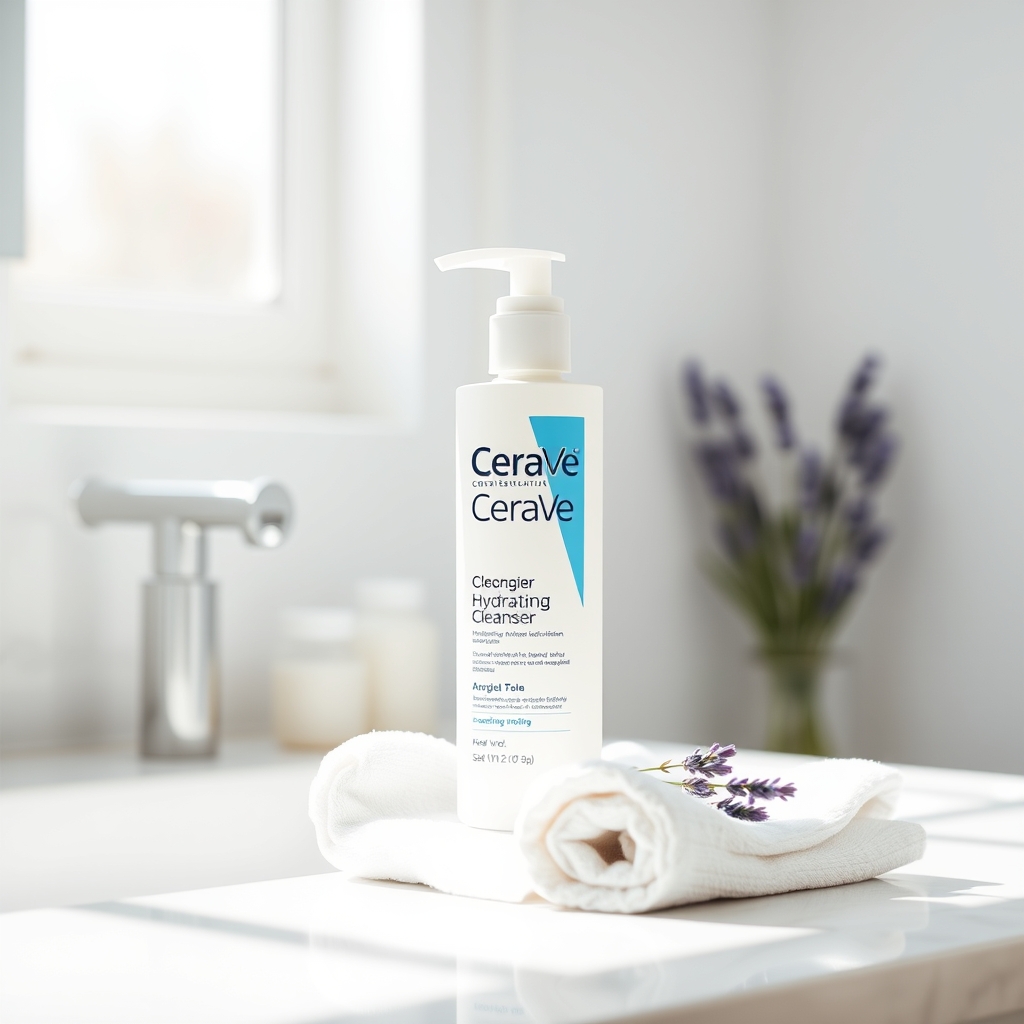
Safe in moderation. Most face washes are pregnancy-safe, but avoid salicylic acid over 2% and retinoids. Check ingredients by trimester for skin safety.
By Shubhra Mishra — a mom of two who turned her own confusion during pregnancy into BumpBites, a global mission to make food choices clear, safe, and stress-free for every expecting mother. 💛
Check whether any food is safe during pregnancy with the BumpBites Food Safety Checker.
Quick verdict: ⚠️ Talk to your doctor first. Face wash can be used during pregnancy, but you should avoid certain active ingredients and choose products that are confirmed safe for you and your baby.
It’s 2 a.m., the bathroom light is on, and you’ve just reached for your favorite foaming cleanser. A quick Google search—“is face wash safe for pregnancy?”—sends a wave of anxiety through you. You’re not alone; many expectant parents lie awake wondering if the ingredients in their daily cleanser could affect the developing baby.
In short, most basic face washes are fine, but the safety of a product hinges on its ingredients, how often you use it, and any underlying skin conditions. Below we break down the evidence, trimester‑specific guidance, safe amounts, and pregnancy‑approved alternatives, so you can wash away the worry and keep your skin healthy.
We’ll also cover what to do if you’ve already used a product that might be risky, how to spot red‑flag reactions, and which gentle options can become staples in your prenatal skincare routine.
Tip: Choose a fragrance‑free cleanser and keep your nighttime routine simple to reduce skin irritation.
Most mild cleansers are fine; still avoid known teratogenic ingredients.
Third trimester
✅ Generally safe
Same guidance as second trimester; focus on moisturising if skin becomes dry.
Breastfeeding
✅ Safe
Topical exposure is minimal; stick with the same safe ingredients.
What is face wash?
A face wash is a cleansing product designed to remove oil, dirt, makeup, and environmental pollutants from the skin’s surface. It can come in liquid, gel, foam, or cream form and typically contains surfactants—molecules like sodium laureth sulfate that lower surface tension so water can lift away grime. Many formulas also add humectants (glycerin, hyaluronic acid) to keep skin hydrated, emulsifiers to blend oil‑based makeup, and optional actives such as mild exfoliants or soothing botanicals.
Because a face wash is a rinse‑off product, it is meant to sit on the skin for only a short period before being washed away with water. This limited contact time generally means very little of the ingredients enter the bloodstream. However, some actives—especially those that can be absorbed through the skin or that have systemic effects—are still a concern for pregnant users. Understanding which ingredients are safe and which are best avoided helps you maintain a clear complexion without compromising fetal health.
Beyond the basic chemistry, modern cleansers often incorporate pH‑balancing agents that keep the skin’s natural acidity (around 5.5) intact. Maintaining this balance is especially important during pregnancy, when hormonal shifts can make the skin more prone to dryness, redness, or breakouts. Choosing a cleanser that respects the skin’s barrier while gently removing impurities is the cornerstone of a pregnancy‑friendly routine.
Is face wash safe during pregnancy?
C
urrent guidance from reputable bodies such as the American College of Obstetricians and Gynecologists (ACOG), the UK’s National Health Service (NHS), and the U.S. Food and Drug Administration (FDA) suggests that most mild, fragrance‑free face washes are safe for pregnant people. The key is to avoid ingredients that have known teratogenic potential or that can cause hormonal disruption. Retinoids (including retinol and its derivatives), high‑concentration salicylic acid (typically >2 %), and benzoyl peroxide are flagged by ACOG as potentially risky because they can be absorbed through the skin and have been associated with birth‑defect concerns in animal studies.
Phthalates—chemicals often hidden in “fragrance” blends—are another class of substances that many obstetric guidelines advise limiting during pregnancy. While the systemic absorption from a rinse‑off cleanser is low, the precautionary principle still applies, especially during the first trimester when organogenesis (the formation of major organs) is occurring.
Studies specifically examining topical exposure to these ingredients during pregnancy are limited, but the consensus among dermatologists and obstetricians is that the risk from a gentle, rinse‑off product is negligible. The NHS even lists “gentle cleansers” as a safe component of a pregnancy‑friendly skincare routine. If a product contains only mild surfactants, glycerin, hyaluronic acid, or low‑dose vitamin C, the risk is considered minimal.
When in doubt, choose products that are labeled “pregnancy‑tested,” “fragrance‑free,” or “non‑comedogenic,” and always read the ingredient list. If you have a pre‑existing skin condition such as eczema or acne, discuss your routine with your provider, who can tailor recommendations to your specific needs. The American Academy of Dermatology (AAD) also notes that most over‑the‑counter cleansers pose no significant fetal risk when used as directed, reinforcing the idea that the safest approach is to keep formulations simple and well‑tolerated.
First trimester
The first three months are the most sensitive period for fetal development. During this stage, it’s wise to steer clear of face washes that contain retinoids (e.g., retinol, retinaldehyde), high‑strength salicylic acid, benzoyl peroxide, and any product with undisclosed fragrance that may hide phthalates. Opt for a mild, sulfate‑free cleanser with a neutral pH (around 5.5–6.5) to maintain the skin’s barrier without introducing potentially harmful chemicals.
Because hormonal fluctuations can make skin more reactive, many obstetricians recommend using a plain, hypoallergenic cleanser that focuses on gentle surfactants and soothing moisturisers. If you experience increased sensitivity, consider a cream‑based formula that contains oat or almond oil, which can calm redness without stripping natural oils.
Second trimester
From weeks 13 to 27, the baby’s organs are largely formed, and the risk of teratogenic effects drops. Most gentle, fragrance‑free face washes become acceptable, provided they do not contain the high‑risk ingredients listed above. If you need a mild exfoliant, a product with < 2 % glycolic acid or azelaic acid is generally considered safe, according to ACOG’s recommendations for topical acne treatments.
Many pregnant people notice a “glow” during the second trimester, but also report occasional breakouts due to hormonal shifts. A cleanser that includes a modest amount of niacinamide can help regulate oil production while remaining safe for the developing baby.
Third trimester
In the final months, skin may become drier or more sensitive due to hormonal shifts. This is an excellent time to choose hydrating cleansers that include hyaluronic acid, ceramides, or oatmeal extracts. The same ingredient restrictions from earlier trimesters still apply, but you can be a bit more flexible with low‑dose exfoliants if your dermatologist advises it.
Because the skin barrier can become compromised, avoid harsh scrubbing tools or high‑pH soaps that might exacerbate dryness. A gentle, pH‑balanced cleanser applied with lukewarm water helps preserve moisture while still removing makeup and sunscreen residues.
Skin changes by trimester: what to expect
Pregnancy hormones—especially estrogen and progesterone—can cause a range of skin changes. In the first trimester, many experience heightened sensitivity and occasional flushing. The second trimester often brings a “pregnancy glow,” but also a surge in oil production that can trigger acne. By the third trimester, decreased circulation may lead to dryness, itching, or even stretch‑mark formation. Understanding these shifts helps you choose a cleanser that supports the skin’s evolving needs without adding irritants.
For example, if you notice increased dryness in the third trimester, look for cleansers enriched with ceramides or oatmeal, which help restore barrier function. Conversely, if you’re battling breakouts in the second trimester, a formula with niacinamide or low‑dose azelaic acid can keep pores clear while staying within safety guidelines.
Breastfeeding
Topical exposure through a face wash remains minimal while nursing, so the same safe‑ingredient guidelines continue to apply. If you have any concerns about residual product on the skin that could be transferred to your baby during close contact, a simple rinse with lukewarm water is sufficient. Most lactation consultants echo the obstetric advice that standard pregnancy‑safe cleansers are also safe during breastfeeding.
Some new mothers notice that their skin becomes more oily after delivery. In that case, a gentle foaming cleanser with added zinc can help control shine without risking the infant’s health.
Choosing a fragrance‑free, non‑comedogenic cleanser like CeraVe can keep both skin and baby safe.
Safe dosage, amount, and brand recommendations
Because a face wash is a rinse‑off product, “dosage” really refers to how often you cleanse and how much product you use per wash. Most dermatologists suggest washing the face no more than twice daily—once in the morning and once at night. Over‑washing can strip natural oils, leading to irritation or increased oil production, which may exacerbate pregnancy‑related acne.
Below is a quick reference for typical usage patterns and brand options that meet pregnancy‑safe criteria:
Frequency
Typical amount per use
Notes
Morning (once)
~1 teaspoon (5 ml)
Gentle cleanse to remove nighttime oils.
Evening (once)
~1 teaspoon (5 ml)
Rinse off makeup, sunscreen, and day‑time pollutants.
Extra cleansing (optional)
≤½ teaspoon (2.5 ml)
Only if skin feels particularly oily; avoid daily extra washes.
When selecting a brand, look for products that are labeled “fragrance‑free,” “non‑comedogenic,” and “pregnancy‑tested.” Below is a short list of widely available cleansers that meet these criteria:
CeraVe Hydrating Cleanser – fragrance‑free, contains ceramides and hyaluronic acid; widely recommended by obstetric dermatologists.
Cetaphil Gentle Skin Cleanser – mild, soap‑free formula; safe for sensitive skin and often cited by the NHS.
Vanicream Gentle Facial Cleanser – free of dyes, fragrance, and parabens; suitable for eczema‑prone skin.
La Roche‑Posay Toleriane Hydrating Gentle Cleanser – includes niacinamide and glycerin, both safe in pregnancy.
Brands to avoid include any product that lists retinol, retinaldehyde, high‑strength salicylic acid, benzoyl peroxide, or undisclosed “fragrance” on the ingredient panel. If a product advertises “anti‑aging” or “acne‑fighting” claims, read the label carefully—many of these contain the very ingredients we advise steering clear of.
How to read ingredient labels like a pro
Ingredient lists are ordered from highest to lowest concentration, so the first few components make up the bulk of the product. Look for the three safety red flags: retinoids (retinol, retinaldehyde), salicylic acid above 2 %, and benzoyl peroxide. If “fragrance” appears without a sub‑list, assume it could hide phthalates or essential oils that might irritate pregnancy‑sensitive skin.
Many manufacturers now provide a “full fragrance disclosure” on their website. If you see that the fragrance component is a blend of natural essential oils, double‑check each oil for known pregnancy concerns (e.g., clary sage or rosemary can be problematic in high concentrations). When in doubt, choose a product that proudly lists “fragrance‑free” to eliminate this variable entirely.
Can I use facial wipes or cleansing balms?
Pre‑moistened facial wipes are convenient, but they often contain alcohol, fragrance, or preservatives that can irritate sensitive pregnancy skin. If you prefer wipes, choose ones that are labeled “alcohol‑free,” “fragrance‑free,” and “hypoallergenic.” Cleansing balms—oil‑based formulas that melt makeup before rinsing—are generally safe as long as they do not contain retinoids or high‑dose salicylic acid. Look for balms with jojoba, squalane, or sunflower oil, which are gentle and non‑comedogenic.
Are exfoliating scrubs safe in pregnancy?
Physical scrubs that rely on tiny beads or granules can be too abrasive for hormonally sensitive skin, leading to micro‑tears that increase irritation. Chemical exfoliants that contain alpha‑hydroxy acids (AHAs) such as glycolic or lactic acid are acceptable at low concentrations (≤10 %). However, avoid products with beta‑hydroxy acids (BHAs) above 2 % because salicylic acid is absorbed more readily. Always follow a gentle, once‑or‑twice‑a‑week routine and pair the exfoliant with a soothing moisturizer.
What about acne spot treatments?
Spot treatments that contain benzoyl peroxide or high‑strength salicylic acid are best avoided during pregnancy. Safer options include topical azelaic acid (≤15 %) or a mild tea‑tree oil preparation (diluted to < 1 % concentration). Both have been shown to be low‑risk and can help address occasional breakouts without exposing the fetus to higher‑risk chemicals.
Essential oils in face wash: safe or not?
Essential oils add fragrance and sometimes therapeutic claims, but many are potent enough to cause irritation or hormonal effects. Lavender, chamomile, and rose are generally well‑tolerated, yet oils like clary sage, rosemary, or peppermint can be problematic in high concentrations. If you love the scent of natural products, opt for a cleanser that lists the specific oil and its concentration, and keep the total essential‑oil content below 1 %.
When in doubt, stick with fragrance‑free formulas. The NHS advises that pregnant people who experience any skin reaction to essential‑oil‑based products should discontinue use and consult a healthcare professional.
Side effects and risks
Most mild cleansers cause little to no adverse effects. However, if a face wash contains harsh surfactants, strong fragrances, or the high‑risk ingredients listed earlier, you might experience:
Skin irritation or redness – usually mild but can worsen if the skin barrier is compromised.
Contact dermatitis – an allergic reaction that may require a switch to a hypoallergenic formula.
Exacerbation of acne – over‑drying can trigger the skin to produce more oil.
Rare systemic absorption of retinoids or salicylic acid – if used in high concentrations, could theoretically affect fetal development, especially in the first trimester.
If you notice persistent redness, swelling, blistering, or a rash that does not improve after stopping the product, contact your provider promptly. These signs could indicate a more serious reaction that warrants medical evaluation.
Safer alternatives
Micellar water – gentle, no‑rinse cleanser that traps oil without harsh surfactants.
Gentle cream cleansers – such as those with oat or almond oil, which soothe while cleaning.
Oil cleansers (jojoba, squalane) – dissolve makeup without stripping the skin barrier.
Oatmeal cleansers – calming for sensitive or eczema‑prone skin.
Honey masks/cleansers – natural antibacterial properties and moisturizing effect.
Hypoallergenic cleansing balms – often fragrance‑free and safe for all skin types.
Water‑only cleansing – for those who prefer a minimalist approach.
Rosewater toner – can be used after a gentle rinse to refresh without added chemicals.
Vitamin C‑rich foaming cleansers (≤10 % ascorbic acid) – provide antioxidant protection while remaining pregnancy‑safe.
Non‑comedogenic mineral‑based cleansers – contain zinc or titanium dioxide for a gentle, protective cleanse.
Related items — safety at a glance
Item
Verdict
One‑line note
Pregnancy‑safe moisturizers
✅ Safe
Look for fragrance‑free, non‑comedogenic formulas with ceramides.
Sunscreen for pregnant women
✅ Safe
Physical (zinc oxide, titanium dioxide) sunscreens are preferred.
Acne treatments during pregnancy
⚠️ Use with caution
Topical azelaic acid and low‑dose glycolic acid are generally okay.
Pregnancy‑safe serums
✅ Safe
Vitamin C and hyaluronic acid serums are widely accepted.
Toners for sensitive pregnancy skin
✅ Safe
Choose alcohol‑free, fragrance‑free toners with soothing botanicals.
Body wash during pregnancy
✅ Safe
Same ingredient rules apply as for facial cleansers.
Makeup removers safe for pregnancy
✅ Safe
Micellar water or oil‑based removers without retinoids are good choices.
Hair removal creams
⚠️ Talk to your doctor
Some contain calcium thioglycolate, which may be irritating.
Exfoliating scrubs
⚠️ Use with caution
Physical scrubs can be too abrasive; prefer low‑dose chemical AHA.
Facial wipes
⚠️ Use with caution
Choose alcohol‑free, fragrance‑free wipes to avoid irritation.
Myth vs. fact
Myth: All face washes are safe because they’re only rinsed off.
Fact: Certain active ingredients (retinoids, high‑strength salicylic acid, benzoyl peroxide) can be absorbed through the skin and are best avoided, especially in the first trimester.
Myth: Natural or “organic” face washes are automatically safe for pregnancy.
Fact: “Natural” products can still contain essential oils or fragrances that trigger irritation; always check the ingredient list for known risks.
Myth: If a product is safe for the general adult population, it’s safe for pregnant people.
Fact: Pregnancy changes hormone levels and skin barrier function, so a product that’s fine for non‑pregnant adults may cause irritation or contain prohibited ingredients for expectant mothers.
Myth: You can use any acne‑fighting cleanser as long as you don’t apply it near the belly.
Fact: Systemic absorption occurs through the skin, not just the belly area; therefore, ingredients like retinol and high‑dose salicylic acid should be avoided anywhere on the body.
Key takeaways
Most gentle, fragrance‑free face washes are safe for pregnancy when used as directed.
Avoid retinoids, high‑strength salicylic acid, benzoyl peroxide, and fragrances that may hide phthalates.
Wash no more than twice daily to protect the skin barrier.
Choose pregnancy‑tested brands like CeraVe, Cetaphil, or Vanicream.
If you experience persistent irritation, stop the product and consult your provider.
Understand your skin’s trimester‑specific changes to select the most supportive cleanser.
Frequently asked questions
What face wash ingredients should I avoid while pregnant?
Avoid retinoids (retinol, retinaldehyde), salicylic acid above 2 %, benzoyl peroxide, and any product listing “fragrance” that could conceal phthalates. These ingredients have been flagged by ACOG and the NHS as potentially risky.
Is salicylic acid face wash safe during pregnancy?
Low‑concentration salicylic acid (< 2 %) is generally considered safe after the first trimester, but many obstetricians advise avoiding it altogether in the first trimester due to limited data on systemic absorption.
Can I use CeraVe Hydrating Cleanser when pregnant?
Yes. CeraVe Hydrating Cleanser is fragrance‑free, contains ceramides and hyaluronic acid, and is widely recommended by dermatologists as pregnancy‑safe.
What are the best face washes for pregnancy acne?
Look for gentle cleansers with azelaic acid or low‑dose glycolic acid (≤10 %). Brands like CeraVe and La Roche‑Posay offer options that balance acne control with pregnancy safety.
Are natural face washes always safe for pregnancy?
No. “Natural” does not guarantee safety; some botanical extracts or essential oils can cause irritation, and natural fragrances may hide phthalates. Always read the full ingredient list.
When should I stop using retinol in a face wash?
Retinol should be discontinued as soon as you discover you’re pregnant. Even low‑dose topical retinoids are advised against by ACOG throughout pregnancy and while breastfeeding.
Is it safe to use benzoyl peroxide face wash during pregnancy?
Benzoyl peroxide is generally discouraged during pregnancy because it can be absorbed through the skin and has limited safety data; most providers recommend alternative acne treatments.
Can I use a vitamin C‑rich cleanser during pregnancy?
Yes. Vitamin C (ascorbic acid) at concentrations up to 10 % is considered safe for topical use in pregnancy and can provide antioxidant benefits without known fetal risk.
What should I do if I accidentally used a retinol face wash before knowing I was pregnant?
Take a deep breath—one accidental use is unlikely to cause harm. Stop using the product, switch to a pregnancy‑safe cleanser, and discuss the exposure with your obstetric provider at your next appointment for peace of mind.
Can I use a cleanser that contains sunscreen during pregnancy?
Yes, as long as the sunscreen component is a physical blocker (zinc oxide or titanium dioxide) and the cleanser itself avoids the high‑risk ingredients listed above. Physical sunscreens are preferred because they sit on the skin’s surface and are not absorbed.
Is it okay to share my face wash with my partner?
Sharing a fragrance‑free, pregnancy‑safe cleanser is generally fine, but avoid swapping products that contain retinoids or high‑dose salicylic acid, as these could pose a risk if you use them unknowingly.
When to call your doctor
If you develop any of the following after using a face wash, contact your obstetric provider promptly:
Severe or spreading rash, blistering, or hives.
Persistent redness or swelling that does not improve after stopping the product.
Signs of an allergic reaction such as difficulty breathing or swelling of the lips/face.
Unusual skin changes accompanied by other pregnancy symptoms (e.g., fever, joint pain).
Any new skin reaction that appears suddenly and concerns you.
These guidelines are informational and not a substitute for professional medical advice. Always discuss your skincare routine with your provider, especially if you have a history of skin conditions.
References
American College of Obstetricians and Gynecologists (ACOG). “Skin Care During Pregnancy.” 2023.
National Health Service (NHS). “Pregnancy and Skincare.” Updated 2022.
U.S. Food and Drug Administration (FDA). “Cosmetics Ingredients: Safety.” 2021.
Centers for Disease Control and Prevention (CDC). “Pregnancy and Chemical Exposures.” 2020.
Mayo Clinic. “Pregnancy skin changes: what to expect.” 2023.
World Health Organization (WHO). “Guidelines for safe use of cosmetics.” 2022.
American Academy of Dermatology (AAD). “Skincare recommendations for pregnant patients.” 2022.
National Institute for Health and Care Excellence (NICE). “Guidance on topical treatments for acne in pregnancy.” 2021.
Not sure about the label on Is Face Wash Safe During Pregnancy products?
Snap the ingredients list and SafeFilter checks every ingredient for your stage — only 3 free scans this month, then you're locked until reset. Unlimited from $7/mo or $50/yr.
When Shubhra Mishra was expecting her first child in 2016, she was overwhelmed by conflicting food advice — one site said yes, another said never. By the time her second baby arrived in 2019, she realized millions of mothers face the same confusion.
That sparked a five-year journey through clinical nutrition papers, cultural diets, and expert conversations — all leading to BumpBites: a calm, compassionate space where science meets everyday motherhood.
Her long-term vision is to build a global community ensuring safe, supported, and free deliveriesfor every mother — because no woman should face pregnancy alone or uninformed. 🌿
🌍 Stand with mothers, shape safer guidance
Join a small circle of experts who review BumpBites articles so expecting parents everywhere can decide with confidence.