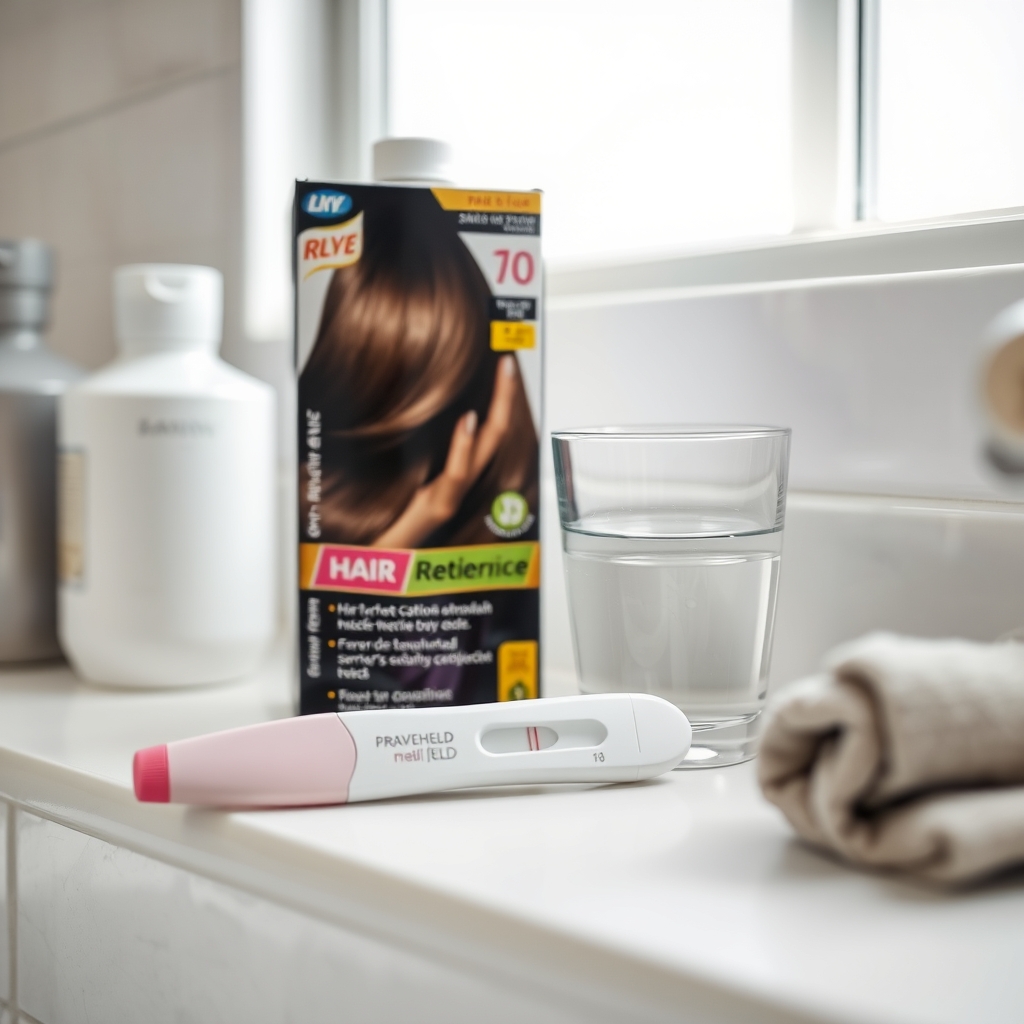
Limit hair dyes during pregnancy, especially in the first trimester, to minimize risks and opt for safer alternatives with lower chemical dosage
By Shubhra Mishra — a mom of two who turned her own confusion during pregnancy into BumpBites, a global mission to make food choices clear, safe, and stress-free for every expecting mother. 💛
Check whether any food is safe during pregnancy with the BumpBites Food Safety Checker.
Quick verdict: ⚠️ Safe with limits. Most hair dyes that are safe for pregnancy can be used occasionally, but you should stick to low‑exposure products, limit applications to once a month, and avoid certain chemicals such as p‑phenylenediamine (PPD) and ammonia.
It’s 2 a.m., the bathroom light is on, and you’re staring at a half‑filled bottle of hair color, wondering if the decision you made last night could harm your baby. You’re not alone—many expecting parents experience that “what‑if” moment the moment they see a hair‑dye aisle or a friend’s glossy Instagram post. The short answer is that hair dyes that are safe for pregnancy exist, but they come with conditions. In this article we’ll break down what the science says, how each trimester matters, how often you can safely color your hair, which brands are considered lower‑risk, and what gentler alternatives you might try instead.
We’ll walk you through the latest guidance from the American College of Obstetricians and Gynecologists (ACOG), the UK’s National Health Service (NHS), and the U.S. Food and Drug Administration (FDA). By the end you’ll have a clear verdict, a practical dosage guide, a list of safer brand options, and a set of natural alternatives that let you keep your style without unnecessary worry.
Because anxiety often spikes when you discover you’ve already applied a product, we’ll also cover what to do if you’ve already dyed your hair, how to spot warning signs, and when it’s appropriate to call your provider. Our goal is to replace uncertainty with confidence so you can enjoy your pregnancy—and your hair—peacefully.
Whether you’re planning a bold new shade for a wedding or just touching up a few gray strands, the information below will help you decide how to keep your hair routine both stylish and safe.
Take a breath before you reach for the dye—knowing the facts can turn anxiety into confidence.
Trimester / Stage
Verdict
Notes
First trimester
⚠️ Use with caution
Limit to low‑exposure, ammonia‑free, and PPD‑free dyes; avoid frequent applications.
Second trimester
✅ Generally safe
Can use most low‑chemical permanent or semi‑permanent dyes, but keep to ≤1 application/month.
Third trimester
✅ Generally safe
Same guidelines as second trimester; monitor for skin irritation.
Breastfeeding
✅ Safe
Topical exposure is minimal; avoid inhaling fumes in poorly ventilated areas.
What is hair dye?
Hair dye is a cosmetic product that changes the color of your hair by depositing pigment onto the hair shaft or by chemically altering the hair’s natural melanin. There are several categories:
Permanent dyes contain oxidative agents such as ammonia and hydrogen peroxide that open the hair cuticle, allowing pigment molecules to penetrate deeply.
Semi‑permanent dyes use smaller pigment particles that sit on the surface and gradually fade with each wash.
Temporary dyes—including hair chalk, sprays, and mascaras—coat the hair without any chemical reaction.
People use hair dye for a variety of reasons: covering gray hair, expressing personal style, or matching a seasonal trend. The formulation typically includes a colorant (often a derivative of p‑phenylenediamine or related compounds), an alkaline agent (like ammonia) to open the cuticle, and an oxidizing agent (hydrogen peroxide) to develop the color. When you apply a dye, a small amount may be absorbed through the scalp skin, and volatile chemicals can be inhaled as fumes.
From a safety perspective, the key factors are how much of these chemicals actually penetrate the skin, how long they remain on the scalp, and whether you have any pre‑existing sensitivities. Because the scalp is highly vascular, any substance that reaches the bloodstream could theoretically affect a developing baby, which is why obstetric guidelines stress low exposure and good ventilation. Modern “low‑chemical” formulas aim to reduce the amount of ammonia and PPD, making them a better fit for pregnant users who want to limit any potential risk.
Is hair dye safe during pregnancy?
C
urrent guidance from major health authorities suggests that most hair dyes are low‑risk for pregnant women when used properly. ACOG notes that there is “no convincing evidence that the chemicals in hair dye cause birth defects” but recommends limiting exposure, especially during the first trimester when organ development is most sensitive. The NHS echoes this, advising that pregnant people can use “well‑ventilated, low‑chemical” dyes and should avoid frequent re‑applications.
FDA regulation classifies permanent hair dyes as cosmetics, not drugs, meaning they are not required to undergo the same rigorous safety testing as pharmaceuticals. However, the FDA does require manufacturers to list potentially hazardous ingredients, allowing consumers to avoid substances like PPD, which can cause allergic reactions.
Studies looking at occupational exposure (e.g., hairdressers) have not found a clear link between hair dye and adverse pregnancy outcomes, but those studies involve higher, chronic exposure than typical home use. Therefore, the consensus is that occasional, well‑ventilated use of hair dyes that are formulated without known teratogens is acceptable.
It’s also worth noting that the overall risk profile of hair dye is comparable to many everyday cosmetics—such as lotions or makeup—that pregnant people routinely use. The primary concern is not fetal toxicity but maternal skin irritation, which can become uncomfortable and, if severe, may indirectly affect pregnancy health. For most expectant parents, following the low‑exposure guidelines keeps the risk well within the range of normal daily activities.
Are hair dyes safe during the first trimester of pregnancy?
The first trimester (weeks 1‑13) is the period of organogenesis, when the fetus’s major organs form. Because of this heightened sensitivity, many clinicians advise extra caution. ACOG recommends minimizing exposure to any potentially irritating chemicals, including hair dye, during this window. If you choose to dye your hair, opt for a product that is labeled “PPD‑free” and “ammonia‑free,” and ensure the room is well ventilated. One application per month is generally considered safe, but many providers suggest waiting until the second trimester if possible.
For those who cannot wait—perhaps due to a special event—using a semi‑permanent, ammonia‑free formula applied in a bathroom with a fan on high can further reduce risk. A patch test 48 hours before full application remains essential, as pregnancy can sometimes heighten skin sensitivity.
Some clinicians also advise that pregnant people with a history of eczema or other skin conditions be particularly vigilant, because compromised skin barriers can increase absorption of chemicals. In such cases, a gentle, fragrance‑free dye or a natural alternative may be preferable.
How many hair dye applications are safe while pregnant?
Evidence does not support a precise “safe number,” but the general medical consensus advises limiting applications to no more than one per month throughout pregnancy. This frequency keeps cumulative chemical exposure low and reduces the chance of scalp irritation. If you have a history of allergic reactions, you may want to cut back further or choose a completely natural alternative.
Some dermatologists suggest a “color‑pause” during the first 12 weeks, then resume with a maximum of two applications in the remaining months, provided each session follows the low‑exposure guidelines. This approach balances the desire for personal grooming with the principle of “as low as reasonably achievable” (ALARA) exposure.
What are the safest hair dye brands for pregnant women?
While no brand can be declared universally “risk‑free,” a few manufacturers market formulas that avoid the most concerning ingredients. Based on ingredient lists and consumer reports, the following brands are frequently recommended by dermatologists and obstetricians for pregnant users:
Clairol Natural Hair Color – ammonia‑free, PPD‑free, and uses low‑odor fragrance.
L’Oréal Excellence Creme – offers a “no‑PPD” line in many regions, with reduced peroxide concentration.
John Frieda Precision Foam Colour – foam application reduces scalp contact, and the formula is free of ammonia.
Revlon Colorsilk – marketed as “gentle” with a lower peroxide level.
Herbatint Natural Permanent Hair Colour – plant‑based pigments and a minimal chemical profile.
Always read the ingredient label; if a product lists p‑phenylenediamine, resorcinol, or ammonia, consider a different option. Additionally, many brands now offer “sensitive‑skin” lines that replace harsh alkaline agents with milder alternatives such as monoethanolamine (MEA), which may be preferable during pregnancy.
Can I use semi‑permanent hair dye safely during pregnancy?
Semi‑permanent dyes generally contain fewer harsh chemicals than permanent dyes because they lack strong oxidizing agents. This makes them a safer choice for pregnant women, especially when the product is free of PPD and ammonia. However, they still involve pigment molecules that can be absorbed through the scalp, so the same precautions—good ventilation, limited frequency, and a patch test—apply.
Because semi‑permanent colors fade after 4‑6 washes, many expecting parents find them a comfortable middle ground: they get a fresh look without committing to a long‑lasting chemical exposure. If you’re looking for a subtle change, ask your stylist for a “low‑ammonia” semi‑permanent formula or try a DIY “vinegar‑based” rinse that adds a hint of hue without any synthetic dyes.
What are the risks of hair dye exposure for pregnant moms?
Most studies show that occasional, home‑use exposure does not increase the risk of birth defects. The primary risks are:
Allergic reactions – PPD is a known sensitizer that can cause dermatitis, which may be more severe during pregnancy.
Skin irritation – Even mild irritants can lead to discomfort or secondary infection if the scalp barrier is compromised.
Inhalation of fumes – Ammonia and peroxide vapors can cause respiratory irritation, especially in poorly ventilated spaces.
None of these risks are directly linked to fetal harm, but severe maternal reactions could indirectly affect pregnancy health, so it’s wise to monitor any symptoms closely.
In addition to the above, some researchers have raised theoretical concerns about endocrine‑disrupting chemicals (EDCs) that can be present in trace amounts in certain dyes. Current evidence does not suggest a clinically significant effect from typical home use, but pregnant people who are especially cautious may wish to avoid any product that lists “parabens” or “phthalates” in the ingredient list.
Safe alternatives to chemical hair dyes for pregnant women
Henna natural hair color – Provides a reddish hue without synthetic chemicals; ensure it’s pure Lawsonia inermis without added metals.
Vegetable‑based hair dye – Uses extracts like beetroot or coffee for subtle shading, free of PPD.
Temporary hair chalk – Washes out after a few days; ideal for a one‑time look.
Hair mascara – Spot‑applies like makeup; minimal scalp contact.
Hair spray color – Provides a temporary tint without permanent pigments.
Color depositing conditioner – Adds a gentle wash‑out tint while conditioning the hair.
Root touch‑up powder – Camouflages gray roots instantly without chemicals; simply dust onto the scalp.
Plant‑based semi‑permanent dye – Formulated with natural pigments and low‑odor carriers.
DIY coffee rinse – A home‑made method that deepens brown tones without added chemicals.
Beetroot powder mix – For a reddish tint that fades naturally after a few washes.
When choosing a natural option, verify that the product is truly free of added metallic salts (such as lead or copper) which can cause unwanted color shifts and may be harmful in large amounts. Pure, unadulterated henna is generally safe, but “black henna” that contains p‑phenylenediamine should be avoided.
Is it safe to dye hair if I have a history of allergic reactions while pregnant?
If you’ve experienced allergic dermatitis from hair dyes before, you should be extra cautious. Conduct a patch test at least 48 hours before full application, and choose a PPD‑free, ammonia‑free formula. Some obstetricians recommend avoiding hair dye altogether if you have a known severe allergy, opting instead for the natural alternatives listed above.
Pregnancy can alter immune responses, sometimes making previously tolerable products more reactive. If you notice any itching, redness, or swelling after a patch test, err on the side of caution and skip the dye. A dermatologist can also help you identify a hypoallergenic brand that’s compatible with pregnancy.
Does hair dye affect pregnancy complications such as preeclampsia?
Current research does not link hair dye use with preeclampsia or other pregnancy‑specific complications. Preeclampsia is primarily associated with vascular and immunologic factors, and there is no evidence that topical exposure to hair‑color chemicals influences its development. Nonetheless, maintaining overall low‑stress, low‑exposure practices is advisable for overall maternal health.
It is also worth noting that severe allergic reactions can trigger systemic inflammation, which in rare cases may exacerbate underlying conditions. This indirect pathway underscores why monitoring for skin reactions remains important, even if the dye itself is not a direct teratogen.
Natural dyes can give you a fresh look while keeping chemical exposure low.
Safe dosage / amount / brands
Because hair dye is a topical product, “dosage” refers to the amount of product applied and the frequency of use. The following guidelines are widely accepted:
Parameter
Recommendation for pregnant users
Application frequency
Maximum 1–2 times per month; avoid weekly touch‑ups.
Amount per application
Use only enough to cover the intended area (≈30 ml for full head). Excess product left on the scalp increases exposure.
Ventilation
Apply in a well‑ventilated space or use a fan; keep the bathroom door open and consider a low‑speed air purifier.
Brand selection
Choose products labeled “PPD‑free” and “ammonia‑free,” such as Clairol Natural Hair Color or Herbatint.
Patch testing
Perform a 48‑hour patch test on a small area of skin before full application, especially if you have a history of sensitivities.
For semi‑permanent or temporary dyes, the “amount per application” can be reduced further—often a single bottle can cover multiple sessions if you spread the color thinly. This not only saves money but also limits cumulative chemical exposure.
Side effects and risks
Most side effects are limited to the scalp and skin:
Minor irritation – Redness, itching, or mild swelling; usually resolves with a gentle cleanser.
Allergic dermatitis – Hives, blistering, or severe itching; requires immediate medical attention.
Respiratory irritation – Cough or shortness of breath from fumes; stop use and ventilate the area.
If any of these symptoms persist beyond a few hours, or if you develop fever, swelling, or a rash that spreads, contact your obstetric provider promptly. For most pregnant people, these reactions are mild and do not affect the baby.
Rarely, individuals may experience a delayed hypersensitivity reaction that appears 24‑48 hours after dyeing. Keep an eye on any new skin changes, and remember that an early dermatologist referral can prevent escalation.
Safer alternatives
Henna natural hair color – offers a chemical‑free, long‑lasting tint.
Vegetable‑based hair dye – uses food‑grade extracts for subtle shades.
Temporary hair chalk – washes out after a few shampoos, perfect for short‑term color.
Hair mascara – spot‑applies like makeup, minimal scalp contact.
Hair spray color – provides a temporary hue without permanent pigments.
Color depositing conditioner – conditions while gently tinting hair.
Plant‑based semi‑permanent dye – combines natural pigments with low‑odor carriers.
DIY coffee rinse – a home‑made method that deepens brown tones without added chemicals.
Beetroot powder mix – for a reddish tint that fades naturally after a few washes.
Each alternative carries its own set of instructions and limitations. For example, henna can stain the skin if not applied carefully, while coffee rinses may produce uneven color if hair is porous. Always follow the product’s directions and consider a short test patch before full application.
Related items — safety at a glance
Item
Verdict
One‑line note
Permanent hair dye
⚠️ Use with caution
Contains ammonia and peroxide; limit to ≤1 application/month.
Semi‑permanent hair dye
✅ Generally safe
Fewer harsh chemicals; still avoid PPD.
Temporary hair color spray
✅ Safe
Wash‑out; minimal scalp exposure.
Hair bleach
❌ Best avoided
High peroxide concentration can irritate skin.
Hair highlights
⚠️ Use with caution
Often involves bleach; limit exposure.
Hair toners
⚠️ Use with caution
May contain PPD; check label.
Color‑depositing shampoo
✅ Safe
Gentle tint while cleansing.
Hair gloss
✅ Safe
Provides shine and subtle color; low chemical load.
Hair bleach kits (at‑home)
❌ Best avoided
Strong chemicals; higher risk of scalp burns.
Hair dye wipes
⚠️ Use with caution
May contain PPD; limited ventilation.
Myth vs. fact
Myth: Hair dye is a proven teratogen and will cause birth defects. Fact: No credible studies have shown a direct link between occasional home hair‑dye use and fetal abnormalities. The risk is considered low when proper precautions are taken.
Myth: All hair dyes are unsafe during pregnancy. Fact: Many hair‑color products, especially those formulated without ammonia and PPD, are deemed safe in limited use according to ACOG and NHS guidelines.
Myth: You must stop dyeing your hair until after delivery. Fact: You can continue to use low‑exposure dyes throughout pregnancy, provided you follow frequency limits and ventilation recommendations.
Key takeaways
Most hair dyes that are safe for pregnancy can be used occasionally, but limit applications to once a month.
Choose ammonia‑free, PPD‑free formulas and apply in a well‑ventilated area.
First‑trimester exposure should be minimized; consider waiting until the second trimester if possible.
If you have a history of allergic reactions, patch‑test and consider natural alternatives.
Natural options like henna, vegetable‑based dyes, and color‑depositing conditioners offer low‑chemical routes to color.
Contact your provider if you experience persistent skin irritation, allergic dermatitis, or respiratory symptoms.
Frequently asked questions
Can I dye my hair while pregnant?
Yes, you can dye your hair while pregnant, but it’s best to use low‑chemical, PPD‑free products, limit applications to once a month, and ensure good ventilation.
Is it safe to use hair dye in the second trimester?
During the second trimester, most hair dyes that are free of ammonia and PPD are considered generally safe, provided you keep applications infrequent (≤1 per month) and work in a well‑ventilated space.
What hair dye ingredients should pregnant women avoid?
Pregnant women should avoid products containing p‑phenylenediamine (PPD), ammonia, and high concentrations of hydrogen peroxide, as these can increase the risk of allergic reactions and scalp irritation.
How long should I wait after dyeing my hair before pregnancy?
If you plan to become pregnant, most experts recommend waiting at least 24‑48 hours after a hair‑dye session to allow any volatile fumes to dissipate, though there is no mandatory waiting period.
Are natural hair dyes safer for pregnant women?
Natural hair dyes such as pure henna or vegetable‑based colors are generally considered safer because they lack synthetic chemicals like PPD and ammonia, making them a good option for expectant mothers.
Can hair dye cause birth defects?
Current evidence does not support a link between occasional home hair‑dye use and birth defects; however, minimizing exposure—especially in the first trimester—is prudent.
Do I need to wear a mask when dyeing hair during pregnancy?
Wearing a mask can further reduce inhalation of fumes, especially in small or poorly ventilated rooms, and is a reasonable precaution if you are sensitive to chemicals.
Can I use at‑home hair bleaching kits while pregnant?
At‑home bleach kits contain high concentrations of peroxide and often require strong chemicals; most obstetric guidelines advise avoiding bleaching during pregnancy due to increased risk of scalp irritation.
What should I do if I develop a rash after dyeing my hair?
If a rash, itching, or swelling appears after dyeing, rinse the area with cool water, stop using the product, and apply a gentle hypoallergenic moisturizer. If symptoms persist beyond a few hours or worsen, contact your obstetric provider or a dermatologist promptly.
Can I use hair dye if I have a scalp condition like psoriasis?
Pregnant individuals with psoriasis or other scalp conditions should consult their dermatologist before using any hair dye. Choosing a fragrance‑free, PPD‑free, and ammonia‑free formula, and performing a patch test, can help reduce the risk of flare‑ups.
When to call your doctor
If you notice any of the following after using hair dye, contact your obstetric provider promptly:
Severe itching, hives, or swelling of the scalp or face.
Persistent redness or blistering that does not improve after washing.
Shortness of breath, wheezing, or coughing that worsens after dyeing.
Fever, chills, or any signs of infection at the application site.
These symptoms may signal an allergic reaction or infection that warrants medical evaluation. Remember, this article provides general information and is not a substitute for personalized medical advice.
References
American College of Obstetricians and Gynecologists. “Committee Opinion: Use of Cosmetics During Pregnancy.” ACOG, 2022.
National Health Service (NHS). “Hair Dye and Pregnancy.” NHS, 2023.
U.S. Food and Drug Administration (FDA). “Cosmetics – Safety and Regulations.” FDA, 2023.
Centers for Disease Control and Prevention (CDC). “Occupational Exposure to Hair Dye.” CDC, 2021.
World Health Organization (WHO). “Guidelines for Chemical Safety in Cosmetics.” WHO, 2020.
Not sure about the label on Is Hair Dyes That Are Safe During Pregnancy products?
Snap the ingredients list and SafeFilter checks every ingredient for your stage — only 3 free scans this month, then you're locked until reset. Unlimited from $7/mo or $50/yr.
When Shubhra Mishra was expecting her first child in 2016, she was overwhelmed by conflicting food advice — one site said yes, another said never. By the time her second baby arrived in 2019, she realized millions of mothers face the same confusion.
That sparked a five-year journey through clinical nutrition papers, cultural diets, and expert conversations — all leading to BumpBites: a calm, compassionate space where science meets everyday motherhood.
Her long-term vision is to build a global community ensuring safe, supported, and free deliveriesfor every mother — because no woman should face pregnancy alone or uninformed. 🌿
🌍 Stand with mothers, shape safer guidance
Join a small circle of experts who review BumpBites articles so expecting parents everywhere can decide with confidence.