Safe: Nail polish is generally safe during pregnancy when used in moderation, especially after the first trimester; limit exposure to 2–3 applications per week.
By Shubhra Mishra — a mom of two who turned her own confusion during pregnancy into BumpBites, a global mission to make food choices clear, safe, and stress-free for every expecting mother. 💛
Check whether any food is safe during pregnancy with the BumpBites Food Safety Checker.
Quick verdict: ⚠️ Safe with limits – occasional nail polish use is generally considered okay during pregnancy, but keep applications to a few times a week and choose non‑toxic formulas. Avoid excessive exposure and opt for brands that are free of known harmful chemicals.
It’s 2 a.m., you’re scrolling through product reviews, and a sudden thought hits: “Did I just put on nail polish for the third time this week? Is that safe for my baby?” You’re not alone—many expecting parents wonder if the glossy finish on their fingertips could pose a risk. The short answer is that nail polish can be used safely during pregnancy when you pick the right products and limit how often you apply them. In this article we’ll break down the science behind nail polish safety, explore trimester‑specific considerations, recommend pregnancy‑friendly brands, and suggest gentler alternatives.
We’ll also answer the most common follow‑up questions, from “Can nail polish cause birth defects?” to “Is a gel manicure okay?” By the end you’ll have a clear, evidence‑based picture of how to keep your nails looking nice without compromising your baby’s health.
Stage
Verdict
Notes
First trimester
⚠️ Safe with limits
Limit to 2–3 applications per week; choose non‑toxic, low‑VOC formulas.
Second trimester
✅ Generally safe
Same limits apply; increased ventilation helps reduce inhalation.
Third trimester
✅ Generally safe
Maintain good ventilation; avoid strong scents that may trigger nausea.
Breastfeeding
✅ Generally safe
Limited absorption; still advisable to use low‑chemical brands.
What is nail polish?
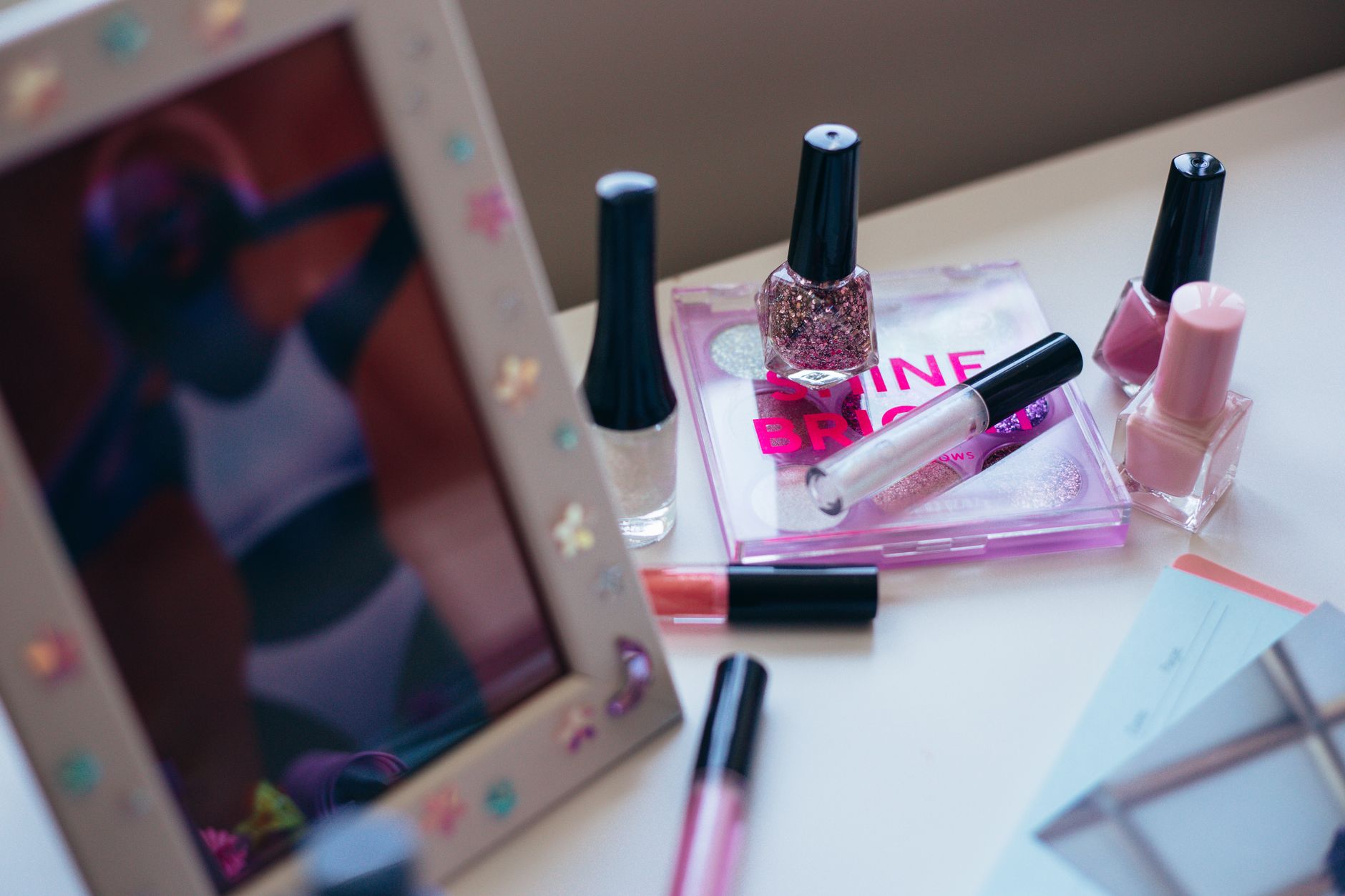
Nail polish is a cosmetic coating applied to the fingernail or toenail to add color, shine, and protection. Modern formulas typically contain a blend of solvents (like ethyl acetate or butyl acetate), film‑forming polymers (such as nitrocellulose), plasticizers, pigments, and various additives that help the polish dry quickly and stay glossy. When you swipe a brush across the nail, the solvents evaporate, leaving a thin, durable film that adheres to the keratin of the nail plate. Over the past decade, “non‑toxic” or “3‑free,” “5‑free,” and even “7‑free” labels have emerged, indicating the removal of certain chemicals that have raised health concerns.
People use nail polish for many reasons: personal expression, special occasions, or simply to feel more put‑together during pregnancy. Because the product sits on the nail surface, direct skin absorption is minimal, but inhalation of volatile organic compounds (VOCs) and occasional skin contact with pigments can occur, especially in poorly ventilated spaces. Understanding which ingredients are of concern helps you make safer choices for you and your developing baby.
Choosing a well‑ventilated space for application can reduce inhalation of fumes.
Is nail polish safe during pregnancy?
Current guidance from the American College of Obstetricians and Gynecologists (ACOG) and the UK’s National Health Service (NHS) indicates that occasional use of nail polish is not associated with an increased risk of birth defects or miscarriage, provided you select products free of known teratogens such as toluene, dibutyl phthalate (DBP), and formaldehyde. The U.S. Food and Drug Administration (FDA) does not classify nail polish as a drug, but it does regulate its labeling and requires manufacturers to list hazardous ingredients.
Most of the concern centers on inhalation of volatile organic compounds (VOCs) and skin exposure to chemicals that have been linked to reproductive toxicity in animal studies. However, the levels present in typical consumer nail polish applications are far below those that cause harm in laboratory settings. A 2020 review in the journal *Reproductive Toxicology* concluded that “there is no convincing evidence that occasional, low‑level exposure to modern nail polish formulations poses a measurable risk to pregnant women or fetuses.”
That said, the safest approach is to limit the frequency of applications, work in a well‑ventilated area, and choose formulas that are marketed as “3‑free” (toluene‑, DBP‑, and formaldehyde‑free) or “5‑free” (adding camphor‑free and xylene‑free). By following these guidelines, you can keep your nails looking fresh without compromising the health of your baby.
Safety by trimester
First trimester (weeks 1–13)
The first trimester is the period of organogenesis, when the baby’s major organs are forming. Because this is the window of highest susceptibility to teratogens, many clinicians advise extra caution with any chemical exposure. For nail polish, limiting use to no more than two to three applications per week and ensuring good airflow is prudent. Opt for “3‑free” or “5‑free” brands, and consider wearing a light cotton glove while the polish dries if you’re particularly sensitive to fumes.
Second trimester (weeks 14–27)
During the second trimester, the risk of teratogenic effects diminishes as organ development stabilizes. Nail polish use remains safe under the same limits as the first trimester. Many pregnant people find that the increased ventilation in warmer months naturally reduces the intensity of fumes, making it a comfortable time to schedule a nail appointment.
Third trimester (weeks 28–40)
In the third trimester, the baby’s growth is rapid, but the susceptibility to chemical teratogens is low. You can continue using nail polish with the same frequency limits. However, if you experience pregnancy‑related nausea or heightened sensitivity to smells, you may wish to further reduce exposure or switch to water‑based formulas that emit fewer odors.
Breastfeeding
After delivery, trace amounts of chemicals from nail polish can be excreted in breast milk, but studies have shown these levels are negligible. Continuing with low‑chemical, “non‑toxic” nail polish is considered safe while breastfeeding, provided you maintain good ventilation and avoid prolonged skin contact with fresh polish.
Applying nail polish near an open window can help disperse fumes.
Is nail polish safe to use during the first trimester of pregnancy?
Yes, it is generally safe to use nail polish during the first trimester as long as you keep applications to a few times per week and choose formulas that are free of the three most concerning chemicals—toluene, dibutyl phthalate, and formaldehyde. The ACOG notes that occasional exposure to low‑level VOCs does not increase the risk of birth defects, but they recommend using the product in a well‑ventilated area to minimize inhalation.
How many nail polish applications are safe per week while pregnant?
Most experts, including the NHS, suggest limiting nail polish to no more than two to three applications per week throughout pregnancy. This frequency keeps chemical exposure low while still allowing you to enjoy a fresh manicure. If you work in a poorly ventilated space or have a history of chemical sensitivities, consider reducing the frequency even further.
What are the safest nail polish brands for pregnant women?
Brands that market themselves as “non‑toxic” or “5‑free” typically meet the safety standards recommended by obstetric professionals. Below is a quick reference of some widely available options:
Brand
Safety rating
Why it’s safer
Ella+Mila Non‑Toxic Nail Polish
✅ 7‑free
Free of toluene, DBP, formaldehyde, camphor, xylene, and lead.
Zoya Organic Nail Polish
✅ 5‑free
Certified organic pigments, no harsh solvents.
Butter London Pure Pigment
✅ 5‑free
Water‑based base, low odor, no toluene or DBP.
OPI Nail Envy (non‑toxic version)
✅ 3‑free
Formulated without the three major toxicants.
Kryolan Professional Water‑Based Nail Paint
✅ 5‑free
Water‑based, reduces VOC exposure.
Aquarelle Natural Nail Polish
✅ 5‑free
Plant‑derived pigments, free of harmful solvents.
Sally Hansen Miracle Gel (acetone‑free) Nail Polish
✅ 3‑free
Acetone‑free formula, fewer harsh fumes.
Can nail polish cause birth defects or miscarriage?
There is no solid evidence linking nail polish use to birth defects or miscarriage when the product is applied occasionally and in a well‑ventilated area. The primary concern is exposure to chemicals that have shown reproductive toxicity in high doses, such as toluene and DBP. Because the concentrations in consumer nail polish are low, and absorption through the skin is minimal, the risk is considered negligible. However, if you have a known sensitivity or a history of chemical exposure, discuss your personal risk with your obstetrician.
Are there safer nail polish alternatives for pregnant women?
If you’d rather avoid traditional nail polish altogether, several alternatives can give you a polished look with fewer chemicals:
Ella+Mila Non‑Toxic Nail Polish – Certified 7‑free, ideal for sensitive skin.
Zoya Organic Nail Polish – Uses plant‑based pigments and low‑odor solvents.
Butter London Pure Pigment – Water‑based, reduces VOC exposure.
Kryolan Professional Water‑Based Nail Paint – Offers vibrant colors with minimal fumes.
Aquarelle Natural Nail Polish – Organic ingredients, free of harsh chemicals.
Sally Hansen Miracle Gel (acetone‑free) – Provides a gel‑like finish without strong solvents.
Reusable silicone nail wraps – No chemicals, simply adhere to the nail surface.
What ingredients in nail polish should pregnant women avoid?
The three ingredients most often flagged by obstetric guidelines are:
Toluene – a solvent that can affect the central nervous system at high levels.
Dibutyl phthalate (DBP) – a plasticizer linked to reproductive toxicity in animal studies.
Formaldehyde – a known carcinogen that can irritate the respiratory tract.
Additional chemicals to watch for include camphor, xylene, and ethyl tosylamide, which are sometimes present in “5‑free” or “7‑free” formulations. Always check the ingredient list on the bottle or the brand’s website before purchase.
Does using nail polish affect skin conditions like eczema during pregnancy?
Pregnancy can exacerbate eczema and other skin sensitivities. Some people find that the fragrances and solvents in nail polish trigger flare‑ups, especially if they have a history of contact dermatitis. Choosing fragrance‑free, low‑VOC, and “hypoallergenic” nail polish can reduce the chance of irritation. If you notice itching, redness, or a rash around the nail bed after application, discontinue use and consult your dermatologist.
Is it safe to get a gel manicure while pregnant?
Gel manicures involve a UV or LED light to cure a polymer‑based polish. The primary concerns are the increased exposure to UV light and the higher concentration of certain chemicals in gel formulas. The FDA has not found conclusive evidence that the UV exposure from a typical gel manicure causes harm, but some dermatologists recommend limiting UV exposure during pregnancy as a precaution. If you opt for a gel manicure, choose a “non‑toxic” gel brand, ensure the salon uses proper ventilation, and consider applying a broad‑spectrum sunscreen to your hands before the session.
Side effects and risks
Most side effects from nail polish are mild and involve skin irritation, allergic reactions, or respiratory discomfort from strong fumes. Rarely, individuals may develop contact dermatitis, presenting as redness, itching, or swelling around the nail. If you experience persistent headaches, dizziness, or nausea that you suspect are linked to polish fumes, improve ventilation or switch to a water‑based, low‑odor product. Severe allergic reactions—such as swelling of the lips or throat—require immediate medical attention.
Safer alternatives
Ella+Mila Non‑Toxic Nail Polish – 7‑free, suitable for those wanting vibrant color without harmful chemicals.
Zoya Organic Nail Polish – Plant‑based pigments, low‑odor, ideal for sensitive skin.
Butter London Pure Pigment – Water‑based base reduces VOC exposure.
Kryolan Professional Water‑Based Nail Paint – Offers professional color with minimal fumes.
Aquarelle Natural Nail Polish – Organic ingredients, free of harsh solvents.
Sally Hansen Miracle Gel (acetone‑free) – Gel‑like finish without strong solvents.
Reusable silicone nail wraps – No chemicals, simple application, perfect for quick color changes.
Related items — safety at a glance
Item
Verdict
One‑line note
Hair dye
⚠️ Talk to your doctor first
Some dyes contain ammonia and PPD, which can be absorbed through the scalp.
Permanent hair straightener
⚠️ Talk to your doctor first
High‑heat and chemical relaxers may release fumes; limit exposure.
Cosmetic tattoo (permanent makeup)
⚠️ Talk to your doctor first
Pigments may contain metals; risk of infection if not sterile.
Makeup foundation
✅ Generally safe
Choose fragrance‑free, non‑comedogenic formulas.
Eyelash extensions
✅ Generally safe
Avoid strong adhesives containing formaldehyde.
Body lotion
✅ Generally safe
Opt for fragrance‑free, hypoallergenic options.
Sunscreen
✅ Generally safe
Physical sunscreens (zinc oxide, titanium dioxide) are preferred.
Myth: All nail polishes are dangerous during pregnancy.
Fact: Modern “3‑free” or “5‑free” nail polishes have removed the chemicals most associated with reproductive toxicity, making occasional use safe when applied in a well‑ventilated area.
Myth: Gel manicures are completely unsafe because of UV light.
Fact: The brief UV exposure from a typical gel manicure is low, but many clinicians still advise caution; using a non‑toxic gel and applying sunscreen to the hands can further reduce any theoretical risk.
Myth: If you’ve already painted your nails, you’ve harmed your baby.
Fact: A single or occasional nail polish application does not pose a measurable risk. The key is to keep exposure low and choose safer formulas.
Key takeaways
✅ Nail polish can be used safely during pregnancy when you choose “3‑free” or “5‑free” brands.
⚠️ Limit applications to 2–3 times per week and work in a well‑ventilated space.
🛡️ Avoid products containing toluene, dibutyl phthalate, and formaldehyde.
💡 Consider water‑based or “non‑toxic” alternatives for reduced chemical exposure.
🚨 Seek medical advice if you develop persistent skin irritation, respiratory symptoms, or a severe allergic reaction.
Frequently asked questions
Can I get a manicure during pregnancy?
Yes—you can enjoy a manicure, but keep it to a few times per week, choose non‑toxic polish, and ensure the salon is well‑ventilated.
Is gel nail polish safe for pregnant women?
Gel polish is generally safe if you select a non‑toxic brand and limit UV exposure; applying a broad‑spectrum sunscreen to your hands before the session adds an extra layer of protection.
What chemicals in nail polish are harmful to a fetus?
The most concerning chemicals are toluene, dibutyl phthalate (DBP), and formaldehyde; these are often removed in “3‑free” or “5‑free” formulations.
How often can I paint my nails while pregnant?
Most experts recommend no more than two to three applications per week throughout pregnancy to keep chemical exposure low.
Do I need to wear gloves when applying nail polish during pregnancy?
Gloves are not required for occasional use, but wearing a light cotton glove while the polish dries can help limit skin contact with any residual chemicals.
Can nail polish cause allergic reactions during pregnancy?
Yes—some people develop contact dermatitis or other allergic reactions; if you notice itching, redness, or swelling, stop using the product and consult a dermatologist.
Is it safe to use nail polish remover while pregnant?
Acetone‑based removers are generally considered safe in a well‑ventilated area, but choosing an acetone‑free, low‑odor remover can further reduce inhalation of fumes.
When to call your doctor
If you experience any of the following, contact your obstetrician or midwife promptly:
Severe or spreading rash, swelling, or hives after nail polish application.
Persistent headaches, dizziness, or nausea that you suspect are linked to polish fumes.
Shortness of breath, wheezing, or asthma‑like symptoms that worsen after exposure.
Unexplained vaginal bleeding or cramping after a manicure.
These symptoms may signal an allergic reaction or an unrelated issue that warrants medical evaluation. Remember, the information in this article is for educational purposes only and does not replace personalized medical advice.
References
American College of Obstetricians and Gynecologists (ACOG). “Guidance on Cosmetic Use During Pregnancy.” 2022.
National Health Service (NHS). “Pregnancy and cosmetics.” Updated 2023.
U.S. Food and Drug Administration (FDA). “Cosmetics: Safety and Regulatory Information.” Accessed 2024.
Centers for Disease Control and Prevention (CDC). “Chemicals in Consumer Products.” 2021.
World Health Organization (WHO). “Guidelines for Safe Use of Personal Care Products.” 2020.
Reproductive Toxicology. “Nail polish ingredients and reproductive health: A systematic review.” 2020.
British Association of Dermatologists. “Contact dermatitis and pregnancy.” 2022.
International Journal of Cosmetic Science. “Non‑toxic nail polish formulations: Safety assessment.” 2021.
Not sure about the label on Is Nail Polish Safe During Pregnancy products?
Snap the ingredients list and SafeFilter checks every ingredient for your stage — only 3 free scans this month, then you're locked until reset. Unlimited from $7/mo or $50/yr.
When Shubhra Mishra was expecting her first child in 2016, she was overwhelmed by conflicting food advice — one site said yes, another said never. By the time her second baby arrived in 2019, she realized millions of mothers face the same confusion.
That sparked a five-year journey through clinical nutrition papers, cultural diets, and expert conversations — all leading to BumpBites: a calm, compassionate space where science meets everyday motherhood.
Her long-term vision is to build a global community ensuring safe, supported, and free deliveriesfor every mother — because no woman should face pregnancy alone or uninformed. 🌿
🌍 Stand with mothers, shape safer guidance
Join a small circle of experts who review BumpBites articles so expecting parents everywhere can decide with confidence.