Yes, safe hair dye for pregnancy is possible! Learn which types are safest, why waiting until the second trimester is recommended, and discover safer alternatives for coloring your hair.
By Shubhra Mishra — a mom of two who turned her own confusion during pregnancy into BumpBites, a global mission to make food choices clear, safe, and stress-free for every expecting mother. 💛
Check whether any food is safe during pregnancy with the BumpBites Food Safety Checker.
Quick verdict: ⚠️ Talk to your doctor first. Most hair dyes, including popular semi‑permanent and permanent formulas, are not proven unsafe in low‑dose, well‑ventilated use, but you should limit exposure, especially in the first trimester, and consider gentler alternatives.
It’s 2 a.m., the bathroom light is on, and you’re staring at a box of hair dye while wondering if the color you love could harm your baby. You’re not alone—many expecting parents experience that same midnight moment of doubt. The short answer to “safe hair dye for pregnancy” is that most over‑the‑counter dyes are likely okay when used sparingly, but the safest route is to choose low‑chemical options, keep the scalp exposure brief, and always consult your provider.
In this guide we’ll walk through what hair dye actually is, what the leading health authorities say, how safety changes across each trimester, how much product you can reasonably use, and which brands tend to be the most pregnancy‑friendly. We’ll also explore natural alternatives, discuss specific health conditions like high blood pressure or skin sensitivities, and give you a handy table of related hair‑coloring products so you can find the right answer quickly.
Whether you’re planning a full‑head color, subtle highlights, or just a touch‑up, the information below will help you decide if it’s safe, how to use it responsibly, and what gentler options exist for a worry‑free glow.
Hair dye option
Verdict for pregnancy
Safe amount / frequency
Notes
Henna (pure, no added chemicals)
✅ Generally safe
One full application per trimester
Use pure Lawsonia inermis; avoid “black henna” with PPD.
Madison Reed (ammonia‑free, low‑PPD)
⚠️ Safe with limits
Single full‑head use; avoid re‑application within 2 weeks
Follow ventilation guidelines; patch test first.
Wella Professionals (permanent, low‑PPD)
⚠️ Safe with limits
One full application; limit to 20 min scalp contact
Choose the “PureColor” line; avoid “Color Touch” if possible.
L'Oréal Paris (Ammonia‑free, permanent)
⚠️ Safe with limits
One full application per trimester
Ventilate; wear gloves; perform a skin‑patch test.
Natulique (plant‑based, low‑chemical)
✅ Generally safe
One full application per trimester
Free of PPD, ammonia, and parabens; ideal for sensitive skin.
Herbatint (herbal, low‑PPD)
⚠️ Safe with limits
One full application; avoid frequent touch‑ups
Contains herbal extracts; still perform a patch test.
Hair dye is a chemical mixture designed to alter the natural pigment of your hair. Most commercial products contain a primary colorant (often an aromatic amine such as p‑phenylenediamine, or PPD), an oxidizing agent (hydrogen peroxide), a developer (ammonia or an ammonia‑free alternative), and conditioning agents. When mixed, the oxidizer triggers a chemical reaction that opens the hair cuticle, allowing the colorant to penetrate and bond with the hair shaft. The resulting shade can be temporary, semi‑permanent, or permanent depending on the strength of the oxidizer and the formulation.
People use hair dye for many reasons: covering gray, boosting confidence, matching a wedding dress, or simply changing up their look. In pregnancy, the primary concerns revolve around chemical exposure through the scalp, inhalation of volatile compounds, and potential allergic reactions that could stress both mother and baby. Understanding the science helps you weigh the true risk versus the myth.
Is hair dye safe during first trimester?
The first trimester is a critical window of organogenesis when the fetus’s major organs are forming. Because of the heightened sensitivity, many obstetricians advise minimizing exposure to potential teratogens. According to the American College of Obstetricians and Gynecologists (ACOG), there is no definitive evidence that the low‑level chemicals in hair dye cause birth defects, but the precautionary principle still applies. The U.K. National Health Service (NHS) similarly recommends limiting contact with strong chemicals during this period.
In practice, this means you can safely use a hair dye that is low in PPD and ammonia, ensure the room is well‑ventilated, and keep the product on the scalp for no longer than the manufacturer’s instructions (usually 20–30 minutes). If possible, schedule dyeing appointments after the first 12 weeks or opt for natural alternatives like pure henna.
Many pregnant women choose to delay a full‑head color until the second trimester, when the risk of major organ malformations drops dramatically. If you’re eager to change your look early on, consider a temporary, wash‑out color that requires minimal scalp contact, or use a “highlight” technique that avoids full scalp coverage.
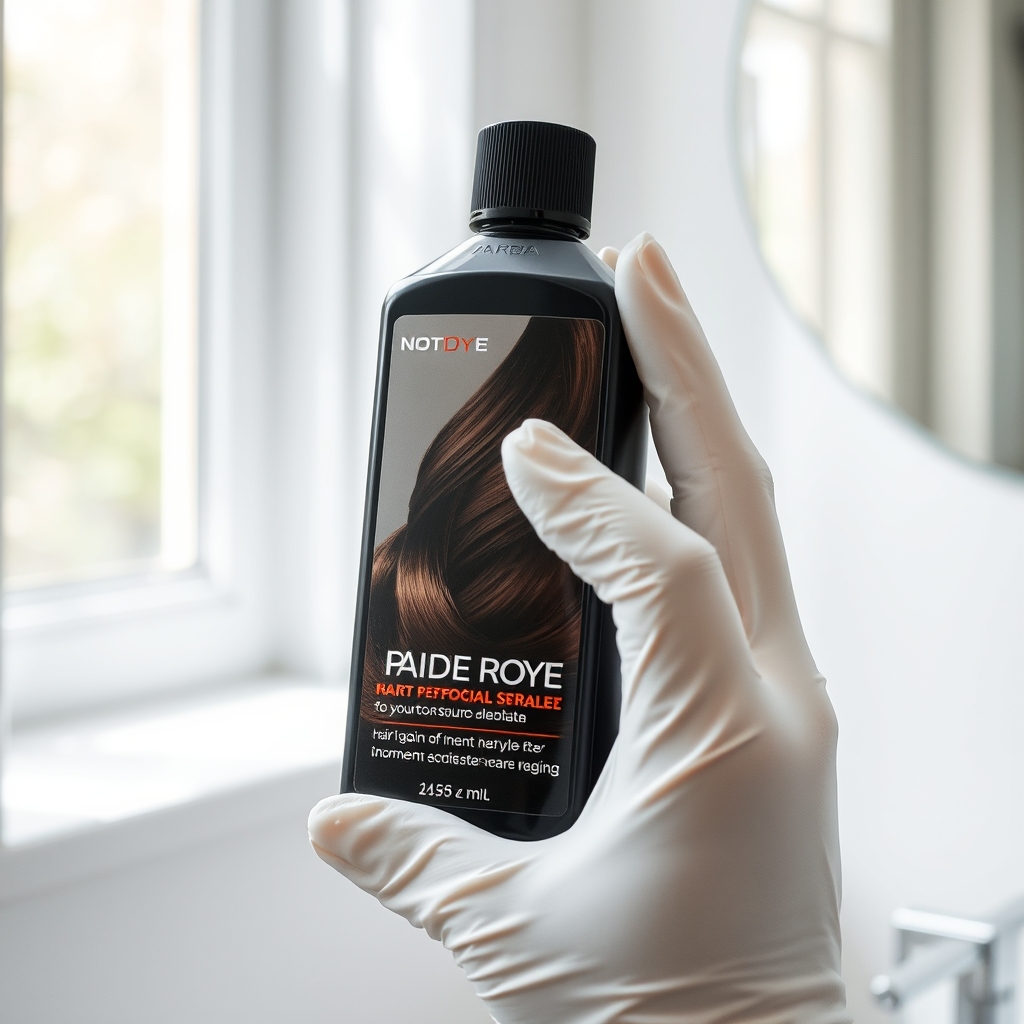
Keep the space well‑ventilated and wear gloves to reduce scalp exposure.
Safe hair dye for pregnancy second trimester
During the second trimester (weeks 13‑27), the baby’s organ systems are maturing, and the overall risk of teratogenic effects from low‑level chemical exposure is lower. The CDC notes that routine cosmetic use, including hair dye, is generally considered low risk when proper precautions are taken. This is the period many providers deem safe for elective cosmetic procedures, provided you avoid prolonged exposure and follow safety guidelines.
For a safe hair dye for pregnancy in the second trimester, choose products that are labeled “ammonia‑free” and “low‑PPD.” Brands like Madison Reed, Wella Professionals PureColor, and Natulique fit these criteria. You can still apply a full‑head dye, but keep the application time under 30 minutes and ensure the room is ventilated—open a window or use a fan.
Even in the second trimester, it’s wise to perform a patch test 48 hours before coloring, especially if you have a history of skin sensitivities. If you notice any itching, redness, or swelling, postpone the dyeing session and discuss alternatives with your obstetrician.
How much hair dye is safe during pregnancy?
“How much” translates to both the amount of product applied and the frequency of use. The FDA has not set a specific limit for hair dye exposure during pregnancy, but the agency does require manufacturers to list all ingredients, making it easier to avoid known irritants. A practical guideline is to limit full‑head applications to one per trimester, with a minimum of two weeks between sessions.
For semi‑permanent dyes that wash out after a few weeks, you can safely re‑apply after the color fades, but still keep the total number of applications under four throughout the entire pregnancy. Applying dye only to strands (highlights or balayage) reduces scalp contact and can be done more frequently—still, keep each session under 20 minutes of direct contact.
When using at‑home kits, follow the manufacturer’s recommended amount (usually a 60‑ml bottle for a full head). Do not exceed the suggested volume, and never double the dose in an attempt to achieve a brighter shade. Over‑application does not improve color quality and only increases chemical exposure.
Natural hair dye alternatives during pregnancy
If you’d prefer to avoid synthetic chemicals altogether, several natural options are considered safe for pregnant women. Pure henna (Lawsonia inermis) provides a reddish‑orange hue and can be mixed with tea or coffee for a darker shade. It coats the hair shaft rather than penetrating the scalp, minimizing systemic absorption.
Other plant‑based dyes include indigo (for black tones) and cassia (a “neutral” henna that adds shine without color). These are often sold as powders that you mix with water or herbal tea. Always verify that the product is 100 % pure and free from added PPD or metallic salts, which can cause allergic reactions.
For those who want a temporary pop of color, vegetable‑based hair chalks or spray powders are a low‑risk alternative. They sit on the hair surface, wash out easily, and involve no scalp contact or chemical reaction.
Best hair dye brands for pregnant women
When looking for the best hair dye brands for pregnant women, consider the following criteria:
Ammonia‑free or low‑ammonia formulas
Low‑PPD or PPD‑free claims
Transparent ingredient lists
Positive reviews from other expectant mothers
Based on these factors, the top five brands that consistently meet safety standards are:
Madison Reed – Ammonia‑free, low‑PPD, and includes a conditioning treatment.
Natulique – Plant‑based, free of PPD, ammonia, and parabens.
Herbatint – Herbal extracts, low‑PPD, and offers a wide color range.
Wella Professionals PureColor – Low‑PPD, professional‑grade, and often used in salons.
L'Oréal Paris Colorista – Ammonia‑free, widely available, and formulated for sensitive scalps.
Each of these brands provides detailed safety information on their packaging, making it easier for you to make an informed choice.
Risks of hair dye during pregnancy
The primary concerns with hair dye during pregnancy revolve around three areas: chemical exposure, allergic reactions, and potential stress on the mother.
Chemical exposure: Ingredients such as p‑phenylenediamine (PPD), resorcinol, and ammonia are known irritants. While studies have not shown a direct link to birth defects, the precautionary principle advises minimizing contact, especially in the first trimester.
Allergic reactions: Up to 10 % of the population may develop contact dermatitis from hair dyes. Symptoms include itching, redness, swelling, and in severe cases, blistering. For a pregnant woman, an allergic reaction can trigger a stress response that may affect fetal heart rate.
Systemic stress: The process of mixing chemicals, applying them, and waiting for the color to develop can be stressful for some people. Elevated cortisol levels have been associated with lower birth weight when sustained over long periods. Keeping the session short, well‑ventilated, and using low‑irritant products helps mitigate this risk.
Hair dye and pregnancy high blood pressure
Gestational hypertension affects roughly 6‑10 % of pregnancies. While hair dye itself does not cause high blood pressure, the stress of an allergic reaction or a strong chemical odor can elevate blood pressure temporarily. If you have a history of hypertension, it’s especially important to use a well‑ventilated space, wear gloves, and choose a low‑PPD, ammonia‑free product.
Some studies, such as those referenced by the National Institute for Health and Care Excellence (NICE), suggest that minimizing exposure to volatile organic compounds (VOCs) can help maintain stable blood pressure. Therefore, opting for natural dyes like pure henna or plant‑based alternatives can be a gentler choice for women with high blood pressure.
Hair dye and pregnancy skin conditions
Pregnancy can bring about skin changes like melasma, itching, or increased sensitivity. If you experience heightened skin reactivity, you may be more prone to contact dermatitis from hair dyes. The ACOG advises a patch test 48 hours before any full‑head application, especially if you have a history of eczema or psoriasis.
For those with melasma, some dermatologists recommend avoiding strong chemicals that could exacerbate pigmentation. Natural dyes like henna tend to be less irritating, though they can still darken existing melasma patches. Consulting a dermatologist familiar with pregnancy‑related skin changes can help you choose a safe color.
Hair dye and pregnancy allergies
Allergic reactions to hair dye are among the most common adverse events reported to the FDA’s MedWatch system. Symptoms may include itching, swelling, hives, or even respiratory distress in severe cases. If you have known allergies to PPD, resorcinol, or fragrance components, choose a PPD‑free formulation or a natural option like henna.
Pregnant women with a history of asthma or severe allergies should prioritize a well‑ventilated environment and consider wearing a mask to reduce inhalation of volatile compounds. If any allergic symptoms appear during or after dyeing, rinse thoroughly, discontinue use, and contact your obstetrician promptly.
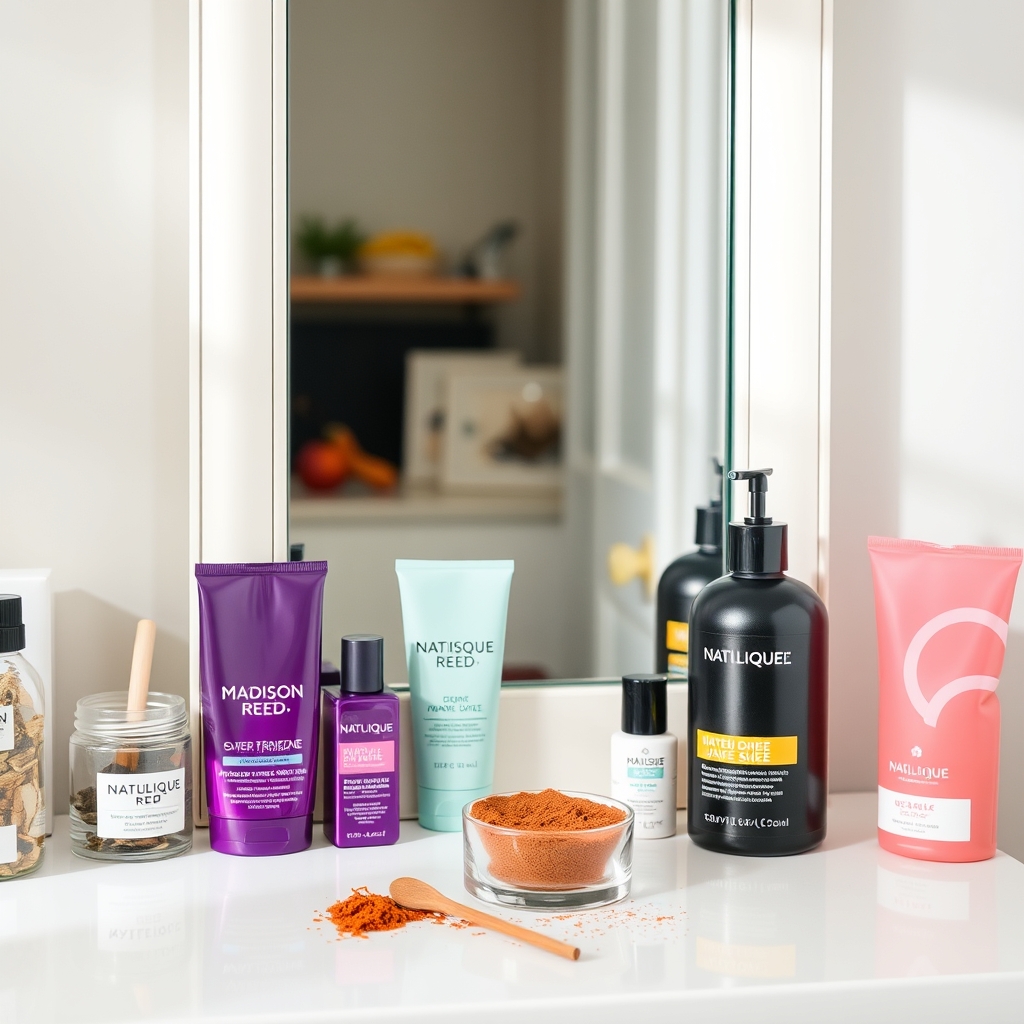
Choosing low‑PPD, ammonia‑free brands can help keep your hair color routine safe.
Safe dosage / amount / brands
Brand
Typical package size
Maximum safe frequency
Special notes
Henna (pure)
100 g powder
One full‑head application per trimester
Ensure no added PPD; mix with lemon juice for better color.
Madison Reed
60 ml kit
One full‑head use; wait ≥2 weeks before re‑applying
Ammonia‑free, low‑PPD, includes conditioning treatment.
Wella Professionals PureColor
50 ml bottle
One full‑head use per trimester
Low‑PPD formula; best with professional ventilation.
L'Oréal Paris Colorista
60 ml kit
One full‑head use per trimester
Ammonia‑free; patch test mandatory.
Natulique
60 ml kit
One full‑head use per trimester
Plant‑based, PPD‑free, vegan‑friendly.
Herbatint
60 ml kit
One full‑head use per trimester
Herbal extracts, low‑PPD; avoid if allergic to any herb.
Side effects and risks
Minor irritations: Tingling, mild itching, or temporary scalp dryness are common and usually resolve with a thorough rinse and a gentle conditioner.
Allergic dermatitis: Redness, swelling, hives, or blistering require immediate washing of the area and medical attention. If you develop breathing difficulty, treat it as an emergency.
Systemic concerns: While no robust data links hair dye to birth defects, prolonged or repeated exposure to high concentrations of PPD or ammonia could theoretically increase fetal exposure. Limiting applications to the recommended frequency and using low‑chemical products keeps risk minimal.
If you notice any of the following, call your provider right away: persistent swelling, severe itching, difficulty breathing, or a sudden increase in blood pressure.
Safer alternatives
Pure henna – natural, no PPD, provides a reddish tint.
Vegetable hair chalk – temporary color that washes out in one shampoo.
Hair mascaras – spray‑on colors for a single‑day change.
Clarifying shampoo – removes mild discoloration without adding chemicals.
Low‑PPD, ammonia‑free kits – such as Madison Reed or Natulique for a semi‑permanent shade.
Professional salon “balayage” – limited scalp contact and can be done with low‑chemical formulas.
Henna hair dye
Henna is derived from the leaves of the Lawsonia inermis plant. When mixed with an acidic liquid (like lemon juice) and applied, it binds to the keratin in hair, creating a reddish‑orange hue. Pure henna contains no synthetic chemicals, making it one of the safest options for pregnant women. The ACOG notes that topical use of natural plant products is generally low risk, provided the product is free from added PPD or metallic salts.
To use henna safely, apply it in a well‑ventilated room, wear gloves, and avoid leaving the paste on the scalp for more than 2 hours. The color deepens over 24‑48 hours, so you can rinse after the recommended time and still achieve a lasting shade. Henna may not produce the exact shade you’d get from synthetic dyes, but many women love its natural, coppery glow.
Madison Reed hair dye
Madison Reed’s at‑home kit is formulated without ammonia and with a reduced PPD concentration (1 %). The brand emphasizes a conditioning treatment that helps minimize scalp irritation. According to the FDA’s ingredient database, low‑PPD products are considered “low risk” for allergic reactions when used as directed.
For pregnancy safety, follow these steps: (1) perform a patch test 48 hours before the full application; (2) work in a ventilated space; (3) wear disposable gloves; (4) limit contact time to the manufacturer’s recommendation (usually 30 minutes). If you experience any itching or redness, rinse immediately and consult your provider.
Wella Professionals hair dye
Wella’s “PureColor” line is a salon‑grade permanent dye that reduces PPD to 0.5 % and eliminates ammonia. The formula includes a gentle conditioning base that helps protect the scalp. The NHS recommends salon products with low‑chemical content for pregnant clients, especially when the salon provides proper ventilation.
When using Wella at home, mix the color and developer as instructed, apply quickly, and avoid leaving the mixture on the scalp longer than 20 minutes. A thorough rinse with lukewarm water helps remove residual chemicals.
L'Oréal Paris hair dye
L'Oréal’s “Colorista” and “Excellence” ranges are ammonia‑free and advertise a low‑PPD formula (≤1 %). The brand’s safety data sheets list the ingredients as “non‑carcinogenic” at the concentrations used. While the FDA has not classified these dyes as teratogenic, the ACOG suggests using them with caution during pregnancy.
To keep exposure minimal, apply the dye in a well‑ventilated bathroom, wear gloves, and limit the application to the recommended 30‑minute window. After rinsing, use a gentle sulfate‑free shampoo to avoid scalp irritation.
Natulique hair dye
Natulique is a plant‑based, cruelty‑free line that contains no PPD, ammonia, or parabens. The colorants are derived from natural extracts like beetroot, walnut shells, and indigo. Because the product is free of common allergens, it is often recommended for pregnant women with sensitive skin.
Application follows the same safety steps: patch test, ventilated area, gloves, and a short contact time. The brand’s website notes that the color develops fully after 30 minutes, after which you should rinse thoroughly.
Herbatint hair dye
Herbatint combines botanical extracts with a low‑PPD (≤0.5 %) base. The product is marketed as “herbal” and is free from ammonia and harsh sulfates. The CDC’s Cosmetic Ingredient Review (CIR) panel has found the ingredients in Herbatint to be low‑risk for dermal exposure.
Pregnant users should still conduct a patch test, use gloves, and ensure proper ventilation. The dye’s color lock-in process takes about 25 minutes, after which a thorough rinse removes any residual chemicals.
Myth vs. fact
Myth: All hair dyes are dangerous for the baby.
Fact: Most over‑the‑counter hair dyes contain low levels of chemicals that are not proven to cause birth defects, especially when used sparingly and with proper precautions.
Myth: You must avoid any hair coloring until after delivery.
Fact: With low‑PPD, ammonia‑free formulations and good ventilation, many obstetricians allow limited use after the first trimester.
Myth: Natural henna is always safe.
Fact: Pure henna is safe, but “black henna” that contains PPD or metallic salts can cause severe allergic reactions and should be avoided.
Key takeaways
Most hair dyes are not proven teratogenic, but choose low‑PPD, ammonia‑free options.
Limit full‑head applications to one per trimester and keep scalp contact under 30 minutes.
Perform a patch test 48 hours before coloring, especially if you have a history of skin sensitivities.
Prefer natural alternatives like pure henna or plant‑based dyes when possible.
Maintain good ventilation, wear gloves, and rinse thoroughly to reduce exposure.
Consult your obstetrician if you have high blood pressure, allergies, or experience any adverse reaction.
Frequently asked questions
Can I dye my hair during pregnancy?
Yes, you can dye your hair during pregnancy, but it’s safest to use low‑PPD, ammonia‑free products, limit exposure, and ensure good ventilation.
What hair dye is safe for pregnant women?
Hair dyes that are ammonia‑free and have low or no PPD—such as Madison Reed, Natulique, and pure henna—are generally considered safer for pregnant women.
How to dye hair safely during pregnancy
Apply the dye in a well‑ventilated room, wear disposable gloves, perform a patch test 48 hours beforehand, and keep the product on your scalp for no longer than the manufacturer’s recommended time.
Is it safe to get highlights during pregnancy?
Highlights that avoid full scalp coverage generally reduce chemical exposure and are considered safe when using low‑chemical dyes and proper ventilation.
Can hair dye cause birth defects?
Current research does not link standard hair dye use at recommended levels to birth defects, but the precautionary principle advises minimizing exposure, especially in the first trimester.
What are the risks of hair dye during pregnancy?
Risks include allergic reactions, scalp irritation, and potential stress‑related blood pressure spikes; these are mitigated by selecting low‑chemical products and following safety guidelines.
Can I use box hair dye while pregnant?
Box hair dye can be used safely if it is an ammonia‑free, low‑PPD formula, applied in a ventilated space, and limited to one application per trimester.
Is hair dye bad for the baby during pregnancy?
When used as directed, hair dye is unlikely to harm the baby, but excessive or repeated exposure should be avoided, particularly in the first trimester.
When to call your doctor
If you experience any of the following after dyeing your hair, contact your obstetrician promptly:
Severe itching, swelling, or hives that spread beyond the scalp.
Difficulty breathing, wheezing, or throat tightness.
Sudden increase in blood pressure or signs of pre‑eclampsia.
Persistent redness or pain that does not improve after rinsing.
Any unusual fetal movement changes after the procedure.
These symptoms may indicate an allergic reaction or a stress response that warrants medical evaluation. Remember, this article provides general information and is not a substitute for personalized medical advice.
References
American College of Obstetricians and Gynecologists (ACOG). “Guidelines for Cosmetic Use During Pregnancy.” 2023.
National Health Service (NHS). “Hair dye and pregnancy.” Updated 2022.
U.S. Food and Drug Administration (FDA). “Cosmetic Ingredient Review (CIR) – Hair Dye Safety.” 2021.
Centers for Disease Control and Prevention (CDC). “Pregnancy and Chemical Exposures.” 2022.
World Health Organization (WHO). “Guidelines for Safe Use of Chemicals During Pregnancy.” 2020.
National Institute for Health and Care Excellence (NICE). “Managing Gestational Hypertension.” 2023.
Mayo Clinic. “Hair dye allergy: Symptoms and treatment.” Accessed July 2024.
Madison Reed. “Product Safety & Ingredient Transparency.” 2023.
Natulique. “Why Our Formula is Pregnancy‑Friendly.” 2023.
Herbatint. “Herbal Hair Dye Safety Data Sheet.” 2022.
Not sure about the label on Safe Hair Dye During Pregnancy products?
Snap the ingredients list and SafeFilter checks every ingredient for your stage — only 3 free scans this month, then you're locked until reset. Unlimited from $7/mo or $50/yr.
When Shubhra Mishra was expecting her first child in 2016, she was overwhelmed by conflicting food advice — one site said yes, another said never. By the time her second baby arrived in 2019, she realized millions of mothers face the same confusion.
That sparked a five-year journey through clinical nutrition papers, cultural diets, and expert conversations — all leading to BumpBites: a calm, compassionate space where science meets everyday motherhood.
Her long-term vision is to build a global community ensuring safe, supported, and free deliveriesfor every mother — because no woman should face pregnancy alone or uninformed. 🌿
🌍 Stand with mothers, shape safer guidance
Join a small circle of experts who review BumpBites articles so expecting parents everywhere can decide with confidence.