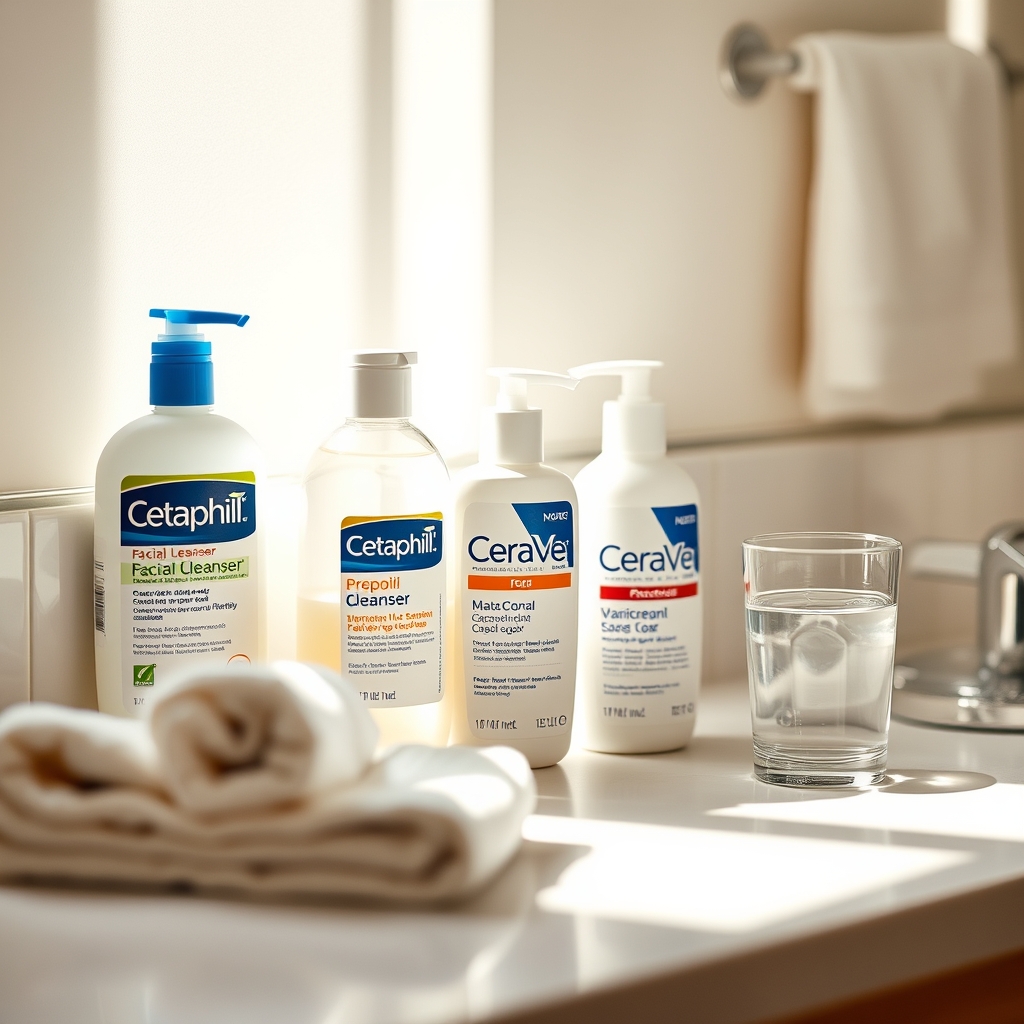
Safe: Most facial cleansers are safe for pregnancy, but avoid products with retinol, salicylic acid, or strong fragrances, especially in the first trimester.
By Shubhra Mishra — a mom of two who turned her own confusion during pregnancy into BumpBites, a global mission to make food choices clear, safe, and stress-free for every expecting mother. 💛
Check whether any food is safe during pregnancy with the BumpBites Food Safety Checker.
Quick verdict: ✅ Generally safe – most fragrance‑free, non‑exfoliating facial cleansers are considered a safe cleanser for pregnancy when used as directed. Avoid products with retinol or high concentrations of salicylic acid, especially in the first trimester, and choose gentle, hypoallergenic formulas.
It’s 2 a.m., you’re standing in front of the bathroom mirror, and a sudden surge of anxiety hits: “Did that cleanser I just used contain something that could hurt my baby?” You’re not alone. Many expectant parents wonder whether their daily facial cleanser is a safe cleanser for pregnancy. The good news is that most basic, fragrance‑free cleansers are low‑risk, but a handful of ingredients—like retinol and salicylic acid—can raise concerns.
In this guide we’ll walk through the science behind facial cleansers, break down trimester‑specific safety, list reputable brands that dermatologists often recommend, and show you how to read labels like a pro. We’ll also explore gentle alternatives, address special skin conditions such as eczema and acne, and give you a clear plan for how much cleanser to use each day. By the end, you’ll have a practical, evidence‑based roadmap for keeping your skin clean and your pregnancy worry‑free.
Cleanser option
Verdict
Safe amount
Notes
Cetaphil Gentle Skin Cleanser
✅ Safe
1‑2 pump strokes per wash
Fragrance‑free, non‑comedogenic, suitable for all trimesters.
CeraVe Hydrating Cleanser
✅ Safe
1‑2 pump strokes per wash
Contains ceramides and hyaluronic acid; fragrance‑free.
Vanicream Gentle Facial Cleanser
✅ Safe
1‑2 pump strokes per wash
Free of dyes, fragrance, and parabens; ideal for sensitive skin.
Aveeno Ultra‑Calming Foaming Cleanser
✅ Safe
1‑2 pump strokes per wash
Colloidal oatmeal soothing; fragrance‑free.
La Roche‑Posay Toleriane Hydrating Gentle Cleanser
Fragrance‑free, designed for sensitive skin; non‑comedogenic.
Simple Kind to Skin Moisturising Facial Wash
✅ Safe
1‑2 pump strokes per wash
Free of artificial perfume and dyes; very mild.
Facial cleansers are liquid, cream, or gel products designed to remove dirt, oil, makeup, and environmental pollutants from the skin’s surface. They typically contain surfactants—molecules that lower surface tension so water can lift away grime. In pregnancy, the primary safety concern isn’t the cleansing action itself but the ingredients that might be absorbed through the skin or cause irritation. Common “trigger” ingredients include retinol (a vitamin A derivative) and salicylic acid (a beta‑hydroxy acid), both of which have been flagged for potential fetal risk when used in high concentrations.
Is a facial cleanser safe during pregnancy?
Current guidance from the American College of Obstetricians and Gynecologists (ACOG) and the UK’s National Health Service (NHS) indicates that most mild, fragrance‑free facial cleansers are safe for use throughout pregnancy. The FDA does not classify over‑the‑counter facial cleansers as drugs, so they are not subject to the same rigorous safety testing, but the ingredients listed in most gentle formulas are recognized as low‑risk.
Retinol and high‑dose salicylic acid are the two ingredients most often singled out. ACOG advises pregnant women to avoid topical retinoids because vitamin A excess has been linked to birth defects in animal studies, and the same concern extends to high‑potency retinol in skin care. The NHS echoes this, noting that while small amounts of vitamin A in diet are fine, concentrations above 10,000 IU per day (or equivalent topical exposure) are best avoided.
Salicylic acid, when used in concentrations above 2 % or in oral form, can cross the placenta. The CDC’s guidance on topical salicylic acid for acne treatment recommends limiting use to one product per day and avoiding application on broken skin. For most facial cleansers that contain less than 1 % salicylic acid, the systemic absorption is minimal, but many experts still suggest steering clear during the first trimester, when organogenesis (the formation of the baby’s organs) is most vulnerable.
Overall, the evidence suggests that a safe cleanser for pregnancy is one that is fragrance‑free, non‑comedogenic, and free of retinol and high‑strength salicylic acid. Brands that meet these criteria are listed in the snapshot table above and are widely recommended by dermatologists for pregnant patients.
Is it safe to use facial cleanser in the first trimester of pregnancy?
The first trimester is the period of organ development, and many clinicians recommend extra caution with any topical product that could contain potential teratogens. Simple, non‑exfoliating cleansers—like Cetaphil Gentle Skin Cleanser or CeraVe Hydrating Cleanser—pose no known risk when used as directed. However, cleansers that contain retinol, high‑strength salicylic acid, or strong fragrance additives should be avoided during this window.
If you’ve already used a retinol‑based cleanser before you knew you were pregnant, try not to panic. The amount absorbed through the skin is typically low, and a single exposure is unlikely to cause harm. Nonetheless, switch to a fragrance‑free, gentle formula for the remainder of your pregnancy and discuss any concerns with your obstetrician.
What amount of cleanser should pregnant women use daily?
Facial cleansers are meant for surface cleaning; they are not meant to be left on the skin for extended periods. A typical “safe amount” is one to two pump strokes (approximately 1 – 2 ml) per wash, applied to damp skin, massaged gently for 15‑30 seconds, and rinsed thoroughly. Most dermatologists suggest washing your face twice a day—once in the morning and once before bed—unless your skin feels excessively dry or irritated, in which case a single daily cleanse is sufficient.
Pregnant women with oily or acne‑prone skin sometimes wonder if they should increase cleansing frequency. While it’s okay to cleanse up to three times daily, avoid over‑washing, which can strip natural oils and exacerbate irritation. Stick to the recommended amount and listen to your skin’s signals.
Are there pregnancy‑friendly cleanser brands recommended by dermatologists?
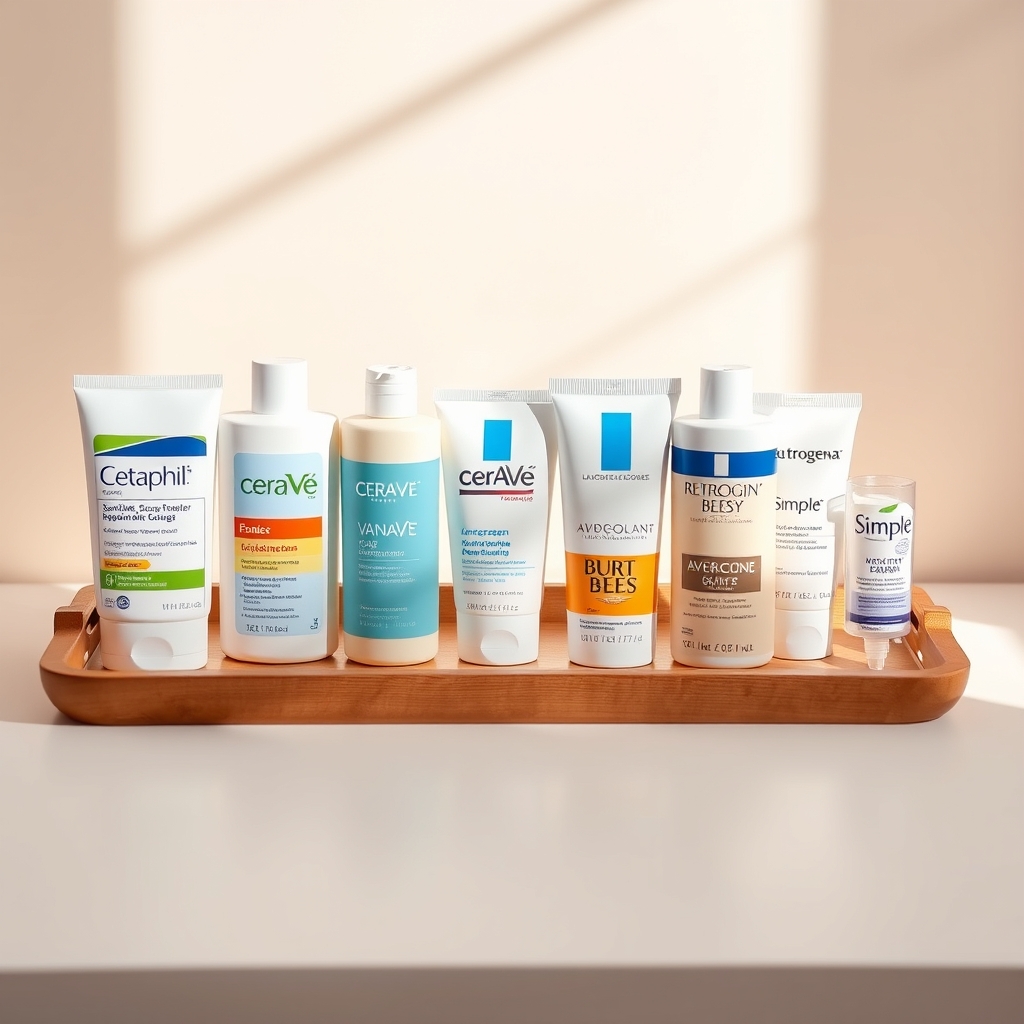
Dermatologists frequently endorse brands that prioritize hypoallergenic formulations, fragrance‑free formulas, and barrier‑supporting ingredients. The snapshot table highlights eight such options, all of which are considered pregnancy‑friendly by leading skin‑care professionals:
Cetaphil Gentle Skin Cleanser – praised for its simplicity and non‑irritating surfactants.
CeraVe Hydrating Cleanser – lauded for ceramides and hyaluronic acid that help maintain the skin barrier.
Vanicream Gentle Facial Cleanser – often recommended for patients with eczema or severe sensitivities.
Aveeno Ultra‑Calming Foaming Cleanser – contains colloidal oatmeal for soothing.
La Roche‑Posay Toleriane Hydrating Gentle Cleanser – includes niacinamide for barrier support.
Burt’s Bees Sensitive Skin Cleanser – uses natural, mild surfactants and is fragrance‑free.
Neutrogena Ultra Gentle Daily Cleanser – designed for daily use on sensitive skin.
Simple Kind to Skin Moisturising Facial Wash – free of dyes and perfumes, very gentle.
What are the risks of using retinol or salicylic acid cleansers while pregnant?
Retinol (vitamin A) and salicylic acid are both absorbed through the skin, albeit in small amounts. High systemic exposure to vitamin A has been linked to birth defects such as craniofacial anomalies and heart defects in animal models, prompting ACOG to advise against topical retinoids during pregnancy. Salicylic acid, especially at concentrations above 2 %, can cross the placenta and theoretically affect fetal development, though the risk from low‑dose topical use is considered minimal.
In practice, the main risk is skin irritation, which can lead to secondary infection—a scenario you’d want to avoid during pregnancy. If you have an acne‑prone complexion, opt for gentler, non‑exfoliating cleansers and discuss prescription‑strength acne treatments with your provider, who may recommend safer options such as azelaic acid or topical clindamycin.
Which gentle cleanser alternatives are safe for pregnant skin?
Beyond traditional foaming cleansers, several alternative methods are both effective and pregnancy‑friendly:
Oil cleansing: A blend of non‑comedogenic oils (e.g., jojoba, sunflower) can dissolve makeup and sebum without harsh surfactants.
Micellar water: Micelle‑based solutions gently lift impurities and are typically fragrance‑free; choose formulas without alcohol or retinol.
Water‑only cleansing: For very sensitive skin, rinsing with lukewarm water and a soft washcloth can be sufficient.
Honey‑based cleansers: Raw honey has natural antibacterial properties and is safe for most pregnant users.
Can pregnant women with eczema use standard facial cleansers?
Eczema (atopic dermatitis) flares when the skin barrier is compromised. Standard facial cleansers that contain harsh surfactants, fragrance, or alcohol can aggravate eczema. For pregnant women with eczema, the safest approach is to select a fragrance‑free, soap‑free cleanser—like Vanicream Gentle Facial Cleanser or CeraVe Hydrating Cleanser—that contains soothing ingredients such as ceramides, hyaluronic acid, or colloidal oatmeal. Pairing the cleanser with a moisturiser applied within three minutes of rinsing helps seal in moisture and reduces flare‑ups.
How to choose a fragrance‑free cleanser during pregnancy?
When scanning the label, look for “fragrance‑free” or “unscented” rather than “no added fragrance,” which can still contain masking scents. Verify that the ingredient list does not contain “parfum” or any listed fragrance components. Opt for products that list gentle surfactants—such as cocamidopropyl betaine, sodium cocoyl isethionate, or decyl glucoside—at the top of the list, indicating a mild concentration. Avoid dyes, essential oils, and alcohol, which can irritate sensitive skin.
Choosing a gentle, fragrance‑free cleanser can make your nightly routine feel soothing rather than stressful.
Safe dosage / amount / brands
All eight cleansers listed in the safety snapshot table are formulated for daily use. The typical dosage is one to two pumps per cleanse, applied to damp skin. If you’re using a foaming cleanser, a dime‑size amount (about 1 ml) is enough to create a mild lather. For cream or gel cleansers, a pea‑sized dab per side of the face works well.
Brands to seek out:
Cetaphil Gentle Skin Cleanser – widely available at drugstores; hypoallergenic.
CeraVe Hydrating Cleanser – contains ceramides and hyaluronic acid for barrier support.
Vanicream Gentle Facial Cleanser – free of dyes, fragrance, and parabens.
Neutrogena Ultra Gentle Daily Cleanser – dermatologist‑tested for sensitive skin.
Simple Kind to Skin Moisturising Facial Wash – free of artificial perfume and dyes.
Brands to avoid: any product that lists “retinol,” “retinyl palmitate,” “salicylic acid” (above 1 %), “alpha‑hydroxy acid (AHA),” or “essential oils” if you have a known sensitivity. Even if a product is marketed as “natural,” it can still contain ingredients that are best avoided during pregnancy.
Side effects and risks
Most gentle, fragrance‑free cleansers are well tolerated, but a few side effects can still occur:
Minor irritation: Redness, tingling, or a tight feeling may indicate a mild reaction. Reduce frequency or switch to a milder formula.
Allergic contact dermatitis: Rare, but possible if you’re sensitive to a specific surfactant. Look for “hypoallergenic” labeling and discontinue use if you develop a rash.
Dryness or flaking: Over‑cleansing can strip natural oils. Pair the cleanser with a pregnancy‑safe moisturizer within three minutes of rinsing.
Severe reaction (rare): Swelling, blistering, or spreading rash should prompt immediate medical attention as it could signal an allergic response.
None of these risks are linked to birth defects, but persistent irritation can lead to secondary infection, which is best avoided during pregnancy. If you notice any of the severe symptoms, contact your provider promptly.
Safer alternatives
Oil cleansing with jojoba oil – gently removes makeup without harsh chemicals.
Micellar water (alcohol‑free, fragrance‑free) – lifts impurities in a single step.
Plain lukewarm water with a soft washcloth – suitable for extremely sensitive skin.
Raw honey cleanser – natural antibacterial properties, safe for most pregnant users.
Fragrance‑free, ceramide‑rich gels (e.g., CeraVe Hydrating) – support barrier while cleansing.
Cetaphil Gentle Skin Cleanser
Cetaphil’s classic formula is a low‑pH, non‑soap cleanser that uses mild surfactants (e.g., sodium lauryl sulfate at a low concentration) to cleanse without disrupting the skin barrier. It is fragrance‑free and non‑comedogenic, making it a top recommendation for pregnant women, especially those with sensitive or eczema‑prone skin. Dermatologists appreciate its simplicity, and the product is widely available at most pharmacies.
CeraVe Hydrating Cleanser
CeraVe’s cleanser pairs a gentle surfactant blend with three essential ceramides and hyaluronic acid, which help restore the skin’s protective barrier—a crucial factor during pregnancy when hormonal changes can increase dryness. The formula is fragrance‑free and suitable for all skin types, including acne‑prone skin, as it does not contain comedogenic ingredients.
Vanicream Gentle Facial Cleanser
Vanicream is specifically formulated for people with sensitivities. It omits dyes, fragrance, parabens, and even common preservatives like methylisothiazolinone. The cleanser uses a combination of mild surfactants and glycerin to cleanse while maintaining moisture. Because it’s free of potential irritants, it’s a safe choice for pregnant women dealing with eczema or rosacea.
Aveeno Ultra‑Calming Foaming Cleanser
This cleanser contains colloidal oatmeal, a well‑studied soothing agent that can reduce itching and inflammation. The foaming action is gentle, and the formula is fragrance‑free, making it an excellent option for those who prefer a light, airy texture without the risk of irritating additives.
La Roche‑Posay Toleriane Hydrating Gentle Cleanser
La Roche‑Posay’s Toleriane line is designed for barrier‑compromised skin. The cleanser includes niacinamide, which helps improve skin elasticity and reduce redness, and a gentle surfactant system that cleans without stripping natural oils. It is fragrance‑free and non‑comedogenic, aligning with ACOG’s advice for safe skin‑care during pregnancy.
Burt’s Bees Sensitive Skin Cleanser
Made with natural, plant‑derived surfactants and a touch of aloe, this cleanser is free from synthetic fragrance and dyes. While “natural” products can sometimes contain essential oils that irritate, the Sensitive Skin version is specifically formulated without them, making it a safe choice for most pregnant users.
Neutrogena Ultra Gentle Daily Cleanser
Neutrogena’s formula uses a blend of mild surfactants and glycerin to cleanse while preserving moisture. It is fragrance‑free, non‑comedogenic, and dermatologist‑tested for sensitive skin, fitting comfortably within the guidelines for a safe cleanser for pregnancy.
Simple Kind to Skin Moisturising Facial Wash
Simple’s cleanser is renowned for its no‑fragrance, no‑dye approach. It contains a mild surfactant system and a light moisturising component, leaving skin feeling soft after rinsing. The product’s simplicity aligns with pregnancy‑safe recommendations—no added fragrance, no harsh chemicals.
All eight cleansers meet the criteria for a safe cleanser for pregnancy.
Myth vs. fact
Myth: All facial cleansers are safe because they’re just water and soap.
Fact: Some cleansers contain retinol, high‑strength salicylic acid, or fragrance allergens that can be risky during pregnancy, especially in the first trimester.
Myth: You need to stop cleansing altogether if you have acne during pregnancy.
Fact: Gentle, non‑exfoliating cleansers can safely be used; for persistent acne, consult your provider for pregnancy‑compatible treatments.
Myth: “Fragrance‑free” on the label means the product is completely safe.
Fact: “Fragrance‑free” is a good start, but you still need to check for other potentially harmful ingredients like retinol or salicylic acid.
Key takeaways
Most fragrance‑free, non‑exfoliating facial cleansers are a safe cleanser for pregnancy when used as directed.
Avoid retinol‑based and high‑strength salicylic acid cleansers, especially in the first trimester.
Use 1‑2 pump strokes per wash, twice daily, and follow with a pregnancy‑safe moisturizer.
Brands such as Cetaphil, CeraVe, Vanicream, Aveeno, La Roche‑Posay, Burt’s Bees, Neutrogena, and Simple meet safety criteria.
If you have eczema or sensitive skin, prioritize fragrance‑free, dye‑free formulas and consider gentle alternatives like oil cleansing or micellar water.
Any severe skin reaction (swelling, blistering, widespread rash) warrants a call to your healthcare provider.
Frequently asked questions
Can I use a regular face wash while pregnant?
Yes, as long as the face wash is fragrance‑free, non‑comedogenic, and does not contain retinol or high‑dose salicylic acid, it is generally considered safe for pregnancy.
Are there any ingredients in cleansers that are unsafe during pregnancy?
Retinol (vitamin A derivatives) and salicylic acid concentrations above 1 % are the primary ingredients flagged as unsafe, especially during the first trimester.
How often should I wash my face during pregnancy?
Twice daily—once in the morning and once before bed—is a safe routine; if your skin feels dry, once a day is sufficient.
Is it okay to use a cleanser with exfoliating acids in the second trimester?
Exfoliating acids like low‑strength glycolic or lactic acid are generally acceptable in the second trimester, but stronger salicylic acid or retinol should still be avoided.
Do I need to switch my cleanser if I have sensitive skin while pregnant?
Yes, choose a fragrance‑free, dye‑free formula such as Vanicream or Simple, which are designed for sensitive skin and safe for pregnancy.
What are the best fragrance‑free cleansers for pregnant women?
Top options include Cetaphil Gentle Skin Cleanser, CeraVe Hydrating Cleanser, Vanicream Gentle Facial Cleanser, and La Roche‑Posay Toleriane Hydrating Gentle Cleanser.
Can a cleanser cause birth defects?
Standard fragrance‑free cleansers do not cause birth defects; however, cleansers containing retinol or high‑dose salicylic acid could pose a theoretical risk and are best avoided.
Should I avoid acne‑fighting cleansers during pregnancy?
Avoid acne cleansers with high concentrations of salicylic acid or any retinol; instead, opt for gentle, non‑exfoliating formulas and discuss prescription options with your provider.
When to call your doctor
If you notice any of the following after using a facial cleanser, contact your obstetrician or dermatologist promptly:
Severe or spreading rash, swelling, or blistering.
Persistent itching that interferes with sleep.
Signs of infection such as pus, increased warmth, or fever.
Unusual skin discoloration or lesions that do not improve within a few days.
These symptoms may indicate an allergic reaction or secondary infection that requires medical evaluation. Remember, this article provides general information and is not a substitute for personalized medical advice.
References
American College of Obstetricians and Gynecologists (ACOG). “Medication Use During Pregnancy.” ACOG Committee Opinion, 2022.
National Health Service (NHS). “Skin care during pregnancy.” NHS.uk, updated 2023.
U.S. Food and Drug Administration (FDA). “Guidance for Industry: Safety of Cosmetic Ingredients.” 2021.
Centers for Disease Control and Prevention (CDC). “Topical Retinoids and Pregnancy.” CDC Health Information, 2022.
Mayo Clinic. “Pregnancy skincare tips.” MayoClinic.org, 2023.
World Health Organization (WHO). “Guidelines on the use of medicines in pregnancy.” WHO Technical Report Series, 2020.
Not sure about the label on Safe Cleanser During Pregnancy products?
Snap the ingredients list and SafeFilter checks every ingredient for your stage — only 3 free scans this month, then you're locked until reset. Unlimited from $7/mo or $50/yr.
When Shubhra Mishra was expecting her first child in 2016, she was overwhelmed by conflicting food advice — one site said yes, another said never. By the time her second baby arrived in 2019, she realized millions of mothers face the same confusion.
That sparked a five-year journey through clinical nutrition papers, cultural diets, and expert conversations — all leading to BumpBites: a calm, compassionate space where science meets everyday motherhood.
Her long-term vision is to build a global community ensuring safe, supported, and free deliveriesfor every mother — because no woman should face pregnancy alone or uninformed. 🌿
🌍 Stand with mothers, shape safer guidance
Join a small circle of experts who review BumpBites articles so expecting parents everywhere can decide with confidence.