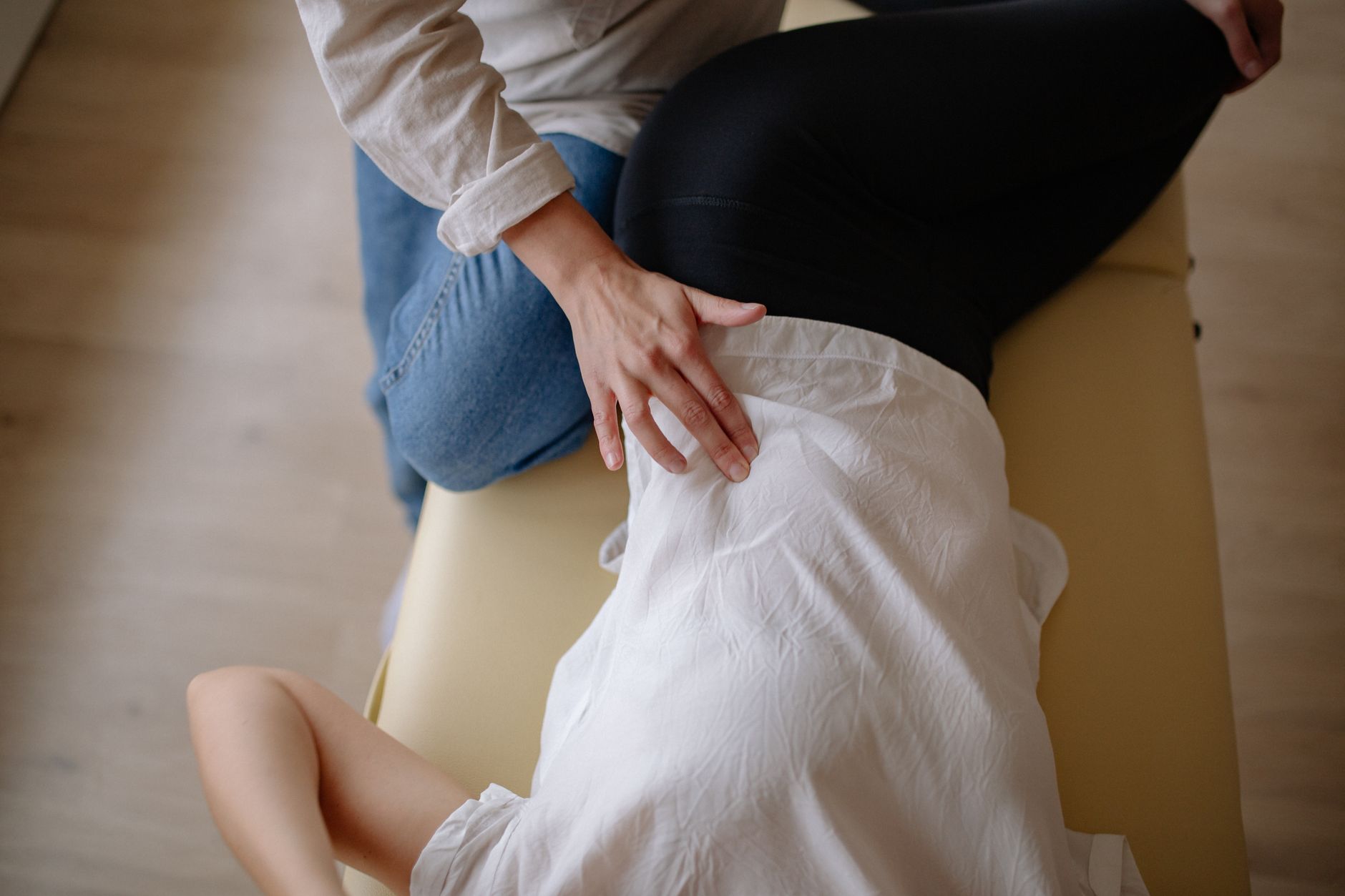
A prenatal massage can reduce back pain, improve circulation, and lower stress for expectant mothers. Learn the safety tips and when to avoid using a massager for pregnant women.
By Shubhra Mishra — a mom of two who turned her own confusion during pregnancy into BumpBites, a global mission to make food choices clear, safe, and stress-free for every expecting mother. 💛
Check whether any food is safe during pregnancy with the BumpBites Food Safety Checker.
Quick take: Prenatal massage can soothe aches, improve circulation, and lower stress when done by a certified therapist using pregnancy‑safe techniques. It’s generally safe in the second and third trimesters, but you should avoid it if you have certain medical conditions, are in the first trimester without clearance, or experience any red‑flag symptoms. Choose a therapist trained in prenatal care, limit sessions to 30‑60 minutes, and follow home‑tool safety tips to enjoy the benefits without risk.
It’s 10 p.m., you’re curled up on the couch, and the swelling in your ankles is making you wonder whether a gentle rub could help. You’ve read about “massager for pregnant” options online, but the flood of advice feels overwhelming. You’re not alone—many expectant parents grapple with the same question: “Is a massage safe, and will it actually help?” The short answer is yes, when you follow evidence‑based guidelines and work with a qualified practitioner.
In this article we’ll walk through everything you need to know: the physical and emotional benefits of prenatal massage, safety considerations for each trimester, how to spot a qualified therapist, the best techniques and oils, how often to schedule a session, and what to watch out for when using a home massager. By the end you’ll have a clear, confidence‑building roadmap for incorporating massage into your pregnancy wellness plan.
What are the benefits of prenatal massage for pregnant women?
Pregnancy reshapes your body, and a skilled prenatal massage can address many of the changes that cause discomfort. Below are the most commonly reported advantages, supported by guidance from the American College of Obstetricians and Gynecologists (ACOG) and the UK’s National Health Service (NHS).
Reduces muscle tension and back pain. Targeted strokes relax the lumbar muscles that often tighten as the uterus expands.
Improves circulation. Gentle pumping motions help move blood from swollen feet and ankles back toward the heart, decreasing edema.
Lowers stress hormones. Massage lowers cortisol and boosts serotonin, which can improve mood and sleep quality.
Alleviates nausea. Certain pressure points, when applied correctly, may lessen morning‑sickness symptoms.
Supports better sleep. The relaxation response often translates to deeper, more restorative sleep.
Potentially reduces blood pressure. ACOG notes that regular therapeutic massage may help keep systolic pressure within normal range for some pregnant people.
One mother we spoke with described her experience: after three weeks of weekly sessions, she noticed “my lower back felt like a rubber band that finally loosened, and the constant tingling in my feet faded enough that I could walk without wincing.” While individual results vary, these outcomes align with the broader research cited by the Mayo Clinic and the Cochrane Collaboration.
A relaxing side‑lying position helps maintain comfort and safety during prenatal massage.
Is it safe to get a massage during each trimester of pregnancy?
Safety guidelines differ slightly between the first, second, and third trimesters, but the overall principle is the same: avoid any technique that could increase uterine blood flow too abruptly or place the fetus under undue pressure.
First trimester (0‑13 weeks)
During the first three months, the placenta is still forming, and some providers advise caution. ACOG recommends obtaining medical clearance if you have a history of miscarriage, ectopic pregnancy, or hormonal complications. Light, short sessions (15‑30 minutes) focusing on the neck, shoulders, and upper back are generally acceptable.
Second trimester (14‑27 weeks)
The second trimester is considered the “sweet spot” for prenatal massage. Hormone levels have stabilized, and most women feel an increase in energy. ACOG and the NHS both endorse full‑body sessions using side‑lying positions, with no contraindications for a healthy pregnancy.
Third trimester (28‑40 weeks)
In the final months, the uterus is large, and lying flat on the back can compress the inferior vena cava, reducing blood return to the heart. Therapists should use a specially designed prenatal table or a regular table with a wide pillow to keep you on your side. Massage pressure should be moderate, and any deep tissue work on the abdomen should be avoided.
Across all trimesters, the following safety checks apply:
Confirm that you have no high‑risk conditions such as pre‑eclampsia, placenta previa, or preterm labor.
Make sure the therapist uses a clean, hypoallergenic environment.
Ask that the therapist monitors your comfort level and adjusts pressure instantly if you feel any discomfort.
When should I avoid prenatal massage during pregnancy?
Even with a qualified therapist, certain situations call for postponing or skipping a session. These contraindications are highlighted by the American Pregnancy Association and the Royal College of Obstetricians and Gynaecologists (RCOG):
Unexplained vaginal bleeding or spotting.
Persistent severe headaches or visual disturbances.
Signs of pre‑eclampsia (rapidly rising blood pressure, swelling of the hands/face, protein in urine).
Open sores, rashes, or infections on the skin that will be massaged.
Fever or flu‑like illness (massage can spread infection).
Recent abdominal surgery or a threatened miscarriage.
If any of these arise, pause the massage and contact your obstetric provider. A brief “check‑in” with your midwife before starting a new wellness routine is always a good practice.
How to choose a qualified prenatal massage therapist?
Finding a therapist who truly understands pregnancy physiology is the most important step. Look for the following credentials and qualities:
Certification in prenatal massage. Organizations such as the International Association of Healthcare Practitioners (IAHP) and the National Certification Board for Therapeutic Massage & Bodywork (NCBTMB) offer specific prenatal courses.
Experience with pregnant clients. Ask how many prenatal sessions they perform each month and request references.
Knowledge of positioning. A qualified therapist will have a prenatal table or use pillows to keep you on your side and will avoid any pressure on the abdomen.
Clear communication. They should ask about your medical history, current medications, and comfort level before starting.
Professional environment. The space should be clean, well‑ventilated, and stocked with pregnancy‑safe oils.
When you call a potential therapist, you might ask:
“Do you have a prenatal massage certification, and can you share the training program you completed?”
“What positioning do you use for clients in the third trimester?”
“Which oils do you recommend for pregnant skin, and are they FDA‑approved for pregnancy?”
These questions help you filter out providers who lack the specific expertise needed for a safe, effective session.
What types of prenatal massage techniques are recommended?
Not every massage style is suitable for pregnancy. Below are the most common, evidence‑backed techniques that therapists often incorporate:
Swedish massage. Gentle, flowing strokes that promote relaxation and improve circulation without deep pressure.
Lymphatic drainage. Light, rhythmic movements that encourage fluid movement, helpful for reducing swelling in the feet and hands.
Myofascial release. Targeted, sustained pressure on connective tissue, used sparingly on the back and hips to ease tension.
Shiatsu (modified). Finger pressure applied to specific points, avoiding any that are contraindicated during pregnancy (e.g., certain points on the lower back).
Therapists typically combine these methods, tailoring the session to your trimester, comfort, and specific concerns. For example, a second‑trimester client with chronic lower‑back pain may receive a blend of Swedish strokes and myofascial release on the lumbar region, while a third‑trimester client might focus primarily on lymphatic drainage to reduce edema.
Below is a quick guide to safe oil choices, which also influence the overall experience.
Oil
Pregnancy safety
Typical uses
Sweet almond oil
Generally safe (non‑toxic, low allergenicity)
Full‑body glide, suitable for Swedish massage
Jojoba oil
Safe, hypoallergenic
Moisturizing, good for sensitive skin
Coconut oil
Safe, but may be comedogenic for some
Warmth, deep tissue smoothing
Essential oils (e.g., lavender, chamomile)
Use only in very low dilution (1‑2 %); avoid rosemary, clary sage, and eucalyptus
Relaxation, aromatherapy
Choose gentle, pregnancy‑approved oils like sweet almond or jojoba for a soothing experience.
Can prenatal massage help with pregnancy‑related back pain?
Back pain affects up to 70 % of pregnant people, especially as the uterus expands and shifts the center of gravity. Prenatal massage can be a key component of a multimodal pain‑relief plan that also includes prenatal yoga, proper footwear, and pelvic‑tilt exercises.
Studies referenced by the Cochrane Collaboration show that massage reduces pain scores by an average of 2.5 points on a 10‑point visual analog scale when performed regularly (once a week). The mechanisms include:
Relaxation of the erector spinae and quadratus lumborum muscles.
Improved blood flow to the intervertebral discs, reducing inflammation.
Release of endorphins, the body’s natural pain‑killers.
One anecdotal account from a mother‑to‑be illustrates the impact: after six weekly sessions, she reported “the constant ache that made me wince when I stood up was gone, and I could finally sit through a movie without shifting every few minutes.” While massage isn’t a cure‑all, it can significantly lower the reliance on over‑the‑counter pain medications that some providers advise against during pregnancy.
Are there any risks of using a massager for pregnant women at home?
Handheld massagers and vibrational devices are convenient, but they carry unique considerations. The FDA does not specifically regulate consumer massage tools, so safety relies on proper use.
Potential risks
Excessive pressure. A high‑intensity device can compress underlying blood vessels, potentially reducing placental blood flow.
Heat generation. Some massagers emit warmth; temperatures above 38 °C (100 °F) should be avoided because they can raise core body temperature.
Improper positioning. Using a massager on the lower back while lying flat can increase uterine pressure.
Safety tips
Choose a device with adjustable intensity and start at the lowest setting.
Limit sessions to 10‑15 minutes, focusing on the shoulders, upper back, and limbs.
Avoid direct contact on the abdomen, lower back, or inner thighs.
Never use a massager if you have a high‑risk pregnancy or any of the contraindications listed earlier.
If you notice any of the following during or after using a home massager, stop immediately and contact your provider: sudden abdominal pain, spotting, dizziness, or a rapid increase in heart rate.
How often should pregnant women get a massage?
The optimal frequency balances benefit with safety and cost. ACOG suggests that a weekly to bi‑weekly schedule is reasonable for most low‑risk pregnancies, especially when dealing with chronic discomfort. For those who simply want relaxation, a monthly session may suffice.
Key considerations when deciding on frequency include:
Trimester. In the second trimester, weekly sessions are well‑tolerated; in the third, spacing to every two weeks may reduce fatigue.
Personal comfort. If you feel sore after a session, give your body at least a few days before the next appointment.
Budget and time. A consistent routine—whether weekly or monthly—helps maintain the therapeutic benefits.
Couple massage can also be a supportive option. The NHS notes that shared relaxation experiences can improve partner bonding and reduce overall family stress.
What are the differences between prenatal massage and regular massage?
While both aim to relax muscles and improve circulation, prenatal massage is tailored to the unique anatomy and physiological changes of pregnancy. The table below highlights the core distinctions.
Aspect
Regular Massage
Prenatal Massage
Positioning
Typically prone or supine.
Side‑lying or semi‑reclined with pillows; never flat on back after 20 weeks.
Pressure
Can include deep‑tissue or intense pressure.
Moderate pressure; deep tissue limited to non‑abdominal areas.
Target Areas
Full body, including abdomen.
Avoid abdomen; focus on shoulders, neck, back, hips, and limbs.
Oil Choices
Any therapeutic oil.
Pregnancy‑safe oils; essential oils diluted to ≤2 %.
Contraindications
Fewer pregnancy‑specific restrictions.
Specific medical conditions (e.g., pre‑eclampsia) require clearance.
These differences ensure that the massage supports, rather than threatens, fetal health while still delivering the relaxation you crave.
Does prenatal massage lower blood pressure in pregnancy?
High blood pressure can develop into pre‑eclampsia, a serious condition. While massage alone isn’t a treatment, several observational studies cited by the CDC indicate that regular therapeutic massage may help keep systolic blood pressure within normal limits for many pregnant individuals.
The mechanism is thought to involve:
Reduced cortisol levels, which can raise blood pressure when elevated.
Enhanced parasympathetic activity, promoting a calmer heart rate.
Women with a history of hypertension should discuss massage as part of a broader blood‑pressure management plan with their obstetrician. It is never a substitute for medication or medical monitoring.
What considerations apply for prenatal massage after 36 weeks?
When you’re in the final stretch, comfort and safety become even more critical. Here are the top adjustments recommended by the NHS and ACOG for sessions after 36 weeks:
Side‑lying position. Use a full‑length body pillow or wedge to keep the uterus off the vena cava.
Shorter sessions. Limit to 30 minutes to avoid fatigue.
Gentler pressure. Focus on the upper back, shoulders, and legs; avoid any deep tissue work near the hips.
Avoid hot stones. Heat can raise core temperature, which is discouraged late in pregnancy.
Check with your provider. If you have a high‑risk pregnancy, your doctor may advise postponing massage entirely.
Many mothers find that a brief, soothing session during these weeks helps reduce the anxiety that often spikes before labor, making the transition into delivery smoother.
From our medical team: Prenatal massage is a low‑risk, high‑reward addition to most pregnancy wellness plans when performed by a certified therapist and when you follow trimester‑specific safety guidelines. If you have any underlying medical conditions, always obtain clearance from your obstetric provider before scheduling a session.
Myth vs. fact
Myth: You can get a full‑body massage lying flat on your back at any stage of pregnancy. Fact: After 20 weeks, lying flat can compress the vena cava and reduce blood flow to the heart and baby; side‑lying is the safest position.
Myth: All essential oils are safe for pregnant skin. Fact: Some oils, like rosemary and clary sage, are contraindicated because they may stimulate uterine contractions; always use diluted, pregnancy‑approved blends.
Myth: A home handheld massager is as safe as a professional prenatal massage. Fact: Home devices can deliver excessive pressure or heat, and lack the therapist’s ability to adjust positioning, making professional care the safer choice for most pregnant individuals.
Key takeaways
Prenatal massage can relieve back pain, reduce swelling, lower stress, and may help keep blood pressure in check.
It’s safest after the first trimester, with side‑lying positions and moderate pressure.
Choose a therapist with a prenatal massage certification and experience with pregnant clients.
Use pregnancy‑safe oils like sweet almond or jojoba, and keep essential oils diluted.
Limit home massager use to low intensity, short sessions, and never on the abdomen.
Weekly to bi‑weekly sessions are ideal; after 36 weeks, keep appointments short and gentle.
Frequently asked questions
Is massage safe during the first trimester?
Yes, if you have a low‑risk pregnancy and the therapist uses gentle, short (15‑30 minute) sessions focused on the neck, shoulders, and upper back, it is generally considered safe.
How many weeks into pregnancy can you start getting massages?
Most providers recommend waiting until after the first 12‑13 weeks, when the risk of miscarriage is lower and the uterus is more stable; however, you can begin earlier with medical clearance.
What are the signs that a prenatal massage is too intense?
If you feel sharp pain, sudden abdominal cramping, dizziness, or notice spotting, stop the massage immediately and contact your obstetrician.
Can a prenatal massage help reduce swelling in my feet?
Yes, lymphatic drainage techniques and gentle leg strokes can improve fluid return, often decreasing ankle and foot edema within a few days.
Do I need a doctor's note to get a prenatal massage?
While not always required, many clinics ask for a brief note confirming that your pregnancy is low‑risk, especially if you have a history of complications.
What positions are safe for a pregnant woman during a massage?
Side‑lying with a full‑length pillow or wedge is the gold standard after 20 weeks; in the first trimester, a semi‑reclined position with proper support is also acceptable.
When to call your doctor
If you experience any of the following after or during a massage, seek medical attention right away: sudden abdominal pain, vaginal bleeding, severe headache, visual disturbances, rapid swelling of the hands or face, or a noticeable increase in blood pressure. This article provides general information and is not a substitute for personalized medical advice.
References
American College of Obstetricians and Gynecologists (ACOG). “Therapeutic Massage in Pregnancy.” Committee Opinion, 2022.
National Health Service (NHS). “Massage Therapy for Pregnant Women.” Clinical Guidance, 2021.
World Health Organization (WHO). “Maternal Health: Safe Practices for Complementary Therapies.” 2020.
Centers for Disease Control and Prevention (CDC). “Hypertension in Pregnancy.” 2023.
Mayo Clinic. “Massage Therapy: Benefits and Risks.” Updated 2023.
Royal College of Obstetricians and Gynaecologists (RCOG). “Guidelines for Prenatal Care.” 2022.
International Association of Healthcare Practitioners (IAHP). “Prenatal Massage Certification Standards.” 2021.
National Certification Board for Therapeutic Massage & Bodywork (NCBTMB). “Prenatal Massage Training.” 2022.
Cochrane Collaboration. “Massage for Pregnancy‑Related Low Back Pain.” Systematic Review, 2020.
Food and Drug Administration (FDA). “Guidance on Consumer Massage Devices.” 2021.
Not sure about the label on Prenatal Massage Benefits Safety When To Avoid products?
Snap the ingredients list and SafeFilter checks every ingredient for your stage — only 3 free scans this month, then you're locked until reset. Unlimited from $7/mo or $50/yr.
When Shubhra Mishra was expecting her first child in 2016, she was overwhelmed by conflicting food advice — one site said yes, another said never. By the time her second baby arrived in 2019, she realized millions of mothers face the same confusion.
That sparked a five-year journey through clinical nutrition papers, cultural diets, and expert conversations — all leading to BumpBites: a calm, compassionate space where science meets everyday motherhood.
Her long-term vision is to build a global community ensuring safe, supported, and free deliveriesfor every mother — because no woman should face pregnancy alone or uninformed. 🌿
🌍 Stand with mothers, shape safer guidance
Join a small circle of experts who review BumpBites articles so expecting parents everywhere can decide with confidence.