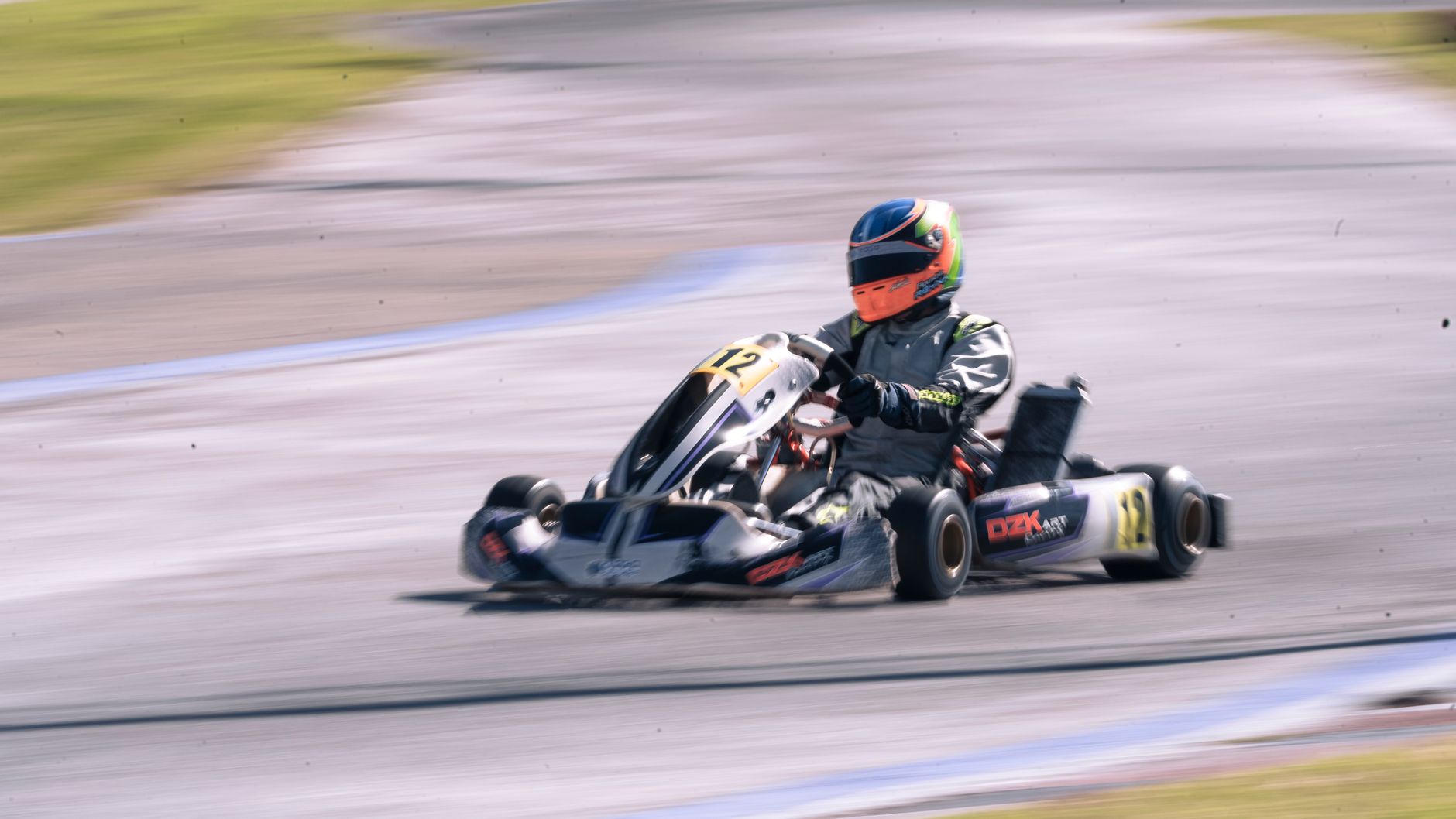
Avoid go karting during pregnancy due to high risks. Is go karting safe during pregnancy? No, jarring movements and potential for impact pose dangers in all
By Shubhra Mishra — a mom of two who turned her own confusion during pregnancy into BumpBites, a global mission to make food choices clear, safe, and stress-free for every expecting mother. 💛
Check whether any food is safe during pregnancy with the BumpBites Food Safety Checker.
Quick verdict: ❌ Best avoided. Most medical professionals and organizations strongly advise against go karting throughout all stages of pregnancy due to the significant risks of abdominal trauma, jarring movements, and potential G-forces.
That sudden urge for speed, the thrill of the race, the smell of exhaust – go karting can be an exhilarating way to spend an afternoon. But if you're pregnant, a moment of fun can quickly turn into a wave of worry. You might be standing at the track, watching friends zoom by, or perhaps you just had a spontaneous race before you even realized you were expecting, and now you’re wondering, "Is go karting safe during pregnancy?"
We get it. Pregnancy brings a whole new level of caution to activities you once took for granted. The good news is, for most daily activities, a little common sense goes a long way. But when it comes to high-impact, high-speed activities like go karting, the answer isn't so simple, and the general consensus from medical experts is to err on the side of extreme caution. At BumpBites, we're here to break down exactly why go karting is generally considered unsafe for expectant parents, what the risks are, and what fun, safe alternatives you can enjoy instead.
The thrill of go karting often involves speed, bumps, and potential impacts, making it generally unsuitable for pregnancy.
Safety Snapshot: Go Karting During Pregnancy
Trimester/Stage
Verdict
Notes
First Trimester
❌ Best Avoided
Increased risk of jarring movements affecting implantation and early fetal development, potential for abdominal trauma, and elevated adrenaline.
Second Trimester
❌ Best Avoided
Significant risk of direct abdominal trauma from steering wheel impact or vibrations, potential for placental abruption from sudden stops or collisions.
Third Trimester
❌ Best Avoided
High risk of abdominal trauma, premature labor from impact or stress, and discomfort from seatbelt pressure. Center of gravity shifts make control difficult.
Breastfeeding
✅ Generally Safe
Once cleared by your doctor post-delivery, go karting is generally safe while breastfeeding as it doesn't impact milk supply or composition.
What is Go Karting?
Go karting is a popular recreational activity where individuals race small, open-wheel, four-wheeled vehicles called go karts around a specialized track. These karts are typically powered by small engines, designed for speed and agility, and are low to the ground. The experience often involves sharp turns, sudden accelerations, and quick braking, creating a thrilling, high-energy environment. Tracks can vary from simple, flat circuits to more complex layouts with twists, turns, and even elevation changes.
Participants are usually strapped into a seat with a seatbelt, and the karts are steered using a simple steering wheel, with foot pedals for acceleration and braking. While it might seem like a relatively low-stakes activity compared to, say, car racing, go karting still involves significant forces. Drivers experience vibrations, G-forces during turns, and the potential for collisions with other karts or track barriers. The combination of speed, potential impacts, and the nature of the vehicle itself makes it an activity that requires careful consideration for pregnant individuals.
Is Go Karting Safe During Pregnancy?
The clear and consistent answer from leading medical organizations like the American College of Obstetricians and Gynecologists (ACOG) and the UK's National Health Service (NHS) is a resounding no: go karting is not considered safe during pregnancy. This guidance extends throughout all trimesters, from the earliest weeks of conception right up to delivery. The primary concerns revolve around the risks of abdominal trauma, the impact of vibrations and sudden movements, and the potential for increased stress and adrenaline.
While go karting might seem like a harmless recreational activity, the inherent design of the vehicles and the nature of the sport present several dangers to a developing pregnancy. Karts lack the advanced suspension systems of regular cars, meaning every bump and jolt is transferred directly to the driver. The seatbelts, while crucial for safety, can also exert pressure on the abdomen in the event of a sudden stop or collision. Furthermore, the G-forces experienced during sharp turns and rapid acceleration can be significant, potentially affecting blood flow and causing discomfort or even harm. Most obstetricians recommend avoiding any activity that carries a risk of falling, abdominal trauma, or significant jarring movements during pregnancy, and go karting falls squarely into this category. It's an activity where even minor incidents can have disproportionately serious consequences for an expectant parent and their baby.
Is Go Karting Safe in Early Pregnancy?
No, go karting is not considered safe in early pregnancy, despite the common misconception that risks are lower before the "baby bump" shows. The first trimester, particularly weeks 6-10, is a critical period of organogenesis, when the baby's major organs are forming. While the uterus is still protected within the pelvis, the embryo is highly vulnerable. Any significant jarring or impact, even from seemingly minor bumps or vibrations, could theoretically disrupt the delicate process of implantation or early development. The British National Health Service (NHS) advises pregnant individuals to avoid activities with a risk of falling or abdominal trauma throughout pregnancy, and this certainly includes the first trimester.
Beyond physical trauma, the stress and adrenaline rush associated with racing can also be a concern. High levels of stress hormones, particularly in early pregnancy, have been a topic of research regarding their potential impact on fetal development. While a single, short burst of adrenaline is unlikely to cause harm, repeated or prolonged stress should generally be minimized. If you've already gone go karting before realizing you were pregnant, try not to panic. Many people engage in various activities before a positive test. Take a breath, contact your healthcare provider, and discuss your concerns. They can offer reassurance and guidance specific to your situation.
What Are the Specific Risks of Go Karting During Pregnancy?
The risks associated with go karting during pregnancy are multifaceted and serious, which is why medical professionals universally advise against it. Understanding these risks can help you make informed decisions:
Abdominal Trauma: This is arguably the most significant risk. Go karts offer minimal protection, and the driver is exposed to potential impacts. A sudden stop, collision with another kart, or even hitting a barrier can cause direct blunt force trauma to the abdomen. This can lead to serious complications such as placental abruption (where the placenta detaches from the uterine wall), uterine rupture, or direct injury to the fetus. The steering wheel itself can become a source of impact if the driver is thrown forward.
Impact of Vibrations and Bumps: Go karts have very stiff suspensions, meaning every bump, jolt, and vibration from the track is transmitted directly to the driver's body. Chronic or acute jarring movements can potentially strain the uterine ligaments, cause discomfort, or, in severe cases, contribute to placental issues. While the fetus is cushioned by amniotic fluid, excessive, repetitive impact is still a concern.
Effects of G-Forces: During sharp turns and rapid acceleration or deceleration, go kart drivers experience G-forces. While not as extreme as in professional racing, these forces can still be significant enough to cause discomfort, dizziness, or potentially affect blood flow to the uterus, particularly as pregnancy progresses and blood volume changes.
Risk of Falls or Collisions: Go karting inherently carries a risk of collision with other karts or track barriers, and the potential for being thrown from the kart in a severe incident, though rare, is not zero. Any fall or collision during pregnancy is a cause for immediate medical concern due to the risk of injury to both the pregnant person and the fetus.
Increased Adrenaline and Stress Hormones: The excitement and competitive nature of go karting can lead to a significant release of adrenaline and other stress hormones. While occasional stress is normal, prolonged or intense stress should be minimized during pregnancy, as some studies suggest potential links between chronic maternal stress and various pregnancy complications.
Dehydration and Overheating: Racing can be physically demanding, leading to increased body temperature and potential dehydration, especially on outdoor tracks in warm weather. Overheating is a known risk factor during pregnancy, particularly in the first trimester, as it can be associated with certain birth defects.
Can Go Karting Lead to Miscarriage or Premature Labor?
Yes, go karting carries risks that could potentially lead to miscarriage, especially in early pregnancy, or premature labor in later stages. The primary mechanisms for these severe outcomes are directly related to the risks of abdominal trauma and significant physical stress.
A direct impact to the abdomen, which is a real possibility during a go karting collision or even from a sudden stop against the steering wheel, can cause a placental abruption. This is a life-threatening condition where the placenta prematurely separates from the uterine wall, leading to severe bleeding, oxygen deprivation for the fetus, and potentially miscarriage or premature birth. Even without a direct impact, the extreme jarring, vibrations, and G-forces experienced during go karting can put undue strain on the uterus and its supporting structures, potentially initiating uterine contractions or affecting the developing pregnancy.
The American College of Obstetricians and Gynecologists (ACOG) generally advises against activities with a high risk of abdominal trauma or falling, specifically mentioning activities like waterskiing, surfing, off-road cycling, and horseback riding – activities that share similar impact risks with go karting. While not explicitly naming go karting, the principles clearly apply. For these reasons, obstetricians strongly recommend avoiding go karting to mitigate the risk of adverse pregnancy outcomes like miscarriage or premature labor.
Is Go Karting Ever Safe During the Second or Third Trimester?
No, go karting is generally not considered safe during the second or third trimester, and in fact, the risks often increase as pregnancy progresses. While the first trimester carries unique risks related to early development, the second and third trimesters introduce new vulnerabilities.
By the second trimester, the uterus has grown significantly and extends beyond the protective confines of the pelvis, making it much more exposed and vulnerable to direct abdominal trauma. This means the risk of placental abruption from a collision or even a hard jolt is substantially higher. The growing belly can also make it difficult to sit comfortably or safely in a go kart, and the standard seatbelts may exert inappropriate pressure on the abdomen, especially during sudden stops.
In the third trimester, these risks are amplified. The uterus is at its largest and most exposed, and the baby is more developed, meaning any trauma can have immediate and severe consequences, including premature labor. Additionally, the pregnant person's center of gravity shifts, affecting balance and coordination, which can make controlling a go kart more challenging and increase the risk of an accident. The increased risk of blood clots during pregnancy also means prolonged sitting in a confined space, followed by intense activity, could be problematic, although this is a lesser concern than trauma. Therefore, medical guidance strongly advises against go karting throughout the entire pregnancy, with particular caution in the later trimesters.
Why Do Doctors Advise Against Go Karting for Pregnant Individuals?
Doctors and leading medical organizations advise against go karting for pregnant individuals due to a combination of factors that pose significant risks to both the pregnant person and the developing fetus. The core reasons align with general pregnancy safety guidelines that recommend avoiding activities with a high potential for falls, direct abdominal trauma, or extreme physical stress.
Firstly, the risk of **abdominal trauma** is paramount. Go karts offer minimal cushioning and protection, and even a minor collision or sudden stop can cause the pregnant individual to be jolted forward, potentially impacting the steering wheel or dashboard. This blunt force trauma can lead to serious complications such as placental abruption, uterine rupture, or direct fetal injury. Secondly, the **impact of vibrations and bumps** is a concern. The stiff suspension of go karts means that every jolt from the track is directly transmitted to the body, which can be uncomfortable and potentially harmful to the uterus and its delicate contents over time. Thirdly, the **G-forces** experienced during sharp turns and rapid acceleration can affect blood flow and overall comfort. While you might also be cautious about cosmetic treatments like Botox or Dysport during pregnancy, it's important to apply similar caution to activities that involve physical impact and stress.
Finally, the release of **adrenaline and stress hormones** during competitive activities like go karting, while exciting, should be minimized during pregnancy. Chronic or intense stress can have various physiological effects that are best avoided. Given these cumulative risks, the consensus from medical bodies like ACOG and the NHS is that the potential for harm far outweighs any recreational benefits, making go karting an activity best avoided during pregnancy.
What About Riding as a Passenger in a Go Kart While Pregnant?
Riding as a passenger in a go kart while pregnant carries many of the same risks as driving one, and therefore, it is also strongly advised against. While you might not be in direct control, you are still subjected to the same physical forces and potential dangers.
As a passenger, you would still experience the significant **vibrations and bumps** from the track, the **G-forces** during turns, and the potential for **abdominal trauma** in the event of a collision or sudden stop. The passenger's seating position and seatbelt arrangement may not offer adequate protection for a pregnant belly, potentially causing harmful pressure or impact. Even if the driver is very careful, external factors like other drivers on the track can lead to unpredictable situations and accidents.
Therefore, the advice remains consistent: whether driving or riding as a passenger, the inherent risks of go karting make it an unsuitable activity for any stage of pregnancy. It's always best to prioritize safety and choose alternatives that pose no risk of impact or jarring movements.
Side Effects and Risks of Go Karting During Pregnancy
Beyond the primary concerns of abdominal trauma and placental issues, there are several other side effects and risks associated with go karting during pregnancy, some of which might not be immediately obvious:
Musculoskeletal Strain: The physical demands of steering, braking, and absorbing bumps can put significant strain on the back, neck, and joints, which are already under increased stress due to pregnancy-related hormonal changes (like relaxin, which loosens ligaments). This can exacerbate back pain or lead to new discomfort.
Dizziness or Lightheadedness: The G-forces, rapid movements, and potential for overheating can contribute to dizziness or lightheadedness, especially if blood pressure is already lower due to pregnancy. This can increase the risk of losing control or feeling unwell.
Dehydration and Overheating: Go karting, particularly on outdoor tracks in warm weather, can lead to increased body temperature and dehydration. Overheating during pregnancy, especially in the first trimester, has been linked to potential birth defects, and maintaining proper hydration is crucial throughout pregnancy.
Increased Risk of Falls During Entry/Exit: The low-slung nature of go karts can make it challenging for a pregnant person to safely enter and exit the vehicle, increasing the risk of a fall, which can be dangerous at any stage of pregnancy.
Emotional Stress/Anxiety: Even if no physical harm occurs, the anxiety and stress from a near-miss or a minor collision can be emotionally taxing, leading to increased adrenaline and cortisol levels, which are best avoided during pregnancy.
Protecting your baby during pregnancy means avoiding activities with a risk of falls, impacts, or jarring movements.
Safer Alternatives to Go Karting During Pregnancy
While go karting might be off-limits, there are plenty of fun, safe activities that can still give you a sense of excitement and social engagement without the risks. Here are some excellent alternatives:
Mini Golf: A low-impact, fun activity that can be enjoyed with friends or family. It gets you moving outdoors without any risk of impact or jarring.
Bowling: Another classic group activity that's safe for pregnancy. Choose a lighter ball if needed, and take breaks between frames.
Arcade Games: From classic video games to air hockey, arcades offer plenty of entertainment without physical risk.
Escape Rooms: These mentally stimulating games are fantastic for teamwork and problem-solving, with no physical exertion or impact.
Laser Tag: While it involves movement, most laser tag arenas are designed to be safe, with soft obstacles and no physical contact. Just be mindful of your balance and avoid running if you feel unstable.
Movie Theater: A relaxing way to enjoy entertainment, perhaps with some pregnancy-safe snacks.
Swimming: An excellent full-body exercise that's gentle on joints and can relieve pregnancy discomfort. Many pools offer prenatal swim classes.
Prenatal Yoga: Specifically designed for pregnant individuals, prenatal yoga helps with flexibility, strength, and relaxation, preparing your body for birth.
Nature Walks: Enjoying the outdoors with a gentle walk can be incredibly therapeutic and a great way to stay active.
Driving Range: If you enjoy the swing of things, hitting golf balls at a driving range is a low-impact activity that allows for gentle exercise.
Related Activities — Safety at a Glance
When considering go karting, many pregnant individuals also wonder about other similar recreational activities. Here's a quick look at the safety verdicts for related high-impact or thrill-seeking options:
Activity
Verdict
Note
Roller Coasters
❌ Best Avoided
High G-forces, sudden stops/starts, and potential for abdominal trauma.
Amusement Park Rides (High-Thrill)
❌ Best Avoided
Similar risks to roller coasters; many rides have specific pregnancy warnings.
ATV Riding
❌ Best Avoided
High risk of falls, severe jarring, and abdominal trauma from bumps.
Horseback Riding
❌ Best Avoided
High risk of falls and jarring movements; balance can be affected.
Water Slides (High-Thrill)
❌ Best Avoided
Potential for high-speed impact with water, sudden drops, and jarring.
Jet Skiing
❌ Best Avoided
Risk of falls, high-speed impacts with water, and jarring from waves.
Motorcycle Riding
❌ Best Avoided
Significant risk of falls and collisions, direct abdominal trauma.
Bungee Jumping
❌ Best Avoided
Extreme G-forces, rapid deceleration, and high impact on the body.
Skydiving
❌ Best Avoided
High impact on opening parachute, extreme G-forces, and altitude changes.
Paintball
⚠️ Safe with Limits
Generally advised against due to risk of impacts; if participating, extreme caution, full protective gear, and no direct impacts to the abdomen. Better to avoid.
Myth vs. Fact
Myth vs. Fact
Myth: Go karting is fine in the first trimester because the baby is so small and protected deep inside the pelvis.
Fact: While the uterus is still within the pelvis in early pregnancy, the first trimester is a crucial period of organ development. Any significant jarring, impact, or trauma can still pose a risk to implantation and early fetal growth. The advice to avoid high-impact activities applies from conception.
Myth: If I drive carefully and slowly, go karting is safe during pregnancy.
Fact: Even if you drive cautiously, go karting tracks involve other drivers who may not be as careful, increasing the risk of collision. Furthermore, the inherent design of go karts means even slow speeds can transmit significant vibrations and bumps, and the steering wheel still poses a risk of abdominal impact in a sudden stop. The risks are not solely dependent on your driving style.
Myth: Adrenaline is just part of life, and a little excitement from go karting won't harm the baby.
Fact: While occasional mild stress is normal, intense adrenaline rushes and the associated release of stress hormones like cortisol should be minimized during pregnancy. Prolonged or extreme stress can have physiological impacts that are best avoided for the developing fetus. Protecting your pregnancy means also considering emotional and hormonal well-being.
Key Takeaways
Go karting is generally considered unsafe and best avoided throughout all stages of pregnancy.
The primary risks include abdominal trauma, jarring movements, G-forces, and potential collisions.
These risks can lead to serious complications such as placental abruption, miscarriage, or premature labor.
The advice to avoid go karting applies equally to the first, second, and third trimesters.
Even riding as a passenger in a go kart carries similar risks and should be avoided.
Many safe and enjoyable alternatives exist, such as mini golf, bowling, swimming, or nature walks.
Frequently Asked Questions
Can you ride go karts while pregnant?
No, you should not ride go karts while pregnant. Medical organizations and obstetricians strongly advise against it due to significant risks of abdominal trauma, jarring vibrations, and potential collisions that could harm both the pregnant person and the developing fetus. These risks are present in all trimesters.
What activities should you avoid while pregnant?
During pregnancy, it's generally recommended to avoid activities with a high risk of falling, abdominal trauma, or extreme physical exertion. This includes contact sports, downhill skiing, horseback riding, scuba diving, hot yoga, and high-impact amusement park rides. Always consult your doctor for personalized advice on specific activities. You might also be curious about the safety of cosmetic procedures like diode laser treatments or Kybella injections.
Can you go on amusement rides while pregnant?
Most high-thrill amusement park rides, including roller coasters and rides with sudden stops, drops, or G-forces, are not safe during pregnancy and should be avoided. Many rides post specific warnings for pregnant individuals. Low-key, gentle rides with no sudden movements or impacts may be permissible, but it's always best to check with your doctor and read ride guidelines carefully.
Is it safe to ride a quad bike when pregnant?
No, it is not safe to ride a quad bike (ATV) when pregnant. Quad biking involves significant jarring, bumps, and a high risk of falls or rollovers, which can lead to severe abdominal trauma, placental abruption, or other serious complications for the pregnant person and the fetus. It is strongly advised against throughout pregnancy.
What can you not do in early pregnancy?
In early pregnancy, it's crucial to avoid alcohol, smoking, illicit drugs, and certain medications without doctor approval. You should also steer clear of high-impact sports, activities with a risk of falling or abdominal trauma (like go karting, horseback riding, skiing), and activities that cause overheating (such as hot tubs or saunas). Always prioritize a healthy diet and consult your provider for specific guidance. When considering cosmetic procedures, like Radiesse, it's also wise to exercise similar caution and discuss with your doctor.
Can you go on a bumpy car ride while pregnant?
Occasional, short bumpy car rides are generally not a major concern for most healthy pregnancies. However, prolonged or extremely rough rides, especially those causing significant jolting or discomfort, should be avoided, particularly in later pregnancy. If you experience pain or contractions after a bumpy ride, contact your doctor.
Is it safe to ride a bike while pregnant?
Riding a stationary bike is generally safe and often recommended during pregnancy. Outdoor cycling can be safe for experienced riders in early pregnancy, but the risk of falls increases as your center of gravity shifts and your belly grows. Many doctors advise switching to a stationary bike or avoiding outdoor cycling in the second and third trimesters to prevent falls and potential abdominal trauma.
When to Call Your Doctor
If you've gone go karting before realizing you were pregnant, or if you had an accidental fall or impact during pregnancy, it's important to contact your healthcare provider immediately, even if you feel fine. Seek urgent medical attention if you experience any of the following after participating in go karting or any high-impact activity:
Vaginal bleeding (even spotting)
Abdominal pain or cramping
Severe back pain
Fluid leaking from the vagina
Regular or painful contractions
Decreased fetal movement (if you are far enough along to feel it)
Dizziness, lightheadedness, or fainting
Any signs of injury or trauma
This information is for educational purposes only and is not a substitute for professional medical advice, diagnosis, or treatment. Always seek the advice of your physician or other qualified health provider with any questions you may have regarding a medical condition.
References
American College of Obstetricians and Gynecologists (ACOG). (2020). Physical Activity and Exercise During Pregnancy and the Postpartum Period (Practice Bulletin No. 207).
National Health Service (NHS) UK. (2022). Exercise in pregnancy.
Centers for Disease Control and Prevention (CDC). (2023). Maternal and Infant Health.
Mayo Clinic. (2023). Pregnancy and exercise: Baby, let's move!
Not sure about the label on Is Go Karting Safe During Pregnancy products?
Snap the ingredients list and SafeFilter checks every ingredient for your stage — only 3 free scans this month, then you're locked until reset. Unlimited from $7/mo or $50/yr.
When Shubhra Mishra was expecting her first child in 2016, she was overwhelmed by conflicting food advice — one site said yes, another said never. By the time her second baby arrived in 2019, she realized millions of mothers face the same confusion.
That sparked a five-year journey through clinical nutrition papers, cultural diets, and expert conversations — all leading to BumpBites: a calm, compassionate space where science meets everyday motherhood.
Her long-term vision is to build a global community ensuring safe, supported, and free deliveriesfor every mother — because no woman should face pregnancy alone or uninformed. 🌿
🌍 Stand with mothers, shape safer guidance
Join a small circle of experts who review BumpBites articles so expecting parents everywhere can decide with confidence.