Avoid Radiesse during pregnancy. Experts advise against this dermal filler due to limited safety data, especially in the first trimester and for cosmetic use.
By Shubhra Mishra — a mom of two who turned her own confusion during pregnancy into BumpBites, a global mission to make food choices clear, safe, and stress-free for every expecting mother. 💛
Check whether any food is safe during pregnancy with the BumpBites Food Safety Checker.
Quick verdict: ❌ Radiesse is not considered safe to use during pregnancy. The FDA has not approved Radiesse for use in pregnant women, and there are no well-controlled studies on its safety for a developing fetus. Most obstetricians and dermatologists recommend avoiding cosmetic fillers like Radiesse while pregnant or breastfeeding to minimize any potential risks.
You’re staring at your reflection, tracing the fine lines that seem to have appeared overnight. Maybe you’ve been using Radiesse for years to smooth out wrinkles or restore volume to your cheeks, and now you’re pregnant—or trying to be. The question hits you like a wave: is Radiesse pregnancy safe during pregnancy? If you’ve already had an injection, you might be panicking. If you’re considering one, you’re likely searching for a clear, confident answer. Take a deep breath. We’re here to walk you through what the evidence actually says, what your provider would recommend, and what safer options you can explore instead.
Radiesse is a popular dermal filler, but pregnancy changes everything. Your body is working overtime to support your growing baby, and even routine cosmetic procedures can carry unknown risks. The good news? There’s no evidence that a single past injection will harm your pregnancy—but that doesn’t mean it’s risk-free. In this guide, we’ll break down the safety verdict by trimester, explain why experts advise caution, and give you a list of pregnancy-safe alternatives that can help you feel like yourself again, without the worry.
Radiesse Safety During Pregnancy: Trimester-by-Trimester Verdict
Trimester
Safety Verdict
Notes
First trimester (weeks 1-12)
❌ Avoid
Organ development is most vulnerable. No data exists on Radiesse’s safety during this critical window.
Second trimester (weeks 13-27)
❌ Avoid
While major organ formation is complete, the risk of unknown effects on fetal development remains.
Third trimester (weeks 28-birth)
❌ Avoid
Late-pregnancy immune and inflammatory responses could increase the risk of complications from injections.
Breastfeeding
⚠️ Avoid if possible
No data on whether Radiesse components pass into breast milk. Most providers recommend waiting until after weaning.
What is Radiesse and how does it work?
Radiesse is a dermal filler made from calcium hydroxylapatite (CaHA) microspheres suspended in a gel. When injected under the skin, it immediately adds volume to areas like the cheeks, jawline, or hands. Over time, the gel dissolves, but the CaHA microspheres stimulate your body’s natural collagen production, providing longer-lasting results—typically 12 to 18 months. Unlike hyaluronic acid fillers (like Juvederm or Restylane), Radiesse is not reversible with an enzyme, so any side effects or complications must resolve on their own.
People love Radiesse for its "lift" effect and its ability to smooth deeper wrinkles and folds. It’s also FDA-approved for correcting volume loss in the hands and for treating facial fat loss in people with HIV. But here’s the catch: Radiesse is classified as a medical device, not a drug, which means it hasn’t undergone the same rigorous pregnancy safety testing as medications. That lack of data is why most providers err on the side of caution when it comes to using it during pregnancy.
Is Radiesse safe during pregnancy?
The short answer: no, Radiesse is not considered safe during pregnancy. Here’s why:
The FDA has not approved Radiesse for use in pregnant women, and it’s classified as a Pregnancy Category C medical device. This means animal studies have shown potential risks to the fetus, but there are no well-controlled studies in humans. In other words, we don’t know for sure if Radiesse is harmful during pregnancy, but the lack of data means we can’t rule out risks either.
Most obstetricians and dermatologists follow the American College of Obstetricians and Gynecologists (ACOG) and American Society for Dermatologic Surgery (ASDS) guidelines, which recommend avoiding elective cosmetic procedures during pregnancy. The concern isn’t just about the filler itself—it’s also about the injection process. Pregnancy alters your immune system, blood flow, and skin sensitivity, which could increase the risk of side effects like swelling, bruising, or infection. There’s also a theoretical risk that the filler could migrate or cause inflammation, though this hasn’t been studied in pregnant women.
Another factor to consider is that pregnancy itself can change how your body responds to fillers. Hormonal shifts can make your skin more sensitive, and increased blood volume can lead to more bruising or swelling. Some women also experience melasma (dark patches on the skin) during pregnancy, which could be worsened by injections. The bottom line: while there’s no direct evidence that Radiesse harms a developing fetus, the unknowns make it a procedure best postponed until after pregnancy and breastfeeding.
Is Radiesse safe to use during the first trimester of pregnancy?
No, Radiesse is not safe to use during the first trimester of pregnancy. The first 12 weeks are the most critical period for your baby’s development. During this time, the neural tube forms, organs begin to develop, and the risk of birth defects is highest. Introducing any foreign substance—even one that seems harmless—could theoretically interfere with this delicate process.
There are no studies on Radiesse use during the first trimester, so we simply don’t know how it might affect a developing fetus. What we do know is that the first trimester is when your body is most sensitive to external influences. Even common medications like ibuprofen are avoided during this time due to potential risks. Given the lack of data, most providers recommend postponing Radiesse injections until after the first trimester—or, more conservatively, until after pregnancy and breastfeeding.
If you received a Radiesse injection before you knew you were pregnant, try not to panic. The risk of harm is likely very low, especially if it was a single injection. However, you should still inform your obstetrician so they can monitor your pregnancy closely and address any concerns you might have.
Can I receive Radiesse injections in the second trimester without risk?
No, Radiesse is still not recommended during the second trimester. While the major organs have formed by this point, your baby is still growing rapidly, and your body is undergoing significant changes. The second trimester is often called the "honeymoon phase" of pregnancy because many women feel their best, but that doesn’t mean it’s risk-free for cosmetic procedures.
The concerns with Radiesse in the second trimester are similar to those in the first: unknown effects on fetal development, increased risk of side effects due to pregnancy-related changes in your body, and the lack of safety data. Additionally, the second trimester is when your blood volume increases significantly, which can make bruising or swelling from injections more likely. There’s also a theoretical risk of infection, which could be more serious during pregnancy due to changes in your immune system.
Most dermatologists and obstetricians agree that elective procedures like Radiesse should be postponed until after pregnancy. If you’re dealing with pregnancy-related skin changes (like melasma or volume loss), there are safer ways to address them, which we’ll cover in the "Safer Alternatives" section below.
What are the recommended dosage limits for Radiesse during pregnancy?
There is no safe or recommended dosage of Radiesse during pregnancy. Because Radiesse is not approved for use in pregnant women, there are no established dosage guidelines for this population. The standard adult dosage for cosmetic use varies depending on the treatment area, but it typically ranges from 0.5 to 1.5 mL per session. However, this dosage is not considered safe during pregnancy, regardless of the amount.
Radiesse’s manufacturer, Merz Aesthetics, explicitly states that the safety and effectiveness of Radiesse in pregnant women have not been established. The FDA’s Pregnancy Category C classification means that even small amounts could pose risks, and without human studies, we can’t determine a "safe" threshold. For this reason, most providers will not administer Radiesse to pregnant women at any dosage.
If you’re considering Radiesse for medical reasons (such as hand volume loss in HIV patients), your provider may explore alternative treatments that are known to be safe during pregnancy. Always consult your obstetrician before proceeding with any cosmetic or medical procedure while pregnant.
Are there safer dermal filler alternatives to Radiesse for pregnant women?
Yes! If you’re looking to maintain your skin’s appearance during pregnancy without the risks of Radiesse, there are several safer alternatives to consider. While no dermal filler is FDA-approved for use during pregnancy, some options are lower-risk or non-invasive. Here’s a breakdown of your best bets:
Topical vitamin C serums: Vitamin C is a pregnancy-safe antioxidant that brightens skin, reduces dark spots, and boosts collagen production. Look for serums with 10-20% L-ascorbic acid and apply them daily. Brands like SkinCeuticals C E Ferulic or Paula’s Choice C15 Super Booster are highly rated, but always check with your provider before starting any new skincare product.
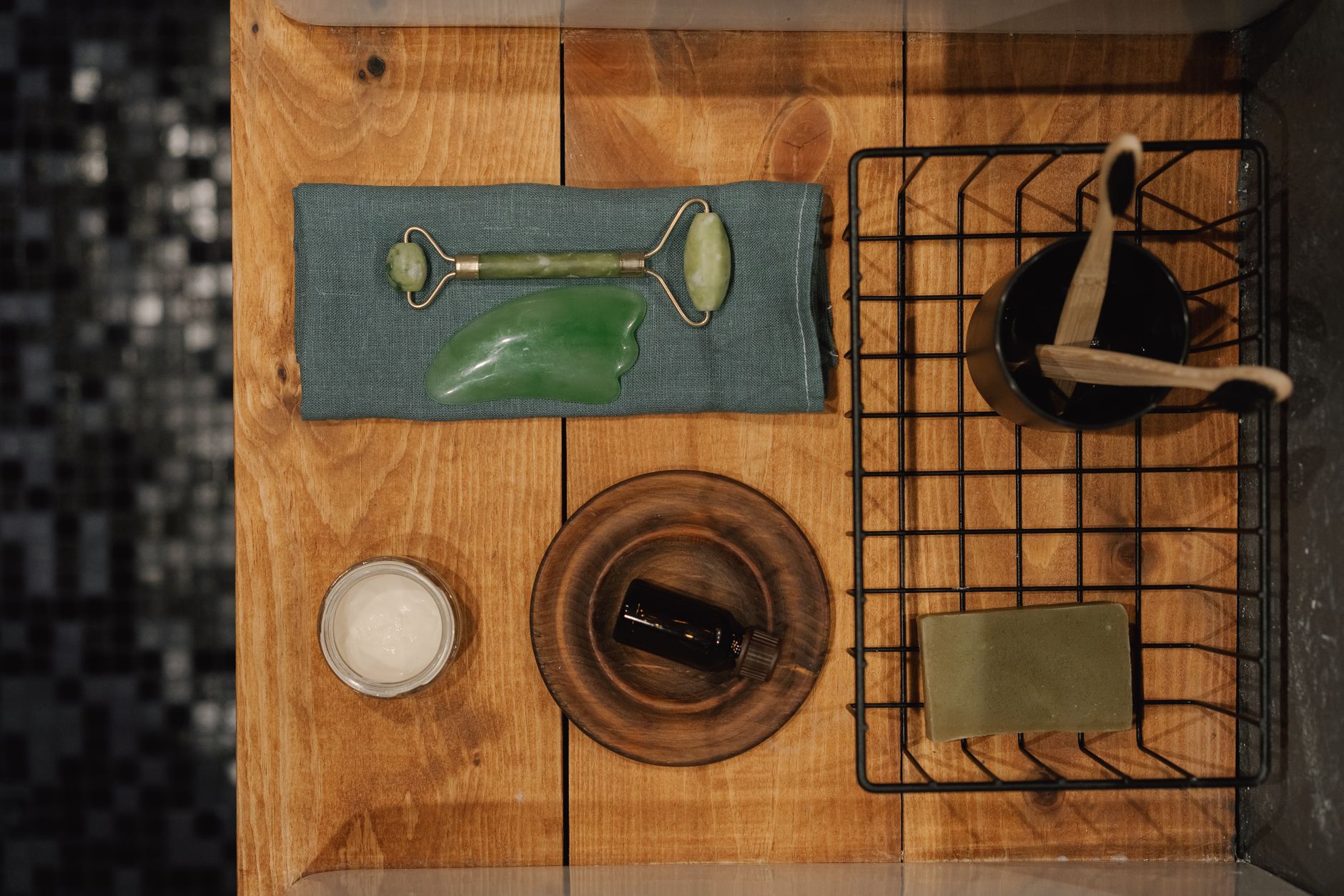
Cosmetic facial massage therapy: Gentle facial massage can improve circulation, reduce puffiness, and temporarily enhance your skin’s glow. Techniques like gua sha or lymphatic drainage massage are safe during pregnancy and can be done at home or by a licensed esthetician. Pair it with a pregnancy-safe facial oil (like rosehip or jojoba) for extra hydration.
Microneedling with hyaluronic acid serum: Microneedling (also called collagen induction therapy) creates tiny micro-injuries in the skin to stimulate collagen production. When paired with a hyaluronic acid serum, it can improve skin texture and hydration. Note: Avoid microneedling if you have active acne, eczema, or open wounds. Always choose a provider experienced in treating pregnant women, as some may prefer to wait until after the first trimester.
Hyaluronic acid-based fillers (postpartum only): While hyaluronic acid fillers like Juvederm Ultra or Restylane Lyft are not recommended during pregnancy, they are generally considered safer than Radiesse for postpartum use. These fillers are reversible with hyaluronidase (an enzyme that dissolves the filler), which can be a reassuring option if you’re unsure about long-term results. However, you should still wait until after breastfeeding to receive any dermal filler.
Sculptra Aesthetic (postpartum only): Sculptra is a collagen-stimulating filler that works gradually over several months. Like Radiesse, it’s not approved for use during pregnancy, but it’s often considered a safer alternative postpartum because it doesn’t contain calcium hydroxylapatite. Still, it’s best to wait until after breastfeeding to avoid any unknown risks.
If you’re dealing with specific concerns like dark circles, melasma, or volume loss, talk to your dermatologist about pregnancy-safe skincare routines or treatments. Many women find that a combination of topical products, facial massage, and professional treatments (like LED light therapy) can help them feel confident without the risks of fillers.
Does the brand name Radiesse differ in safety compared to other calcium hydroxylapatite fillers?
No, Radiesse is not inherently safer or riskier than other calcium hydroxylapatite (CaHA) fillers. Radiesse is the most well-known brand of CaHA filler, but other brands (like Ellanse or Renuva) work in a similar way. The safety concerns during pregnancy apply to all CaHA fillers, not just Radiesse. Here’s why:
All CaHA fillers are composed of the same active ingredient: calcium hydroxylapatite microspheres suspended in a gel. These microspheres stimulate collagen production, which is why the results last longer than hyaluronic acid fillers. However, the lack of pregnancy safety data applies to all CaHA fillers, not just Radiesse. The FDA’s Pregnancy Category C classification for Radiesse is based on the ingredient itself, not the brand.
That said, Radiesse is the only CaHA filler currently approved by the FDA for cosmetic use in the U.S. Other CaHA fillers may be available in other countries or used off-label, but they haven’t undergone the same level of testing. If you’re considering a CaHA filler, the brand name doesn’t change the pregnancy safety risks—all are best avoided during pregnancy and breastfeeding.
If you’re looking for a filler with a better safety profile during pregnancy, hyaluronic acid-based fillers (like Juvederm or Restylane) are generally considered lower-risk postpartum, but they’re still not recommended during pregnancy. Always consult your provider before considering any filler, regardless of the brand.
What are the potential risks and side effects of Radiesse for pregnant patients?
While there are no studies specifically linking Radiesse to complications in pregnancy, the potential risks and side effects are worth understanding. Here’s what you should know:
Common Side Effects (Not Pregnancy-Specific)
Swelling and bruising: These are the most common side effects of Radiesse injections, and they may be more pronounced during pregnancy due to increased blood volume and skin sensitivity.
Redness and tenderness: The injection site may feel sore or look red for a few days. Pregnancy-related skin changes (like increased blood flow) could make these side effects more noticeable.
Lumps or nodules: In rare cases, Radiesse can cause small, firm lumps under the skin. These usually resolve on their own but may be more likely during pregnancy due to hormonal shifts.
Pregnancy-Specific Risks
Unknown fetal risks: Because Radiesse hasn’t been studied in pregnant women, we don’t know if the calcium hydroxylapatite microspheres or the gel carrier could cross the placenta or affect fetal development. The lack of data means we can’t rule out risks.
Increased infection risk: Pregnancy alters your immune system, which could make you more susceptible to infections at the injection site. While rare, infections can be serious and may require antibiotics, which can also pose risks during pregnancy.
Inflammatory response: Radiesse works by stimulating collagen production, which involves a mild inflammatory response. During pregnancy, your body is already in a heightened inflammatory state, which could theoretically increase the risk of side effects like swelling or discomfort.
Migration or misplacement: There’s a small risk that the filler could migrate from the injection site, though this is rare. During pregnancy, changes in skin elasticity and fluid retention could make this more likely.
Long-Term Risks
Delayed side effects: Because Radiesse stimulates collagen production over time, some side effects (like lumps or uneven texture) may not appear until weeks or months after the injection. If you’re pregnant, these delayed effects could coincide with other pregnancy-related skin changes, making them harder to manage.
Breastfeeding concerns: It’s unknown whether Radiesse components could pass into breast milk. While the risk is likely low, most providers recommend avoiding fillers until after weaning to be safe.
If you’ve already had a Radiesse injection and are now pregnant, don’t panic. The risk of harm is likely very low, especially if it was a single injection. However, you should still inform your obstetrician so they can monitor your pregnancy and address any concerns. If you experience any unusual symptoms (like severe swelling, pain, or signs of infection), contact your provider immediately.
How does Radiesse affect pregnancy-related conditions like gestational hypertension?
There’s no direct evidence that Radiesse causes or worsens gestational hypertension (high blood pressure during pregnancy), but the lack of data means we can’t rule out potential risks. Here’s what you should consider:
Gestational hypertension affects about 6-8% of pregnancies and can lead to complications like preeclampsia, preterm birth, or placental abruption. While Radiesse itself isn’t known to raise blood pressure, the injection process could theoretically contribute to stress or inflammation, which might exacerbate existing hypertension. Additionally, pregnancy-related changes in blood flow and immune response could make side effects like swelling or bruising more pronounced, which could be uncomfortable if you’re already dealing with high blood pressure.
Another concern is that Radiesse stimulates collagen production through a mild inflammatory response. During pregnancy, your body is already in a state of heightened inflammation, which could theoretically increase the risk of side effects or complications. While this hasn’t been studied, it’s one reason why most providers recommend avoiding elective procedures like Radiesse if you have pregnancy-related conditions like hypertension, diabetes, or autoimmune disorders.
If you have gestational hypertension or are at risk for it, it’s especially important to avoid unnecessary procedures during pregnancy. Focus on managing your blood pressure through diet, exercise, and regular prenatal care. If you’re concerned about skin changes or volume loss, talk to your provider about pregnancy-safe alternatives like topical serums or facial massage.
What do obstetricians recommend regarding Radiesse use while pregnant?
Most obstetricians recommend avoiding Radiesse during pregnancy and breastfeeding. Here’s what the leading authorities say:
American College of Obstetricians and Gynecologists (ACOG): ACOG advises against elective cosmetic procedures during pregnancy due to the lack of safety data and the potential for unknown risks. While ACOG doesn’t specifically mention Radiesse, their guidance applies to all dermal fillers and cosmetic injections.
American Society for Dermatologic Surgery (ASDS): The ASDS recommends postponing cosmetic procedures like Radiesse until after pregnancy and breastfeeding. They note that pregnancy-related changes in skin sensitivity, blood flow, and immune response could increase the risk of side effects.
FDA: The FDA has not approved Radiesse for use in pregnant women, and it’s classified as a Pregnancy Category C medical device. This means there are no well-controlled studies in humans, and the risks cannot be ruled out.
NHS (UK): The NHS advises against non-essential cosmetic procedures during pregnancy, including dermal fillers. They emphasize that the lack of data means we can’t be certain about safety.
Most obstetricians follow these guidelines and will advise you to postpone Radiesse injections until after pregnancy and breastfeeding. If you’re considering Radiesse for medical reasons (such as hand volume loss in HIV patients), your provider may explore alternative treatments that are known to be safe during pregnancy. Always consult your obstetrician before proceeding with any cosmetic or medical procedure while pregnant.
If you’ve already had a Radiesse injection and are now pregnant, don’t panic. The risk of harm is likely very low, especially if it was a single injection. However, you should still inform your obstetrician so they can monitor your pregnancy and address any concerns. If you experience any unusual symptoms (like severe swelling, pain, or signs of infection), contact your provider immediately.
Safer alternatives to Radiesse during pregnancy
If you’re looking to maintain your skin’s appearance during pregnancy without the risks of Radiesse, here are 8 safer alternatives to consider. We’ve included a mix of at-home treatments, professional procedures, and postpartum options to suit your needs:
Topical vitamin C serums: Vitamin C is a pregnancy-safe antioxidant that brightens skin, fades dark spots, and boosts collagen production. Look for serums with 10-20% L-ascorbic acid, like SkinCeuticals C E Ferulic or Paula’s Choice C15 Super Booster. Apply daily after cleansing for best results.
Cosmetic facial massage therapy: Gentle facial massage can improve circulation, reduce puffiness, and temporarily enhance your skin’s glow. Techniques like gua sha or lymphatic drainage massage are safe during pregnancy and can be done at home with a jade roller or by a licensed esthetician. Pair it with a pregnancy-safe facial oil (like rosehip or jojoba) for extra hydration.
Microneedling with hyaluronic acid serum: Microneedling (also called collagen induction therapy) creates tiny micro-injuries in the skin to stimulate collagen production. When paired with a hyaluronic acid serum, it can improve skin texture and hydration. Note: Avoid microneedling if you have active acne, eczema, or open wounds. Always choose a provider experienced in treating pregnant women, as some may prefer to wait until after the first trimester.
LED light therapy: LED light therapy (like red or near-infrared light) is a non-invasive treatment that can boost collagen production, reduce inflammation, and improve skin tone. It’s safe during pregnancy and can be done at home with a device like Dr. Dennis Gross SpectraLite FaceWare Pro or in a dermatologist’s office.
Topical retinol alternatives (postpartum only): While traditional retinol is not safe during pregnancy, bakuchiol is a plant-based alternative that mimics retinol’s effects without the risks. Try a serum like Biossance Squalane + Phyto-Retinol Serum for gentle exfoliation and collagen stimulation. Note: Always check with your provider before using any new skincare product postpartum.
Hyaluronic acid-based fillers (postpartum only): While hyaluronic acid fillers like Juvederm Ultra or Restylane Lyft are not recommended during pregnancy, they are generally considered safer than Radiesse for postpartum use. These fillers are reversible with hyaluronidase (an enzyme that dissolves the filler), which can be a reassuring option if you’re unsure about long-term results. However, you should still wait until after breastfeeding to receive any dermal filler.
Sculptra Aesthetic (postpartum only): Sculptra is a collagen-stimulating filler that works gradually over several months. Like Radiesse, it’s not approved for use during pregnancy, but it’s often considered a safer alternative postpartum because it doesn’t contain calcium hydroxylapatite. Still, it’s best to wait until after breastfeeding to avoid any unknown risks.
If you’re dealing with specific concerns like dark circles, melasma, or volume loss, talk to your dermatologist about a pregnancy-safe skincare routine. Many women find that a combination of topical products, facial massage, and professional treatments can help them feel confident without the risks of fillers.
Related dermal fillers: safety at a glance
If you’re exploring dermal fillers and want to know how Radiesse compares to other options, here’s a quick safety snapshot. Remember: no dermal filler is FDA-approved for use during pregnancy, and most providers recommend avoiding all fillers until after pregnancy and breastfeeding.
Dermal Fillers and Pregnancy Safety: At a Glance
Filler
Safety Verdict
Notes
Juvederm (hyaluronic acid)
⚠️ Avoid during pregnancy; safer postpartum
Hyaluronic acid fillers are reversible with hyaluronidase, making them a lower-risk option postpartum. Still, wait until after breastfeeding.
Restylane (hyaluronic acid)
⚠️ Avoid during pregnancy; safer postpartum
Similar to Juvederm, Restylane is reversible and generally considered safer than Radiesse postpartum. Avoid during pregnancy and breastfeeding.
Sculptra (poly-L-lactic acid)
❌ Avoid during pregnancy; cautious postpartum
Sculptra stimulates collagen production over time. While it doesn’t contain CaHA, it’s still not recommended during pregnancy or breastfeeding.
Bellafill (polymethyl methacrylate)
❌ Avoid
Bellafill is a semi-permanent filler that contains PMMA microspheres. It’s not recommended during pregnancy or breastfeeding due to the lack of safety data.
Kybella (deoxycholic acid)
❌ Avoid
Kybella is used to dissolve fat under the chin. It’s not a filler, but it’s still not recommended during pregnancy or breastfeeding due to unknown risks.
Voluma (hyaluronic acid)
⚠️ Avoid during pregnancy; safer postpartum
Voluma is a hyaluronic acid filler designed for cheek augmentation. Like other HA fillers, it’s reversible and generally considered safer postpartum.
Ellanse (polycaprolactone)
❌ Avoid
Ellanse is a collagen-stimulating filler similar to Radiesse. It’s not recommended during pregnancy or breastfeeding due to the lack of safety data.
If you’re considering a dermal filler, always consult your provider first. They can help you weigh the risks and benefits and explore safer alternatives that align with your pregnancy and postpartum goals.
Pregnancy-safe skincare doesn’t have to be complicated. A simple routine of vitamin C, hyaluronic acid, and facial massage can help you maintain your glow without the risks of fillers.
Myth vs. fact: Radiesse and pregnancy
When it comes to Radiesse and pregnancy, misinformation can spread quickly. Let’s clear up some common myths with the facts:
Myth: "Radiesse is just a gel, so it can’t harm my baby."
Fact: While Radiesse is a gel, it’s not just any gel—it contains calcium hydroxylapatite microspheres that stimulate collagen production. The lack of safety data means we can’t be certain that these components won’t affect fetal development. The FDA’s Pregnancy Category C classification means the risks cannot be ruled out, even if they’re theoretical.
Myth: "If I had Radiesse before I knew I was pregnant, my baby is at risk."
Fact: There’s no evidence that a single Radiesse injection before or during early pregnancy will harm your baby. The risk of harm is likely very low, especially if it was a one-time treatment. However, you should still inform your obstetrician so they can monitor your pregnancy and address any concerns.
Myth: "Radiesse is safer than other fillers during pregnancy because it’s ‘natural.’"
Fact: Radiesse is often marketed as a "natural" filler because calcium hydroxylapatite is a mineral found in bones. However, "natural" doesn’t mean "safe during pregnancy." The lack of safety data applies to all fillers, regardless of their ingredients. Hyaluronic acid fillers (like Juvederm) are often considered lower-risk postpartum, but they’re still not recommended during pregnancy.
Key takeaways
Radiesse is not considered safe during pregnancy. The FDA has not approved it for use in pregnant women, and there are no well-controlled studies on its safety for a developing fetus.
Avoid Radiesse in all trimesters, including the first. The first trimester is the most critical period for fetal development, and introducing any foreign substance could pose risks. The second and third trimesters also carry unknown risks due to pregnancy-related changes in your body.
There is no safe dosage of Radiesse during pregnancy. Because Radiesse is not approved for use in pregnant women, there are no established dosage guidelines for this population.
Most obstetricians recommend postponing Radiesse until after pregnancy and breastfeeding. ACOG, ASDS, and the FDA all advise against elective cosmetic procedures during pregnancy due to the lack of safety data.
Safer alternatives exist for maintaining your skin’s appearance during pregnancy. Options like topical vitamin C serums, hyaluronic acid moisturizers, facial massage, and microneedling with hyaluronic acid serum can help you feel confident without the risks of fillers.
If you’ve already had Radiesse and are now pregnant, don’t panic. The risk of harm is likely very low, but you should still inform your obstetrician so they can monitor your pregnancy and address any concerns.
Frequently asked questions
Is Radiesse approved for use during pregnancy?
No, Radiesse is not FDA-approved for use during pregnancy. It’s classified as a Pregnancy Category C medical device, which means there are no well-controlled studies in humans, and the risks cannot be ruled out. Most providers recommend avoiding Radiesse while pregnant or breastfeeding.
What are the long-term effects of Radiesse on a developing fetus?
There are no studies on the long-term effects of Radiesse on a developing fetus. Because Radiesse hasn’t been tested in pregnant women, we don’t know if it could cause long-term harm. The lack of data is why most providers recommend avoiding it during pregnancy.
Can Radiesse cause miscarriage?
There’s no evidence that Radiesse causes miscarriage. However, the lack of safety data means we can’t rule out all risks. Miscarriage is most commonly caused by chromosomal abnormalities or other factors unrelated to cosmetic procedures. If you’re concerned, talk to your obstetrician.
How long should I wait after a Radiesse injection before trying to conceive?
Most providers recommend waiting at least one full menstrual cycle after a Radiesse injection before trying to conceive. This gives your body time to metabolize the filler and reduces any theoretical risks. However, there’s no definitive guideline, so it’s best to discuss your plans with your provider.
Do doctors recommend stopping Radiesse before pregnancy?
Yes, most doctors recommend stopping Radiesse before pregnancy. Because Radiesse isn’t approved for use during pregnancy, and there’s no data on its safety, providers typically advise discontinuing it before trying to conceive. If you’re planning a pregnancy, talk to your dermatologist about a timeline for stopping treatments.
Are there any studies on Radiesse safety in pregnant women?
No, there are no well-controlled studies on Radiesse safety in pregnant women. The lack of data is why Radiesse is classified as Pregnancy Category C and why most providers recommend avoiding it during pregnancy. Animal studies have shown potential risks, but these findings haven’t been confirmed in humans.
What are the signs of an adverse reaction to Radiesse during pregnancy?
Signs of an adverse reaction to Radiesse during pregnancy may include:
Severe swelling or bruising at the injection site
Pain or tenderness that doesn’t improve after a few days
Not sure about the label on Is Radiesse Pregnancy Safe During Pregnancy products?
Snap the ingredients list and SafeFilter checks every ingredient for your stage — only 3 free scans this month, then you're locked until reset. Unlimited from $7/mo or $50/yr.
When Shubhra Mishra was expecting her first child in 2016, she was overwhelmed by conflicting food advice — one site said yes, another said never. By the time her second baby arrived in 2019, she realized millions of mothers face the same confusion.
That sparked a five-year journey through clinical nutrition papers, cultural diets, and expert conversations — all leading to BumpBites: a calm, compassionate space where science meets everyday motherhood.
Her long-term vision is to build a global community ensuring safe, supported, and free deliveriesfor every mother — because no woman should face pregnancy alone or uninformed. 🌿
🌍 Stand with mothers, shape safer guidance
Join a small circle of experts who review BumpBites articles so expecting parents everywhere can decide with confidence.