Avoid Dysport during pregnancy. Experts recommend skipping this cosmetic treatment, especially in the first trimester, due to limited safety data and potential risks.
By Shubhra Mishra — a mom of two who turned her own confusion during pregnancy into BumpBites, a global mission to make food choices clear, safe, and stress-free for every expecting mother. 💛
Check whether any food is safe during pregnancy with the BumpBites Food Safety Checker.
Quick verdict: ❌ Best avoided. Dysport is not considered safe for use at any stage of pregnancy, and most experts advise postponing treatment until after delivery. If you’ve already received an injection, stay calm and discuss it with your obstetric provider.
It’s completely normal to feel a flutter of anxiety the moment you discover you’re pregnant and wonder, “is dysport pregnancy risk safe during pregnancy?” You might have scheduled a cosmetic appointment weeks ago, or you could be contemplating a wrinkle‑reduction injection now that you’re expecting. The good news is that the answer is clear: Dysport is generally advised against during pregnancy. In this article we’ll break down exactly what the current evidence says, how the risk varies (or doesn’t) across each trimester, what dosage information exists, and which safer alternatives you can consider for both wrinkle smoothing and hyperhidrosis.
We’ll also compare Dysport to other botulinum toxin products, outline the side‑effects that are especially concerning for expectant mothers, and give you a quick‑reference table of related injectables. By the end you’ll have a calm, evidence‑based understanding of why waiting until after birth is the safest route, and you’ll know what steps to take if you’ve already had an injection.
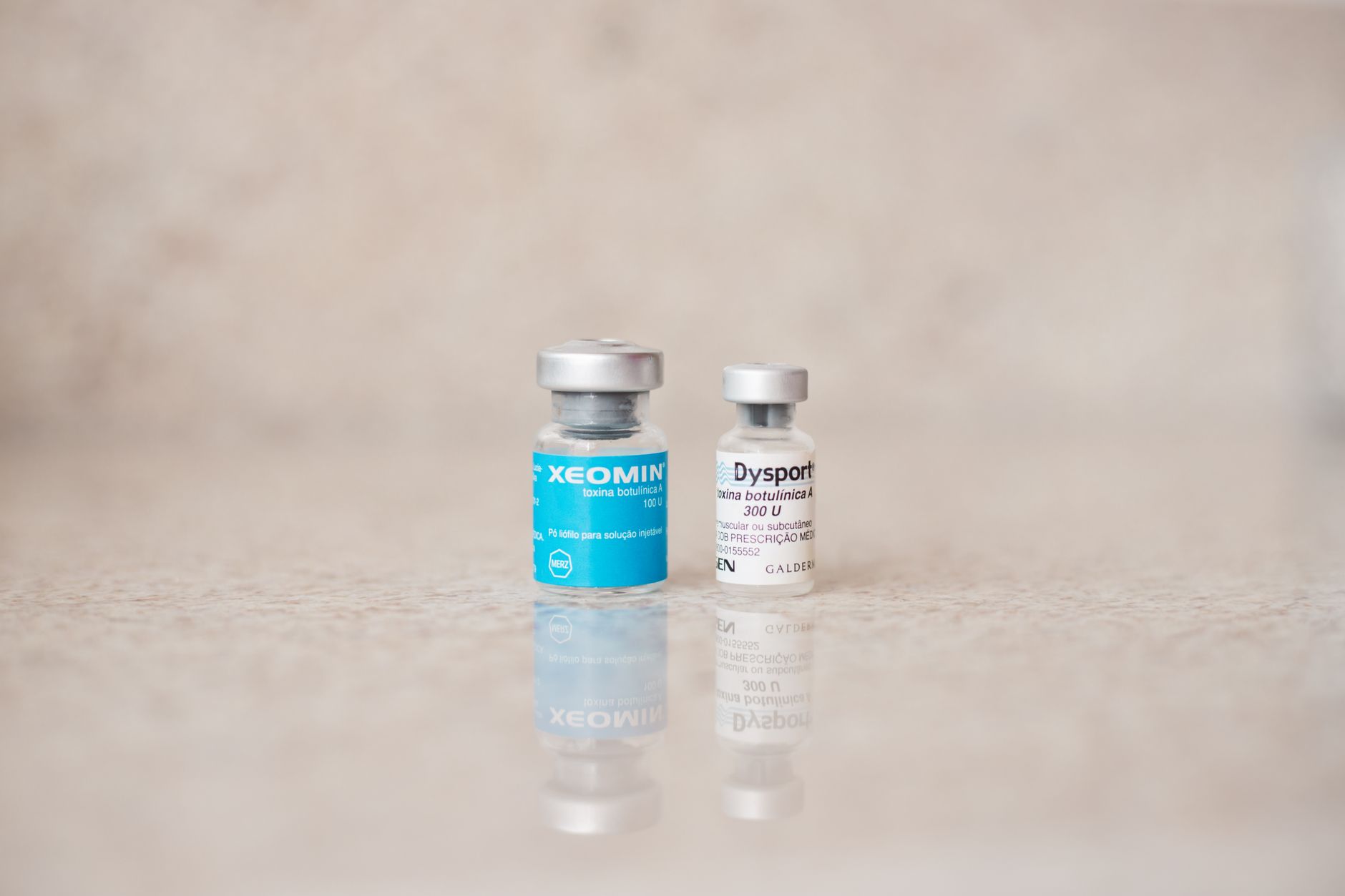
Seeing a Dysport vial can trigger worry—knowing the safety facts helps you make an informed choice.
Trimester / Breastfeeding
Verdict
Notes
First trimester
❌ Avoid
Organogenesis period; no safety data; potential teratogenic risk.
Risk of fetal exposure via maternal circulation; no proven safety.
Breastfeeding
❌ Avoid
Botulinum toxin can be secreted in milk; manufacturers advise against use.
What is Dysport?
Dysport (abobotulinumtoxinA) is a prescription injectable that belongs to the family of botulinum toxin type A products. Like its more widely known cousin Botox, Dysport works by temporarily blocking the release of acetylcholine at the neuromuscular junction. This inhibition prevents muscle contraction, which smooths out dynamic wrinkles such as frown lines, crow’s feet, and forehead creases. The effect typically appears within 2–4 days, peaks at about two weeks, and lasts 3–4 months.
Beyond cosmetic uses, Dysport is FDA‑approved for treating severe axillary hyperhidrosis (excessive under‑arm sweating) and for certain muscle spasticity conditions. The product is supplied as a sterile powder that must be reconstituted with saline before injection. Because the toxin is biologically active, dosing is measured in “units” rather than milligrams, and the recommended dose varies by indication and treatment area.
In the world of aesthetic medicine, Dysport is prized for its rapid onset and a slightly wider diffusion area compared with Botox, which some clinicians feel yields a smoother, more natural‑looking result for certain patients. However, the very properties that make Dysport attractive—its potency and spread—also raise questions about safety in vulnerable populations, such as pregnant or breastfeeding individuals.
Is Dysport safe during pregnancy?
T
he short answer is no: major obstetric authorities—including the American College of Obstetricians and Gynecologists (ACOG), the UK’s National Health Service (NHS), and the U.S. Food and Drug Administration (FDA)—do not endorse the use of Dysport during pregnancy. The FDA classifies botulinum toxin products as Category C for pregnancy, meaning animal studies have shown adverse effects on the fetus, but there are no well‑controlled studies in pregnant women, and potential benefits must be weighed against potential risks.
ACOG’s Committee Opinion on cosmetic procedures in pregnancy (2022) specifically advises clinicians to defer elective botulinum toxin injections until after delivery, citing the lack of safety data and the theoretical risk of toxin crossing the placenta. The NHS also lists botulinum toxin as a medication to avoid in pregnancy unless the benefit clearly outweighs the risk, which is rarely the case for cosmetic indications.
Evidence from case reports and small observational studies is sparse, but the few that exist do not demonstrate a clear safety profile. One retrospective series of pregnant women who inadvertently received Botox (a closely related toxin) reported no obvious congenital anomalies, yet the authors cautioned that the sample size was too small to draw definitive conclusions. Because Dysport’s diffusion characteristics differ slightly, the same caution applies, and the precautionary principle prevails.
In summary, while no large‑scale human trials have proven harm, the consensus among obstetric experts is that Dysport should be avoided during pregnancy. The potential for the toxin to travel systemically and affect fetal neuromuscular development, even in low doses, is enough for clinicians to recommend postponement.
Is Dysport safe to use during the first trimester of pregnancy?
The first trimester is the period of organogenesis, when the fetus’s major organs and structures are forming. Because this window is the most sensitive to teratogenic (birth‑defect‑causing) agents, ACOG explicitly recommends avoiding any non‑essential injections, including Dysport, during weeks 1 through 12. The theoretical risk is that the botulinum toxin could cross the placenta and interfere with neuromuscular junction formation, potentially leading to subtle motor deficits that might not be apparent until later in life.
Even low‑dose regimens have not been studied in pregnant populations, so the safety margin is unknown. The safest approach is to schedule any elective cosmetic treatments for after delivery, allowing the mother’s body to return to its pre‑pregnancy baseline.
What are the risks of Dysport injections for pregnant women?
Potential risks fall into two categories: maternal and fetal. For the mother, Dysport can cause typical side effects such as bruising, localized pain, headache, and transient muscle weakness. In pregnancy, these effects may be amplified due to increased blood volume and heightened skin sensitivity. Fetal risks are more speculative but include:
Possible transplacental passage of the toxin, which could affect fetal muscle development.
Systemic absorption leading to maternal botulism‑like symptoms (rare but serious).
Unintended spread to adjacent muscles, potentially causing facial asymmetry that could be misinterpreted as a neurological issue.
Because the exact amount of toxin that might reach the fetus is unknown, the prevailing medical advice is to err on the side of caution and avoid Dysport entirely during pregnancy.
Can low‑dose Dysport be used safely in pregnancy?
Unfortunately, there is no robust evidence to support the safety of low‑dose Dysport in pregnant patients. The FDA’s Category C classification means that animal studies have shown adverse fetal outcomes, and human data are insufficient. A handful of case reports describe women who received Botox at doses as low as 10 units without obvious complications, but these anecdotes cannot replace controlled studies. Moreover, the pharmacodynamics of Dysport differ slightly from Botox, so data cannot be directly extrapolated.
Given the lack of definitive safety data, most obstetricians—including those at the Mayo Clinic—advise against any use of botulinum toxin during pregnancy, regardless of dose. If a pregnant patient feels compelled to proceed, a thorough risk‑benefit discussion with a specialist is essential, and the provider should document the conversation and obtain informed consent.
Are there safer alternatives to Dysport for wrinkle reduction during pregnancy?
Hyaluronic acid fillers (e.g., Restylane): These are composed of a substance naturally found in skin and are considered low‑risk when used by experienced injectors.
Topical bakuchiol serums: A plant‑based retinoid alternative that improves fine lines without the irritation associated with retinol.
Microneedling treatments: Stimulates collagen production and can smooth mild wrinkles without chemicals.
Non‑ablative laser skin resurfacing: Uses gentle heat to tighten skin; safe when performed by a qualified dermatologist.
Mild chemical peels (e.g., glycolic acid): Low‑strength acids can improve texture with minimal systemic absorption.
Pregnancy‑safe Vitamin C serums: Antioxidant‑rich formulas brighten skin and support collagen synthesis.
Moisturizing anti‑wrinkle creams (e.g., CeraVe Skin Renewing Serum): Provide barrier support and subtle smoothing effects.
How does Dysport compare to Botox for pregnant patients?
Both Dysport and Botox are botulinum toxin type A products, and both share the same FDA pregnancy category (C). The principal difference lies in diffusion: Dysport tends to spread a bit farther from the injection site, which can be advantageous for covering larger areas but also raises theoretical concerns about systemic exposure. Because of this, many clinicians consider Dysport slightly less predictable in pregnant patients.
Guidelines from ACOG do not differentiate between the two; they advise postponing any elective botulinum toxin injection until after delivery. The same stance appears in NHS and CDC resources, reinforcing that any perceived advantage of one over the other does not outweigh the lack of safety data.
What side effects of Dysport are concerning for expectant mothers?
Typical Dysport side effects—such as bruising, swelling, mild headache, and localized muscle weakness—are generally mild and self‑limiting. However, in pregnancy, the following warrant special attention:
Severe muscle weakness: Could compromise posture or breathing, especially if the diaphragm or neck muscles are affected.
Allergic reaction: Though rare, anaphylaxis would require immediate medical intervention, which is more complex in pregnancy.
Systemic botulism‑like symptoms: Difficulty swallowing, drooping eyelids, or generalized weakness could signal toxin spread beyond the intended area.
Unintended facial asymmetry: May be misread as a neurological issue, leading to unnecessary testing.
If any of these symptoms develop after an injection, contacting your obstetric provider promptly is essential.
Is Dysport recommended for treating hyperhidrosis in pregnant women?
While Dysport is FDA‑approved for severe axillary hyperhidrosis, the same pregnancy precautions apply. ACOG’s recommendations for hyperhidrosis treatments in pregnancy prioritize topical agents (e.g., aluminum‑chloride antiperspirants) and oral options like glycopyrrolate only when benefits outweigh risks. Because botulinum toxin injections have unknown fetal effects, most clinicians advise against Dysport for hyperhidrosis during pregnancy, opting for safer topical measures instead.
Does Dysport affect fetal development if administered during pregnancy?
Direct evidence linking Dysport to fetal malformations is lacking, largely because pregnant women are rarely enrolled in controlled trials for cosmetic injectables. Animal studies of botulinum toxin have shown that high doses can lead to fetal growth restriction and neuromuscular abnormalities. Extrapolating from these findings, the cautious consensus is that any exposure carries a potential, albeit unquantified, risk to fetal development. Until robust human data emerge, the safest recommendation is to avoid Dysport entirely while pregnant.
Hyaluronic acid fillers are a pregnancy‑friendly alternative for volume and smoothing.
Safe dosage / amount / brands
Dysport is supplied in vials containing 300 units of abobotulinumtoxinA, which must be reconstituted with sterile saline. For cosmetic indications, typical dosing ranges from 50 units (for fine forehead lines) up to 300 units (for larger areas). Because the safety of any dose in pregnancy is unestablished, the recommendation is to avoid the product altogether rather than attempting a “low‑dose” protocol.
If you are not pregnant and are considering Dysport, reputable brands include the original Allergan‑manufactured Dysport and its biosimilar equivalents approved by the FDA. Choose products that are clearly labeled, stored in a temperature‑controlled environment, and administered by a board‑certified dermatologist or plastic surgeon. During pregnancy, however, the safest “brand” is none at all.
Side effects and risks
Beyond the common injection‑site reactions, pregnant patients should be aware of the following heightened concerns:
Localized bruising or swelling: Usually resolves in a week; apply a cold compress.
Transient headache: May be more uncomfortable due to hormonal changes.
Muscle weakness near the injection site: Can affect facial expression or arm movement; monitor daily.
Systemic spread of toxin: Though rare, symptoms such as difficulty swallowing, drooping eyelids, or generalized fatigue require urgent medical evaluation.
Allergic reaction: Hives, itching, or shortness of breath after injection mandate immediate emergency care.
Most side effects are mild and self‑limited, but any sign of systemic involvement should prompt a call to your obstetrician or a visit to the emergency department.
Investigational; not approved for use in pregnancy.
Myth vs. fact
Myth: “A tiny amount of Dysport can’t possibly affect the baby.”
Fact: Even low doses of botulinum toxin have unknown systemic absorption; obstetric guidelines therefore recommend complete avoidance during pregnancy.
Myth: “Botox and Dysport are the same, so if one is safe, the other must be too.”
Fact: Both are Category C, and the lack of safety data applies to each product individually; neither is considered safe for pregnant patients.
Myth: “You can get Dysport after the first trimester without worry.”
Fact: The safety concern persists throughout pregnancy because the toxin could theoretically reach the fetus at any stage; postponement until after delivery is advised.
Key takeaways
✅ Dysport is not considered safe at any point during pregnancy or while breastfeeding.
❌ The lack of human safety data leads ACOG, NHS, and FDA to advise avoidance.
🔬 Low‑dose protocols have not been proven safe; the precautionary principle applies.
💡 Safer alternatives include hyaluronic acid fillers, topical bakuchiol, microneedling, and gentle chemical peels.
📞 If you’ve already received Dysport, monitor for side effects and discuss the injection with your obstetric provider.
Frequently asked questions
Can you get Botox while pregnant?
Most experts advise against it. Both Botox and Dysport fall under FDA Category C, meaning there’s insufficient human data, so the safest choice is to postpone until after delivery.
Is Dysport safe during pregnancy?
No. Current guidance from ACOG, NHS, and the FDA recommends avoiding Dysport at any stage of pregnancy due to unknown fetal risks.
What are the side effects of Dysport for pregnant women?
Typical side effects include bruising, swelling, and mild headache, but pregnant patients should be especially vigilant for severe muscle weakness, systemic botulism‑like symptoms, or allergic reactions, which require immediate medical attention.
How long should you wait after Dysport before trying to conceive?
Because Dysport is Category C, many clinicians suggest waiting at least three months after the last injection before attempting conception, allowing the toxin to fully clear from the body.
Can Dysport cause birth defects?
There is no definitive human evidence, but animal studies have shown potential fetal harm, and the lack of safety data means the risk cannot be ruled out.
Are there any natural alternatives to Dysport during pregnancy?
Yes—options such as hyaluronic acid fillers, topical bakuchiol serums, microneedling, non‑ablative laser resurfacing, mild glycolic acid peels, Vitamin C serums, and moisturizing anti‑wrinkle creams provide safer routes for skin improvement while pregnant.
When to call your doctor
If you notice any of the following after a Dysport injection, contact your obstetric provider right away:
Difficulty swallowing, speaking, or breathing.
Drooping eyelids or facial asymmetry that worsens.
Generalized muscle weakness extending beyond the injection site.
Severe or spreading bruising, swelling, or pain.
Signs of an allergic reaction such as hives, itching, or shortness of breath.
Even if you have only mild side effects, it’s still a good idea to let your provider know so they can monitor both your health and the baby’s development. This article provides general information and is not a substitute for personalized medical advice.
References
American College of Obstetricians and Gynecologists. Committee Opinion: Cosmetic Procedures in Pregnancy. 2022.
U.S. Food and Drug Administration. Drug Safety Communication: Botulinum Toxin Products and Pregnancy Category C. Updated 2021.
National Health Service (NHS). Botulinum toxin (including Botox) – safety information for pregnant women. 2023.
Mayo Clinic. Botulinum toxin injections: Risks and side effects. Accessed 2024.
Centers for Disease Control and Prevention (CDC). Guidelines for Immunization and Pregnancy. 2022.
World Health Organization (WHO). Safety of Cosmetic Procedures in Pregnancy. 2023.
Dermatology Clinical Guidelines. Use of Hyaluronic Acid Fillers in Pregnancy. 2024.
Not sure about the label on Is Dysport Pregnancy Risk Safe During Pregnancy products?
Snap the ingredients list and SafeFilter checks every ingredient for your stage — only 3 free scans this month, then you're locked until reset. Unlimited from $7/mo or $50/yr.
When Shubhra Mishra was expecting her first child in 2016, she was overwhelmed by conflicting food advice — one site said yes, another said never. By the time her second baby arrived in 2019, she realized millions of mothers face the same confusion.
That sparked a five-year journey through clinical nutrition papers, cultural diets, and expert conversations — all leading to BumpBites: a calm, compassionate space where science meets everyday motherhood.
Her long-term vision is to build a global community ensuring safe, supported, and free deliveriesfor every mother — because no woman should face pregnancy alone or uninformed. 🌿
🌍 Stand with mothers, shape safer guidance
Join a small circle of experts who review BumpBites articles so expecting parents everywhere can decide with confidence.