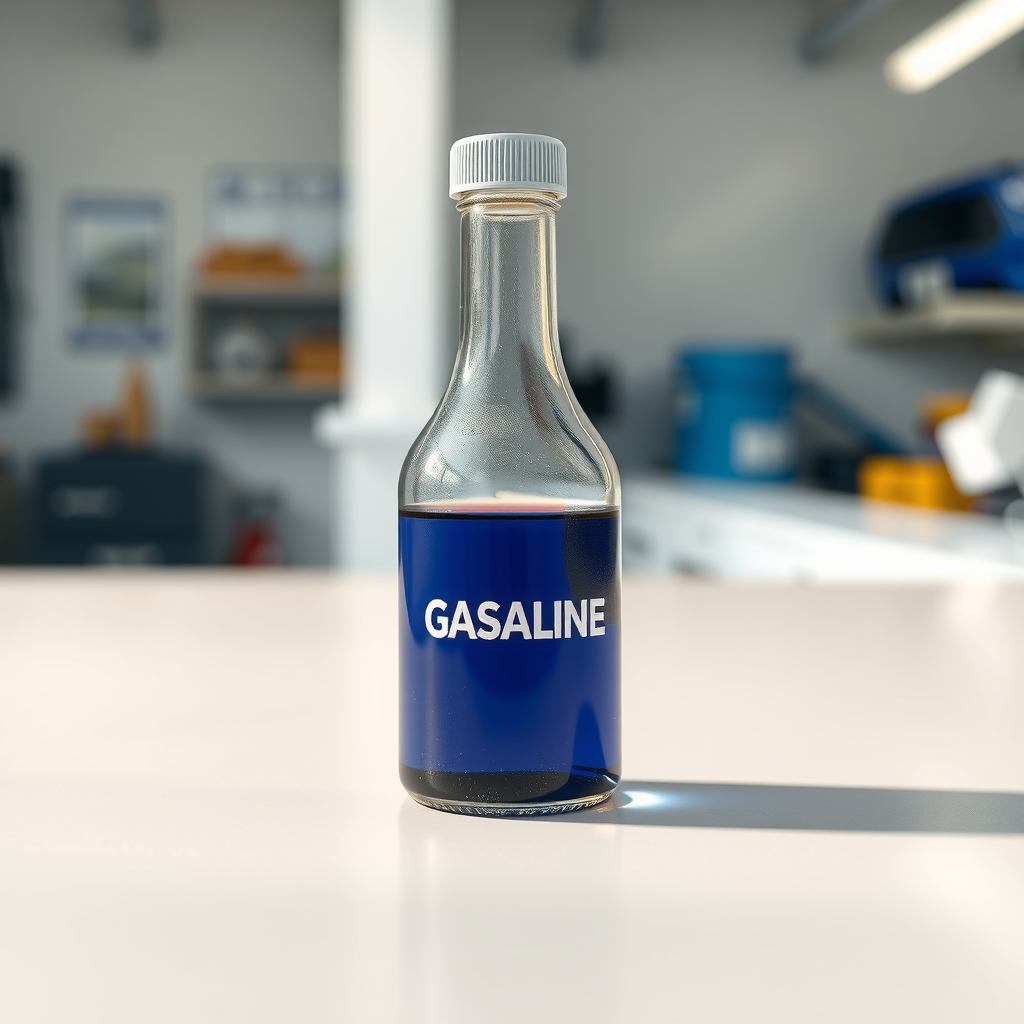
Avoid gasoline vapors during pregnancy. Inhaling gasoline vapors is not safe and can pose risks to both mother and baby, even with brief exposure. Learn why
By Shubhra Mishra — a mom of two who turned her own confusion during pregnancy into BumpBites, a global mission to make food choices clear, safe, and stress-free for every expecting mother. 💛
Check whether any food is safe during pregnancy with the BumpBites Food Safety Checker.
Quick verdict: ❌ Best avoided. Exposure to gasoline vapors during pregnancy, especially prolonged or frequent exposure, is generally not recommended due to potential risks to both you and your developing baby.
That familiar smell of gasoline at the pump or while working on a car can be a strong reminder of everyday life. But if you're pregnant, a sudden wave of worry might hit you: is gasoline vapors safe during pregnancy? Perhaps you just filled up your tank, or maybe you work in an environment where these fumes are common, and now you're wondering if you've put your baby at risk. Take a deep breath. We understand that panicked feeling, and we're here to give you clear, evidence-based guidance.
The short answer is that while brief, infrequent exposure to gasoline vapors, like a quick stop at the gas station, is unlikely to cause significant harm, it's best to minimize exposure as much as possible throughout your pregnancy. Gasoline contains a complex mixture of chemicals, some of which are known to be harmful, especially during the critical stages of fetal development. This article will break down why these vapors are a concern, what the potential risks are at different stages of pregnancy, and most importantly, practical steps you can take to protect yourself and your baby.
Trimester/Stage
Verdict
Notes
First Trimester
❌ Best Avoided
This is a critical period for organ development. Exposure to harmful chemicals like benzene and toluene could potentially increase the risk of birth defects. Minimize all exposure.
Second Trimester
❌ Best Avoided
Fetal brain and nervous system continue to develop rapidly. Continued exposure may pose risks to neurological development and growth. Maintain strict avoidance.
Third Trimester
❌ Best Avoided
Continued fetal growth and lung development. Exposure may increase risks for preterm birth, lower birth weight, or respiratory issues. Avoid exposure when possible.
Breastfeeding
⚠️ Safe with Limits
While direct transfer of gasoline components into breast milk is generally low, minimizing maternal exposure is still recommended to reduce overall chemical burden. Ensure good ventilation if exposure is unavoidable.
What are Gasoline Vapors?
Gasoline vapors are the gaseous form of the liquid fuel we use in our cars. They are a complex mixture of volatile organic compounds (VOCs) that evaporate readily at room temperature. The exact composition can vary, but key components that are of concern during pregnancy include benzene, toluene, xylenes, and sometimes small amounts of other hydrocarbons like n-hexane and ethylbenzene. These chemicals are responsible for the distinctive smell of gasoline. When you pump gas, these vapors are released into the air, and you can inhale them.
People encounter gasoline vapors most commonly at gas stations, but also in garages, workshops, or near engines and fuel storage tanks. The concern stems from the fact that many of these VOCs are known neurotoxins, irritants, and some, like benzene, are classified as carcinogens (cancer-causing agents). For a pregnant person, the worry is how these chemicals might affect the developing fetus, which is much more vulnerable to chemical exposure than an adult.
When pumping gas, minimizing direct exposure to vapors by using gloves and a mask can offer an extra layer of protection.
Is Gasoline Vapors Safe During Pregnancy?
When asking is gasoline vapors safe during pregnancy, the consensus from major health organizations like the American College of Obstetricians and Gynecologists (ACOG) and the Centers for Disease Control and Prevention (CDC) is to minimize exposure to all chemical fumes, including gasoline vapors, as much as reasonably possible. There isn't a definitive "safe" level of exposure established for pregnant individuals, largely because ethical concerns prevent direct testing on pregnant people and their fetuses.
However, what we do know comes from animal studies and observational studies of populations with occupational exposure. These studies suggest that high or prolonged exposure to components of gasoline, particularly benzene and toluene, can be associated with adverse pregnancy outcomes. Benzene is a known human carcinogen and can affect blood cell development. Toluene, at high levels, has been linked to developmental issues in animal studies. While the levels encountered during a quick stop at the gas station are usually very low and transient, the precautionary principle applies during pregnancy: if there's a potential risk, it's best to avoid it.
The primary concern is that these volatile organic compounds can cross the placenta and potentially affect fetal development. While your body has detoxification mechanisms, a developing fetus is much more susceptible to even small amounts of harmful substances. Therefore, rather than focusing on whether it's "safe," the guidance is firmly on minimizing exposure to gasoline vapors during pregnancy to protect your baby's health.
Is it safe to pump gas while pregnant?
For most pregnant people, a quick, infrequent stop at the gas station to pump gas is generally considered to be a low-risk exposure. The amount of gasoline vapors you inhale during a few minutes at the pump is typically very small and dissipates quickly. However, the key here is "brief" and "infrequent." If you're pumping gas daily, or if you're exposed to fumes for extended periods in a poorly ventilated area, the risk increases. The NHS advises that while it's generally fine to pump gas, it's wise to avoid prolonged exposure and ensure good ventilation.
To further reduce any potential risk, consider wearing gloves to avoid skin contact with fuel and try to stand upwind from the pump nozzle. If you're particularly sensitive to smells or prone to nausea, you might find the fumes trigger symptoms, making it even more important to limit exposure. Ultimately, if you have the option, having someone else pump gas for you is the safest choice.
Gasoline contains a complex mixture of volatile organic compounds, some of which are known irritants and neurotoxins.
Safety by Trimester
The potential impact of exposure to gasoline vapors can vary slightly depending on the stage of your pregnancy, though the overarching recommendation to minimize exposure remains consistent throughout.
First Trimester
The first trimester (weeks 1-12) is a period of rapid and critical development for your baby. This is when all the major organs and body systems are forming, a process known as organogenesis. Exposure to teratogens—substances that can cause birth defects—during this window is of particular concern. Chemicals like benzene and toluene, present in gasoline vapors, have been linked in some studies to increased risks of birth defects and developmental abnormalities, particularly at higher exposure levels. While the risk from incidental, brief exposure is likely low, avoiding gasoline vapors as much as possible during this crucial time is highly recommended by obstetricians to safeguard your baby's foundational development.
Second Trimester
During the second trimester (weeks 13-27), your baby continues to grow and mature rapidly, with significant development of the brain, nervous system, and internal organs. While the risk of major structural birth defects decreases compared to the first trimester, exposure to harmful chemicals can still impact neurological development, growth, and the function of developing organ systems. Prolonged or repeated exposure to gasoline vapors during this period could potentially contribute to subtle developmental delays or other issues later on. Maintaining vigilance and minimizing contact with fumes remains important as your baby's systems continue to refine.
Third Trimester
The third trimester (weeks 28-40) is characterized by significant fetal growth, weight gain, and the maturation of the lungs and other systems in preparation for birth. Exposure to certain chemicals during this stage could potentially increase the risk of preterm birth, lower birth weight, or respiratory problems for the newborn. While the baby is more developed, their systems are still vulnerable. Additionally, maternal exposure to strong fumes can cause headaches, dizziness, or nausea, which are already common pregnancy symptoms and can be exacerbated by chemical irritants. Continuing to avoid gasoline vapors helps ensure a healthy final stage of pregnancy and a smoother transition for your newborn.
Breastfeeding
While the primary concern for gasoline vapors during pregnancy is direct fetal exposure, it's natural to wonder about breastfeeding. The good news is that most studies suggest that the transfer of volatile organic compounds from maternal inhalation into breast milk is generally low and rapidly cleared. However, minimizing a nursing parent's overall chemical burden is always a good practice. If you are regularly exposed to gasoline fumes, ensure excellent ventilation. If you're experiencing symptoms like headaches or dizziness, it's best to reduce exposure and consult your healthcare provider. The general advice is to continue breastfeeding, as its benefits usually outweigh the theoretical risks of minimal chemical transfer, but always prioritize reducing your own exposure.
How much exposure to gasoline vapors is safe during pregnancy?
When it comes to gasoline vapors and pregnancy, there is no universally agreed-upon "safe" amount or dosage, as even low levels of exposure to certain chemicals are best avoided during pregnancy. The general guidance from health authorities is to minimize exposure as much as possible. This means avoiding situations where you might inhale significant amounts of fumes, such as spending time in poorly ventilated garages, working directly with gasoline, or frequently pumping gas yourself.
For incidental exposure, like a quick trip to the gas station, the risk is considered low. However, if your work or daily routine involves regular or prolonged exposure, it's crucial to discuss this with your healthcare provider and potentially your employer to find ways to reduce your contact with these chemicals. This might involve changing duties, using personal protective equipment (PPE) like respirators, or ensuring superior ventilation in your workspace. There are no "pregnancy-safe" brands of gasoline or "safe limits" published for pregnant individuals; the focus is entirely on avoidance and minimizing contact.
Side effects and risks
Exposure to gasoline vapors, particularly prolonged or high-level exposure, can pose several risks to both the pregnant person and the developing fetus. The specific chemicals within gasoline, such as benzene, toluene, and xylenes, are the primary culprits.
Risks to the Pregnant Person
Respiratory Irritation: Inhaling gasoline fumes can irritate the nose, throat, and lungs, leading to coughing, shortness of breath, or asthma-like symptoms.
Neurological Symptoms: Common side effects include headaches, dizziness, lightheadedness, nausea, and fatigue. In severe cases of acute exposure, confusion, disorientation, and even loss of consciousness can occur.
Skin and Eye Irritation: Direct contact with liquid gasoline can cause skin irritation, redness, and burns. Vapors can also irritate the eyes.
Exacerbated Pregnancy Symptoms: Nausea and dizziness are already common during pregnancy, and exposure to strong fumes can make these symptoms worse.
Risks to the Fetus
Developmental Concerns: High levels of exposure to certain components of gasoline, such as toluene, have been linked in animal studies to central nervous system dysfunction, growth retardation, and other developmental abnormalities. While human studies are limited, the precautionary principle suggests these risks could translate.
Birth Defects: The first trimester, when major organs are forming, is the most vulnerable period. Some research has explored links between solvent exposure (which includes gasoline components) and an increased risk of certain birth defects, though direct causation from typical gasoline vapor exposure is not definitively established for humans.
Low Birth Weight and Preterm Birth: Studies on pregnant people with high occupational exposure to solvents have shown an increased risk of lower birth weight and preterm delivery. While not specific to gasoline vapors alone, it highlights the general concern with chemical exposure.
Blood Disorders (Benzene): Benzene is a known human carcinogen and can damage bone marrow, affecting blood cell production. While the levels in typical gasoline vapor exposure are low, chronic exposure is a concern for both mother and fetus regarding blood health.
It's important to differentiate between brief, incidental exposure (like a quick pump at the gas station) and prolonged or occupational exposure. The risks described above are more associated with the latter. If you have concerns about your level of exposure, it's always best to consult your healthcare provider.
Can brief exposure to gas fumes harm a pregnant woman?
For most pregnant people, a brief exposure to gas fumes, such as a quick pass through a gas station or a momentary whiff from a lawnmower, is unlikely to cause significant harm. Your body is generally capable of processing and eliminating small amounts of these chemicals. The main concern with brief exposure is typically immediate, temporary symptoms like dizziness, headache, or nausea, which can be particularly unpleasant during pregnancy. If you've experienced a brief exposure, don't panic. The occasional, short-lived encounter is not usually considered a serious threat to fetal development by medical experts.
However, "brief" is key. If "brief" means a few minutes in a well-ventilated outdoor space, the risk is minimal. If "brief" means several minutes in an enclosed, poorly ventilated space, the concentration of fumes will be much higher, and the risk increases. The general advice remains to avoid even brief exposure if possible, simply because there's no known "safe" threshold for all individuals and all chemicals during pregnancy. Prioritizing fresh air and minimizing any unnecessary chemical inhalation is always the safest approach.
What are the effects of inhaling gasoline on a fetus?
The effects of inhaling gasoline on a fetus are primarily linked to the specific chemicals present in the vapors, such as benzene, toluene, and xylenes, and depend heavily on the level and duration of exposure. While definitive human studies for typical, low-level exposure are challenging to conduct, animal studies and observations from high occupational exposures provide insights into potential risks.
High or prolonged maternal exposure to toluene, for example, has been associated with "toluene embryopathy" in animal models, characterized by features similar to fetal alcohol syndrome, including growth retardation, central nervous system dysfunction, and minor craniofacial and limb anomalies. Benzene is a known human carcinogen that can affect blood cell development and has been linked to an increased risk of childhood leukemia in children whose mothers had significant exposure.
Overall, the concerns for the fetus include an increased risk of birth defects, particularly affecting the brain and nervous system, developmental delays, lower birth weight, and preterm birth. The first trimester is the most vulnerable period for major structural birth defects due to organogenesis. However, brain development continues throughout pregnancy, making sustained exposure a concern at any stage. It's crucial to understand that these significant risks are generally associated with chronic, high-level exposure, not the occasional, brief inhalation at a gas pump. Nevertheless, the prudent approach is to minimize all exposure to gasoline vapors during pregnancy to protect the developing baby.
How to avoid gasoline fumes while pregnant?
Avoiding gasoline fumes while pregnant is about making conscious choices and taking simple precautions in your daily life. Here are practical tips to minimize your exposure:
Delegate Pumping Gas: If possible, have your partner, a friend, or another family member pump gas for you. This is the simplest and most effective way to avoid direct exposure.
Use Full-Service Stations: In areas where full-service gas stations are available, opt for them. This completely removes you from the immediate vicinity of the fumes.
Stay Upwind and Away: If you must pump gas yourself, try to stand upwind from the pump and nozzle. Don't linger around the pump; get back into your car or step a few feet away once the pump is set.
Avoid Spills: Be extra careful to avoid spilling gasoline on your skin or clothes, as it can be absorbed through the skin and continue to release vapors.
Ensure Ventilation: If you're in a garage or workshop where gasoline is stored or engines are being worked on, ensure there is excellent ventilation. Open windows and doors, or use fans to circulate air. Avoid enclosed spaces like small sheds where fumes can concentrate.
Limit Time in Garages: Don't spend unnecessary time in garages, especially if there's a strong smell of gasoline. If you need to retrieve something, do so quickly.
Keep Gas Cans Sealed: Store gasoline in tightly sealed, approved containers in a well-ventilated area, away from living spaces.
Avoid Strong Odors: If you notice a strong smell of gasoline anywhere, remove yourself from the area as quickly as possible.
Consider a Mask: For unavoidable, brief exposures (like pumping gas), wearing a simple particulate mask might offer a slight psychological comfort, though it won't filter out all VOCs. A more robust respirator would be needed for true chemical protection, which isn't practical for daily use but might be considered for occupational exposure in consultation with your doctor and employer.
Are there long-term effects of gasoline exposure during pregnancy?
The question of long-term effects of gasoline exposure during pregnancy is complex, as it largely depends on the level, duration, and specific chemicals involved. For brief, incidental exposures typical of a quick trip to the gas station, significant long-term effects on the child are generally considered unlikely. The human body, including the developing fetus, has some capacity to detoxify and eliminate small amounts of harmful substances.
However, for cases of chronic or high-level exposure, particularly occupational exposure, the potential for long-term effects is a greater concern. Studies have investigated links between maternal exposure to petroleum-based solvents (which include gasoline components) and neurodevelopmental disorders, learning difficulties, and behavioral problems in children. Benzene exposure specifically has been linked to an increased risk of childhood leukemias. It's important to note that these are often complex associations, and many factors can influence child development.
Because of the potential for harm, even if the exact long-term risks for low-level exposure are not fully quantified, health professionals err on the side of caution. The emphasis is on prevention and minimizing exposure throughout pregnancy to give the baby the best possible start. If you have been exposed to high levels of gasoline vapors, or have ongoing concerns, discussing this with your healthcare provider is essential to assess any potential risks and monitor your child's development.
What to do if you inhale gas fumes while pregnant?
If you find yourself inhaling gas fumes while pregnant, whether it's a brief accidental whiff or a more sustained exposure, it's natural to feel concerned. Here's what to do:
Move to Fresh Air Immediately: The very first step is to remove yourself from the source of the fumes and get into a well-ventilated area with plenty of fresh air.
Assess Your Symptoms: Pay attention to how you feel. Are you experiencing a headache, dizziness, nausea, lightheadedness, shortness of breath, or eye/throat irritation?
Drink Water: Staying hydrated can sometimes help your body process and eliminate toxins.
Rest: If you feel unwell, lie down and rest in a comfortable, fresh-air environment.
Contact Your Healthcare Provider: If your symptoms are severe, persistent, or if you're experiencing any unusual or concerning symptoms, call your doctor or midwife right away. Describe the situation, the duration of exposure, and your symptoms. They can provide personalized advice and determine if any further action or monitoring is needed.
Avoid Future Exposure: Take steps to prevent similar exposures in the future, using the tips outlined in the "How to avoid gasoline fumes while pregnant?" section.
Most brief, incidental exposures that cause only mild, transient symptoms like a headache will likely not cause harm to your baby. Your body has mechanisms to clear these substances. The greater concern lies with prolonged or high-level exposures. Always err on the side of caution and consult your healthcare provider if you are worried.
Safer alternatives / other safe options
When considering "safer alternatives" for gasoline vapors, it's not about finding a replacement product, but rather finding safer *ways* to manage situations where you might encounter these fumes. The goal is always to minimize or eliminate exposure. Here are some strategies:
Delegate Pumping Gas: The safest option is to have someone else pump gas for you. This completely removes you from the immediate area of the fumes.
Utilize Full-Service Stations: If available in your area, choosing a full-service station means you don't have to leave your car and are not directly exposed to the vapors.
Plan Car Maintenance: If your car needs work that involves fuel or exhaust, arrange for it to be done by a professional mechanic. Avoid doing it yourself in an enclosed garage.
Electric Vehicles or Bikes: While a big lifestyle change, opting for an electric vehicle or using a bicycle for short distances eliminates gasoline exposure altogether.
Public Transportation or Ride-Sharing: When possible, using public transport or ride-sharing services can reduce your reliance on personal vehicle fueling.
Ventilation and Distance: If you must be in an area with gasoline fumes (e.g., a garage), ensure maximum ventilation (open doors/windows) and maintain as much distance as possible from the source.
Related items — safety at a glance
Many common household and environmental fumes raise similar questions about safety during pregnancy. Here's a quick look at some related items:
Item
Verdict
Notes
Paint Fumes
❌ Best Avoided
Many paints contain VOCs. Avoid oil-based paints; use low-VOC or zero-VOC, water-based paints in well-ventilated areas if necessary. Have someone else paint if possible.
Bleach Fumes
⚠️ Safe with Limits
Generally safe for cleaning in well-ventilated areas. Avoid mixing with other cleaners (especially ammonia) to prevent toxic gas. Limit prolonged inhalation.
Nail Polish Fumes
⚠️ Safe with Limits
Brief, occasional use in a well-ventilated room is generally okay. Avoid frequent salon visits or prolonged exposure to strong solvents. Look for "3-free" or "5-free" polishes.
Car Exhaust Fumes
❌ Best Avoided
Contains carbon monoxide and other harmful pollutants. Avoid prolonged exposure in enclosed spaces (e.g., idling car in garage) or heavy traffic areas.
Secondhand Smoke
❌ Best Avoided
Contains thousands of harmful chemicals. Strongly linked to preterm birth, low birth weight, and developmental problems. Avoid all exposure.
Pesticide Sprays
❌ Best Avoided
Many pesticides are toxic. Avoid direct application or being in areas where they have recently been sprayed. Opt for non-chemical pest control methods.
Air Fresheners
⚠️ Safe with Limits
Many contain VOCs and phthalates. Opt for natural ventilation, essential oil diffusers (check pregnancy-safe essential oils), or baking soda to absorb odors. Avoid strong, synthetic sprays.
Dry Cleaning Fumes
⚠️ Safe with Limits
The chemical perchloroethylene (perc) is a concern. Air out dry-cleaned clothes before bringing them inside, or opt for wet cleaning services if available.
Myth vs. fact
There are many misconceptions about chemical exposures during pregnancy. Let's clear up a few regarding gasoline vapors:
Myth: A quick whiff of gasoline is fine, it actually cures morning sickness.
Fact: While some people mistakenly believe strong smells can alleviate nausea, inhaling gasoline vapors is not safe and will not cure morning sickness. The chemicals in gasoline are irritants and neurotoxins that can actually worsen nausea, cause headaches, and pose risks to your health and your baby's development. If you're struggling with nausea, safer options like ginger, small frequent meals, or certain pregnancy-safe medications are recommended.
Myth: If you don't feel sick after inhaling gas fumes, then no harm was done to the baby.
Fact: Your lack of immediate symptoms does not necessarily mean there's no potential for impact on the fetus. Some chemicals can cross the placenta and affect fetal development without causing obvious symptoms in the pregnant person. While brief, low-level exposure is generally considered low risk, it's always best to minimize exposure to all potentially harmful substances during pregnancy, regardless of how you feel personally.
Myth: Wearing a regular cloth mask at the gas station completely protects you from gasoline fumes.
Fact: A standard cloth mask or even a surgical mask is designed to filter out large droplets and some particulate matter, not volatile organic compounds (VOCs) like those found in gasoline vapors. While it might offer a slight barrier and psychological comfort, it does not provide effective protection against inhaling chemical fumes. For true chemical vapor protection, a specialized respirator with appropriate cartridges would be needed, which is not practical for everyday use. The best protection remains avoidance and ventilation.
Key takeaways
Gasoline vapors contain harmful chemicals like benzene and toluene, which are best avoided during pregnancy.
While brief, incidental exposure (e.g., a quick stop at the gas station) is generally considered low risk, prolonged or frequent exposure is a greater concern.
The first trimester is especially critical due to rapid organ development, making avoidance of all chemical fumes paramount.
Potential risks to the fetus from high exposure include birth defects, developmental issues, low birth weight, and preterm birth.
For the pregnant person, symptoms can include headaches, dizziness, nausea, and respiratory irritation.
Minimize exposure by having someone else pump gas, using full-service stations, ensuring good ventilation, and avoiding prolonged time in garages.
If you experience concerning symptoms after exposure, move to fresh air and contact your healthcare provider immediately.
Frequently asked questions
Is pumping gas safe while pregnant?
Pumping gas occasionally and briefly is generally considered low-risk for most pregnant people. The exposure to gasoline vapors is usually minimal and short-lived. However, if you have someone else who can pump gas for you, that is the safest option to completely avoid exposure. If you must pump yourself, stand upwind, avoid spills, and don't linger.
Can gas fumes cause miscarriage?
There is no strong evidence to suggest that typical, brief exposure to gas fumes, such as at a gas station, directly causes miscarriage. Miscarriage is a complex event with many potential causes. However, very high or prolonged exposure to certain chemicals in gasoline, like benzene and toluene, has been associated with adverse pregnancy outcomes in some studies, including a theoretical increased risk of miscarriage, primarily in occupational settings.
What happens if a pregnant woman inhales gas fumes?
If a pregnant woman inhales gas fumes, immediate effects can include headache, dizziness, nausea, lightheadedness, or irritation of the eyes and respiratory tract. These symptoms are usually temporary for brief exposures. For the fetus, high or prolonged exposure to certain gasoline components carries potential risks for developmental issues, low birth weight, or birth defects, though these are rare with casual exposure.
How to avoid gas fumes when pregnant?
To avoid gas fumes when pregnant, the best strategies include having another person pump gas for you, using full-service stations, and ensuring excellent ventilation if you must be in an area with fumes (like a garage). Avoid lingering near gas pumps, and store gasoline in tightly sealed containers away from living spaces. If you're in an area with a strong smell, leave immediately.
Is it safe to be around gas fumes while pregnant?
It is generally best to minimize your time around gas fumes while pregnant. While brief, occasional exposure is usually not a major concern, sustained or frequent exposure to the volatile organic compounds in gasoline is not recommended. These chemicals can irritate your respiratory system and, at higher levels, potentially pose risks to your developing baby. Prioritize fresh air and avoidance.
Can gasoline smell harm unborn baby?
The smell of gasoline is due to volatile organic compounds (VOCs) like benzene and toluene. While a fleeting smell is unlikely to harm your unborn baby, the chemicals causing that smell are known irritants and neurotoxins. Prolonged or intense exposure to these chemicals, rather than just the smell itself, is what poses potential risks to fetal development, including growth and neurological issues.
What to do after inhaling gas fumes while pregnant?
After inhaling gas fumes while pregnant, immediately move to fresh air. If you experience mild symptoms like a headache or nausea, rest and drink water. If symptoms are severe, persistent, or concerning (e.g., severe dizziness, shortness of breath), contact your healthcare provider right away for advice. They can assess your situation and guide you on any necessary next steps.
Are car fumes harmful to pregnant women?
Yes, car exhaust fumes can be harmful to pregnant women and their babies. Car exhaust contains carbon monoxide, nitrogen oxides, particulate matter, and other pollutants that can be dangerous, especially in enclosed spaces or areas with heavy traffic. Prolonged exposure has been linked to adverse pregnancy outcomes like preterm birth and low birth weight. It's best to avoid idling cars in garages and minimize time in areas with heavy vehicle emissions.
When to call your doctor
While brief exposure to gasoline vapors typically doesn't warrant an emergency call, there are specific situations when you should contact your healthcare provider immediately:
If you experience severe or persistent symptoms after exposure, such as intense headache, dizziness, lightheadedness, confusion, blurred vision, or difficulty breathing.
If you had a prolonged or high-level exposure to gasoline fumes (e.g., spent a significant amount of time in a poorly ventilated garage with strong fumes).
If you spilled gasoline on your skin and experience irritation, redness, or burning that doesn't quickly resolve.
If you have any specific concerns about your exposure level or potential risks to your baby, even if your symptoms are mild.
If you have a pre-existing respiratory condition (like asthma) that is aggravated by the fumes.
Always remember that this information is for educational purposes only and is not a substitute for professional medical advice. When in doubt, always consult with your doctor or midwife.
References
American College of Obstetricians and Gynecologists (ACOG). (Accessed 2023). www.acog.org
Centers for Disease Control and Prevention (CDC). (Accessed 2023). www.cdc.gov
National Health Service (NHS) UK. (Accessed 2023). www.nhs.uk
Not sure about the label on Is Gasoline Vapors Safe During Pregnancy products?
Snap the ingredients list and SafeFilter checks every ingredient for your stage — only 3 free scans this month, then you're locked until reset. Unlimited from $7/mo or $50/yr.
When Shubhra Mishra was expecting her first child in 2016, she was overwhelmed by conflicting food advice — one site said yes, another said never. By the time her second baby arrived in 2019, she realized millions of mothers face the same confusion.
That sparked a five-year journey through clinical nutrition papers, cultural diets, and expert conversations — all leading to BumpBites: a calm, compassionate space where science meets everyday motherhood.
Her long-term vision is to build a global community ensuring safe, supported, and free deliveriesfor every mother — because no woman should face pregnancy alone or uninformed. 🌿
🌍 Stand with mothers, shape safer guidance
Join a small circle of experts who review BumpBites articles so expecting parents everywhere can decide with confidence.