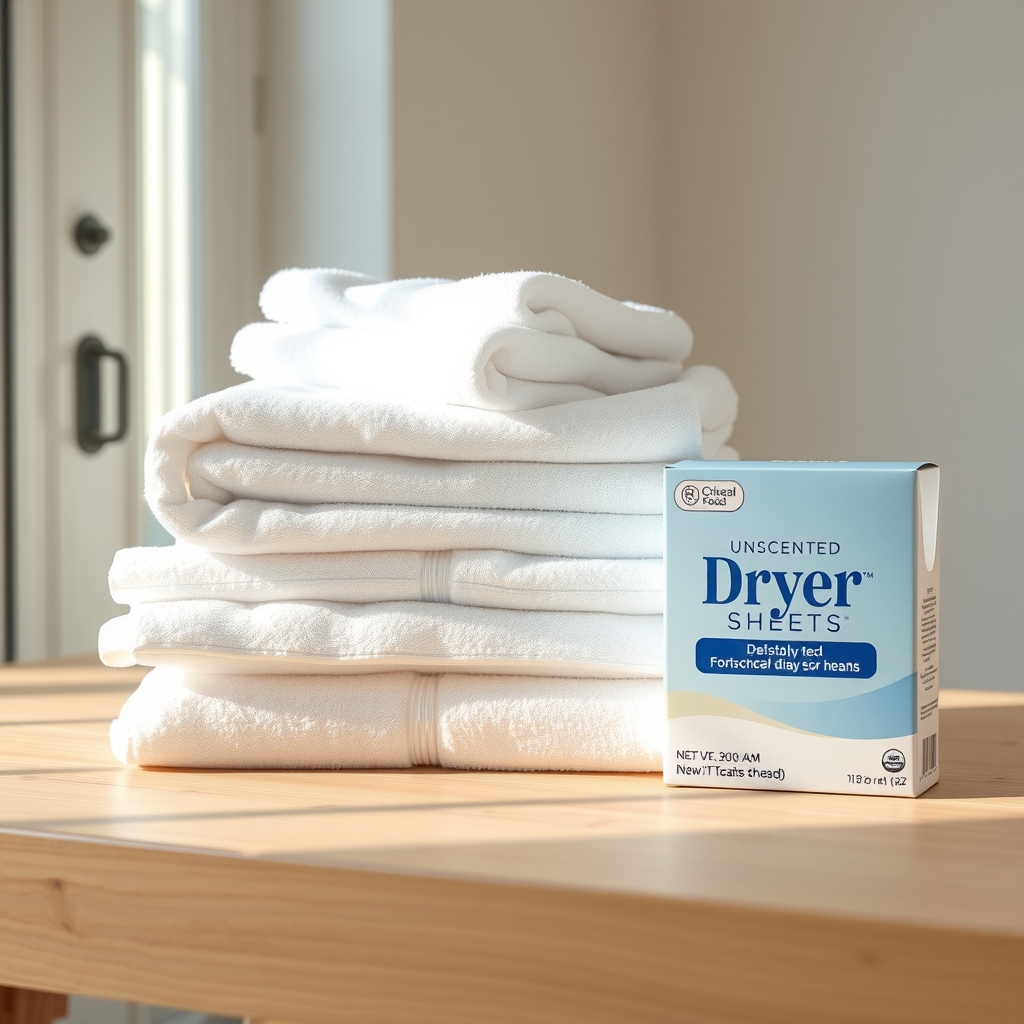
Fabric softener sheets are thin, non-woven sheets designed to be added to your laundry dryer. Their primary purpose is to reduce static cling, make clothes feel softer, and impart a fresh scent. They achieve this through a combination of ingredients:
- Cationic Surfactants: These are positively charged compounds, often quaternary ammonium compounds (QACs), which coat the fibers of your clothes during the drying cycle. This coating neutralizes negative static charges, making fabrics feel smoother and softer.
- Fragrances: These are complex blends of chemicals that give laundry its characteristic "fresh" smell. They are often synthetic and can be quite potent.
- Dyes: Added for aesthetic purposes, giving the sheets their color.
- Emulsifiers and Carriers: Ingredients that help distribute the active compounds evenly and bind the fragrances.
When heated in the dryer, the coating melts and transfers to your clothes, leaving them softer, static-free, and scented. While they offer convenience and a pleasant sensory experience, the chemical composition is what prompts questions about their safety, particularly during sensitive periods like pregnancy.
Is Fabric Softener Sheets Safe During Pregnancy?
The question "is fabric softener sheets safe during pregnancy?" doesn't have a simple yes or no answer, but rather a "safe with limits" verdict. Generally, direct and significant harm to a developing fetus from the occasional use of fabric softener sheets is considered low. Major health organizations like the American College of Obstetricians and Gynecologists (ACOG) and the UK's National Health Service (NHS) do not issue specific warnings against fabric softener sheets. However, many experts advise a cautious approach due to the chemicals they contain.
The primary concerns with fabric softener sheets during pregnancy revolve around potential maternal exposure to volatile organic compounds (VOCs) and fragrances. Many fabric softeners contain phthalates, which are often used as carriers for fragrances. While the FDA regulates cosmetics and some household products, the oversight on specific ingredients in laundry products can vary. Phthalates are a group of chemicals that have been identified as potential endocrine disruptors, meaning they can interfere with the body's hormone system. Research on the effects of phthalates during pregnancy is ongoing, but some studies suggest potential links to developmental issues, though direct causation from fabric softener use is not definitively established.
Beyond potential endocrine disruption, the strong fragrances in many fabric softener sheets can trigger respiratory irritation, headaches, or exacerbate pregnancy-related nausea, especially for individuals already sensitive to scents. Allergies and sensitivities can also heighten during pregnancy, making you more reactive to common household chemicals. Therefore, while fabric softener sheets are not typically classified as a high-risk product for pregnancy, opting for unscented, "free and clear" versions, or natural alternatives is a prudent choice to minimize unnecessary chemical exposure.
Are Fabric Softener Sheets Safe to Use During the First Trimester?
The first trimester is a period of rapid and critical development for your baby, including the formation of vital organs. Because of this, many expecting parents are particularly cautious about chemical exposure during these initial weeks. While there's no definitive evidence directly linking fabric softener sheets to birth defects, minimizing exposure to strong chemicals and fragrances is a common recommendation during this sensitive time.
During the first trimester, you might also be experiencing heightened senses, including smell, and increased nausea. Strong artificial fragrances from fabric softener sheets can easily trigger or worsen morning sickness and headaches. To err on the side of caution, we recommend opting for unscented, hypoallergenic fabric softener sheets or natural alternatives like wool dryer balls during your first trimester. Ensure good ventilation in your laundry area, and if you find yourself feeling unwell from the scents, it's a clear sign to switch to a gentler option.
Can I Use Fabric Softener Sheets in the Second and Third Trimester?
As you move into your second and third trimesters, organogenesis is largely complete, but your baby is still growing and developing rapidly. The concerns about fabric softener sheets remain similar to the first trimester, primarily revolving around maternal exposure and potential for irritation. Your skin might become more sensitive during pregnancy, making you more prone to contact dermatitis or allergic reactions from dyes and perfumes in laundry products.
During these later trimesters, you're also likely preparing your baby's nursery and washing their clothes. Using heavily scented fabric softener sheets on baby's items can expose their delicate skin to chemicals and fragrances, potentially leading to irritation or allergic reactions once they arrive. Many pediatricians recommend washing baby clothes with "free and clear" detergents and avoiding fabric softeners altogether for infants. Continuing to use unscented, hypoallergenic options for your own laundry, or embracing natural alternatives, is a consistent and safe approach throughout your entire pregnancy.
Fabric Softener Sheets and Breastfeeding
For breastfeeding parents, the direct transfer of chemicals from fabric softener sheets into breast milk is considered highly unlikely to be a concern. The molecules in these products are not typically absorbed into the bloodstream in significant enough amounts to pass into breast milk. However, the same considerations for maternal health and comfort still apply.
Inhaling strong fragrances or experiencing skin irritation from fabric softener sheets can affect your well-being, which is important for milk production and overall maternal health. Additionally, using heavily scented products on your clothes and especially on your baby's clothing can expose them to potential irritants. Babies have very sensitive skin, and strong perfumes can cause rashes or respiratory irritation. Therefore, it's generally recommended to continue using unscented or natural fabric softening methods while breastfeeding, particularly for any items that will come into direct contact with your baby.
How Many Fabric Softener Sheets Are Safe to Use While Pregnant?
When it comes to fabric softener sheets, the concept of "how many" isn't about a specific numerical limit, but rather about minimizing overall exposure to the chemicals and fragrances they contain. The goal during pregnancy is to reduce your chemical load where possible, and that includes everyday household products.
Instead of focusing on a precise number, consider these guidelines:
- Use Sparingly: If you choose to use fabric softener sheets, use the minimum amount necessary to achieve the desired effect. Often, one sheet is enough for a standard load, even if the box suggests more.
- Opt for Unscented: This is the most crucial step. Unscented fabric softener sheets significantly reduce your exposure to potentially irritating fragrances and phthalates.
- Ensure Ventilation: Always do laundry in a well-ventilated area. Open windows or use an exhaust fan to minimize inhalation of airborne chemicals from the dryer vent.
- Consider Alternatives: The safest approach is to switch to natural alternatives like wool dryer balls or white vinegar, which are completely free of questionable chemicals. We'll delve into these options shortly.
The FDA, ACOG, and NHS do not provide specific "safe usage" amounts for fabric softener sheets during pregnancy, as they are not medications. The advice is based on general chemical avoidance principles for maternal and fetal health.
What Are the Safest Fabric Softener Sheets Brands for Pregnancy?
When looking for fabric softener sheets that are safer during pregnancy, the key is to prioritize "free and clear," "unscented," and "hypoallergenic" options. These brands typically avoid dyes, perfumes, and other common irritants. Here are some brands often recommended for sensitive individuals and during pregnancy:
- Mrs. Meyer's Clean Day Dryer Sheets (Lavender, Lemon Verbena, etc.): While these are scented, Mrs. Meyer's uses essential oils and plant-derived ingredients for fragrance rather than synthetic perfumes. If you tolerate natural scents well, these can be an option, but unscented is still preferable.
- Seventh Generation Free & Clear Dryer Sheets: This brand is a popular choice for its commitment to being free of fragrances, dyes, and optical brighteners. They are specifically designed for sensitive skin.
- Ecover Fabric Softener (Liquid): While not sheets, Ecover is a well-regarded brand for eco-friendly and plant-based laundry products. They offer unscented or naturally fragranced liquid softeners.
- Attitude Hypoallergenic Baby Fabric Softener (Liquid): Again, a liquid option, but Attitude products are certified by EWG and designed for babies, making them an excellent choice for pregnancy-safe laundry. They are free from known allergens and irritants.
- Biokleen Free & Clear Dryer Sheets: Similar to Seventh Generation, Biokleen offers an unscented, plant-derived option free from artificial fragrances, dyes, and optical brighteners.
- Woolite Hypoallergenic Fabric Softener (Liquid): While Woolite is primarily known for delicates, their hypoallergenic liquid fabric softener is formulated without dyes or perfumes, making it a gentler choice.
Always check the ingredient list, even on "natural" brands, as individual sensitivities can vary. Look for explicit statements like "fragrance-free," "dye-free," and "hypoallergenic."
What Are the Risks of Using Fabric Softener Sheets During Pregnancy?
While fabric softener sheets are not considered a high-risk product that directly harms a developing fetus, there are several potential risks, primarily related to maternal health and comfort, that are worth noting during pregnancy:
- Respiratory Irritation: The fragrances in fabric softener sheets often contain volatile organic compounds (VOCs). When released into the air during the drying cycle, these VOCs can irritate the respiratory tract, potentially triggering asthma symptoms, coughing, or shortness of breath, especially for individuals with existing respiratory conditions or heightened sensitivities during pregnancy.
- Headaches and Nausea: Strong artificial scents are a common trigger for headaches and can exacerbate pregnancy-related nausea or "morning sickness." Many pregnant individuals develop a heightened sense of smell, making these fragrances particularly bothersome.
- Skin Irritation and Allergic Reactions: The chemicals, dyes, and fragrances in fabric softener sheets can cause contact dermatitis – a red, itchy rash – on sensitive skin. Pregnancy can make your skin more reactive, increasing the likelihood of such reactions. This is why "free and clear" options are often recommended.
- Potential Endocrine Disruptors: As mentioned, many synthetic fragrances use phthalates as carriers. Phthalates are a class of chemicals that have been linked to endocrine disruption, meaning they can interfere with the body's natural hormone systems. While the exposure from fabric softener sheets is generally low, cumulative exposure to various endocrine disruptors from multiple sources is a growing concern. The CDC monitors human exposure to phthalates, and research is ongoing regarding their long-term health effects.
- Environmental Concerns: Beyond personal health, the chemicals in fabric softener sheets can contribute to indoor air pollution and persistent environmental pollutants, though this is a broader concern than direct pregnancy risk.
It's important to differentiate between direct fetal harm and maternal discomfort or potential long-term, low-level chemical exposure. For fabric softener sheets, the immediate risks are predominantly related to maternal symptoms and irritation. If you experience any adverse reactions, discontinuing use and seeking alternatives is recommended.
Are There Pregnancy-Safe Alternatives to Fabric Softener Sheets?
Absolutely! If you're looking to minimize chemical exposure or simply prefer a more natural approach, there are many excellent pregnancy-safe alternatives to traditional fabric softener sheets. These options can help soften clothes, reduce static, and even add a light, natural scent without the synthetic chemicals.
- Wool Dryer Balls:
- Why it's safe: Made from 100% natural wool, they are completely free of chemicals, dyes, and fragrances. They work by separating clothes in the dryer, allowing hot air to circulate more efficiently, which reduces drying time and static.
- How to use: Toss 3-6 balls into your dryer with your wet laundry. For a light scent, you can add a few drops of pregnancy-safe essential oils (like lavender or citrus) to the balls before drying.
- White Vinegar:
- Why it's safe: A natural acid, white vinegar helps break down detergent residue, leaving clothes softer and brighter. It also acts as a natural deodorizer. The vinegar smell dissipates completely during the drying cycle.
- How to use: Add 1/2 cup of distilled white vinegar to the fabric softener dispenser of your washing machine during the rinse cycle.
- Baking Soda:
- Why it's safe: Another natural powerhouse, baking soda can soften water, neutralize odors, and gently soften fabrics.
- How to use: Add 1/2 cup of baking soda to the wash cycle along with your detergent.
- Mrs. Meyer's Clean Day Dryer Sheets:
- Why it's safe: These sheets use plant-derived softening ingredients and essential oils for fragrance, reducing reliance on synthetic perfumes. Available in scents like Lavender and Lemon Verbena. If you're not sensitive to natural essential oil scents, these can be a good compromise.
- Seventh Generation Free & Clear Dryer Sheets:
- Why it's safe: Specifically formulated without fragrances, dyes, or optical brighteners, making them an excellent choice for sensitive skin and minimizing chemical exposure.
- Ecover Fabric Softener:
- Why it's safe: A plant-based liquid fabric softener (not sheets) that is biodegradable and often available in unscented or lightly scented with natural extracts.
- Attitude Hypoallergenic Baby Fabric Softener:
- Why it's safe: This liquid softener is hypoallergenic, certified by EWG, and designed for baby's sensitive skin, making it a top choice for pregnancy-safe laundry.
- Biokleen Free & Clear Dryer Sheets:
- Why it's safe: These dryer sheets are also free of artificial fragrances, dyes, and optical brighteners, using plant-derived ingredients for softening.
- Woolite Hypoallergenic Fabric Softener:
- Why it's safe: A liquid softener formulated to be free of dyes and perfumes, suitable for sensitive skin.
Exploring these options allows you to maintain soft, fresh-smelling laundry without the added worry about potentially irritating chemicals during your pregnancy.
Many household and laundry products share similar chemical concerns with fabric softener sheets. Here's a quick guide to related items:
Myth vs. Fact
Myth: Fabric softener sheets are completely harmless, they're just for scent.
Fact: While they add scent, fabric softener sheets also contain chemicals (like quaternary ammonium compounds, dyes, and potential phthalates in fragrances) that can cause skin irritation, respiratory issues, or contribute to overall chemical exposure. For some, especially during pregnancy, these ingredients can be problematic.
Myth: "Natural" fabric softener sheets are always 100% safe.
Fact: Even products labeled "natural" can contain ingredients that some individuals are sensitive to, such as essential oils. While generally a safer choice than synthetic fragrances, it's still important to check ingredient lists and choose "free & clear" options if you have sensitivities. Always prioritize unscented if you're trying to minimize potential irritants.
Fact: The strong scent from fabric softener sheets is purely a fragrance, not an indicator of cleanliness. It's designed to mask odors and provide a pleasant smell, but it doesn't contribute to the cleaning process. In fact, these strong scents are often the source of respiratory and allergic reactions.
Key Takeaways
- While generally considered low risk, it's advisable to limit exposure to fabric softener sheets during pregnancy due to potential chemical and fragrance concerns.
- Opt for unscented, "free and clear," or hypoallergenic fabric softener sheets to minimize exposure to dyes, perfumes, and potential irritants.
- Ensure good ventilation when doing laundry to reduce inhalation of airborne chemicals from the dryer.
- Consider natural and chemical-free alternatives like wool dryer balls, white vinegar, or baking soda for softening clothes and reducing static.
- Pay attention to any new sensitivities, headaches, or skin irritations you develop during pregnancy and adjust your laundry routine accordingly.
- For baby's clothing, it's best to use "free and clear" detergents and avoid fabric softeners altogether to protect their delicate skin.
Frequently Asked Questions
What chemicals in fabric softener sheets are harmful during pregnancy?
Common chemicals of concern in fabric softener sheets include synthetic fragrances (which often contain phthalates), dyes, and quaternary ammonium compounds (QACs). Phthalates are potential endocrine disruptors, and fragrances and QACs can be respiratory irritants and skin allergens, especially during pregnancy when sensitivities can increase. While direct harm to the fetus is considered low, minimizing exposure is a cautious approach.
Can fabric softener sheets cause birth defects?
There is no definitive scientific evidence or guidance from major health organizations like ACOG or NHS that fabric softener sheets directly cause birth defects. The primary concerns are related to maternal symptoms like respiratory irritation, headaches, and skin allergies from the chemicals and fragrances. While some ingredients like phthalates are under ongoing research for potential developmental effects, a direct causal link from fabric softener sheets is not established.
Is it safe to inhale fabric softener fumes while pregnant?
Inhaling fabric softener fumes, especially from scented sheets, can be irritating during pregnancy. These fumes contain volatile organic compounds (VOCs) and synthetic fragrances that can trigger headaches, nausea, or respiratory issues like asthma. While not typically considered directly harmful to the fetus, it's best to ensure good ventilation in your laundry area and opt for unscented products to minimize uncomfortable maternal symptoms and chemical inhalation.
Are unscented fabric softener sheets safer during pregnancy?
Yes, unscented fabric softener sheets are generally considered a safer choice during pregnancy. By removing synthetic fragrances, you significantly reduce exposure to common irritants like phthalates and VOCs, which can trigger headaches, nausea, and respiratory issues. Unscented options also often forgo dyes, further minimizing potential allergens and irritants for sensitive skin.
Can fabric softener sheets affect my baby's health?
Directly, fabric softener sheets are not typically linked to specific adverse health outcomes for the baby during pregnancy. The main concerns are indirect: maternal discomfort (headaches, respiratory issues) from fumes, and potential skin irritation for the baby once born if clothes are washed with scented softeners. Many pediatricians advise using "free and clear" products for baby's laundry to protect their delicate skin.
What are the best non-toxic fabric softeners for pregnancy?
The best non-toxic fabric softeners for pregnancy are typically natural alternatives. Wool dryer balls are an excellent chemical-free choice that reduces static and softens clothes. White vinegar, added to the rinse cycle, is another effective and natural fabric softener. For commercial products, look for "free & clear," unscented, and hypoallergenic liquid softeners or dryer sheets from brands like Seventh Generation, Biokleen, or Attitude Baby.
Do fabric softener sheets contain phthalates?
Many fabric softener sheets, particularly those with synthetic fragrances, can contain phthalates. Phthalates are often used as carriers to help fragrances last longer. They are a group of chemicals that are considered potential endocrine disruptors, meaning they can interfere with the body's hormone system. To avoid phthalates, choose unscented or naturally fragranced products, and look for brands that explicitly state they are phthalate-free.
Can I use dryer sheets if I have sensitive skin during pregnancy?
If you have sensitive skin, especially during pregnancy when skin can become even more reactive, it's best to avoid traditional scented dryer sheets. The dyes and fragrances are common irritants that can cause contact dermatitis or allergic reactions. Opt for unscented, "free & clear," and hypoallergenic dryer sheets, or consider natural alternatives like wool dryer balls or white vinegar, which are much gentler on sensitive skin.
When to Call Your Doctor
While fabric softener sheets are not typically a cause for medical emergency, it's always wise to listen to your body and consult your healthcare provider if you experience any concerning symptoms. Call your doctor if you notice:
- A severe or persistent skin rash, itching, or hives after contact with clothes treated with fabric softener.
- New or worsening respiratory symptoms, such as persistent coughing, wheezing, or difficulty breathing, especially if triggered by laundry fumes.
- Frequent or severe headaches, dizziness, or nausea that seems related to using scented laundry products.
- Any unusual or persistent symptoms that cause you concern about your health or your baby's well-being.
This information is for educational purposes only and is not a substitute for professional medical advice, diagnosis, or treatment. Always seek the advice of your physician or other qualified health provider with any questions you may have regarding a medical condition.
References
- American College of Obstetricians and Gynecologists (ACOG). Reducing Your Risk of Birth Defects.
- National Health Service (NHS) UK. Things to avoid in pregnancy.
- U.S. Food and Drug Administration (FDA). Phthalates.
- Centers for Disease Control and Prevention (CDC). Phthalates Factsheet.
- Mayo Clinic. Pregnancy and everyday hazards: What's safe?
- Environmental Working Group (EWG). Guide to Healthy Cleaning: Seventh Generation Fabric Softener Sheets, Free & Clear.