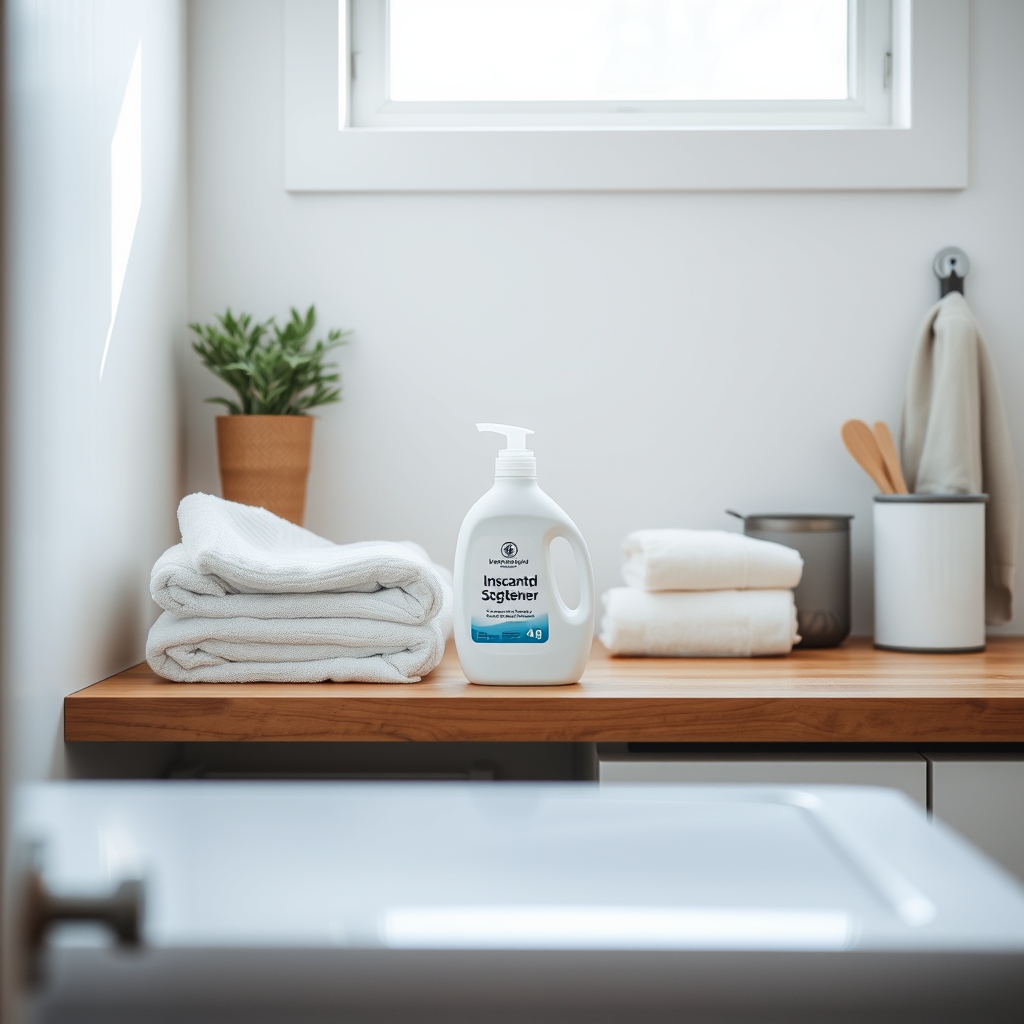
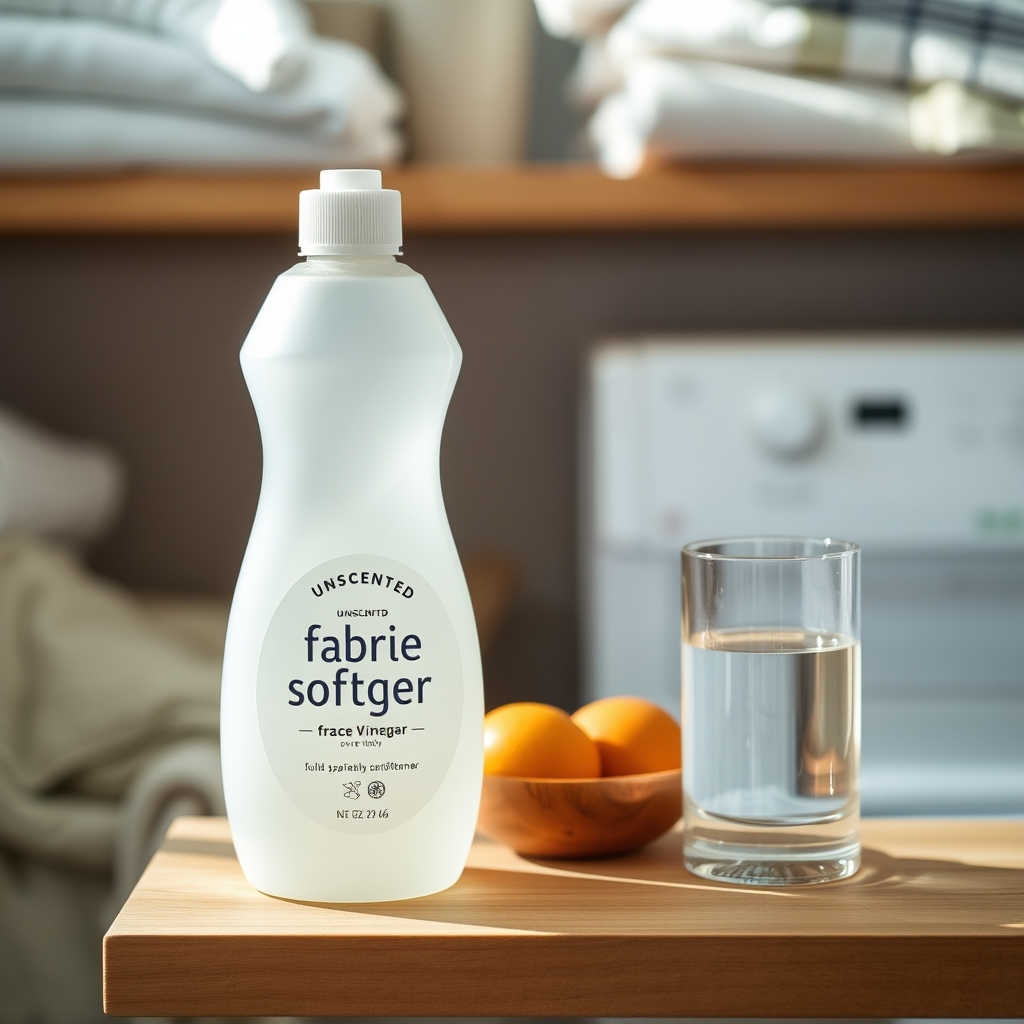
Limit fabric softener during pregnancy, especially in the first trimester. Experts recommend reducing exposure to synthetic fragrances and chemicals for safer laundry routines.
By Shubhra Mishra — a mom of two who turned her own confusion during pregnancy into BumpBites, a global mission to make food choices clear, safe, and stress-free for every expecting mother. 💛
Check whether any food is safe during pregnancy with the BumpBites Food Safety Checker.
Quick verdict: ⚠️ Safe with limits – occasional use of fragrance‑free, low‑chemical fabric softener is generally considered okay, but keep exposure low and choose pregnancy‑friendly brands.
It’s 2 a.m., the dryer hums, and you catch a whiff of that “fresh‑laundry” scent. A sudden wave of worry hits: is fabric softener safe during pregnancy? You’re not alone—many expectant parents wonder whether the chemicals that make clothes feel soft could affect a developing baby. The short answer is that most mainstream fabric softeners are not outright toxic, but they do contain fragrance and volatile compounds that can irritate skin or lungs, especially when you’re more sensitive during pregnancy. In this article we’ll break down the evidence, walk through trimester‑specific guidance, outline how much you can safely use, and suggest gentler alternatives that keep both your laundry and your baby safe.
We’ll also compare popular brands, flag potential side effects, and give you a clear plan of action so you can stop worrying and start washing with confidence. Whether you’ve already tossed a dryer sheet into the wash or you’re debating a new bottle of fabric softener, the information below will help you decide what’s best for you and your little one.
Stage
Verdict
Notes
First trimester
⚠️ Use sparingly
Limit to fragrance‑free, low‑chemical options; avoid heavy exposure.
Second trimester
✅ Generally safe
Continue using fragrance‑free softeners; monitor skin sensitivity.
Third trimester
✅ Generally safe
Same precautions as second trimester; watch for swelling‑related skin irritation.
Breastfeeding
✅ Safe
Low‑chemical, fragrance‑free softeners are fine; ensure good ventilation.
Fabric softeners are liquid or dryer‑sheet products added to the wash or dryer to make fabrics feel softer, reduce static, and impart a pleasant scent. They work by coating fibers with cationic surfactants—positively charged molecules that neutralize the negative charges on cotton or polyester, allowing the fibers to slide more easily past each other. Most commercial softeners also contain fragrance oils, preservatives, and sometimes dyes. The fragrance component is often the biggest concern for pregnant people because it can trigger respiratory irritation or allergic reactions, especially when the immune system is already altered during pregnancy.
Current guidance from major health bodies suggests that occasional use of fragrance‑free, low‑chemical fabric softener is not associated with birth defects or fetal toxicity. The American College of Obstetricians and Gynecologists (ACOG) notes that “routine household exposures to low‑level chemicals in consumer products are generally considered safe,” but they advise pregnant women to limit unnecessary inhalation of strong scents. The UK’s National Health Service (NHS) echoes this, recommending that pregnant people avoid strong fragrances and opt for “unscented or hypoallergenic” products when possible. The U.S. Food and Drug Administration (FDA) does not regulate fabric softeners as drugs, but it does require ingredient labeling, allowing consumers to avoid known irritants. The Centers for Disease Control and Prevention (CDC) also highlights that skin irritation from household chemicals can be more pronounced during pregnancy, so a cautious approach is wise.
Overall, the risk from fabric softeners is low, but the main safety concern is the potential for skin irritation, respiratory discomfort, or allergic reactions—particularly from fragrance compounds such as phthalates, limonene, or synthetic musks. These ingredients have been linked in some studies to endocrine disruption, though the exposure levels from typical laundry use are far below those that cause measurable effects in humans. Nevertheless, because the scientific community continues to evaluate the long‑term impact of low‑dose chemical exposure, many obstetricians recommend limiting use and choosing products specifically marketed as “pregnancy‑safe” or “hypoallergenic.”
Is fabric softener safe to use during the first trimester of pregnancy?
The first trimester is the period of organogenesis, when the baby’s major organs form. During this window, ACOG advises minimizing exposure to any potential teratogens—substances that could cause birth defects. While fabric softeners are not classified as teratogens, the strong fragrances and volatile organic compounds (VOCs) they contain can be irritating to the respiratory system and may exacerbate nausea—a common first‑trimester symptom. For this reason, many clinicians suggest using fragrance‑free or low‑chemical softeners sparingly, or opting for a vinegar rinse instead.
If you already use a scented softener, don’t panic. A single exposure is unlikely to cause harm. However, consider switching to a milder product for the remainder of the first trimester and keep the laundry area well‑ventilated.
How much fabric softener can a pregnant woman safely use?
Because fabric softeners are not ingested, the primary safety metric is exposure to airborne chemicals and skin contact. The consensus from the NHS and ACOG is that using the manufacturer‑recommended amount—usually about ¼ to ½ cup per load in a standard top‑loading washer—poses minimal risk. To stay on the safe side, limit use to 2–3 loads per week and always add the softener during the rinse cycle, which reduces the amount that ends up on the fabric and in the dryer’s vent.
If you prefer dryer sheets, use no more than one sheet per load, and avoid scented varieties. For those with heightened skin sensitivity, a single load per week of a fragrance‑free softener is a reasonable ceiling.
Are there any risks associated with using fabric softener while pregnant?
The most common risks are skin irritation, contact dermatitis, and respiratory irritation from strong fragrances. Some pregnant people also report increased sensitivity to chemicals that can trigger migraines or exacerbate nausea. Rarely, certain fragrance compounds—such as phthalates—have been linked to endocrine disruption in animal studies, but human exposure from laundry products is far below levels of concern.
In addition, fabric softeners can leave residues on clothing that may be absorbed through the skin, especially with tight‑fitting garments. While the amount absorbed is negligible, those with a history of eczema or allergic reactions should opt for unscented, hypoallergenic formulas.
What are the safest fabric softener brands for pregnant women?
Brands that market themselves as hypoallergenic, fragrance‑free, or “pregnancy‑safe” tend to use fewer volatile chemicals. The following are widely regarded as safer options based on ingredient transparency and low‑allergen claims:
Seventh Generation Fabric Softener – Plant‑based, fragrance‑free, and free of dyes.
Ecover Zero Fabric Softener – Certified zero‑fragrance, with biodegradable ingredients.
Mrs. Meyer’s Clean Day Fabric Softener (Unscented) – Simple formula, no added perfume.
The Laundress Fabric Softener – Eco‑friendly, with a light, naturally derived scent that’s low on VOCs.
When choosing a brand, always read the label for “phthalate‑free,” “paraben‑free,” and “no synthetic fragrance” statements.
Can fabric softener cause skin irritation during pregnancy?
Yes. The combination of cationic surfactants and fragrance oils can trigger contact dermatitis, especially for people who already have sensitive skin—a condition that can worsen during pregnancy due to hormonal changes. Symptoms include redness, itching, and a rash that may appear on the arms, neck, or face after handling the product. If you notice these signs, stop using the softener immediately and wash the affected area with a mild soap.
Switching to a fragrance‑free or hypoallergenic product often resolves the irritation. If the rash persists, consult your obstetrician or a dermatologist.
What are safe alternatives to fabric softener for pregnant women?
White distilled vinegar rinse – Neutralizes detergent residue and naturally softens fibers.
Baking soda laundry booster – Reduces static and freshens clothes without added chemicals.
The Laundress Fabric Softener (eco‑friendly) – Light, naturally derived scent with low VOCs.
Does using fabric softener affect pregnancy complications like preeclampsia?
There is no direct evidence linking fabric softener use to preeclampsia—a condition characterized by high blood pressure and organ damage. However, some research suggests that exposure to certain endocrine‑disrupting chemicals (EDCs) may influence blood pressure regulation. Since a few fabric softeners contain trace amounts of phthalates—known EDCs—most obstetricians advise pregnant patients to limit exposure to products with unnecessary fragrances or chemicals. Opting for fragrance‑free, low‑chemical softeners aligns with broader recommendations to reduce overall chemical load during pregnancy.
Choosing a fragrance‑free softener reduces inhalation of volatile compounds while keeping clothes soft.
What is fabric softener?
Fabric softener, also known as fabric conditioner, is a liquid or sheet added during the rinse cycle of a wash or in the dryer to make textiles feel smoother, reduce static cling, and lend a fresh scent. The active ingredients are typically cationic surfactants—positively charged molecules that cling to the negatively charged fibers in cotton, polyester, and blends. By neutralizing these charges, the fibers glide more easily, resulting in a softer hand feel. In addition to surfactants, manufacturers often blend fragrance oils, preservatives, and sometimes dyes to enhance the consumer experience.
People use fabric softeners for several reasons: to make towels feel fluffier, to prevent static that makes clothes cling to the skin, and to add a pleasant aroma that many associate with clean laundry. However, these benefits come with a trade‑off—added chemicals that can be inhaled during handling or absorbed through the skin. For pregnant individuals, the key concerns revolve around the fragrance compounds (e.g., limonene, linalool, synthetic musks) and potential irritants like quaternary ammonium compounds (QACs). Understanding these ingredients helps you make an informed choice about whether to keep fabric softener in your routine.
Is fabric softener safe during pregnancy?
Y
es, for most people, fabric softener is considered safe when used in moderation and when you select fragrance‑free, low‑chemical formulations. The American College of Obstetricians and Gynecologists (ACOG) states that “routine household exposures to low‑level chemicals in consumer products are generally considered safe,” but they advise pregnant patients to reduce inhalation of strong scents. The NHS similarly recommends using “unscented or hypoallergenic” products to avoid unnecessary chemical exposure.
The primary safety concern is not toxicity to the fetus, but rather the potential for skin irritation, respiratory discomfort, or allergic reactions in the mother. Studies on occupational exposure to high levels of QACs and fragrances have shown increased rates of dermatitis and asthma; however, the much lower exposure from occasional home laundry is unlikely to cause serious harm. Nonetheless, because pregnancy can heighten sensitivity to irritants, many clinicians suggest limiting use to fragrance‑free options and ensuring good ventilation during and after the drying process.
Overall, the evidence suggests that occasional use of a mild, fragrance‑free fabric softener is unlikely to pose a risk to the developing baby. If you have a history of eczema, asthma, or chemical sensitivities, consider swapping to a vinegar rinse or a certified hypoallergenic brand. When in doubt, discuss your specific product with your obstetrician, especially if you’re using a heavily scented or “ultra‑concentrated” formula.
Is fabric softener safe to use during the first trimester of pregnancy?
During the first trimester, the baby’s organs are forming, and the ACOG advises minimizing exposure to any potential teratogens. Fabric softeners do not contain known teratogenic agents, but their strong fragrances can aggravate nausea and respiratory irritation—common first‑trimester concerns. For this reason, many obstetricians recommend limiting use to fragrance‑free softeners or substituting a white vinegar rinse, which provides softness without added chemicals.
If you’ve already used a scented softener, there’s no need for alarm; a single exposure is unlikely to cause harm. However, consider switching to a low‑chemical product for the remainder of the first trimester and keep the laundry area well‑ventilated.
How much fabric softener can a pregnant woman safely use?
The safety metric for fabric softener is exposure, not dosage. The NHS and ACOG suggest adhering to the manufacturer’s recommended amount—typically ¼ to ½ cup per load for liquid softeners. To keep exposure low, limit use to 2–3 loads per week and add the softener during the rinse cycle, which reduces the amount that remains on clothing.
If you prefer dryer sheets, use no more than one per load and choose unscented varieties. For those with heightened skin sensitivity, a single weekly load of fragrance‑free softener is a reasonable ceiling.
Are there any risks associated with using fabric softener while pregnant?
The most common risks are skin irritation, contact dermatitis, and respiratory irritation from strong fragrances. Some pregnant people also report increased sensitivity to chemicals that can trigger migraines or worsen nausea. While certain fragrance compounds—like phthalates—have been linked to endocrine disruption in animal studies, human exposure from typical laundry use is far below concerning levels. Nonetheless, reducing exposure aligns with broader recommendations to limit chemical load during pregnancy.
Rarely, fabric softener residues can be absorbed through the skin, especially from tight‑fitting garments. Though the amount absorbed is negligible, those with a history of eczema or allergies should opt for unscented, hypoallergenic formulas.
What are the safest fabric softener brands for pregnant women?
Brands that emphasize hypoallergenic, fragrance‑free, or “pregnancy‑safe” claims tend to contain fewer volatile chemicals. Below are some widely regarded as safer options:
Ecover Zero Fabric Softener – Certified zero‑fragrance, biodegradable.
Mrs. Meyer’s Clean Day Fabric Softener (Unscented) – Simple formula, no added perfume.
The Laundress Fabric Softener – Eco‑friendly, light natural scent with low VOCs.
When selecting a brand, look for “phthalate‑free,” “paraben‑free,” and “no synthetic fragrance” on the label.
Can fabric softener cause skin irritation during pregnancy?
Yes. The combination of cationic surfactants and fragrance oils can trigger contact dermatitis, especially for people with already sensitive skin—a condition that can worsen during pregnancy due to hormonal changes. Symptoms include redness, itching, and a rash that may appear on the arms, neck, or face after handling the product. If you notice these signs, stop using the softener immediately and wash the affected area with a mild soap.
Switching to a fragrance‑free or hypoallergenic product often resolves the irritation. If the rash persists, consult your obstetrician or a dermatologist.
What are safe alternatives to fabric softener for pregnant women?
White distilled vinegar rinse – Neutralizes detergent residue and naturally softens fibers.
Baking soda laundry booster – Reduces static and freshens clothes without added chemicals.
The Laundress Fabric Softener (eco‑friendly) – Light, naturally derived scent with low VOCs.
Does using fabric softener affect pregnancy complications like preeclampsia?
There is no direct evidence linking fabric softener use to preeclampsia, a condition characterized by high blood pressure and organ damage. However, some research suggests that exposure to certain endocrine‑disrupting chemicals (EDCs) may influence blood pressure regulation. Since a few fabric softeners contain trace amounts of phthalates—known EDCs—most obstetricians advise pregnant patients to limit exposure to products with unnecessary fragrances or chemicals. Choosing fragrance‑free, low‑chemical softeners aligns with broader recommendations to reduce overall chemical load during pregnancy.
White vinegar offers a chemical‑free way to soften fabrics while avoiding potential irritants.
Safe dosage / amount / brands
Because fabric softener is not ingested, the “dose” refers to how much you add per laundry load. The typical recommendation from manufacturers is ¼–½ cup (60–120 ml) for a standard load in a top‑loading machine, or one dryer sheet per load for tumble dryers. To keep exposure low during pregnancy, aim for the lower end of that range—about ¼ cup per load—and limit use to no more than three loads per week. If you experience any skin irritation, reduce the frequency further or switch to an unscented brand.
Below is a quick reference for popular low‑chemical brands and their suggested usage:
Brand
Suggested amount per load
Pregnancy‑friendly note
Seventh Generation Fabric Softener
¼ cup (60 ml)
Fragrance‑free, dye‑free; low‑chemical.
Method Plant‑Based Fabric Softener
¼ cup (60 ml)
Natural surfactants, light scent.
Ecover Zero Fabric Softener
¼ cup (60 ml)
Zero fragrance, biodegradable.
Mrs. Meyer’s Clean Day (Unscented)
¼ cup (60 ml)
Simple formula, no added perfume.
The Laundress Fabric Softener
¼ cup (60 ml)
Light natural scent, low VOCs.
Side effects and risks
While serious toxicity is rare, the following side effects have been reported, especially among pregnant users who are more prone to irritation:
Skin irritation or contact dermatitis: Red, itchy rash after handling the product. Usually resolves after discontinuing use.
Respiratory irritation: Cough, sneezing, or shortness of breath from inhaling strong fragrances, especially in poorly ventilated spaces.
Allergic reactions: Hives or swelling if you’re sensitive to specific fragrance compounds.
Nausea exacerbation: Strong scents can worsen morning sickness in early pregnancy.
If you experience any of the following, contact your provider promptly: persistent rash, wheezing or difficulty breathing, swelling of the lips or face, or severe headache accompanied by visual changes.
Safer alternatives
White distilled vinegar rinse – Naturally softens fabrics without chemicals.
Baking soda laundry booster – Reduces static and freshens clothes.
Standard detergent; avoid added fragrance boosters.
Febreze Fabric Refresher
⚠️ Avoid
Sprays high‑VOC fragrance; better to skip.
Clorox Bleach
✅ Safe in proper dilution
Use as directed; ensure good ventilation.
OxiClean Versatile Stain Remover
✅ Generally safe
Oxygen‑based; low irritation risk.
Arm & Hammer Laundry Boosters
✅ Safe
Alkaline booster; no fragrance.
Gain Fabric Softener
⚠️ Use sparingly
Strong fragrance; opt for unscented version.
Myth vs. fact
Myth: All fabric softeners are harmful to the baby.
Fact: Most fabric softeners are not teratogenic. The main concern is fragrance‑related irritation, which can be mitigated by choosing unscented, low‑chemical options.
Myth: You must avoid any laundry fragrance during pregnancy.
Fact: Light, hypoallergenic scents are generally safe; the key is to avoid strong, synthetic fragrances that can trigger nausea or respiratory irritation.
Myth: Using dryer sheets is completely safe because they’re “just for static.”
Fact: Many dryer sheets contain fragrance and chemicals that can be inhaled; unscented or fragrance‑free sheets are a safer choice.
Key takeaways
Fabric softener is not a fetal toxin, but strong fragrances can irritate skin and lungs.
Limit use to fragrance‑free, low‑chemical brands and keep exposure to 2–3 loads per week.
First‑trimester caution: opt for unscented softeners or a vinegar rinse to avoid nausea.
Watch for skin rash, breathing difficulty, or worsening morning sickness—these signal you should stop using the product.
Safer alternatives include white vinegar, baking soda, and hypoallergenic softeners like Seventh Generation or Method.
If you have a history of eczema, asthma, or chemical sensitivities, prioritize fragrance‑free formulations and ensure good ventilation.
Frequently asked questions
Can I use fabric softener while pregnant?
Yes, you can use fabric softener while pregnant, but choose fragrance‑free, low‑chemical options and limit use to a few loads per week to keep exposure minimal.
Is it safe to use dryer sheets during pregnancy?
Dryer sheets are generally safe if you select unscented, fragrance‑free versions and use no more than one per load; strong fragrances can cause irritation.
What are the risks of fabric softener exposure for a developing baby?
The primary risks are indirect—maternal skin irritation or respiratory discomfort—not direct fetal toxicity; keeping exposure low and avoiding strong scents minimizes any potential impact.
Do fabric softeners contain harmful chemicals for pregnant women?
Most contain cationic surfactants, which are safe, but many also include fragrance oils, phthalates, or synthetic musks that can irritate sensitive skin or lungs during pregnancy.
How can I reduce fabric softener exposure during pregnancy?
Reduce exposure by switching to fragrance‑free softeners, using the minimum recommended amount, adding the product during the rinse cycle, and ensuring the laundry area is well‑ventilated.
Are natural fabric softeners safe for pregnancy?
Natural, plant‑based softeners that are fragrance‑free and free of synthetic chemicals are generally considered safe and are a good alternative for pregnant users.
Can fabric softener cause birth defects?
There is no evidence that fabric softener causes birth defects; the concern lies mainly with irritation from strong fragrances, not teratogenic effects.
Is it okay to use scented laundry products while pregnant?
Occasional use of lightly scented products is usually fine, but many obstetricians recommend unscented or hypoallergenic options to avoid nausea and respiratory irritation.
When to call your doctor
If you develop any of the following after using fabric softener, contact your obstetrician promptly: persistent rash or hives, wheezing or shortness of breath, swelling of the face or lips, severe headache with visual changes, or a sudden worsening of nausea that interferes with daily life. These symptoms could indicate an allergic reaction or a more serious respiratory issue that warrants medical evaluation.
Remember, the information in this article is for educational purposes only and does not replace personalized medical advice. Always discuss any concerns with your healthcare provider.
References
American College of Obstetricians and Gynecologists (ACOG). “Environmental Health and Safety During Pregnancy.” ACOG Committee Opinion, 2022.
National Health Service (NHS). “Pregnancy and chemicals: what you need to know.” Updated 2023.
U.S. Food and Drug Administration (FDA). “Guidance for Industry: Cosmetic Ingredient Labeling.” 2021.
Centers for Disease Control and Prevention (CDC). “Household Chemical Exposures and Pregnancy.” 2022.
World Health Organization (WHO). “Chemicals and Health: Assessment of chemical exposure in vulnerable populations.” 2020.
Seventh Generation. “Product Transparency and Safety Data Sheet.” 2023.
Method Products. “Ingredient Disclosure for Fabric Softener.” 2022.
Not sure about the label on Is Fabric Softener Safe During Pregnancy products?
Snap the ingredients list and SafeFilter checks every ingredient for your stage — only 3 free scans this month, then you're locked until reset. Unlimited from $7/mo or $50/yr.
When Shubhra Mishra was expecting her first child in 2016, she was overwhelmed by conflicting food advice — one site said yes, another said never. By the time her second baby arrived in 2019, she realized millions of mothers face the same confusion.
That sparked a five-year journey through clinical nutrition papers, cultural diets, and expert conversations — all leading to BumpBites: a calm, compassionate space where science meets everyday motherhood.
Her long-term vision is to build a global community ensuring safe, supported, and free deliveriesfor every mother — because no woman should face pregnancy alone or uninformed. 🌿
🌍 Stand with mothers, shape safer guidance
Join a small circle of experts who review BumpBites articles so expecting parents everywhere can decide with confidence.