Conditional: Is alkaline diet during pregnancy safe? While generally safe in moderation, extreme restriction or supplementation should be avoided, especially
By Shubhra Mishra — a mom of two who turned her own confusion during pregnancy into BumpBites, a global mission to make food choices clear, safe, and stress-free for every expecting mother. 💛
Check whether any food is safe during pregnancy with the BumpBites Food Safety Checker.
Quick verdict: ⚠️ Talk to your doctor first. While focusing on whole, unprocessed foods is beneficial, strictly following an alkaline diet during pregnancy is generally not recommended due to potential nutrient deficiencies and lack of scientific evidence for its claimed benefits. Prioritize a balanced, varied diet approved by your healthcare provider.
Navigating dietary choices during pregnancy can feel like walking a tightrope, especially when you encounter popular eating plans like the alkaline diet. You might be wondering, "is alkaline diet during pregnancy safe during pregnancy?" Perhaps you've heard about its supposed health benefits or are looking for ways to manage symptoms like acid reflux. It's completely normal to feel anxious about what you put into your body when you're growing a new life. We understand that late-night Google search for answers, hoping for a clear "yes" or "no."
At BumpBites, we want to reassure you and provide evidence-based guidance. While the idea of balancing your body's pH might sound appealing, the reality of strict dietary approaches like the alkaline diet can be complex, especially during such a critical time. Our aim here is to break down what the alkaline diet entails, explore the current scientific understanding, and help you make informed decisions about your nutrition, always in consultation with your healthcare provider.
Trimester/Stage
Verdict
Notes
First Trimester
⚠️ Consult Your Doctor
Critical period for fetal development; restrictive diets carry higher risk of nutrient deficiencies (folate, iron, protein) essential for organogenesis.
Second Trimester
⚠️ Consult Your Doctor
Fetal growth accelerates; adequate calories and a wide range of nutrients are crucial. Restricting food groups can hinder optimal development.
Third Trimester
⚠️ Consult Your Doctor
Rapid fetal weight gain and maternal energy demands. An alkaline diet may not provide sufficient energy or micronutrients like calcium.
Breastfeeding
⚠️ Consult Your Doctor
High maternal nutrient demands for milk production. Restrictive diets can deplete maternal stores and impact milk quality/quantity.
What is an Alkaline Diet?
The alkaline diet, sometimes called the acid-ash diet or alkaline-acid diet, is a nutritional approach based on the theory that certain foods can affect the pH balance of your body. Proponents believe that consuming "acid-forming" foods (like meat, dairy, grains, processed foods) leads to an overly acidic internal environment, which they claim contributes to various diseases, including cancer, osteoporosis, and inflammation. Conversely, "alkaline-forming" foods (primarily fruits, vegetables, and some nuts and legumes) are thought to promote a healthier, more alkaline state.
The diet typically emphasizes a high intake of fresh fruits, vegetables, and plant-based proteins, while limiting or avoiding animal products, processed foods, refined grains, and sugary drinks. The goal is to shift the body's pH from acidic to alkaline, often measured by testing urine pH. However, it's important to understand that your body has sophisticated mechanisms (like your kidneys and lungs) to tightly regulate blood pH within a very narrow, healthy range, regardless of diet. While urine pH can fluctuate based on what you eat, this doesn't reflect your blood pH, and there's limited scientific evidence to support the idea that diet can significantly alter systemic pH or prevent disease in the way the diet claims.
Focusing on whole foods like fruits and vegetables is beneficial, but the strict rules of an alkaline diet may not be suitable during pregnancy.
Is an Alkaline Diet Safe During Pregnancy?
When
considering if an alkaline diet during pregnancy is safe during pregnancy, the consensus from major health organizations like the American College of Obstetricians and Gynecologists (ACOG) and the UK's National Health Service (NHS) is to prioritize a balanced, varied diet that meets all your increased nutritional needs. Restrictive diets, including the alkaline diet, are generally not recommended during pregnancy because they can lead to nutrient deficiencies that are critical for both maternal health and fetal development.
While the alkaline diet does promote eating plenty of fruits and vegetables, which are excellent sources of vitamins, minerals, and fiber, its restrictions on other food groups can be problematic. For example, it often limits dairy, which is a key source of calcium, and grains, which provide essential B vitamins and fiber. It also categorizes many protein sources like meat and fish as "acid-forming," potentially leading to insufficient intake of protein, iron, and vitamin B12 – all vital for a healthy pregnancy.
The scientific community largely does not endorse the alkaline diet for its purported health benefits, especially regarding pH manipulation. During pregnancy, your body's systems are working hard to support your baby's growth. Introducing a diet that could potentially create nutrient gaps without proven benefits carries unnecessary risks. Most obstetricians and dietitians recommend focusing on nutrient density and variety, ensuring you get enough calories, protein, healthy fats, and a full spectrum of vitamins and minerals. If you're exploring dietary changes, always discuss them with your healthcare provider or a registered dietitian who specializes in prenatal nutrition.
Is an alkaline diet safe in early pregnancy?
The first trimester is a crucial period for organogenesis, when your baby's major organs are forming. This requires a steady supply of essential nutrients like folate, iron, protein, and various vitamins and minerals. Restrictive diets, such as a strict alkaline diet, can inadvertently lead to deficiencies in these critical nutrients. For instance, limiting dairy could impact calcium intake, and reducing meat might affect iron and B12 levels. Inadequate nutrition during this sensitive window could potentially affect fetal development. For this reason, most experts advise against restrictive or unproven diets in early pregnancy.
What are the health risks of an alkaline diet during pregnancy?
The primary health risks of a strict alkaline diet during pregnancy stem from potential nutrient deficiencies. Pregnancy dramatically increases your need for calories and specific micronutrients.
Protein deficiency: Many protein sources (meat, dairy, some grains) are deemed "acid-forming" by the diet, potentially leading to insufficient protein intake, which is vital for fetal growth and maternal tissue repair.
Calcium deficiency: Dairy products are often restricted, which can compromise calcium intake, crucial for fetal bone development and preventing maternal bone density loss.
Iron deficiency: Red meat, a primary source of easily absorbed iron, is typically limited. Iron is essential to prevent iron deficiency anemia in pregnancy, which can lead to fatigue and increase risks like preterm birth.
Vitamin B12 deficiency: Predominantly found in animal products, B12 is crucial for neurological development. A diet limiting these foods could put you at risk, especially if not adequately supplemented.
Iodine deficiency: Some diets may unintentionally limit iodine sources, which is critical for fetal brain development.
Insufficient calorie intake: The emphasis on low-calorie fruits and vegetables, combined with restrictions on denser foods, might lead to inadequate calorie intake, which can hinder fetal growth.
These deficiencies can impact both the mother's health (fatigue, weakness, anemia) and the baby's development.
Can an alkaline diet harm my baby?
Yes, if followed strictly and without proper nutritional planning, an alkaline diet *could* indirectly harm your baby by leading to significant nutrient deficiencies. As discussed, inadequate intake of protein, iron, calcium, vitamin B12, and other essential nutrients can have adverse effects on fetal growth and development. For example, severe iron deficiency can be linked to preterm birth and low birth weight, while insufficient folate (though often plentiful in alkaline-friendly greens) is associated with neural tube defects. The lack of scientific evidence for the alkaline diet's benefits, combined with its potential for restriction, makes it a risky choice during a time when optimal nutrition is paramount.
What alkaline foods are safe to eat while pregnant?
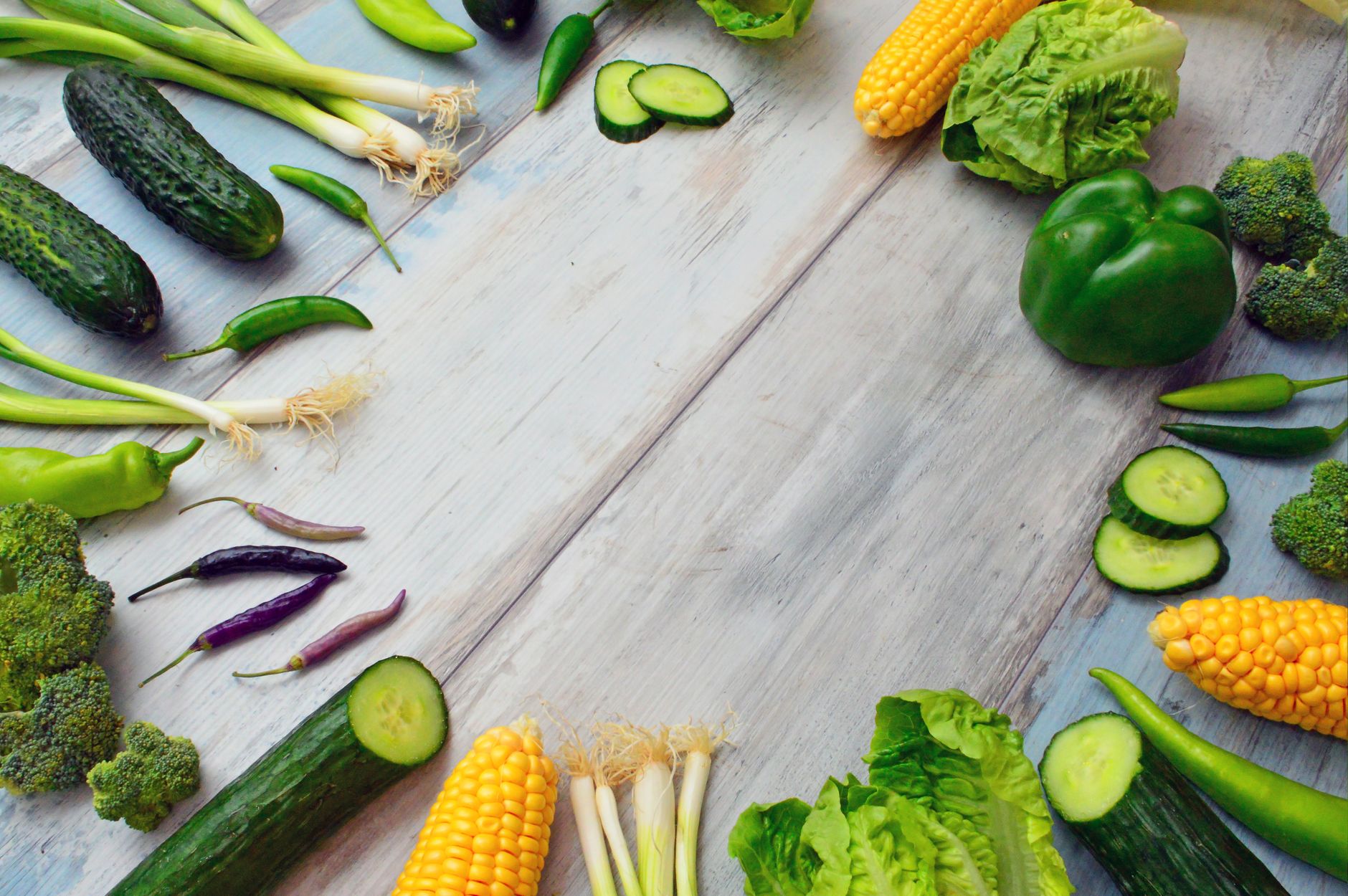
Many foods emphasized in an alkaline diet are perfectly safe and highly beneficial during pregnancy, provided they are part of a broader, balanced diet. These include:
Nuts and seeds: Almonds, chia seeds, flax seeds (healthy fats, fiber, some protein, magnesium).
Herbs and spices: Many fresh herbs are considered alkaline and add flavor without sodium.
The key is to include these nutrient-dense foods *without* excluding other vital food groups like lean proteins, whole grains, and dairy (or fortified alternatives) that might be restricted in a strict alkaline approach. Enjoying a variety of these foods as part of your overall balanced pregnancy diet is highly recommended.
Are there any benefits to following an alkaline diet when pregnant?
While the specific claims of altering body pH for health benefits lack scientific backing, some *aspects* of an alkaline diet align with general healthy eating principles that are beneficial during pregnancy. These include:
Increased fruit and vegetable intake: Emphasizing these foods naturally boosts your intake of vitamins, minerals, antioxidants, and fiber, which are all crucial for maternal and fetal health.
Reduced processed foods: The diet discourages processed foods, sugary drinks, and refined grains, which is a positive step for anyone, especially pregnant individuals, as these offer little nutritional value and can contribute to excess weight gain.
Focus on whole foods: Encouraging whole, unprocessed foods is always a healthy choice.
However, these benefits can be achieved through a standard, balanced pregnancy diet without the restrictive and potentially harmful aspects of a strict alkaline diet. You don't need to subscribe to the "alkaline" theory to reap the benefits of eating more plants and fewer processed items.
Safe dosage / amount / brands
For a diet like the alkaline diet, there isn't a "safe dosage" in the traditional sense. Instead, the guidance revolves around the *degree of restriction* and ensuring *nutritional completeness*.
General Recommendations for Diet During Pregnancy:
Variety is key: Aim for a wide range of foods from all major food groups daily.
Adequate calories: Your calorie needs increase during pregnancy (typically an extra 340 calories in the second trimester and 450 in the third).
Protein: Ensure sufficient protein from lean meats, poultry, fish, eggs, dairy, and plant-based sources like legumes and nuts.
Calcium: 3-4 servings of dairy or calcium-fortified alternatives daily.
Iron: Include iron-rich foods like lean red meat, fortified cereals, spinach, and beans. Pair plant-based iron with Vitamin C for better absorption.
Folate: Found in leafy greens, fortified cereals, and legumes. Crucial for neural tube development.
Healthy fats: Avocados, nuts, seeds, olive oil are good sources.
Regarding Alkaline Water:
Alkaline water typically has a pH higher than 7. While some claim it neutralizes acid in the body, there's no strong scientific evidence to support this or specific benefits during pregnancy. Drinking moderate amounts of commercially available alkaline water is generally considered safe, as it's just water with a higher pH. However, it should not replace regular filtered water or be seen as a therapeutic intervention. Over-consumption of highly alkaline water could theoretically disrupt natural stomach acidity needed for digestion, but this is rare with typical consumption.
A balanced pregnancy diet emphasizes variety and nutrient density, rather than strict adherence to a specific pH theory.
Side effects and risks
The primary concern with following a strict alkaline diet during pregnancy is the risk of nutritional deficiencies for both the expectant parent and the developing baby.
Nutrient Deficiencies: As mentioned, limiting food groups like dairy, meat, and grains can lead to inadequate intake of critical nutrients such as calcium, iron, vitamin B12, protein, and certain B vitamins. These deficiencies can result in:
Maternal anemia: Due to insufficient iron, leading to fatigue and weakness.
Compromised bone health: For the mother, if calcium intake is too low.
Fetal growth restriction: If overall calorie and protein intake are inadequate.
Developmental issues: If essential micronutrients like B12 are lacking.
Insufficient Calorie Intake: The emphasis on low-calorie fruits and vegetables, while healthy, may not provide enough energy for the increased demands of pregnancy if other calorie-dense, nutrient-rich foods are restricted.
Electrolyte Imbalance: While rare with typical dietary changes, extreme dietary shifts or reliance on unproven supplements could theoretically lead to electrolyte imbalances, which are dangerous in pregnancy.
Orthorexia or Disordered Eating: Focusing excessively on "clean" or "alkaline" foods and strictly avoiding others can sometimes contribute to an unhealthy obsession with food, known as orthorexia, which can be detrimental to mental and physical health.
Lack of Scientific Evidence: The biggest "risk" is investing time and effort into a diet whose core scientific premise (that diet can significantly alter blood pH and cure disease) is not supported by mainstream medical science. This can distract from truly evidence-based healthy eating practices.
If you experience persistent fatigue, unexplained weight loss, muscle cramps, or any other concerning symptoms while following a particular diet during pregnancy, it’s crucial to contact your healthcare provider immediately.
Safer alternatives / other safe options
Instead of focusing on the restrictive and unproven alkaline diet, we strongly recommend embracing a balanced, nutrient-dense approach to eating during pregnancy. Here are several safer and more evidence-backed dietary alternatives:
Balanced Pregnancy Diet: This is the gold standard, focusing on variety from all food groups: lean proteins, whole grains, plenty of fruits and vegetables, healthy fats, and dairy or fortified alternatives. This ensures you meet all increased nutrient needs without unnecessary restrictions.
Whole Foods Diet: Emphasizes unprocessed, natural foods, similar to the positive aspects of the alkaline diet but without the pH-balancing claims or restrictions on healthy food groups like lean meats or dairy.
Mediterranean Diet: Rich in fruits, vegetables, whole grains, legumes, nuts, seeds, olive oil, and fish, with moderate poultry and dairy. This diet is highly praised for its health benefits and aligns well with pregnancy nutrition.
DASH Diet (Dietary Approaches to Stop Hypertension): Focuses on fruits, vegetables, whole grains, lean protein, and low-fat dairy, while limiting saturated fat, cholesterol, and sodium. It's heart-healthy and provides a broad spectrum of nutrients.
Eating a variety of fruits and vegetables: Regardless of any named diet, simply increasing your intake of colorful fruits and vegetables provides essential vitamins, minerals, and fiber.
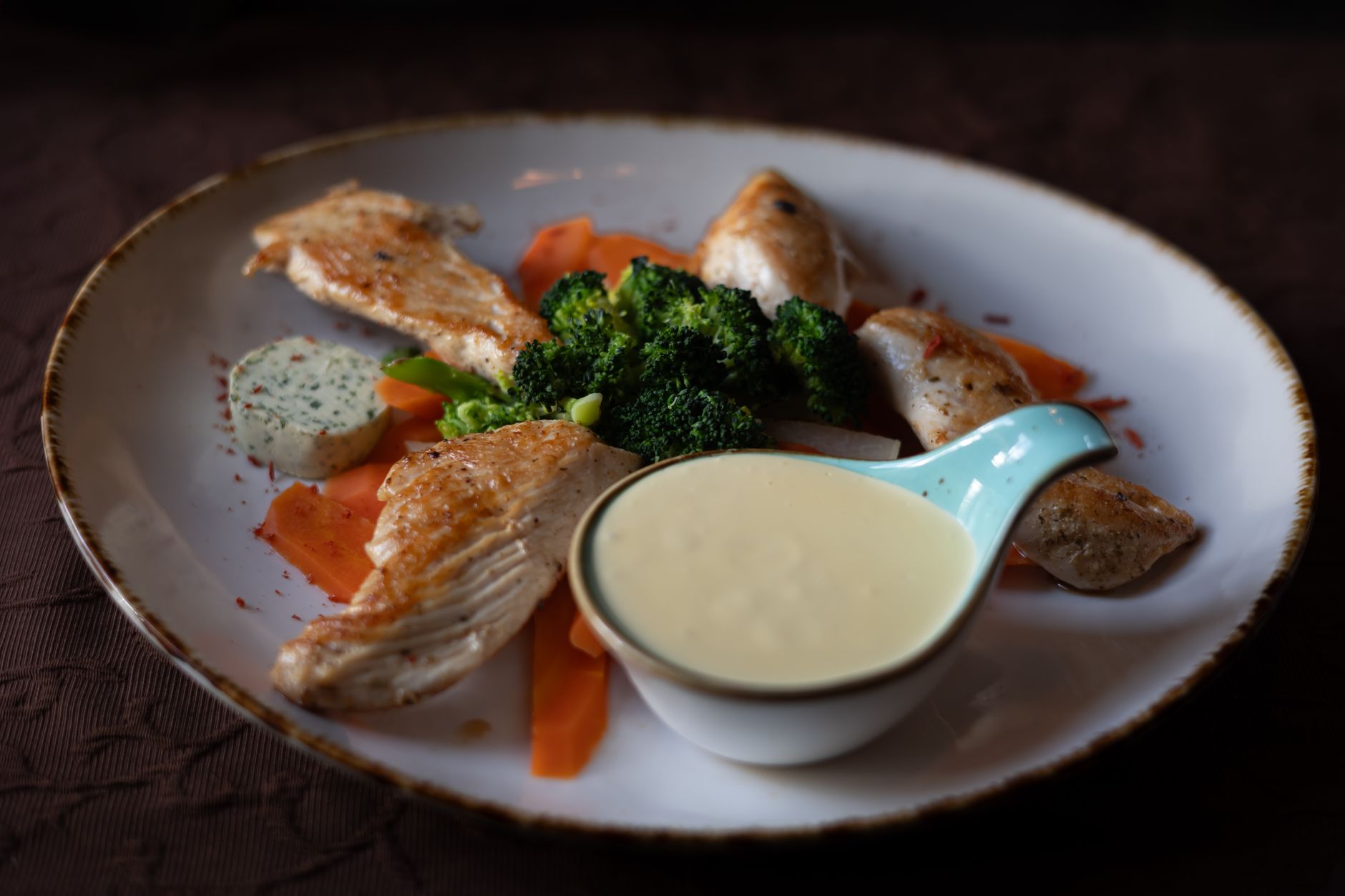
Lean protein sources: Ensure adequate protein from sources like chicken, turkey, fish (low mercury), eggs, beans, lentils, and tofu. You can find more information on foods rich in iron for a healthy pregnancy, which often includes lean proteins.
Healthy fats: Incorporate avocados, nuts, seeds, and olive oil for essential fatty acids crucial for fetal brain and eye development.
These approaches prioritize nutrient density and variety, supporting both your health and your baby's development without the risks associated with restrictive or unproven diets.
Related items — safety at a glance
Many dietary approaches gain popularity, but their safety during pregnancy varies significantly. Here's a quick look at other common diets and their general safety verdict for pregnancy:
Dietary Approach
Verdict
Note
Keto Diet during Pregnancy
❌ Best avoided
Highly restrictive, can lead to nutrient deficiencies and potential risks from ketosis; generally not recommended. See our article is keto diet during pregnancy safe?
Vegan Diet during Pregnancy
⚠️ Safe with limits
Can be safe with careful planning and supplementation (B12, iron, omega-3s, calcium) to prevent deficiencies; requires professional guidance.
Intermittent Fasting during Pregnancy
❌ Best avoided
Not recommended due to increased caloric and nutrient needs during pregnancy; can lead to inadequate intake and potential stress.
Paleo Diet during Pregnancy
⚠️ Safe with limits
Focus on whole foods is good, but restrictions on dairy, legumes, and grains can lead to nutrient gaps (calcium, B vitamins) if not carefully managed.
Gluten-Free Diet during Pregnancy
⚠️ Talk to your doctor first
Only necessary if medically indicated (e.g., Celiac disease). Otherwise, unnecessarily restrictive and may lead to deficiencies if not well-planned.
Raw Food Diet during Pregnancy
❌ Best avoided
Significant risk of foodborne illness (Listeria, Toxoplasmosis) from uncooked foods; also potential for nutrient deficiencies and inadequate calorie intake.
Juice Cleanses during Pregnancy
❌ Best avoided
Severely restrictive and lacking in protein, fiber, and essential nutrients; can cause rapid blood sugar drops and is unsafe.
Detox Teas during Pregnancy
❌ Best avoided
Often contain unproven or harmful herbs, laxatives, and diuretics; not safe for pregnancy and can lead to dehydration or nutrient loss.
Myth vs. fact
Myth: Eating alkaline foods can change your blood pH and make your body healthier, preventing diseases during pregnancy.
Fact: Your body tightly regulates your blood pH within a very narrow, healthy range (7.35-7.45) through complex systems involving your kidneys and lungs. What you eat can temporarily affect the pH of your urine, but it does not significantly change your blood pH. The idea that you can "alkalize" your body to prevent disease or improve health in this way is not supported by scientific evidence. Focusing on a balanced diet with plenty of fruits and vegetables is beneficial, but not because it alters your body's pH.
Myth: Alkaline water is better for you during pregnancy and can help with acid reflux.
Fact: While alkaline water is generally safe to drink in moderation, there's no scientific evidence to suggest it offers superior hydration or health benefits over regular water during pregnancy. For acid reflux, while some people report temporary relief, it's not a medical treatment, and its effectiveness is not proven. Safe and effective ways to manage acid reflux during pregnancy include small, frequent meals, avoiding trigger foods, and elevating your head during sleep. Always discuss persistent reflux with your doctor.
Myth: An alkaline diet ensures you get all the nutrients you need because it emphasizes fruits and vegetables.
Fact: While fruits and vegetables are incredibly important, a strict alkaline diet often restricts other crucial food groups like dairy, lean meats, and whole grains. These restrictions can lead to deficiencies in protein, calcium, iron, and vitamin B12, which are all vital for a healthy pregnancy. A truly balanced diet includes a wide variety of foods from all groups to ensure complete nutrition.
Key takeaways
A strict alkaline diet is generally not recommended during pregnancy due to the risk of nutrient deficiencies.
Your body naturally regulates its pH, and diet cannot significantly alter your blood pH.
Emphasizing fruits and vegetables, as promoted by an alkaline diet, is beneficial, but should be part of a broader, balanced diet.
Potential risks include deficiencies in protein, calcium, iron, and vitamin B12, which are crucial for maternal and fetal health.
Safer alternatives include the Mediterranean Diet, DASH Diet, or simply a well-balanced Whole Foods Diet.
Always consult your healthcare provider or a registered dietitian before making significant dietary changes during pregnancy.
Frequently asked questions
Can pregnant women drink alkaline water?
Yes, pregnant women can generally drink commercially available alkaline water in moderation. It is essentially water with a slightly higher pH. However, there's no scientific evidence to suggest it offers any specific health benefits over regular filtered water for pregnant individuals, and it should not replace other essential fluids or a balanced diet.
What foods are alkaline and safe for pregnancy?
Many foods considered "alkaline-forming" are very safe and beneficial for pregnancy, such as most fruits (berries, apples, bananas), vegetables (leafy greens, broccoli, sweet potatoes), legumes, nuts, and seeds. The key is to include these nutrient-dense foods as part of a varied diet, rather than restricting other essential food groups.
Is an alkaline diet good for fertility?
There is no strong scientific evidence to support the claim that an alkaline diet specifically improves fertility. Fertility is influenced by many factors, and a balanced, nutrient-rich diet, healthy weight, and lifestyle choices are generally recommended. Always consult a fertility specialist or doctor for evidence-based advice on fertility.
What are the benefits of eating alkaline foods?
The "benefits" often attributed to eating alkaline foods (like disease prevention via pH alteration) are not scientifically proven. However, "alkaline foods" are typically whole, unprocessed fruits, vegetables, and plant-based proteins, which *are* inherently beneficial for their vitamins, minerals, fiber, and antioxidants, regardless of their effect on pH.
What foods should be avoided during pregnancy?
During pregnancy, it's important to avoid raw or undercooked meats, fish (especially high-mercury varieties), eggs, and seafood; unpasteurized dairy and juices; deli meats (unless reheated to steaming); certain soft cheeses; and excessive caffeine or alcohol. These pose risks of foodborne illness or harm to fetal development.
How to balance pH during pregnancy?
Your body naturally balances its pH through robust physiological mechanisms involving the kidneys and lungs, regardless of your diet. There is no need to actively "balance" your pH through dietary interventions during pregnancy. Focus instead on providing your body with a wide array of nutrients through a balanced and varied diet.
Can alkaline water help with acid reflux in pregnancy?
Some individuals report temporary relief from acid reflux with alkaline water, possibly due to its higher pH neutralizing some stomach acid. However, this is not a medically proven or long-term solution. For persistent acid reflux in pregnancy, it's best to consult your doctor for safe and effective management strategies, such as dietary adjustments and safe medications.
When to call your doctor
While the alkaline diet itself might not cause immediate severe symptoms if not strictly adhered to, it's important to know when to contact your healthcare provider regarding any dietary concerns or symptoms during pregnancy:
If you are experiencing persistent fatigue, weakness, or dizziness.
If you are losing weight or not gaining enough weight according to your doctor's recommendations.
If you develop new or worsening food cravings or aversions that make it difficult to eat a balanced diet.
If you are concerned about specific nutrient deficiencies (e.g., iron deficiency anemia, low calcium).
If you are considering any restrictive diet during pregnancy, including the alkaline diet, to discuss its safety and potential impact on your and your baby's health.
If you have any symptoms that concern you, regardless of your diet.
This article is for informational purposes only and is not a substitute for professional medical advice, diagnosis, or treatment. Always seek the advice of your physician or other qualified health provider with any questions you may have regarding a medical condition.
References
American College of Obstetricians and Gynecologists (ACOG). Nutrition During Pregnancy. Accessed from ACOG.org.
National Health Service (NHS) UK. Foods to avoid in pregnancy. Accessed from NHS.uk.
Mayo Clinic. Pregnancy diet: What to eat, what to limit. Accessed from MayoClinic.org.
Food and Drug Administration (FDA). What to Eat, What to Avoid. Accessed from FDA.gov.
Centers for Disease Control and Prevention (CDC). Healthy Eating During Pregnancy. Accessed from CDC.gov.
Vangsness, S. A., & Blevins, J. E. (2015). Ketogenic Diet and Pregnancy: A Review. Current Nutrition Reports, 4(3), 195-201. (General information on restrictive diets in pregnancy)
Schwalfenberg, G. K. (2012). The Alkaline Diet: Is There Evidence That an Alkaline pH Diet Benefits Health?. Journal of Environmental and Public Health, 2012.
Not sure about the label on Is Alkaline Diet During Pregnancy Safe During Pregnancy products?
Snap the ingredients list and SafeFilter checks every ingredient for your stage — only 3 free scans this month, then you're locked until reset. Unlimited from $7/mo or $50/yr.
When Shubhra Mishra was expecting her first child in 2016, she was overwhelmed by conflicting food advice — one site said yes, another said never. By the time her second baby arrived in 2019, she realized millions of mothers face the same confusion.
That sparked a five-year journey through clinical nutrition papers, cultural diets, and expert conversations — all leading to BumpBites: a calm, compassionate space where science meets everyday motherhood.
Her long-term vision is to build a global community ensuring safe, supported, and free deliveriesfor every mother — because no woman should face pregnancy alone or uninformed. 🌿
🌍 Stand with mothers, shape safer guidance
Join a small circle of experts who review BumpBites articles so expecting parents everywhere can decide with confidence.