Discover the best foods rich in iron for pregnancy to prevent anemia and support fetal development. Learn dietary sources and tips for optimal absorption.
By Shubhra Mishra — a mom of two who turned her own confusion during pregnancy into BumpBites, a global mission to make food choices clear, safe, and stress-free for every expecting mother. 💛
Check whether any food is safe during pregnancy with the BumpBites Food Safety Checker.
Quick take: Most pregnant women need 27 mg of iron each day, and you can meet that goal with a mix of animal‑based and plant‑based foods. Choose iron‑rich staples like lean red meat, fortified cereals, lentils, and spinach, pair them with vitamin C sources, and steer clear of tea, coffee, or calcium‑rich foods at meals. If diet alone isn’t enough, a doctor‑approved supplement can fill the gap safely.
It’s 2 a.m., you’re curled up on the couch, and a sudden craving for something “red and hearty” has you wondering whether a bowl of chili will keep your baby’s blood supply healthy. You’ve read headlines about iron deficiency, but the details feel tangled. You’re not alone—many expecting parents search for a clear answer about iron, because low iron can affect both you and your growing baby.
Below, we break down everything you need to know about foods rich in iron in pregnancy dietary sources. We’ll tell you exactly which foods pack the most iron, how much you need at each stage, tricks to boost absorption, and what to do if you’re still low. By the end, you’ll have a ready‑to‑use meal plan, snack ideas, and the confidence to talk to your provider about iron‑rich nutrition.
Whether you’re a meat‑eater, a vegetarian, or somewhere in between, the guidance is rooted in recommendations from the American College of Obstetricians and Gynecologists (ACOG), the U.K. National Health Service (NHS), and the World Health Organization (WHO). Let’s dive in, step by step.
What are the best iron‑rich foods for pregnant women?
When you think “iron‑rich,” the first image that comes to mind is often a steak or a handful of beans. Both are excellent, but the spectrum of good choices is broader than you might expect. The key is to combine foods that deliver heme iron (from animal sources) with those that provide non‑heme iron (from plants) so you get the most bang for your buck.
Animal‑based powerhouses
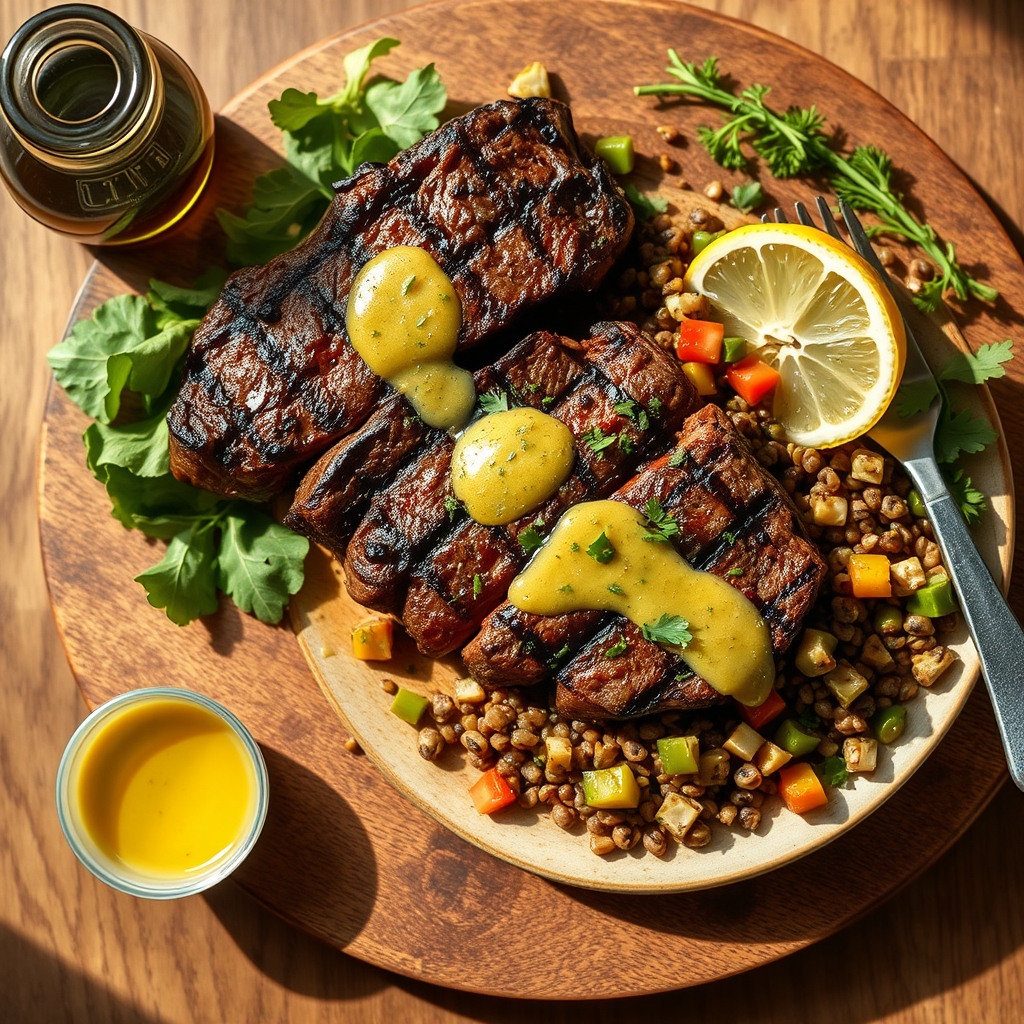
Lean red meat (beef, lamb) – 2.6 mg of iron per 3‑oz cooked serving (≈15 % of daily need).
Chicken liver – 5.0 mg per 3‑oz portion, making it one of the most concentrated sources.
Turkey and chicken (dark meat) – 1.1 mg per 3‑oz serving.
Shellfish (clams, oysters, mussels) – 3.0 mg per 3‑oz serving.
Eggs (especially yolk) – 0.8 mg per large egg.
These foods contain heme iron, which the body absorbs up to 40 % more efficiently than non‑heme iron from plants. Heme iron also tends to be less affected by inhibitors like calcium, so it’s a reliable back‑stop on days when your diet is low on vitamin C.
Beyond iron, many of these animal foods bring other pregnancy‑supportive nutrients. For example, liver is rich in vitamin A and folate, while shellfish provide zinc and selenium—minerals that support immune function and thyroid health.
Plant‑based champions
Lentils, chickpeas, and beans – 3.3 mg per cup cooked.
Tofu (firm) – 3.0 mg per half‑cup.
Quinoa – 2.8 mg per cup cooked.
Spinach, kale, and Swiss chard (cooked) – 3.6 mg per cup.
Pumpkin seeds – 2.5 mg per ounce.
Fortified breakfast cereals – up to 18 mg per serving, depending on brand.
Non‑heme iron is less readily absorbed, but pairing these foods with vitamin C can dramatically improve uptake (we’ll cover that later). Many plant sources also supply fiber, which helps prevent constipation—a common side effect of iron supplements.
For those following a vegetarian or vegan diet, the variety of legumes, whole grains, nuts, and fortified products means you can meet the 27 mg target without animal products, as long as you plan meals strategically.
Why diversity matters
Relying on a single source can lead to nutrient gaps. For example, red meat supplies iron but lacks folate, while leafy greens provide iron plus folate and calcium. A varied plate keeps you covered on multiple fronts and makes meals more enjoyable. Diversity also protects against taste fatigue, which is a real concern when cravings shift daily.
Combine heme and non‑heme sources for a balanced iron boost.
How much iron do I need during pregnancy, and does it change by trimester?
Iron needs rise sharply once you’re pregnant because your blood volume expands and the placenta needs iron to build fetal red blood cells. The increase is roughly 50 % more than the iron requirement for non‑pregnant adults.
Trimester
Recommended Daily Iron Intake (mg)
First (0‑13 weeks)
27 mg (ACOG)
Second (14‑27 weeks)
27 mg (ACOG)
Third (28‑40 weeks)
27 mg (ACOG)
Unlike many nutrients, the recommendation stays constant across trimesters: 27 mg per day for most healthy adults, according to ACOG and the Institute of Medicine. However, the third trimester often feels the hardest because iron stores are being heavily drawn down to support rapid fetal growth.
Women who start pregnancy with low iron stores—often measured by serum ferritin—may need to be more vigilant early on. The NHS advises a ferritin test at the first prenatal visit, especially if you have a history of anemia, heavy menstrual bleeding, or a vegetarian diet.
Iron supplement vs food sources during pregnancy
Most clinicians agree that you should first try to meet the 27 mg target through food. If your diet consistently falls short—say you’re vegetarian and struggle to hit 20 mg—your provider may suggest a prenatal iron supplement. The supplement dose is usually 30–60 mg of elemental iron, taken with food to reduce gastrointestinal upset.
Research from the CDC shows that iron supplementation reduces the risk of anemia by 30 % in pregnant populations, but it also increases the likelihood of constipation and nausea. That’s why a balanced diet is the first line of defense, and why many providers recommend a “food first” approach before moving to pills.
Low‑calorie iron‑rich options
If you’re watching calories, focus on foods that deliver iron without a lot of extra energy:
Egg whites (0.2 mg) paired with a slice of fortified toast (6 mg).
Lean turkey breast (1 mg per 3‑oz) with steamed broccoli (1 mg).
Spinach smoothies (2 mg) blended with orange juice (vitamin C boost).
These choices keep you under 200 kcal per serving while still moving the needle on iron intake. Pairing low‑calorie options with a vitamin C source maximizes absorption without adding extra calories.
How can I boost iron absorption in my pregnancy diet?
Iron absorption is a dance between the food you eat and the environment in your gut. The right partners can increase uptake; the wrong ones can block it.
Pair with vitamin C
Vitamin C turns ferric iron (Fe³⁺) into ferrous iron (Fe²⁺), which your intestines absorb more easily. A classic combo is a cup of orange juice with a bowl of iron‑fortified cereal, delivering up to a 2‑fold increase in absorption.
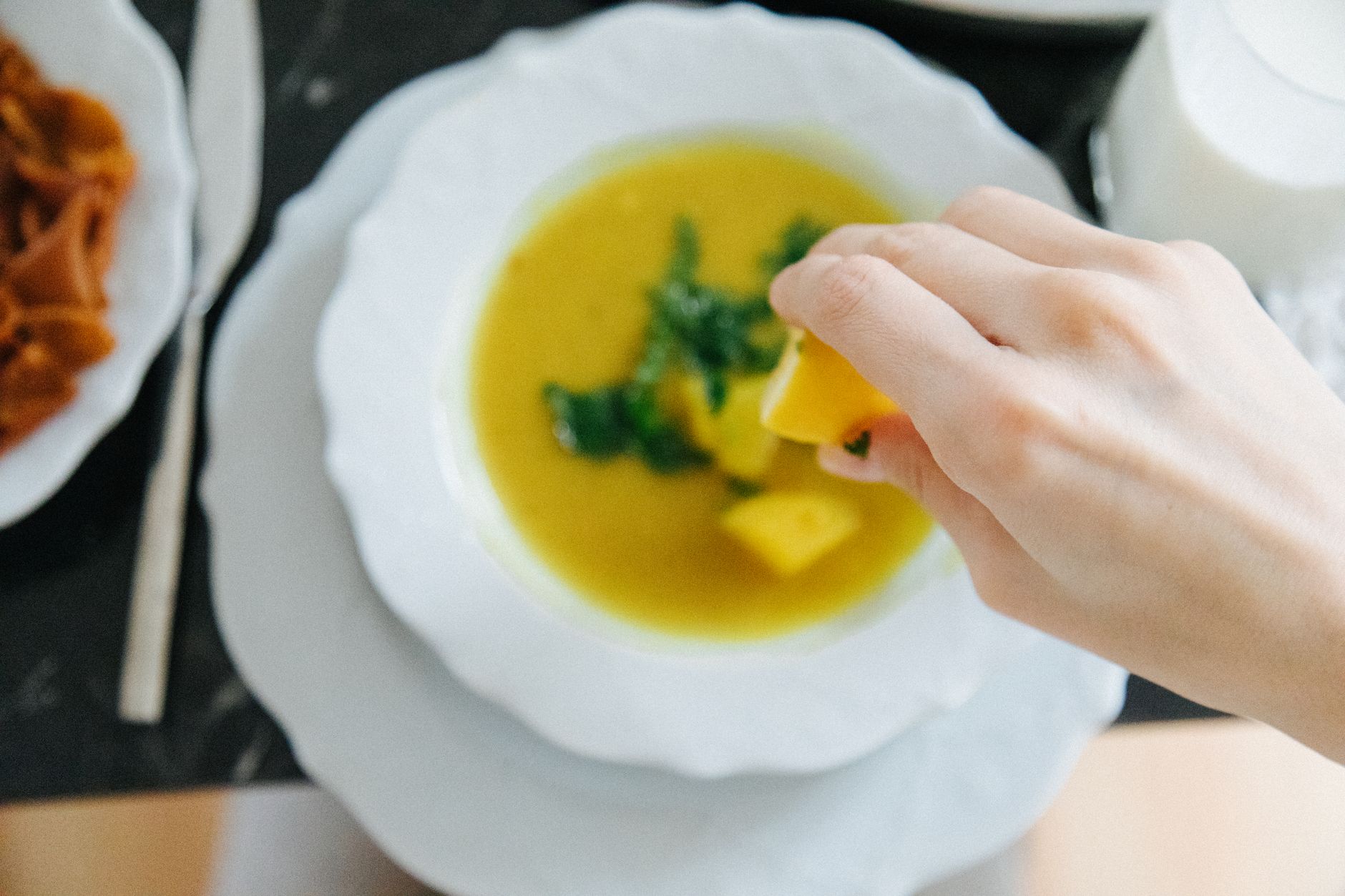
Other vitamin C sources include strawberries, bell peppers, kiwi, and tomatoes. Even a squeeze of lemon over cooked lentils can make a big difference.
Cooking methods that help
Pre‑soaking beans reduces phytates that bind iron.
Using cast‑iron cookware can add 1–2 mg of iron per serving.
Steaming leafy greens lowers oxalate levels, making iron more bioavailable.
Research published in the Journal of Nutrition (2021) found that meals prepared in cast‑iron skillets had 15 % higher iron content compared with stainless‑steel pans, without altering taste.
Avoid inhibitors at meals
Calcium, polyphenols (found in tea, coffee, and some fruits), and high‑fiber meals can compete with iron for absorption. The rule of thumb is to keep calcium‑rich foods (like dairy) and iron‑rich foods at least two hours apart.
Timing matters
Take iron supplements with a glass of water and a vitamin C‑rich snack, but not with coffee or calcium‑fortified yogurt. If you’re prone to constipation, a small amount of fruit juice helps move iron through the gut without the side effects of a high‑dose supplement.
What vegetarian iron sources are safe and effective in pregnancy?
Vegetarian diets can fully support pregnancy iron needs, provided you pay attention to both amount and absorption enhancers.
Top plant‑based iron foods
Food
Iron (mg) per serving
Serving size
Lentils (cooked)
3.3
1 cup
Tofu (firm)
3.0
½ cup
Black beans (cooked)
2.1
1 cup
Quinoa (cooked)
2.8
1 cup
Spinach (cooked)
3.6
1 cup
Pumpkin seeds
2.5
1 oz
Fortified cereals
12–18
1 cup
Non‑heme iron is less readily absorbed, but pairing these foods with vitamin C can dramatically improve uptake (we’ll cover that later). A popular breakfast is fortified oatmeal topped with sliced strawberries and a sprinkle of pumpkin seeds. For lunch, a lentil salad with orange segments and chopped red bell pepper does the trick.
Another tip: avoid drinking tea or coffee with meals. Even a small cup can reduce iron absorption by up to 60 %.
Sample vegetarian meal
Breakfast: Iron‑fortified cereal (12 mg) + kiwi slices (vit C).
Mid‑morning snack: Handful of pumpkin seeds (2.5 mg) + a glass of orange juice (vit C).
Lunch: Warm quinoa‑lentil bowl (5.5 mg) drizzled with lemon‑tahini sauce (vit C).
Afternoon snack: Apple slices with almond butter (minimal iron, but satisfies hunger).
Dinner: Stir‑fried tofu with broccoli and red peppers (4 mg) served over brown rice.
Following this plan can easily reach the 27 mg target without meat, while also delivering fiber, protein, and a range of micronutrients essential for fetal development.
Which iron‑rich snacks can satisfy pregnancy cravings without excess calories?
Cravings often strike between meals, and the right snack can add 3–6 mg of iron while keeping calories in check.
Greek yogurt with a drizzle of honey and a sprinkle of fortified cereal – 6 mg iron, 150 kcal.
Whole‑grain toast topped with avocado and pumpkin seeds – 2.5 mg iron, 180 kcal.
Spinach and cheese mini frittatas – 2 mg iron per two pieces, 120 kcal.
Beef jerky (low‑sodium) – 3 mg iron per 1‑oz, 70 kcal.
Pair any of these with a small glass of citrus juice or a few strawberry slices for that vitamin C boost. The extra vitamin C not only improves iron uptake but also adds a refreshing flavor contrast.
Which foods or drinks should I avoid because they hinder iron absorption in pregnancy?
Even the healthiest foods can become counterproductive if they block iron uptake.
Common inhibitors
Tea and coffee – polyphenols bind iron; avoid within two hours of iron‑rich meals.
Dairy products – calcium competes with iron; keep a gap of at least two hours between cheese/yogurt and iron sources.
Whole grains with high phytate content – soak or sprout grains to reduce phytates.
Eggs (especially yolks) with iron meals – the phosphoprotein avidin can bind iron; separate meals.
These aren’t “bad” foods—just timing matters. A cup of milk at breakfast is fine; just don’t follow it with a fortified cereal without a vitamin C buffer.
Can you give me a daily meal plan with iron‑rich foods for pregnancy?
Below is a full‑day menu that hits the 27 mg target, mixes animal and plant sources, and respects calorie balance (≈2,200 kcal).
Grilled chicken thigh (3 oz) + quinoa salad with spinach, red bell pepper, lemon vinaigrette
8
Heme iron + vitamin C.
Afternoon snack
Roasted chickpeas (½ cup) + orange wedge
4
Vitamin C boost.
Dinner
Beef stir‑fry (3 oz) with broccoli, carrots, and soy sauce; side of brown rice
5
Heme iron, low‑phytate vegetables.
Evening
Warm milk (½ cup) + a small piece of dark chocolate (optional)
0
Calcium separate from iron meals.
This sample provides roughly 37 mg of iron—more than the recommended amount—so you have a safety buffer. If you find you’re consistently above 30 mg, you can trim a portion or replace a meat serving with a plant alternative.
What are the signs of iron deficiency in pregnancy and how can diet address them?
Iron deficiency is the most common nutrient deficiency in pregnancy, affecting up to 30 % of U.S. pregnant women (CDC). Recognizing early signs helps you intervene before anemia develops.
Typical symptoms
Persistent fatigue or weakness that doesn’t improve with rest.
Shortness of breath during mild activity.
Pale skin, especially on the inner eyelids.
Headaches or dizziness.
Restless legs or unusual cravings for ice (pica).
If you notice any of these, schedule a blood test (serum ferritin) with your provider. Low ferritin confirms depleted iron stores, and a treatment plan can be crafted.
Dietary solutions
Once deficiency is confirmed, boost iron intake immediately using the foods highlighted earlier. Pair each iron‑rich meal with a vitamin C source, and avoid inhibitors for at least two hours. In many cases, a dietary overhaul can raise ferritin within 4–6 weeks, according to a 2022 ACOG review.
However, if ferritin is very low (<15 µg/L) or you’re experiencing severe symptoms, a supplement is usually prescribed. The supplement should be taken under medical supervision because excess iron can cause oxidative stress.
Iron‑rich lentil soup paired with lemon boosts absorption.
From our medical team: “If you’re consistently meeting the 27 mg target through food but still feel fatigued, we recommend checking ferritin levels. Often, the issue is not the amount of iron you eat, but how well your body is absorbing it. Simple timing tweaks—like separating dairy from iron meals—can make a big difference.”
Iron needs for multiple pregnancies (twins or more)
Carrying twins or higher‑order multiples increases iron demand by roughly 30–50 % compared with a singleton pregnancy. The ACOG Committee Opinion (2023) advises that women expecting twins aim for 30–35 mg of elemental iron per day, though individual needs vary.
The extra demand reflects the larger blood volume of both mother and babies, as well as the higher rate of placental growth. If you’re pregnant with multiples, your prenatal labs will likely include more frequent ferritin checks, and many providers start iron supplementation earlier in the second trimester.
Practical tips for meeting the higher target include adding an extra serving of fortified cereal at breakfast, increasing the portion size of lean red meat at dinner, and snacking on iron‑dense foods like pumpkin seeds or roasted chickpeas. Remember to keep vitamin C sources handy to maximize absorption.
Iron and prenatal vitamins: what to look for on the label
Most prenatal vitamins contain iron, but the amount and form can differ. The FDA requires that a prenatal supplement labeled “iron‑fortified” contain at least 18 mg of elemental iron, usually as ferrous sulfate, gluconate, or fumarate.
Ferrous sulfate is the most common and generally well‑absorbed, but it can cause gastrointestinal upset. If you experience constipation or nausea, look for a prenatal that uses ferrous bisglycinate—a chelated form that tends to be gentler on the stomach, according to a 2021 review in the Journal of Clinical Nutrition.
When you read the supplement facts panel, check for “iron (as ferrous sulfate) – 30 mg” or a similar line. Also verify that the product includes vitamin C (30–60 mg) to aid iron uptake. If you’re already meeting your iron goal through food, discuss with your provider whether a lower‑dose iron prenatal is appropriate, to avoid excess iron.
Cooking tips to maximize iron in your meals
How you prepare food can influence the amount of iron that actually reaches your bloodstream. Here are three evidence‑based tricks:
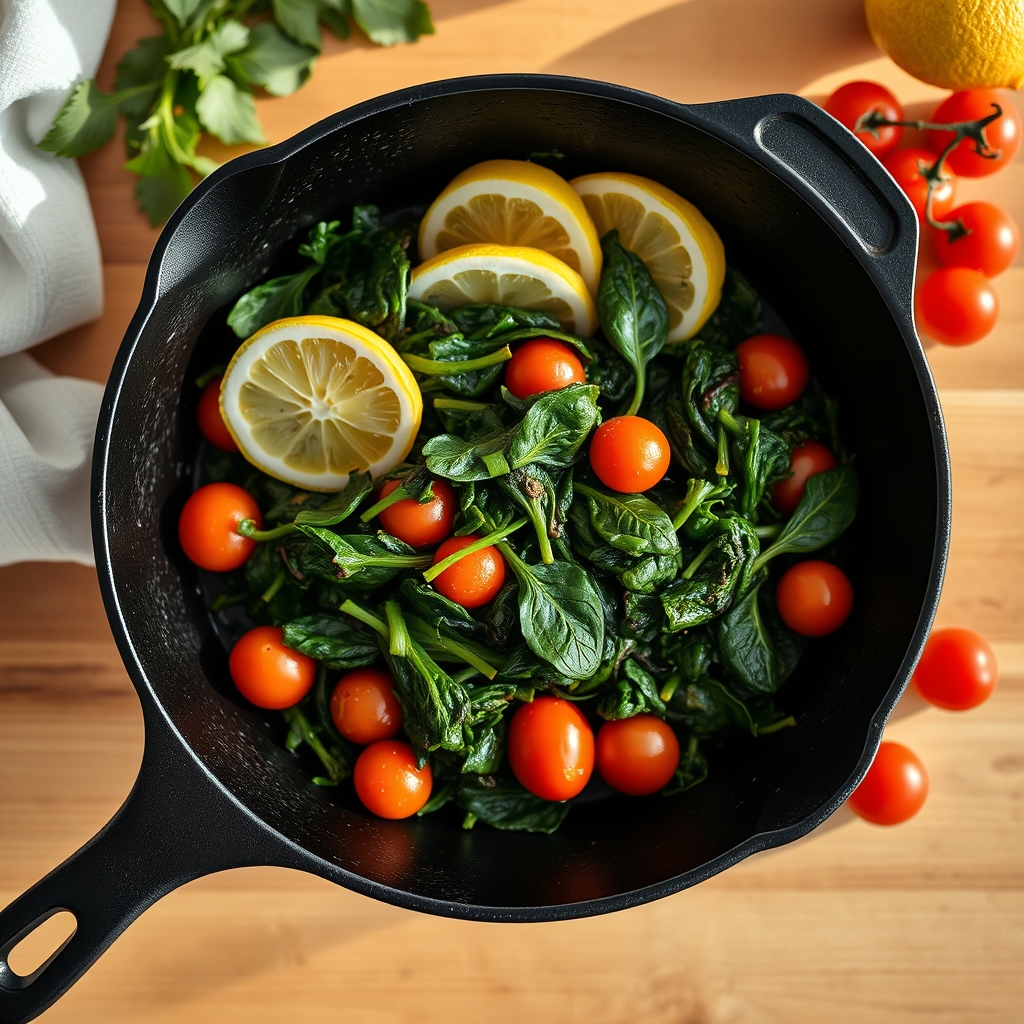
Cook in cast‑iron cookware. A 2018 study in the American Journal of Clinical Nutrition showed that cooking acidic foods (like tomato sauce) in a cast‑iron skillet can add 2–4 mg of iron per serving.
Soak and sprout grains and legumes. Soaking reduces phytates, which bind iron. Sprouting further breaks down these compounds, making iron more bioavailable. A simple overnight soak of beans, followed by a quick rinse, can increase iron absorption by up to 30 %.
Combine iron foods with acidic, vitamin C‑rich ingredients. Adding a splash of lemon juice to sautéed spinach or stirring a teaspoon of fruit puree into a lentil stew can boost iron uptake without altering flavor dramatically.
These cooking tweaks are low‑effort but high‑reward, especially if you’re trying to stay within a calorie budget while still hitting the iron target.
Cooking leafy greens in cast‑iron adds a natural iron boost.
Myth vs. fact
Myth: You only need iron in the third trimester.
Fact: Iron needs are the same throughout pregnancy, but the third trimester often feels harder because fetal demand peaks.
Myth: Vegetarian diets can’t provide enough iron.
Fact: With strategic food choices and vitamin C pairing, vegetarians can meet or exceed the 27 mg recommendation.
Myth: Iron supplements are always safe.
Fact: Unsupervised iron supplements can cause constipation, nausea, and, in rare cases, iron overload. Always discuss dosing with your provider.
Key takeaways
Aim for 27 mg of iron each day—same amount in every trimester (higher for twins).
Boost absorption by pairing iron foods with vitamin C‑rich items and using cast‑iron cookware.
Avoid tea, coffee, and calcium‑rich foods within two hours of iron‑rich meals.
Vegetarian diets can meet iron needs when they include lentils, tofu, quinoa, and fortified cereals.
If fatigue persists despite a balanced diet, ask your provider for a ferritin test and discuss supplements if needed.
For twins, target 30–35 mg of iron daily and monitor labs more frequently.
Check prenatal vitamin labels for iron type and added vitamin C to support absorption.
Frequently asked questions
What are the top foods high in iron for pregnant women?
The top iron‑rich foods include lean red meat, chicken liver, fortified cereals, lentils, chickpeas, spinach (cooked), and pumpkin seeds.
Can I get enough iron from food alone during pregnancy?
Most women can meet the 27 mg daily goal through diet alone if they include a mix of heme and non‑heme sources and pair them with vitamin C.
How does vitamin C affect iron absorption in pregnancy?
Vitamin C converts ferric iron to ferrous iron, increasing absorption up to two‑fold; a glass of orange juice with a fortified cereal is a classic example.
Are there any foods that reduce iron absorption for pregnant women?
Yes—tea, coffee, calcium‑rich dairy, and high‑phytate foods like unsoaked beans can inhibit iron uptake when consumed with iron‑rich meals.
What are the symptoms of iron deficiency in pregnancy?
Common signs include persistent fatigue, pale skin, shortness of breath, dizziness, headaches, and cravings for non‑food items like ice.
How much iron should a pregnant woman consume daily?
Both ACOG and the WHO recommend 27 mg of elemental iron per day for the entire pregnancy period (30–35 mg for twins).
Can I take iron supplements together with my prenatal vitamin?
Yes, but coordinate timing: take the supplement with a vitamin C source and keep it at least two hours apart from calcium‑rich foods or dairy in your prenatal vitamin to avoid competition for absorption.
Is it safe to eat raw spinach for iron?
Raw spinach contains iron, but it also has oxalates that can bind the mineral. Cooking reduces oxalates and improves iron availability, so lightly steaming or sautéing spinach is generally more effective than eating it raw.
When to call your doctor
If you experience any of the following, seek medical care promptly: sudden or severe fatigue, shortness of breath at rest, heart palpitations, pale or yellowish skin, dizziness, or unusual cravings (pica). Remember, this article is for informational purposes only and does not replace personalized medical advice.
References
American College of Obstetricians and Gynecologists (ACOG). “Nutrition During Pregnancy.” 2023 clinical guidance.
World Health Organization (WHO). “Guidelines on Iron Supplementation in Pregnancy.” 2022.
Centers for Disease Control and Prevention (CDC). “Iron Deficiency Anemia in Pregnant Women.” 2022 data brief.
National Health Service (NHS). “Iron and pregnancy.” Updated 2023.
Institute of Medicine. “Dietary Reference Intakes for Iron.” 2020.
Food Standards Agency (FSA). “Iron content of fortified cereals.” 2021.
Harvard T.H. Chan School of Public Health. “Iron: Food Sources & Absorption.” 2022.
Journal of Obstetrics and Gynecology. “Effect of vitamin C on iron absorption in pregnant women.” 2022.
American Journal of Clinical Nutrition. “Iron contribution from cast‑iron cookware.” 2018.
Journal of Clinical Nutrition. “Ferrous bisglycinate versus ferrous sulfate tolerance in pregnancy.” 2021.
ACOG Committee Opinion No. 815. “Nutrition in Multiple Pregnancy.” 2023.
Not sure about the label on Foods Rich In Iron In Pregnancy Dietary Sources products?
Snap the ingredients list and SafeFilter checks every ingredient for your stage — only 3 free scans this month, then you're locked until reset. Unlimited from $7/mo or $50/yr.
When Shubhra Mishra was expecting her first child in 2016, she was overwhelmed by conflicting food advice — one site said yes, another said never. By the time her second baby arrived in 2019, she realized millions of mothers face the same confusion.
That sparked a five-year journey through clinical nutrition papers, cultural diets, and expert conversations — all leading to BumpBites: a calm, compassionate space where science meets everyday motherhood.
Her long-term vision is to build a global community ensuring safe, supported, and free deliveriesfor every mother — because no woman should face pregnancy alone or uninformed. 🌿
🌍 Stand with mothers, shape safer guidance
Join a small circle of experts who review BumpBites articles so expecting parents everywhere can decide with confidence.