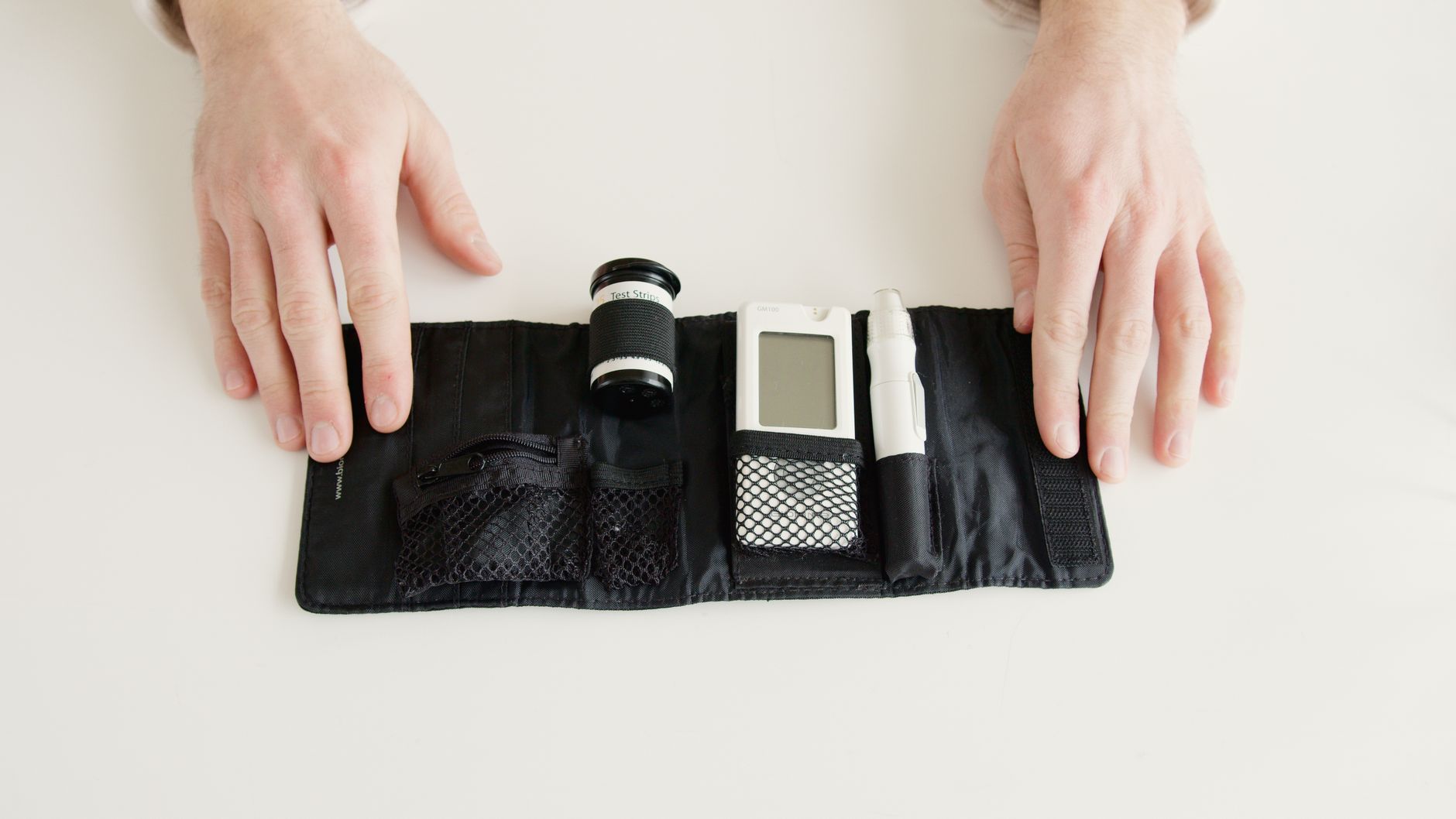
Discover the key GDM risk factors: age, weight, family history, and more. Learn what matters most for a healthy pregnancy
By Shubhra Mishra — a mom of two who turned her own confusion during pregnancy into BumpBites, a global mission to make food choices clear, safe, and stress-free for every expecting mother. 💛
Check whether any food is safe during pregnancy with the BumpBites Food Safety Checker.
Quick take: Age, pre‑pregnancy weight (especially BMI), and a family history of diabetes all raise your chance of developing gestational diabetes mellitus (GDM). Among them, excess weight and a high BMI usually carry the strongest relative risk, but older age and a positive family history still matter—especially when they stack together. If you’re concerned, talk to your provider about screening and consider using a Gestational Diabetes Risk calculator to see where you fall.
It’s 2 a.m., you’re curled up on the couch with a half‑finished novel, and a sudden craving for a slice of chocolate cake sends you scrambling to the kitchen. As the frosting melts on your fork, a thought pops up: “Is my age or my weight going to make this pregnancy risky?” You’re not alone. Many expectant mothers wonder which of their personal factors—age, weight, or family history—might tip the scales toward gestational diabetes.
🔢 Calculate it for your situation: Use our Gestational Diabetes Risk for a personalized result in seconds.
In this article we’ll untangle the science behind each risk factor, compare how much each one contributes, and give you clear steps you can take now. We’ll also break down the official screening guidelines, so you know exactly when a glucose test is recommended. By the end, you’ll have a practical checklist to assess your own GDM risk and feel confident about the next steps.
What is gestational diabetes mellitus (GDM)?
Gestational diabetes mellitus is a form of glucose intolerance that first appears during pregnancy, usually between weeks 24 and 28. It affects about 7 % of pregnancies in the United States, according to the Centers for Disease Control and Prevention (CDC). When the placenta produces hormones that make your cells less responsive to insulin, your pancreas must work overtime to keep blood sugar stable. If it can’t keep up, blood glucose rises, leading to a GDM diagnosis.
Most women with GDM can manage their blood sugar with diet, exercise, and, if needed, medication. However, untreated GDM raises the risk of large‑for‑gestational‑age babies, pre‑eclampsia, and, later in life, type 2 diabetes for both mother and child. That’s why early identification and proactive management are essential.
Beyond the immediate pregnancy, GDM can be a warning sign of future metabolic health challenges. Women who have had GDM are up to ten times more likely to develop type 2 diabetes later in life, according to the American Diabetes Association (ADA). Recognizing and addressing the condition early can therefore have long‑term health benefits for you and your family.
Understanding how a simple glucose test can flag GDM early.
How age influences GDM risk
Age i
s one of the most consistently reported risk factors for GDM. Women who become pregnant at 35 years or older are roughly twice as likely to develop GDM compared with those under 25, according to the American College of Obstetricians and Gynecologists (ACOG). The risk climbs steadily after age 30, with each additional five‑year increment adding about a 20 % increase in odds.
Why does age matter? As we get older, the body’s ability to use insulin efficiently naturally declines. The pancreas may also have a reduced reserve of insulin‑producing beta cells, making it harder to meet the extra demand of pregnancy. In addition, older mothers are more likely to have other metabolic conditions—like hypertension or dyslipidemia—that can compound the effect of pregnancy hormones on glucose regulation.
Importantly, age‑related risk is not a destiny. Many women over 35 have perfectly healthy pregnancies without GDM. Regular prenatal care, early screening, and lifestyle measures can mitigate the age effect. If you’re approaching or past the age‑35 threshold, discuss a tailored screening schedule with your provider, who may recommend an earlier oral glucose tolerance test (OGTT).
The role of pre‑pregnancy weight and BMI
Weight, measured as body mass index (BMI) before pregnancy, is the single strongest predictor of GDM in most population studies. The International Association of Diabetes and Pregnancy Study Groups (IADPSG) notes that women with a pre‑pregnancy BMI ≥ 30 kg/m² (obesity) have a three‑ to four‑fold higher risk of GDM than women with a BMI < 25 kg/m² (normal weight). Even a modest BMI increase from 22 to 27 kg/m² can double the odds.
Excess adipose tissue releases hormones called adipokines that interfere with insulin signaling, creating a low‑grade inflammatory state. This insulin resistance is amplified by pregnancy hormones, pushing blood glucose higher. Moreover, higher weight often correlates with larger fasting glucose levels even before conception, setting the stage for GDM.
Weight gain during pregnancy also matters, but the pre‑pregnancy BMI is the more decisive factor. The National Institute for Health and Care Excellence (NICE) in the UK recommends personalized weight‑gain targets: for women with a normal BMI, aim for 11‑16 kg total gain; for those with obesity, limit gain to 5‑9 kg. Staying within these ranges helps keep insulin needs manageable.
For women who are overweight but not yet obese, modest lifestyle changes before conception—such as a 5‑10 % weight reduction—can improve insulin sensitivity enough to lower GDM risk by roughly 30 % (ADA). This underscores the value of pre‑conception counseling, even for those who think “I’m only a little heavy.”
Family history: genetics and environment
A first‑degree relative (parent or sibling) with type 2 diabetes increases a woman’s chance of GDM by about 1.5‑times, according to the World Health Organization (WHO). This risk rises even higher—up to twice the baseline—if both parents have diabetes. The genetic component is thought to involve multiple genes that affect insulin secretion and sensitivity.
But genetics is only half the story. Families share lifestyle habits, dietary patterns, and physical activity levels, all of which influence glucose metabolism. For example, a household that regularly consumes sugary drinks or leads a sedentary life may create an environment that predisposes everyone, regardless of genetics, to higher blood sugar.
Because you can’t change your DNA, focus on the modifiable side of the equation. If you know diabetes runs in your family, discuss this with your obstetrician. They may recommend earlier screening (as early as 12‑14 weeks) and more frequent monitoring, giving you a safety net to catch any glucose spikes before they become problematic.
Recent research from the NIH suggests that family history also interacts with diet quality: women with a strong diabetic family background who follow a Mediterranean‑style diet experience a smaller increase in GDM risk than those who eat a typical Western diet. This highlights the power of nutrition to offset inherited susceptibility.
When risk factors combine – the cumulative effect
Risk factors rarely act in isolation. A 38‑year‑old woman with a BMI of 32 kg/m² and a mother who has type 2 diabetes faces a compounded risk that is greater than the sum of each individual factor. Studies published by the CDC show that women with both obesity and a positive family history are up to six times more likely to develop GDM than women with none of these risk factors.
To visualize this, consider the following comparison table:
Risk factor
Relative risk increase (approx.)
Typical prevalence among pregnant women
Age ≥ 35
~2‑fold
15 %
Pre‑pregnancy BMI ≥ 30 kg/m²
~3‑4‑fold
20 %
First‑degree relative with type 2 diabetes
~1.5‑2‑fold
10 %
Combined obesity + family history
~5‑6‑fold
~5 %
Combined age ≥ 35 + obesity
~4‑5‑fold
~8 %
This table shows that while each factor raises risk, excess weight tends to have the largest single impact. When paired with age or family history, the risk escalates dramatically. That’s why clinicians take a “risk‑factor checklist” approach—identifying every element helps decide when to test and how intensively to monitor.
Beyond the numbers, the lived experience matters. Many women report feeling “on edge” when they learn they have multiple risk factors, but early education and a clear monitoring plan often turn anxiety into proactive self‑care.
Lifestyle steps that can lower risk, even if you’re high‑risk
Weight management, balanced nutrition, and regular activity are the three pillars that can blunt the effect of any risk factor. Here’s a practical roadmap you can start implementing now, before conception or early in the first trimester:
Aim for a modest weight loss if you’re overweight. A 5‑10 % reduction in body weight (e.g., dropping from 85 kg to 80 kg) can improve insulin sensitivity enough to cut GDM odds by roughly 30 % (American Diabetes Association).
Choose low‑glycemic‑index carbs. Swap white bread for whole‑grain, incorporate legumes, and pair carbs with protein or healthy fats to smooth post‑meal glucose spikes.
Stay active. At least 150 minutes of moderate‑intensity aerobic activity per week—think brisk walking, swimming, or prenatal yoga—has been linked to lower GDM rates in multiple cohort studies.
Limit sugary beverages. Replace soda and fruit‑juice drinks with water, infused water, or unsweetened tea. Even a single sugary drink per day can raise glucose levels noticeably.
Prioritize sleep and stress management. Poor sleep and chronic stress both raise cortisol, which can increase insulin resistance. Aim for 7‑9 hours of sleep and practice relaxation techniques such as deep breathing.
These habits are beneficial regardless of age or family history, and they empower you to take control of the modifiable pieces of the risk puzzle.
How doctors screen for GDM based on your risk profile
Screening guidelines differ slightly between the United States, the United Kingdom, and other regions, but the core principle is the same: women with any major risk factor should be tested earlier and possibly more frequently. The ACOG recommends a universal 24‑to‑28‑week OGTT for all pregnant women, but adds that those with risk factors—age ≥ 35, BMI ≥ 30, or a family history of diabetes—may receive an earlier test at 12‑14 weeks.
In the UK, NICE advises a two‑step approach: a fasting plasma glucose test at 24‑28 weeks for all, with earlier testing (around 16 weeks) for high‑risk women. If the initial test is abnormal, a full OGTT follows. The CDC’s guidance aligns with the universal‑screening model but emphasizes that clinicians should consider earlier testing for any woman who meets at least one of the listed risk criteria.
When you meet multiple criteria, your provider may also recommend more intensive monitoring, such as weekly fasting glucose checks or a dietitian referral. The goal is to catch any dysglycemia early, before it harms the baby or triggers complications for you.
Some providers now use risk‑assessment calculators (like the one linked above) to personalize the timing of screening, integrating age, BMI, ethnicity, and family history into a single risk score.
Comparing the three biggest risk factors – which matters most?
Putting the numbers side by side, excess weight (high BMI) usually carries the highest relative risk for GDM, followed closely by advanced maternal age, and then family history. However, the “most important” factor can differ for each individual based on how the factors intersect.
For a woman in her early twenties with a normal BMI but a strong family history, genetics may be the dominant driver. Conversely, a 38‑year‑old woman with a BMI of 31 kg/m² and no family history still faces a high absolute risk because obesity and age together amplify insulin resistance.
In practice, clinicians treat all three as red flags. The best strategy is to assess your full risk profile—using tools like the Gestational Diabetes Risk calculator—to understand the combined impact and plan appropriate screening and lifestyle interventions.
Choosing low‑glycemic foods like whole‑grain toast and avocado can help keep blood sugar steady.
Understanding the oral glucose tolerance test (OGTT)
The OGTT is the gold‑standard diagnostic tool for GDM. After an overnight fast, you drink a sweet liquid containing 75 grams of glucose. Blood samples are taken fasting, then again at one hour and two hours. If any of those values exceed the thresholds set by ACOG (fasting ≥ 92 mg/dL, 1‑hour ≥ 180 mg/dL, 2‑hour ≥ 153 mg/dL), a GDM diagnosis is made.
Many people find the test intimidating because of the sugary drink, but it’s a one‑time procedure that provides a clear picture of how your body handles glucose. If you’re at high risk, your provider may schedule the OGTT earlier in pregnancy. Some clinics also offer a shorter “fasting‑only” screen, but the full three‑point test remains the most reliable method for detecting GDM.
Recent updates from the ACOG suggest that a “one‑step” universal screening approach (the full OGTT for all) may catch more cases than a two‑step approach that starts with a glucose challenge test. Your provider will discuss which protocol best fits your situation.
Nutrition focus: Low‑glycemic foods and meal timing
Beyond overall diet quality, the timing of meals can influence glucose excursions. Research from the American Diabetes Association suggests that spreading carbohydrate intake evenly across three main meals and two snacks helps prevent large post‑meal spikes. Pairing carbs with protein, fiber, or healthy fats—think an apple with peanut butter or a whole‑grain tortilla with beans—slows digestion and steadies blood sugar.
Specific low‑glycemic foods that are pregnancy‑friendly include steel‑cut oats, quinoa, non‑starchy vegetables, nuts, and legumes. Incorporating a source of lean protein (such as chicken, fish, or tofu) at each meal further blunts glucose peaks. If you’re craving something sweet, choose fruit (berries, cherries) instead of candy, and consider a small handful of nuts to balance the sugar load.
Hydration matters, too. Drinking water throughout the day supports kidney function, which helps clear excess glucose. Some clinicians recommend a glass of water before each meal to curb appetite and moderate carbohydrate intake.
Ethnic and racial differences in GDM risk
Population studies consistently show that certain ethnic groups experience higher rates of GDM. For example, women of South Asian, Hispanic, Native American, and African‑Caribbean descent have a 1.5‑ to 2‑fold increased risk compared with non‑Hispanic White women, even after adjusting for BMI. The reason is multifactorial—genetic predisposition, body‑fat distribution, and cultural dietary patterns all play roles.
Because risk can vary by ethnicity, many guidelines (including those from the International Federation of Gynecology and Obstetrics) recommend that clinicians consider a lower BMI threshold for screening in high‑risk groups. If you belong to one of these communities, discuss tailored screening timelines with your provider and be proactive about lifestyle modifications that suit your cultural food preferences.
Community‑based nutrition programs that respect traditional diets have shown promise in reducing GDM incidence among high‑risk ethnic groups, highlighting the importance of culturally sensitive counseling.
Physical activity and GDM risk
Regular moderate‑intensity exercise before and during pregnancy can lower insulin resistance, making the pancreas more capable of handling the extra glucose load. A systematic review published in *Obstetrics & Gynecology* found that women who engaged in at least 150 minutes of weekly activity had a 30 % lower chance of developing GDM, independent of BMI.
Safe options include brisk walking, stationary cycling, swimming, and prenatal yoga. Aim for sessions that keep your heart rate at about 50‑70 % of your maximum—this is vigorous enough to improve metabolism but gentle enough to avoid injury. If you’re new to exercise, start with short 10‑minute walks and gradually increase duration.
Even light activity, such as gentle stretching or household chores, contributes to overall energy expenditure. The key is consistency; incorporating movement into daily routines (e.g., parking farther from the clinic entrance) can add up over weeks.
Sleep, stress, and hormonal balance
Poor sleep and chronic stress can raise cortisol, a hormone that antagonizes insulin and promotes glucose production. Studies from the NHS indicate that pregnant women who average fewer than six hours of sleep per night have a 20 % higher risk of GDM than those who sleep 7‑9 hours.
Stress‑reduction techniques—such as deep‑breathing exercises, guided meditation, or short mindfulness breaks—have been shown to improve glycemic control in early pregnancy. Prioritizing a regular sleep schedule, limiting caffeine after midday, and creating a calm bedtime routine can all help keep hormones balanced.
If you’re struggling with sleep or anxiety, talk to your provider. They may recommend safe prenatal yoga videos, a brief referral to a therapist, or simple behavioral strategies to improve rest.
Postpartum follow‑up: monitoring for type 2 diabetes
After delivery, most women’s blood sugar returns to normal, but the period following a GDM pregnancy is a critical window for long‑term health monitoring. The ADA recommends a 75‑gram OGTT at 6‑12 weeks postpartum to confirm that glucose levels have normalized.
If the test is normal, a repeat screening every 1‑3 years is advised, especially for those who retain risk factors such as obesity or a family history of diabetes. Lifestyle habits that helped prevent GDM—balanced diet, regular activity, healthy weight—remain essential to reduce the chance of progressing to type 2 diabetes.
Many women find it helpful to schedule the postpartum OGTT alongside a routine pediatric visit, ensuring the appointment is not missed amid the busy early‑infancy period.
From our medical team: “If you have any of the major risk factors—especially a BMI over 30 kg/m² or an age above 35—ask your provider about an early glucose screen. Lifestyle changes made before conception, even modest weight loss and regular exercise, can dramatically lower your odds of developing GDM. Remember, early detection and management protect both you and your baby.”
🔢 Ready to crunch your numbers? Use our Gestational Diabetes Risk for a personalized result in seconds.
Myth vs. fact
Myth: Only women who are overweight can develop gestational diabetes.
Fact: While obesity is the strongest risk factor, GDM also occurs in normal‑weight women, especially those over 35 years or with a family history of diabetes.
Myth: If you’re under 30, you don’t need to worry about GDM.
Fact: Age‑related risk rises gradually; a 30‑year‑old with a high BMI still has a significant chance of GDM and should be screened according to guidelines.
Myth: A single sugary treat will cause GDM.
Fact: GDM results from sustained insulin resistance, not occasional indulgences. Consistent dietary patterns and overall weight have a far greater impact than occasional sweets.
Key takeaways
Pre‑pregnancy BMI ≥ 30 kg/m² is the single biggest predictor of GDM; modest weight loss can cut risk by ~30 %.
Maternal age ≥ 35 years roughly doubles the odds of GDM, and the risk climbs with each additional five‑year increment.
A first‑degree family history of type 2 diabetes raises risk by 1.5‑2 times; combine this with age or obesity for a multiplicative effect.
Screening is usually done at 24‑28 weeks, but high‑risk women should consider an early OGTT at 12‑14 weeks.
Healthy eating, regular moderate exercise, adequate sleep, and stress reduction can offset many risk factors.
Use a risk‑assessment tool (like the Gestational Diabetes Risk calculator) to personalize your screening plan.
Ethnic background can influence baseline risk; discuss any cultural considerations with your provider.
Postpartum glucose testing ensures early detection of type 2 diabetes, keeping long‑term health on track.
Frequently asked questions
What are the most significant risk factors for gestational diabetes?
The biggest predictors are pre‑pregnancy obesity (BMI ≥ 30 kg/m²), maternal age ≥ 35 years, and a first‑degree family history of type 2 diabetes.
Does being older increase the chance of developing GDM?
Yes—women aged 35 and older are about twice as likely to develop GDM compared with those under 25, with risk rising steadily after age 30.
How does pre‑pregnancy weight influence GDM risk?
Higher pre‑pregnancy weight, especially obesity, can increase the risk of GDM three‑ to four‑fold; even a modest BMI rise (22 → 27 kg/m²) can double the odds.
Is a family history of diabetes a strong predictor for gestational diabetes?
A first‑degree relative with type 2 diabetes raises a woman’s GDM risk by roughly 1.5‑to‑2 times, and the effect compounds when combined with other factors.
Can lifestyle changes offset high‑risk factors for GDM?
Yes—moderate weight loss before pregnancy, a balanced low‑glycemic diet, and regular physical activity can lower GDM risk, even in women with age or family‑history risk.
Which factor—age, weight, or family history—has the greatest impact on GDM risk?
Weight (high BMI) typically carries the strongest relative risk, but the overall impact depends on how many risk factors are present together.
What should I expect during the oral glucose tolerance test?
The OGTT involves a fasting blood draw, drinking a 75‑gram glucose solution, then two additional blood draws at one and two hours; abnormal results at any point indicate GDM.
Are there safe ways to satisfy sweet cravings without raising my GDM risk?
Choosing whole fruit, a small piece of dark chocolate, or a yogurt parfait with berries can satisfy a sweet tooth while keeping glucose spikes modest; pairing the treat with protein or fat slows sugar absorption.
Can I develop GDM if I have a normal BMI?
Yes—while a high BMI is the strongest predictor, women with normal weight can still develop GDM, especially if they are older than 35 or have a strong family history of diabetes.
What happens if I’m diagnosed with GDM?
A diagnosis usually leads to a personalized plan that includes dietary counseling, regular blood‑glucose monitoring, and possibly medication; most women achieve good control and have healthy babies.
When to call your doctor
If you notice any of the following, seek medical attention promptly: persistent excessive thirst, frequent urination, unexplained fatigue, blurred vision, or a sudden weight loss after the first trimester. These could signal uncontrolled blood sugar. Remember, this article is for information only and does not replace personalized medical advice.
References
American College of Obstetricians and Gynecologists (ACOG). “Gestational Diabetes Mellitus.” Practice Bulletin No. 229, 2023.
Centers for Disease Control and Prevention (CDC). “National Diabetes Statistics Report.” 2022.
World Health Organization (WHO). “Guidelines on Gestational Diabetes Mellitus.” 2021.
International Association of Diabetes and Pregnancy Study Groups (IADPSG). “Recommendations on the Diagnosis and Classification of Hyperglycemia in Pregnancy.” 2020.
National Institute for Health and Care Excellence (NICE). “Gestational Diabetes: Management.” Clinical guideline CG190, 2022.
American Diabetes Association (ADA). “Standards of Medical Care in Diabetes—2023.”
British Association of Perinatal Medicine (BAPM). “Screening for Gestational Diabetes.” 2022.
Hedderson, M. M., et al. “Pre‑pregnancy BMI and the Risk of Gestational Diabetes.” *Obstetrics & Gynecology*, 2020.
Ferrara, A. “The Impact of Age on Gestational Diabetes.” *Diabetes Care*, 2021.
Yue, W., et al. “Family History of Diabetes and Gestational Diabetes Risk.” *Journal of Maternal‑Fetal & Neonatal Medicine*, 2022.
American College of Obstetricians and Gynecologists (ACOG). “Screening and Diagnosis of Gestational Diabetes.” Committee Opinion No. 807, 2021.
National Health Service (NHS). “Gestational Diabetes.” Updated 2023.
International Federation of Gynecology and Obstetrics (FIGO). “Guidelines for the Management of Gestational Diabetes.” 2022.
Not sure about the label on Gdm Risk Factors Age Weight Family History What Matters Most products?
Snap the ingredients list and SafeFilter checks every ingredient for your stage — only 3 free scans this month, then you're locked until reset. Unlimited from $7/mo or lock $50/yr through Aug 31 (5 days left).
When Shubhra Mishra was expecting her first child in 2016, she was overwhelmed by conflicting food advice — one site said yes, another said never. By the time her second baby arrived in 2019, she realized millions of mothers face the same confusion.
That sparked a five-year journey through clinical nutrition papers, cultural diets, and expert conversations — all leading to BumpBites: a calm, compassionate space where science meets everyday motherhood.
Her long-term vision is to build a global community ensuring safe, supported, and free deliveriesfor every mother — because no woman should face pregnancy alone or uninformed. 🌿
🌍 Stand with mothers, shape safer guidance
Join a small circle of experts who review BumpBites articles so expecting parents everywhere can decide with confidence.