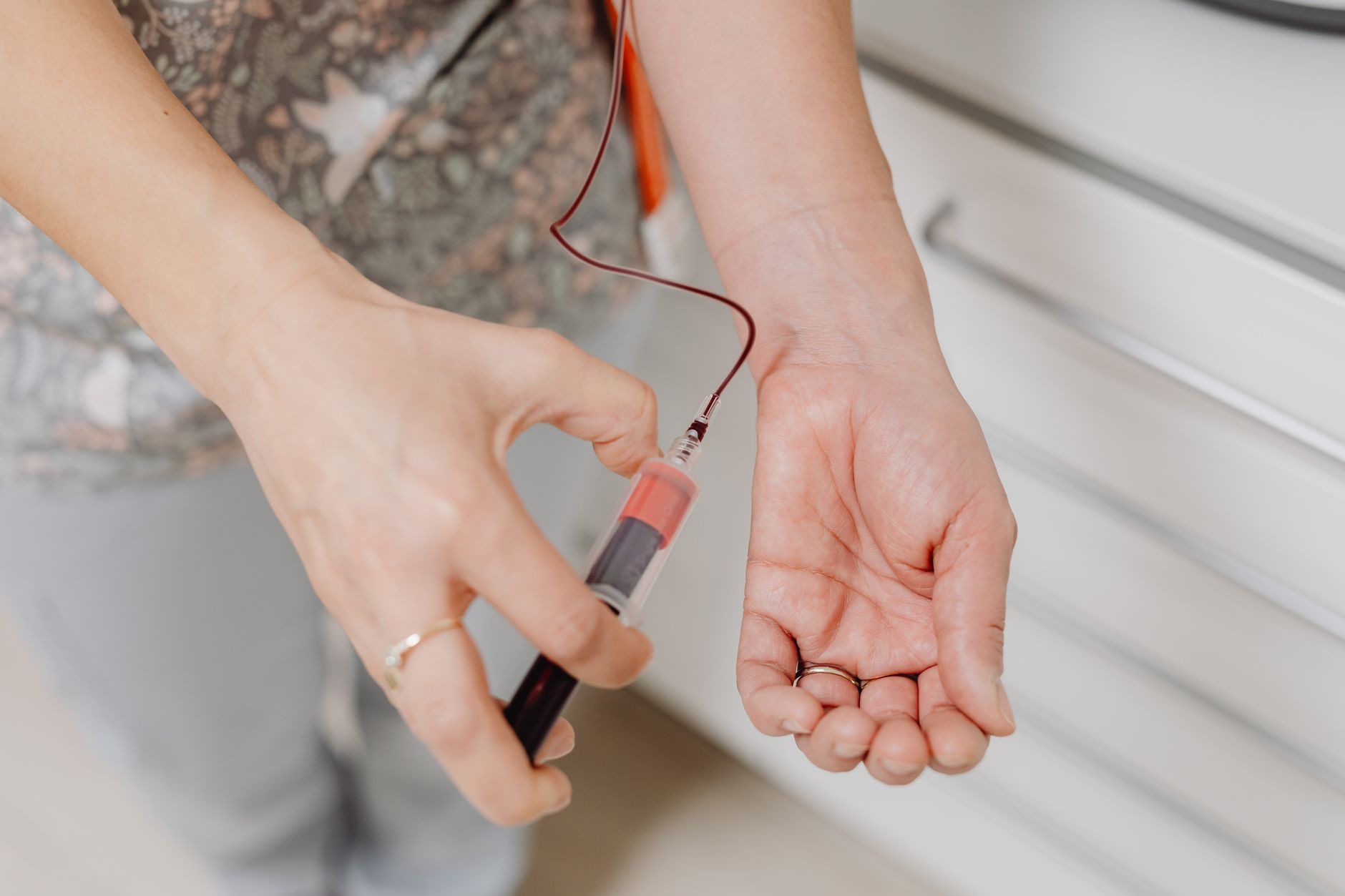
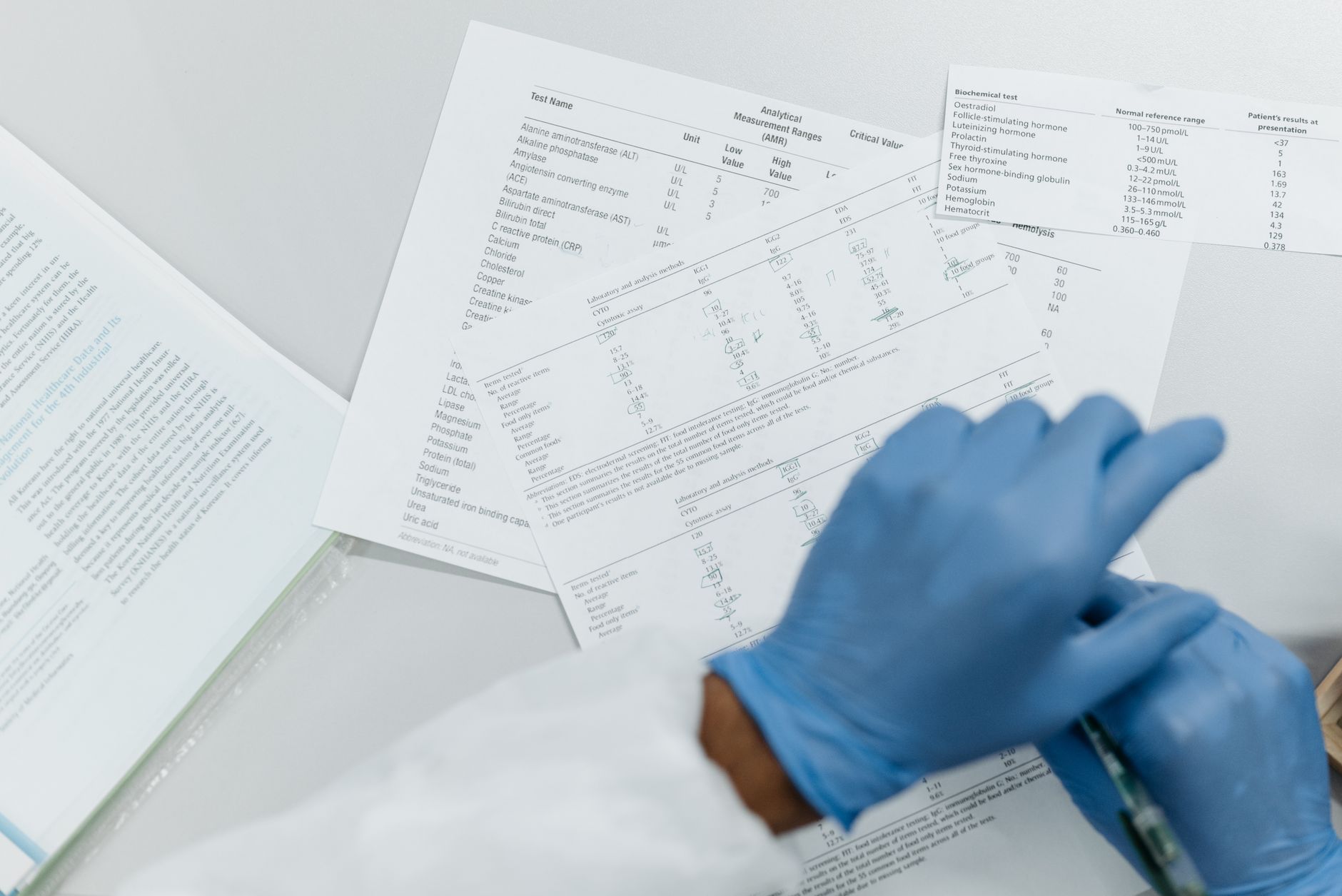
Discover the importance of HELLP lab values, including hemolysis, liver enzymes, and platelets, and how they impact pregnancy health, with a comprehensive guide
By Shubhra Mishra — a mom of two who turned her own confusion during pregnancy into BumpBites, a global mission to make food choices clear, safe, and stress-free for every expecting mother. 💛
Check whether any food is safe during pregnancy with the BumpBites Food Safety Checker.
Quick take: HELLP syndrome is diagnosed when blood tests show evidence of hemolysis, elevated liver enzymes, and a low platelet count—usually LDH > 600 U/L, AST/ALT > 70 U/L, and platelets < 100,000 µL. These values guide whether you need hospitalization, closer monitoring, or prompt delivery. If you notice any sudden worsening, contact your provider right away.
It’s 2 a.m., you’re lying on the couch with a heating pad, and a new lab result flashes on your phone: “LDH 650 U/L.” Your mind races—could this be the dreaded HELLP syndrome? You’re not alone. Many expecting parents hit that exact moment of panic when a number looks “off.” The good news is that the lab values for HELLP follow clear, evidence‑based thresholds, and understanding them can turn anxiety into action.
🔢 Calculate it for your situation: Use our HELLP Syndrome Classifier for a personalized result in seconds.
In this guide we’ll break down every number you might see on a blood test—LDH, bilirubin, haptoglobin, AST, ALT, and platelet counts—explaining what they mean, how they differ from severe preeclampsia, and what your care team will do with that information. We’ll also walk through when labs should be repeated, how trends matter, and where you can calculate your own risk using our HELLP Syndrome Classifier. By the end, you’ll have a clear roadmap for interpreting HELLP lab values and knowing the next steps.
Whether you’re in the middle of a routine prenatal visit or you’ve just been admitted for high blood pressure, this article equips you with the facts you need to feel confident discussing your labs with your provider.
What is HELLP syndrome and how is it diagnosed?
HELLP is an acronym that stands for Hemolysis, Elevated Liver enzymes, and Low Platelet count. It is considered a severe form of preeclampsia that usually appears after 20 weeks of gestation, most often in the third trimester. According to the American College of Obstetricians and Gynecologists (ACOG), a diagnosis requires meeting at least two of the three laboratory criteria, though many clinicians use all three to confirm the syndrome.
Key diagnostic thresholds (derived from ACOG Practice Bulletin 2020 and the UK NICE guideline 2021) are:
Hemolysis: lactate dehydrogenase (LDH) ≥ 600 U/L, indirect bilirubin > 1.2 mg/dL, or a peripheral blood smear showing fragmented red cells.
Platelet count: < 100,000 µL (often < 80,000 µL in more severe cases).
These cut‑offs are not arbitrary; they reflect the point at which organ damage becomes clinically significant. For example, an LDH of 550 U/L might be elevated but not yet diagnostic, whereas 650 U/L meets the hemolysis criterion.
Many patients first hear about HELLP when they’re already experiencing symptoms like right‑upper‑quadrant pain, nausea, or rapid swelling. However, it’s crucial to remember that the syndrome can be silent—detected only through routine labs. That’s why regular prenatal blood work, especially after 28 weeks, is a lifesaver.
Because the diagnostic criteria are tightly defined, clinicians can quickly differentiate HELLP from other hypertensive disorders, which streamlines decision‑making and reduces unnecessary interventions.
Regular blood work in the third trimester can catch HELLP before symptoms appear.
Beyond the numeric thresholds, clinicians also look at the pattern of change. A rapid rise in LDH over 24 hours, or a sudden drop in platelets, is a red flag that the disease is progressing, even if a single value sits just below the cutoff. This dynamic view helps obstetric teams decide whether to observe, intervene with steroids for fetal lung maturity, or move straight to delivery.
Hemolysis markers: what labs tell you
Hemol
ysis—breakdown of red blood cells—is the first pillar of the HELLP triad. The most reliable laboratory signals are:
LDH (Lactate Dehydrogenase)
LDH is an enzyme released when cells, including red blood cells, are damaged. In pregnancy, a normal LDH range is roughly 140–280 U/L, but values can drift upward due to the increased metabolic activity of the placenta. A level ≥ 600 U/L meets the hemolysis criterion for HELLP (ACOG 2020). Values between 400–599 U/L are considered “borderline” and often prompt closer surveillance.
Indirect Bilirubin and Haptoglobin
Indirect (unconjugated) bilirubin rises when hemoglobin is broken down faster than the liver can process it. A level > 1.2 mg/dL is a red flag. Meanwhile, haptoglobin—a protein that binds free hemoglobin—drops in hemolysis. Low haptoglobin (< 30 mg/dL) supports the diagnosis but is not always ordered because it can be affected by inflammation.
Peripheral Blood Smear
Seeing fragmented red cells (schistocytes) on a smear is a classic sign of microangiopathic hemolysis, the type seen in HELLP. Even a modest number (≥ 1% of red cells) can confirm hemolysis when combined with the other labs. Many clinicians request a smear when LDH is elevated but not yet diagnostic.
Putting these pieces together, a typical HELLP hemolysis profile might read: LDH 680 U/L, indirect bilirubin 1.5 mg/dL, low haptoglobin, and a smear with occasional schistocytes. If you receive these numbers, your care team will likely move quickly toward monitoring and delivery planning.
It’s also worth noting that hemolysis can cause a mild, self‑limited anemia. Your hemoglobin may dip a few points, but most women recover fully after delivery. If anemia becomes severe, transfusion may be considered, but only after a thorough assessment of maternal‑fetal status.
Liver enzymes: thresholds and what they mean
The liver is the second pillar of HELLP. Elevated transaminases signal hepatic involvement, which can range from mild inflammation to serious subcapsular hematoma.
AST and ALT
Both aspartate aminotransferase (AST) and alanine aminotransferase (ALT) are considered elevated when they exceed 70 U/L, roughly three times the upper limit of normal for most labs. In severe preeclampsia, liver enzymes may rise modestly (often < 80 U/L), whereas in HELLP they frequently exceed 100 U/L and can climb over 300 U/L in fulminant cases.
Why the focus on AST?
AST is more liver‑specific in pregnancy because ALT can be mildly raised by muscle strain (think backaches from a growing uterus). Therefore, ACOG emphasizes AST as the primary hepatic marker for HELLP, with a threshold of ≥ 70 U/L. ALT is still useful, especially when both are markedly elevated, indicating broader hepatic injury.
Clinical implications
Higher enzyme levels correlate with a greater risk of complications such as hepatic rupture or clotting abnormalities. For instance, an AST of 250 U/L often prompts a more aggressive delivery plan than an AST of 80 U/L, assuming other criteria are met. However, the decision always balances gestational age, fetal status, and maternal stability.
In addition to AST/ALT, clinicians sometimes check gamma‑glutamyl transferase (GGT) and alkaline phosphatase to gauge cholestasis, though these are not part of the formal HELLP definition. Elevated GGT may hint at concurrent intrahepatic cholestasis of pregnancy, which can affect timing of delivery.
Choosing nutrient‑dense foods like avocado can support liver health while you await lab results.
Platelet count: low numbers and trends
Platelets are the third pillar and often the most dramatic lab change in HELLP. Normal pregnancy platelet range is 150,000–400,000 µL. A count below 100,000 µL meets the “low platelet” criterion, and most HELLP cases present with counts between 70,000–100,000 µL. In severe cases, counts can drop below 50,000 µL, heightening bleeding risk during delivery.
Platelet trends matter as much as the absolute number. A rapid decline—say, a drop of 30,000 µL over 24 hours—signals worsening endothelial injury and may prompt earlier delivery, even if other labs are borderline. Conversely, a stable platelet count above 100,000 µL with mild enzyme elevation may allow for expectant management if the fetus is preterm.
Because platelet function can be impaired even when numbers look acceptable, clinicians sometimes order a platelet function assay or a coagulation panel (PT, aPTT) if bleeding signs appear. These additional tests help differentiate true coagulopathy from isolated thrombocytopenia.
After delivery, platelet counts typically rebound quickly—often within 48 hours—because the placenta, which is a major source of platelet consumption, has been removed. Persistent low counts beyond a week may suggest an underlying hematologic condition that warrants further work‑up.
HELLP vs severe preeclampsia: lab differences
Both HELLP and severe preeclampsia share hypertension and proteinuria, but their laboratory fingerprints differ. Below is a side‑by‑side comparison that helps clinicians—and you—distinguish the two conditions.
Organ‑specific injury, especially liver and coagulation
In practice, the presence of hemolysis and markedly elevated LDH are the hallmarks that tip the diagnosis toward HELLP. If you have high blood pressure and proteinuria but normal platelets and liver enzymes, your provider may diagnose severe preeclampsia instead, which carries a different management pathway.
It’s also possible for a woman to have both conditions simultaneously—a scenario sometimes called “HELLP with superimposed preeclampsia.” In such cases, the most aggressive component (usually the HELLP labs) guides treatment, because organ injury poses the greatest immediate threat.
How labs guide management and delivery timing
Once HELLP is confirmed, the primary goal is to stabilize the mother while delivering the baby as safely as possible. Lab severity directly influences the timing:
Mild HELLP (platelets > 100,000 µL, AST < 70 U/L, LDH < 800 U/L): If the pregnancy is before 34 weeks and both mother and fetus are stable, clinicians may consider corticosteroids for fetal lung maturity and monitor labs every 12 hours.
Moderate HELLP (platelets 80,000‑100,000 µL, AST 70‑150 U/L, LDH 800‑1200 U/L): Delivery is usually recommended after 34 weeks, or sooner if platelet count falls rapidly or liver enzymes rise sharply.
Severe HELLP (platelets < 80,000 µL, AST > 150 U/L, LDH > 1200 U/L): Immediate delivery is often advised regardless of gestational age, because the risk of maternal hemorrhage, liver rupture, or disseminated intravascular coagulation (DIC) outweighs fetal prematurity concerns.
Other considerations include:
Maternal symptoms—persistent right‑upper‑quadrant pain, severe headache, visual changes, or sudden swelling.
Fetal monitoring—non‑stress test (NST) results, biophysical profile, and estimated fetal weight.
Response to antihypertensives and magnesium sulfate—if blood pressure remains uncontrolled, delivery is accelerated.
Because each case is unique, your provider will discuss the risks and benefits of expectant management versus immediate delivery, using the lab numbers as a roadmap. Importantly, the decision is never based on a single number; it’s the combination of trends, symptoms, and gestational age that shapes care.
Monitoring and follow‑up: when to repeat labs
After a HELLP diagnosis, labs are typically repeated every 12 hours while you’re in the hospital. This frequency allows the team to track trends and catch rapid deterioration. If you deliver, most labs are rechecked within 24 hours postpartum to ensure they’re returning to baseline.
Key monitoring schedule (based on ACOG and NICE guidance):
In‑hospital: LDH, AST, ALT, bilirubin, and platelet count every 12 hours until stable for at least 24 hours.
Post‑delivery (first 48 hours): Daily labs to confirm resolution; platelets often rebound quickly, while liver enzymes may take 2‑3 days.
Outpatient follow‑up (2‑4 weeks postpartum): One set of labs to verify full recovery, especially if you had severe thrombocytopenia or high transaminases.
If you’re discharged early because labs have normalized, your provider will still schedule a postpartum visit to repeat the full panel. Persistent abnormalities may warrant further evaluation for lingering hepatic injury or clotting disorders.
During the monitoring period, it’s common to feel a “lab roller coaster” as numbers fluctuate. That’s normal—platelets can transiently dip after delivery before rising, and LDH may stay modestly elevated for a few days as the body clears broken‑down cells. Communicating these patterns to your care team helps them avoid unnecessary interventions while staying vigilant for true decline.
Understanding each value on your lab report helps you ask the right questions at your next appointment.
From our medical team: “If you’re facing a HELLP diagnosis, focus on the trend of your numbers rather than a single result. A steady rise in liver enzymes or a rapid platelet drop is more concerning than a one‑off spike. Communicating these changes clearly to your obstetrician ensures timely, tailored care.”
Risk factors and prevention strategies
While no one can predict exactly who will develop HELLP, several risk factors have been identified in large cohort studies. ACOG notes that women with a history of preeclampsia, chronic hypertension, or prior HELLP are at higher risk. Additionally, maternal age over 35, obesity (BMI ≥ 30), and twin or multiple gestations increase the likelihood.
Prevention focuses on early detection rather than a guarantee of avoidance. Regular prenatal visits, especially after 28 weeks, allow clinicians to monitor blood pressure trends and order baseline labs. Some providers also recommend low‑dose aspirin (81 mg daily) beginning at 12 weeks for women at high risk of preeclampsia—a strategy endorsed by the U.S. Preventive Services Task Force and reflected in ACOG guidance.
Lifestyle measures such as maintaining a balanced diet rich in potassium, magnesium, and omega‑3 fatty acids, staying physically active within safe limits, and managing stress can modestly reduce the risk of hypertensive disorders. However, these steps are adjuncts to medical surveillance, not substitutes for professional care.
Nutrition and lifestyle support during HELLP
When you’re dealing with abnormal labs, what you eat can feel like a small lever you control. While no single food cures HELLP, certain nutrients support liver function and platelet production. Foods high in vitamin K (leafy greens, broccoli) aid clotting factor synthesis, while iron‑rich options (lean red meat, lentils) help replenish any anemia caused by hemolysis.
Hydration is also key. Adequate fluid intake assists the kidneys in clearing LDH and bilirubin. Aim for 8–10 cups of water daily, unless your provider restricts fluids for a specific reason (e.g., severe hypertension with pulmonary edema). Small, frequent meals can ease nausea and prevent the rapid spikes in blood pressure that sometimes accompany large, high‑sodium meals.
Alcohol should be avoided entirely, as it adds extra strain on the liver. Caffeine, in moderation, is generally considered safe—up to 200 mg per day (about one 12‑oz coffee) per the FDA—but discuss any concerns with your provider, especially if you have liver enzyme elevation.
Postpartum recovery and future pregnancies
After delivery, most women see a rapid improvement in laboratory values. Platelet counts often normalize within a week, and liver enzymes typically return to baseline within two to three weeks. However, a minority may experience lingering fatigue, mild hepatic discomfort, or persistent hypertension.
Long‑term follow‑up is essential. The American College of Obstetricians and Gynecologists recommends a postpartum visit no later than 12 weeks after delivery, with repeat labs if any abnormalities persisted beyond the immediate postpartum period. This visit is an opportunity to discuss family planning, as future pregnancies carry a higher risk of recurrent HELLP—estimated at 5‑10% according to recent cohort data.
For women who have experienced HELLP, preconception counseling is strongly advised. Optimizing blood pressure control, achieving a healthy weight, and possibly continuing low‑dose aspirin in a subsequent pregnancy can reduce recurrence risk. Your provider may also suggest more frequent early‑pregnancy monitoring, including baseline labs at 12‑weeks and close blood‑pressure checks throughout the first trimester.
Restful environments and gentle nutrition support recovery after a HELLP episode.
Imaging and other diagnostic tools
Beyond blood work, imaging can help assess organ involvement in HELLP. An abdominal ultrasound is often performed to look for liver hematoma, subcapsular bleeding, or gallbladder edema. While ultrasound does not replace labs, it provides a visual cue that may influence delivery timing.
In rare, severe cases, a magnetic resonance imaging (MRI) scan may be ordered to evaluate hepatic infarction or to rule out other abdominal catastrophes. The imaging findings are interpreted alongside laboratory trends, creating a more complete picture of disease severity.
Psychological support and coping strategies
Being diagnosed with HELLP can feel overwhelming, and anxiety is a natural response. Many patients benefit from brief counseling sessions, mindfulness exercises, or support groups where they can share experiences with others who have faced similar challenges.
Ask your provider about a referral to a perinatal mental‑health specialist. Even short‑term therapy can improve coping, reduce stress‑related blood pressure spikes, and help you feel more in control during the critical weeks leading up to delivery.
🔢 Ready to crunch your numbers? Use our HELLP Syndrome Classifier for a personalized result in seconds.
Myth vs. fact
Myth: “Only women with severe high blood pressure get HELLP.”
Fact: HELLP can develop with modest hypertension or even normal blood pressure; the defining features are the lab abnormalities, not the blood pressure level alone.
Myth: “If my platelets are above 80,000 µL, I’m safe.”
Fact: Platelet count is just one piece of the puzzle. Even with platelets > 80,000 µL, elevated liver enzymes or high LDH can still indicate severe disease requiring prompt delivery.
Myth: “Once the baby is born, the labs instantly normalize.”
Fact: While most values improve quickly after delivery, liver enzymes and LDH can stay elevated for several days, and platelets may take a week to fully recover.
Key takeaways
HELLP is diagnosed when LDH ≥ 600 U/L, AST/ALT ≥ 70 U/L, and platelets < 100,000 µL—any two of these confirm the syndrome.
Rapid drops in platelet count or sharp rises in liver enzymes signal worsening disease and often prompt earlier delivery.
Hemolysis is confirmed with high LDH, elevated indirect bilirubin, low haptoglobin, and schistocytes on a blood smear.
HELLP lab patterns differ from severe preeclampsia mainly by the presence of hemolysis and higher LDH.
In‑hospital labs are checked every 12 hours; postpartum labs are repeated daily for 48 hours and at a 2‑week follow‑up.
Use the HELLP Syndrome Classifier to see how your numbers compare to diagnostic thresholds.
Risk factors include prior preeclampsia, chronic hypertension, maternal age > 35, obesity, and multiple gestations; low‑dose aspirin may reduce risk in high‑risk women.
Postpartum recovery usually sees labs normalize within weeks, but a dedicated follow‑up visit is essential to confirm full resolution and discuss future pregnancy planning.
Frequently asked questions
What are the lab values that define HELLP syndrome?
HELLP is defined by any two of the following: LDH ≥ 600 U/L, AST or ALT ≥ 70 U/L, and platelet count < 100,000 µL. Hemolysis markers (bilirubin, haptoglobin, schistocytes) support the diagnosis.
How low do platelet counts get in HELLP?
Platelet counts often fall below 100,000 µL, with many patients showing 70,000‑100,000 µL; in severe cases counts can drop under 50,000 µL, increasing bleeding risk during delivery.
Which liver enzymes are elevated in HELLP?
Both AST and ALT rise, but AST is the primary marker; values ≥ 70 U/L meet the HELLP criterion, and levels can exceed 200‑300 U/L in more severe disease.
Can hemolysis be detected with a blood smear in HELLP?
Yes—a peripheral blood smear showing fragmented red cells (schistocytes) confirms microangiopathic hemolysis, a key component of HELLP, especially when LDH is elevated.
How is HELLP differentiated from severe preeclampsia using labs?
Severe preeclampsia typically lacks hemolysis and has normal LDH; platelet counts stay above 100,000 µL, and liver enzymes are usually < 70 U/L, whereas HELLP shows low platelets, high LDH, and elevated transaminases.
What is the normal range for LDH in pregnancy and how does it change in HELLP?
Pregnancy LDH usually ranges from 140‑280 U/L; in HELLP it rises sharply, commonly exceeding 600 U/L, reflecting red‑cell breakdown and liver injury.
Can I have a normal pregnancy after a HELLP episode?
Most women who experience HELLP have healthy subsequent pregnancies, especially when risk‑reduction strategies (like low‑dose aspirin and close monitoring) are used. Your provider will tailor a care plan based on your prior labs and any lingering risk factors.
Is it safe to breastfeed after delivering with HELLP?
Breastfeeding is generally safe after a HELLP delivery. The condition resolves after placenta removal, and most medications used during management (e.g., magnesium sulfate, antihypertensives) are compatible with nursing. Always confirm specific drug safety with your provider.
What medications are considered safe during a HELLP pregnancy?
Commonly used drugs include magnesium sulfate for seizure prophylaxis and antihypertensives such as labetalol or nifedipine. Corticosteroids for fetal lung maturity are also standard. Your provider will avoid medications that strain the liver, like certain antiepileptics, unless specifically indicated.
Can I travel after being diagnosed with HELLP?
Short trips are usually okay if you’re stable, have access to emergency care, and keep your blood pressure monitored. Long‑distance travel is discouraged until labs stabilize, because rapid changes may require prompt medical attention.
When to call your doctor
If you experience any of the following, seek immediate medical attention: sudden severe abdominal or right‑upper‑quadrant pain, vision changes, persistent headaches, rapid swelling of hands/face, vaginal bleeding, or a sudden drop in platelet count below 70,000 µL on a recent lab. This information is for educational purposes only and does not replace personalized medical advice.
References
American College of Obstetricians and Gynecologists. “Practice Bulletin No. 202: Gestational Hypertension and Preeclampsia.” 2020.
National Institute for Health and Care Excellence (NICE). “Hypertension in Pregnancy: Diagnosis and Management.” NG133, 2021.
World Health Organization. “WHO Recommendations for Prevention and Treatment of Preeclampsia.” 2022.
Mayo Clinic. “HELLP syndrome.” Updated 2023.
Royal College of Obstetricians and Gynaecologists. “Preeclampsia and HELLP syndrome.” Green‑top Guideline No. 60, 2021.
American Academy of Pediatrics. “Neonatal Management of Preterm Delivery.” 2022.
U.S. National Library of Medicine. “Laboratory evaluation of HELLP syndrome.” UpToDate, 2023.
Centers for Disease Control and Prevention. “Maternal Health – Preeclampsia and HELLP.” 2023.
U.S. Preventive Services Task Force. “Low‑Dose Aspirin for Prevention of Preeclampsia.” Recommendation Statement, 2021.
Food and Drug Administration. “Caffeine in Pregnancy: Guidance for Consumers.” 2022.
Not sure about the label on Hellp Lab Values Hemolysis Liver Enzymes Platelets Guide products?
Snap the ingredients list and SafeFilter checks every ingredient for your stage — only 3 free scans this month, then you're locked until reset. Unlimited from $7/mo or lock $50/yr through Aug 31 (5 days left).
When Shubhra Mishra was expecting her first child in 2016, she was overwhelmed by conflicting food advice — one site said yes, another said never. By the time her second baby arrived in 2019, she realized millions of mothers face the same confusion.
That sparked a five-year journey through clinical nutrition papers, cultural diets, and expert conversations — all leading to BumpBites: a calm, compassionate space where science meets everyday motherhood.
Her long-term vision is to build a global community ensuring safe, supported, and free deliveriesfor every mother — because no woman should face pregnancy alone or uninformed. 🌿
🌍 Stand with mothers, shape safer guidance
Join a small circle of experts who review BumpBites articles so expecting parents everywhere can decide with confidence.