

Quick take: Staying hydrated, eating small nutrient‑dense meals, and using gentle acupressure can calm morning‑sickness, keep your blood sugar steady, and help you feel more in control during the first trimester. Aim for about 2‑2.5 L (8‑10 cups) of fluids a day, snack every 2‑3 hours, and press the P6 (Neiguan) point on your wrist for nausea relief. If you notice persistent vomiting, dizziness, or signs of dehydration, contact your provider right away.
It’s 7 a.m., you’ve just shuffled into the kitchen, and the sour smell of citrus from last night’s fruit bowl hits your nose. Your stomach does a little flip, and you wonder whether the glass of water you’re reaching for will actually help. You’re not alone—millions of pregnant people experience that same uneasy swirl of nausea, cravings, and a sudden awareness of every sip of water.
Good news: simple home‑management tricks—hydration, small frequent meals, and safe acupressure—can be combined into a daily rhythm that eases nausea, supports healthy weight gain, and reduces the risk of dehydration. In this guide we’ll walk through exactly how much water you need, which foods keep you comfortably full, which acupressure points are evidence‑based, and how to shape a calm, supportive environment at home.
We’ll also flag the warning signs that call for a medical review, and give you a ready‑to‑use sample schedule you can adapt to your own routine. By the end of this article you’ll have a clear, step‑by‑step plan you can start tonight.
How much water should pregnant women drink daily?
Answer: Most guidelines recommend 2 – 2.5 L (about 8 – 10 cups) of total fluid each day for a healthy pregnancy. This includes plain water, milk, herbal teas, and water‑rich foods.
Why fluid needs go up in pregnancy
During pregnancy your blood volume expands by roughly 30 % to nourish the growing placenta and fetus. Your kidneys also work harder to filter extra waste, and amniotic fluid levels are maintained by your own hydration. All of these changes increase the amount of water your body loses through urine, sweat, and respiration.
Signs of dehydration you shouldn’t ignore
- Dark‑yellow urine or a strong urine odor
- Feeling dizzy or light‑headed, especially when standing quickly
- Dry mouth, cracked lips, or a sticky feeling on the skin
- Reduced fetal movement (in later pregnancy) or a rapid heartbeat
- Persistent constipation despite fiber intake
If you experience two or more of these symptoms, reach out to your provider promptly.
Recommended intake by authority
| Organization | Daily Fluid Goal | Notes |
|---|---|---|
| American College of Obstetricians and Gynecologists (ACOG) | ≈2 L (8 cups) of water + other fluids | Emphasizes total fluids, not just plain water |
| National Health Service (NHS, UK) | ≈2.5 L (10 cups) of fluids | Includes soups, milk, and fruit juices |
| World Health Organization (WHO) | 2 – 3 L depending on climate | Adjust upward in hot weather |
In addition to meeting the volume goal, aim for a steady intake throughout the day rather than a single large binge. Small sips every 15–20 minutes keep your stomach settled and reduce the likelihood of nausea spikes.
Beyond the numbers, paying attention to how your body feels can guide you better than any chart. If you notice a dry throat after a short walk, treat it as a cue to sip again. Many clinicians recommend pairing fluid intake with a brief pause—take a sip, stand, stretch, then return to your activity. This rhythm not only hydrates but also breaks up long periods of standing that can aggravate nausea.
Practical hydration strategies for the first trimester
Water first, then flavor
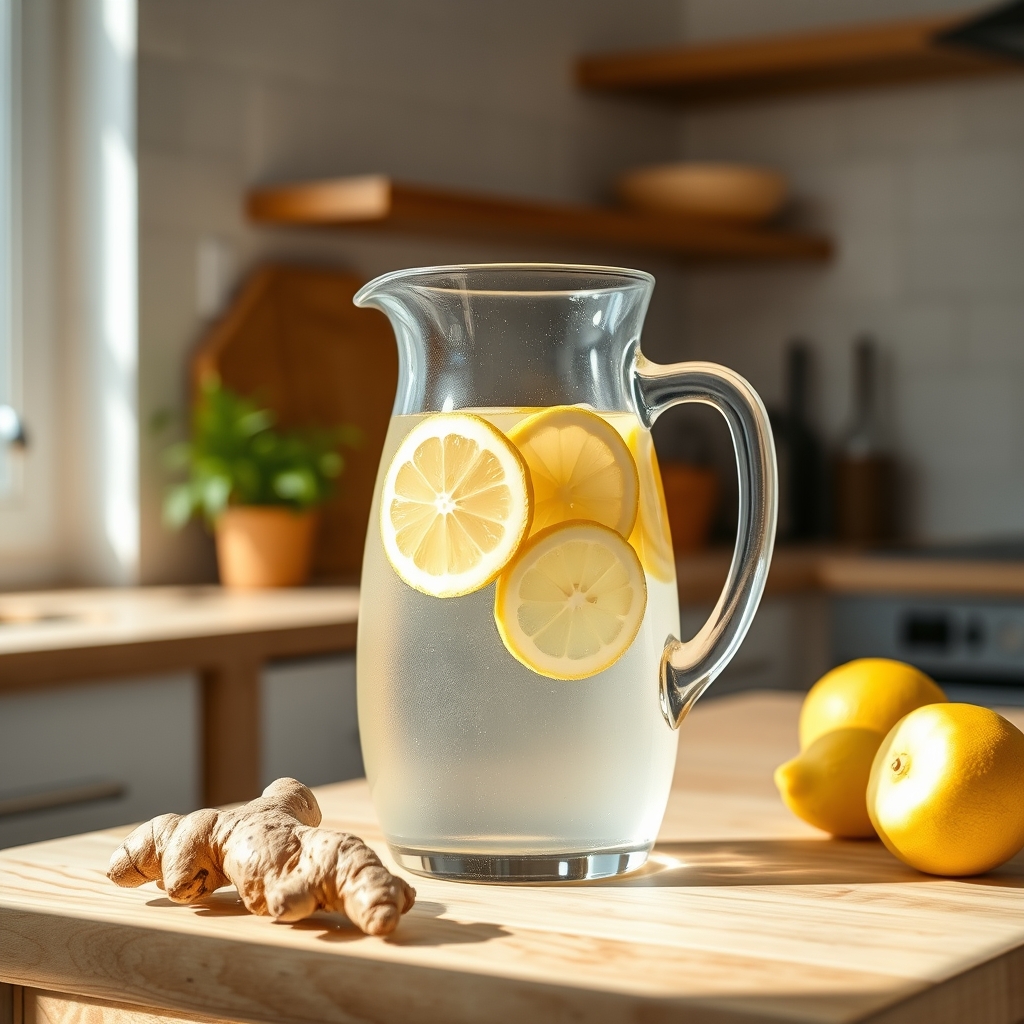
Start each morning with a glass of room‑temperature water. If plain water feels boring, add a slice of lemon, a few berries, or a sprig of mint. The flavor boost encourages you to sip more often without adding sugar.
Infused drinks that stay pregnancy‑safe
Herbal teas such as ginger or peppermint are widely regarded as safe in moderate amounts and can double as nausea relief. Avoid high‑caffeine blends (limit caffeine to <200 mg per day per ACOG). A simple ginger‑infused water recipe:
- Combine 1‑2 inches of fresh ginger, thinly sliced, with 1 L of cold water.
- Let steep for 30 minutes in the refrigerator.
- Drink throughout the day, refilling the pitcher as needed.
For a caffeine‑free alternative, try peppermint‑infused water or a mild rooibos tea, both of which are listed as safe by the FDA’s GRAS (Generally Recognized As Safe) database.
Hydrating foods that count toward your fluid goal
About 20 % of daily fluid can come from foods. Include at least two of these each day:
- Watermelon (90 % water)
- Cucumber slices
- Celery sticks
- Greek yogurt (contains both water and protein)
- Oranges and berries
These foods also deliver vitamins, antioxidants, and electrolytes that help keep nausea at bay. Pair them with a pinch of sea salt or a splash of coconut water for an extra electrolyte boost without excess sugar.
When you’re on the go, consider a chilled “hydration kit”—a small insulated tote with a pre‑filled water bottle, a few cucumber sticks, and a portable container of frozen berries. The visual reminder of a ready‑made kit can make it easier to reach for fluids instead of reaching for a snack that may be less hydrating.
Benefits of small, frequent meals for managing nausea and blood sugar
Answer: Eating every 2‑3 hours keeps blood glucose stable, reduces stomach acidity, and provides a steady supply of nutrients that can lessen morning‑sickness.
Why “small” works better than “big”
Large meals stretch the stomach, increasing pressure on the diaphragm and triggering reflux—a common cause of nausea. Small meals, on the other hand, empty more quickly, keeping gastric pH balanced and preventing the surge of insulin that can lead to post‑meal fatigue.
What a balanced snack looks like
Each snack should contain a mix of complex carbohydrate, protein, and a little healthy fat. Aim for 150‑250 kcal per bite.
| Snack | Carb (g) | Protein (g) | Fat (g) | Why it helps |
|---|---|---|---|---|
| Whole‑grain toast with avocado | 20 | 4 | 10 | Fiber stabilizes glucose; avocado supplies soothing fat. |
| Greek yogurt + berries | 15 | 12 | 5 | Protein curbs hunger; berries add antioxidants. |
| Apple slices with almond butter | 22 | 6 | 8 | Natural sugars are gentle; nut butter offers steady protein. |
Meal‑planning tips for busy mornings
- Prep overnight oats with chia seeds, almond milk, and a dash of honey. Portion into jars for grab‑and‑go.
- Keep a basket of pre‑washed fruit on the counter; the visual cue prompts you to snack.
- Freeze mini‑quiches or protein‑packed muffins on the weekend; reheat a couple each day.
When you feel queasy, a warm snack (like a bowl of oatmeal) can be easier to tolerate than a cold one. Temperature matters—warm foods tend to stay in the stomach longer, reducing rapid gastric emptying that sometimes worsens nausea.
Another practical tip is to pair each snack with a sip of fluid. The combination of a small bite and a modest amount of water (about 100 ml) creates a “dual‑action” that both fills the stomach and signals the body that hydration is occurring, which many women find calms the nausea loop.
Safe acupressure points for pregnancy nausea relief
Answer: The P6 (Neiguan) point on the inner wrist, and the LI4 (Hegu) point on the hand, are commonly used for nausea. Press gently for 1‑2 minutes, several times a day.
Locating the P6 point
Place three finger‑widths below your wrist crease, between the two tendons of the median nerve. You’ll feel a slight depression—this is the P6 point.
How to apply pressure safely
- Use your thumb to apply firm, steady pressure.
- Hold for 1‑2 minutes while breathing slowly.
- Repeat up to three times daily, especially before meals.
Do not press too hard; a mild ache is normal, but sharp pain means you’re pressing too deep.
Acupressure wrist bands
Commercial wrist bands (often marketed for motion‑sickness) apply constant pressure to the P6 point. Look for bands that are adjustable, made of silicone or fabric, and labeled “pregnancy‑safe.” They are a hands‑free option for busy days.
Other supportive points
- LI4 (Hegu): The webbing between thumb and index finger. Gentle pressure can calm general nausea but avoid during labor.
- ST36 (Zusanli): Four finger‑widths below the kneecap, just off the shinbone. Light massage can aid digestion, but keep pressure light.
Safety considerations
Acupressure is non‑invasive and generally safe, but avoid points that stimulate uterine contractions (e.g., SP6) during pregnancy unless a certified practitioner directs you. Always discuss any new technique with your midwife or obstetrician.
Recent reviews in the RCOG guidelines (2020) note that while evidence for acupressure is modest, many pregnant people report subjective relief. The low risk profile makes it a worthwhile first‑line option before turning to medication.
Creating a supportive home environment for pregnancy
Answer: A calm, organized space with easy access to water, snacks, and a designated relaxation corner can lower stress hormones that worsen nausea.
Rest and positioning
Elevate your head slightly while sleeping (a pillow under the mattress) to reduce reflux. Keep a recliner or a pile of cushions nearby for short, frequent rests during the day.
Stress‑reduction habits
- Practice 5‑minute breathing exercises before meals.
- Play soft instrumental music or nature sounds in the kitchen while you prepare food.
- Limit screen time an hour before bedtime to improve sleep quality.
Building a help network
Ask a partner, family member, or close friend to handle grocery trips once a week. Schedule a “home‑care hour” where you receive a meal delivery or a grocery drop‑off. The feeling of shared responsibility eases the mental load that often fuels nausea.
Consider setting up a “pregnancy station” on a counter or nightstand. Keep a water bottle, a small bowl of easy‑grab fruit, and a favorite soothing tea within arm’s reach. Visual cues reduce the effort needed to stay hydrated and nourished, especially on days when motivation is low.
Putting it all together: a sample daily routine
Below is a flexible schedule you can adapt to a typical weekday. Adjust timing to match your work or home schedule.
- 6:30 a.m. Wake, sip 250 ml (1 cup) of room‑temperature water. Do a 2‑minute P6 press.
- 7:00 a.m. Breakfast snack: overnight oats with sliced banana and a drizzle of honey. Add a glass of fortified orange juice (½ cup).
- 9:30 a.m. Mid‑morning hydration break: 250 ml water + a few cucumber slices. Small snack: Greek yogurt with a handful of blueberries.
- 12:00 p.m. Lunch: whole‑grain wrap with hummus, avocado, and mixed greens. Finish with a cup of ginger‑peppermint tea.
- 2:30 p.m. Hydration: 250 ml infused water (lemon‑mint). Snack: apple slices with almond butter.
- 5:00 p.m. Light dinner prep: bake salmon, steam broccoli, and quinoa. While cooking, practice 5‑minute breathing.
- 6:30 p.m. Dinner: salmon plate, quinoa, and a side salad. Follow with a glass of milk (½ cup) for calcium.
- 8:00 p.m. Evening wind‑down: 250 ml warm water with a slice of ginger. Gentle P6 press again before bed.
If you need to calculate exact fluid loss from vomiting or to track daily intake, try the Hyperemesis Gravidarum Protocol calculator for personalized guidance.
Vitamin B6 and other supplements for nausea relief
Vitamin B6 (pyridoxine) is one of the few nutrients with solid research supporting its use for mild‑to‑moderate morning sickness. The FDA classifies pyridoxine as safe in pregnancy at doses up to 100 mg per day, and ACOG notes that 25 mg three times daily can reduce nausea in many patients.
Food sources of vitamin B6
Rather than reaching for a supplement first, try incorporating B6‑rich foods into your snack rotation. Good options include:
- Bananas (one medium provides ≈0.4 mg)
- Sunflower seeds (¼ cup ≈1.3 mg)
- Avocado (½ fruit ≈0.5 mg)
- Whole‑grain cereals (1 cup ≈0.5 mg)
- Chicken breast (3 oz ≈0.5 mg)
Pair these with a source of protein or healthy fat to keep blood sugar stable and maximize absorption.
When to consider a supplement
If dietary intake isn’t enough—often the case when nausea limits appetite—talk with your provider about a low‑dose B6 supplement. Studies cited by the NICE guidelines show that a 10‑mg tablet taken three times daily can improve symptoms without adverse effects. Always follow your clinician’s dosage recommendation, especially if you’re also taking prenatal vitamins that already contain B6.
Other gentle supplements
Ginger capsules (standardized to 100 mg gingerol) have been endorsed by the FDA as a safe adjunct for nausea. The American Academy of Pediatrics (AAP) also finds ginger safe for lactating mothers, making it a good option if you’re planning to breastfeed. Start with a low dose (e.g., 250 mg) and increase only under medical guidance.
Some clinicians also recommend a modest dose of vitamin C (500 mg) alongside B6, as the two nutrients together may enhance gastric motility. However, high‑dose vitamin C can cause stomach upset, so keep the dose below 1 g per day and verify with your provider.
When home management isn’t enough: medical options for severe nausea
Most pregnant people find relief with hydration, diet, and acupressure, but about 0.5‑1 % develop hyperemesis gravidarum—a condition where vomiting leads to weight loss, electrolyte imbalance, and dehydration. ACOG recommends escalating care when vomiting prevents you from keeping down ≥ 5 % of your daily calories for more than 24 hours.
Prescription medications
First‑line pharmacologic options include doxylamine‑pyridoxine (Diclegis®), which combines an antihistamine with vitamin B6. This combo is FDA‑approved for nausea in pregnancy and has a long safety record. If that’s insufficient, physicians may prescribe ondansetron (Zofran) or metoclopramide, though both require careful monitoring because of rare side‑effects.
Intravenous (IV) fluid therapy
When dehydration becomes severe, an IV line can rapidly restore fluid and electrolyte balance. Hospitals often use a balanced solution such as Lactated Ringer’s, delivering 1‑2 L over the first 24 hours, then tapering based on urine output and symptom improvement.
When to seek specialist care
If you notice any of the following, schedule an appointment with your obstetrician or a maternal‑fetal medicine specialist:
- Weight loss > 5 % of pre‑pregnancy weight
- Inability to keep down fluids for > 24 hours
- Persistent electrolyte abnormalities (e.g., low potassium)
- Severe fatigue, dizziness, or fainting episodes
Early referral can prevent complications and keep you and your baby healthy.
Tracking and adjusting your plan
Keeping a simple log of fluid intake, snack times, and acupressure sessions helps you spot patterns and communicate clearly with your care team. A one‑page chart can be printed and placed on your fridge.
| Time | Fluid (ml) | Snack | Acupressure (min) | Nausea rating (0‑10) |
|---|---|---|---|---|
| 6:30 a.m. | 250 | Oatmeal + banana | 2 | 2 |
| 9:30 a.m. | 250 | Yogurt + berries | 0 | 3 |
| 12:00 p.m. | 250 | Wrap + avocado | 2 | 1 |
Review your chart each week. If you notice a trend—such as higher nausea scores after skipping a snack—adjust the timing or composition of your meals. Your provider can use the same data to decide whether a medication trial is warranted.
From our medical team: “Hydration, nutrition, and gentle acupressure are three low‑risk tools that complement each other. When used together they can smooth out the peaks and valleys of early pregnancy symptoms. We encourage you to keep a simple log of water intake, snack times, and any acupressure you try; this data helps your provider see patterns and adjust care if needed.”
Gut health and probiotics for nausea
Emerging research suggests that a balanced gut microbiome can influence nausea severity. Probiotic‑rich foods such as kefir, plain yogurt, and fermented vegetables may help regulate digestion and reduce gastric irritation. The NHS notes that probiotics are generally safe in pregnancy, though the evidence for direct nausea relief remains modest.
If you’re interested in adding a probiotic supplement, look for strains that include Lactobacillus rhamnosus and Bifidobacterium lactis—both of which have been studied in pregnant populations. Always discuss the addition with your provider, especially if you have a history of immune disorders.
Nighttime nausea strategies
Many people experience a second wave of nausea after dinner, often triggered by lying down too soon after a meal. To mitigate this, aim to finish your last solid food at least two hours before bedtime and keep a small, low‑acid snack (e.g., a few crackers with cheese) on hand if you wake hungry.
Elevating the head of the bed by 10‑15 cm using a wedge pillow can also reduce reflux‑related nausea. A warm, caffeine‑free herbal tea—such as chamomile or rooibos—before bed can soothe the stomach and promote sleep, aligning with ACOG’s recommendation to avoid caffeine after 2 p.m. for better sleep hygiene.
Mind‑body relaxation beyond acupressure
Techniques like guided imagery, progressive muscle relaxation, and gentle prenatal yoga have been shown to lower cortisol levels, which in turn can lessen nausea intensity. A brief 5‑minute guided breathing session before each snack can reset the nervous system and improve digestion.
If you’re new to prenatal yoga, look for classes that focus on gentle stretches and breath work rather than vigorous flow. Many community centers and online platforms now offer pregnancy‑specific sessions that incorporate safe poses for the first trimester.
Myth vs. fact
Myth: You should avoid all fluids after 8 p.m. to prevent nighttime trips to the bathroom.
Fact: Hydration needs are spread throughout the day; a small glass of water before bed is fine as long as it doesn’t cause discomfort. Your body will regulate fluid balance naturally.
Myth: Acupressure points can cause uterine contractions.
Fact: The P6 (Neiguan) point is considered safe for nausea relief. Points that stimulate labor (e.g., SP6) should be avoided unless directed by a qualified practitioner.
Myth: Eating “small meals” means you can skip nutrition.
Fact: Small meals should still be nutrient‑dense, offering protein, fiber, and healthy fats to support fetal growth and maternal energy.
Key takeaways
- Aim for 2‑2.5 L of total fluids daily; track with a reusable bottle.
- Snack every 2‑3 hours; combine complex carbs, protein, and a little fat.
- Press the P6 wrist point for 1‑2 minutes before meals or when nausea hits.
- Include water‑rich foods (melon, cucumber, yogurt) to boost hydration without feeling bloated.
- Set up a calm space: keep water, snacks, and a relaxation corner within easy reach.
- Monitor for dehydration, persistent vomiting, or severe dizziness, and call your provider promptly.
Frequently asked questions
How much water should I drink during pregnancy?
Most experts recommend about 2 – 2.5 L (8 – 10 cups) of total fluids each day, which includes plain water, milk, tea, and water‑rich foods.
Can small frequent meals reduce morning sickness?
Yes. Eating every 2‑3 hours keeps blood sugar stable and prevents a full stomach from pressing on the diaphragm, both of which can lessen nausea.
What acupressure points help with pregnancy nausea?
The primary point is P6 (Neiguan) on the inner wrist; LI4 (Hegu) on the hand and ST36 (Zusanli) near the shin can also provide relief when used gently.
Is it safe to use acupressure during pregnancy?
Acupressure on the P6 point is generally considered safe for nausea. Avoid points known to stimulate uterine activity (like SP6) unless a qualified practitioner advises otherwise.
What are the best foods to keep me hydrated while pregnant?
Water‑rich options include watermelon, cucumbers, oranges, strawberries, and plain yogurt. Pair these with a glass of water or an herbal tea for optimal hydration.
How can I create a supportive home environment for my pregnancy?
Keep water and snacks visible, set up a comfortable rest corner, limit stress triggers, and enlist a partner or friend to share household tasks.
Can I take vitamin B6 supplements for morning sickness?
Yes—vitamin B6 (pyridoxine) at doses up to 100 mg daily is FDA‑approved for nausea relief; many clinicians suggest 25 mg three times a day if diet alone isn’t enough.
What should I do if my nausea persists after trying home remedies?
If nausea continues for more than 24 hours, or you can’t keep down fluids, contact your obstetrician; they may recommend prescription medication or IV hydration to protect you and your baby.
Is coconut water a good hydration choice?
Yes—coconut water is naturally low in sugar and high in electrolytes, making it a gentle option for replenishing fluids. The FDA lists coconut water as a GRAS food, and the NHS notes it can be part of your daily fluid intake, especially in warm climates.
Can over‑the‑counter anti‑nausea meds like meclizine be used in pregnancy?
Meclizine is classified as pregnancy‑category B in the US, meaning animal studies have not shown risk, but human data are limited. Most providers prefer non‑pharmacologic options first; if medication is needed, they usually start with doxylamine‑pyridoxine. Always discuss any OTC drug with your provider before use.
When to call your doctor
If you experience any of the following, seek medical attention promptly: persistent vomiting that prevents you from keeping fluids down, dark urine or signs of dehydration, dizziness that does not resolve with fluid intake, severe abdominal pain, fever, or a sudden drop in fetal movements (in later pregnancy). This article is for informational purposes only and does not replace personalized medical advice.
References
- American College of Obstetricians and Gynecologists (ACOG). “Nutrition During Pregnancy.” 2023 Clinical Guidance.
- National Health Service (NHS). “Water and fluids in pregnancy.” Updated 2022.
- World Health Organization (WHO). “Guidelines on water intake.” 2021.
- Mayo Clinic. “Morning sickness: Tips to ease nausea.” 2023.
- National Institute for Health and Care Excellence (NICE). “Maternal nutrition during pregnancy.” 2022.
- Centers for Disease Control and Prevention (CDC). “Hydration and pregnancy.” 2022.
- Royal College of Obstetricians and Gynaecologists (RCOG). “Acupressure for nausea in pregnancy.” 2020.
- U.S. Food and Drug Administration (FDA). “GRAS list for ginger and peppermint.” 2021.
- American Academy of Pediatrics (AAP). “Ginger use during lactation.” 2020.
- National Institute for Health and Care Excellence (NICE). “Vitamin B6 for nausea in pregnancy.” 2021.
- American College of Obstetricians and Gynecologists (ACOG). “Management of hyperemesis gravidarum.” 2022.

